

Free Basse-Kotto Travel Guide & Mobile App
Explore Basse-Kotto with free travel guides. Discover regional history, expert tips, proposed trips, and audio guides on web or mobile app.


Basse-Kotto in the Central African Republic offers remote Ubangi landscapes, river communities and cultural depth for carefully supported travellers.
Read more about Basse-Kotto
When is the best time to visit Basse-Kotto?
Best: December–February · 30°C| Month | High (°C) | Rainfall (mm) |
|---|---|---|
| January (best) | 30 | 10 |
| February (best) | 30 | 15 |
| March | 31 | 25 |
| April | 31 | 50 |
| May | 31 | 100 |
| June | 30 | 130 |
| July | 30 | 140 |
| August | 30 | 140 |
| September | 30 | 110 |
| October | 30 | 70 |
| November | 30 | 30 |
| December (best) | 30 | 20 |
Getting to and around Basse-Kotto
How to get there
Transportation
Explore Basse-Kotto on the map
Plan your trip on one map. See where the top cities, national parks and sights are, and book hotels and experiences in a few clicks.
Best hotels in Basse-Kotto
Best restaurants in Basse-Kotto
Dining in Basse-Kotto is informal and closely connected with household cooking, markets and locally available produce rather than a developed restaurant industry. Cassava, plantains, rice, groundnuts, leafy vegetables and seasonal fruit are common ingredients, while fish is particularly important in communities connected to the Ubangi and other waterways. Meat may be available depending on locality and supply, but provisions can be affected by insecurity, road closures and seasonal conditions. In Mobaye and larger settlements, visitors may find small eateries, market food and simple meals arranged through accommodation providers or host organisations; standards, opening arrangements and menus are not dependable. Bottled or treated water should be used, and food hygiene requires careful attention. Travellers should bring suitable dietary supplies and confirm meals in advance, especially when moving outside the main towns. The region's culinary identity is best understood through fresh local staples and shared community meals, not through named restaurants or a formal fine-dining scene.
-
 Restaurant
The Toppings
Experience authentic Central African cuisine at The Toppings in Bambari – where every meal tells a story through rich flavors and local traditions.
Best bars in Basse-Kotto
Basse-Kotto does not have a dependable nightclub or organised late-night entertainment scene for visitors. In Mobaye and other settlements, evening social life may centre on small local bars, informal music, community gatherings and conversation, while rural areas generally become quiet after dark. These settings are part of ordinary local life, but they should be approached discreetly and with guidance from trusted residents or hosts. Alcohol consumption is not necessary for cultural engagement, and visitors should avoid becoming intoxicated, carrying large amounts of cash or travelling after dark. Electricity, music, communications and opening arrangements can be irregular. Because of current security risks, professional travel plans may require remaining inside secure accommodation after nightfall rather than seeking entertainment. Any advertised venue or event should be verified locally, as commercial nightlife information is sparse and liable to change.
-
Restaurant
Le Boj, Douala
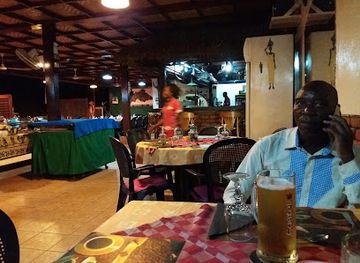
Experience the vibrant culinary scene of Douala at Le Boj, where local flavors meet international cuisine in a stylish lounge ambiance.
-
Hotel
Elaïs Hôtel
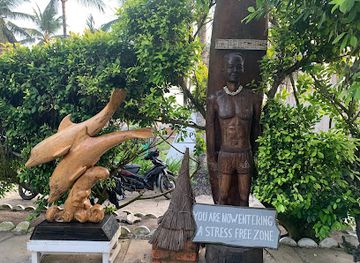
Discover comfort and local charm at Elaïs Hôtel, your serene retreat in Pointe-Noire, Congo with exquisite dining and vibrant entertainment.
-
Hotel
Villa Madiba
Experience luxury and tranquility at Villa Madiba, the perfect hotel retreat in Pointe-Noire, Congo, blending culture, comfort, and breathtaking views.
-
Restaurant
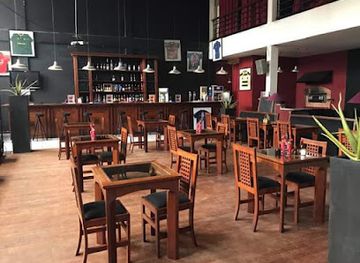
Relais des Chasses
Experience the authentic flavors of Central Africa at Relais des Chasses, a cozy restaurant and bed & breakfast in the heart of Bangui.
Best shops in Basse-Kotto
Shopping in Basse-Kotto is concentrated in local markets and small independent stalls rather than formal retail districts. Mobaye, Alindao and other larger settlements may offer cassava, rice, plantains, vegetables, fruit, fish, household goods, clothing and basic craft items, with availability shaped by harvests, road access and security. Markets are places of essential trade rather than curated souvenir centres, so visitors should ask permission before taking photographs and should shop through trusted local contacts when possible. Useful purchases may include locally produced foodstuffs or modest handmade items, but travellers should not assume a consistent supply of textiles, jewellery, books, specialist crafts or imported goods. Cash in Central African CFA francs is necessary, and bargaining should be conducted politely without turning ordinary subsistence trade into a performance. Because Basse-Kotto has very limited tourism infrastructure, arrange essential supplies before travelling away from major settlements and avoid displaying expensive equipment or large sums of money.
-
Cathedral
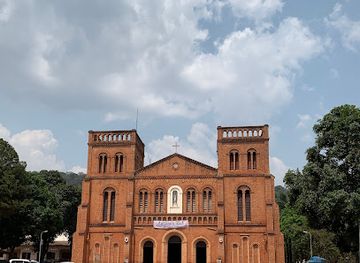
Notre-Dame of Bangui Cathedral
Explore the architectural beauty and spiritual heart of the Central African Republic at Notre-Dame of Bangui Cathedral, a must-visit for every traveler.
-
Shopping mall
Bangui Mall
Explore Bangui Mall for a unique shopping experience blending local culture with international brands in the heart of the Central African Republic.
-
Tourist attraction
Chutes de Boali
Discover the breathtaking beauty of Chutes de Boali, a stunning waterfall attraction in the heart of Central Africa's lush landscapes.
-
Grocery store
Corail
Explore Corail in Bangui for an authentic grocery experience, showcasing local flavors and unique products in the heart of Central African culture.


Get your free copy of our complete guide to Basse-Kotto, delivered straight to you.
Everything on this page, from attractions and restaurants to essentials and local phrases, in one PDF you can read offline, print or share.
Already have an account? Sign in
Your Basse-Kotto guide is ready.
We'll send it to · Not you? Sign out

Getting your guide ready…
We are putting together a fresh copy of the Basse-Kotto guide. This can take up to a minute.
This can take a few moments. If your browser asks, choose Allow so the download can start. You'll find the guide in your Downloads folder.
Nothing happened? Download it again
Sorry, the guide is taking longer than usual. Please try again in a minute, or get it by email instead.
Basse-Kotto essentials
Currency and Payment
Safety
Emergency Situations
Do's and Don'ts
Local Tips
From Eve
Local phrases worth knowing
You don't need to get them perfect. A few words go a long way, and locals appreciate the effort.
Basics
| English | Local | Say it |
|---|---|---|
| Hello | Mbote | [m-bo-te] |
| Goodbye | Kende | [ken-de] |
| Yes | Aye | [ah-ye] |
| No | Te | [teh] |
| Please/You’re welcome | S'il vous plaît | [seel voo pleh] |
| Thank you | Mergi | [mer-gee] |
| Excuse me/Sorry | N'koyi | [n-koh-yi] |
| How are you? | Oyo na yo? | [oh-yo nah yo] |
| Fine. And you? | Oyo na ngai | [oh-yo nah ngai] |
| Do you speak English? | Ozo tanga Lingala? | [oh-zo tan-ga lin-ga-la] |
| I don't understand | Nani na malinga | [nah-nee nah mah-lin-ga] |
Eating & Drinking
| English | Local | Say it |
|---|---|---|
| I’d like to see the menu, please | Naza na mabu na menu, s'il vous plaît | [nah-za nah mah-boo nah meh-noo, seel voo pleh] |
| I don't eat meat | Nani na tanga nyama | [nah-nee nah tan-ga nyah-mah] |
| Cheers! | Bolo! | [bo-lo] |
| I would like to pay, please | Naza na tanga kobuka, s'il vous plaît | [nah-za nah tan-ga koh-boo-ka, seel voo pleh] |
Emergencies
| English | Local | Say it |
|---|---|---|
| Help! | Yaka! | [yah-kah] |
| Go away! | Soki | [so-kee] |
| Call the Police! | Tanga polisi! | [tan-ga poh-lee-see] |
| Call a doctor! | Tanga dokita! | [tan-ga doh-kee-tah] |
| I’m lost | Nani na sabis | [nah-nee nah sah-bees] |
| I’m ill | Nani na maladi | [nah-nee nah mah-lah-dee] |
Shopping
| English | Local | Say it |
|---|---|---|
| I’d like to buy... | Naza na tanga zonga... | [nah-za nah tan-ga zon-ga] |
| I’m just looking | Naza na kanga | [nah-za nah kan-ga] |
| How much is it? | Mbote na nini? | [m-bo-te nah nee-nee] |
| That’s too expensive | Eza mingi | [eh-zah min-gee] |
| Can you lower the price? | Ozo tanga boko zonga? | [oh-zo tan-ga boh-ko zon-ga] |
Time & Numbers
| English | Local | Say it |
|---|---|---|
| What time is it? | Nani na tongo? | [nah-nee nah ton-go] |
| It’s one o'clock | Eza moke | [eh-zah moh-keh] |
| Half past (10) | Yango ya nsima (10) | [yan-go yah n-see-mah] |
| Morning | Mokolo | [mo-ko-lo] |
| Afternoon | Mokolo ya sika | [mo-ko-lo yah see-kah] |
| Evening | Mokolo ya mbala | [mo-ko-lo yah m-bah-lah] |
| Yesterday | Ezi | [eh-zee] |
| Today | Lelo | [leh-lo] |
| Tomorrow | Bokolo | [bo-ko-lo] |
| 1 | Mokolo | [mo-ko-lo] |
| 2 | Mbale | [m-ba-le] |
| 3 | Mokolo moke | [mo-ko-lo mo-keh] |
| 4 | Nne | [n-ne] |
| 5 | Tano | [ta-no] |
| 6 | Sita | [see-ta] |
| 7 | Saba | [sa-ba] |
| 8 | Soko | [so-ko] |
| 9 | Tisa | [tee-sa] |
| 10 | Kumi | [koo-mee] |
Transport & Directions
| English | Local | Say it |
|---|---|---|
| Where's a/the...? | Wapi ...? | [wah-pee] |
| What's the address? | Nani na adrese? | [nah-nee nah ah-dray-seh] |
| Can you show me (on the map)? | Ozo tanga ngai (na map)? | [oh-zo tan-ga ngai na map] |
| When's the next (bus)? | Mbote ya moke (bus)? | [m-bo-te yah moh-keh] |
| A ticket (to ....) | Nani na tiketi (na ...)? | [nah-nee nah tee-keh-tee] |
History of Basse-Kotto
Early communities and Ubangi settlement
The territory now known as Basse-Kotto has long been shaped by movement along the Ubangi and its tributaries, as well as by farming, fishing and forest resources. Written records are limited compared with the archaeological evidence available in better-researched parts of Central Africa, so broad claims about early political boundaries should be treated cautiously. Communities developed through migration, exchange, marriage networks and local authority rather than within the fixed borders of the modern prefecture. River corridors connected settlements with neighbouring areas of what are now the Central African Republic and the Democratic Republic of the Congo.
Pre-colonial trade and regional polities
Before European colonial rule, south-eastern Central Africa contained interconnected communities and local political systems linked by commerce, customary authority and river travel. Trade involved foodstuffs, tools, cloth and other goods, while long-distance networks also connected the Ubangi basin with wider Central African markets. The modern name Basse-Kotto belongs to a later administrative system and should not be projected backwards onto these earlier political landscapes. Nevertheless, the region's present-day orientation towards rivers, market exchange and cross-border contact has deep historical roots.
French rule in Oubangui-Chari
European colonial expansion brought the region into French Equatorial Africa and the territory of Oubangui-Chari, the predecessor of the Central African Republic. Colonial administration relied on posts, roads, river transport and systems of taxation and labour that disrupted existing economic and political arrangements. Missionary activity and the spread of Christianity also altered education, settlement patterns and public life. Colonial boundaries divided communities and trading areas across what later became the international frontier with the Democratic Republic of the Congo, a division that remains significant around the Ubangi.
Independence and the Central African Republic
The Central African Republic became independent from France in 1960. Like other remote parts of the new state, Basse-Kotto remained distant from national institutions concentrated in Bangui, with limited roads, public services and formal employment. Prefectural administration, schools, churches, markets and health facilities became important points of connection with the national government, but the region continued to depend heavily on subsistence agriculture, river resources and local trade. The gap between the capital and the south-eastern hinterland has remained a recurring feature of Central African political and economic life.
Conflict and displacement since the 1990s
Political crises and armed conflict in the Central African Republic have repeatedly affected Basse-Kotto, particularly because of its remote location, porous borders and limited state presence. Armed groups, insecurity on roads and disputes over local authority have damaged livelihoods and restricted movement. Communities have also experienced displacement and pressure on markets, farms, schools and health services. Conditions vary by locality and change quickly, so the history of recent decades is best understood not only through national political events but also through their effects on civilians and local institutions.
Contemporary recovery and continuing fragility
Recent efforts by Central African authorities, humanitarian organisations and local communities have sought to restore administration, basic services, roads and social stability. Progress is uneven, and the prefecture remains vulnerable to renewed violence, economic isolation and humanitarian emergencies. The Ubangi continues to support local exchange, while agriculture remains central to household livelihoods. Basse-Kotto's contemporary story is therefore one of resilience alongside fragility: its communities maintain cultural and economic networks despite the constraints imposed by insecurity, poor infrastructure and distance from the national capital.
Basse-Kotto in Photos
Browse through our photo collection highlighting the charm and character of the destination.
Neighbouring regions of Basse-Kotto
The closest regions to Basse-Kotto, if you have time for more than one.
-

-

-

-

-


Swipe for more regions
Explore more

Explore more of Central African Republic
Explore the Central African Republic: A land of untamed wilderness, rich culture, and unforgettable adventures in the heart of Africa.
Explore Central African Republic