

Mbomou, Central African Republic Travel Guide
Discover Mbomou: A pristine haven for wildlife enthusiasts, adventure seekers, and cultural explorers in the heart of the Central African Republic.
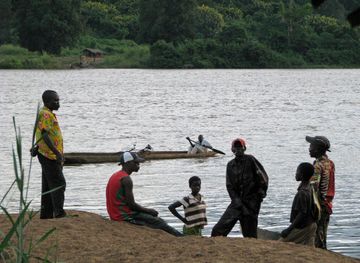
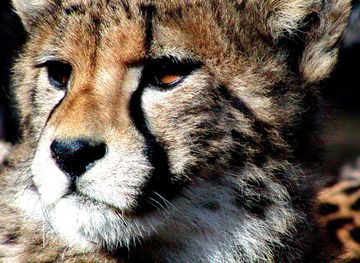
Located in the southeastern part of the Central African Republic, Mbomou is a region rich in natural beauty and cultural heritage. This destination is perfect for those looking to explore uncharted territories and immerse themselves in the heart of Africa's wilderness. The Mbomou River, which flows through the region, offers picturesque views and a unique opportunity for river-based activities such as fishing and boating. Mbomou is also home to diverse wildlife, including elephants, gorillas, and various bird species, making it a paradise for nature lovers and wildlife enthusiasts. The region's dense forests and savannas provide a captivating backdrop for safaris and guided tours. With its relatively untouched landscape, visitors can experience the raw beauty of nature and the thrill of spotting rare animals in their natural habitat. Cultural exploration is another highlight of visiting Mbomou. The local communities are known for their rich traditions and warm hospitality. Visitors can engage with the local people, learn about their customs, and even participate in traditional ceremonies and dances. The region also boasts historical sites that offer insights into its intriguing past, adding depth to your travel experience.

Know before you go
Hi, I'm Eve. Here are a few practical things to know before exploring Mbomou.
- Travel with a local guide to navigate the region's remote areas and enhance your safety.
- Carry sufficient water and supplies, as facilities can be sparse in this remote region.
- Visit during the dry season (December to March) for the best wildlife viewing opportunities.
- Respect local customs and traditions; always ask for permission before taking photos of people.
- Ensure you have the necessary vaccinations and health precautions before traveling.
Explore Mbomou: Things to Do, Places to Eat, Hotels & More
Handpicked recommendations for top attractions, local dining, accommodations, and more

Top Attractions & Sightseeing in Mbomou


Best bars in Mbomou
Top-rated picks
Best Bars

Le Boj, Douala
Discover the culinary delights and vibrant nightlife at Le Boj, Douala's premier restaurant and lounge, offering a unique dining experience.

Relais des Chasses
Experience the best of Central African cuisine at Relais des Chasses, a charming restaurant and bed & breakfast in the heart of Bangui.

5 FOURCHETTES
Experience the vibrant flavors of Bangui at 5 Fourchettes, a culinary gem offering local and international dishes in a welcoming atmosphere.

Cafrina
Experience the rich flavors of Central Africa at Cafrina, a top restaurant in Bangui offering a unique blend of local and international cuisine.

Best shops in Mbomou
Top-rated picks
Best Shops

Bangui Mall
Discover Bangui Mall: A Shopping Paradise in the Heart of the Central African Republic with Local and International Flavors.

Corail
Discover the vibrant flavors of Bangui at Corail, a grocery store offering a rich selection of local and international products.

Chinko Nature Reserve
Discover the untouched beauty of Chinko Nature Reserve, where diverse wildlife and stunning landscapes await every traveler in Central Africa.

Marché Central
Explore Marché Central in Bangui for a vibrant selection of cosmetics and perfumes that promise to enhance your beauty experience.

Explore Mbomou on the Map
A handpicked selection of must-see spots in Mbomou, mapped for you.
Mbomou Essentials
-
Mbomou is located in the southeastern part of the Central African Republic. The nearest major airport is Bangui M'Poko International Airport (BGF) in the capital city of Bangui, which is approximately 700 kilometers away. From Bangui, you can travel to Mbomou by road. It is advisable to hire a 4x4 vehicle due to the rough terrain and poor road conditions. Alternatively, chartering a small plane to Zemio Airport, which is closer to Mbomou, is an option for those looking for a quicker and more comfortable journey.
-
In Mbomou, transportation options are limited. Most locals rely on motorbikes and bicycles for short distances. For longer trips, hiring a local driver with a 4x4 vehicle is recommended due to the challenging road conditions. Public transport, such as minibuses and shared taxis, is available but may not operate on a fixed schedule. For a truly immersive experience, consider hiring a local guide who can navigate the region's intricate paths and offer valuable insights.
-
The official currency of the Central African Republic is the Central African CFA franc (XAF). Credit card acceptance is very limited in Mbomou, and it is essential to carry enough cash for your entire trip. ATMs are scarce and often unreliable, so it is advisable to withdraw sufficient cash in Bangui before traveling to Mbomou. Small denominations are useful for everyday transactions.
-
While Mbomou has many areas that are safe for tourists, it's crucial to stay informed about the current security situation, as it can change rapidly. Avoid traveling at night and steer clear of isolated areas. Some neighborhoods have higher crime rates, particularly for petty crimes like pickpocketing and theft. It is advisable to travel with a local guide and stay in well-known accommodations. Always keep your belongings secure and be cautious when interacting with strangers.
-
In case of an emergency, the local emergency number to call is 117 for police assistance. For medical emergencies, dial 118. It is crucial to have comprehensive travel insurance that covers medical evacuation, as medical facilities in Mbomou are limited. The nearest major hospital is in Bangui, so minor health issues should be addressed at local clinics or pharmacies. Always carry a basic first-aid kit and necessary medications.
-
Fashion: Do dress modestly to respect local customs. Avoid wearing revealing clothing. Religion: Do respect local religious practices and traditions. Remove your shoes before entering places of worship. Public Transport: Do be patient, as public transport can be erratic. Don't rely solely on public transport for timely travel. Greetings: Do greet people with a warm handshake and a smile. A slight bow of the head is also appreciated. Eating & Drinking: Do try local dishes and accept food offerings graciously. Don't refuse hospitality, as it is considered impolite.
-
To experience Mbomou like a local, visit the local markets where you can purchase fresh produce and handmade crafts. Engage with the locals, who are often friendly and willing to share their culture and traditions. Don't miss visiting local landmarks such as the Chinko Nature Reserve, which offers a glimpse into the region's rich biodiversity. Participate in community events and traditional ceremonies to gain a deeper understanding of Mbomou's cultural heritage.
When is the best time to visit Mbomou?
Useful Local Phrases for Mbomou
You don't need to speak the language perfectly. Even learning a few simple words can make conversations warmer—and locals usually appreciate the effort.
— Eve

Here are the phrases I use most often in Mbomou. Try a few—you'll be surprised how far they go! 😊
❤️
-
- HelloMbote
[m-bo-te] - GoodbyeTschao
[chao] - YesEe
[eh] - NoNaa
[nah] - Please/You’re welcomeS'il vous plaît
[seel voo pleh] - Thank youMersi
[mehr-see] - Excuse me/SorryPardon
[par-dohn] - How are you?Où est la santé?
[oo eh la san-teh] - Fine. And you?Nabana. Na yo?
[nah-bah-nah nah yo] - Do you speak English?Où parle l'anglais?
[oo par-lay lan-glay] - I don’t understandNani na konpran
[nah-nee nah kon-pran]
- HelloMbote
-
- I’d like to see the menu, pleaseMè chanjé meni, s'il vous plaît
[meh shan-jay meh-nee seel voo pleh] - I don’t eat meatNani mangen viande
[nah-nee mahn-zhay vee-and] - Cheers!À votre santé!
[ah voh-truh san-teh] - I would like to pay, pleaseMè chanjé peye, s'il vous plaît
[meh shan-jay pay-ay seel voo pleh]
- I’d like to see the menu, pleaseMè chanjé meni, s'il vous plaît
-
- Help!À l'aide!
[ah lehd] - Go away!Va-t'en!
[vah-tahn] - Call the Police!Appelle la police!
[ah-pel lah poh-lees] - Call a doctor!Appelle un médecin!
[ah-pel uh may-deh-sin] - I’m lostJe suis perdu
[zhuh swee pair-doo] - I’m illJe suis malade
[zhuh swee mah-lahd]
- Help!À l'aide!
-
- I’d like to buy...Mè chanjé achte...
[meh shan-jay ah-shtay] - I’m just lookingMè juste regardé
[meh joost reh-gar-day] - How much is it?Combien ça coûte?
[kohm-byen sah koot] - That’s too expensiveC'est trop cher
[seh troh shair] - Can you lower the price?Peux-tu baisser le prix?
[peuh tu beh-say leh pree]
- I’d like to buy...Mè chanjé achte...
-
- What time is it?Quelle heure est-il?
[kel uhr eh-teel] - It’s one o’clockIl est une heure
[eel eh oon uhr] - Half past (10)Demi (10)
[duh-mee] - MorningMatin
[mah-tahn] - AfternoonAprès-midi
[ah-pray mee-dee] - EveningSoir
[swahr] - YesterdayHier
[ee-air] - TodayAujourd'hui
[oh-zhoor-dwee] - TomorrowDemain
[duh-manh] - 1Un
[uhn] - 2Deux
[duh] - 3Trois
[trwah] - 4Quatre
[katr] - 5Cinq
[sank] - 6Six
[sees] - 7Sept
[set] - 8Huit
[weet] - 9Neuf
[nuhf] - 10Dix
[dees]
- What time is it?Quelle heure est-il?
-
- Where's a/the...?Où est le/la...?
[oo eh leh/lah] - What's the address?Quelle est l'adresse?
[kel eh lah-dress] - Can you show me (on the map)?Peux-tu me montrer (sur la carte)?
[peuh tu meh mon-tray sur lah cart] - When's the next (bus)?Quand est le prochain (bus)?
[kahn eh leh pro-shen bus] - A ticket (to ....)Un billet (pour ....)
[uhn bee-yay pour]
- Where's a/the...?Où est le/la...?
History of Mbomou
-
Before the arrival of European colonizers, the Mbomou region was inhabited by several indigenous groups, including the Azande and Banda peoples. These groups had rich cultural traditions, complex social structures, and engaged in trade with neighboring regions. The Azande, in particular, were known for their skilled craftsmanship, including pot-making, ironwork, and weaving.
-
In the late 19th century, the region fell under French colonial rule as part of the larger territory of Oubangui-Chari, which later became the Central African Republic. The French established administrative posts, built infrastructure, and introduced new agricultural practices. However, this period was also marked by exploitation and forced labor, which had a lasting impact on the local populations.
-
During World War II, the Mbomou region contributed to the Free French Forces' efforts against Axis powers. The war period also saw the rise of nationalist sentiments, leading to increased demands for independence. Influential figures from the region, such as Barthélemy Boganda, played a crucial role in the push for self-governance, which was eventually achieved in 1960 when the Central African Republic gained independence from France.
-
The years following independence were tumultuous for Mbomou, as the entire country grappled with political instability, coups, and civil conflict. The region was significantly affected during the Central African Republic Bush War (2004-2007) and the subsequent conflicts that have plagued the country. These periods of unrest have had profound effects on the population, economy, and infrastructure of Mbomou.
-
Despite the challenges, Mbomou remains a region rich in cultural heritage. Traditional music, dance, and rituals continue to be an integral part of life. The region is also known for its vibrant markets, where local artisans sell crafts such as woven baskets, pottery, and carved wooden figures. These cultural practices are not only a source of pride but also a means of preserving the history and identity of the local communities.
-
Mbomou is home to stunning landscapes, including the Mbomou River, dense forests, and diverse wildlife. The region's natural beauty offers opportunities for ecotourism, with activities such as river safaris, bird watching, and visits to national parks. These attractions draw visitors who are keen to explore the area's unique ecological and cultural features, contributing to the local economy and promoting conservation efforts.
Neighbouring Regions of Mbomou
The closest regions to Mbomou, if you have time for more than one.




Your all‑in‑one travel companion app
Explore expert travel guides, compare and book tours, experiences, hotels, and more—all from the palm of your hand. Download now for seamless trip planning wherever your wanderlust takes you.


Explore More of Central African Republic

Looking beyond Mbomou? Discover Central African Republic for broader travel guides, local hot-spots, and regional highlights.
Explore Central African RepublicMbomou in Photos
Browse through our photo collection highlighting the charm and character of the destination.


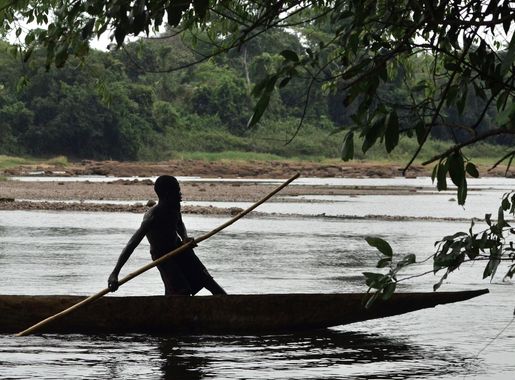

Mbomou: Untouched Wilderness in the Heart of Africa
Located in the southeastern part of the Central African Republic, Mbomou is a region rich in natural beauty and cultural heritage. This destination is perfect for those looking to explore uncharted territories and immerse themselves in the heart of Africa's wilderness. The Mbomou River, which flows through the region, offers picturesque views and a unique opportunity for river-based activities such as fishing and boating. Mbomou is also home to diverse wildlife, including elephants, gorillas, and various bird species, making it a paradise for nature lovers and wildlife enthusiasts. The region's dense forests and savannas provide a captivating backdrop for safaris and guided tours. With its relatively untouched landscape, visitors can experience the raw beauty of nature and the thrill of spotting rare animals in their natural habitat. Cultural exploration is another highlight of visiting Mbomou. The local communities are known for their rich traditions and warm hospitality. Visitors can engage with the local people, learn about their customs, and even participate in traditional ceremonies and dances. The region also boasts historical sites that offer insights into its intriguing past, adding depth to your travel experience.