

Free Haut-Mbomou Travel Guide & Mobile App
Explore Haut-Mbomou with free travel guides. Discover regional history, expert tips, proposed trips, and audio guides on web or mobile app.


Haut-Mbomou offers a remote Central African landscape of river plains, border cultures and conservation areas for carefully prepared specialist travellers.
Read more about Haut-Mbomou
When is the best time to visit Haut-Mbomou?
Best: December–February · 30–32°C| Month | High (°C) | Rainfall (mm) |
|---|---|---|
| January (best) | 31 | 25 |
| February (best) | 32 | 30 |
| March | 33 | 75 |
| April | 33 | 100 |
| May | 33 | 125 |
| June | 32 | 150 |
| July | 30 | 175 |
| August | 30 | 175 |
| September | 30 | 150 |
| October | 30 | 125 |
| November | 30 | 75 |
| December (best) | 30 | 30 |
Getting to and around Haut-Mbomou
How to get there
Transportation
Explore Haut-Mbomou on the map
Plan your trip on one map. See where the top cities, national parks and sights are, and book hotels and experiences in a few clicks.
Best hotels in Haut-Mbomou
Best restaurants in Haut-Mbomou
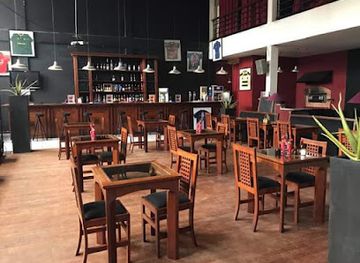
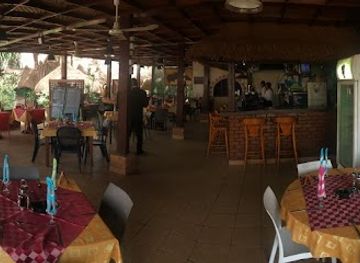
Dining in Haut-Mbomou is informal and closely tied to household cooking, local markets and available seasonal produce rather than a restaurant industry. Visitors are likely to encounter staples such as cassava, maize, rice, plantain, beans and leafy vegetables, accompanied by sauces, fish or meat where supplies permit. Local food traditions vary between communities and reflect connections with neighbouring areas of the Central African Republic, the Democratic Republic of the Congo and South Sudan. Obo has the greatest choice of simple prepared food, while options in Zemio, Mboki and rural settlements are more limited and may depend on prior arrangements. Travellers working with an organisation generally eat through accommodation or communal catering, and should declare dietary or medical requirements well in advance. Safe drinking water, food hygiene and reliable refrigeration cannot be assumed, so carry suitable provisions and follow professional health advice. There is little reason to expect cafés, formal fine dining or dependable evening service outside the main administrative centre.
-
 Restaurant
Mother Africa
Experience authentic Central African cuisine at Mother Africa in Bamingui - where every dish tells a story.
Best bars in Haut-Mbomou
Haut-Mbomou does not have a developed nightlife or nightclub scene. Evening social life in Obo, Zemio and Mboki centres on neighbourhood gatherings, small informal drinking places, conversation, music and occasional community events rather than purpose-built entertainment venues. Locally available beer and other drinks may be sold through small traders, but opening arrangements, supply and atmosphere vary considerably. In rural areas, darkness, security restrictions and limited electricity make night-time movement inappropriate. Visitors should follow the curfew or movement rules of their organisation and avoid treating nightlife as a reason to travel after dark. Social occasions should be approached respectfully, with awareness of local religious and community practices and without photographing people without consent.
-
Restaurant
Le Boj, Douala
Discover the flavors of Cameroon and beyond at Le Boj, a trendy restaurant and lounge in the heart of Douala.
-
Restaurant
Relais des Chasses
Experience the warmth of Central African hospitality at Relais des Chasses, a charming restaurant and bed & breakfast in Bangui.
-
Restaurant
5 FOURCHETTES
Discover the authentic tastes of Central Africa at 5 FOURCHETTES, a charming restaurant in Bangui perfect for tourists seeking local flavors.
-
Restaurant
Cafrina
Experience the rich flavors of Central African cuisine at Cafrina, a must-visit restaurant in the heart of Bangui.


Best shops in Haut-Mbomou
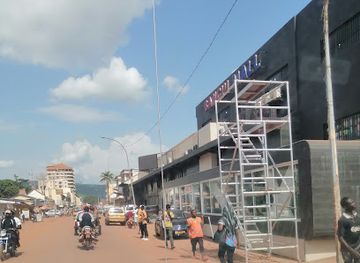
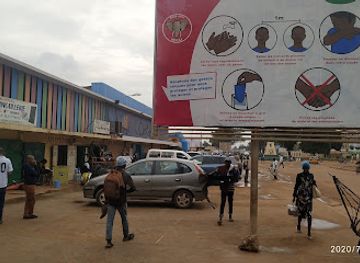
Shopping in Haut-Mbomou is primarily practical and local. Markets in Obo, Zemio and Mboki supply food, household necessities, clothing and small imported goods, with availability changing according to road access, security and seasonal harvests. Visitors may find locally produced cassava, grain, vegetables, honey or other agricultural goods, but supply is not guaranteed and purchasing should not reduce access for residents. Handicrafts and woven items may be available through personal contacts rather than permanent tourist shops; ask permission before photographing makers or their work and pay fair prices. There are no dependable luxury shopping districts, major retail centres or established souvenir markets. Essential toiletries, medicines, batteries, communications equipment and specialist outdoor supplies should be purchased before entering the prefecture. Cash in Central African CFA francs is necessary, and travellers should keep transactions discreet in busy market areas.
-
Gift shop
Mama Africa Gift Shop
Explore Mama Africa Gift Shop for unique Tanzanian souvenirs, art, and clothing in a vibrant setting, supporting local artisans and charities.
-
Shopping mall
Bangui Mall
Explore Bangui Mall: A shopping paradise in Central African Republic with diverse shops, delicious dining, and vibrant local culture.
-
Grocery store
Corail
Experience the vibrant flavors of Central Africa at Corail, Bangui's premier grocery store offering local and international products.
-
Cosmetics and perfumes supplier
Marché Central
Explore the vibrant Marché Central in Bangui, where local cosmetics and perfumes come alive amidst a bustling marketplace atmosphere.


Get your free copy of our complete guide to Haut-Mbomou, delivered straight to you.
Everything on this page, from attractions and restaurants to essentials and local phrases, in one PDF you can read offline, print or share.
Already have an account? Sign in
Your Haut-Mbomou guide is ready.
We'll send it to · Not you? Sign out

Getting your guide ready…
We are putting together a fresh copy of the Haut-Mbomou guide. This can take up to a minute.
This can take a few moments. If your browser asks, choose Allow so the download can start. You'll find the guide in your Downloads folder.
Nothing happened? Download it again
Sorry, the guide is taking longer than usual. Please try again in a minute, or get it by email instead.
Haut-Mbomou essentials
Currency and Payment
Safety
Emergency Situations
Do's and Don'ts
Local Tips
From Eve
Local phrases worth knowing
You don't need to get them perfect. A few words go a long way, and locals appreciate the effort.
Basics
| English | Local | Say it |
|---|---|---|
| Hello | Mbote | [m-bo-te] |
| Goodbye | Na biso | [na bee-so] |
| Yes | Ee | [eh] |
| No | Tika | [tee-ka] |
| Please/You're welcome | S'il vous plaît | [seel voo pleh] |
| Thank you | Mercie | [mer-see] |
| Excuse me/Sorry | Tondé | [ton-day] |
| How are you? | Oyo ezali ndenge nini? | [o-yo eh-zah-lee n-den-ge nee-nee] |
| Fine. And you? | Nzela malamu. Oyo na yo? | [n-zay-la ma-la-moo. o-yo na yo] |
| Do you speak English? | Ozali koloba Lingala? | [o-za-lee ko-lo-ba lin-ga-la] |
| I don't understand | Nalingi te | [na-lin-gee te] |
Eating & Drinking
| English | Local | Say it |
|---|---|---|
| I'd like to see the menu, please | Nalingi komona menu, s'il vous plaît | [na-lin-gee ko-mo-na me-nu, seel voo pleh] |
| I don't eat meat | Nalingi te kolia nyama | [na-lin-gee te ko-lee-a nya-ma] |
| Cheers! | Na mabele! | [na ma-be-le] |
| I would like to pay, please | Nalingi kofuta, s'il vous plaît | [na-lin-gee ko-foo-ta, seel voo pleh] |
Emergencies
| English | Local | Say it |
|---|---|---|
| Help! | Luka! | [loo-ka] |
| Go away! | Tika! | [tee-ka] |
| Call the Police! | Lobi na polisi! | [lo-bee na po-li-si] |
| Call a doctor! | Lobi na dokita! | [lo-bee na do-kee-ta] |
| I'm lost | Nazali na nse | [na-za-lee na n-se] |
| I'm ill | Nazali na maladi | [na-za-lee na ma-la-di] |
Shopping
| English | Local | Say it |
|---|---|---|
| I'd like to buy... | Nalingi kotelema... | [na-lin-gee ko-te-le-ma] |
| I'm just looking | Nazali koluka | [na-za-lee ko-lu-ka] |
| How much is it? | Eza na mbongo mingi? | [e-za na mbong-go min-gee] |
| That's too expensive | Eza mabe | [e-za ma-be] |
| Can you lower the price? | Okoki kokanga mbongo? | [o-ko-kee ko-kanga mbong-go] |
Time & Numbers
| English | Local | Say it |
|---|---|---|
| What time is it? | Nini heure? | [nee-nee eur] |
| It's one o'clock | Eza heure moko | [e-za eur mo-ko] |
| Half past (10) | Nzela ya (10) | [n-zay-la ya ten] |
| Morning | Mokolo | [mo-ko-lo] |
| Afternoon | Mokolo ya ngonga | [mo-ko-lo ya n-gon-ga] |
| Evening | Mokolo ya mpasi | [mo-ko-lo ya m-pa-si] |
| Yesterday | Lobi | [lo-bee] |
| Today | Lelo | [le-lo] |
| Tomorrow | Bokoko | [bo-ko-ko] |
| 1 | Moko | [mo-ko] |
| 2 | Mibale | [mi-ba-le] |
| 3 | Misato | [mi-sa-to] |
| 4 | Mibale | [mi-ba-le] |
| 5 | Mitano | [mi-ta-no] |
| 6 | Mikongo | [mi-kon-go] |
| 7 | Mibale na moko | [mi-ba-le na mo-ko] |
| 8 | Mibale na mibale | [mi-ba-le na mi-ba-le] |
| 9 | Mibale na misato | [mi-ba-le na mi-sa-to] |
| 10 | Mibale na mitano | [mi-ba-le na mi-ta-no] |
Transport & Directions
| English | Local | Say it |
|---|---|---|
| Where's a/the...? | Wapi ...? | [wa-pee] |
| What's the address? | Nini adresse? | [nee-nee a-dres] |
| Can you show me (on the map)? | Okoki koyebisa ngai (na katanga)? | [o-ko-kee ko-ye-bi-sa ng-ai na ka-tan-ga] |
| When's the next (bus)? | Nini bus eza? | [nee-nee bus e-za] |
| A ticket (to ....) | Billet (na ...) | [bee-yet na] |
History of Haut-Mbomou
Early communities and long-distance exchange
The territory now called Haut-Mbomou has long been inhabited by farming, hunting and trading communities connected to the wider savannah and forest zones of Central Africa. Rivers and seasonal paths supported movement between settlements, while exchange linked the area with communities in present-day South Sudan and the Democratic Republic of the Congo. Written records are limited, and local oral histories remain important for understanding migration, political authority, kinship and the changing use of land.
Regional sultanates and the ivory frontier
During the nineteenth century, political and commercial networks from the east reached parts of the wider region. The expansion of raiding and trading systems connected with the Azande and neighbouring polities brought new forms of authority, conflict and exchange. Ivory, enslaved people and other goods moved through difficult frontier country. The legacy of this period is reflected in regional memories, settlement patterns and the cultural connections that cross today’s international borders.
French colonial incorporation
France incorporated the area into its Central African colonial possessions, then known as Ubangi-Shari, during the late nineteenth and early twentieth centuries. Colonial administration was thin in this remote south-eastern zone, but it introduced new boundaries, taxation, military patrols and transport routes. The frontier with the Belgian Congo and the Anglo-Egyptian Sudan became an administrative reality that did not erase older commercial, linguistic and family connections.
Independence and the Central African Republic
Ubangi-Shari became the independent Central African Republic in 1960. Haut-Mbomou remained one of the country’s least connected areas, with public services and road infrastructure concentrated unevenly around administrative settlements. Government authority, local customary structures, church organisations and cross-border trade all helped shape daily life. The prefecture’s distance from Bangui has continued to influence access to education, healthcare, markets and national political institutions.
Conflict, displacement and the Lord’s Resistance Army
From the late 2000s, attacks and abductions associated with the Lord’s Resistance Army severely affected communities in Haut-Mbomou and neighbouring borderlands. Villages were displaced, farming and trade were disrupted, and humanitarian organisations expanded their presence. Although the scale and location of insecurity have changed over time, the period left a lasting mark on local communities and explains why movement outside the main settlements requires careful, current assessment.
Peacekeeping and contemporary recovery
The United Nations Multidimensional Integrated Stabilization Mission in the Central African Republic, known as MINUSCA, has operated in the country since 2014, including in the south-east. Other humanitarian and development organisations have supported protection, health, education, roads and community recovery. Progress remains uneven, and Haut-Mbomou continues to face armed-group risks, limited state capacity and fragile transport links. Contemporary travel must be understood within this continuing recovery process.
Haut-Mbomou in Photos
Browse through our photo collection highlighting the charm and character of the destination.
Neighbouring regions of Haut-Mbomou
The closest regions to Haut-Mbomou, if you have time for more than one.
-

-

-

-

-


Swipe for more regions
Explore more

Explore more of Central African Republic
Explore the Central African Republic: A land of untamed wilderness, rich culture, and unforgettable adventures in the heart of Africa.
Explore Central African Republic