

Free Borkou Travel Guide & Mobile App
Explore Borkou with free travel guides. Discover regional history, expert tips, proposed trips, and audio guides on web or mobile app.


Explore Borkou in northern Chad for Sahara landscapes, Faya’s oasis, Toubou culture and the enduring history of desert travel.
Read more about Borkou
When is the best time to visit Borkou?
Best: December–February · 27–30°C| Month | High (°C) | Rainfall (mm) |
|---|---|---|
| January (best) | 27 | 0 |
| February (best) | 30 | 0 |
| March | 35 | 1 |
| April | 38 | 1 |
| May | 42 | 3 |
| June | 44 | 7 |
| July | 43 | 18 |
| August | 42 | 23 |
| September | 40 | 11 |
| October | 36 | 3 |
| November | 31 | 1 |
| December (best) | 28 | 0 |
Getting to and around Borkou
How to get there
Transportation
Best landmarks in Borkou
Faya-Largeau’s oasis is Borkou’s defining landmark, not because of a single monumental structure but because its palms and cultivated ground reveal the presence of groundwater in an otherwise severe desert setting. The settlement’s position within the Borkou depression also makes the surrounding desert margins an important geographical reference point, where flat gravel surfaces meet eroded ridges and sandy terrain. Traditional wells and oasis gardens are practical landmarks that express the region’s history of survival, agriculture and caravan movement, although they remain working places rather than staged attractions and should be visited respectfully. Across the wider province, ancient tracks, stone remains and rock-art locations may carry archaeological significance, but many are difficult to identify securely and are not protected for casual tourism. The most meaningful landmarks are therefore often landscapes and water points: places that explain why communities settled, travelled and traded here. Military or governmental installations should never be treated as sightseeing sites or photographed.
-
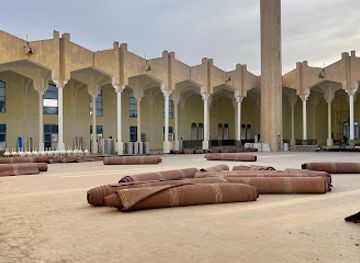
Mosque
N'Djamena Grand Mosque
Discover the architectural splendor and cultural significance of the N'Djamena Grand Mosque, a must-visit landmark in Chad's capital.
-
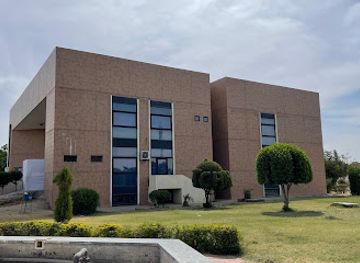
National museum
National Museum of Chad
Uncover the cultural treasures of Chad at the National Museum, showcasing the rich history and diverse heritage of this captivating nation.
-
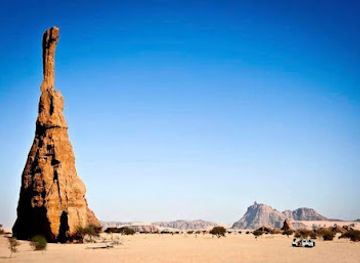
National park
Zakouma National Park
Explore the diverse wildlife and stunning landscapes of Zakouma National Park in Chad, a true paradise for nature lovers and adventure seekers.
-
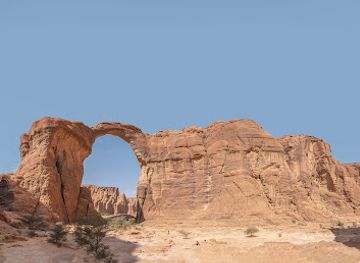
Tourist attraction
Aloba Arch
Discover Aloba Arch, one of the world's largest natural arches, set in the breathtaking landscapes of Torohi, a must-see for every nature lover.
Explore Borkou on the map
Plan your trip on one map. See where the top cities, national parks and sights are, and book hotels and experiences in a few clicks.
Best hotels in Borkou
Best restaurants in Borkou
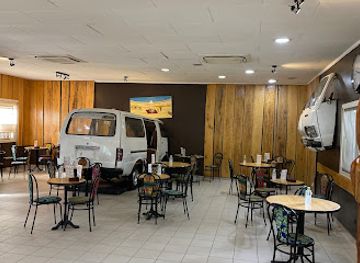
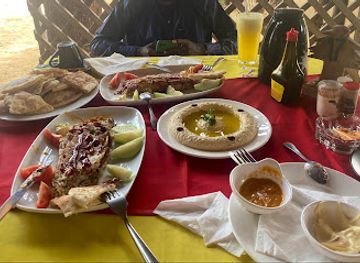
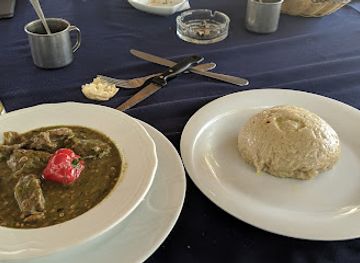
Dining in Borkou is practical and locally focused, with meals shaped by the supplies available in Faya-Largeau and by the food traditions of northern Chad. Visitors are likely to encounter simple dishes based on millet, sorghum, rice, beans, vegetables and meat, with dates and tea important in oasis and desert hospitality. Goat and other livestock products are more relevant to the regional food economy than elaborate restaurant menus, while dates from cultivated palms may be available seasonally. Small eateries, market stalls and guesthouse kitchens offer a more realistic picture of local food than a formal dining scene. Fresh produce can be limited and supply chains are long, so meals may be repetitive, particularly during overland journeys. Travellers with dietary or medical requirements should bring suitable provisions and discuss arrangements in advance. Eating and drinking customs vary by household, and accepting refreshments courteously is generally more important than seeking a particular regional speciality.
-
Cafe
Amandine Bakery
Experience the exquisite flavors of France at Amandine Bakery in N'Djamena – where every bite is a celebration of taste.
-
Restaurant
Layalina
Experience diverse culinary delights at Layalina in N'Djamena - where local flavors meet international cuisine.
-
Restaurant
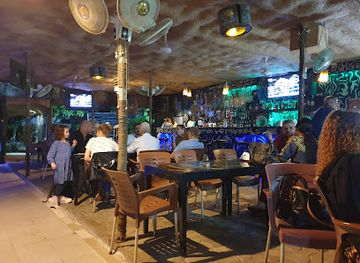
Perception Pub-Restaurant
Experience exquisite dining and vibrant nightlife at Perception Pub-Restaurant in N'Djamena, where local flavors meet international cuisine.
-
Restaurant
Au Bout Des Doigts
Experience authentic Chadian flavors and delightful pizzas at Au Bout Des Doigts in N'Djamena - a culinary gem waiting to be discovered.
Best bars in Borkou
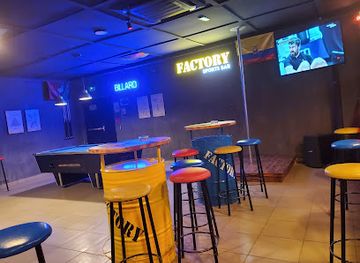
Borkou does not have a conventional nightlife industry, and Faya-Largeau should not be approached as a destination for clubs or late-night entertainment. Evening life centres on family and community gatherings, tea, conversation, local cafés and modest food outlets, with activity shaped by heat, security conditions and electricity availability. Visitors should follow local guidance on where and when to go out, avoid walking around unfamiliar areas after dark and respect the privacy of residential compounds. Alcohol is not central to public social life and may be unavailable or inappropriate in many settings. In smaller settlements and during desert travel, evenings are generally quiet, with people resting, talking or attending to livestock and household routines. Any music or cultural gathering is likely to be informal and locally organised rather than a scheduled tourist event.
-
Restaurant
Bushman Café
Discover authentic Ivorian flavors at Bushman Café, a charming restaurant in the heart of Abidjan's Cocody neighborhood.
-
Restaurant
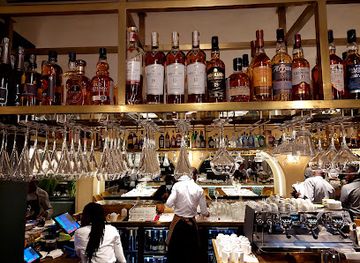
Le Comptoir Bar & Restaurant
Experience exquisite Ivorian and international cuisine in the heart of Abidjan at Le Comptoir Bar & Restaurant, a culinary gem in Côte d'Ivoire.
-
Restaurant
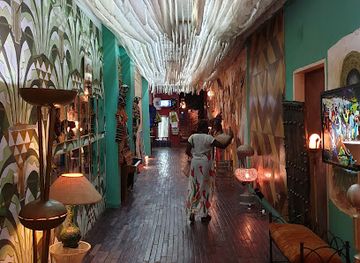
Le Boj, Douala
Discover the vibrant flavors of Cameroon at Le Boj, a premier restaurant and lounge in Douala offering a unique dining experience.
-
Bar
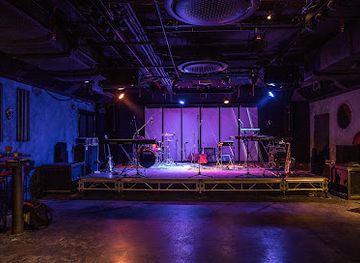
Cairo Jazz Club 610
Experience the pulse of Cairo's nightlife at Cairo Jazz Club 610, where live music and vibrant energy create unforgettable memories.

Best nightclubs in Borkou
Borkou does not have a conventional nightlife industry, and Faya-Largeau should not be approached as a destination for clubs or late-night entertainment. Evening life centres on family and community gatherings, tea, conversation, local cafés and modest food outlets, with activity shaped by heat, security conditions and electricity availability. Visitors should follow local guidance on where and when to go out, avoid walking around unfamiliar areas after dark and respect the privacy of residential compounds. Alcohol is not central to public social life and may be unavailable or inappropriate in many settings. In smaller settlements and during desert travel, evenings are generally quiet, with people resting, talking or attending to livestock and household routines. Any music or cultural gathering is likely to be informal and locally organised rather than a scheduled tourist event.
-
Night club
Lake Chad Club
Experience the vibrant nightlife of Maiduguri at Lake Chad Club, a premier destination for music, dance, and local culture.
-
Bar
Platinium bling bling
Experience the vibrant nightlife at Platinium Bling Bling, N'Djamena's premier bar and nightclub, where music, drinks, and fun collide.
-
Recreation center
Le QG
Experience the vibrant nightlife and recreation at Le QG in N'Djamena, where entertainment meets relaxation in a lively atmosphere.
-
Night club
LaSburrateriadiLorenzoTini
Experience the vibrant nightlife of Abou Chadra at LaSburrateriadiLorenzoTini, where music, dance, and local flavor come together for an unforgettable night.

Best shops in Borkou
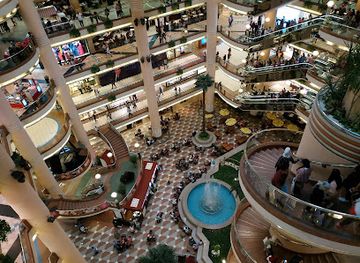
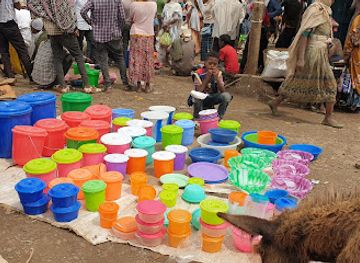
Shopping in Borkou is concentrated in Faya-Largeau and serves local households, pastoral travel and regional trade rather than international tourism. Small markets and independent traders may offer food staples, tea, clothing, household goods, livestock-related supplies and practical items for desert journeys. Dates and other oasis produce can be available when supplies and seasonal conditions permit, while locally made garments, leatherwork or small craft items may appear through informal trade rather than dedicated souvenir shops. Market activity can change with arrivals from surrounding communities, transport conditions and security restrictions, so visitors should not expect fixed opening patterns or a broad retail selection. Cash in Central African CFA francs is essential, and bargaining should be polite and proportionate. Do not buy suspected antiquities, fossils, old weapons or archaeological objects, even if offered as souvenirs; removing or exporting cultural material can damage heritage and create serious legal problems.
-
Shopping mall
Citystars Mall
Discover Citystars Mall, Cairo's premier shopping destination, where luxury meets local charm in a vibrant atmosphere packed with dining and entertainment.
-
Shopping mall
Senzo Mall
Discover the vibrant atmosphere of Senzo Mall in Hurghada - your ultimate shopping haven with diverse retail, dining, and entertainment options.
-
Shopping mall
Village Market
Discover the vibrant Village Market in Nairobi, a premier shopping and entertainment destination showcasing Kenyan culture, art, and diverse dining options.
-
Shopping mall
Cairo Festival City Mall
Explore Cairo Festival City Mall, a premier shopping destination offering diverse retail, dining, and entertainment experiences in New Cairo.

Get your free copy of our complete guide to Borkou, delivered straight to you.
Everything on this page, from attractions and restaurants to essentials and local phrases, in one PDF you can read offline, print or share.
Already have an account? Sign in
Your Borkou guide is ready.
We'll send it to · Not you? Sign out

Getting your guide ready…
We are putting together a fresh copy of the Borkou guide. This can take up to a minute.
This can take a few moments. If your browser asks, choose Allow so the download can start. You'll find the guide in your Downloads folder.
Nothing happened? Download it again
Sorry, the guide is taking longer than usual. Please try again in a minute, or get it by email instead.
Borkou essentials
Currency and Payment
Safety
Emergency Situations
Do's and Don'ts
Local Tips
From Eve
Local phrases worth knowing
You don't need to get them perfect. A few words go a long way, and locals appreciate the effort.
Basics
| English | Local | Say it |
|---|---|---|
| Hello | Njam | [njahm] |
| Goodbye | Barka | [bar-kah] |
| Yes | Eeh | [eh] |
| No | Ala | [ah-lah] |
| Please/You're welcome | Mata | [mah-tah] |
| Thank you | Misa | [mee-sah] |
| Excuse me/Sorry | Sori | [soh-ree] |
| How are you? | Kaha nja? | [kah-hah n-jah?] |
| Fine. And you? | Nja barka. Kaha nja? | [njah bar-kah. kah-hah n-jah?] |
| Do you speak English? | Kaha nja anglish? | [kah-hah n-jah ahn-glish?] |
| I don't understand | Nja ala nja sabar | [njah ah-lah n-jah sah-bar] |
Eating & Drinking
| English | Local | Say it |
|---|---|---|
| I'd like to see the menu, please | Nja barka nja menu mata | [njah bar-kah n-jah meh-noo mah-tah] |
| I don't eat meat | Nja ala nja dima | [njah ah-lah n-jah dee-mah] |
| Cheers! | Tanga! | [tahn-gah] |
| I would like to pay, please | Nja barka nja pay mata | [njah bar-kah n-jah pay mah-tah] |
Emergencies
| English | Local | Say it |
|---|---|---|
| Help! | Dja! | [jah!] |
| Go away! | Nja gina! | [njah gee-nah!] |
| Call the Police! | Tanga nja Police! | [tahn-gah njah poh-lees!] |
| Call a doctor! | Tanga nja doktor! | [tahn-gah njah dok-tor!] |
| I'm lost | Nja ala nja kash | [njah ah-lah n-jah kash] |
| I'm ill | Nja ala nja mar | [njah ah-lah n-jah mar] |
Shopping
| English | Local | Say it |
|---|---|---|
| I'd like to buy... | Nja barka nja gina... | [njah bar-kah n-jah gee-nah...] |
| I'm just looking | Nja ala nja gina barka | [njah ah-lah n-jah gee-nah bar-kah] |
| How much is it? | Kaha nja kash? | [kah-hah n-jah kash?] |
| That's too expensive | Ala kash barka | [ah-lah kash bar-kah] |
| Can you lower the price? | Kaha nja gina kash? | [kah-hah n-jah gee-nah kash?] |
Time & Numbers
| English | Local | Say it |
|---|---|---|
| What time is it? | Kaha nja waqt? | [kah-hah n-jah wah-qt?] |
| It's one o'clock | Nja wihid waqt | [njah wee-hid wah-qt] |
| Half past (10) | Nja nafs (10) | [njah naf-s (10)] |
| Morning | Saba | [sah-bah] |
| Afternoon | Bahar | [bah-har] |
| Evening | Asha | [ah-shah] |
| Yesterday | Amar | [ah-mar] |
| Today | Yom | [yohm] |
| Tomorrow | Bukar | [boo-kar] |
| 1 | Wihid | [wee-hid] |
| 2 | Itnain | [it-nain] |
| 3 | Thalath | [thah-lath] |
| 4 | Arba | [ahr-bah] |
| 5 | Khamsa | [khahm-sah] |
| 6 | Sitta | [si-tah] |
| 7 | Sab'a | [sahb-ah] |
| 8 | Thamaniya | [thah-mah-nee-yah] |
| 9 | Tis'a | [tis-ah] |
| 10 | Ashara | [ah-shah-rah] |
Transport & Directions
| English | Local | Say it |
|---|---|---|
| Where's a/the...? | Wain nja...? | [wah-een njah...?] |
| What's the address? | Kaha nja alamat? | [kah-hah n-jah ah-lah-maht?] |
| Can you show me (on the map)? | Kaha nja gina (ala kharja)? | [kah-hah n-jah gee-nah (ah-lah khar-jah)?] |
| When's the next (bus)? | Kaha nja waqt (bus) jaya? | [kah-hah n-jah wah-qt (bus) jah-yah?] |
| A ticket (to ....) | Tazkara (ila ...) | [taz-kah-rah (ee-lah ...)] |
History of Borkou
Saharan rock art and early settlement
The wider Borkou and central Saharan landscape contains traces of human activity from periods when the desert was wetter than it is today. Rock engravings, painted shelters, stone tools and ancient routes record changing patterns of hunting, herding and movement, although many sites are remote, fragile and difficult to date without specialist study. These remains show that the Sahara was not always the intensely arid environment seen today. They also help place Borkou within a much older network of trans-Saharan landscapes linking the Lake Chad basin with the Tibesti and Ennedi massifs.
Caravan routes and the Kanem-Bornu world
For centuries, routes through the northern Lake Chad region connected the Kanem-Bornu political world with oases and trading centres farther north. Borkou’s wells and cultivated depressions were valuable stopping points for caravans carrying livestock, dates, salt and other goods. Political authority over these routes varied over time, and control was often negotiated through local leaders, pastoral groups and oasis communities rather than imposed uniformly across the desert. The resulting history is one of commerce, mobility and adaptation to scarce water rather than dense permanent settlement.
Toubou communities and oasis society
Daza Toubou communities have long shaped the social and economic life of northern Chad, combining pastoral movement with settled cultivation and trade in different places and seasons. In Borkou, oasis settlements such as Faya developed around groundwater, palms and agricultural plots, while wider kinship and trading connections crossed modern borders. Toubou history should not be reduced to a single political narrative: local communities have pursued varied livelihoods and have experienced changing relationships with neighbouring states, other Chadian populations and Saharan markets.
French expansion and the creation of modern administration
French military and administrative expansion into northern Chad during the early twentieth century brought the region more directly under colonial rule. Control remained difficult because of the immense distances, harsh terrain and established local authority of Saharan communities. Administrative posts, military routes and taxation altered older patterns of movement, while Faya gained importance as a centre for government and commerce. Colonial mapping and administration also helped impose territorial boundaries that did not fully correspond to older caravan routes, pastoral ranges or community relationships.
Independence and northern conflict
Chad became independent in 1960, but national political instability soon affected the north. Borkou and surrounding Saharan territories experienced rebellion, military campaigns and changing alliances during the conflicts that marked Chad from the 1960s through the 1980s. The northern war also involved Libyan intervention and wider regional rivalries. These events left a legacy of insecurity, displaced populations, damaged infrastructure and unexploded remnants in some areas. They also reinforced the strategic importance of northern settlements and routes within Chad’s modern political geography.
Faya and Borkou in contemporary Chad
In contemporary Chad, Borkou remains one of the country’s most remote provinces, with Faya-Largeau serving as its principal administrative, trading and service centre. Modern vehicles, telecommunications and state institutions have changed the rhythm of travel, but dependence on wells, fuel planning and local route knowledge remains fundamental. Livestock, oasis agriculture and regional trade continue alongside public-sector activity. Development is constrained by distance, climate and limited infrastructure, while security concerns strongly influence access for residents, aid organisations and foreign visitors.
Borkou in Photos
Browse through our photo collection highlighting the charm and character of the destination.
Neighbouring regions of Borkou
The closest regions to Borkou, if you have time for more than one.
-

-

-

-

-


Swipe for more regions
Explore more

Explore more of Chad
Discover Chad: Explore Africa's untouched landscapes, rich cultural heritage, and captivating wildlife in one of the continent's most enchanting and remote destinations.
Explore Chad