

Free Tibesti Travel Guide & Mobile App
Explore Tibesti with free travel guides. Discover regional history, expert tips, proposed trips, and audio guides on web or mobile app.


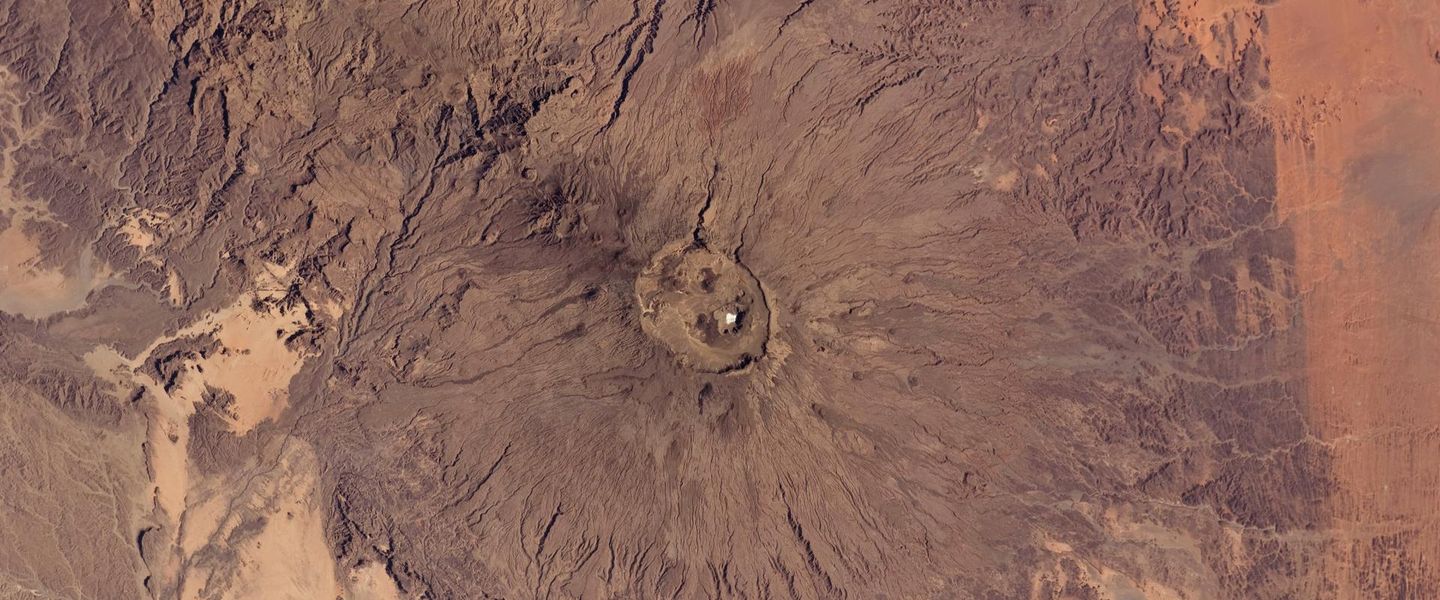


Tibesti in northern Chad combines Sahara volcanoes, ancient rock art and Teda culture, but requires specialist planning, local guidance and security advice.
Read more about Tibesti
When is the best time to visit Tibesti?
Best: December–February · 23–26°C| Month | High (°C) | Rainfall (mm) |
|---|---|---|
| January (best) | 23 | 1 |
| February (best) | 26 | 2 |
| March | 29 | 3 |
| April | 34 | 4 |
| May | 37 | 6 |
| June | 40 | 8 |
| July | 39 | 10 |
| August | 38 | 9 |
| September | 37 | 6 |
| October | 34 | 4 |
| November | 28 | 2 |
| December (best) | 24 | 1 |
Getting to and around Tibesti
How to get there
Transportation
Explore Tibesti on the map
Plan your trip on one map. See where the top cities, national parks and sights are, and book hotels and experiences in a few clicks.
Best hotels in Tibesti
Best bars in Tibesti
Tibesti has no meaningful nightclub or commercial bar scene. Evening life in settlements such as Bardaï and Zouar is centred on households, community gatherings, tea, conversation and practical activities rather than entertainment districts. In keeping with local Islamic customs, public alcohol consumption is not an appropriate basis for a visit and should not be assumed to be available. Expedition camps may offer quiet evenings under exceptionally clear desert skies, but visitors should keep noise low, respect nearby homes and religious practice, and use lighting responsibly. Any social visit should be arranged through local contacts rather than treated as an informal tourist activity. Larger towns elsewhere in Chad may provide more conventional cafés or evening venues, but they are outside Tibesti and should not be presented as part of its nightlife.
-
Hotel
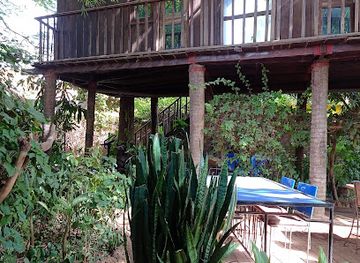
Le Karite Bleu
Experience the charm of Ouagadougou at Le Karite Bleu, a serene hotel blending local culture with modern comforts.
-
Cafe
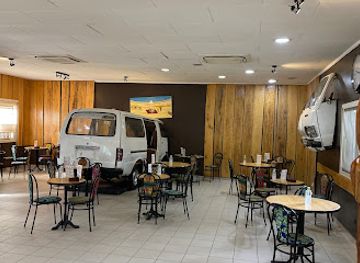
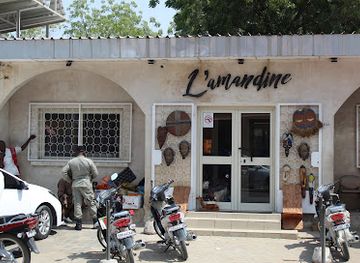
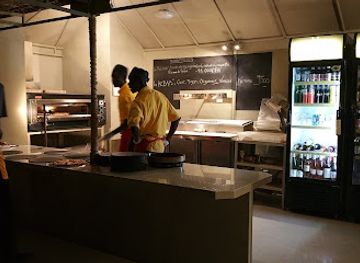
Amandine Bakery
Discover the flavors of N'Djamena at Amandine Bakery, where fresh pastries and coffee await in a cozy atmosphere.
-
Restaurant
Layalina
Discover the flavors of Chad at Layalina, where local ingredients meet international cuisine in a warm and inviting atmosphere.
-
Bar
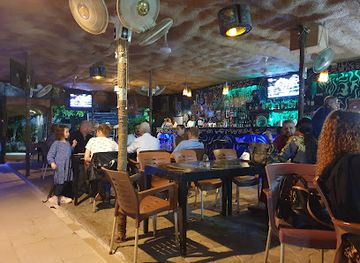
Perception Pub-Restaurant
Discover N'Djamena's vibrant nightlife at Perception Pub-Restaurant, where delicious food, refreshing drinks, and a lively atmosphere await.

Best nightclubs in Tibesti
Tibesti has no meaningful nightclub or commercial bar scene. Evening life in settlements such as Bardaï and Zouar is centred on households, community gatherings, tea, conversation and practical activities rather than entertainment districts. In keeping with local Islamic customs, public alcohol consumption is not an appropriate basis for a visit and should not be assumed to be available. Expedition camps may offer quiet evenings under exceptionally clear desert skies, but visitors should keep noise low, respect nearby homes and religious practice, and use lighting responsibly. Any social visit should be arranged through local contacts rather than treated as an informal tourist activity. Larger towns elsewhere in Chad may provide more conventional cafés or evening venues, but they are outside Tibesti and should not be presented as part of its nightlife.
-
 Night club
Bego Night Club
Experience the vibrant nightlife of N'Djamena at Bego Night Club, where music, dance, and fun come together for an unforgettable evening.
Best shops in Tibesti
Shopping in Tibesti is limited to practical local exchange rather than a formal tourist retail sector. Small settlements may offer basic food, tea, household goods, clothing and transport supplies, but visitors should not rely on finding specialist equipment, medicines, fuel or replacement parts after entering the massif. Local products can include dates, livestock-related goods, woven items and simple handicrafts, although availability varies and sales should be arranged respectfully through community contacts. The most responsible souvenirs are commercially acquired goods with a clear local origin; rock, fossils, archaeological fragments and historic objects should never be removed. Larger provisioning opportunities are found outside Tibesti, particularly in northern Chadian towns used as logistical bases, but these are not regional shopping destinations in the conventional sense. Carry cash in Central African CFA francs, check goods before departure and purchase only what can be transported without placing pressure on scarce local supplies.
-
Cafe
Amandine Bakery
Discover the delightful flavors of French pastries at Amandine Bakery, a must-visit café in N'Djamena offering a warm atmosphere and delicious treats.
-
Restaurant
Au Bout Des Doigts
Experience authentic local flavors at Au Bout Des Doigts, a vibrant restaurant in N'Djamena, perfect for food lovers and cultural explorers.
-
Restaurant
Restaurant Mandi
Experience the vibrant flavors of Chad at Restaurant Mandi, a culinary gem in N'Djamena offering a blend of local and international cuisine.
-
Hotel
Hôtel Irrisor
Discover the charm of N'Djamena at Hôtel Irrisor, where comfort meets local hospitality in the heart of Chad's vibrant capital.
Get your free copy of our complete guide to Tibesti, delivered straight to you.
Everything on this page, from attractions and restaurants to essentials and local phrases, in one PDF you can read offline, print or share.
Already have an account? Sign in
Your Tibesti guide is ready.
We'll send it to · Not you? Sign out

Getting your guide ready…
We are putting together a fresh copy of the Tibesti guide. This can take up to a minute.
This can take a few moments. If your browser asks, choose Allow so the download can start. You'll find the guide in your Downloads folder.
Nothing happened? Download it again
Sorry, the guide is taking longer than usual. Please try again in a minute, or get it by email instead.
Tibesti essentials
Currency and Payment
Safety
Emergency Situations
Do's and Don'ts
Local Tips
From Eve
Local phrases worth knowing
You don't need to get them perfect. A few words go a long way, and locals appreciate the effort.
Basics
| English | Local | Say it |
|---|---|---|
| Hello | Bonjour | [bɔ̃ʒuʁ] |
| Goodbye | Au revoir | [o ʁə.vwaʁ] |
| Yes | Oui | [wi] |
| No | Non | [nɔ̃] |
| Please/You're welcome | S'il vous plaît | [sil vu plɛ] |
| Thank you | Merci | [mɛʁ.si] |
| Excuse me/Sorry | Excusez-moi | [ɛkskyze mwa] |
| How are you? | Comment ça va? | [kɔ.mɑ̃ sa va] |
| Fine. And you? | Bien. Et vous? | [bjɛ̃ e vu] |
| Do you speak English? | Parlez-vous anglais? | [paʁ.le vu ɑ̃.ɡlɛ] |
| I don't understand | Je ne comprends pas | [ʒə nə kɔ̃.pʁɑ̃ pa] |
Eating & Drinking
| English | Local | Say it |
|---|---|---|
| I'd like to see the menu, please | Je voudrais voir le menu, s'il vous plaît | [ʒə vudʁɛ vwaʁ lə mə.ny sil vu plɛ] |
| I don't eat meat | Je ne mange pas de viande | [ʒə nə mɑ̃ʒ pa də vjɑ̃d] |
| Cheers! | Santé! | [sɑ̃.te] |
| I would like to pay, please | Je voudrais payer, s'il vous plaît | [ʒə vudʁɛ pe.je sil vu plɛ] |
Emergencies
| English | Local | Say it |
|---|---|---|
| Help! | À l'aide! | [a lɛd] |
| Go away! | Allez-vous-en! | [ale vu zɑ̃] |
| Call the Police! | Appelez la police! | [a.pe.le la pɔ.lis] |
| Call a doctor! | Appelez un médecin! | [a.pe.le ɛ̃ mɛ.dɛ.sɛ̃] |
| I'm lost | Je suis perdu | [ʒə sɥi pɛʁ.dy] |
| I'm ill | Je suis malade | [ʒə sɥi ma.lad] |
Shopping
| English | Local | Say it |
|---|---|---|
| I'd like to buy... | Je voudrais acheter... | [ʒə vudʁɛ aʃ.te] |
| I'm just looking | Je regarde juste | [ʒə ʁə.ɡaʁd ʒyst] |
| How much is it? | C'est combien? | [se kɔ̃.bjɛ̃] |
| That's too expensive | C'est trop cher | [se tʁo ʃɛʁ] |
| Can you lower the price? | Pouvez-vous baisser le prix? | [pu.ve vu bɛ.se lə pʁi] |
Time & Numbers
| English | Local | Say it |
|---|---|---|
| What time is it? | Quelle heure est-il? | [kɛl œʁ ɛ.til] |
| It's one o'clock | Il est une heure | [il ɛt yn œʁ] |
| Half past (10) | Dix heures et demie | [di.zœʁ e də.mi] |
| Morning | Matin | [ma.tɛ̃] |
| Afternoon | Après-midi | [a.pʁɛ.mi.di] |
| Evening | Soir | [swaʁ] |
| Yesterday | Hier | [jɛʁ] |
| Today | Aujourd'hui | [o.ʒuʁ.dɥi] |
| Tomorrow | Demain | [də.mɛ̃] |
| 1 | Un | [œ̃] |
| 2 | Deux | [dø] |
| 3 | Trois | [tʁwa] |
| 4 | Quatre | [katʁ] |
| 5 | Cinq | [sɛ̃k] |
| 6 | Six | [sis] |
| 7 | Sept | [sɛt] |
| 8 | Huit | [ɥit] |
| 9 | Neuf | [nœf] |
| 10 | Dix | [di] |
Transport & Directions
| English | Local | Say it |
|---|---|---|
| Where's a/the...? | Où est le/la...? | [u ɛ lə/la] |
| What's the address? | Quelle est l'adresse? | [kɛl ɛ l.a.dʁɛs] |
| Can you show me (on the map)? | Pouvez-vous me montrer (sur la carte)? | [pu.ve vu mə mɔ̃.tʁe (syʁ la kaʁt)] |
| When's the next (bus)? | Quand est le prochain (bus)? | [kɑ̃ ɛ lə pʁɔ.ʃɛ̃ (bys)] |
| A ticket (to ....) | Un billet (pour ...) | [œ̃ bi.ɛ (puʁ ...)] |
History of Tibesti
A Wetter Sahara and Early Rock Art
Tibesti’s rock engravings and paintings belong to a much older Saharan cultural landscape, created during periods when rainfall was greater and wildlife was more abundant than today. Representations of cattle, wild animals and human activity provide evidence of changing ways of life across the massif and its valleys. The archaeological record is uneven and difficult to access, but it shows that Tibesti was not always the hyper-arid environment seen by modern travellers. Water, pasture and volcanic shelter repeatedly influenced movement and settlement.
Teda Communities and Desert Mobility
The Teda, a northern Toubou community, have long adapted to the highly dispersed geography of Tibesti. Pastoralism, oasis agriculture, local exchange and knowledge of wells and mountain routes developed in response to scarce water and difficult terrain. Political authority traditionally operated through local communities and leaders rather than dense urban institutions. Arabic and Teda languages, Islamic practice and trans-Saharan connections have all contributed to the region’s cultural history, although Tibesti remains distinct from Chad’s more densely settled southern regions.
Caravan Routes and Regional Trade
Tibesti stood within a wider network linking the central Sahara with the Lake Chad basin, Fezzan and other desert regions. Caravans moved goods, livestock and information through routes whose viability depended on wells, seasonal water and local agreements. The massif was never a densely populated commercial corridor, but its passes and oases had strategic importance. Trade also connected Tibesti to neighbouring Libya and to the broader history of Saharan exchange, migration and political competition.
French Expansion and Colonial Rule
French colonial forces extended control over northern Chad during the early twentieth century, encountering terrain, distance and local political structures that made Tibesti difficult to administer. Colonial rule relied on military presence, indirect relationships and control of routes rather than dense bureaucratic settlement. The region’s remoteness limited infrastructure development, while its location near Libya gave it continuing strategic importance. The boundaries inherited at independence later shaped regional politics despite the massif’s older cross-border connections.
The Chadian-Libyan Conflict
Tibesti became a major theatre of conflict during the Chadian-Libyan confrontation of the late twentieth century. Its proximity to Libya, mountain terrain and strategic routes made the region important during successive phases of the civil war and foreign intervention. Fighting, military occupation and shifting alliances affected settlements and movement across the massif. The conflict left a legacy of insecurity, unexploded ordnance concerns and heightened sensitivity around photography, travel and military installations.
Gold Mining and Contemporary Change
The discovery and expansion of artisanal gold mining in northern Chad during the twenty-first century brought new migration, trade and economic opportunity alongside serious social, environmental and security pressures. Mining activity has been particularly associated with desert areas beyond the settled core of Tibesti, including parts of the wider north. It has altered patterns of mobility and intensified competition over access and regulation. Contemporary Tibesti therefore combines long-established pastoral and oasis economies with newer extractive activity and regional security concerns.
Tibesti in Photos
Browse through our photo collection highlighting the charm and character of the destination.
Neighbouring regions of Tibesti
The closest regions to Tibesti, if you have time for more than one.
-

-

-

-

-


Swipe for more regions
Explore more

Explore more of Chad
Discover Chad: Explore Africa's untouched landscapes, rich cultural heritage, and captivating wildlife in one of the continent's most enchanting and remote destinations.
Explore Chad