

Free Aconcagua Valley Travel Guide & Mobile App
Explore Aconcagua Valley with free travel guides. Discover regional history, expert tips, proposed trips, and audio guides on web or mobile app.


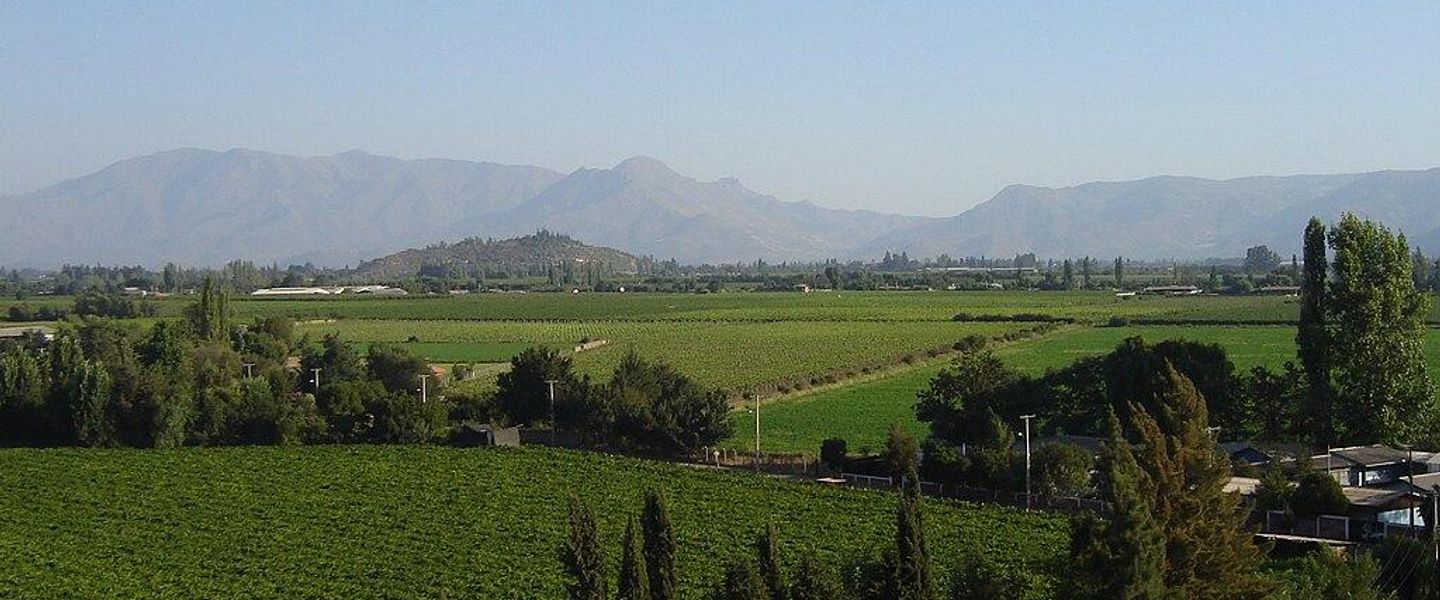


Aconcagua Valley combines Andean vineyards, historic San Felipe, rural heritage and mountain scenery within easy reach of Santiago.
Read more about Aconcagua Valley
When is the best time to visit Aconcagua Valley?
Best: December–February · 24°C| Month | High (°C) | Rainfall (mm) |
|---|---|---|
| January (best) | 24 | 1 |
| February (best) | 24 | 1 |
| March | 21 | 3 |
| April | 18 | 15 |
| May | 15 | 25 |
| June | 12 | 35 |
| July | 12 | 30 |
| August | 14 | 20 |
| September | 18 | 15 |
| October | 21 | 8 |
| November | 23 | 4 |
| December (best) | 24 | 2 |
Getting to and around Aconcagua Valley
How to get there
Transportation
Top city travel guides in Aconcagua Valley
The cities of Aconcagua Valley, and the easiest places to base yourself.

Swipe for more cities
Best attractions in Aconcagua Valley
Aconcagua Valley’s attractions are spread across vineyards, market towns, historic settlements and the road towards the Andes. Wine estates around San Felipe, Panquehue and the wider valley offer tastings, cellar tours and an opportunity to see how irrigation and mountain climate shape production. The towns provide a more everyday perspective, with San Felipe’s central streets, markets and civic buildings contrasting with the smaller-scale heritage of Putaendo and Curimón. Historic religious architecture is particularly important at Curimón, while Los Andes interprets the valley’s role as a route towards Argentina and the high mountains. Rural roads lead through orchards, vineyards and dry foothills suited to scenic drives, cycling and guided horse-riding excursions. Farther east, the landscape becomes more rugged and alpine, although high-altitude journeys require separate planning and weather awareness. The region is better suited to combining several modest experiences than to relying on a single large attraction: a winery visit, a historic town, a local meal and a mountain viewpoint can together explain the valley’s agricultural, cultural and geographical character.
-
 Tourist attraction
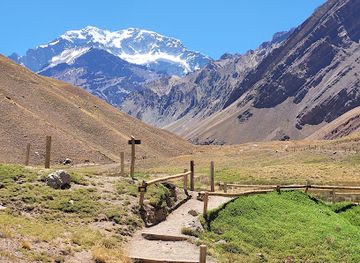
Parque Provincial Aconcagua
Discover the breathtaking beauty of Aconcagua Provincial Park, a must-visit destination for hiking and nature enthusiasts in Mendoza, Argentina.
-
Mountain peak
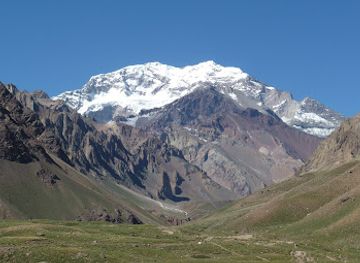
Aconcagua
Discover the breathtaking beauty of Aconcagua, the highest peak in the Americas, nestled in the stunning Andes of Mendoza Province, Argentina.
-
Tourist attraction
Fin sendero de la laguna de Horcones
Discover the breathtaking beauty of Laguna de Horcones in Mendoza Province, Argentina, a serene escape into nature and adventure.
-
Tourist attraction
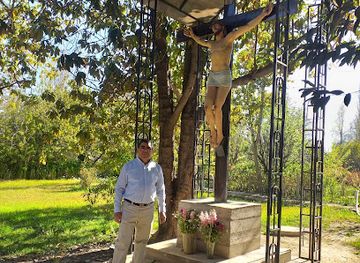
Museum of the Convent of the Holy Spirit
Explore the Museum of the Convent of the Holy Spirit in Los Andes, where history, art, and spirituality converge to tell the story of Chile's rich heritage.
Best landmarks in Aconcagua Valley
The Aconcagua Valley’s most significant landmarks express its roles as an agricultural basin, colonial settlement and Andean gateway. San Felipe’s central plaza and surrounding civic fabric recall the planned eighteenth-century town established to organise the interior valley, even though later rebuilding has altered much of its original appearance. The church and former Franciscan convent at Curimón are among the region’s most important historic religious landmarks, linking present-day rural life with the colonial mission period. Putaendo’s traditional streets and adobe-influenced architecture convey the character of an older inland settlement, while its surrounding hills frame the agricultural valley. In Los Andes, railway and transport heritage reflects the town’s historic position at the Chilean end of the route across the Andes. The Aconcagua River and the mountain wall east of the valley are natural landmarks rather than single monuments: together they explain the region’s fertile fields, settlement pattern and dramatic transition from irrigated lowlands to high Andean terrain.
-
Stadium
Estadio Nacional Julio Martínez Pradanos
Experience the excitement of Estadio Nacional Julio Martínez Pradanos, the heart of Chilean sports and culture in Santiago, a must-see for every traveler.
-
Tourist attraction
Sky Costanera
Experience breathtaking views of Santiago and the Andes from Sky Costanera, the tallest building in Latin America, a must-visit for every traveler.
-
State park
Parque Provincial Aconcagua
Discover the breathtaking beauty of Parque Provincial Aconcagua, a stunning state park in Mendoza, Argentina, featuring iconic peaks and thrilling hiking trails.
-
Historical landmark
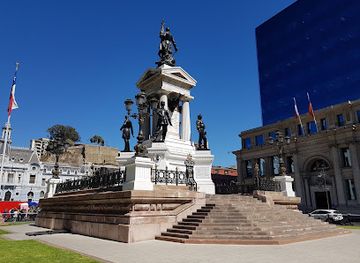
Plaza Sotomayor
Discover Plaza Sotomayor in Valparaíso: a historic square surrounded by stunning architecture and rich maritime heritage.
Explore Aconcagua Valley on the map
Plan your trip on one map. See where the top cities, national parks and sights are, and book hotels and experiences in a few clicks.
Best hotels in Aconcagua Valley
Best restaurants in Aconcagua Valley
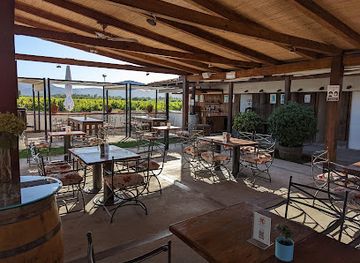
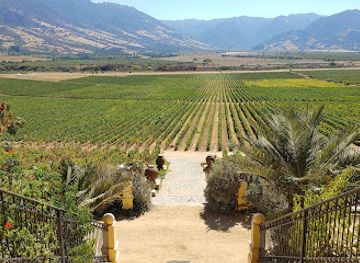
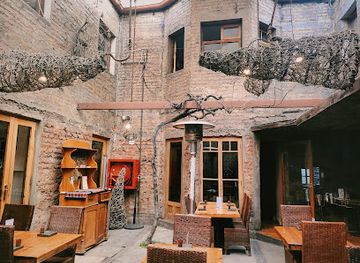
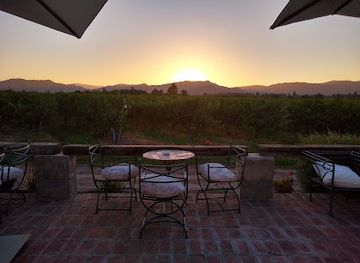
Dining in Aconcagua Valley reflects its agricultural setting, with seasonal fruit, vegetables, olives, preserves and locally produced wine appearing alongside the broader Chilean repertoire of grilled meats, empanadas, seafood and hearty country cooking. San Felipe and Los Andes offer the widest choice of cafés, bakeries, casual restaurants and traditional eateries, while rural wineries and countryside establishments may serve set menus designed to accompany tastings. Putaendo and smaller settlements are useful places to look for straightforward local meals rather than an extensive restaurant scene. Markets and food shops provide access to orchard produce and regional pantry goods, particularly during the warmer growing season. Wine is central to the valley’s culinary identity, but it should be enjoyed as part of a meal or tasting rather than treated as the only local speciality. Opening arrangements in rural areas can be limited or reservation-based, so visitors should plan meals around winery appointments and journeys between towns.
-
Restaurant
Restaurant La Concepción
Experience the essence of Chilean cuisine at Restaurant La Concepción in Valparaíso - where tradition meets innovation.
-
Italian
Ristorante Vino Bello
Experience authentic Italian cuisine at Ristorante Vino Bello in Santa Cruz, O'Higgins – where every meal is a celebration of flavor.
-
Restaurant
Viña Santa Cruz
Discover Viña Santa Cruz: A unique fusion of gastronomy, culture, and breathtaking landscapes in Chile's renowned wine country.
-
Chilean
Peumayén Ancestral Food
Experience the essence of Chilean cuisine with innovative twists at Peumayén Ancestral Food in Providencia.
Best bars in Aconcagua Valley
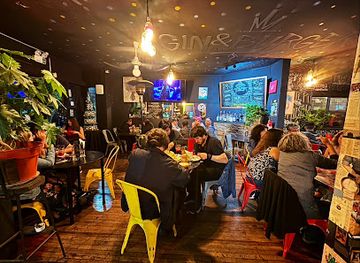
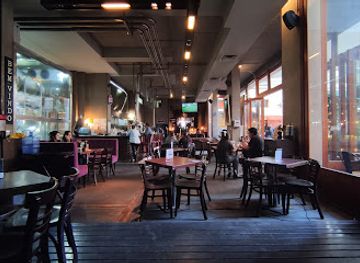
Evening life in Aconcagua Valley is centred on traditional restaurants, neighbourhood bars, cafés and Chilean pubs rather than a large nightclub circuit. San Felipe has the broadest selection of places for a late meal or a drink, while Los Andes combines local bars with establishments serving travellers heading towards the mountain route. In smaller towns and rural districts, evenings are quieter and may revolve around family restaurants, social clubs or occasional live music rather than late-night venues. Wine bars and tastings are more likely to be associated with wineries and dining rooms than with a concentrated nightlife district. Some establishments may close earlier than international visitors expect, especially outside the principal towns. Arrange a return journey in advance when visiting a countryside vineyard, and never drive after drinking.
-
Gastropub
A Mano Gin & Burgers
Discover exquisite gourmet burgers and creative cocktails at A Mano Gin & Burgers in Viña del Mar, where culinary craftsmanship meets vibrant atmosphere.
-
Bar
Bar La Junta
Discover the vibrant nightlife of Santiago at Bar La Junta, where innovative cocktails and a lively atmosphere await you.
-
Bar
Club Amanda
Experience Santiago's vibrant nightlife at Club Amanda, a top bar and disco club in Vitacura serving delicious cocktails and unforgettable dance vibes.
-
Italian
Ristorante Vino Bello
Experience authentic Italian flavors and breathtaking views at Ristorante Vino Bello, a culinary gem in Santa Cruz, O'Higgins.
Best nightclubs in Aconcagua Valley
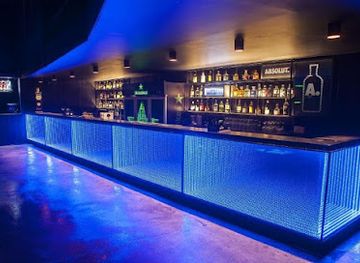
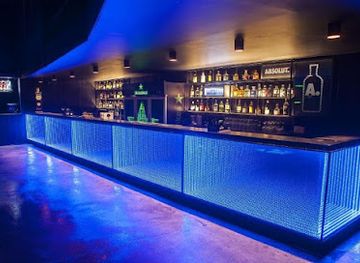
Evening life in Aconcagua Valley is centred on traditional restaurants, neighbourhood bars, cafés and Chilean pubs rather than a large nightclub circuit. San Felipe has the broadest selection of places for a late meal or a drink, while Los Andes combines local bars with establishments serving travellers heading towards the mountain route. In smaller towns and rural districts, evenings are quieter and may revolve around family restaurants, social clubs or occasional live music rather than late-night venues. Wine bars and tastings are more likely to be associated with wineries and dining rooms than with a concentrated nightlife district. Some establishments may close earlier than international visitors expect, especially outside the principal towns. Arrange a return journey in advance when visiting a countryside vineyard, and never drive after drinking.
-
Disco club
Club Amanda
Experience the best of Santiago nightlife at Club Amanda, where dancing, dining, and cocktails come together for an unforgettable night out.
-
Disco club
Disco Lounge Calafate
Discover the energy and excitement of Disco Lounge Calafate, a premier disco club in Puente Alto, where unforgettable nights await.
-
Disco club
Mero Club
Discover the pulse of Valparaíso’s nightlife at Mero Club, a vibrant disco club perfect for music lovers and party enthusiasts.
-
Disco club
Terraza Bellavista
Discover the vibrant nightlife of Valparaíso at Terraza Bellavista, a premier disco club and night club that promises unforgettable evenings of music and dance.



Best shops in Aconcagua Valley
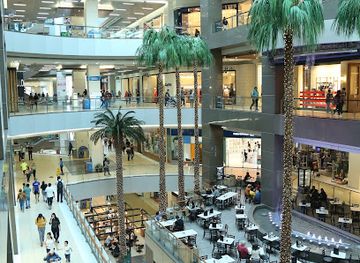
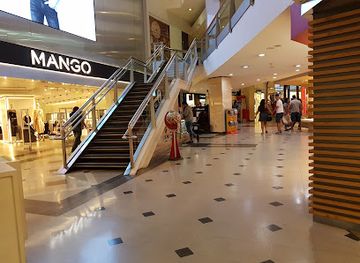
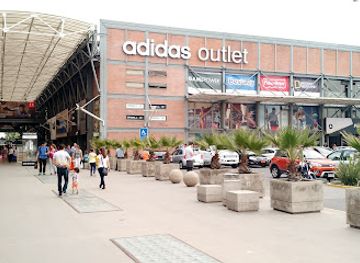
Shopping in Aconcagua Valley is primarily local and practical, with the strongest choice in San Felipe and Los Andes. Their central streets contain everyday shops, bakeries, food stores and small independent businesses, while market areas are useful for seasonal fruit, vegetables and other products from the surrounding agricultural districts. Winery shops provide opportunities to buy bottles from the valley, although travellers should consider customs allowances and transport conditions before purchasing in quantity. Putaendo and rural communities may offer small craft, produce or traditional food outlets rather than formal souvenir centres. Good regional purchases include wine, preserves, dried fruit, olive products and locally made baked goods, with availability varying by season and producer. Visitors seeking antiques, pottery, textiles or art should explore independent shops and galleries rather than expect a large specialist retail quarter. Chilean pesos remain useful for market stalls and smaller producers, where card payment may not be available.
-
Shopping mall
Cenco Costanera
Explore Cenco Costanera, Santiago's vibrant shopping mall offering a blend of retail therapy, dining delights, and local cultural experiences.
-
Shopping mall
Parque Arauco
Discover Parque Arauco, Santiago’s top shopping mall featuring diverse stores, tasty dining, and vibrant entertainment options for an unforgettable experience.
-
Shopping mall
Mall Marina
Discover the vibrant Mall Marina in Viña del Mar, featuring top brands, dining delights, and family-friendly entertainment in a stunning coastal setting.
-
Outlet mall
Easton Outlet Mall
Shop the latest designer brands at unbeatable prices in the heart of Santiago's Easton Outlet Mall, where fashion meets affordability.

Get your free copy of our complete guide to Aconcagua Valley, delivered straight to you.
Everything on this page, from attractions and restaurants to essentials and local phrases, in one PDF you can read offline, print or share.
Already have an account? Sign in
Your Aconcagua Valley guide is ready.
We'll send it to · Not you? Sign out

Getting your guide ready…
We are putting together a fresh copy of the Aconcagua Valley guide. This can take up to a minute.
This can take a few moments. If your browser asks, choose Allow so the download can start. You'll find the guide in your Downloads folder.
Nothing happened? Download it again
Sorry, the guide is taking longer than usual. Please try again in a minute, or get it by email instead.
Aconcagua Valley essentials
Currency and Payment
Safety
Emergency Situations
Do's and Don'ts
Local Tips
From Eve
Local phrases worth knowing
You don't need to get them perfect. A few words go a long way, and locals appreciate the effort.
Basics
| English | Local | Say it |
|---|---|---|
| Hello | Hola | [oh-lah] |
| Goodbye | Adiós | [ah-dee-ohs] |
| Yes | Sí | [see] |
| No | No | [noh] |
| Please/You're welcome | Por favor/De nada | [por fah-vor/deh nah-dah] |
| Thank you | Gracias | [grah-syahs] |
| Excuse me/Sorry | Perdón | [pehr-dohn] |
| How are you? | ¿Cómo estás? | [koh-moh ehs-tahs] |
| Fine. And you? | Bien. ¿Y tú? | [byen. ee too] |
| Do you speak English? | ¿Hablas inglés? | [ah-blahs een-glehs] |
| I don't understand | No entiendo | [noh ehn-tee-en-doh] |
Eating & Drinking
| English | Local | Say it |
|---|---|---|
| I'd like to see the menu, please | Me gustaría ver el menú, por favor | [meh goos-tah-ree-ah vehr el meh-noo, por fah-vor] |
| I don't eat meat | No como carne | [noh koh-moh kahr-neh] |
| Cheers! | ¡Salud! | [sah-lood] |
| I would like to pay, please | Me gustaría pagar, por favor | [meh goos-tah-ree-ah pah-gar, por fah-vor] |
Emergencies
| English | Local | Say it |
|---|---|---|
| Help! | ¡Ayuda! | [ah-yoo-dah] |
| Go away! | ¡Vete! | [veh-teh] |
| Call the Police! | ¡Llama a la policía! | [yah-mah ah lah poh-lee-syah] |
| Call a doctor! | ¡Llama a un médico! | [yah-mah ah oon meh-dee-koh] |
| I'm lost | Estoy perdido | [eh-stoy pehr-dee-doh] |
| I'm ill | Estoy enfermo/a | [eh-stoy en-fehr-moh/ah] |
Shopping
| English | Local | Say it |
|---|---|---|
| I'd like to buy... | Me gustaría comprar... | [meh goos-tah-ree-ah kom-prar] |
| I'm just looking | Solo estoy mirando | [soh-loh ehs-toy mee-rahn-doh] |
| How much is it? | ¿Cuánto cuesta? | [kwan-toh kwes-tah] |
| That's too expensive | Eso es muy caro | [eh-soh ehs mwee kah-roh] |
| Can you lower the price? | ¿Puedes bajar el precio? | [pweh-des bah-har el preh-syoh] |
Time & Numbers
| English | Local | Say it |
|---|---|---|
| What time is it? | ¿Qué hora es? | [keh oh-rah ehs] |
| It's one o'clock | Es la una | [es lah oo-nah] |
| Half past (10) | Y media (10) | [ee meh-dee-ah] |
| Morning | Mañana | [mah-nyah-nah] |
| Afternoon | Tarde | [tahr-deh] |
| Evening | Noche | [noh-cheh] |
| Yesterday | Ayer | [ah-yehr] |
| Today | Hoy | [oy] |
| Tomorrow | Mañana | [mah-nyah-nah] |
| 1 | Uno | [oo-noh] |
| 2 | Dos | [dohs] |
| 3 | Tres | [tres] |
| 4 | Cuatro | [kwah-troh] |
| 5 | Cinco | [seen-koh] |
| 6 | Seis | [says] |
| 7 | Siete | [syeh-teh] |
| 8 | Ocho | [oh-choh] |
| 9 | Nueve | [nweh-veh] |
| 10 | Diez | [dyehs] |
Transport & Directions
| English | Local | Say it |
|---|---|---|
| Where's a/the...? | ¿Dónde está un/una...? | [dohn-deh ehs-tah oon/oo-nah] |
| What's the address? | ¿Cuál es la dirección? | [kwahl ehs lah dee-rehk-syohn] |
| Can you show me (on the map)? | ¿Puedes mostrarme (en el mapa)? | [pweh-des mohs-trar-meh en el mah-pah] |
| When's the next (bus)? | ¿Cuándo sale el próximo (bus)? | [kwan-doh sah-leh el prohk-see-moh] |
| A ticket (to ....) | Un boleto (a ....) | [oon boh-leh-toh] |
History of Aconcagua Valley
Aconcagua Culture and Pre-Hispanic Settlement
Before Spanish colonisation, the Aconcagua Valley was inhabited by communities associated with the Aconcagua cultural tradition, whose settlements and agricultural practices developed along the river system and its tributaries. Maize, beans and other crops could be cultivated where water was available, while pottery and burial practices reveal links with the wider central Chilean cultural world. The valley’s position between the coast, central Chile and the Andes also made it an important route for movement and exchange. Archaeological evidence is unevenly distributed, but the name Aconcagua preserves the long pre-Hispanic history of the region.
Inca Influence in Central Chile
During the later pre-Hispanic period, Inca authority extended into central Chile, including the Aconcagua basin. The degree of direct control varied, but the Incas influenced local administration, tribute systems, road connections and the movement of goods and people. The valley formed part of a broader corridor linking central Chile with routes across the Andes. Spanish accounts later encountered an already organised agricultural landscape rather than an unoccupied frontier, and traces of this layered history remain important to understanding the region’s settlement patterns.
Spanish Colonial Agriculture and Mission Life
Spanish colonisation reorganised the valley through grants of land, livestock raising, irrigation and the establishment of rural estates. Indigenous communities suffered displacement and demographic loss, while colonial settlement introduced new crops, animals and forms of landholding. Religious institutions played a prominent role in the region, particularly around Curimón, where the Franciscan presence became associated with a historic convent and church complex. The valley’s fertile alluvial soils and dependable river system helped agriculture become the foundation of its economy.
The Foundation of San Felipe and the Eighteenth-Century Valley
San Felipe was founded in 1740 as part of the Bourbon-era effort to strengthen settlement and administration in Chile’s interior valleys. Its planned civic centre, parish institutions and surrounding agricultural districts gave the Aconcagua basin a more defined urban focus. The town became a market and administrative centre for farms, estates and smaller settlements nearby. Much of the built environment has changed over time, but the central urban layout and the continuing role of San Felipe in regional commerce reflect this eighteenth-century foundation.
Los Andes and the Transandine Railway
The growth of Los Andes was closely tied to transport across the mountain corridor. In the nineteenth and early twentieth centuries, roads and railway construction strengthened links between central Chile and Mendoza in Argentina. The Transandine Railway reached across the Andes in the early twentieth century, with Los Andes serving as the Chilean-side terminus and interchange. Although the railway no longer operates as a continuous passenger route across the mountains, its engineering history helped establish Los Andes as a gateway to the high Andes and an important part of the valley’s modern identity.
Irrigation, Fruit Growing and the Modern Wine Valley
Twentieth-century improvements in irrigation, roads, agricultural technology and international trade transformed the Aconcagua Valley’s productive landscape. Fruit orchards and vineyards expanded, while Chile’s growing wine-export industry encouraged investment in modern cellars alongside older agricultural estates. Wineries in the valley increasingly link production with tourism through tastings, guided visits and vineyard hospitality. The contemporary economy therefore combines long-established farming traditions with export agriculture and a more visible wine-tourism sector.
Aconcagua Valley in Photos
Browse through our photo collection highlighting the charm and character of the destination.
Neighbouring regions of Aconcagua Valley
The closest regions to Aconcagua Valley, if you have time for more than one.
-

-

-

-

-


Swipe for more regions
Explore more

Explore more of Chile
Discover Chile: From the Atacama Desert to Patagonia's Glaciers, Experience Diverse Landscapes, Rich Culture, and World-Class Wine in This South American Gem.
Explore Chile