

Free Valparaíso Region Travel Guide & Mobile App
Explore Valparaíso Region with free travel guides. Discover regional history, expert tips, proposed trips, and audio guides on web or mobile app.


Explore Valparaíso Region for UNESCO port heritage, Pacific beaches, vineyard valleys, mountain parks and the remote cultures of Rapa Nui.
Read more about Valparaíso Region
When is the best time to visit Valparaíso Region?
Best: January–March · 23°C| Month | High (°C) | Rainfall (mm) |
|---|---|---|
| January (best) | 23 | 1 |
| February (best) | 23 | 1 |
| March (best) | 23 | 1 |
| April | 21 | 2 |
| May | 19 | 3 |
| June | 17 | 4 |
| July | 16 | 4 |
| August | 17 | 3 |
| September | 19 | 2 |
| October | 20 | 1 |
| November | 22 | 1 |
| December | 23 | 1 |
Getting to and around Valparaíso Region
How to get there
Transportation
Top city travel guides in Valparaíso Region
The cities of Valparaíso Region, and the easiest places to base yourself.
-

-

-


Swipe for more cities
Destinations in Valparaíso Region
Resorts, valleys and scenic spots worth a trip of their own.

Swipe for more destinations
Best attractions in Valparaíso Region
Valparaíso Region offers an unusually broad range of experiences for a central Chilean destination. In Valparaíso, the principal attraction is the city itself: historic hills, port views, museums, murals, stairways and ascensores create an urban landscape best explored on foot in manageable sections. Viña del Mar adds beaches, gardens, cultural institutions and resort-era architecture, while Concón, Maitencillo, Zapallar, Cachagua, Quintay and Algarrobo provide different combinations of surf, coves, cliffs, seafood and holiday life. Inland, Casablanca’s wineries offer tastings among vineyards, and the Aconcagua Valley combines wine, orchards, rural scenery and historic towns around San Felipe and Los Andes. La Campana National Park provides marked mountain routes, native vegetation and Chilean palms, subject to seasonal access and fire conditions. Families may prefer the coast, gardens and museums, while walkers and nature enthusiasts can choose between coastal trails, valley roads and protected mountain landscapes. The region also includes the remote attractions of Rapa Nui and Juan Fernández, but these are separate island journeys rather than convenient mainland day trips.
-
Tourist attraction
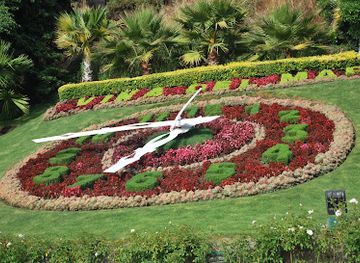
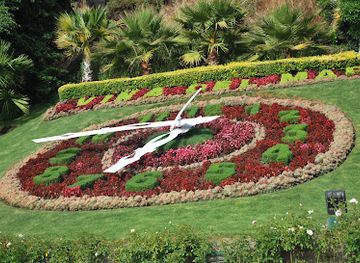
Flower clock
Experience the vibrant beauty of the Flower Clock in Viña del Mar, a living masterpiece and a symbol of the city's rich heritage and artistry.
-
Tourist attraction
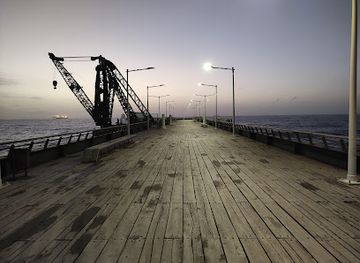
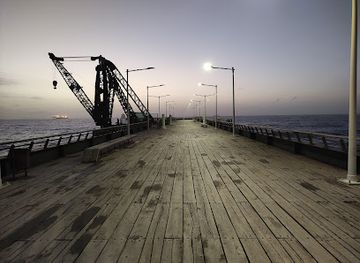
Vergara Pier
Discover the enchanting Vergara Pier in Viña del Mar, Chile, where breathtaking ocean views meet vibrant local culture for an unforgettable experience.
-
Nature preserve
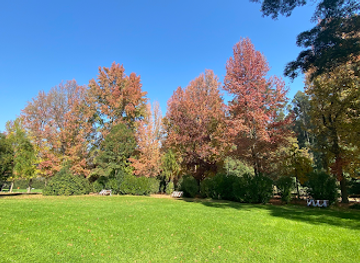
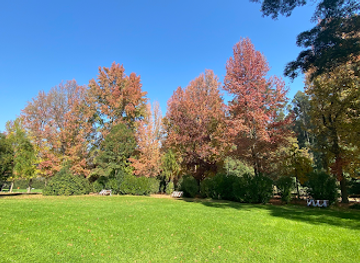
Viña del Mar National Botanical Garden
Discover the natural beauty and tranquility of Viña del Mar National Botanical Garden, a must-visit nature preserve in Chile's coastal paradise.
-
Tourist attraction
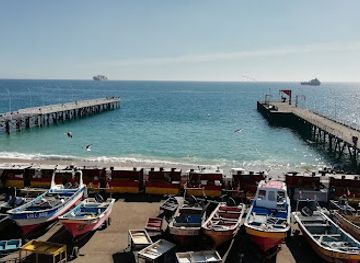
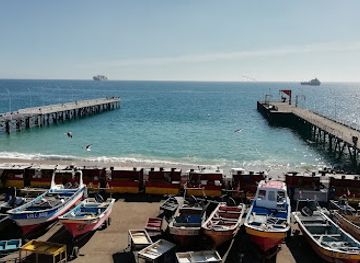
Playa Caleta Portales
Explore Playa Caleta Portales: A vibrant beach in Valparaíso, where sun, sand, and fresh seafood await in a lively atmosphere.
Best landmarks in Valparaíso Region
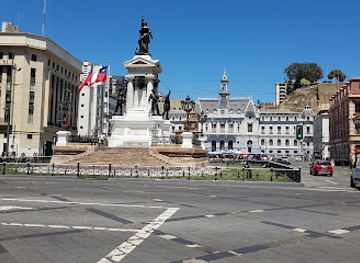
Valparaíso’s historic quarter is the region’s most recognisable built landmark, where the steep amphitheatre around the bay preserves historic streets, public stairways, colourful houses and the city’s celebrated ascensores. Plaza Sotomayor, with its naval memorial and port setting, expresses Valparaíso’s maritime importance, while Palacio Baburizza on Cerro Alegre represents the commercial wealth and cosmopolitan architecture of the early twentieth-century city. Viña del Mar’s Palacio Vergara and the grounds of Quinta Vergara recall the area’s development as a landscaped resort and cultural centre. Along the coast, the Concón dunes and rocky headlands form prominent natural features, while the seaside settlements of Zapallar and Cachagua are marked by coves, cliffs and distinctive holiday architecture. Inland, the summit and ridges of La Campana provide a powerful mountain presence within the national park, although routes require preparation. Far offshore, Rapa Nui’s moai and ahu are globally recognised landmarks of Polynesian civilisation; they belong administratively to Valparaíso Region but are geographically and culturally separate from the mainland.
-
Tourist attraction
Flower clock
Viña del Mar's iconic Flower Clock: A timeless masterpiece where horticulture and precision engineering create a vibrant floral spectacle.
-
Tourist attraction
Vergara Pier
Discover the stunning Vergara Pier in Viña del Mar, a picturesque coastal experience with breathtaking ocean views and vibrant local culture.
-
Nature preserve
Viña del Mar National Botanical Garden
Discover Chile's diverse flora at Viña del Mar National Botanical Garden: a serene escape with themed gardens, rare plants, and family-friendly activities.
-
Tourist attraction
Playa Caleta Portales
Experience the beauty and vibrant culture of Playa Caleta Portales, a stunning beach destination in Valparaíso, Chile, perfect for relaxation and exploration.
Explore Valparaíso Region on the map
Plan your trip on one map. See where the top cities, national parks and sights are, and book hotels and experiences in a few clicks.
Best hotels in Valparaíso Region
Best restaurants in Valparaíso Region
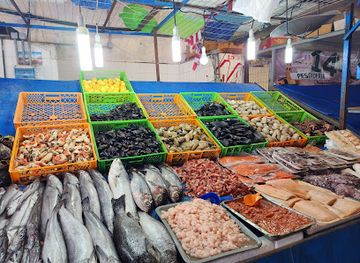
Dining in Valparaíso Region follows its geography. Valparaíso and Viña del Mar have the broadest choice, from traditional Chilean restaurants and cafés to contemporary kitchens, while coastal towns specialise in fish, shellfish, empanadas and simple preparations shaped by the day’s catch. Concón is particularly associated with seafood dining, although quality and style vary between establishments. Inland menus draw on fruit, vegetables, lamb or goat products, preserves and the hearty dishes common to central Chile, with rural restaurants and roadside eateries serving food suited to the valley climate. Casablanca and Aconcagua wineries often pair tastings with regional produce, and local markets are useful for seasonal fruit, bread, cheese and sweets. Expect Chilean staples such as pastel de choclo, humitas and cazuela alongside more modern interpretations. Wine is central to the region’s culinary identity, especially Sauvignon Blanc and Chardonnay from Casablanca and varied red and white styles from Aconcagua.
-
Hamburger
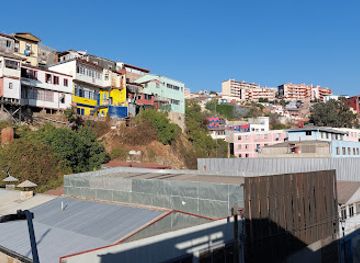
La Joya Sanguches
Discover La Joya Sanguches: A culinary haven in Valparaíso serving gourmet hamburgers and crafted cocktails amidst vibrant surroundings.
-
Restaurant
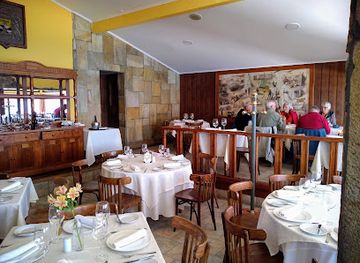
Portofino Restaurant
Experience exquisite Chilean cuisine with stunning ocean views at Portofino Restaurant in Valparaíso.
-
Peruvian
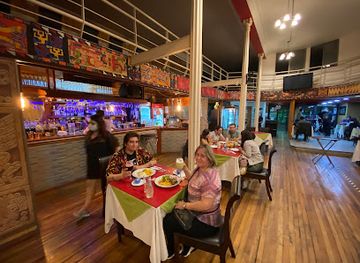
Nazca Restaurante Peruano
Experience authentic Peruvian cuisine at Nazca Restaurante Peruano in Valparaíso – a hidden gem celebrated for its vibrant flavors.
-
Restaurant
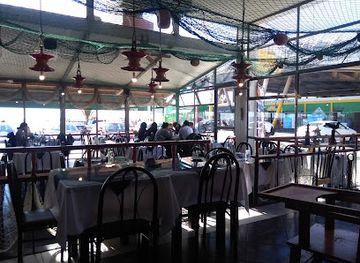
Caleta Portales Restaurant
Discover fresh seafood and local flavors at Caleta Portales Restaurant in Valparaíso - a culinary delight by the sea.
Best bars in Valparaíso Region
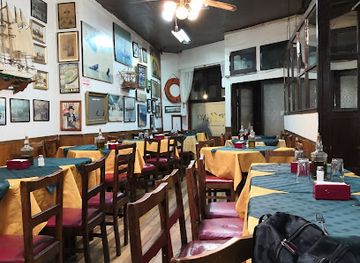
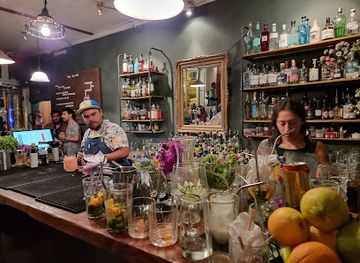
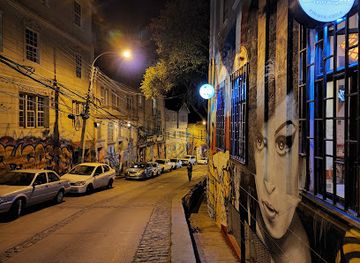
Evening life is concentrated in Valparaíso and Viña del Mar, with smaller scenes in San Antonio, inland towns and the principal coastal resorts. Valparaíso’s historic hills and central streets contain traditional bars, cafés, live-music rooms and informal venues in converted older buildings, while Viña del Mar offers a broader selection of cocktail bars, restaurants and late-night entertainment. Summer brings a seasonal increase in activity along the coast, especially around resort towns, but opening patterns and venues change regularly. In Casablanca and Aconcagua, wine bars, cellar-door tastings and restaurant evenings are more characteristic than clubs. Rural areas generally close earlier and are better suited to a long meal or a local pub than to nightlife centred on dancing. Check the current situation locally, use licensed transport after dark and remember that enjoying the region’s evening culture does not require heavy drinking.
-
Bar
Bar Cinzano
Discover the lively atmosphere and exquisite cocktails at Bar Cinzano, a must-visit bar in Valparaíso's vibrant nightlife scene.
-
Bar
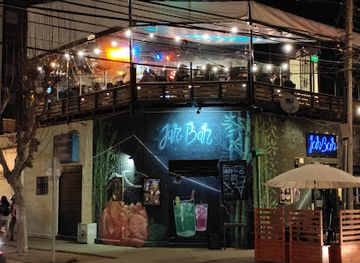
Jarbar Rooftop
Discover the best of Viña del Mar's nightlife at Jarbar Rooftop, where stunning views and a vibrant atmosphere await.
-
Bar
tio bar
Discover the vibrant nightlife of Valparaíso at Tio Bar, where eclectic vibes and delicious drinks create unforgettable evenings.
-
Bar
UK Bar - Cervezas Premium, Coctelería, Pizzería y Burger en Valparaíso
Discover the taste of Valparaíso at UK Bar, a vibrant hub for premium beers, cocktails, and delicious food in a lively atmosphere.
Best nightclubs in Valparaíso Region
Evening life is concentrated in Valparaíso and Viña del Mar, with smaller scenes in San Antonio, inland towns and the principal coastal resorts. Valparaíso’s historic hills and central streets contain traditional bars, cafés, live-music rooms and informal venues in converted older buildings, while Viña del Mar offers a broader selection of cocktail bars, restaurants and late-night entertainment. Summer brings a seasonal increase in activity along the coast, especially around resort towns, but opening patterns and venues change regularly. In Casablanca and Aconcagua, wine bars, cellar-door tastings and restaurant evenings are more characteristic than clubs. Rural areas generally close earlier and are better suited to a long meal or a local pub than to nightlife centred on dancing. Check the current situation locally, use licensed transport after dark and remember that enjoying the region’s evening culture does not require heavy drinking.
-
Disco club
Mero Club
Discover the energetic nightlife of Valparaíso at Mero Club, the ultimate disco club for dancing, drinks, and local music.
-
Disco club
Terraza Bellavista
Discover the ultimate nightlife experience at Terraza Bellavista, Valparaíso's vibrant disco club with breathtaking city views.
-
Dance hall
Club The House
Immerse yourself in the vibrant nightlife of Valparaíso at Club The House, where music and dance create unforgettable memories.
-
Disco club
Club Area Multiespacio
Experience the electrifying nightlife of Valparaíso at Club Area Multiespacio, where delicious food meets dynamic music and dancing.


Best shops in Valparaíso Region
Shopping in Valparaíso is closely tied to its historic hills and port culture. Independent galleries, print studios, craft shops, bookshops and small design businesses are found around areas such as Cerro Alegre and Cerro Concepción, while central streets provide more practical retail and everyday markets. Viña del Mar has a more conventional resort and urban shopping offer, including department stores, high-street shops and malls, whereas coastal towns focus on seasonal boutiques, beach goods, crafts and food products. Inland market towns such as San Felipe and Los Andes are useful for local produce, preserves, fruit, wine and everyday Chilean goods rather than luxury retail. Vineyard shops in Casablanca and Aconcagua are places to buy bottled wine and regionally produced foods, subject to transport considerations when travelling by air. Appropriate souvenirs include locally made ceramics, textiles, prints and food products; on Rapa Nui, purchase only from legitimate sellers and never remove or trade archaeological material.
-
Shopping mall
Mall Marina
Explore the vibrant Mall Marina, where shopping, dining, and entertainment come together in the heart of Viña del Mar.
-
Tourist attraction
Playa Caleta Portales
Explore the stunning Playa Caleta Portales, a family-friendly beach in Valparaíso with breathtaking views, vibrant atmosphere, and delicious seafood.
-
Historical landmark
Plaza Sotomayor
Explore the vibrant Plaza Sotomayor, a historical landmark in Valparaíso, showcasing Chile's maritime heritage and stunning architecture.
-
Pet supply store
Paseo Viña Centro
Discover the charm of Paseo Viña Centro, a vibrant shopping haven in Viña del Mar, perfect for pet lovers and shoppers alike.

Get your free copy of our complete guide to Valparaíso Region, delivered straight to you.
Everything on this page, from attractions and restaurants to essentials and local phrases, in one PDF you can read offline, print or share.
Already have an account? Sign in
Your Valparaíso Region guide is ready.
We'll send it to · Not you? Sign out

Getting your guide ready…
We are putting together a fresh copy of the Valparaíso Region guide. This can take up to a minute.
This can take a few moments. If your browser asks, choose Allow so the download can start. You'll find the guide in your Downloads folder.
Nothing happened? Download it again
Sorry, the guide is taking longer than usual. Please try again in a minute, or get it by email instead.
Valparaíso Region essentials
Currency and Payment
Safety
Emergency Situations
Do's and Don'ts
Local Tips
From Eve
Local phrases worth knowing
You don't need to get them perfect. A few words go a long way, and locals appreciate the effort.
Basics
| English | Local | Say it |
|---|---|---|
| Hello | Hola | [Ola] |
| Goodbye | Adiós | [Adios] |
| Yes | Sí | [Si] |
| No | No | [No] |
| Please/You're welcome | Por favor | [Por favor] |
| Thank you | Gracias | [Gracias] |
| Excuse me/Sorry | Disculpa | [Disculpa] |
| How are you? | ¿Cómo estás? | [Como estas] |
| Fine. And you? | Bien. ¿Y tú? | [Bien. Y tu] |
| Do you speak English? | ¿Hablas inglés? | [Hablas ingles] |
| I don't understand | No entiendo | [No entiendo] |
Eating & Drinking
| English | Local | Say it |
|---|---|---|
| I'd like to see the menu, please | Me gustaría ver el menú, por favor | [Me gustaria ver el menu, por favor] |
| I don't eat meat | No como carne | [No como carne] |
| Cheers! | ¡Salud! | [Salud] |
| I would like to pay, please | Me gustaría pagar, por favor | [Me gustaria pagar, por favor] |
Emergencies
| English | Local | Say it |
|---|---|---|
| Help! | ¡Ayuda! | [Ayuda] |
| Go away! | ¡Vete! | [Vete] |
| Call the Police! | ¡Llama a la policía! | [Llama a la policia] |
| Call a doctor! | ¡Llama a un médico! | [Llama a un medico] |
| I'm lost | Estoy perdido | [Estoy perdido] |
| I'm ill | Estoy enfermo | [Estoy enfermo] |
Shopping
| English | Local | Say it |
|---|---|---|
| I'd like to buy... | Me gustaría comprar... | [Me gustaria comprar] |
| I'm just looking | Solo estoy mirando | [Solo estoy mirando] |
| How much is it? | ¿Cuánto cuesta? | [Cuanto cuesta] |
| That's too expensive | Eso es muy caro | [Eso es muy caro] |
| Can you lower the price? | ¿Puedes bajar el precio? | [Puedes bajar el precio] |
Time & Numbers
| English | Local | Say it |
|---|---|---|
| What time is it? | ¿Qué hora es? | [Que hora es] |
| It's one o'clock | Es la una | [Es la una] |
| Half past (10) | Y media (10) | [Y media 10] |
| Morning | Mañana | [Mañana] |
| Afternoon | Tarde | [Tarde] |
| Evening | Noche | [Noche] |
| Yesterday | Ayer | [Ayer] |
| Today | Hoy | [Hoy] |
| Tomorrow | Mañana | [Mañana] |
| 1 | Uno | [Uno] |
| 2 | Dos | [Dos] |
| 3 | Tres | [Tres] |
| 4 | Cuatro | [Cuatro] |
| 5 | Cinco | [Cinco] |
| 6 | Seis | [Seis] |
| 7 | Siete | [Siete] |
| 8 | Ocho | [Ocho] |
| 9 | Nueve | [Nueve] |
| 10 | Diez | [Diez] |
Transport & Directions
| English | Local | Say it |
|---|---|---|
| Where's a/the...? | ¿Dónde está un/una...? | [Donde esta un una] |
| What's the address? | ¿Cuál es la dirección? | [Cual es la direccion] |
| Can you show me (on the map)? | ¿Puedes mostrarme (en el mapa)? | [Puedes mostrarme en el mapa] |
| When's the next (bus)? | ¿Cuándo es el próximo (bus)? | [Cuando es el proximo bus] |
| A ticket (to ....) | Un boleto (a ....) | [Un boleto a] |
History of Valparaíso Region
Pre-Columbian Communities of the Central Coast and Valleys
Before Spanish arrival, the territory now forming Valparaíso Region was inhabited by several Indigenous societies, including communities associated with the Bato, Llolleo and Aconcagua cultural traditions. Coastal groups relied on marine resources, while inland communities cultivated crops and used the river valleys that lead towards the Andes. The Aconcagua culture left archaeological remains and place names across central Chile. On Rapa Nui, entirely separate Polynesian settlement produced monumental ahu platforms and moai over many centuries. These Indigenous histories remain fundamental to understanding the region and are not simply a prelude to the colonial period.
Spanish Conquest and the Colonial Port
Spanish expeditions reached the central Chilean coast in the sixteenth century, and Valparaíso developed as the maritime outlet for the Santiago area despite its steep terrain and limited natural flat land. Colonial trade was regulated by the Spanish imperial system, so the settlement was smaller and less commercially open than it would become in the nineteenth century. Inland valleys were incorporated into colonial agriculture and transport routes, while missions, rural estates and fortified coastal points helped connect the port with Chile’s central settlements. The region’s modern Spanish-speaking culture emerged through this colonial transformation alongside the enduring presence of Indigenous communities.
The Nineteenth-Century Port and International Trade
Following Chilean independence, Valparaíso became one of the most important ports on the Pacific coast of South America. Ships travelling between the Atlantic and Pacific often rounded Cape Horn, making the port a major provisioning, commercial and financial centre before the opening of the Panama Canal. British, German and other immigrant communities influenced commerce, architecture and civic life, while warehouses, hillside housing and funicular railways expanded around the bay. Viña del Mar grew separately as a planned resort and industrial town, and the region’s ports connected Chilean minerals and agricultural products with overseas markets.
Rapa Nui’s Annexation to Chile, 1888
Rapa Nui was incorporated into Chile through the 1888 agreement commonly known as the annexation or cession of the island. The island’s Polynesian society had already endured population decline, outside exploitation, missionary intervention and profound disruption during the nineteenth century. Chilean administration subsequently developed slowly and often limited Rapa Nui control over land and political life. Today, Rapa Nui identity, language, archaeology and community rights are central to the island’s public life. Although administratively part of Valparaíso Region, Rapa Nui has a distinct Polynesian history and should not be treated as culturally interchangeable with mainland Chile.
Earthquake, Reconstruction and the Changing Port
A major earthquake struck Valparaíso in 1906, destroying or severely damaging much of the city and prompting extensive reconstruction. New buildings, public spaces and infrastructure altered the port while retaining the steep geography that defines it. The opening of the Panama Canal in 1914 then redirected many long-distance shipping routes away from Cape Horn, weakening Valparaíso’s international commercial position. The city remained an important Chilean port and naval centre, but its economic role changed, leaving behind a dense architectural record of maritime prosperity, disaster and adaptation.
Agriculture, Railways and the Inland Valleys
Railways and improved roads strengthened links between the coast, the Aconcagua Valley and the central Chilean transport network during the nineteenth and twentieth centuries. Irrigated agriculture expanded around San Felipe, Los Andes and other valley settlements, supporting fruit, vegetables and vineyards. Casablanca later became particularly prominent for cool-climate viticulture, benefiting from its position between Santiago and the coast. The inland economy has continued to change through export agriculture, wine tourism and logistics, but historic farms, rural towns and valley landscapes still reflect the region’s long agricultural development.
Heritage Conservation and Contemporary Valparaíso
During the late twentieth and early twenty-first centuries, Valparaíso’s historic hills, public stairways, port buildings and ascensores became the focus of renewed heritage and cultural attention. UNESCO inscribed the Historic Quarter of the Seaport City of Valparaíso on the World Heritage List in 2003. The designation recognised the city’s urban form and maritime history, while also highlighting the challenges of conserving old buildings in an earthquake-prone, economically changing port. Today, museums, artists, residents, universities and community organisations all contribute to debates about access, tourism and the future of the historic city.
Valparaíso Region in Photos
Browse through our photo collection highlighting the charm and character of the destination.
Neighbouring regions of Valparaíso Region
The closest regions to Valparaíso Region, if you have time for more than one.
-

-

-

-

-


Swipe for more regions
Explore more

Explore more of Chile
Discover Chile: From the Atacama Desert to Patagonia's Glaciers, Experience Diverse Landscapes, Rich Culture, and World-Class Wine in This South American Gem.
Explore Chile