

Free Araucanía Region Travel Guide & Mobile App
Explore Araucanía Region with free travel guides. Discover regional history, expert tips, proposed trips, and audio guides on web or mobile app.


Discover the Araucanía Region in Chile: A land of stunning landscapes, rich Mapuche culture, and thrilling outdoor adventures.
Read more about Araucanía Region
When is the best time to visit Araucanía Region?
Best: December–February · 22°C| Month | High (°C) | Rainfall (mm) |
|---|---|---|
| January (best) | 22 | 40 |
| February (best) | 22 | 40 |
| March | 21 | 50 |
| April | 19 | 60 |
| May | 17 | 70 |
| June | 15 | 80 |
| July | 15 | 80 |
| August | 16 | 70 |
| September | 18 | 60 |
| October | 20 | 50 |
| November | 21 | 40 |
| December (best) | 22 | 40 |
Getting to and around Araucanía Region
How to get there
Transportation
Top city travel guides in Araucanía Region
The cities of Araucanía Region, and the easiest places to base yourself.
-

-

-

-


Swipe for more cities
Best attractions in Araucanía Region
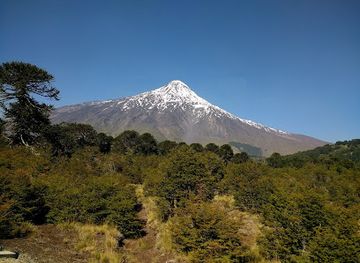
Araucanía Region in Chile is a mesmerizing tapestry of rich cultural heritage and stunning natural beauty, offering visitors a unique blend of experiences. In the shadow of the majestic Andes, you'll find the enchanting Villarrica Volcano, a haven for outdoor enthusiasts with its hiking, skiing, and breathtaking vistas. The region's pristine lakes, such as Lago Villarrica and Lago Caburgua, provide perfect settings for water sports and serene picnics. Explore the ancient Araucaria forests in Conguillío National Park, where the towering monkey puzzle trees create an almost otherworldly atmosphere. Immerse yourself in the vibrant Mapuche culture by visiting traditional rucas and participating in local festivals that celebrate their rich heritage. The charming city of Pucón acts as a gateway to adventure, offering hot springs, rafting, and a lively nightlife. Araucanía's diverse attractions promise an unforgettable journey through nature, history, and culture.
-
National park
Parque Nacional Villarrica
Discover the enchanting beauty and thrilling adventures at Parque Nacional Villarrica, a top national park in Chile surrounded by breathtaking landscapes.
-
Park
Mirador Playa Pucará Park
Discover Mirador Playa Pucará Park in Villarrica, a scenic haven offering breathtaking views, lush landscapes, and outdoor adventures in Araucania, Chile.
-
Tourist attraction
Plaza de Armas
Explore Plaza de Armas in Pucón, a historical landmark that embodies the charm and culture of Chile's stunning Araucanía region.
-
Casino
Casino Dreams Temuco
Discover the excitement of Casino Dreams Temuco - a vibrant casino experience with gaming, dining, and entertainment in the heart of Araucanía.


Best landmarks in Araucanía Region
Nestled in the heart of Chile, the Araucanía Region offers an enthralling blend of natural wonders and cultural treasures that captivate every visitor. The majestic Villarrica Volcano, with its snow-capped peak, invites adventurers to hike its trails or ski down its slopes, while the serene Villarrica Lake provides a perfect backdrop for water sports and relaxation. Delve into history at the ancient Mapuche villages, where you can learn about the indigenous culture through immersive experiences and traditional crafts. The region's lush national parks, such as Huerquehue and Conguillío, boast stunning landscapes adorned with emerald lakes, dense forests, and unique flora, including the iconic Araucaria trees. For those seeking rejuvenation, the numerous hot springs scattered across the region offer a tranquil retreat amidst breathtaking scenery. Whether you're exploring the vibrant city of Temuco or uncovering the secrets of the past at the Museo Regional de la Araucanía, this region promises an unforgettable journey through nature, culture, and history.
-
Tourist attraction
Playa Grande Lican Ray
Discover the beauty of Playa Grande Lican Ray: clear waters, volcanic landscapes, and serene relaxation in Chile's Araucanía region.
-
Tourist attraction
Parque Ojos del Caburgua
Discover the turquoise waterfalls and lush rainforest of Parque Ojos del Caburgua, a natural gem near Pucón, Chile. Open daily!
-
National park
Parque Nacional Villarrica
Explore breathtaking landscapes and experience the vibrant ecosystems of Chile at Parque Nacional Villarrica, a top destination for nature enthusiasts and adventurers.
-
Thermal baths
Termas Geometricas
Discover the natural wonder of Termas Geometricas, where thermal baths meet breathtaking landscapes in Parque Nacional Villarrica, Chile.


Explore Araucanía Region on the map
Plan your trip on one map. See where the top cities, national parks and sights are, and book hotels and experiences in a few clicks.
Best hotels in Araucanía Region
Best restaurants in Araucanía Region
The dining scene in the Araucanía Region of Chile is a tantalizing journey through rich Mapuche heritage and vibrant culinary innovation. Visitors can expect to indulge in hearty, traditional dishes such as 'mote con huesillo,' a refreshing drink made from dried peaches and husked wheat, and 'curanto,' a communal feast of meat, seafood, and potatoes cooked in an earthen pit. The region's capital, Temuco, offers a modern twist with chic restaurants and bustling markets where one can savor the flavors of locally-sourced ingredients, including the prized pine nuts from the towering Araucaria trees. For those seeking a more rustic experience, quaint village eateries serve up age-old family recipes, allowing diners to connect deeply with the land's indigenous roots. The Araucanía Region promises a diverse gastronomic adventure that is sure to delight every palate.
-
Chilean
Restaurant Rapa Nui
Experience authentic Chilean cuisine at Restaurant Rapa Nui in Temuco - where every bite tells a story.
-
Restaurant
Restaurant Ñielol (Las Muñecas)
Experience authentic Chilean cuisine at Restaurant Ñielol in Temuco – where every dish tells a story of tradition and flavor.
-
Restaurant
ChileSandwich
Experience authentic Chilean cuisine with mouthwatering sandwiches at ChileSandwich in Temuco.
-
Restaurant
Mercato
Discover Mercato in Temuco - where classic dishes meet innovative culinary artistry for an unforgettable dining experience.


Best bars in Araucanía Region
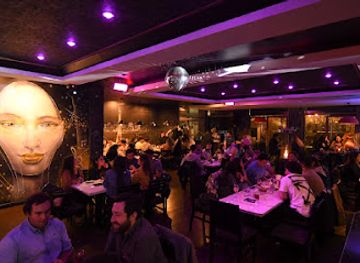
Araucanía Region's nightlife is a vibrant blend of traditional Mapuche culture and modern entertainment, offering a unique experience for visitors. In the bustling city of Temuco, you'll find an array of bars and nightclubs pulsating with live music, from Latin rhythms to international beats. Cozy pubs and chic lounges serve up local craft beers and expertly mixed cocktails, while dance floors come alive with both locals and tourists sharing in the revelry. The region's smaller towns, like Pucón and Villarrica, offer a more intimate and relaxed evening atmosphere, with lakeside bars providing stunning views of the starry Patagonian skies. Whether you’re looking to dance the night away or enjoy a quiet drink by the fire, Araucanía's nightlife has something to captivate every traveler.
-
Restaurant
Caravan Resto Beer Temuco
Discover the culinary delights and craft beers at Caravan Resto Beer, a vibrant dining destination in Temuco, Chile.
-
Bar
Resto Bar Santo Remedio
Experience the vibrant nightlife at Resto Bar Santo Remedio in Temuco, Araucanía, where local flavors meet a lively atmosphere.
-
Bar
Infame Restobar
Experience the vibrant nightlife at Infame Restobar in Temuco, where delicious drinks and a lively atmosphere await every visitor.
-
Bar
Beermania01202021
Explore the vibrant flavors of craft beer and delicious meals at Beermania, Temuco's go-to bar and grill for a lively dining experience.


Best nightclubs in Araucanía Region
Araucanía Region's nightlife is a vibrant blend of traditional Mapuche culture and modern entertainment, offering a unique experience for visitors. In the bustling city of Temuco, you'll find an array of bars and nightclubs pulsating with live music, from Latin rhythms to international beats. Cozy pubs and chic lounges serve up local craft beers and expertly mixed cocktails, while dance floors come alive with both locals and tourists sharing in the revelry. The region's smaller towns, like Pucón and Villarrica, offer a more intimate and relaxed evening atmosphere, with lakeside bars providing stunning views of the starry Patagonian skies. Whether you’re looking to dance the night away or enjoy a quiet drink by the fire, Araucanía's nightlife has something to captivate every traveler.
-
Disco club
Big Boss Lounge
Experience the vibrant nightlife of Temuco at Big Boss Lounge, where electrifying music and a lively crowd await you!
-
Disco club
Discotheque Sala Murano
Immerse yourself in the electrifying nightlife of Pucón at Discotheque Sala Murano, where beats, drinks, and dancing await you.
-
Dance club
Remedy Pub Disco
Join the vibrant nightlife at Remedy Pub Disco in Temuco, where great music, dancing, and fun come together for an unforgettable experience.
-
Night club
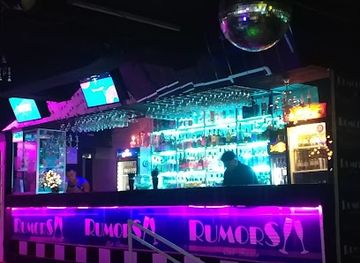
Rumors
Discover the thrilling nightlife of Temuco at Rumors, a lively night club where music, dance, and a vibrant atmosphere come together.


Best shops in Araucanía Region
In the heart of the Araucanía Region, visitors will find an enchanting blend of traditional markets and modern shopping venues, offering a unique experience that captures the essence of Chilean culture. Stroll through bustling markets like Feria Pinto in Temuco, where the vibrant stalls overflow with fresh produce, indigenous crafts, and Mapuche textiles, each piece telling a story of ancient traditions. For a more contemporary shopping experience, head to the modern malls like Portal Temuco, where you can find a mix of local and international brands. The region is also dotted with charming boutiques and artisan shops in towns like Pucón and Villarrica, where handcrafted jewelry, pottery, and gourmet local products make perfect souvenirs. Whether you are hunting for unique handicrafts or indulging in retail therapy, the shopping scene in Araucanía offers a rich tapestry of cultural and contemporary delights.
-
Shopping mall
Portal Temuco
Experience the best of shopping, dining, and entertainment at Portal Temuco, the vibrant heart of Araucanía's retail scene.
-
Grocery store
Feria Pinto
Explore Feria Pinto in Temuco for a taste of local culture, fresh produce, and delightful artisan goods that embody Chilean culinary traditions.
-
Outlet mall
Easton Outlet Mall Temuco
Shop, dine, and unwind at Easton Outlet Mall Temuco, the ultimate shopping destination in Araucanía, Chile, offering amazing deals and delightful experiences.
-
Outlet mall
Patio Outlet Temuco
Explore a shopper's paradise at Patio Outlet Temuco with diverse stores, family-friendly amenities, and a vibrant atmosphere in Araucanía.


Get your free copy of our complete guide to Araucanía Region, delivered straight to you.
Everything on this page, from attractions and restaurants to essentials and local phrases, in one PDF you can read offline, print or share.
Already have an account? Sign in
Your Araucanía Region guide is ready.
We'll send it to · Not you? Sign out

Getting your guide ready…
We are putting together a fresh copy of the Araucanía Region guide. This can take up to a minute.
This can take a few moments. If your browser asks, choose Allow so the download can start. You'll find the guide in your Downloads folder.
Nothing happened? Download it again
Sorry, the guide is taking longer than usual. Please try again in a minute, or get it by email instead.
Araucanía Region essentials
Currency and Payment
Safety
Emergency Situations
Do's and Don'ts
Local Tips
From Eve
Local phrases worth knowing
You don't need to get them perfect. A few words go a long way, and locals appreciate the effort.
Basics
| English | Local | Say it |
|---|---|---|
| Hello | Küme | [koo-meh] |
| Goodbye | Inche tañi | [een-cheh tah-nee] |
| Yes | Eñchi | [en-chee] |
| No | Nütram | [noo-trahm] |
| Please/You're welcome | Kümeñ | [koo-meh-ny] |
| Thank you | Küme pu lof | [koo-meh poo lof] |
| Excuse me/Sorry | Ñi puñi | [nee poo-nee] |
| How are you? | ¿Küme tañi? | [koo-meh tah-nee] |
| Fine. And you? | Küme. ¿Eñchi tañi? | [koo-meh. en-chee tah-nee] |
| Do you speak English? | ¿Eñchi puñi inglés? | [en-chee poo-nee een-glehs] |
| I don't understand | Ñi puñi no küme | [nee poo-nee noh koo-meh] |
Eating & Drinking
| English | Local | Say it |
|---|---|---|
| I'd like to see the menu, please | Kümeñ puñi inche menu | [koo-meh-ny poo-nee een-cheh meh-noo] |
| I don't eat meat | Ñi puñi no kiñe meat | [nee poo-nee noh keen-yeh meet] |
| Cheers! | Tüfün! | [too-fohn] |
| I would like to pay, please | Kümeñ puñi inche puñi | [koo-meh-ny poo-nee een-cheh poo-nee] |
Emergencies
| English | Local | Say it |
|---|---|---|
| Help! | Ñi puñi! | [nee poo-nee] |
| Go away! | Ñi puñi ñiñew! | [nee poo-nee nee-nyew] |
| Call the Police! | Ñi puñi inche Policía! | [nee poo-nee een-cheh poh-lee-syah] |
| Call a doctor! | Ñi puñi inche doctor! | [nee poo-nee een-cheh doh-ktor] |
| I'm lost | Ñi puñi inche puñi | [nee poo-nee een-cheh poo-nee] |
| I'm ill | Ñi puñi inche kiñe | [nee poo-nee een-cheh keen-yeh] |
Shopping
| English | Local | Say it |
|---|---|---|
| I'd like to buy... | Kümeñ puñi inche kiñe... | [koo-meh-ny poo-nee een-cheh keen-yeh] |
| I'm just looking | Ñi puñi inche kiñew | [nee poo-nee een-cheh keen-yew] |
| How much is it? | ¿Küme puñi? | [koo-meh poo-nee] |
| That's too expensive | Inche no kümeñ | [een-cheh noh koo-meh-ny] |
| Can you lower the price? | Eñchi puñi inche puñi naki? | [en-chee poo-nee een-cheh poo-nee nah-kee] |
Time & Numbers
| English | Local | Say it |
|---|---|---|
| What time is it? | ¿Küme puñi inche? | [koo-meh poo-nee een-cheh] |
| It's one o'clock | Inche kiñe puñi | [een-cheh keen-yeh poo-nee] |
| Half past (10) | Inche ñi puñi (10) | [een-cheh nee poo-nee (diez)] |
| Morning | Ñi puñi | [nee poo-nee] |
| Afternoon | Kümeñ puñi | [koo-meh-ny poo-nee] |
| Evening | Ñi kiñe | [nee keen-yeh] |
| Yesterday | Ñi kiñe puñi | [nee keen-yeh poo-nee] |
| Today | Küme puñi | [koo-meh poo-nee] |
| Tomorrow | Inche puñi | [een-cheh poo-nee] |
| 1 | Kiñe | [keen-yeh] |
| 2 | Epu | [eh-poo] |
| 3 | Kimün | [kee-moon] |
| 4 | Meli | [meh-lee] |
| 5 | Pewma | [peh-oo-mah] |
| 6 | Kechu | [keh-choo] |
| 7 | Pewke | [peh-oo-keh] |
| 8 | Pewtü | [peh-oo-too] |
| 9 | Pewvü | [peh-oo-vue] |
| 10 | Pewñi | [peh-oo-nee] |
Transport & Directions
| English | Local | Say it |
|---|---|---|
| Where's a/the...? | ¿Küme tañi...? | [koo-meh tah-nee] |
| What's the address? | ¿Küme puñi inche dirección? | [koo-meh poo-nee een-cheh dee-rehk-syohn] |
| Can you show me (on the map)? | Eñchi puñi inche inkuñ? | [en-chee poo-nee een-cheh een-kun] |
| When's the next (bus)? | ¿Küme puñi inche bus? | [koo-meh poo-nee een-cheh boos] |
| A ticket (to ....) | Inche puñi inche pasaje (a....) | [een-cheh poo-nee een-cheh pah-sah-heh] |
History of Araucanía Region
Pre-Columbian Era and the Mapuche
The Araucanía Region, known for its rich and diverse history, was originally inhabited by the Mapuche people long before the arrival of European settlers. The Mapuche, meaning 'People of the Land,' developed a distinct culture, language, and social structure. They were adept at agriculture, hunting, and fishing, and their society was organized into extended family groups called 'lof.' The Mapuche resisted Inca incursions from the north, maintaining their autonomy and cultural identity.
Spanish Conquest and the Arauco War
The arrival of Spanish conquistadors in the 16th century marked the beginning of the Arauco War, a series of conflicts between the colonial Spanish and the Mapuche. The war started with the Battle of Reynogüelén in 1536 and continued for almost 300 years. Despite their technological disadvantages, the Mapuche employed guerrilla tactics and fortified their communities to resist Spanish domination. The Treaty of Quilín in 1641 was a significant event during this period, as it temporarily established a boundary between Spanish-controlled territory and Mapuche lands.
The Chilean Independence and the Occupation of Araucanía
After Chile achieved independence from Spain in the early 19th century, the new nation sought to expand its territory southward. The 'Pacification of Araucanía' was an official campaign launched in the mid-19th century to incorporate Mapuche lands into the Chilean state. This period was marked by military campaigns and the establishment of forts, leading to significant Mapuche resistance and eventual displacement. The occupation led to the foundation of several towns and cities in the region, and the integration of Araucanía into the national economy.
Economic Development and Migration
The late 19th and early 20th centuries saw a wave of European immigrants, particularly from Germany, Switzerland, and Italy, settling in Araucanía. These immigrants brought new agricultural techniques, industries, and cultural influences, contributing to the region's development. The establishment of railways and roads facilitated trade and communication, further integrating Araucanía into Chile's economic framework. The region became known for its timber, agriculture, and dairy production.
Cultural Revival and Political Movements
The late 20th century witnessed a resurgence of Mapuche cultural identity and activism. Efforts to preserve and promote Mapuche language, traditions, and rights gained momentum. Organizations advocating for indigenous rights and land restitution emerged, highlighting historical grievances and seeking political representation. This period also saw the establishment of cultural centers, festivals, and educational programs aimed at revitalizing Mapuche heritage and fostering greater understanding between indigenous and non-indigenous communities.
Modern Day Araucanía
Today, Araucanía is a region that blends its historical roots with contemporary life. The city of Temuco serves as the regional capital and a hub for cultural and economic activities. The region's natural beauty, including the Andean mountain range, lakes, and national parks, attracts tourists from around the world. Modern Araucanía is a testament to its complex history, where Mapuche traditions coexist with European influences, creating a unique cultural tapestry. Efforts continue to address social and economic disparities, promote sustainable development, and honor the rich heritage of the region.
Araucanía Region in Photos
Browse through our photo collection highlighting the charm and character of the destination.
Neighbouring regions of Araucanía Region
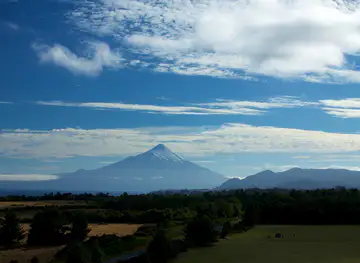
The closest regions to Araucanía Region, if you have time for more than one.
-

-

-

-

-


Swipe for more regions
Explore more

Explore more of Chile
Discover Chile: From the Atacama Desert to Patagonia's Glaciers, Experience Diverse Landscapes, Rich Culture, and World-Class Wine in This South American Gem.
Explore Chile