

Ñuble Region, Chile Travel Guide
Discover the Ñuble Region in Chile: A blend of stunning natural landscapes, rich cultural heritage, and vibrant local traditions, perfect for nature lovers and cultural enthusiasts.
Nestled in the heart of Chile, the Ñuble Region is a paradise for nature lovers and cultural enthusiasts alike. This region offers a diverse landscape ranging from the snow-capped Andes Mountains to fertile valleys and lush forests. The Ñuble River, winding through the region, provides opportunities for fishing, rafting, and scenic walks along its banks. The area is also home to a variety of wildlife, making it a prime spot for bird watching and eco-tourism. Beyond its natural beauty, the Ñuble Region boasts a rich cultural heritage. The city of Chillán, the regional capital, is known for its vibrant markets, historic architecture, and the famous Chillán Cathedral. Art lovers will appreciate the Museo Claudio Arrau, dedicated to the renowned pianist born in Chillán. The region is also famous for its traditional crafts, including pottery and weaving, which can be found in local artisan shops. For those looking to immerse themselves in local traditions, the Ñuble Region hosts various festivals throughout the year. These events celebrate everything from local cuisine to folk music and dance, offering visitors a unique glimpse into Chilean culture. Whether you're exploring the great outdoors, delving into history, or enjoying local festivities, the Ñuble Region promises an unforgettable experience.

Know before you go
Hi, I'm Eve. Here are a few practical things to know before exploring Ñuble Region.
- Visit the Chillán Market early in the morning to experience the best local produce and crafts.
- Plan your visit during one of the local festivals for a truly immersive cultural experience.
- Bring comfortable walking shoes for exploring the many nature trails and historic sites.
- Don't miss the hot springs in the nearby Termas de Chillán for a relaxing soak with mountain views.
- Try the local delicacy, 'longaniza,' a type of sausage traditional to the Ñuble Region.
Top City Travel Guides in Ñuble Region
The cities of Ñuble Region, and the easiest places to base yourself.

Explore Ñuble Region: Things to Do, Places to Eat, Hotels & More
Handpicked recommendations for top attractions, local dining, accommodations, and more

Top Attractions & Sightseeing in Ñuble Region
Top-rated picks
Best Attractions

Saltos del Laja
Explore Saltos del Laja, a breathtaking waterfall in Chile's Bio Bio region, perfect for nature lovers and adventure seekers alike.

Chillán Market
Discover the essence of Chile at Chillán Market, where vibrant culture meets delectable flavors in a lively atmosphere.

Playa Coliumo
Experience the serene beauty of Playa Coliumo, a hidden coastal paradise in Bío Bío, Chile, perfect for relaxation, adventure, and cultural immersion.

Calan's Arcs
Experience the breathtaking coastal views and unique geological formations at Calan's Arcs in Pelluhue, a scenic haven for nature lovers in Chile.

Best landmarks in Ñuble Region
Top-rated picks
Best Landmarks

Museo Claudio Arrau
Discover the rich musical heritage of Chile at Museo Claudio Arrau, celebrating the legacy of the legendary pianist in the heart of Chillán.

Cuna de Prat
Discover the vibrant history of Chile and Latin America at Cuna de Prat, a premier museum in Ñuble showcasing captivating exhibits and artifacts.

Ñuble National Reserve
Explore Chile's Andean wilderness: Hike through diverse landscapes, discover unique flora and fauna, and experience the beauty of Ñuble National Reserve.

Dona Rita Granja Museo
Experience the charm of rural Chile at Dona Rita Granja Museo—where family fun meets cultural heritage in a serene farmstay setting.

Best restaurants in Ñuble Region
Top-rated picks
Best Restaurants

Casino Familiar Villa Baviera Bulnes
Discover the authentic flavors of Chile at Casino Familiar Villa Baviera Bulnes, where family-friendly dining meets exquisite local cuisine.

Restaurante La Motoneta
Discover authentic Chilean cuisine at Restaurante La Motoneta while enjoying stunning views along the route to Termas de Chillán.

El Pala Restobar
Discover the flavors of Chile at El Pala Restobar in Chillán - where culinary tradition meets modern dining in a vibrant atmosphere.

Restaurante Pensión Valdés
Experience authentic Chilean cuisine at Restaurante Pensión Valdés in Chillán - where flavor meets tradition in every dish.

Best bars in Ñuble Region
Top-rated picks
Best Bars

Panitao Cafe Sandwich Bar
Discover the flavors of Chillán at Panitao Cafe Sandwich Bar, where gourmet sandwiches and artisanal coffee await in a cozy atmosphere.

South Pacific
Discover the vibrant atmosphere of the South Pacific Bar in Chillán, where local culture meets delightful drinks and lively entertainment.

Dubai Club
Discover the energetic nightlife at Dubai Club in Chillán, a premier bar and disco club offering great music, delicious food, and a vibrant atmosphere.
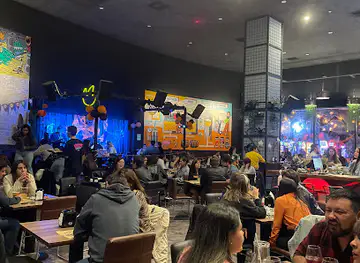
Bar Prócer
Experience the best of Chillán's nightlife at Bar Prócer, where vibrant atmosphere meets exceptional drinks and delicious food.

Best nightclubs in Ñuble Region
Top-rated picks
Best Nightclubs

Dubai Club
Discover Chillán's nightlife at Dubai Club, where exceptional drinks meet vibrant music and a lively atmosphere for an unforgettable experience.

Lab Music Club
Discover the vibrant nightlife of Chillán at Lab Music Club - where music, dance, and unforgettable memories await.

Club Caramelo
Discover Club Caramelo: A lively bar in Chillán offering delicious food and a vibrant atmosphere to unwind and socialize.

South Pacific Club
Delight in an array of entertainment at South Pacific Club, Chillán's vibrant amusement center offering endless fun for everyone.

Best shops in Ñuble Region
Top-rated picks
Best Shops

Chillán Market
Discover the vibrant flavors and rich culture of Chillán at the bustling Chillán Market, a must-visit for every tourist.

Arauco Mall Chillán
Discover the ultimate shopping experience at Arauco Mall Chillán, featuring a blend of retail, dining, and entertainment in a vibrant atmosphere.

Falabella Chillán
Explore Falabella Chillán: A vibrant department store offering a wide range of products in the heart of Chillán, perfect for your shopping spree.

Hites
Experience the vibrant shopping scene at Hites, a premier department store in Chillán, offering diverse products and local culture in one place.

Explore Ñuble Region on the Map
A handpicked selection of must-see spots in Ñuble Region, mapped for you.
Ñuble Region Essentials
-
Ñuble Region is located in the central-southern part of Chile. The main entry point is the Carriel Sur International Airport in Concepción, which is approximately 110 kilometers from the region's capital, Chillán. From the airport, you can rent a car, take a bus, or arrange for a private transfer to Ñuble. There are also frequent bus services from Santiago, the capital of Chile, which is about a five-hour drive from Chillán. Trains also connect Santiago to Chillán, offering a comfortable and scenic journey.
-
Within Ñuble Region, buses are the most common form of public transportation, connecting major towns and rural areas. Taxis and ride-sharing services like Uber are available in larger towns such as Chillán. For more flexibility, renting a car is a good option, allowing you to explore the region's natural attractions and historic sites at your own pace. Bicycling is also popular, especially for exploring the scenic countryside and vineyards.
-
The official currency in Chile is the Chilean Peso (CLP). Credit and debit cards are widely accepted in most hotels, restaurants, and shops in urban areas. However, it's advisable to carry some cash for smaller establishments and rural areas where card payments might not be accepted. ATMs are available in major towns, and it's a good idea to withdraw cash before heading to more remote areas.
-
Ñuble Region is generally safe for tourists, but like any travel destination, it's important to take standard precautions. Petty crime, such as pickpocketing, can occur in crowded places, so keep an eye on your belongings. Avoid walking alone at night in unfamiliar areas. Certain neighborhoods in larger towns, particularly in Chillán, may have higher crime rates, so it's wise to ask locals or your accommodation for advice on which areas to avoid.
-
In case of emergencies, dial 133 for police, 131 for medical emergencies, and 132 for fire services. Chillán has several hospitals and clinics equipped to handle medical emergencies. It's recommended to have travel insurance that covers medical costs. Pharmacies are readily available in urban areas for minor health issues. Keep a list of emergency contacts and the address of your country's embassy or consulate in Chile.
-
Fashion: Do dress in layers, as the weather can change quickly. Avoid overly casual clothing in more formal settings. Religion: Do respect local religious customs, especially when visiting churches. Avoid wearing hats inside religious buildings. Public Transport: Do be courteous and give up your seat for elderly or pregnant passengers. Don't eat or drink on public buses. Greetings: Do greet people with a handshake or a kiss on the cheek, the latter being common among friends. Eating & Drinking: Do try local dishes like 'longaniza' and 'humitas'. Don't refuse an offer of food or drink, as it can be seen as impolite.
-
To experience Ñuble Region like a local, visit the Feria Libre in Chillán, a bustling market where you can buy fresh produce, local cheeses, and handcrafted goods. Engage with locals; they are often friendly and eager to share stories about their culture and traditions. Don't miss the thermal baths in the Termas de Chillán, perfect for relaxation. Also, explore the region's vineyards and enjoy wine tastings to appreciate the local viticulture.
When is the best time to visit Ñuble Region?
Useful Local Phrases for Ñuble Region
You don't need to speak the language perfectly. Even learning a few simple words can make conversations warmer—and locals usually appreciate the effort.
— Eve

Here are the phrases I use most often in Ñuble Region. Try a few—you'll be surprised how far they go! 😊
❤️
-
- HelloHola
[o-la] - GoodbyeAdiós
[a-dyos] - YesSí
[see] - NoNo
[no] - Please/You're welcomePor favor/De nada
[por fa-vor/de na-da] - Thank youGracias
[gra-sias] - Excuse me/SorryPerdón
[per-don] - How are you?¿Cómo estás?
[ko-mo es-tas] - Fine. And you?Bien. ¿Y tú?
[byen. ee tu] - Do you speak English?¿Hablas inglés?
[a-blas in-gles] - I don't understandNo entiendo
[no en-tien-do]
- HelloHola
-
- I'd like to see the menu, pleaseMe gustaría ver el menú, por favor
[me gus-ta-ria ver el me-nu por fa-vor] - I don't eat meatNo como carne
[no ko-mo car-ne] - Cheers!¡Salud!
[sa-lud] - I would like to pay, pleaseMe gustaría pagar, por favor
[me gus-ta-ria pa-gar por fa-vor]
- I'd like to see the menu, pleaseMe gustaría ver el menú, por favor
-
- Help!¡Ayuda!
[a-yu-da] - Go away!¡Vete!
[ve-te] - Call the Police!¡Llama a la policía!
[ya-ma a la po-li-cia] - Call a doctor!¡Llama a un doctor!
[ya-ma a un doc-tor] - I'm lostEstoy perdido
[es-toy per-di-do] - I'm illEstoy enfermo
[es-toy en-fer-mo]
- Help!¡Ayuda!
-
- I'd like to buy...Quisiera comprar...
[ki-siera kom-prar] - I'm just lookingSolo estoy mirando
[so-lo es-toy mi-ran-do] - How much is it?¿Cuánto cuesta?
[kwan-to kwes-ta] - That's too expensiveEso es muy caro
[e-so es muy ka-ro] - Can you lower the price?¿Puedes bajar el precio?
[pwe-des ba-har el pre-cio]
- I'd like to buy...Quisiera comprar...
-
- What time is it?¿Qué hora es?
[ke o-ra es] - It's one o'clockEs la una
[es la u-na] - Half past (10)Y diez
[ee dies] - MorningMañana
[ma-nya-na] - AfternoonTarde
[tar-de] - EveningNoche
[no-che] - YesterdayAyer
[a-yer] - TodayHoy
[oy] - TomorrowMañana
[ma-nya-na] - 1Uno
[u-no] - 2Dos
[dos] - 3Tres
[tres] - 4Cuatro
[kwa-tro] - 5Cinco
[sin-ko] - 6Seis
[seis] - 7Siete
[sye-te] - 8Ocho
[o-cho] - 9Nueve
[nwe-ve] - 10Diez
[dies]
- What time is it?¿Qué hora es?
-
- Where's a/the...?¿Dónde está...?
[don-de es-ta] - What's the address?¿Cuál es la dirección?
[kwal es la di-rec-cion] - Can you show me (on the map)?¿Me puedes mostrar (en el mapa)?
[me pwe-des mos-trar en el ma-pa] - When's the next (bus)?¿Cuándo es el próximo (bus)?
[kwan-do es el pro-xi-mo bus] - A ticket (to ....)Un pasaje (a ....)
[un pa-sa-he a]
- Where's a/the...?¿Dónde está...?
History of Ñuble Region
-
The Ñuble Region is part of the ancestral lands of the Mapuche people, who have resided in the area for centuries. The Mapuche culture is deeply ingrained in the region’s traditions, language, and customs. Their influence is evident in the local festivals, traditional crafts, and the rich oral history that continues to be passed down through generations.
-
The arrival of Spanish conquistadors in the 16th century marked a significant turning point in the history of the Ñuble Region. The establishment of the city of Chillán in 1580 by Martín Ruiz de Gamboa served as a strategic point in the colonial administration. The region became an important center for agriculture and trade, fostering the growth of a mixed colonial society.
-
One of the most catastrophic events in the region's history was the Chillán Viejo earthquake of 1835, which devastated the city of Chillán. This earthquake, recorded by naturalist Charles Darwin during his voyage on the HMS Beagle, led to significant reconstruction efforts and contributed to the urban development of the new Chillán, which was rebuilt with improved infrastructure.
-
During the War of the Pacific (1879-1884), the Ñuble Region played a crucial role in supporting the Chilean military efforts. Many local men enlisted to fight in the war, and the region's agricultural output was essential in supplying the troops. The war's impact is remembered through various monuments and memorials scattered throughout the region.
-
The Ñuble Region is renowned as the birthplace of Bernardo O'Higgins, one of Chile's founding fathers. Born in Chillán in 1778, O'Higgins played a pivotal role in Chile's struggle for independence from Spanish rule. His legacy is celebrated in the region through museums, statues, and historical sites dedicated to his memory.
-
Ñuble Region is rich in cultural festivals that reflect its diverse heritage. The Fiesta de San Juan, celebrated in June, showcases traditional music, dance, and cuisine. The Festival de la Longaniza in Chillán is another highlight, celebrating the region's famous sausage with various culinary events and competitions. These festivals are a testament to the region’s vibrant cultural life.
-
The fertile lands of the Ñuble Region have long been known for their agricultural productivity. The region is a major producer of fruits, vegetables, and dairy products. The agricultural development has not only shaped the economy but also the cultural landscape, with traditional farming techniques and rural lifestyles being an integral part of the region’s identity.
-
In 2018, Ñuble was officially designated as a separate region, having previously been a province within the Biobío Region. This administrative change aimed to promote local development and give greater political autonomy to the area. The creation of Ñuble Region is seen as a step towards recognizing the unique historical and cultural identity of the region.
Neighbouring Regions of Ñuble Region
The closest regions to Ñuble Region, if you have time for more than one.


Your all‑in‑one travel companion app
Explore expert travel guides, compare and book tours, experiences, hotels, and more—all from the palm of your hand. Download now for seamless trip planning wherever your wanderlust takes you.


Explore More of Chile

Looking beyond Ñuble Region? Discover Chile for broader travel guides, local hot-spots, and regional highlights.
Explore ChileÑuble Region in Photos
Browse through our photo collection highlighting the charm and character of the destination.


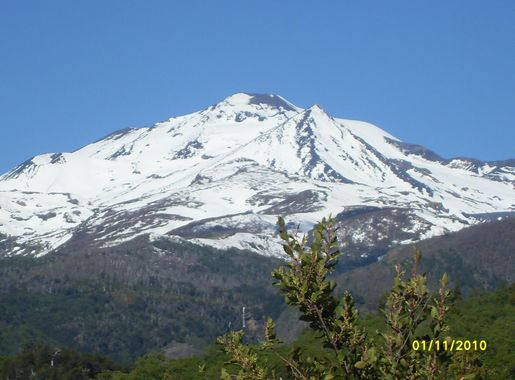


Ñuble Region: Chile's Hidden Gem of Natural Beauty and Culture
Nestled in the heart of Chile, the Ñuble Region is a paradise for nature lovers and cultural enthusiasts alike. This region offers a diverse landscape ranging from the snow-capped Andes Mountains to fertile valleys and lush forests. The Ñuble River, winding through the region, provides opportunities for fishing, rafting, and scenic walks along its banks. The area is also home to a variety of wildlife, making it a prime spot for bird watching and eco-tourism. Beyond its natural beauty, the Ñuble Region boasts a rich cultural heritage. The city of Chillán, the regional capital, is known for its vibrant markets, historic architecture, and the famous Chillán Cathedral. Art lovers will appreciate the Museo Claudio Arrau, dedicated to the renowned pianist born in Chillán. The region is also famous for its traditional crafts, including pottery and weaving, which can be found in local artisan shops. For those looking to immerse themselves in local traditions, the Ñuble Region hosts various festivals throughout the year. These events celebrate everything from local cuisine to folk music and dance, offering visitors a unique glimpse into Chilean culture. Whether you're exploring the great outdoors, delving into history, or enjoying local festivities, the Ñuble Region promises an unforgettable experience.