

Free Los Ríos Region Travel Guide & Mobile App
Explore Los Ríos Region with free travel guides. Discover regional history, expert tips, proposed trips, and audio guides on web or mobile app.


Explore Los Ríos Region for riverfront Valdivia, Spanish forts, Pacific coast, volcanic lakes, temperate rainforest and southern Chilean food.
Read more about Los Ríos Region
When is the best time to visit Los Ríos Region?
Best: December–February · 21–22°C| Month | High (°C) | Rainfall (mm) |
|---|---|---|
| January (best) | 21 | 50 |
| February (best) | 22 | 60 |
| March | 20 | 70 |
| April | 18 | 80 |
| May | 13 | 90 |
| June | 12 | 100 |
| July | 11 | 110 |
| August | 13 | 100 |
| September | 15 | 90 |
| October | 17 | 80 |
| November | 19 | 70 |
| December (best) | 21 | 60 |
Getting to and around Los Ríos Region
How to get there
Transportation
Top city travel guides in Los Ríos Region
The cities of Los Ríos Region, and the easiest places to base yourself.
-

-

-

-


Swipe for more cities
Best attractions in Los Ríos Region
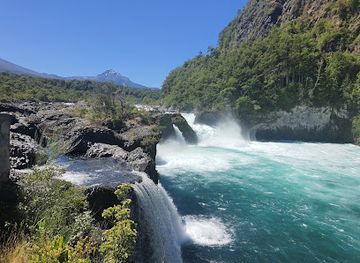
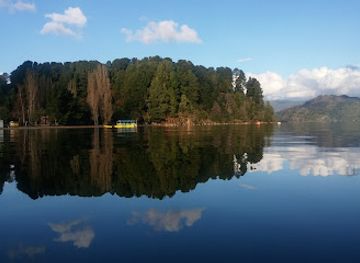
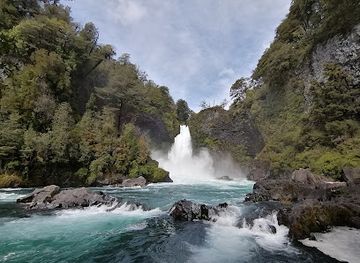
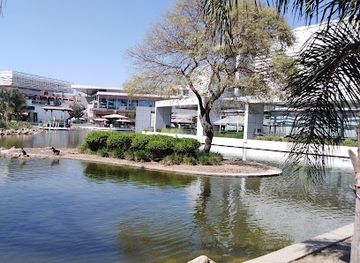
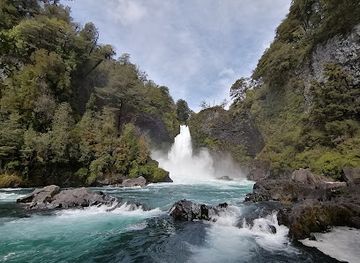
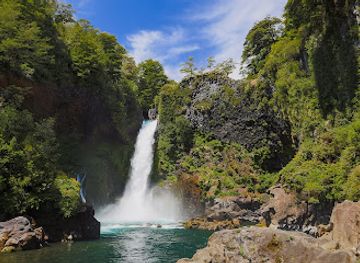
Los Ríos offers a varied attraction landscape built around water, forest and history. In Valdivia, riverside walks, museums, markets and boat trips introduce the city’s maritime setting, while the coastal settlements of Niebla and Corral combine beaches, seafood and Spanish fortifications overlooking the estuary. Inland, the Seven Lakes area around Panguipulli leads to volcanic scenery, forest trails, hot springs and opportunities for kayaking, fishing and wildlife observation. Lake Ranco provides a quieter network of shore communities, viewpoints and rural roads, while the Huilo Huilo area and Mocho-Choshuenco surroundings offer access to native forest, waterfalls and mountain landscapes. Alerce Costero National Park protects distinctive temperate rainforest and ancient alerce trees, and the Valdivian Coastal Reserve preserves forest, wetlands and Pacific habitats. The region also has family-oriented activities, craft workshops, birdwatching sites and cultural venues, but many natural attractions are dispersed; planning around weather, road surfaces and transport is part of the experience.
-
Tourist attraction
Petrohué Waterfalls
Experience the breathtaking beauty of Petrohué Waterfalls in Vicente Pérez Rosales National Park, a must-visit natural attraction in Chile.
-
Tourist attraction
Playa Grande Lican Ray
Explore the stunning Playa Grande Lican Ray in Araucania, Chile—where breathtaking beaches meet rich cultural heritage.
-
Seafood
Feria Fluvial
Discover the vibrant flavors of Valdivia at Feria Fluvial, a premier seafood market offering fresh catches and local delicacies by the river.
-
Tourist attraction
Portal Salto Huilo Huilo
Explore the breathtaking beauty of Portal Salto Huilo Huilo, a premier hiking area and national park in Los Ríos, Chile, perfect for nature lovers.
Best landmarks in Los Ríos Region
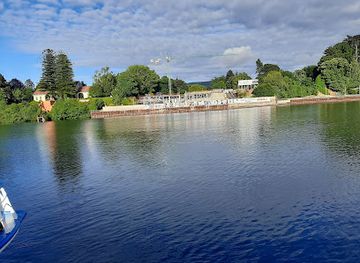
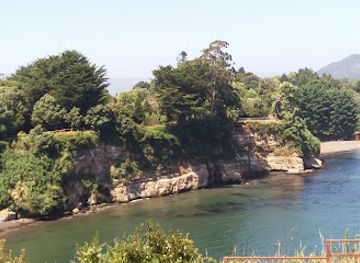
The most recognisable historic landmarks of Los Ríos are concentrated around the Valdivia estuary. The Castillo de Niebla, formally the Fuerte de la Pura y Limpia Concepción de Monfort de Lemus, occupies a strategic headland overlooking the river mouth, while the fortifications at Corral and Mancera show how Spanish engineers used islands, channels and coastal batteries to defend the colonial settlement. Together they explain the region’s maritime history more clearly than any isolated building. In Valdivia, the riverfront, bridges and surviving historic structures are reminders of a city repeatedly reshaped by trade, immigration, fire and the 1960 earthquake. Further inland, the volcanic massif of Mocho-Choshuenco is a major natural landmark, rising above forests and lakes, while Lake Ranco and the Seven Lakes landscape provide broad geographical markers of the region’s Andean edge. The alerce forests of Alerce Costero National Park are landmarks of ecological as well as botanical importance, representing one of southern Chile’s most distinctive native environments.
-
Tourist attraction
Sky Costanera
Sky Costanera offers unparalleled panoramic views of Santiago, blending modern architecture with stunning landscapes for an unforgettable experience.
-
Tourist attraction
Encuentro Costumbrista
Discover the essence of Chilean culture at Encuentro Costumbrista, where traditional cuisine meets vibrant local customs in Valdivia.
-
Tourist attraction
Portal Salto Huilo Huilo
Explore the breathtaking beauty of Portal Salto Huilo Huilo, where lush forests meet stunning waterfalls in the heart of Los Ríos, Chile.
-
Nature preserve
Huilo Huilo Reserva Biológica
Explore the breathtaking beauty of Huilo Huilo Biological Reserve, a top destination for nature enthusiasts and adventure seekers in Los Ríos, Chile.
Explore Los Ríos Region on the map
Plan your trip on one map. See where the top cities, national parks and sights are, and book hotels and experiences in a few clicks.
Best hotels in Los Ríos Region
Best restaurants in Los Ríos Region
Dining in Los Ríos reflects the meeting of river, coast, forest and farmland. Valdivia has the region’s broadest choice, from cafés and market stalls to restaurants serving fish, shellfish, meat, seasonal vegetables and contemporary Chilean cooking. Coastal communities such as Niebla and Corral are associated with seafood, while lake districts offer trout and other freshwater specialities alongside rural cooking. German-descended influences are visible in breads, pastries, cakes, preserves and brewing traditions, although these sit alongside Mapuche-Huilliche ingredients and wider southern Chilean foodways rather than defining the whole cuisine. Look for berries, apples, cheeses, smoked products, honey and small-scale farm produce in markets and local shops. Rural restaurants, roadside kitchens and family-run inns may have limited hours and menus shaped by the season, so carrying cash and eating earlier than in larger Chilean cities can be useful outside Valdivia.
-
Restaurant
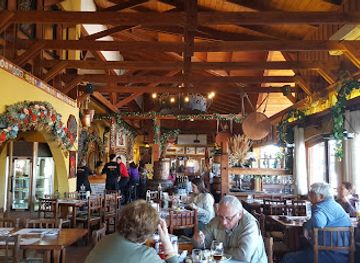
"La Cervecería" Kunstmann
Discover exceptional craft beers and delightful cuisine at La Cervecería Kunstmann in Valdivia—an unmissable destination for foodies and beer lovers.
-
Restaurant
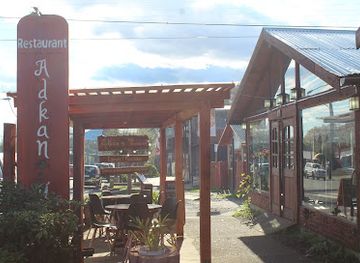
Adkantú, Restaurant Coñaripe
Discover Adkantú in Coñaripe – where traditional Chilean cuisine meets modern flair in an inviting atmosphere.
-
Chilean
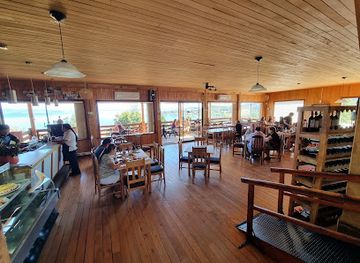
Restaurant Don Floro
Experience authentic Chilean cuisine at Restaurant Don Floro in Futrono - where tradition meets flavor in every bite.
-
Restaurant
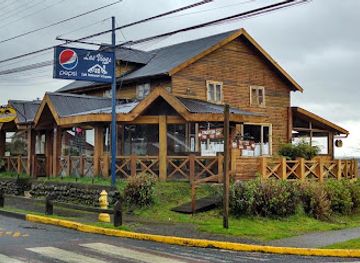
Las Vigas Restaurante
Experience authentic Chilean cuisine at Las Vigas Restaurante by Lago Ranco - where every meal is a taste of tradition.
Best bars in Los Ríos Region
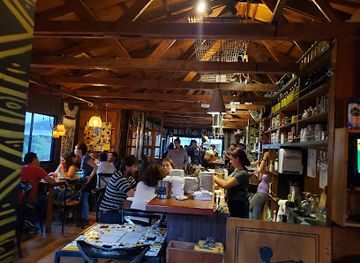
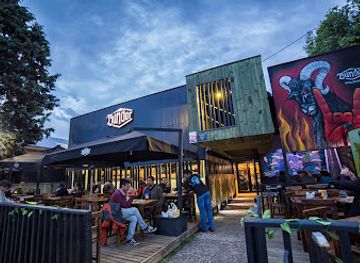
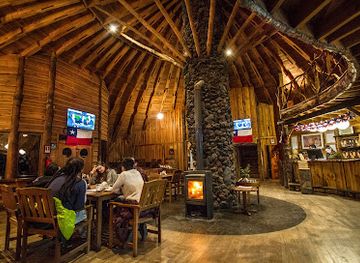
Valdivia has the region’s most developed evening scene, supported by its university population, riverside setting and long association with brewing. Central streets and the riverfront offer pubs, beer-focused venues, cafés, restaurants and places with live music, while neighbourhood bars tend to provide a more local atmosphere than a large club circuit. Traditional Chilean pubs and German-influenced beer halls are part of the city’s character, but nightlife is not limited to beer: wine, cocktails and non-alcoholic drinks are widely available. In towns such as Panguipulli, La Unión, Río Bueno and Futrono, evenings generally centre on restaurants, cafés and modest bars rather than late-night clubs. Coastal and lake communities become busier during summer, while rural areas often quieten early. Check current arrangements locally, particularly outside Valdivia and during winter.
-
Bar
El Growler
Discover El Growler, Valdivia's vibrant beer hall offering a diverse selection of craft beers and a lively atmosphere perfect for relaxation and socializing.
-
Bar
Bar Bundor
Discover the essence of Valdivia at Bar Bundor, where craft beers and local flavors come together in a vibrant atmosphere.
-
Brewpub
Cervecería Petermann
Explore the flavors of Panguipulli at Cervecería Petermann, where local brews and gourmet pizzas come together in a stunning natural setting.
-
Bar
Bimba
Experience the nightlife at Bimba in Valdivia, where lively music, affordable drinks, and a welcoming atmosphere come together for unforgettable nights.
Best nightclubs in Los Ríos Region
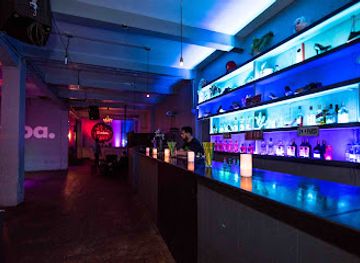
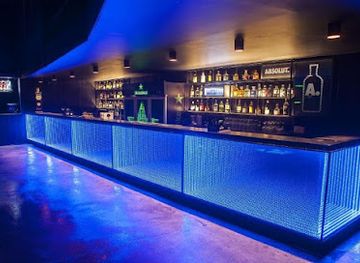
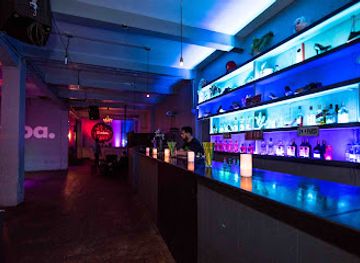
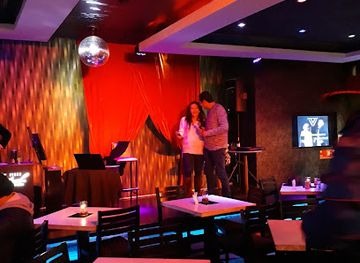
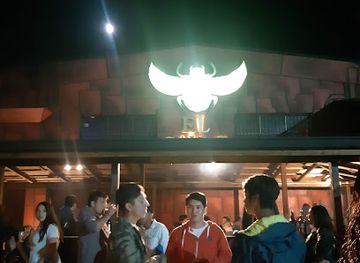
Valdivia has the region’s most developed evening scene, supported by its university population, riverside setting and long association with brewing. Central streets and the riverfront offer pubs, beer-focused venues, cafés, restaurants and places with live music, while neighbourhood bars tend to provide a more local atmosphere than a large club circuit. Traditional Chilean pubs and German-influenced beer halls are part of the city’s character, but nightlife is not limited to beer: wine, cocktails and non-alcoholic drinks are widely available. In towns such as Panguipulli, La Unión, Río Bueno and Futrono, evenings generally centre on restaurants, cafés and modest bars rather than late-night clubs. Coastal and lake communities become busier during summer, while rural areas often quieten early. Check current arrangements locally, particularly outside Valdivia and during winter.
-
Disco club
Club Amanda
Discover Santiago's nightlife at Club Amanda – a vibrant disco club with delicious cocktails and a lively dance scene.
-
Disco club
Bimba
Experience the vibrant nightlife of Valdivia at Bimba, the ultimate disco club and bar for unforgettable nights of music, dancing, and fun.
-
Disco club
Big Boss Lounge
Discover the vibrant nightlife of Temuco at Big Boss Lounge, a top disco club offering great music, stylish vibes, and unforgettable dance experiences.
-
Disco club
Cairo Bar
Discover Osorno's nightlife at Cairo Bar, where great music, vibrant atmosphere, and affordable drinks await you.
Best shops in Los Ríos Region
Shopping in Los Ríos is strongest in Valdivia, where central streets, the riverside market area, food shops, bookshops, craft outlets and independent retailers provide a practical introduction to regional products. The city’s market culture is particularly useful for finding fish, shellfish, fruit, berries, cheeses, preserves, honey and smoked foods, although fresh produce regulations may affect what international visitors can carry across borders. Smaller towns such as Panguipulli, Futrono, Río Bueno and La Unión have compact high streets and periodic fairs where local food, woollens, woodwork, ceramics and handmade goods may be available. Coastal communities often sell seafood and locally made crafts, while lake and forest districts showcase products associated with rural households and Indigenous artists. Look for clearly labelled, respectfully made Mapuche or Huilliche work and ask about materials and provenance. Retail hours and card acceptance can be limited outside the main centres, so cash remains useful for markets and small producers.
-
Tourist attraction
Portal Salto Huilo Huilo
Experience the breathtaking waterfalls and lush landscapes of Portal Salto Huilo Huilo in Los Ríos, Chile - a must-visit for nature lovers.
-
Shopping mall
Plaza de Los Rios
Experience the vibrant shopping and dining scene at Plaza de Los Rios in Valdivia, where culture meets modern retail therapy.
-
Nature preserve
Huilo Huilo Reserva Biológica
Explore the enchanting Huilo Huilo Reserva Biológica, a nature preserve showcasing breathtaking landscapes, diverse wildlife, and eco-friendly adventures in Chile.
-
Observation deck
Mirador Rucatrehua
Discover the stunning views at Mirador Rucatrehua, an unforgettable observation deck nestled in the scenic Los Ríos region of Chile.
Get your free copy of our complete guide to Los Ríos Region, delivered straight to you.
Everything on this page, from attractions and restaurants to essentials and local phrases, in one PDF you can read offline, print or share.
Already have an account? Sign in
Your Los Ríos Region guide is ready.
We'll send it to · Not you? Sign out

Getting your guide ready…
We are putting together a fresh copy of the Los Ríos Region guide. This can take up to a minute.
This can take a few moments. If your browser asks, choose Allow so the download can start. You'll find the guide in your Downloads folder.
Nothing happened? Download it again
Sorry, the guide is taking longer than usual. Please try again in a minute, or get it by email instead.
Los Ríos Region essentials
Currency and Payment
Safety
Emergency Situations
Do's and Don'ts
Local Tips
From Eve
Local phrases worth knowing
You don't need to get them perfect. A few words go a long way, and locals appreciate the effort.
Basics
| English | Local | Say it |
|---|---|---|
| Hello | Hola | [OH-lah] |
| Goodbye | Adiós | [ah-DYOS] |
| Yes | Sí | [SEE] |
| No | No | [NO] |
| Please/You're welcome | Por favor/De nada | [por fah-VOR/deh NAH-dah] |
| Thank you | Gracias | [GRAH-syahs] |
| Excuse me/Sorry | Perdón | [pehr-DON] |
| How are you? | ¿Cómo estás? | [KOH-moh es-TAS] |
| Fine. And you? | Bien. ¿Y tú? | [byen. ee TOO] |
| Do you speak English? | ¿Hablas inglés? | [AH-blas een-GLES] |
| I don't understand | No entiendo | [NO en-TYEN-do] |
Eating & Drinking
| English | Local | Say it |
|---|---|---|
| I'd like to see the menu, please | Me gustaría ver el menú, por favor | [meh goos-tah-REE-ah BEHR el meh-NOO, por fah-VOR] |
| I don't eat meat | No como carne | [NO KOH-mo KAR-neh] |
| Cheers! | ¡Salud! | [sah-LOOD] |
| I would like to pay, please | Me gustaría pagar, por favor | [meh goos-tah-REE-ah pah-GAR, por fah-VOR] |
Emergencies
| English | Local | Say it |
|---|---|---|
| Help! | ¡Ayuda! | [ah-YOO-dah] |
| Go away! | ¡Vete! | [VEH-teh] |
| Call the Police! | ¡Llama a la policía! | [YAH-mah ah lah poh-LEE-syah] |
| Call a doctor! | ¡Llama a un doctor! | [YAH-mah ah oon dok-TOR] |
| I'm lost | Estoy perdido | [es-TOY pehr-DEE-do] |
| I'm ill | Estoy enfermo/enferma | [es-TOY en-FER-mo/en-FER-ma] |
Shopping
| English | Local | Say it |
|---|---|---|
| I'd like to buy... | Quisiera comprar... | [kee-SYEH-rah kom-PRAR] |
| I'm just looking | Solo estoy mirando | [SO-lo es-TOY mee-RAN-do] |
| How much is it? | ¿Cuánto cuesta? | [KWAN-toh KWES-tah] |
| That's too expensive | Eso es muy caro | [EH-so es MOOY KAH-ro] |
| Can you lower the price? | ¿Puedes bajar el precio? | [PWEH-des bah-HAR el PREH-syo] |
Time & Numbers
| English | Local | Say it |
|---|---|---|
| What time is it? | ¿Qué hora es? | [KEH OH-rah es] |
| It's one o'clock | Es la una | [es lah OO-nah] |
| Half past (10) | Y diez y media | [ee DYAS ee MEH-dyah] |
| Morning | Mañana | [mah-NYAH-nah] |
| Afternoon | Tarde | [TAR-deh] |
| Evening | Noche | [NO-cheh] |
| Yesterday | Ayer | [ah-YER] |
| Today | Hoy | [OY] |
| Tomorrow | Mañana | [mah-NYAH-nah] |
| 1 | Uno | [OO-no] |
| 2 | Dos | [DOS] |
| 3 | Tres | [TRES] |
| 4 | Cuatro | [KWAT-ro] |
| 5 | Cinco | [SEEN-ko] |
| 6 | Seis | [SAYS] |
| 7 | Siete | [SYE-teh] |
| 8 | Ocho | [OH-cho] |
| 9 | Nueve | [NWEH-beh] |
| 10 | Diez | [DYAS] |
Transport & Directions
| English | Local | Say it |
|---|---|---|
| Where's a/the...? | ¿Dónde está...? | [DON-deh es-TAH] |
| What's the address? | ¿Cuál es la dirección? | [KWAL es lah dee-rek-SYON] |
| Can you show me (on the map)? | ¿Puedes mostrarme (en el mapa)? | [PWEH-des mos-TRAR-meh (en el MAH-pah)] |
| When's the next (bus)? | ¿Cuándo es el próximo (bus)? | [KWAN-doh es el PROK-si-mo (boos)] |
| A ticket (to ....) | Un boleto (a ...) | [oon bo-LEH-toh (ah ...)] |
History of Los Ríos Region
Mapuche-Huilliche Homeland and Early Settlement
Long before European colonisation, the region was inhabited by Mapuche and Huilliche communities whose economies and cultural practices were closely connected to forests, rivers, wetlands and coastal waters. Agriculture, gathering, fishing and local exchange shaped settlement patterns across the valleys and lake districts. Place names and living traditions still reflect this heritage, although Indigenous communities have also experienced land dispossession and political pressures through later periods. Understanding Los Ríos therefore requires more than viewing its history through Spanish forts or settler architecture: the region’s cultural landscape has deeper roots in Indigenous relationships with the territory.
Spanish Foundation and the Valdivian Frontier
Pedro de Valdivia founded the city of Valdivia in 1552, establishing a Spanish settlement at a strategically important river junction. The surrounding frontier remained contested, and the city was destroyed during the great Mapuche uprising of 1599. Spanish control was subsequently rebuilt with a more strongly military character, supported by forts and coastal positions guarding the river approaches. Valdivia’s location made it both a colonial outpost and a gateway between the Pacific and the interior, although its distance from central Chile presented persistent logistical and political challenges.
The Spanish Fortifications of the Coast
From the seventeenth century, Spain developed an extensive defensive network around the mouth of the Valdivia River. Forts at Niebla, Corral, Mancera and related positions controlled maritime access and protected the settlement from naval attack. Their surviving walls, batteries and stonework are among the most visible reminders of colonial military history in Los Ríos. The system was not simply a collection of isolated buildings: it formed a coordinated coastal defence shaped by the geography of channels, islands and the estuary.
Independence and the Capture of Valdivia, 1820
Valdivia remained a major Spanish stronghold after Chile’s independence movement began. In 1820, Chilean forces under Lord Thomas Cochrane captured the coastal fortifications in a daring campaign that opened the way to taking the city. The episode was important because Valdivia’s defences were regarded as among the strongest in the Spanish South American colonial system. The forts and river approaches around Corral and Niebla preserve the geographical context of this transition from imperial frontier to part of the independent Chilean state.
Nineteenth-Century Colonisation and Urban Change
During the nineteenth century, the Chilean government encouraged European immigration and settlement in the south. German-speaking settlers arrived in the Valdivia area and contributed to agriculture, commerce, brewing, woodworking and manufacturing, while Indigenous and established local communities remained central to regional life. Valdivia developed a more diverse urban economy, and German-influenced buildings, foodways and industrial traditions became part of its cultural character. This period also increased the integration of Los Ríos into Chile’s national transport and commercial networks.
The 1960 Valdivia Earthquake
On 22 May 1960, the Valdivia earthquake struck southern Chile and remains the largest instrumentally recorded earthquake in the world. The event caused severe destruction across the region, altered riverbanks and wetlands, and generated a tsunami that affected coastal areas and communities around the Pacific. Its consequences shaped rebuilding, infrastructure and public memory in Valdivia and beyond. The disaster also highlighted the geological forces that define southern Chile, where active tectonics, volcanoes, rivers and unstable terrain continue to influence planning and travel.
Regional Autonomy and Contemporary Identity
Los Ríos became a separate Chilean region in 2007, when territory formerly administered within Los Lagos Region received its own regional government and capital at Valdivia. The change reflected longstanding civic and political demands for greater recognition of the area’s distinct geography, economy and cultural identity. Contemporary Los Ríos combines university and service-sector activity in Valdivia with forestry, agriculture, tourism, fishing and food production across its rural districts. Environmental debates, Indigenous rights and the protection of waterways and native forests remain important parts of regional public life.
Los Ríos Region in Photos
Browse through our photo collection highlighting the charm and character of the destination.
Neighbouring regions of Los Ríos Region
The closest regions to Los Ríos Region, if you have time for more than one.
-

-

-

-

-


Swipe for more regions
Explore more

Explore more of Chile
Discover Chile: From the Atacama Desert to Patagonia's Glaciers, Experience Diverse Landscapes, Rich Culture, and World-Class Wine in This South American Gem.
Explore Chile