

Free Arica and Parinacota Region Travel Guide & Mobile App
Explore Arica and Parinacota Region with free travel guides. Discover regional history, expert tips, proposed trips, and audio guides on web or mobile app.


Explore Arica and Parinacota for Pacific beaches, Chinchorro heritage, desert valleys, Aymara villages and the high-altitude landscapes of Lauca.
Read more about Arica and Parinacota Region
When is the best time to visit Arica and Parinacota Region?
Best: December–January · 25°C| Month | High (°C) | Rainfall (mm) |
|---|---|---|
| January (best) | 25 | 0 |
| February | 26 | 0 |
| March (best) | 25 | 0 |
| April | 24 | 0 |
| May | 23 | 0 |
| June | 21 | 0 |
| July | 21 | 0 |
| August | 21 | 0 |
| September | 22 | 0 |
| October | 24 | 0 |
| November | 25 | 0 |
| December (best) | 25 | 0 |
Getting to and around Arica and Parinacota Region
How to get there
Transportation
Top city travel guides in Arica and Parinacota Region
The cities of Arica and Parinacota Region, and the easiest places to base yourself.

Swipe for more cities
Best attractions in Arica and Parinacota Region
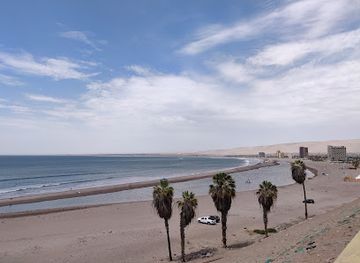
The region’s attractions are defined by sharp changes in altitude and environment. In Arica, visitors can combine Pacific beaches and coastal walks with the Morro, museums and the city’s historic centre. The Chinchorro heritage sites and archaeological interpretation around Arica and the valleys provide insight into early maritime settlement and ancient funerary practices. The Azapa Valley brings together olive groves, agricultural land, geoglyphs and archaeological collections, while the Lluta Valley offers a route through cultivated oases and stark desert scenery. Inland, Putre is the principal base for exploring the precordillera, village churches and highland landscapes. Parque Nacional Lauca contains volcanic peaks, broad plateau, wetlands and Lago Chungará, with vicuna and flamingos among its notable wildlife. Villages such as Parinacota, Socoroma and Belén reveal adobe architecture and living Andean traditions. Outdoor opportunities include scenic drives, photography, birdwatching and selected walks, but altitude, exposure and limited services mean that excursions require more preparation than ordinary coastal sightseeing.
-
Tourist attraction
Playa Chinchorro
Discover the serene beauty of Playa Chinchorro, Arica's premier public beach, perfect for relaxation and water activities.
-
Nature preserve
Cuevas De Anzota
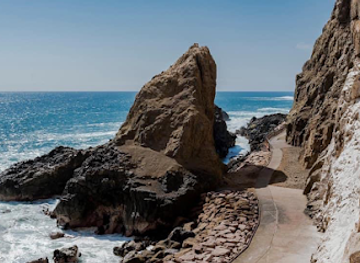
Experience the breathtaking natural beauty of Cuevas De Anzota, a stunning nature preserve in Arica, Chile, perfect for adventure seekers and nature lovers.
-
Tourist attraction
Parque Nacional Lauca
Discover the breathtaking landscapes and rich biodiversity of Parque Nacional Lauca, a must-visit national park in the heart of Chile's Andes.

Best landmarks in Arica and Parinacota Region
The Morro de Arica is the region’s most recognisable landmark, a steep coastal promontory overlooking the city and the Pacific whose military history is closely associated with the War of the Pacific. In the city centre, the Catedral de San Marcos is notable for its nineteenth-century iron construction, while the former customs building reflects Arica’s development as a Pacific port. The highland church of San Ildefonso in Parinacota is an important example of Andean colonial religious architecture, with whitewashed walls and a setting framed by volcanic country. The church and village landscapes of Socoroma and other precordillera settlements similarly express the combination of Spanish ecclesiastical forms and local building traditions. Further east, Lago Chungará and the volcanic peaks of Parque Nacional Lauca form a powerful natural landmark ensemble, with the cone of Parinacota among the most recognisable profiles. Ancient geoglyphs in the Lluta and Azapa valleys add a cultural dimension to the desert itself, demonstrating how routes, belief and landscape were connected long before modern roads.
-
Tourist attraction
Playa Chinchorro
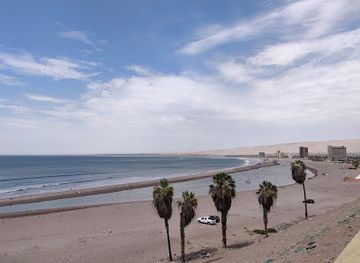
Arica's beloved Playa Chinchorro: where warm waters, historical intrigue, and lively entertainment converge for the perfect beach experience.
-
Observation deck
Morro de Arica
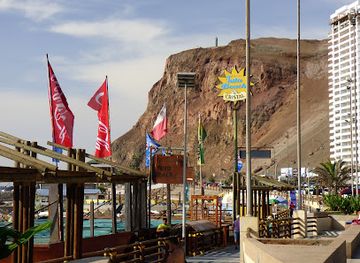
Experience panoramic views and delve into Chilean history at the iconic Morro de Arica, a national monument overlooking the Pacific.
-
Museum
Archaeology Museum San Miguel de Azapa
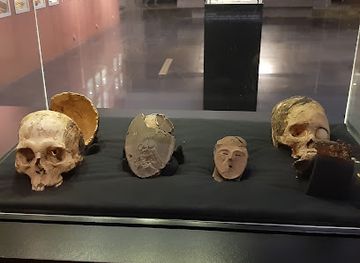
Discover the ancient Chinchorro mummies and explore 10,000 years of history at the Archaeology Museum in the fertile Azapa Valley near Arica, Chile.
-
Nature preserve
Cuevas De Anzota
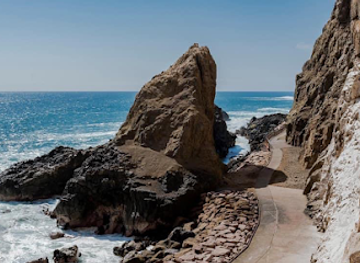
Explore the breathtaking Cuevas de Anzota in Arica: where ancient history meets stunning coastal scenery and natural wonders.
Explore Arica and Parinacota Region on the map
Plan your trip on one map. See where the top cities, national parks and sights are, and book hotels and experiences in a few clicks.
Best hotels in Arica and Parinacota Region
Best restaurants in Arica and Parinacota Region
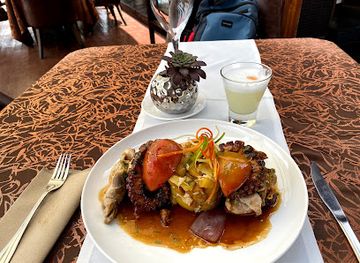
Arica’s dining scene draws on the Pacific, irrigated valleys and Andean highlands. Coastal restaurants commonly serve fresh fish, shellfish, ceviche and other Chilean seafood preparations, while the city’s broader food culture includes empanadas, sandwiches and familiar national dishes. The Azapa Valley is closely associated with olives and agricultural produce, and local markets and shops may also offer fruit, vegetables and olive products from the northern oases. Inland cooking introduces quinoa, maize, potatoes, llama and other ingredients used across the Andes; visitors may encounter hearty soups, stews and spicy preparations influenced by Aymara and wider northern Chilean traditions. Putre and other highland settlements have a smaller, simpler restaurant supply, so meals often reflect local produce and practical mountain cooking. Menus change with season and availability, and the strongest regional food experience often comes from combining coastal seafood in Arica with valley produce and Andean ingredients rather than seeking a single signature dish.
-
Restaurant
Dimango
Experience the vibrant culinary scene at Dimango in Arica, where local flavors meet modern cuisine for an unforgettable dining adventure.
-
Restaurant
Rayú Restaurante
Experience culinary excellence at Rayú Restaurante in Arica - where local flavors meet modern gastronomy.
-
Fine Dining
Restaurant Maracuyá
Experience exquisite seafood and fine dining at Restaurant Maracuyá in Arica – a must-visit for food lovers seeking local flavors.
-
Chilean
Restaurant Tuto Beach
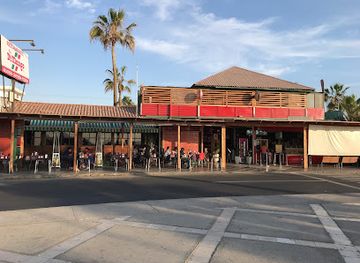
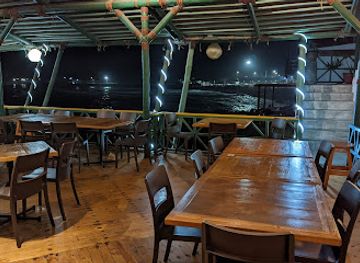
Experience authentic Chilean cuisine at Restaurant Tuto Beach in Arica, where every meal is paired with stunning ocean views.
Best bars in Arica and Parinacota Region
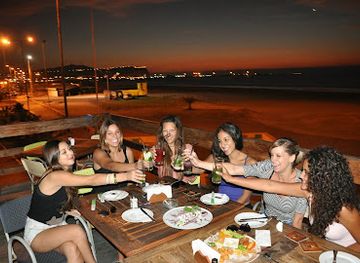
Arica has the region’s most developed evening scene, concentrated around the city centre, the waterfront and nearby restaurant areas. Bars serve Chilean beer, wine, pisco-based drinks and non-alcoholic refreshments, while some venues offer live music or dancing, particularly at weekends and during holiday periods. The city’s coastal setting supports a relaxed restaurant-and-bar culture, but nightlife is generally more modest than in Santiago or Chile’s larger university cities. Putre and the highland villages are quiet after dark, with evenings centred on small restaurants, accommodation lounges and conversation rather than clubs. Visitors should not expect a substantial nightclub scene outside Arica, and seasonal activity can vary. As elsewhere in Chile, drink responsibly, use reputable taxis or arranged transport at night and remember that remote roads are poorly suited to late-night driving.
-
Gastropub
Mojito Arica
Experience the vibrant flavors of Arica at Mojito Arica, where local ingredients meet creative culinary artistry in a lively gastropub atmosphere.
-
Grill
La Posta
Experience the authentic taste of Chile at La Posta, Arica's beloved grill restaurant, offering delicious grilled meats and local specialties.
-
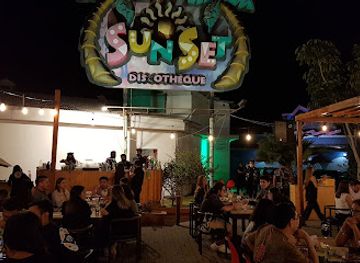
Disco club
Sunset
Discover the vibrant nightlife at Sunset, Arica's premier disco club, where unforgettable music and dancing await every night.
-
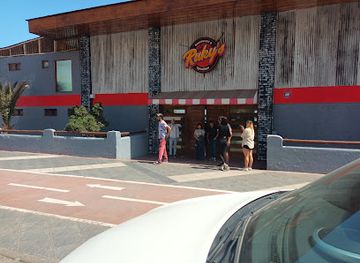
Bar
RUKY'S ARICA
Discover RUKY'S ARICA, a vibrant bar and restaurant in Arica, Chile, where local flavors and lively nightlife blend for an unforgettable experience.
Best nightclubs in Arica and Parinacota Region
Arica has the region’s most developed evening scene, concentrated around the city centre, the waterfront and nearby restaurant areas. Bars serve Chilean beer, wine, pisco-based drinks and non-alcoholic refreshments, while some venues offer live music or dancing, particularly at weekends and during holiday periods. The city’s coastal setting supports a relaxed restaurant-and-bar culture, but nightlife is generally more modest than in Santiago or Chile’s larger university cities. Putre and the highland villages are quiet after dark, with evenings centred on small restaurants, accommodation lounges and conversation rather than clubs. Visitors should not expect a substantial nightclub scene outside Arica, and seasonal activity can vary. As elsewhere in Chile, drink responsibly, use reputable taxis or arranged transport at night and remember that remote roads are poorly suited to late-night driving.
-
Disco club
Sunset
Discover the electrifying nightlife of Sunset Disco Club in Arica, where music and fun come alive on the dance floor.
-
Disco club
SOHO Nightlife Arica
Discover the electrifying SOHO Nightlife in Arica, where the dance floor meets delicious dining in a vibrant atmosphere.
-
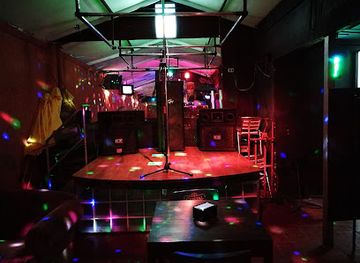
Pub
Pub karaoke Dicoteque Terrazas
Discover unforgettable nights filled with karaoke, dancing, and local culture at Pub Karaoke Dicoteque Terrazas in Arica.
-
Night club
Zonna Discotheque
Discover the vibrant nightlife at Zonna Discotheque in Arica, a lively night club where dancing, music, and fun come together for an unforgettable experience.



Best shops in Arica and Parinacota Region
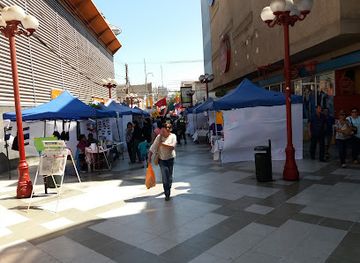
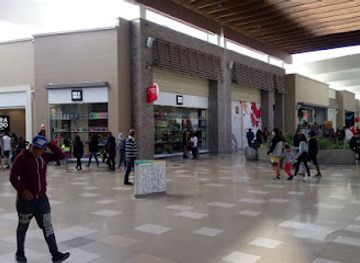
Shopping in Arica combines an active urban commercial centre with products from the surrounding valleys and highlands. The city offers supermarkets, department stores, independent retailers and markets, while its border position and duty-free tradition have long contributed to a broad range of imported goods; current commercial arrangements and shop offerings can change. For more regional purchases, look for Azapa olives and olive products, locally grown fruit and vegetables, Andean grains, spices and packaged foods. Craft stalls and specialist shops may carry woven goods, carved items, jewellery and textiles associated with northern Chile and the wider Andean zone, although provenance and quality vary. Putre and highland villages have a much smaller retail scene, often focused on practical supplies and locally made crafts rather than extensive browsing. Buy respectfully, avoid archaeological objects and do not purchase anything claimed to come from a museum, excavation or protected site.
-
Shopping mall
Mall Plaza Arica
Explore Mall Plaza Arica, your ultimate shopping destination in Arica, Chile, offering diverse stores, delightful dining, and vibrant entertainment options.
-
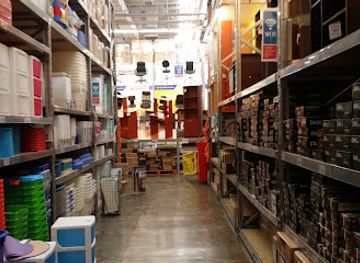
Home goods store
Sodimac Homecenter Arica
Explore a wide variety of home goods and DIY tools at Sodimac Homecenter Arica, perfect for enhancing your home decor and renovation projects.
-
Home goods store
Paris Arica
Discover the ultimate shopping experience at Paris Arica, featuring a wide variety of home goods and stylish clothing for the whole family.
-
Clothing store
Ripley Arica
Discover the vibrant fashion scene at Ripley Arica, the go-to clothing store for stylish souvenirs in the heart of Chile.

Get your free copy of our complete guide to Arica and Parinacota Region, delivered straight to you.
Everything on this page, from attractions and restaurants to essentials and local phrases, in one PDF you can read offline, print or share.
Already have an account? Sign in
Your Arica and Parinacota Region guide is ready.
We'll send it to · Not you? Sign out

Getting your guide ready…
We are putting together a fresh copy of the Arica and Parinacota Region guide. This can take up to a minute.
This can take a few moments. If your browser asks, choose Allow so the download can start. You'll find the guide in your Downloads folder.
Nothing happened? Download it again
Sorry, the guide is taking longer than usual. Please try again in a minute, or get it by email instead.
Arica and Parinacota Region essentials
Currency and Payment
Safety
Emergency Situations
Do's and Don'ts
Local Tips
From Eve
Local phrases worth knowing
You don't need to get them perfect. A few words go a long way, and locals appreciate the effort.
Basics
| English | Local | Say it |
|---|---|---|
| Hello | Hola | [o-la] |
| Goodbye | Adiós | [a-dios] |
| Yes | Sí | [see] |
| No | No | [no] |
| Please/You're welcome | Por favor | [por fa-vor] |
| Thank you | Gracias | [gra-thi-as] |
| Excuse me/Sorry | Perdón | [per-don] |
| How are you? | ¿Cómo estás? | [ko-mo es-tas] |
| Fine. And you? | Bien. ¿Y tú? | [byen. ee tu] |
| Do you speak English? | ¿Hablas inglés? | [a-blas in-gle-s] |
| I don't understand | No entiendo | [no en-tien-do] |
Eating & Drinking
| English | Local | Say it |
|---|---|---|
| I'd like to see the menu, please | Me gustaría ver el menú, por favor | [me gus-ta-ria ver el me-nu, por fa-vor] |
| I don't eat meat | No como carne | [no ko-mo car-ne] |
| Cheers! | ¡Salud! | [sa-lud] |
| I would like to pay, please | Me gustaría pagar, por favor | [me gus-ta-ria pa-gar, por fa-vor] |
Emergencies
| English | Local | Say it |
|---|---|---|
| Help! | ¡Ayuda! | [a-yu-da] |
| Go away! | ¡Vete! | [ve-te] |
| Call the Police! | ¡Llama a la policía! | [ya-ma a la po-li-ci-a] |
| Call a doctor! | ¡Llama a un doctor! | [ya-ma a un doc-tor] |
| I'm lost | Estoy perdido | [es-toy per-di-do] |
| I'm ill | Estoy enfermo | [es-toy em-fer-mo] |
Shopping
| English | Local | Say it |
|---|---|---|
| I'd like to buy... | Me gustaría comprar... | [me gus-ta-ria com-prar] |
| I'm just looking | Sólo estoy mirando | [so-lo es-toy mi-ran-do] |
| How much is it? | ¿Cuánto cuesta? | [kwan-to kwes-ta] |
| That's too expensive | Eso es muy caro | [e-so es muy ca-ro] |
| Can you lower the price? | ¿Puedes bajar el precio? | [pwe-des ba-har el pre-cio] |
Time & Numbers
| English | Local | Say it |
|---|---|---|
| What time is it? | ¿Qué hora es? | [ke o-ra es] |
| It's one o'clock | Es la una | [es la u-na] |
| Half past (10) | Diez y media | [diez i me-dia] |
| Morning | Mañana | [ma-nya-na] |
| Afternoon | Tarde | [tar-de] |
| Evening | Noche | [no-che] |
| Yesterday | Ayer | [a-yer] |
| Today | Hoy | [oy] |
| Tomorrow | Mañana | [ma-nya-na] |
| 1 | Uno | [u-no] |
| 2 | Dos | [dos] |
| 3 | Tres | [tres] |
| 4 | Cuatro | [kwa-tro] |
| 5 | Cinco | [sin-ko] |
| 6 | Seis | [says] |
| 7 | Siete | [sye-te] |
| 8 | Ocho | [o-cho] |
| 9 | Nueve | [nwe-ve] |
| 10 | Diez | [diez] |
Transport & Directions
| English | Local | Say it |
|---|---|---|
| Where's a/the...? | ¿Dónde está...? | [don-de es-ta] |
| What's the address? | ¿Cuál es la dirección? | [kwal es la di-rec-cion] |
| Can you show me (on the map)? | ¿Puedes mostrarme (en el mapa)? | [pwe-des mos-trar-me en el ma-pa] |
| When's the next (bus)? | ¿Cuándo sale el próximo (bus)? | [kwan-do sa-le el pro-xim-o bus] |
| A ticket (to ....) | Un boleto (a ....) | [un bo-le-to a] |
History of Arica and Parinacota Region
The Chinchorro Culture and Early Coastal Settlement
The coast and valleys of today’s Arica and Parinacota Region preserve evidence of some of the Americas’ earliest settled maritime communities. The Chinchorro culture developed along the Pacific coast more than 7,000 years ago, relying on marine resources while also maintaining complex funerary practices. Its deliberate mummification of the dead predates the better-known Egyptian examples. Archaeological sites around Arica, especially in the Camarones and coastal valleys, have transformed understanding of early human adaptation to one of the world’s driest environments. The Chinchorro mummification tradition was inscribed on the UNESCO World Heritage List in 2021.
Andean Networks before Spanish Rule
Long before the arrival of Europeans, coastal communities exchanged goods and ideas with peoples of the valleys and high plateau. Tiwanaku influence reached parts of the region, while the Inca later incorporated the area into their expanding imperial system. Roads, agricultural terraces and settlements connected the Pacific lowlands with the altiplano, and Aymara-speaking communities formed an enduring part of the region’s social and cultural landscape. Agriculture depended on careful management of rivers and springs, producing maize, potatoes and other crops despite extreme aridity.
Spanish Colonial Administration
Spanish rule reorganised the region around colonial administration, Christianity and new systems of labour and trade. Arica became an important Pacific port for the movement of silver from the Andean interior, particularly from the mining centre of Potosí, and routes crossed the valleys towards the highlands. Churches and settlements in places such as Putre, Socoroma, Parinacota and the Lluta Valley preserve elements of this period, combining Spanish ecclesiastical forms with local materials, craftsmanship and Andean traditions. Colonial religious festivals and village layouts remain visible parts of the region’s cultural inheritance.
Arica, the Pacific Port and the War of the Pacific
During the nineteenth century, Arica was a strategic port in the contested southern Pacific. The city and its surrounding territory belonged to Peru until the War of the Pacific, fought between Chile, Peru and Bolivia from 1879 to 1884. The assault on the Morro de Arica on 7 June 1880 became one of the conflict’s defining episodes. Under the Treaty of Ancón, Arica was transferred to Chile, while the broader territorial settlement was later completed through the 1929 Treaty of Lima. The Morro remains both a city landmark and a major site of national remembrance.
Railways and Inland Connections
Modern transport strengthened Arica’s role as a link between the Pacific and the Andean interior. The railway connecting Arica with La Paz was built in the early twentieth century and opened in 1913, crossing difficult desert and mountain terrain. Although its operational history has changed over time, the railway represents the region’s long-standing strategic relationship with Bolivia and the high plateau. Roads, ports and border facilities continue to give Arica importance in northern Chilean trade, while the same routes provide access to remote valleys and highland communities.
The Arica Industrial and Free-Port Era
In the twentieth century, public investment, irrigation and special economic measures changed Arica’s urban and commercial character. The city benefited from industrial development and later from the creation of a duty-free commercial regime, which encouraged trade and reshaped retail activity. Agriculture also expanded in the Azapa and Lluta valleys through irrigation, making the coastal oasis increasingly important for vegetables, olives and other produce. These developments helped Arica grow while reinforcing the contrast between a relatively busy coastal city and the sparsely populated precordillera and altiplano.
Chinchorro Recognition and Contemporary Heritage
Archaeological research and local cultural institutions have made the region’s ancient heritage central to its contemporary identity. The recognition of Chinchorro settlement and mummification sites as UNESCO World Heritage strengthened international attention, while museums and community initiatives continue to interpret the relationship between coastal life, desert ecology and Andean exchange. At the same time, Aymara communities remain important custodians of highland landscapes, agricultural knowledge and religious traditions. Contemporary Arica and Parinacota therefore presents heritage not as a single colonial narrative, but as a layered history extending from early coastal societies to modern borderland life.
Arica and Parinacota Region in Photos
Browse through our photo collection highlighting the charm and character of the destination.
Neighbouring regions of Arica and Parinacota Region
The closest regions to Arica and Parinacota Region, if you have time for more than one.
-

-

-

-
-


Swipe for more regions
Explore more

Explore more of Chile
Discover Chile: From the Atacama Desert to Patagonia's Glaciers, Experience Diverse Landscapes, Rich Culture, and World-Class Wine in This South American Gem.
Explore Chile