
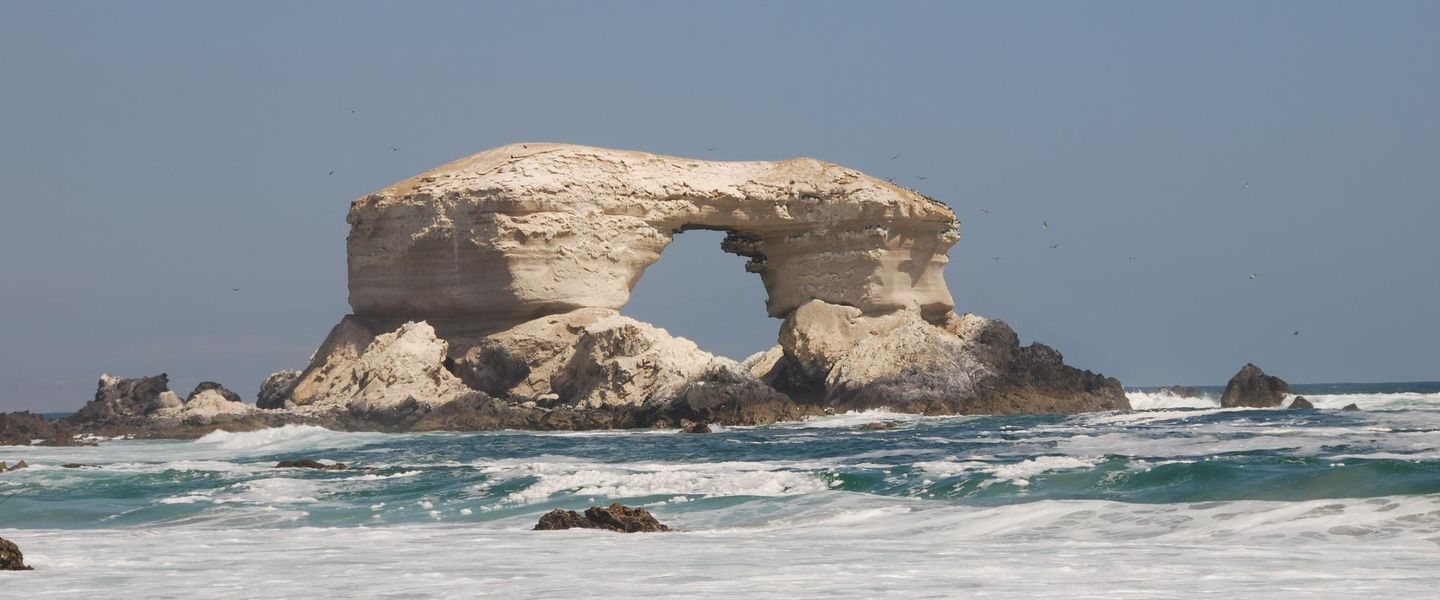
Antofagasta Region, Chile Travel Guide
Discover the Antofagasta Region: A blend of stunning desert landscapes, rich history, and vibrant culture in northern Chile, perfect for nature lovers and adventure seekers.
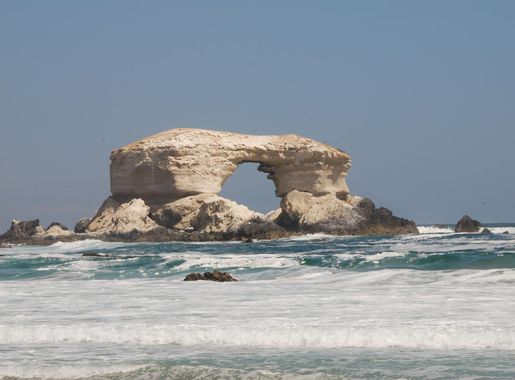
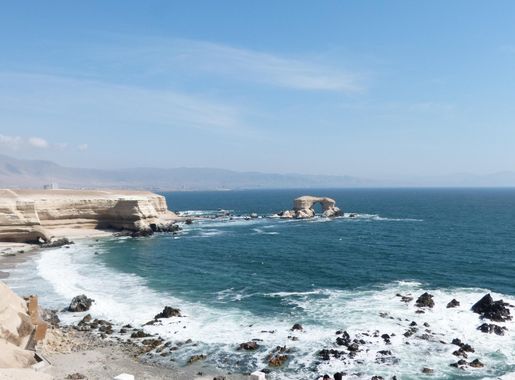
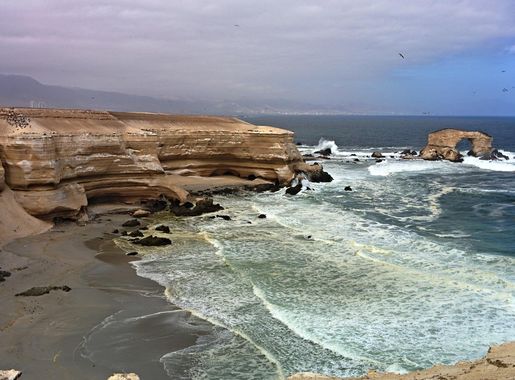
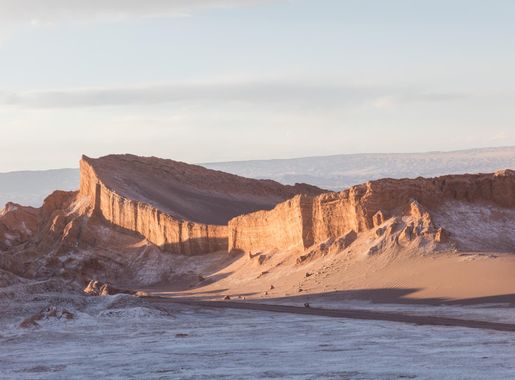
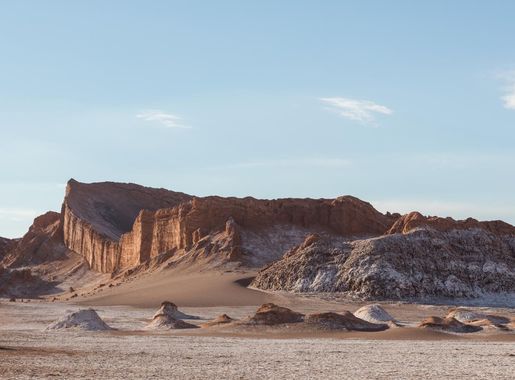
Nestled along the northern coast of Chile, the Antofagasta Region is a hidden treasure waiting to be discovered. This area is known for its stunning landscapes, from the arid expanses of the Atacama Desert to the rugged coastline along the Pacific Ocean. It's a paradise for adventurers and nature lovers alike. Here, you can explore the famous Valley of the Moon, with its otherworldly rock formations and breathtaking sunsets, or visit the high-altitude salt flats that stretch as far as the eye can see. The city of Antofagasta itself serves as a gateway to these natural wonders. It boasts a rich history, with its origins tied to the nitrate boom of the 19th century. The city's architecture reflects its past, with beautifully preserved buildings that tell the story of a bygone era. Visitors can stroll along the bustling waterfront, enjoy fresh seafood at local markets, or simply relax on the sandy beaches that line the coast. For those seeking a more cultural experience, the Antofagasta Region offers a glimpse into the traditions and heritage of Chile's indigenous people. From ancient petroglyphs to traditional festivals, there's a wealth of cultural treasures to uncover. The region is also home to several observatories, making it a prime location for stargazing. The clear desert skies provide an unparalleled view of the cosmos, making it a must-visit for astronomy enthusiasts.

Know before you go
Hi, I'm Eve. Here are a few practical things to know before exploring Antofagasta Region.
- Visit the Atacama Desert during the dry season (May to September) for the best weather conditions.
- Carry plenty of water and sun protection when exploring the desert areas.
- Book tours to popular sites like the Valley of the Moon and salt flats in advance to secure your spot.
- Spend an evening at one of the region's observatories for a unique stargazing experience.
- Try the local seafood dishes at the markets in Antofagasta city for a taste of the region's cuisine.
Top City Travel Guides in Antofagasta Region
The cities of Antofagasta Region, and the easiest places to base yourself.


Destinations in Antofagasta Region
Resorts, valleys and scenic spots worth a trip of their own.

Explore Antofagasta Region: Things to Do, Places to Eat, Hotels & More
Handpicked recommendations for top attractions, local dining, accommodations, and more

Top Attractions & Sightseeing in Antofagasta Region
Top-rated picks
Best Attractions

El Tatio
Experience the breathtaking geothermal beauty of El Tatio, a stunning natural wonder in the Andes of northern Chile, filled with geysers and hot springs.

Plaza Colón
Experience the vibrant atmosphere of Plaza Colón in Antofagasta, a lush city park perfect for relaxation and cultural exploration.

Hand of the Desert
Discover the iconic Hand of the Desert, a breathtaking sculpture that symbolizes humanity in the vast Atacama Desert near Antofagasta, Chile.

Muelle Salitrero Compañía Melbourne Clark
Explore the rich maritime history and stunning coastal views at Muelle Salitrero Compañía Melbourne Clark in Antofagasta, Chile.

Best landmarks in Antofagasta Region
Top-rated picks
Best Landmarks

Mercado Central de Antofagasta
Explore the heart of Antofagasta at Mercado Central, where fresh produce meets local culture in a vibrant market atmosphere.

El Tatio
Discover the breathtaking beauty of El Tatio, a stunning geothermal field in the Andes, renowned for its majestic geysers and unique landscapes.

Plaza Colón
Discover the beauty and cultural richness of Plaza Colón, Antofagasta's premier city park, perfect for relaxation and exploration.
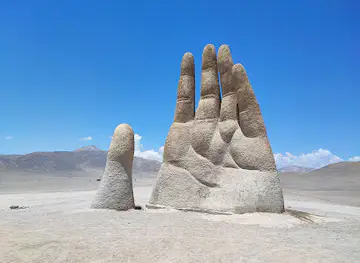
Hand of the Desert
Explore the Hand of the Desert in Antofagasta, a breathtaking sculpture that merges art with the stunning landscape of the Atacama Desert.

Best restaurants in Antofagasta Region
Top-rated picks
Best Restaurants

Bar Nómade
Experience vibrant flavors and lively ambiance at Bar Nómade in Antofagasta – your go-to grill bar for unforgettable meals.

Mu Grill House
Experience culinary excellence at Mu Grill House in Antofagasta—where premium steaks meet unparalleled service.

Raconto
Discover Raconto in Antofagasta: Where local flavors meet global cuisine in a charming atmosphere.

ZENMÔRI Asian Street Food
Discover authentic Asian street food at ZENMÔRI in Antofagasta – where every dish tells a story!

Best bars in Antofagasta Region
Top-rated picks
Best Bars

Enjoy Antofagasta
Explore the vibrant dining and entertainment hub of Enjoy Antofagasta, where exquisite cuisine meets thrilling gaming in a stunning coastal setting.

Bar Nómade
Discover the vibrant flavors of Antofagasta at Bar Nómade, where delicious grilled dishes and refreshing beers await.

Mu Grill House
Discover the ultimate steak experience at Mu Grill House, where exceptional flavors and a warm ambiance await every meat lover.

ZENMÔRI Asian Street Food
Experience the vibrant flavors of Asian street food at ZENMÔRI in Antofagasta, a culinary delight for tourists seeking authentic tastes.

Best nightclubs in Antofagasta Region
Top-rated picks
Best Nightclubs

OVO Nightclub Antofagasta
Dive into the electrifying nightlife of Antofagasta at OVO Nightclub, where world-class DJs and a vibrant crowd create unforgettable experiences.

Marbella Disco
Unleash your energy at Marbella Disco, a premier spot for nightlife enthusiasts in Antofagasta, Chile, where music and dance create unforgettable memories.

Club Soho Antofagasta
Discover the vibrant nightlife of Antofagasta at Club Soho, a premier disco club offering unforgettable nights filled with music, dance, and local culture.

BLACK ANTOFAGASTA
Experience Antofagasta's vibrant nightlife with delicious cuisine at Black Antofagasta, the perfect late-night dining destination.

Best shops in Antofagasta Region
Top-rated picks
Best Shops

Mallplaza Antofagasta
Discover the vibrant shopping haven of Mallplaza Antofagasta, where fashion, dining, and entertainment come together in a stunning setting.

Mercado Central de Antofagasta
Discover the flavors, culture, and vibrancy of Mercado Central de Antofagasta, a must-visit market offering local delicacies and artisanal crafts.

Falabella Antofagasta
Explore the vibrant world of shopping at Falabella Antofagasta, where fashion meets local flair in an unforgettable retail experience.

Hand of the Desert
Discover the breathtaking Hand of the Desert, a monumental sculpture in Antofagasta, Chile, blending art with the stunning landscapes of the Atacama Desert.

Explore Antofagasta Region on the Map
A handpicked selection of must-see spots in Antofagasta Region, mapped for you.
Antofagasta Region Essentials
-
Antofagasta Region is located in northern Chile. The main entry point is through Andrés Sabella Gálvez International Airport (ANF) in Antofagasta city, which has flights from major Chilean cities such as Santiago, La Serena, and Iquique. Alternatively, you can arrive by bus from Santiago, which is approximately a 19-hour journey. There are also bus services from neighboring regions and countries.
-
Within the Antofagasta Region, transportation options include buses, taxis, and rental cars. The cities of Antofagasta and Calama have well-developed public bus systems. For exploring more remote areas like the Atacama Desert or the coastal towns, renting a car is recommended. Taxis are readily available in urban areas and are relatively inexpensive. For longer journeys, intercity buses are a convenient option.
-
The official currency in Chile is the Chilean Peso (CLP). Credit cards are widely accepted in hotels, restaurants, and larger stores. However, it's advisable to carry cash, especially when visiting smaller towns and rural areas. ATMs are available in major cities like Antofagasta and Calama. Currency exchange services are also available at the airport and in city centers.
-
The Antofagasta Region is generally safe for tourists, but it's wise to take standard precautions. Avoid walking alone at night in unfamiliar areas and be cautious about your belongings in crowded places. Areas with higher crime rates targeting tourists include some neighborhoods in Antofagasta city, particularly around the bus terminal. Always stay vigilant and aware of your surroundings.
-
In case of emergency, dial 133 for the police, 131 for an ambulance, and 132 for the fire department. Major cities like Antofagasta and Calama have hospitals and medical facilities. It's recommended to have travel insurance that covers medical emergencies. Pharmacies are readily available for minor health issues.
-
Fashion: Do dress in layers as temperatures can vary greatly between day and night. Avoid wearing flashy jewelry. Religion: Do respect local customs and traditions. Be mindful when visiting religious sites, such as churches, and dress modestly. Public Transport: Do be respectful and offer your seat to elderly passengers. Don't eat or drink on public transport. Greetings: Do greet people with a handshake. A friendly 'Hola' or 'Buenos días' is appreciated. Eating & Drinking: Do try the local seafood and traditional dishes like empanadas and pastel de choclo. Don't refuse hospitality, as it may be considered impolite.
-
To experience the Antofagasta Region like a local, visit the local markets where you can buy fresh produce and seafood. Engage with locals who are often friendly and willing to share stories about the region's history and culture. Don't miss visiting the Atacama Desert, the Mano del Desierto, and the historic town of San Pedro de Atacama. For a unique experience, attend local festivals and events to immerse yourself in the local culture.
When is the best time to visit Antofagasta Region?
Useful Local Phrases for Antofagasta Region
You don't need to speak the language perfectly. Even learning a few simple words can make conversations warmer—and locals usually appreciate the effort.
— Eve

Here are the phrases I use most often in Antofagasta Region. Try a few—you'll be surprised how far they go! 😊
❤️
-
- HelloHola
[OH-lah] - GoodbyeAdiós
[ah-DYOS] - YesSí
[SEE] - NoNo
[NO] - Please/You're welcomePor favor
[por fah-VOR] - Thank youGracias
[GRAH-syahs] - Excuse me/SorryPerdón
[per-DON] - How are you?¿Cómo estás?
[KOH-moh eh-STAHS] - Fine. And you?Bien. ¿Y tú?
[BYEN. ee TOO?] - Do you speak English?¿Hablas inglés?
[AH-blahs een-GLES?] - I don't understandNo entiendo
[NO en-TYEN-doh]
- HelloHola
-
- I'd like to see the menu, pleaseMe gustaría ver el menú, por favor
[meh goos-TAH-ree-ah BEHR el meh-NOO, por fah-VOR] - I don't eat meatNo como carne
[NO KOH-moh KAR-neh] - Cheers!¡Salud!
[sah-LOOD] - I would like to pay, pleaseMe gustaría pagar, por favor
[meh goos-TAH-ree-ah pah-GAR, por fah-VOR]
- I'd like to see the menu, pleaseMe gustaría ver el menú, por favor
-
- Help!¡Ayuda!
[ah-YOO-dah] - Go away!¡Vete!
[VEH-teh] - Call the Police!¡Llama a la policía!
[YAH-mah ah la poh-lee-SEE-ah!] - Call a doctor!¡Llama a un doctor!
[YAH-mah ah oon dok-TOR!] - I'm lostEstoy perdido
[es-TOY per-DI-doh] - I'm illEstoy enfermo/a
[es-TOY en-FER-mo/a]
- Help!¡Ayuda!
-
- I'd like to buy...Me gustaría comprar...
[meh goos-TAH-ree-ah kom-PRAR...] - I'm just lookingSolo estoy mirando
[SOH-lo es-TOY mee-RAN-doh] - How much is it?¿Cuánto cuesta?
[KWAN-to KWEH-stah?] - That's too expensiveEso es muy caro
[EH-so es MOOY KAH-ro] - Can you lower the price?¿Puedes bajar el precio?
[PWEH-des bah-HAR el PREH-syo?]
- I'd like to buy...Me gustaría comprar...
-
- What time is it?¿Qué hora es?
[KEH OH-rah es?] - It's one o'clockEs la una
[es la OO-nah] - Half past (10)Y diez y media
[ee DYEZ ee MEH-dyah] - MorningMañana
[mah-NYAH-nah] - AfternoonTarde
[TAR-deh] - EveningNoche
[NOH-cheh] - YesterdayAyer
[ah-YER] - TodayHoy
[OY] - TomorrowMañana
[mah-NYAH-nah] - 1Uno
[OO-no] - 2Dos
[DOS] - 3Tres
[TRES] - 4Cuatro
[KWAT-ro] - 5Cinco
[SEEN-ko] - 6Seis
[SAYS] - 7Siete
[SYEH-teh] - 8Ocho
[OH-cho] - 9Nueve
[NWEH-veh] - 10Diez
[DYEZ]
- What time is it?¿Qué hora es?
-
- Where's a/the...?¿Dónde está un/una...?
[DON-deh es-TAH oon/OO-nah...?] - What's the address?¿Cuál es la dirección?
[KWAL es la dee-rek-SYON?] - Can you show me (on the map)?¿Me puedes mostrar (en el mapa)?
[meh PWEH-des mos-TRAR (en el MAH-pah)?] - When's the next (bus)?¿Cuándo es el próximo (bus)?
[KWAN-do es el PROK-see-mo (boos)?] - A ticket (to ....)Un pasaje (a ...)
[oon pah-SAH-heh (ah ...)]
- Where's a/the...?¿Dónde está un/una...?
History of Antofagasta Region
-
The Antofagasta Region was home to several indigenous groups long before the arrival of the Spanish. The Atacameño people, also known as the Likan Antai, were the primary inhabitants. They developed advanced agricultural techniques to survive in the arid desert and established trade routes with neighboring regions.
-
The region came under Spanish influence in the mid-16th century, following the conquest of the Inca Empire. Although the harsh desert climate made it less appealing for settlers, Spanish explorers and missionaries occasionally traversed the area, leaving behind a few colonial outposts and missions.
-
In the late 19th and early 20th centuries, the discovery of vast nitrate deposits transformed the Antofagasta Region into an economic powerhouse. The nitrate boom attracted a wave of immigrants from Europe, Asia, and other parts of South America, leading to rapid urbanization and the establishment of key cities like Antofagasta and Tocopilla.
-
The War of the Pacific (1879-1884) was a significant conflict involving Chile, Bolivia, and Peru, primarily over control of the nitrate-rich Atacama Desert. Antofagasta played a crucial role, as it was a strategic port city. Following Chile's victory, the region was officially annexed to Chile, solidifying its borders.
-
The 20th century saw further industrialization in the Antofagasta Region, particularly with the development of the copper mining industry. The Chuquicamata mine, one of the largest open-pit copper mines in the world, became a symbol of Chile's economic prowess. This period also saw significant infrastructure development, including railways and ports.
-
The diverse waves of immigrants who arrived during the nitrate boom left a lasting cultural impact on the region. Antofagasta is known for its eclectic mix of architectural styles, culinary traditions, and festivals. The city's cosmopolitan nature is a testament to its rich multicultural heritage.
-
Today, the Antofagasta Region is not only a hub for mining and industry but also a growing tourist destination. Attractions like the Atacama Desert, the Valley of the Moon, and the Hand of the Desert sculpture draw visitors from around the world. Efforts to preserve the region's unique natural and cultural heritage continue to shape its modern identity.
Neighbouring Regions of Antofagasta Region
The closest regions to Antofagasta Region, if you have time for more than one.


Your all‑in‑one travel companion app
Explore expert travel guides, compare and book tours, experiences, hotels, and more—all from the palm of your hand. Download now for seamless trip planning wherever your wanderlust takes you.


Explore More of Chile

Looking beyond Antofagasta Region? Discover Chile for broader travel guides, local hot-spots, and regional highlights.
Explore ChileAntofagasta Region in Photos
Browse through our photo collection highlighting the charm and character of the destination.




Antofagasta Region: Chile's Desert Gem
Nestled along the northern coast of Chile, the Antofagasta Region is a hidden treasure waiting to be discovered. This area is known for its stunning landscapes, from the arid expanses of the Atacama Desert to the rugged coastline along the Pacific Ocean. It's a paradise for adventurers and nature lovers alike. Here, you can explore the famous Valley of the Moon, with its otherworldly rock formations and breathtaking sunsets, or visit the high-altitude salt flats that stretch as far as the eye can see. The city of Antofagasta itself serves as a gateway to these natural wonders. It boasts a rich history, with its origins tied to the nitrate boom of the 19th century. The city's architecture reflects its past, with beautifully preserved buildings that tell the story of a bygone era. Visitors can stroll along the bustling waterfront, enjoy fresh seafood at local markets, or simply relax on the sandy beaches that line the coast. For those seeking a more cultural experience, the Antofagasta Region offers a glimpse into the traditions and heritage of Chile's indigenous people. From ancient petroglyphs to traditional festivals, there's a wealth of cultural treasures to uncover. The region is also home to several observatories, making it a prime location for stargazing. The clear desert skies provide an unparalleled view of the cosmos, making it a must-visit for astronomy enthusiasts.