

Free Norte Chico Travel Guide & Mobile App
Explore Norte Chico with free travel guides. Discover regional history, expert tips, proposed trips, and audio guides on web or mobile app.


Explore Chile’s Norte Chico for desert valleys, Pacific beaches, pisco country, historic ports and some of the clearest skies on Earth.
Read more about Norte Chico
When is the best time to visit Norte Chico?
Best: December–February · 21–22°C| Month | High (°C) | Rainfall (mm) |
|---|---|---|
| January (best) | 22 | 1 |
| February (best) | 22 | 1 |
| March | 21 | 1 |
| April | 19 | 2 |
| May | 17 | 2 |
| June | 15 | 3 |
| July | 14 | 3 |
| August | 15 | 2 |
| September | 17 | 2 |
| October | 19 | 1 |
| November | 20 | 1 |
| December (best) | 21 | 1 |
Getting to and around Norte Chico
How to get there
Transportation
Top city travel guides in Norte Chico
The cities of Norte Chico, and the easiest places to base yourself.
-

-


Swipe for more cities
Best attractions in Norte Chico
Norte Chico’s attractions span Pacific coastline, irrigated valleys and high desert rather than forming one concentrated circuit. Around La Serena and Coquimbo, visitors can combine beaches, historic churches, coastal walks and maritime viewpoints, while the Elqui Valley offers vineyard and pisco-country visits, rural scenery, astronomical experiences and the literary heritage of Vicuña and Montegrande. The Limarí Valley around Ovalle adds agricultural landscapes, vineyards and archaeological interest. In Atacama, Caldera and Bahía Inglesa provide access to beaches, marine excursions and desert coastline, while Copiapó is a practical base for wider mountain and mining landscapes. Wildlife-focused trips may explore coastal habitats and, seasonally, marine life around fishing communities, but operators and conditions vary. Farther inland, demanding excursions reach high Andean lagoons, volcanic scenery and salt flats; these are not casual day outings and require suitable vehicles, weather checks and altitude planning. Museums, former mining settlements, rural churches and local cultural centres reveal the region’s Diaguita, colonial, maritime and industrial histories. The attraction landscape is therefore defined by contrast: cool ocean air and beaches below, productive valleys in the middle elevations, and austere, high-altitude desert close to the Andes.
-
Catholic church
Iglesia San Pedro
Explore the historic Iglesia San Pedro, a breathtaking Catholic church in San Pedro de Atacama, rich in culture and architectural beauty.
-
Tourist attraction
Calan's Arcs
Explore the breathtaking beauty of Calan's Arcs in Pelluhue, a stunning coastal attraction with unique geological formations and tranquil vistas.
-
Beach
Docas beach
Discover the beauty of Docas Beach in Valparaíso, Chile, where golden sands meet vibrant culture and stunning ocean views.
-
Tourist attraction
Stone Zoo
Explore the enchanting Stone Zoo in Caldera, Atacama, where wildlife meets stunning landscapes for an unforgettable adventure.


Best landmarks in Norte Chico
La Serena’s historic centre is one of Norte Chico’s most recognisable urban landmarks, with churches and civic buildings shaped by colonial traditions, later reconstruction and the city’s distinctive use of regional stone. The coastal monumental cross at Coquimbo, known as the Cruz del Tercer Milenio, is a prominent modern religious structure and viewpoint above the port city. In Vicuña, the Gabriela Mistral Museum and associated memorial places connect the Elqui Valley with one of Chile’s most important literary figures, while Montegrande preserves further elements of her early life and local memory. Caldera’s railway heritage reflects the nineteenth-century mining economy and the port’s role in moving minerals towards the Pacific. Along the Atacama coast, Bahía Inglesa’s pale shore and surrounding desert form a memorable natural landscape, while the high Andes east of Copiapó provide larger-scale landmarks in the form of volcanic peaks, lagoons and salt flats. The region’s most significant landmarks therefore combine civic architecture, religious monuments, literary memory, industrial infrastructure and stark geological scenery rather than relying solely on castles or monumental ruins.
-
Tourist attraction
Sky Costanera
Experience breathtaking 360° views of Santiago and the Andes from Latin America's tallest observation deck, a modern icon in the heart of Providencia.
-
Historical landmark
Plaza Sotomayor
Explore the iconic Plaza Sotomayor, a historical landmark in Valparaíso, Chile, where vibrant culture meets rich maritime history.
-
Tourist attraction
El Tatio
Explore the awe-inspiring El Tatio geysers in the Atacama Desert, a must-visit natural wonder showcasing the beauty of geothermal activity.
-
Tourist attraction
Mirador de Kari - Piedra del Coyote
Experience the stunning landscapes of Atacama at Mirador de Kari - Piedra del Coyote, where breathtaking views and unforgettable sunsets await every visitor.


Explore Norte Chico on the map
Plan your trip on one map. See where the top cities, national parks and sights are, and book hotels and experiences in a few clicks.
Best hotels in Norte Chico
Best restaurants in Norte Chico
Norte Chico’s food reflects its coast, irrigated valleys and mining-town history. Seafood is central in coastal communities, with fish, shellfish and preparations such as paila marina or ceviche appearing alongside simple fried fish and market cooking; availability varies by season and should be treated as local rather than guaranteed. In the valleys, grapes, olives, avocados, citrus fruit and other produce support restaurants, farm shops and rural eateries. Pisco is the region’s best-known drink, produced principally in the valleys of Atacama and Coquimbo, and is served neat or in cocktails such as the pisco sour. The Elqui and Limarí valleys also have wine-making traditions, while goat meat and goat’s cheese are associated with the drier interior landscapes of Coquimbo. La Serena, Coquimbo, Copiapó and Ovalle offer the widest range of cafés, restaurants and bakeries, from everyday Chilean cooking to contemporary menus. In small coastal or valley towns, opening patterns can be limited outside peak periods, so lunch may be easier to find than a late dinner.
-
Chilean
Restaurant Juan y Medio
Savor the essence of Chile at Restaurant Juan y Medio - where tradition meets taste in every delightful dish.
-
Italian
La Piccola Italia
Experience authentic Italian flavors at La Piccola Italia in Quilicura - where every dish tells a story.
-
Chilean
Tierra de Fuego
Experience authentic Chilean cuisine at Tierra de Fuego in Viña del Mar – where every dish tells a story.
-
Restaurant
La Flor de Chile
Experience authentic Chilean cuisine at La Flor de Chile in Viña del Mar—where tradition meets flavor in every dish.


Best bars in Norte Chico
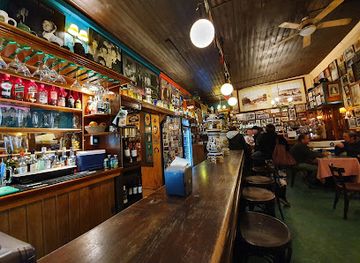
Evening life in Norte Chico is concentrated in La Serena, Coquimbo, Copiapó and the larger valley towns rather than spread evenly across the desert. La Serena and Coquimbo offer the broadest choice of restaurants, pubs, music venues and bars, with more activity during summer and holiday periods along the coast. Copiapó has a primarily local urban scene, including casual bars, restaurants and venues serving students, workers and residents. In Vicuña and other Elqui Valley communities, evenings tend to centre on restaurants, small bars, pisco tastings and astronomy-related programmes rather than large clubs. Coastal towns can become livelier in summer, while outside the main season many businesses operate quietly or close earlier. Traditional Chilean pubs and neighbourhood bars are suitable for an informal drink, and local pisco and regional wine are prominent, but rural travel requires planning because taxis, public transport and late-night services may be limited.
-
Bar
Barbones Bar
Discover Barbones Bar in Viña del Mar: a lively bar and restaurant offering delicious food, crafted cocktails, and an unforgettable atmosphere.
-
Grill
Bar tercer tiempo
Experience the best of Chilean barbecue at Bar Tercer Tiempo in Viña del Mar, where great food meets a lively atmosphere.
-
Grill
Club Gordos Viña
Experience the best of Chilean grilling at Club Gordos in Viña del Mar, where delicious flavors meet a vibrant atmosphere.
-
Grill
Club de Cervezas
Explore the vibrant flavors of Viña del Mar at Club de Cervezas, where delicious grilled dishes meet an extensive selection of craft beers.


Best nightclubs in Norte Chico
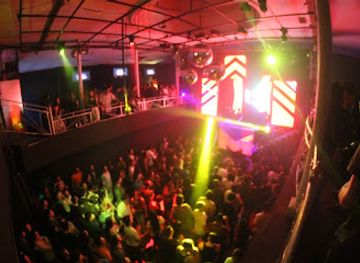
Evening life in Norte Chico is concentrated in La Serena, Coquimbo, Copiapó and the larger valley towns rather than spread evenly across the desert. La Serena and Coquimbo offer the broadest choice of restaurants, pubs, music venues and bars, with more activity during summer and holiday periods along the coast. Copiapó has a primarily local urban scene, including casual bars, restaurants and venues serving students, workers and residents. In Vicuña and other Elqui Valley communities, evenings tend to centre on restaurants, small bars, pisco tastings and astronomy-related programmes rather than large clubs. Coastal towns can become livelier in summer, while outside the main season many businesses operate quietly or close earlier. Traditional Chilean pubs and neighbourhood bars are suitable for an informal drink, and local pisco and regional wine are prominent, but rural travel requires planning because taxis, public transport and late-night services may be limited.
-
Disco club
Club Amanda
Discover the ultimate nightlife experience at Club Amanda, Santiago's top disco club with fantastic cocktails, gourmet dining, and vibrant music.
-
Night club
Club Ambar
Discover the heart of Santiago's nightlife at Club Ambar, where electrifying music meets an unforgettable atmosphere.
-
Disco club
Club Soda
Experience Santiago's vibrant nightlife at Club Soda, the ultimate disco club where music, dancing, and culture collide in an unforgettable atmosphere.
-
Disco club
Mero Club
Dance the night away at Mero Club, the ultimate disco and nightlife destination in Valparaíso, Chile, famous for its vibrant atmosphere and eclectic music.



Best shops in Norte Chico
Shopping in Norte Chico is strongest in the principal cities and market towns, where visitors find Chilean clothing, books, food shops, handicrafts and practical supplies for desert travel. La Serena’s central streets and craft-oriented retail areas are suitable for browsing regional souvenirs, while Coquimbo combines urban shopping with port and coastal commerce. Copiapó is the main retail centre of Atacama and a useful place to stock up before remote journeys. In the valleys, small producers and specialist shops offer pisco, wine, preserves, dried fruit, olives and other agricultural products, although opening arrangements can be seasonal. Local crafts may include ceramics, textiles, leatherwork and jewellery inspired by northern landscapes or Indigenous motifs; provenance and quality vary, so ask sellers about materials and production rather than assuming an item is traditionally made. Farmers’ markets and town markets are often better for fresh produce and everyday regional character than formal shopping centres. Pack glass bottles securely, and avoid buying archaeological artefacts, fossils or supposedly ancient objects whose legal origin cannot be established.
-
Shopping mall
Parque Arauco
Discover the ultimate shopping experience at Parque Arauco, Santiago's premier shopping mall featuring top brands and delightful dining options.
-
Shopping mall
Mallplaza Egaña
Discover Mallplaza Egaña, Santiago's vibrant shopping mall featuring diverse stores, delicious cuisine, and entertainment for an unforgettable experience.
-
Shopping mall
Mallplaza Oeste
Discover Mallplaza Oeste, Santiago's ultimate shopping destination with diverse stores, delightful dining, and exciting entertainment options.
-
Outlet mall
Easton Outlet Mall
Shop in style at Easton Outlet Mall, Santiago's premier destination for discounted fashion and vibrant atmosphere.


Get your free copy of our complete guide to Norte Chico, delivered straight to you.
Everything on this page, from attractions and restaurants to essentials and local phrases, in one PDF you can read offline, print or share.
Already have an account? Sign in
Your Norte Chico guide is ready.
We'll send it to · Not you? Sign out

Getting your guide ready…
We are putting together a fresh copy of the Norte Chico guide. This can take up to a minute.
This can take a few moments. If your browser asks, choose Allow so the download can start. You'll find the guide in your Downloads folder.
Nothing happened? Download it again
Sorry, the guide is taking longer than usual. Please try again in a minute, or get it by email instead.
Norte Chico essentials
Currency and Payment
Safety
Emergency Situations
Do's and Don'ts
Local Tips
From Eve
Local phrases worth knowing
You don't need to get them perfect. A few words go a long way, and locals appreciate the effort.
Basics
| English | Local | Say it |
|---|---|---|
| Hello | Hola | [O-la] |
| Goodbye | Adiós | [A-dee-os] |
| Yes | Sí | [See] |
| No | No | [No] |
| Please/You're welcome | Por favor/De nada | [Por fa-vor/De na-da] |
| Thank you | Gracias | [Gra-see-as] |
| Excuse me/Sorry | Perdón | [Per-don] |
| How are you? | ¿Cómo estás? | [Ko-mo es-tas] |
| Fine. And you? | Bien. ¿Y tú? | [Bee-en. Ee tu] |
| Do you speak English? | ¿Hablas inglés? | [A-blas een-gles] |
| I don't understand | No entiendo | [No en-tee-en-do] |
Eating & Drinking
| English | Local | Say it |
|---|---|---|
| I'd like to see the menu, please | Me gustaría ver el menú, por favor | [Me gus-ta-ree-a ver el me-nu, por fa-vor] |
| I don't eat meat | No como carne | [No co-mo car-ne] |
| Cheers! | ¡Salud! | [Sa-lud] |
| I would like to pay, please | Me gustaría pagar, por favor | [Me gus-ta-ree-a pa-gar, por fa-vor] |
Emergencies
| English | Local | Say it |
|---|---|---|
| Help! | ¡Ayuda! | [A-yu-da] |
| Go away! | ¡Vete! | [Ve-te] |
| Call the Police! | ¡Llama a la policía! | [Ya-ma a la po-li-cia] |
| Call a doctor! | ¡Llama a un doctor! | [Ya-ma a un doc-tor] |
| I'm lost | Estoy perdido | [Es-toy per-di-do] |
| I'm ill | Estoy enfermo/a | [Es-toy en-fer-mo/a] |
Shopping
| English | Local | Say it |
|---|---|---|
| I'd like to buy... | Me gustaría comprar... | [Me gus-ta-ree-a com-prar] |
| I'm just looking | Solo estoy mirando | [So-lo es-toy mi-ran-do] |
| How much is it? | ¿Cuánto cuesta? | [Kwan-to kwes-ta] |
| That's too expensive | Eso es muy caro | [E-so es muy ca-ro] |
| Can you lower the price? | ¿Puedes bajar el precio? | [Pwe-des ba-har el pre-cio] |
Time & Numbers
| English | Local | Say it |
|---|---|---|
| What time is it? | ¿Qué hora es? | [Ke o-ra es] |
| It's one o'clock | Es la una | [Es la u-na] |
| Half past (10) | Diez y media | [Dyez ee me-dia] |
| Morning | Mañana | [Ma-nya-na] |
| Afternoon | Tarde | [Tar-de] |
| Evening | Noche | [No-che] |
| Yesterday | Ayer | [A-yer] |
| Today | Hoy | [Oy] |
| Tomorrow | Mañana | [Ma-nya-na] |
| 1 | Uno | [Oo-no] |
| 2 | Dos | [Dos] |
| 3 | Tres | [Tres] |
| 4 | Cuatro | [Kwa-tro] |
| 5 | Cinco | [Sin-co] |
| 6 | Seis | [Seys] |
| 7 | Siete | [Sye-te] |
| 8 | Ocho | [O-cho] |
| 9 | Nueve | [Nwe-ve] |
| 10 | Diez | [Dyez] |
Transport & Directions
| English | Local | Say it |
|---|---|---|
| Where's a/the...? | ¿Dónde está un/una...? | [Don-de es-ta un/una] |
| What's the address? | ¿Cuál es la dirección? | [Kwal es la di-rec-ción] |
| Can you show me (on the map)? | ¿Puedes mostrarme (en el mapa)? | [Pwe-des mos-trar-me (en el ma-pa)] |
| When's the next (bus)? | ¿Cuándo es el próximo (bus)? | [Kwan-do es el pro-xim-o (bus)] |
| A ticket (to ....) | Un boleto (a ...) | [Un bo-le-to (a ...)] |
History of Norte Chico
Early hunter-gatherers and coastal settlement
Long before the arrival of Europeans, people occupied the coast, valleys and interior basins of Norte Chico, adapting to an exceptionally dry environment through fishing, shellfish gathering, hunting and the use of river corridors. Archaeological evidence from the Atacama and Coquimbo coasts records sustained maritime activity, while inland valleys provided more reliable water and seasonal resources. These early societies established patterns of movement and settlement that continued to influence later communities. The region’s aridity has preserved some material remains remarkably well, although archaeological sites are fragile and should not be disturbed.
Diaguita culture and agricultural valleys
The Diaguita people developed settled agricultural communities in the valleys of what is now the Coquimbo Region and adjacent parts of Norte Chico. Their farming depended on irrigation and river systems, while their distinctive ceramics are recognised for geometric decoration and carefully controlled forms. Diaguita communities were neither isolated nor uniform, and their history included interaction with neighbouring peoples along the Andean and coastal corridors. Today, Diaguita heritage remains an important part of the cultural history of the Elqui, Limarí and Choapa valleys, although modern identity and historical interpretation should not be reduced to museum displays alone.
Inca expansion before the Spanish conquest
During the fifteenth century, the Inca state extended its influence into central Chile, including parts of Norte Chico. Control was exercised through political relationships, settlement, tribute and transportation routes rather than through the complete replacement of existing communities. Inca influence can be considered alongside earlier local traditions in the valleys and mountain passes. Archaeological remains, place names and material culture provide evidence of connections across the Andes. The region’s position between the Pacific coast, fertile valleys and high passes made it a significant corridor before Spanish rule.
Spanish foundation and colonial valley society
Spanish expansion transformed Norte Chico from the sixteenth century onwards. La Serena, founded in 1544 and re-established after destruction in 1549, became a key Spanish settlement between Santiago and the northern mining zones. Colonial society developed around towns, estancias, missions, agriculture and mineral extraction, with Indigenous people, Europeans and Africans participating within a highly unequal order. Churches and urban layouts in La Serena, rural chapels and old port connections preserve elements of this period, although much of the built heritage has been altered by earthquakes and later redevelopment.
Mining, ports and nineteenth-century transformation
The nineteenth century brought major expansion in copper, silver and other mineral production across Atacama and Coquimbo. Mining centres were linked to ports such as Caldera and Coquimbo by roads and railways, changing settlement patterns and attracting capital and workers from Chile and overseas. The railway from Caldera towards the interior, opened in the 1850s, is often regarded as one of Chile’s earliest railways and illustrates the importance of export infrastructure. Mining wealth helped shape civic buildings, commercial districts and maritime connections, even though economic fortunes fluctuated sharply with commodity prices.
Gabriela Mistral and the cultural valleys
Gabriela Mistral, born Lucila Godoy Alcayaga in Vicuña in 1889, became one of Latin America’s most important poets and Chile’s first Nobel Prize winner in Literature. Her childhood in the Elqui Valley, teaching career and writing about landscape, education, childhood and human dignity have given the valley a lasting literary significance. Museums and memorial sites in Vicuña and nearby Montegrande interpret her life, while the wider region continues to connect rural education, poetry and local identity. Her legacy is cultural rather than merely biographical, and remains central to the character of the Elqui Valley.
Modern irrigation, industry and astronomy
In the twentieth and twenty-first centuries, irrigation, mining, energy and tourism reshaped Norte Chico. Agricultural valleys expanded production of grapes, fruit and other crops, while pisco-making developed into a recognised regional industry. Mining remains economically important in both Atacama and Coquimbo, alongside growing attention to environmental pressures on water and fragile desert ecosystems. The clear, dry skies also led to the establishment of major astronomical observatories on mountain sites, linking the region to international scientific research. Contemporary Norte Chico therefore combines ancient landscapes and rural traditions with extractive industries, scientific infrastructure and expanding regional tourism.
Norte Chico in Photos
Browse through our photo collection highlighting the charm and character of the destination.
Neighbouring regions of Norte Chico
The closest regions to Norte Chico, if you have time for more than one.
-

-

-

-

-


Swipe for more regions
Explore more

Explore more of Chile
Discover Chile: From the Atacama Desert to Patagonia's Glaciers, Experience Diverse Landscapes, Rich Culture, and World-Class Wine in This South American Gem.
Explore Chile