
Atacama Desert, Chile Travel Guide
Discover the Atacama Desert in Chile: A land of stark beauty, stargazing wonders, and thrilling adventures in the world's driest desert.
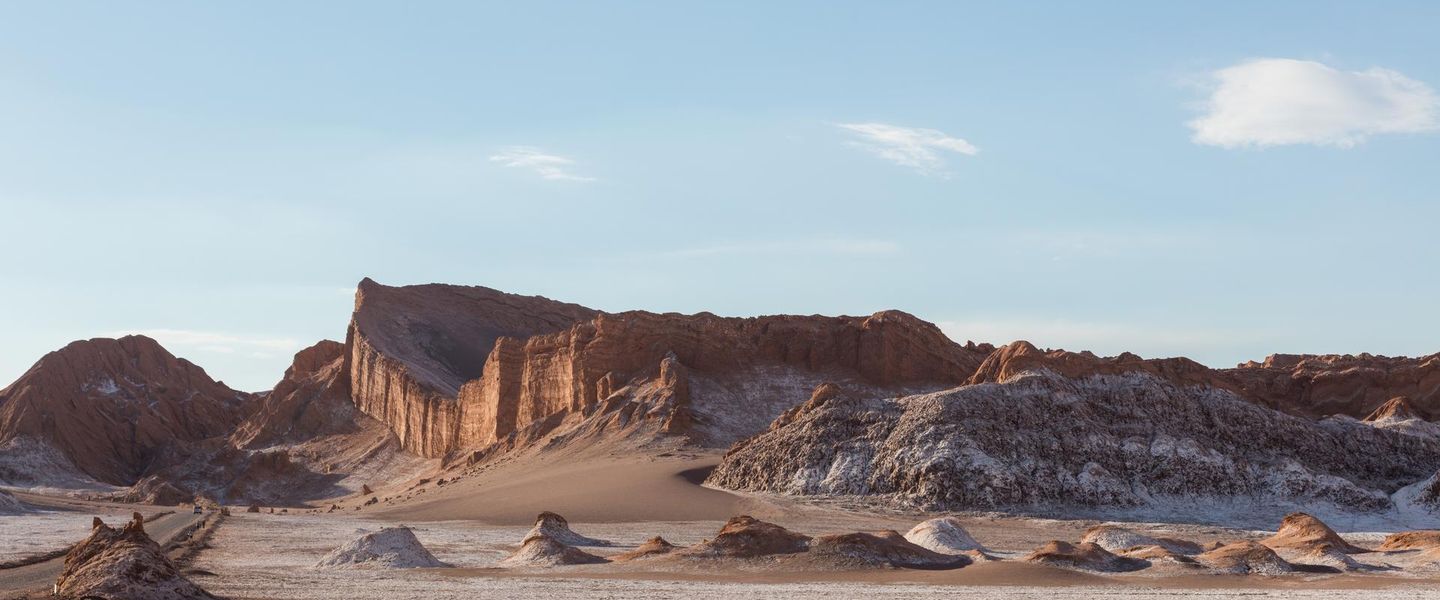
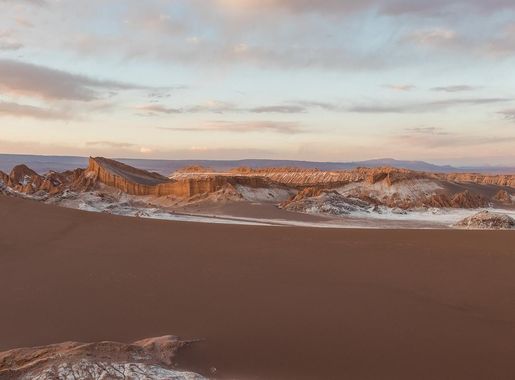
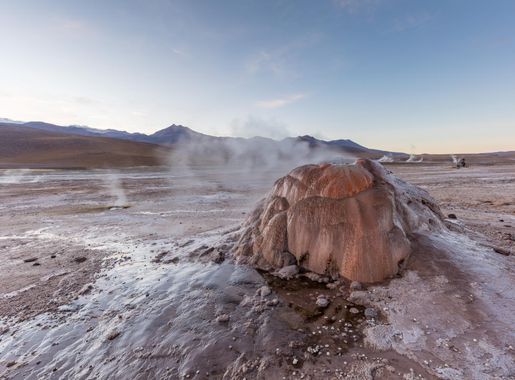
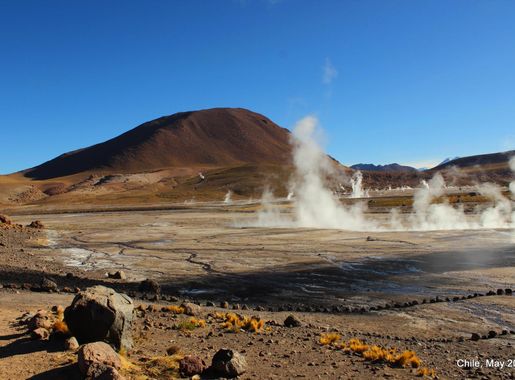
The Atacama Desert in Chile is one of the most unique places on Earth. Known as the driest desert in the world, it offers a stunning array of landscapes, from salt flats and hot springs to geysers and volcanic peaks. The clear, pollution-free skies make it a paradise for stargazers, with some of the best astronomical observatories located here. Visitors can explore the Moon Valley, known for its otherworldly rock formations and vast dunes that resemble a lunar landscape. The desert is also home to ancient archaeological sites and charming villages like San Pedro de Atacama, where travelers can experience local culture and hospitality. For those seeking adventure, the Atacama Desert offers a range of activities such as sandboarding, trekking, and mountain biking. The region's unique flora and fauna, including pink flamingos at the Chaxa Lagoon, add to the desert's allure. Whether you're looking to relax in natural hot springs or embark on an adrenaline-pumping adventure, the Atacama Desert has something for everyone.

Know before you go
Hi, I'm Eve. Here are a few practical things to know before exploring Atacama Desert.
- Visit the Atacama Desert between March and November for the best weather conditions.
- Carry plenty of water and sunscreen, as the desert environment can be extreme.
- Book a stargazing tour to experience the clear night skies and see the Milky Way.
- Spend a night in San Pedro de Atacama to immerse yourself in local culture.
- Don't miss the sunrise at the El Tatio geysers for a spectacular natural show.
Top City Travel Guides in Atacama Desert
The cities of Atacama Desert, and the easiest places to base yourself.


Destinations in Atacama Desert
Resorts, valleys and scenic spots worth a trip of their own.

Explore Atacama Desert: Things to Do, Places to Eat, Hotels & More
Handpicked recommendations for top attractions, local dining, accommodations, and more

Top Attractions & Sightseeing in Atacama Desert
Top-rated picks
Best Attractions

Parque Nacional Pan de Azúcar
Experience the breathtaking landscapes and rich biodiversity of Parque Nacional Pan de Azúcar, a must-visit national park along the Chilean coast.

Parque Nacional Nevado Tres Cruces
Discover breathtaking landscapes and rich biodiversity in Parque Nacional Nevado Tres Cruces, a must-visit destination in Atacama, Chile.


Best restaurants in Atacama Desert
Top-rated picks
Best Restaurants

Adobe
Discover authentic Chilean cuisine at Adobe in San Pedro de Atacama—where local flavors meet stunning desert landscapes.

La Picada Del Indio
Experience authentic Chilean cuisine at La Picada Del Indio in San Pedro de Atacama – where every meal tells a story.

Las Delicias de Carmen
Experience authentic Chilean cuisine at Las Delicias de Carmen in San Pedro de Atacama - where tradition meets flavor.

Sol Inti
Experience the vibrant fusion of Chilean and Peruvian cuisine at Sol Inti in San Pedro de Atacama - a must-visit culinary destination.

Best bars in Atacama Desert
Top-rated picks
Best Bars

Bar Nómade
Experience the best of Antofagasta at Bar Nómade, where delicious grilled dishes meet a vibrant atmosphere.

Mirador de Kari - Piedra del Coyote
Experience breathtaking sunsets and stunning views at Mirador de Kari - Piedra del Coyote in the Atacama Desert, a paradise for nature lovers and photographers.

Valley of the Moon
Explore the breathtaking Valley of the Moon, a surreal desert landscape with unique rock formations and stunning sunsets near San Pedro de Atacama.

Las Delicias de Carmen
Discover the flavors of Chile at Las Delicias de Carmen, a top-rated restaurant in San Pedro de Atacama offering authentic local cuisine.


Best shops in Atacama Desert
Top-rated picks
Best Shops

Mirador de Kari - Piedra del Coyote
Experience breathtaking sunsets and stunning landscapes at Mirador de Kari - Piedra del Coyote, a must-visit viewpoint in San Pedro de Atacama.

Puritama
Discover the healing waters of Puritama, a stunning oasis in the Atacama Desert, ideal for relaxation and adventure amidst breathtaking landscapes.

Franchuteria
Discover the delightful flavors of Franchuteria, a charming bakery and café in San Pedro de Atacama, offering fresh pastries, juices, and traditional teas.

Lagunas Escondidas de Baltinache
Explore the stunning turquoise lagoons of Lagunas Escondidas de Baltinache, a hidden paradise in the Atacama Desert, Chile.

Explore Atacama Desert on the Map
A handpicked selection of must-see spots in Atacama Desert, mapped for you.
Atacama Desert Essentials
-
The Atacama Desert is located in northern Chile. The nearest major airport is El Loa Airport (CJC) in Calama, around 100 kilometers from San Pedro de Atacama, the main tourist hub. From Calama, you can take a shuttle bus, taxi, or rent a car to reach San Pedro de Atacama. International flights typically arrive at Santiago's Arturo Merino Benitez Airport (SCL), from where you can catch a domestic flight to Calama.
-
San Pedro de Atacama is a small town, and many of its attractions are within walking distance. For excursions outside the town, such as to the Valle de la Luna or the Tatio Geysers, you can join guided tours, rent a car, or hire a local taxi. Bicycles are also a popular way to explore nearby attractions. Public buses connect San Pedro to other cities in Chile, but schedules can be infrequent.
-
The official currency in Chile is the Chilean Peso (CLP). Credit and debit cards are widely accepted in San Pedro de Atacama, but it's advisable to carry some cash for smaller establishments and remote areas. ATMs are available in San Pedro, but it's a good idea to withdraw sufficient cash in larger cities like Calama or Santiago before heading to the desert.
-
San Pedro de Atacama and its surroundings are generally safe for tourists. However, as with any travel destination, it's important to take standard precautions. Avoid walking alone at night in unfamiliar areas and keep an eye on your belongings in crowded places. Although the area has a low crime rate, tourist-targeted thefts can occur, especially during peak tourist seasons.
-
In case of emergency, dial 133 for police assistance, 131 for medical emergencies, and 132 for fire emergencies. San Pedro de Atacama has a medical center for minor health issues, but for more serious conditions, you may need to travel to Calama or even Santiago. It's advisable to have travel insurance that covers medical emergencies. Pharmacies are available in San Pedro for over-the-counter medications.
-
Fashion: Do wear layers and sun protection, as temperatures vary greatly between day and night. Avoid wearing overly revealing clothing out of respect for local customs. Religion: Do respect local religious sites and traditions. Public Transport: Do be courteous to fellow passengers and keep noise to a minimum. Greetings: Do greet people with a smile and a simple 'Hola.' Eating & Drinking: Do try local dishes and accept food offerings graciously. Don't waste water, as it's a precious resource in the desert.
-
To experience the Atacama Desert like a local, visit the local markets and try traditional foods such as empanadas and pastel de choclo. Engage with the local Atacameño people to learn about their culture and history. Attend local festivals if you have the chance, and don't miss the opportunity to stargaze in one of the clearest skies in the world. For a unique experience, visit the nearby salt flats and lagoons.
When is the best time to visit Atacama Desert?
Useful Local Phrases for Atacama Desert
You don't need to speak the language perfectly. Even learning a few simple words can make conversations warmer—and locals usually appreciate the effort.
— Eve

Here are the phrases I use most often in Atacama Desert. Try a few—you'll be surprised how far they go! 😊
❤️
-
- HelloHola
[OH-lah] - GoodbyeAdiós
[ah-DYOS] - YesSí
[SEE] - NoNo
[NO] - Please/You're welcomePor favor
[por fah-VOR] - Thank youGracias
[GRAH-syahs] - Excuse me/SorryDisculpe
[dees-KOOL-peh] - How are you?¿Cómo estás?
[KOH-moh es-TAHS] - Fine. And you?Bien. ¿Y tú?
[byen. ee TOO] - Do you speak English?¿Hablas inglés?
[AH-blas een-GLES] - I don't understandNo entiendo
[NO en-TYEN-doh]
- HelloHola
-
- I'd like to see the menu, pleaseQuisiera ver el menú, por favor
[kee-SYER-ah ver el meh-NOO, por fah-VOR] - I don't eat meatNo como carne
[NO KOH-mo KAR-neh] - Cheers!¡Salud!
[sah-LOOD] - I would like to pay, pleaseQuisiera pagar, por favor
[kee-SYER-ah pah-GAR, por fah-VOR]
- I'd like to see the menu, pleaseQuisiera ver el menú, por favor
-
- Help!¡Ayuda!
[ah-YOO-dah] - Go away!¡Vete!
[VEH-teh] - Call the Police!¡Llama a la policía!
[YAH-ma ah lah poh-lee-SEE-ah] - Call a doctor!¡Llama a un doctor!
[YAH-ma ah oon dok-TOR] - I'm lostEstoy perdido
[es-TOY per-DI-do] - I'm illEstoy enfermo
[es-TOY en-FER-mo]
- Help!¡Ayuda!
-
- I'd like to buy...Quisiera comprar...
[kee-SYER-ah kom-PRAR] - I'm just lookingSolo estoy mirando
[SO-lo es-TOY mee-RAN-do] - How much is it?¿Cuánto cuesta?
[KWAN-to KWES-ta] - That's too expensiveEso es muy caro
[E-so es MOO-ee KAR-o] - Can you lower the price?¿Puedes bajar el precio?
[PWEH-des ba-HAR el PREH-see-o]
- I'd like to buy...Quisiera comprar...
-
- What time is it?¿Qué hora es?
[keh OH-ra es] - It's one o'clockEs la una
[es lah OO-nah] - Half past (10)Y diez y media
[ee DYAS ee MEH-dyah] - MorningMañana
[mah-NYAH-nah] - AfternoonTarde
[TAR-deh] - EveningNoche
[NO-cheh] - YesterdayAyer
[ah-YER] - TodayHoy
[OY] - TomorrowMañana
[mah-NYAH-nah] - 1Uno
[OO-no] - 2Dos
[DOS] - 3Tres
[TRES] - 4Cuatro
[KWAT-ro] - 5Cinco
[SEEN-ko] - 6Seis
[SAYS] - 7Siete
[SYET-teh] - 8Ocho
[OH-cho] - 9Nueve
[NWEH-beh] - 10Diez
[DYAS]
- What time is it?¿Qué hora es?
-
- Where's a/the...?¿Dónde está...?
[DON-deh es-TA] - What's the address?¿Cuál es la dirección?
[KWAL es lah dee-rek-SYON] - Can you show me (on the map)?¿Puedes mostrarme (en el mapa)?
[PWEH-des mos-TRAR-meh (en el MAH-pah)] - When's the next (bus)?¿Cuándo sale el próximo (autobús)?
[KWAN-do SA-leh el PROK-si-mo (au-toh-BOOS)] - A ticket (to ....)Un pasaje (a....)
[oon pah-SAH-heh (ah....)]
- Where's a/the...?¿Dónde está...?
History of Atacama Desert
-
Long before the arrival of European explorers, the Atacama Desert was home to indigenous peoples such as the Atacameños (or Lican Antai). These early inhabitants developed advanced irrigation techniques to cultivate crops and sustain their communities in one of the driest places on Earth. Their culture, artifacts, and petroglyphs provide a fascinating glimpse into their way of life.
-
The Incas expanded their empire into the Atacama Desert during the 15th century. They established trade routes and built infrastructure, such as the famous Inca Road System, which connected the desert to other parts of their vast empire. The influence of Inca culture can still be seen in the region through archaeological sites and ruins.
-
The Spanish Conquest in the 16th century brought significant changes to the Atacama Desert. Spanish explorers, led by figures like Diego de Almagro, traversed the harsh landscape in search of riches and new territories. The conquest led to the spread of Christianity and European cultural influences, which left a lasting impact on the indigenous populations.
-
The Atacama Desert became a focal point for mining activities in the 19th and 20th centuries. The discovery of vast nitrate deposits led to a 'white gold' rush, attracting international attention and investment. Towns like Iquique and Antofagasta grew rapidly, fueled by the booming nitrate industry. Later, the discovery of copper deposits further cemented the region's importance in the global mining industry.
-
The War of the Pacific (1879-1884) was a significant conflict involving Chile, Bolivia, and Peru. The war was primarily fought over control of valuable nitrate-rich territories in the Atacama Desert. Chile emerged victorious, gaining control of the coastal region and access to the lucrative mineral resources. This war reshaped the political and economic landscape of the region.
-
In recent decades, the Atacama Desert has become a hub for scientific research, particularly in the fields of astronomy and environmental studies. The region's clear skies and minimal light pollution make it an ideal location for observatories, such as the ALMA (Atacama Large Millimeter/submillimeter Array). These facilities have contributed to groundbreaking discoveries in our understanding of the universe.
-
Efforts to preserve the cultural heritage of the Atacama Desert have gained momentum in recent years. Initiatives to protect archaeological sites, indigenous traditions, and natural landscapes aim to ensure that future generations can appreciate the rich history and unique environment of this remarkable region. The desert's cultural festivals, traditional crafts, and ancient ruins continue to attract visitors and scholars alike.
Neighbouring Regions of Atacama Desert
The closest regions to Atacama Desert, if you have time for more than one.


Your all‑in‑one travel companion app
Explore expert travel guides, compare and book tours, experiences, hotels, and more—all from the palm of your hand. Download now for seamless trip planning wherever your wanderlust takes you.


Explore More of Chile

Looking beyond Atacama Desert? Discover Chile for broader travel guides, local hot-spots, and regional highlights.
Explore ChileAtacama Desert in Photos
Browse through our photo collection highlighting the charm and character of the destination.






The Enigmatic Atacama Desert: Chile's Natural Marvel
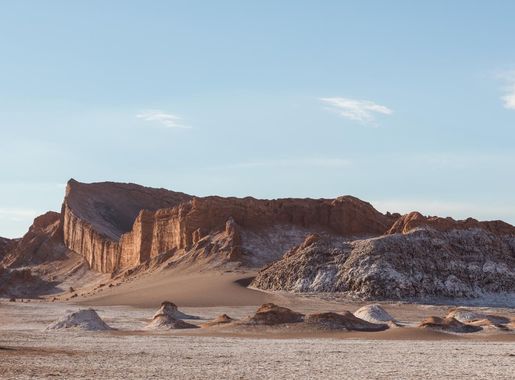
The Atacama Desert in Chile is one of the most unique places on Earth. Known as the driest desert in the world, it offers a stunning array of landscapes, from salt flats and hot springs to geysers and volcanic peaks. The clear, pollution-free skies make it a paradise for stargazers, with some of the best astronomical observatories located here. Visitors can explore the Moon Valley, known for its otherworldly rock formations and vast dunes that resemble a lunar landscape. The desert is also home to ancient archaeological sites and charming villages like San Pedro de Atacama, where travelers can experience local culture and hospitality. For those seeking adventure, the Atacama Desert offers a range of activities such as sandboarding, trekking, and mountain biking. The region's unique flora and fauna, including pink flamingos at the Chaxa Lagoon, add to the desert's allure. Whether you're looking to relax in natural hot springs or embark on an adrenaline-pumping adventure, the Atacama Desert has something for everyone.