Fort Tucapel Travel Guide
Free Guide: Explore the historic grounds of Fort Tucapel in Cañete, where Mapuche resistance shaped Chile's colonial past.


A brief summary of Fort Tucapel
Explore the historic grounds of Fort Tucapel in Cañete, where Mapuche resistance shaped Chile's colonial past.
Fort Tucapel in Cañete, Chile, is a historical site significant for its role in the Arauco War between the Spanish conquistadors and the Mapuche people. The fort was the site of a major Mapuche victory in 1553, where the Spanish leader Pedro de Valdivia was captured and killed. Today, it stands as a landmark of Chilean and Mapuche history.
Opening hours
- Every dayOpen 24 hours
Opening hours as listed on the venue’s Google Business Profile. Hours can change for services and special events, so check with the venue before you go.
- Address
- Cañete, Bio Bio
Getting there
Walking
Public Transport
Taxi
Discover more about Fort Tucapel
Overview
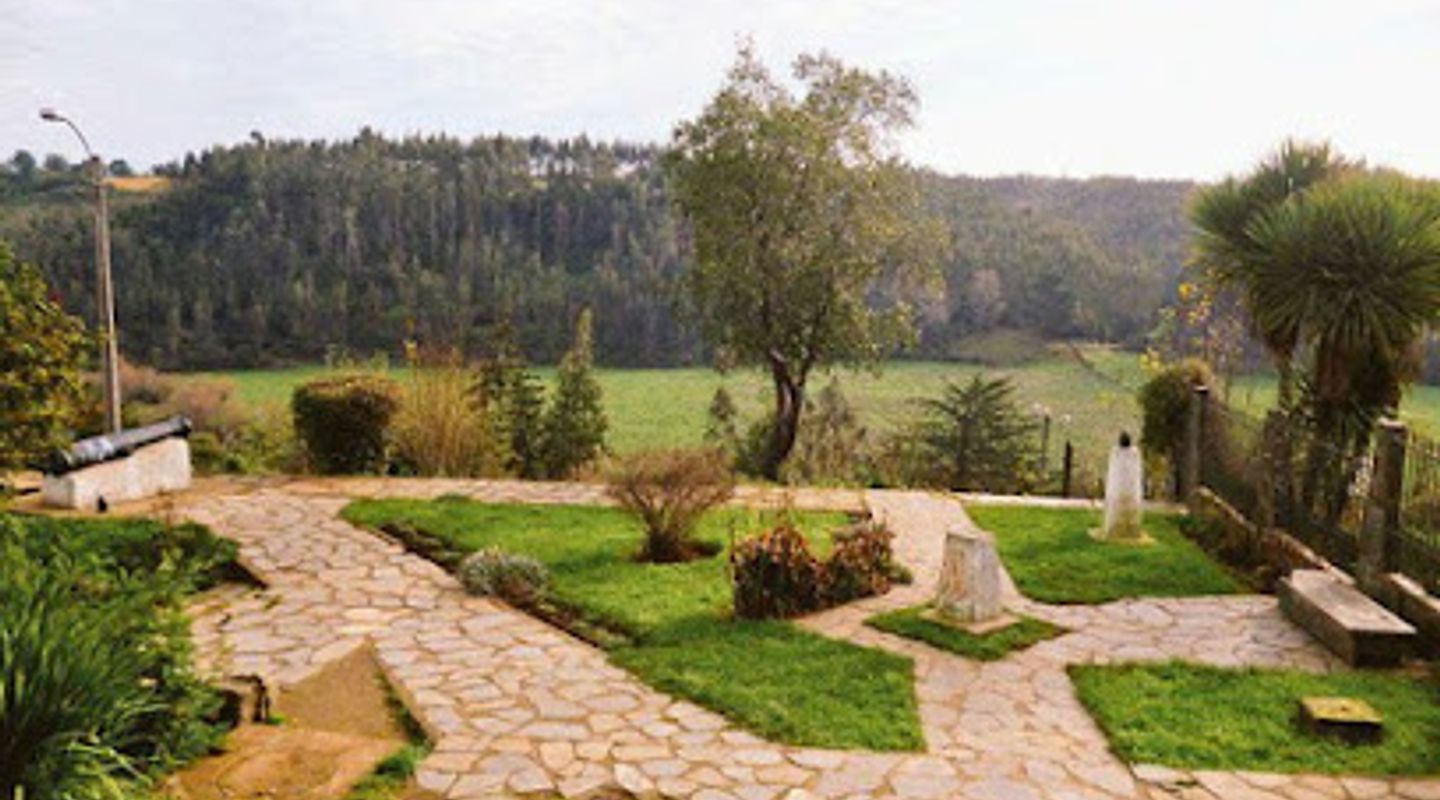
Fort Tucapel, located near the city of Cañete in the Biobío Region of Chile, is a site steeped in history and indigenous significance. Originally built by Pedro de Valdivia in 1553, the fort was intended to secure Spanish control over the territory. However, it quickly became a focal point in the fierce resistance mounted by the Mapuche people during the Arauco War.The fort was strategically positioned on a hill in the coastal mountain range. The Mapuche, under the leadership of Lautaro, a brilliant military strategist who had learned Spanish battle tactics, launched a devastating attack on the fort in December 1553. In the ensuing Battle of Tucapel, the Spanish forces were routed, and Valdivia himself was captured and killed, marking a turning point in the Arauco War.Though the original fort was destroyed, its legacy endures as a symbol of Mapuche resistance and a reminder of the complex interactions between the Spanish and indigenous populations of Chile. Today, visitors can explore the reconstructed site and reflect on the events that transpired here, gaining insight into the rich history and culture of the Mapuche people. The Mapuche Museum of Cañete, located nearby, further enriches the experience, housing a significant collection of Mapuche artifacts and offering a deeper understanding of their heritage.
Evendo Review Centre
 Google
Guest reviews
Explore Fort Tucapel on the map
A handpicked selection of must-see spots near Fort Tucapel, mapped for you.
Get your free copy of our complete guide to Fort Tucapel, delivered straight to you.
Everything on this page, from opening hours and how to get there to Eve’s tips and the best time to go, in one PDF you can read offline, print or share.
Already have an account? Sign in
Your Fort Tucapel guide is ready.
We'll send it to · Not you? Sign out

Getting your guide ready…
We are putting together a fresh copy of the Fort Tucapel guide. This can take up to a minute.
This can take a few moments. If your browser asks, choose Allow so the download can start. You'll find the guide in your Downloads folder.
Nothing happened? Download it again
Sorry, the guide is taking longer than usual. Please try again in a minute, or get it by email instead.
Other nearby places you may find interesting
The closest places of the same kind, if this one is not quite what you had in mind.
-
-
-
-
-


Swipe for more places
More to explore near Fort Tucapel

 Best experiences near Fort Tucapel
 Best hotels near Fort Tucapel
 Best landmarks near Fort Tucapel
 Best attractions near Fort Tucapel
 Best shops near Fort Tucapel
 Best restaurants near Fort Tucapel
 Best bars near Fort Tucapel
Do you manage this location?
Take control to get all the benefits, like improved information, better appearance, and stronger visibility across AI-powered discovery.
Explore more

Explore more of Biobío Region
Explore Biobío Region: Where Chile's natural beauty, rich history, and thrilling adventures converge to create an unforgettable travel experience.
Explore Biobío Region
Explore more of Chile
Discover Chile: From the Atacama Desert to Patagonia's Glaciers, Experience Diverse Landscapes, Rich Culture, and World-Class Wine in This South American Gem.
Explore Chile