

Free Chiloé Archipelago Travel Guide & Mobile App
Explore Chiloé Archipelago with free travel guides. Discover regional history, expert tips, proposed trips, and audio guides on web or mobile app.


Explore Chiloé Archipelago for UNESCO wooden churches, palafitos, forested coasts, island ferries and distinctive potato-based cuisine.
Read more about Chiloé Archipelago
When is the best time to visit Chiloé Archipelago?
Best: December–February · 17°C| Month | High (°C) | Rainfall (mm) |
|---|---|---|
| January (best) | 17 | 100 |
| February (best) | 17 | 100 |
| March | 16 | 125 |
| April | 13 | 150 |
| May | 11 | 175 |
| June | 10 | 200 |
| July | 9 | 200 |
| August | 10 | 175 |
| September | 13 | 150 |
| October | 14 | 125 |
| November | 15 | 125 |
| December (best) | 17 | 100 |
Getting to and around Chiloé Archipelago
How to get there
Transportation
Best attractions in Chiloé Archipelago
Chiloé's attractions combine living heritage with a strongly maritime natural environment. The sixteen UNESCO-listed wooden churches form the cultural backbone of an itinerary, with examples in Castro, Chonchi, Dalcahue, Achao, Quinchao and other island communities. Castro's palafitos offer a distinctive waterfront setting, while Ancud adds museums, coastal viewpoints and historic associations with the northern entrance to the archipelago. Dalcahue and Achao are useful starting points for exploring Quinchao Island and its traditional settlements. On the natural side, Chiloé National Park protects temperate rainforest, peatlands, dunes and exposed Pacific beaches, while Tantauco Park in the south provides extensive trails and wilderness scenery. The Puñihuil coast is known for boat-based penguin observation, and wetlands throughout the archipelago attract shorebirds and other wildlife. Craft markets, boat crossings, rural chapels, farm landscapes and food traditions are attractions in their own right, revealing a culture shaped by timber, tides and seasonal work.
-
Island
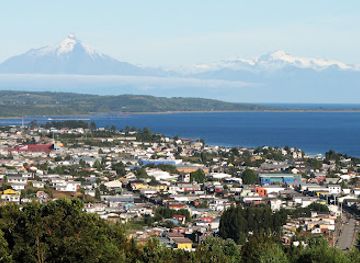
Chiloé Island
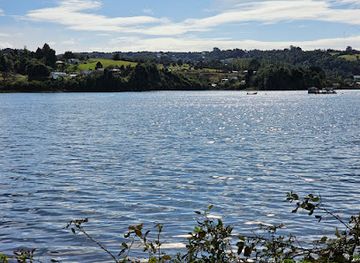
Experience the enchanting beauty of Chiloé Island, Chile, with its rich cultural heritage, stunning landscapes, and delicious local cuisine.
-
Church
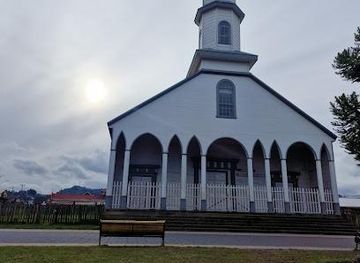
Iglesia de Dalcahue
Discover the rich heritage of the Iglesia de Dalcahue, a stunning wooden church that embodies the cultural spirit of Chile's Chiloé archipelago.
-
Museum
Municipal Museum Castro
Discover the captivating history and vibrant culture of Castro at the Municipal Museum, a must-visit destination for all travelers exploring Los Lagos.
-
Tourist attraction
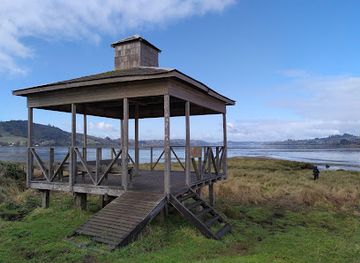
Humedal De Putemún
Explore the breathtaking beauty of Humedal De Putemún, a tranquil wetland in Castro, Los Lagos, perfect for nature lovers and birdwatching enthusiasts.
Best landmarks in Chiloé Archipelago
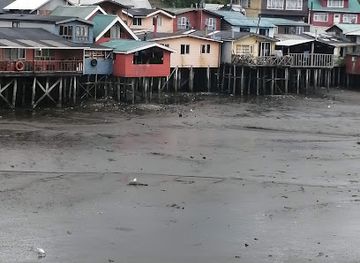
The wooden churches of Chiloé are its defining architectural landmarks. The Church of San Francisco in Castro, with its prominent profile above the city and harbour, is among the most recognisable, while the churches of Santa María de Loreto in Achao, Nuestra Señora de Gracia in Nercón, Nuestra Señora del Rosario in Chonchi and San Antonio in Vilupulli demonstrate the variety of the island tradition. Castro's palafitos, especially along the historic waterfront districts, are another emblematic sight: timber houses stand above the tidal margin on piles and reflect the practical adaptation of domestic architecture to the shore. Ancud's Fuerte San Antonio recalls the archipelago's strategic Spanish-era history, and the Chacao Channel provides a powerful geographical landmark at the northern entrance. On the western side, the Pacific beaches, dunes and forest edge of Chiloé National Park form a natural counterpoint to the built heritage. Together these places express the relationship between island communities, timber construction, Catholic practice and the sea.
-
Tourist attraction
Isla de las Almas Navegantes
Discover Isla de las Almas Navegantes: where breathtaking nature meets rich cultural history in the heart of Los Lagos, Chile.
-
Park
Muelle De Las Almas
Explore the tranquil beauty of Muelle De Las Almas in Chonchi, where nature meets culture in the heart of Los Lagos, Chile.
-
Island
Chiloé Island
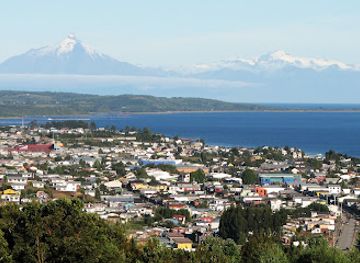
Explore Chiloé Island, a stunning Chilean destination with rich traditions, unique architecture, and breathtaking landscapes awaiting your discovery.
-
Sculpture
Zero Milestone
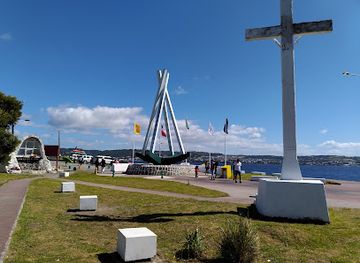
Experience the essence of exploration at Zero Milestone, a captivating sculpture in Quellón that symbolizes the beginning of journeys in stunning Los Lagos, Chile.

Explore Chiloé Archipelago on the map
Plan your trip on one map. See where the top cities, national parks and sights are, and book hotels and experiences in a few clicks.
Best hotels in Chiloé Archipelago
Best restaurants in Chiloé Archipelago
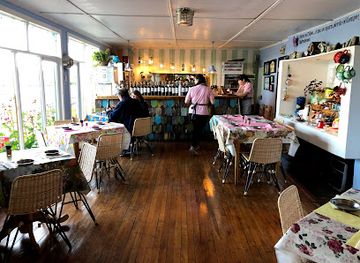
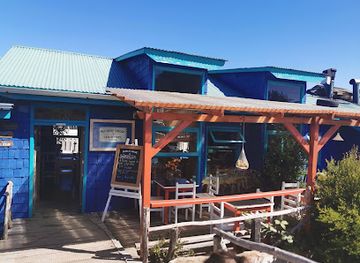
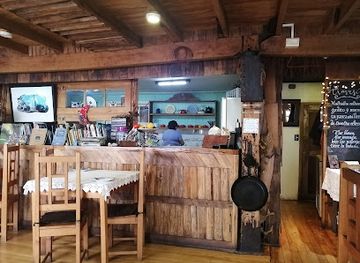
Chiloé's food is rooted in potatoes, seafood and communal cooking. Curanto is the best-known preparation: shellfish, meat, potatoes and dumplings are traditionally cooked in a pit lined with hot stones, though restaurants commonly offer a pot-cooked version. Milcao, made principally from potato, and chapalele, a steamed potato dumpling, accompany many local meals. Menus in coastal towns often feature mussels, clams, oysters, crab, fish and other products from the channels, while lamb and pork reflect island farming. Castro, Ancud, Dalcahue and Quellón offer the broadest range of restaurants, cafés and markets, whereas rural areas tend towards family-run eateries, bakeries and modest inns. Markets are particularly valuable for tasting seasonal produce, preserves and local potatoes. Chilean wine and beer are widely available, but the most distinctive culinary experience is the relationship between ingredients, community gatherings and the archipelago's maritime setting.
-
Restaurant
-Restaurante y Cabañas Parque Yayanes
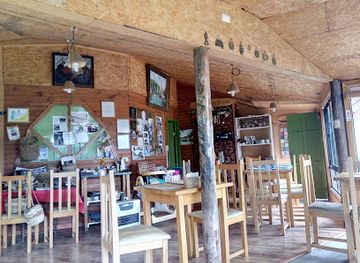
Discover exquisite Chilean cuisine and cozy log cabin stays at Restaurante y Cabañas Parque Yayanes amidst Los Lagos' natural beauty.
-
Restaurant
El Mercadito de Chiloé
Experience authentic Chiloé cuisine at El Mercadito de Chiloé in Castro - A culinary gem celebrating local flavors.
-
Restaurant
Restaurant Rucalaf
Experience authentic Chilean cuisine with breathtaking views at Restaurant Rucalaf in Castro.
-
Restaurant
Restaurant Travesía
Experience authentic Chilean cuisine at Restaurant Travesía in Castro - where local flavors meet stunning views.
Best bars in Chiloé Archipelago
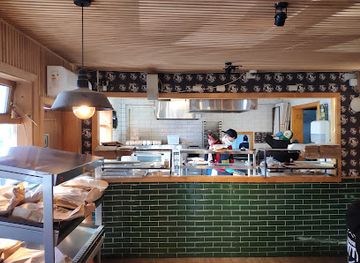
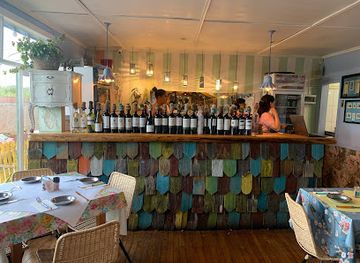
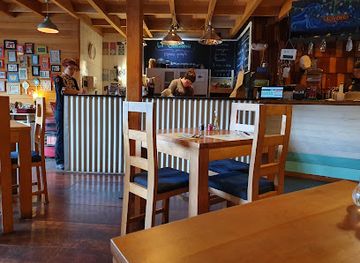
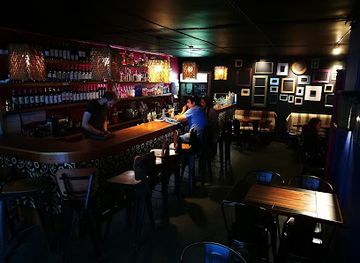
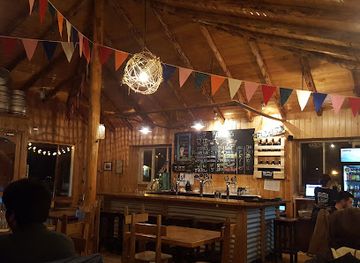
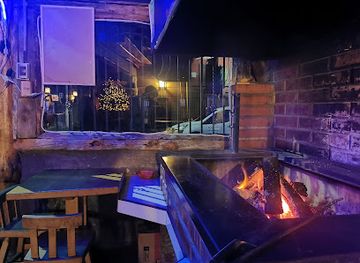
Nightlife in Chiloé is modest and concentrated in the larger towns rather than organised around a major club scene. Castro and Ancud have the widest choice of pubs, restaurants with evening service, small bars and occasional live-music venues, while Quellón also serves as an evening centre in the south. In smaller communities, traditional pubs and family-run restaurants provide the main social settings, with conversation, local music and food more important than late closing hours. Craft beer and Chilean wine appear on many menus, and some accommodation properties offer relaxed lounges or dining rooms. Rural nightlife can be highly seasonal and may depend on community festivals or local events, so visitors should not assume that venues operate late every night. Plan transport back to rural accommodation in advance, particularly after dark and near ferry terminals.
-
Restaurant
Sanguche patito
Experience the authentic flavors of Chile at Sanguche Patito, a cozy restaurant in Castro known for its delicious sandwiches and local cuisine.
-
Restaurant
El Mercadito de Chiloé
Experience the authentic taste of Chiloé at El Mercadito de Chiloé, where local flavors come to life in a welcoming atmosphere.
-
Restaurant
La Cevichería Chiloé
Discover La Cevichería Chiloé, where fresh seafood meets the heart of Chilean dining in the charming town of Castro.
-
Bar
Almud bar
Experience the vibrant nightlife of Castro at Almud Bar, where local culture meets an exquisite drink selection in a lively atmosphere.
Best nightclubs in Chiloé Archipelago
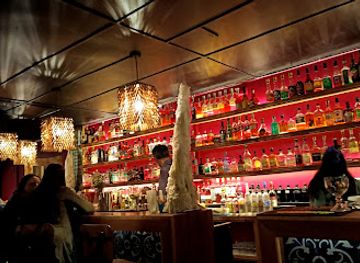
Nightlife in Chiloé is modest and concentrated in the larger towns rather than organised around a major club scene. Castro and Ancud have the widest choice of pubs, restaurants with evening service, small bars and occasional live-music venues, while Quellón also serves as an evening centre in the south. In smaller communities, traditional pubs and family-run restaurants provide the main social settings, with conversation, local music and food more important than late closing hours. Craft beer and Chilean wine appear on many menus, and some accommodation properties offer relaxed lounges or dining rooms. Rural nightlife can be highly seasonal and may depend on community festivals or local events, so visitors should not assume that venues operate late every night. Plan transport back to rural accommodation in advance, particularly after dark and near ferry terminals.
-
 Hotel
HotelEnjoy Chiloé. Hotel De La Isla
Discover the perfect blend of luxury and nature at Enjoy Chiloé: Hotel De La Isla in Castro, a true gem in the heart of the enchanting Chiloé archipelago.
-
Bar
Almud bar
Experience the vibrant nightlife of Castro at Almud Bar, where local culture meets exquisite drinks in a lively atmosphere.
-
Brewpub
Pioneras - Casa Cervecera
Experience the best of Chilean craft beer and local cuisine at Pioneras - Casa Cervecera in Castro, a must-visit brewpub for all beer lovers.
-
Bar
Cabala Bar
Discover Cabala Bar in Castro, where local flavor meets vibrant nightlife for an unforgettable experience in Los Lagos, Chile.
Best shops in Chiloé Archipelago
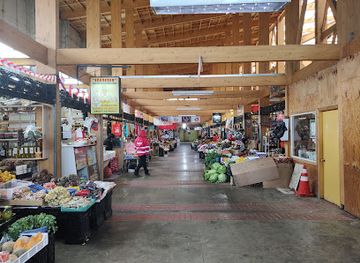
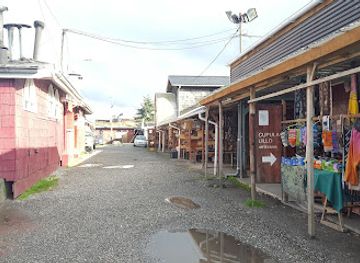
Shopping in Chiloé centres on local markets, independent craft stalls and food products rather than large-scale retail. Castro's Mercado Artesanal and waterfront market area are useful places to look for woollen textiles, carved wood, woven goods, baskets and souvenirs inspired by island architecture and folklore. Dalcahue is particularly associated with handicrafts and is a practical stop when travelling towards Quinchao, while smaller towns offer community markets whose stock varies by day and season. Food is an important purchase: look for native and local potatoes, preserves, smoked products, seaweed and packaged regional specialities, observing any restrictions on carrying fresh food across borders. Art galleries and craft shops in Castro and Ancud provide more curated work, while markets in rural settlements are often better for direct contact with producers. Compare workmanship and ask about materials rather than assuming every item is locally made.
-
Shopping mall
Mall Paseo Chiloé
Experience shopping and local culture at Mall Paseo Chiloé in Castro, where diverse stores and dining options await every visitor.
-
Grocery store
Feria Campesina Yumbel
Explore the Feria Campesina Yumbel: A vibrant local market in Castro, Los Lagos, showcasing fresh produce, artisanal goods, and rich Chilean culture.
-
Clothing store
Mercado Municipal Lillo
Explore the vibrant Mercado Municipal Lillo in Castro, a cultural gem showcasing local crafts, delicious food, and the spirit of Los Lagos.
-
Bakery
Corteza Panadería
Experience the heart of Chilean baking at Corteza Panadería in Chonchi, where every bite is a taste of tradition and warmth.
Get your free copy of our complete guide to Chiloé Archipelago, delivered straight to you.
Everything on this page, from attractions and restaurants to essentials and local phrases, in one PDF you can read offline, print or share.
Already have an account? Sign in
Your Chiloé Archipelago guide is ready.
We'll send it to · Not you? Sign out

Getting your guide ready…
We are putting together a fresh copy of the Chiloé Archipelago guide. This can take up to a minute.
This can take a few moments. If your browser asks, choose Allow so the download can start. You'll find the guide in your Downloads folder.
Nothing happened? Download it again
Sorry, the guide is taking longer than usual. Please try again in a minute, or get it by email instead.
Chiloé Archipelago essentials
Currency and Payment
Safety
Emergency Situations
Do's and Don'ts
Local Tips
From Eve
Local phrases worth knowing
You don't need to get them perfect. A few words go a long way, and locals appreciate the effort.
Basics
| English | Local | Say it |
|---|---|---|
| Hello | Hola | [Olah] |
| Goodbye | Adiós | [Adios] |
| Yes | Sí | [See] |
| No | No | [No] |
| Please/You're welcome | Por favor | [Por fah-vor] |
| Thank you | Gracias | [Gra-thias] |
| Excuse me/Sorry | Disculpa | [Dis-kul-pah] |
| How are you? | ¿Cómo estás? | [Koh-moh es-tas] |
| Fine. And you? | Bien. ¿Y tú? | [Byen. Ee too] |
| Do you speak English? | ¿Hablas inglés? | [Ah-blas een-gles] |
| I don't understand | No entiendo | [No en-tyen-do] |
Eating & Drinking
| English | Local | Say it |
|---|---|---|
| I'd like to see the menu, please | Me gustaría ver el menú, por favor | [Me gus-ta-ree-ah ver el meh-nu, por fah-vor] |
| I don't eat meat | No como carne | [No koh-mo kar-ne] |
| Cheers! | ¡Salud! | [Sa-lud] |
| I would like to pay, please | Me gustaría pagar, por favor | [Me gus-ta-ree-ah pah-gar, por fah-vor] |
Emergencies
| English | Local | Say it |
|---|---|---|
| Help! | ¡Ayuda! | [A-yu-da] |
| Go away! | ¡Ve lejos! | [Ve leh-hos] |
| Call the Police! | ¡Llama a la Policía! | [Ya-ma a la Po-li-cia] |
| Call a doctor! | ¡Llama a un doctor! | [Ya-ma a un dok-tor] |
| I'm lost | Estoy perdido | [Es-toy per-di-do] |
| I'm ill | Estoy enfermo | [Es-toy en-fer-mo] |
Shopping
| English | Local | Say it |
|---|---|---|
| I'd like to buy... | Me gustaría comprar... | [Me gus-ta-ree-ah kom-prar] |
| I'm just looking | Solo estoy mirando | [So-lo es-toy mee-ran-do] |
| How much is it? | ¿Cuánto cuesta? | [Kwan-to kwes-ta] |
| That's too expensive | Eso es muy caro | [E-so es moi ka-ro] |
| Can you lower the price? | ¿Puedes bajar el precio? | [Pwe-des ba-har el pre-syo] |
Time & Numbers
| English | Local | Say it |
|---|---|---|
| What time is it? | ¿Qué hora es? | [Ke o-ra es] |
| It's one o'clock | Es la una | [Es la u-na] |
| Half past (10) | Y media (10) | [Ee me-dia diez] |
| Morning | Mañana | [Ma-nyana] |
| Afternoon | Tarde | [Tar-de] |
| Evening | Noche | [No-che] |
| Yesterday | Ayer | [A-yair] |
| Today | Hoy | [Oi] |
| Tomorrow | Mañana | [Ma-nyana] |
| 1 | Uno | [Oo-no] |
| 2 | Dos | [Dos] |
| 3 | Tres | [Tres] |
| 4 | Cuatro | [Kwah-tro] |
| 5 | Cinco | [Sin-ko] |
| 6 | Seis | [Says] |
| 7 | Siete | [Syet-e] |
| 8 | Ocho | [O-cho] |
| 9 | Nueve | [Nwe-ve] |
| 10 | Diez | [Dyez] |
Transport & Directions
| English | Local | Say it |
|---|---|---|
| Where's a/the...? | ¿Dónde está un/una...? | [Don-de es-ta un/una] |
| What's the address? | ¿Cuál es la dirección? | [Kwal es la di-rec-syon] |
| Can you show me (on the map)? | ¿Puedes mostrarme (en el mapa)? | [Pwe-des mos-trar-me (en el ma-pa)] |
| When's the next (bus)? | ¿Cuándo es el próximo (bus)? | [Kwan-do es el pro-k-si-mo] |
| A ticket (to ....) | Un pasaje (a ...) | [Un pa-sa-he (a ...)] |
History of Chiloé Archipelago
Chono and Huilliche Island Worlds
Before Spanish colonisation, the archipelago was inhabited by Indigenous peoples whose economies and movements were closely connected to the sea. The Chono, a maritime culture associated particularly with the southern channels, travelled by canoe and relied on fishing, shellfish and coastal resources. The Huilliche, or Williche, maintained communities across Chiloé and practised agriculture alongside marine harvesting. Their knowledge of tides, forests, crops and waterways continues to influence the region's cultural landscape, while place names and food traditions preserve Indigenous elements within a society later transformed by colonial rule.
Spanish Settlement and the Founding of Castro, 1567
Spanish forces established a permanent colonial presence on Chiloé in the sixteenth century, founding Castro in 1567. The settlement became an administrative and religious centre for an island society separated from the main Chilean territories by difficult channels and distance. Spanish rule introduced Catholic institutions, new political structures and European crops and animals, but local conditions required adaptation. Timber, maritime transport and Indigenous labour shaped the colony, while the archipelago's isolation gave Chiloé a development different from that of central Chile.
Jesuit and Franciscan Missionary Networks
From the seventeenth century, Jesuit missionaries developed a distinctive system of religious visitation across the islands. Priests travelled by boat between communities, supported by local fiscales who helped organise worship in places without a resident priest. After the Jesuits were expelled from the Spanish Empire in 1767, Franciscans continued much of this work. The resulting churches, chapels and religious festivals became closely integrated with island communities. This missionary history helped produce Chiloé's celebrated wooden church tradition, in which European forms were reinterpreted by local builders and carpenters.
Wooden Churches and Island Architecture
Between the eighteenth and early twentieth centuries, Chiloé's builders developed an architecture suited to a wet, timber-rich maritime environment. Churches used native wood, shingle cladding and construction techniques adapted to local conditions, often combining a long nave with a prominent tower and enclosed portico. Sixteen churches across the archipelago were inscribed as the UNESCO World Heritage property Churches of Chiloé in 2000. Their importance lies not only in age or appearance, but in the way construction, religious practice, craftsmanship and community organisation created a regional architectural tradition.
Chiloé in the Chilean Republic
Following Chile's independence, the archipelago remained strategically important because of its position at the entrance to the interior channels. Spanish control ended with the incorporation of Chiloé into the Chilean Republic in 1826, after the final major royalist stronghold in the independence campaign was defeated. Ancud later served as an important military and maritime centre, and historic fortifications around the northern approaches reflect the area's strategic role. During the nineteenth century, trade, small-scale agriculture, shipbuilding and coastal transport linked island communities with one another and with mainland ports.
Isolation, Migration and Modern Connections
For much of the twentieth century, Chiloé remained relatively isolated, with sea travel and small-scale farming central to everyday life. Improved roads, the Pan-American Highway, regular vehicle ferries and air connections brought greater integration with mainland Chile. Migration to cities and changing economic opportunities altered many communities, while island identity remained strongly expressed through food, music, religious observances and local architecture. Since the late twentieth century, tourism has grown around wooden churches, palafitos, landscapes and gastronomy, alongside continuing debates about conservation, development and the environmental effects of aquaculture.
Chiloé Archipelago in Photos
Browse through our photo collection highlighting the charm and character of the destination.
Neighbouring regions of Chiloé Archipelago
The closest regions to Chiloé Archipelago, if you have time for more than one.
-

-

-

-

-


Swipe for more regions
Explore more

Explore more of Chile
Discover Chile: From the Atacama Desert to Patagonia's Glaciers, Experience Diverse Landscapes, Rich Culture, and World-Class Wine in This South American Gem.
Explore Chile