

Free Juan Fernández Archipelago Travel Guide & Mobile App
Explore Juan Fernández Archipelago with free travel guides. Discover regional history, expert tips, proposed trips, and audio guides on web or mobile app.


Explore Chile's Juan Fernández Archipelago for endemic wildlife, volcanic trails, lobster villages and the remote maritime history of Robinson Crusoe Island.
Read more about Juan Fernández Archipelago
When is the best time to visit Juan Fernández Archipelago?
Best: December–February · 22–23°C| Month | High (°C) | Rainfall (mm) |
|---|---|---|
| January (best) | 23 | 50 |
| February (best) | 23 | 50 |
| March | 22 | 60 |
| April | 21 | 70 |
| May | 20 | 80 |
| June | 19 | 90 |
| July | 18 | 90 |
| August | 18 | 80 |
| September | 19 | 70 |
| October | 20 | 60 |
| November | 21 | 60 |
| December (best) | 22 | 50 |
Getting to and around Juan Fernández Archipelago
How to get there
Transportation
Best attractions in Juan Fernández Archipelago
The main attractions of the Juan Fernández Archipelago are its protected landscapes and rare wildlife rather than a large collection of built visitor facilities. On Robinson Crusoe Island, trails from and around San Juan Bautista lead through steep valleys, native forest and exposed ridges, with opportunities to see endemic plants and the Juan Fernández firecrown. Juan Fernández National Park provides the framework for exploring these environments, while local guides can interpret the island's botany, geology and maritime history. Coastal excursions and diving may reveal clear water, rocky seabeds and the habitat of Juan Fernández fur seals, always subject to sea conditions and conservation rules. The island's small settlement, fishing activity and reconstructed waterfront offer a cultural counterpoint to the wilderness. Walks associated with Alexander Selkirk provide historical context, linking the terrain to the sailor's years of isolation. Alejandro Selkirk Island is more remote, less developed and primarily of interest to experienced travellers, naturalists and specialist expeditions; Santa Clara is a smaller, rugged island generally approached by organised boat. Visitors should expect modest infrastructure, long distances by sea and a strong dependence on weather rather than a conventional sequence of ticketed attractions.
-
National park
Isla Robinson Crusoe
Explore Isla Robinson Crusoe, a national park rich in history and natural beauty, offering stunning landscapes and diverse wildlife in the Juan Fernández Islands.
Best landmarks in Juan Fernández Archipelago
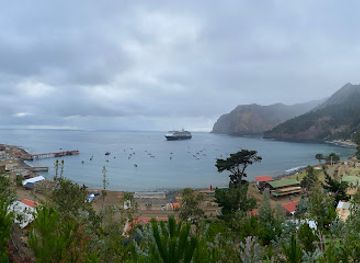
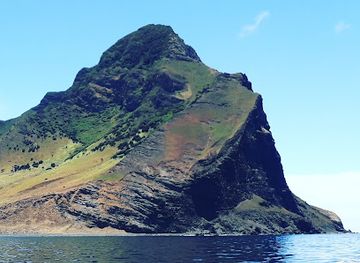
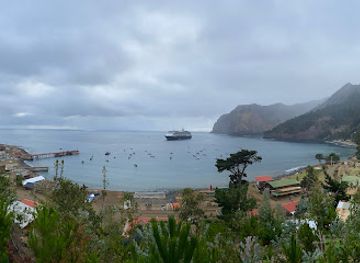
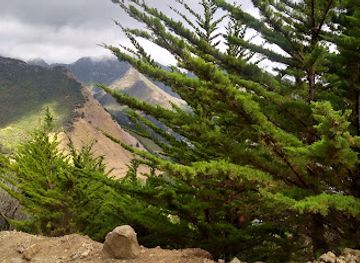
The most recognisable landmark of the archipelago is San Juan Bautista, the compact settlement on Robinson Crusoe Island whose waterfront and hillside setting embody the community's relationship with the sea. Nearby viewpoints and routes associated with Alexander Selkirk connect the physical landscape to the story of the marooned sailor and the later Robinson Crusoe tradition. The rugged bays and steep coastal cliffs are landmarks in their own right, revealing the islands' volcanic origins and the difficulty of settlement. Robinson Crusoe Island's forested ridges and endemic vegetation give its interior a distinctive visual identity, while the surrounding islets and offshore rocks form a dramatic maritime edge. Alejandro Selkirk Island, formerly Más Afuera, is a particularly powerful geographical landmark because of its isolation and near absence of visitor infrastructure; its name also preserves the historical distinction between the two principal islands. Santa Clara contributes a smaller, more austere silhouette to the archipelago. Together, these places matter less as monumental architecture than as a combined landscape of ocean, cliffs, rare forests, fishing history and literary association.
-
Island
Archipielago Juan Fernandez
Discover the remote Juan Fernández Islands: volcanic landscapes, unique wildlife, and the legendary story of Robinson Crusoe.
-
National park
Isla Robinson Crusoe
Experience the stunning landscapes and unique wildlife of Isla Robinson Crusoe, a breathtaking national park in the Juan Fernández Islands of Chile.
Explore Juan Fernández Archipelago on the map
Plan your trip on one map. See where the top cities, national parks and sights are, and book hotels and experiences in a few clicks.
Best hotels in Juan Fernández Archipelago
Best restaurants in Juan Fernández Archipelago
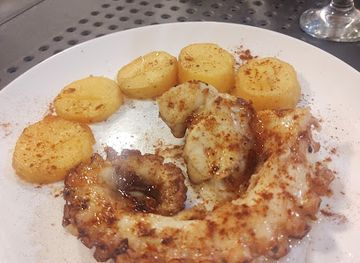
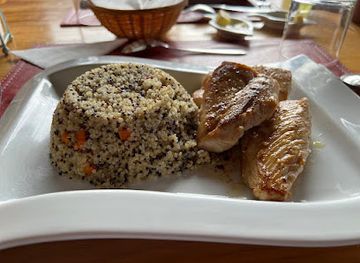
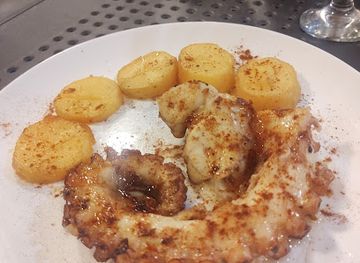
Dining in the archipelago is closely connected to the sea and to the practical limits of island supply. San Juan Bautista has small, locally run eateries and accommodation kitchens where fish, seafood and the celebrated Juan Fernández spiny lobster may appear when available and ethically sourced. Preparations are generally straightforward and shaped by the day's catch, seasonal supply and the availability of mainland provisions rather than by a large restaurant scene. Visitors may also encounter Chilean staples such as empanadas, soups, bread and simple grilled dishes, alongside locally caught fish and shellfish. Meals should be arranged in advance when possible, particularly if staying outside the settlement or travelling during a quieter period. Shops carry basic provisions, but selection can be narrower and prices higher than on the mainland. Lobster is an important part of local culture and livelihoods, so visitors should ask about legal seasons, local management and sourcing rather than assuming it is available at every meal. There is little reason to expect formal fine dining; the appeal lies in fresh maritime food, home-style cooking and the relationship between the community and its waters.
-
Restaurant
Restaurant Baron De Rodt
Discover exquisite seafood and breathtaking ocean views at Restaurant Baron De Rodt in the enchanting Juan Fernández Islands.
-
Restaurant
El Yunque Restaurant Y Hostal
Experience authentic Chilean cuisine at El Yunque Restaurant Y Hostal in Valparaíso—where every meal is a celebration of local flavors.
Best bars in Juan Fernández Archipelago
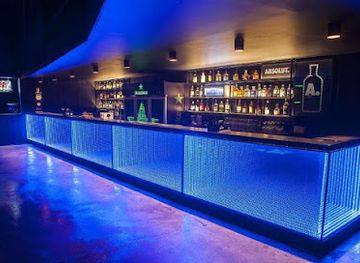
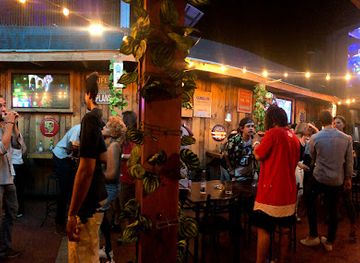
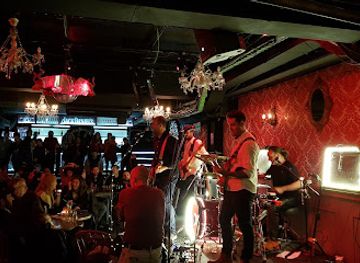
Nightlife on the Juan Fernández Archipelago is small-scale and community-oriented. San Juan Bautista may offer informal evenings in local restaurants, family-run accommodation, modest bars or social spaces, but it is not a destination for nightclubs or a late-night entertainment circuit. Evening activity often centres on conversation, seafood meals and the rhythms of a remote fishing settlement, with the dark Pacific sky and distant lights providing a more characteristic backdrop than organised entertainment. Visitors should not assume fixed opening hours, extensive drink menus or reliable late transport, and should arrange their return on foot before going out. Alcohol consumption is not necessary to experience local life, and respectful behaviour matters in a small community where residential and visitor spaces overlap. On Robinson Crusoe Island, local guides and hosts are the best source of current information about any community event, live music or seasonal gathering.
-
Bar
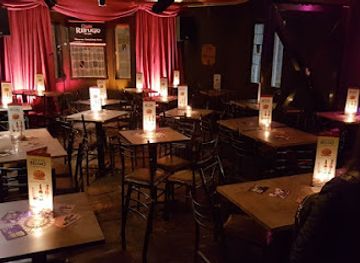
Bar Gran Refugio
Experience the vibrant nightlife of Providencia at Bar Gran Refugio, where craft drinks and delicious food come together in a lively atmosphere.
-
Disco club
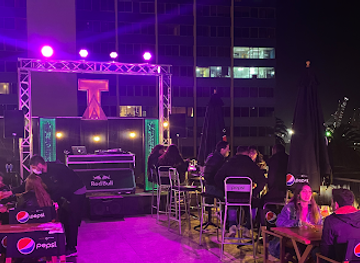
Terraza Bellavista
Discover the heartbeat of Valparaíso's nightlife at Terraza Bellavista, where music, dance, and stunning views intertwine for an unforgettable experience.
-
Island
Robinson Crusoe Island
Explore Robinson Crusoe Island: A hidden treasure of nature and adventure in the Juan Fernández Islands, rich in history and stunning landscapes.
-
Restaurant
Restaurant Baron De Rodt
Experience the flavors of Chile at Restaurant Baron De Rodt, a culinary haven on the Juan Fernández Islands in Valparaíso.
Best nightclubs in Juan Fernández Archipelago
Nightlife on the Juan Fernández Archipelago is small-scale and community-oriented. San Juan Bautista may offer informal evenings in local restaurants, family-run accommodation, modest bars or social spaces, but it is not a destination for nightclubs or a late-night entertainment circuit. Evening activity often centres on conversation, seafood meals and the rhythms of a remote fishing settlement, with the dark Pacific sky and distant lights providing a more characteristic backdrop than organised entertainment. Visitors should not assume fixed opening hours, extensive drink menus or reliable late transport, and should arrange their return on foot before going out. Alcohol consumption is not necessary to experience local life, and respectful behaviour matters in a small community where residential and visitor spaces overlap. On Robinson Crusoe Island, local guides and hosts are the best source of current information about any community event, live music or seasonal gathering.
-
Disco club
Club Amanda
Discover the lively atmosphere of Club Amanda, a premier disco club in Vitacura, where vibrant music and exquisite cocktails create unforgettable nights.
-
Disco club
club57
Experience Santiago's vibrant nightlife at Club57, a premier disco club and bar that promises unforgettable nights filled with music and dance.
-
Night club
Club Ambar
Discover the vibrant nightlife of Santiago at Club Ambar, where music, dancing, and unforgettable experiences come alive.
-
Bar
Candelaria Bar
Experience the vibrant nightlife at Candelaria Bar, a hotspot in Santiago's Vitacura district, known for its eclectic music and lively atmosphere.

Best shops in Juan Fernández Archipelago
Shopping in the Juan Fernández Archipelago is limited, practical and closely tied to local production. San Juan Bautista has small shops for provisions and everyday necessities, but visitors should not expect a conventional retail district, department stores or a large craft market. The most distinctive purchases are likely to be locally made souvenirs, books or artwork connected with Robinson Crusoe and Alexander Selkirk, as well as products reflecting island life and maritime culture when available. Seafood may be sold through local channels, but visitors must respect conservation rules and should not purchase protected wildlife, plants or improperly sourced marine products. Basic food supplies can be more expensive and less varied than on mainland Chile because of transport and weather-related delays. Carrying gifts and non-essential equipment from the mainland is sensible, while buying from resident-run businesses can support the small local economy. Confirm payment methods before purchasing, as card facilities and connectivity are not guaranteed throughout the archipelago.
-
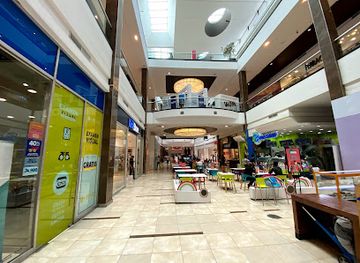
Shopping mall
Mallplaza Oeste
Explore the best of shopping, dining, and entertainment at Mallplaza Oeste, Santiago's premier shopping destination.
-
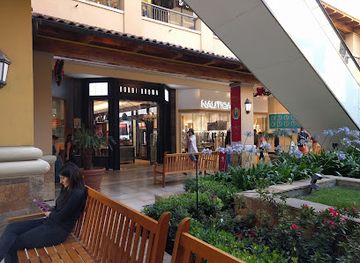
Shopping mall
Portal La Dehesa
Discover the ultimate shopping experience at Portal La Dehesa, featuring diverse shops, dining options, and vibrant local culture in Santiago, Chile.
-
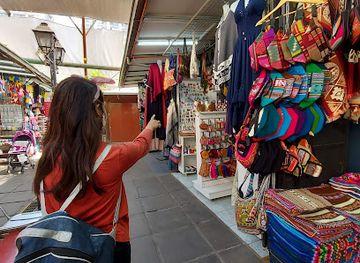
Shopping mall
Centro Artesanal Santa Lucia
Explore the vibrant Centro Artesanal Santa Lucia in Santiago for authentic Chilean crafts and unique souvenirs.
-
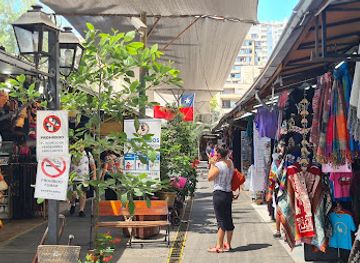
Handicraft
Craft Fair Saint Lucia
Explore Craft Fair Saint Lucia for a delightful array of unique Chilean handicrafts and immerse yourself in local culture.
Get your free copy of our complete guide to Juan Fernández Archipelago, delivered straight to you.
Everything on this page, from attractions and restaurants to essentials and local phrases, in one PDF you can read offline, print or share.
Already have an account? Sign in
Your Juan Fernández Archipelago guide is ready.
We'll send it to · Not you? Sign out

Getting your guide ready…
We are putting together a fresh copy of the Juan Fernández Archipelago guide. This can take up to a minute.
This can take a few moments. If your browser asks, choose Allow so the download can start. You'll find the guide in your Downloads folder.
Nothing happened? Download it again
Sorry, the guide is taking longer than usual. Please try again in a minute, or get it by email instead.
Juan Fernández Archipelago essentials
Currency and Payment
Safety
Emergency Situations
Do's and Don'ts
Local Tips
From Eve
Local phrases worth knowing
You don't need to get them perfect. A few words go a long way, and locals appreciate the effort.
Basics
| English | Local | Say it |
|---|---|---|
| Hello | Hola | [O-la] |
| Goodbye | Adiós | [A-dee-os] |
| Yes | Sí | [See] |
| No | No | [No] |
| Please/You're welcome | Por favor | [Por fa-vor] |
| Thank you | Gracias | [Gra-sias] |
| Excuse me/Sorry | Disculpe | [Dis-kul-pe] |
| How are you? | ¿Cómo está? | [Ko-mo es-ta] |
| Fine. And you? | Bien. ¿Y tú? | [Bee-en. Ee tu] |
| Do you speak English? | ¿Habla inglés? | [A-blah een-gles] |
| I don't understand | No entiendo | [No en-tee-en-do] |
Eating & Drinking
| English | Local | Say it |
|---|---|---|
| I'd like to see the menu, please | Me gustaría ver el menú, por favor | [Me gus-ta-ree-a ver el me-nu, por fa-vor] |
| I don't eat meat | No como carne | [No ko-mo car-ne] |
| Cheers! | ¡Salud! | [Sa-lud] |
| I would like to pay, please | Me gustaría pagar, por favor | [Me gus-ta-ree-a pa-gar, por fa-vor] |
Emergencies
| English | Local | Say it |
|---|---|---|
| Help! | ¡Ayuda! | [A-yu-da] |
| Go away! | ¡Vete! | [Ve-te] |
| Call the Police! | ¡Llama a la policía! | [Ya-ma a la po-li-cia] |
| Call a doctor! | ¡Llama a un doctor! | [Ya-ma a un doc-tor] |
| I'm lost | Estoy perdido | [Es-toy per-di-do] |
| I'm ill | Estoy enfermo | [Es-toy en-fer-mo] |
Shopping
| English | Local | Say it |
|---|---|---|
| I'd like to buy... | Me gustaría comprar... | [Me gus-ta-ree-a com-prar] |
| I'm just looking | Solo estoy mirando | [So-lo es-toy mi-ran-do] |
| How much is it? | ¿Cuánto cuesta? | [Kwan-to kwes-ta] |
| That's too expensive | Eso es muy caro | [E-so es muy ca-ro] |
| Can you lower the price? | ¿Puede bajar el precio? | [Pwe-de ba-har el pre-cio] |
Time & Numbers
| English | Local | Say it |
|---|---|---|
| What time is it? | ¿Qué hora es? | [Ke o-ra es] |
| It's one o'clock | Es la una | [Es la u-na] |
| Half past (10) | Diez y media | [Dyes ee me-dia] |
| Morning | Mañana | [Ma-nya-na] |
| Afternoon | Tarde | [Tar-de] |
| Evening | Noche | [No-che] |
| Yesterday | Ayer | [A-yer] |
| Today | Hoy | [Oi] |
| Tomorrow | Mañana | [Ma-nya-na] |
| 1 | Uno | [U-no] |
| 2 | Dos | [Dos] |
| 3 | Tres | [Tres] |
| 4 | Cuatro | [Kwa-tro] |
| 5 | Cinco | [Sin-co] |
| 6 | Seis | [Seys] |
| 7 | Siete | [Sye-te] |
| 8 | Ocho | [O-cho] |
| 9 | Nueve | [Nwe-ve] |
| 10 | Diez | [Dyes] |
Transport & Directions
| English | Local | Say it |
|---|---|---|
| Where's a/the...? | ¿Dónde está el...? | [Don-de es-ta el] |
| What's the address? | ¿Cuál es la dirección? | [Kwal es la di-rec-cion] |
| Can you show me (on the map)? | ¿Puedes mostrarme (en el mapa)? | [Pwe-des mos-trar-me en el ma-pa] |
| When's the next (bus)? | ¿Cuándo es el próximo (bus)? | [Kwan-do es el pro-xi-mo bus] |
| A ticket (to ....) | Un pasaje (a ...) | [Un pa-sa-he a] |
History of Juan Fernández Archipelago
Discovery and Early Maritime Maps, 1574
The islands were sighted and recorded by the Spanish navigator Juan Fernández in 1574, during voyages along the Pacific coast of South America. Their offshore position made them useful as a navigational reference and a potential anchorage, although they were not developed as a large colonial settlement. European maps and accounts gradually fixed the archipelago within the maritime geography of the South Pacific, while its isolation preserved a distinctive island environment. The names Robinson Crusoe and Alejandro Selkirk came much later; the original Spanish names Más a Tierra and Más Afuera reflected the islands' relative position from the mainland.
Mariners, Privateers and Colonial Anchorages
During the colonial period, the archipelago's sheltered coves and freshwater sources attracted Spanish vessels, privateers and other ships crossing the Pacific. Its remoteness also made it a place where ships could repair, replenish supplies or avoid authorities. Although no major colonial town developed, temporary visits connected the islands to the wider history of Spanish maritime power and the movement of people, goods and information across the ocean. Remains and place names around Robinson Crusoe Island recall this era of strategic anchorages rather than a densely settled colonial past.
Alexander Selkirk and the Robinson Crusoe Tradition, 1704–1709
In 1704, the Scottish sailor Alexander Selkirk was left on the island then known as Más a Tierra after quarrelling with the captain of the privateer Cinque Ports. He survived alone until his rescue in 1709, using local resources and adapting to the island's difficult terrain. Selkirk's ordeal later became associated with Daniel Defoe's 1719 novel Robinson Crusoe, although the fictional character and setting are not a direct biography. The literary connection eventually helped give the island its modern name and remains central to its cultural identity.
Nineteenth-Century Settlement and Chilean Administration
After Chile's independence, the islands became more firmly connected with the Chilean state and received settlers, officials and visiting vessels. Robinson Crusoe developed the most durable community, while the archipelago was also used at different times for military, penal and maritime purposes. Settlement remained small because of the islands' distance, steep topography and limited agricultural land. The community's later identity grew from a combination of mainland links, maritime work and adaptation to an isolated island economy.
The Rise of the Lobster Fishery
Fishing, especially for the Juan Fernández spiny lobster, became the foundation of the modern local economy. The fishery created specialised knowledge of offshore waters, seasonal conditions and the island's rugged coastline, while connecting San Juan Bautista to markets on mainland Chile. Lobster remains an important cultural and economic symbol, but the resource has also required management and conservation attention. The surrounding marine environment is therefore inseparable from the island community's history and future.
National Park and Biosphere Reserve Protection
Juan Fernández National Park was established in 1935 to protect the archipelago's exceptional flora, fauna and landscapes. Its forests contain many endemic plants, and the islands support distinctive species including the Juan Fernández firecrown and Juan Fernández fur seal. UNESCO recognised the archipelago as a Biosphere Reserve in 1977, reinforcing its international conservation importance. Protection has had to balance scientific and ecological priorities with the needs of residents, fishermen and visitors in a small, remote island society.
The 2010 Earthquake and Tsunami
The earthquake and tsunami of 27 February 2010 caused severe destruction in San Juan Bautista and reshaped the waterfront and community infrastructure. The disaster demonstrated the vulnerability of a settlement dependent on a narrow coastal margin and difficult mainland access. Reconstruction and recovery became an important part of recent local history, while memories of the event continue to influence emergency planning and visitor awareness. The rebuilt community remains closely tied to the sea, yet more conscious of its hazards.
Juan Fernández Archipelago in Photos
Browse through our photo collection highlighting the charm and character of the destination.
Neighbouring regions of Juan Fernández Archipelago
The closest regions to Juan Fernández Archipelago, if you have time for more than one.
-

-

-

-

-


Swipe for more regions
Explore more

Explore more of Chile
Discover Chile: From the Atacama Desert to Patagonia's Glaciers, Experience Diverse Landscapes, Rich Culture, and World-Class Wine in This South American Gem.
Explore Chile