

Free Magallanes and Chilean Antarctica Region Travel Guide & Mobile App
Explore Magallanes and Chilean Antarctica Region with free travel guides. Discover regional history, expert tips, proposed trips, and audio guides on web or mobile app.


Explore Magallanes and Chilean Antarctica for Torres del Paine, Patagonian wildlife, fjords, glaciers, historic ports and remote southern islands.
Read more about Magallanes and Chilean Antarctica Region
When is the best time to visit Magallanes and Chilean Antarctica Region?
Best: December–February · 14–15°C| Month | High (°C) | Rainfall (mm) |
|---|---|---|
| January (best) | 15 | 40 |
| February (best) | 14 | 30 |
| March | 11 | 30 |
| April | 9 | 40 |
| May | 6 | 50 |
| June | 4 | 50 |
| July | 4 | 50 |
| August | 5 | 50 |
| September | 8 | 40 |
| October | 10 | 40 |
| November | 12 | 50 |
| December (best) | 14 | 50 |
Getting to and around Magallanes and Chilean Antarctica Region
How to get there
Transportation
Top city travel guides in Magallanes and Chilean Antarctica Region
The cities of Magallanes and Chilean Antarctica Region, and the easiest places to base yourself.
-

-


Swipe for more cities
Destinations in Magallanes and Chilean Antarctica Region
Resorts, valleys and scenic spots worth a trip of their own.
-

-


Swipe for more destinations
Best attractions in Magallanes and Chilean Antarctica Region
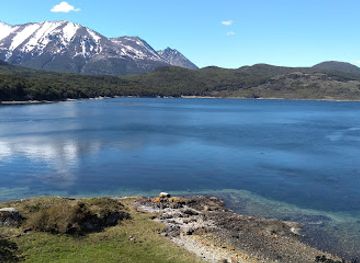
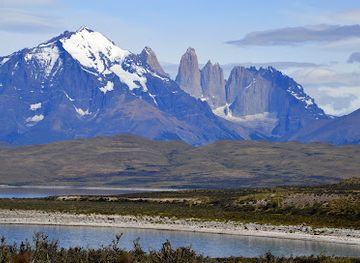
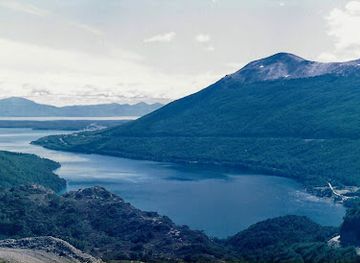
The attraction landscape of Magallanes and Chilean Antarctica is defined by scale, wilderness and difficult access rather than by a dense chain of conventional sights. Torres del Paine National Park is the best-known destination, combining granite spires, glacial lakes, valleys and trails with opportunities to see guanacos, foxes and abundant birdlife. Around Puerto Natales, boat excursions reach the fjords and glaciers of Última Esperanza Sound, while the surrounding countryside contains estancias and broad Patagonian viewpoints. Punta Arenas offers museums, maritime history and excursions towards penguin colonies on the Strait of Magellan. On Tierra del Fuego, the Chilean side provides forest, steppe and coastal landscapes, including the protected wilderness of Karukinka National Park. Puerto Williams is a base for subantarctic walks, the Dientes de Navarino range and journeys through the Beagle Channel. Further south, Alberto de Agostini and Cabo de Hornos national parks protect glaciated islands, rainforests and storm-shaped coasts. Access to some areas is by boat or expedition vessel, and conditions can change quickly, so guided travel and flexible scheduling are often prudent.
-
National park
Parque Nacional Tierra del Fuego
Explore the breathtaking landscapes and rich wildlife of Parque Nacional Tierra del Fuego, Argentina's southernmost national park, a must-visit for nature enthusiasts.
-
Tourist attraction
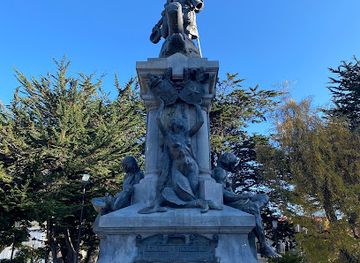
Plaza Armas Punta Arenas
Discover the vibrant heart of Punta Arenas at Plaza Armas, a historic square filled with culture, beauty, and local charm.
-
National park
Mylodon Cave Natural Monument
Explore Mylodon Cave Natural Monument - a breathtaking blend of history, stunning landscapes, and rich paleontological significance in Chile's Patagonia.
-
National park
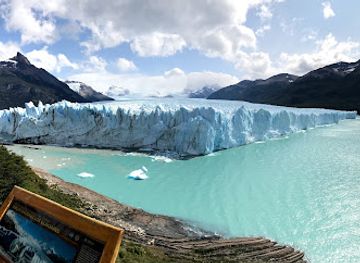
Parque Nacional Los Glaciares
Explore the breathtaking landscapes and awe-inspiring glaciers of Parque Nacional Los Glaciares, a must-visit destination in Patagonia, Argentina.
Best landmarks in Magallanes and Chilean Antarctica Region
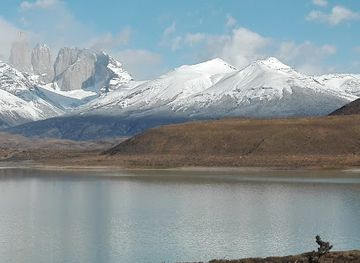
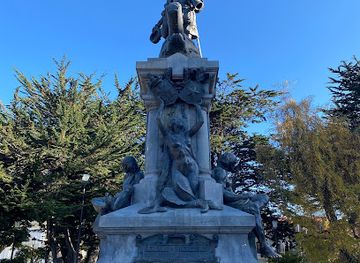
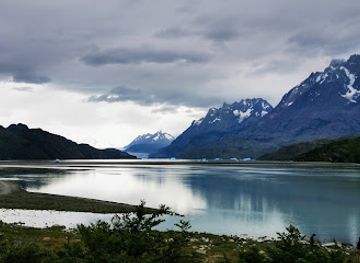
The granite towers and horn-shaped peaks of Torres del Paine are Magallanes’s most recognisable natural landmarks, rising above lakes and valleys in the national park. Grey Glacier, part of the Southern Patagonian Ice Field, is another defining feature, viewed from designated trails or boat routes rather than approached casually. In Punta Arenas, the Monument to Ferdinand Magellan in Plaza Muñoz Gamero and the city’s historic mansions reflect the port’s maritime and commercial past. The Strait of Magellan itself is a geographical landmark whose narrow waters shaped global navigation and Chilean settlement. Cape Froward, the southernmost point of the South American mainland, lies on the Brunswick Peninsula and is associated with remote coastal trekking and difficult access. Farther south, the Dientes de Navarino range forms a jagged backdrop above Puerto Williams, while Cape Horn marks the exposed meeting of ocean routes in the Cabo de Hornos archipelago. The Beagle Channel, shared geographically with Argentina, is central to the landscape around Puerto Williams, although the Chilean town and its surrounding islands remain distinctly connected to Magallanes.
-
National park
Torres del Paine National Park
Explore the stunning landscapes of Torres del Paine National Park, a natural wonder in Chile known for its majestic peaks and rich biodiversity.
-
Tourist attraction
Plaza Armas Punta Arenas
Experience the vibrant culture and history of Punta Arenas at Plaza Armas, the city's iconic and lively central square.
-
Observation deck
Cerro de la Cruz
Discover the breathtaking views and rich history at Cerro de la Cruz, Punta Arenas' iconic observation deck offering stunning panoramas of the region.
-
Sculpture
Monumento al Ovejero
Explore the Monumento al Ovejero in Punta Arenas, a stunning sculpture celebrating the rich heritage of shepherding in Patagonia's breathtaking landscapes.
Explore Magallanes and Chilean Antarctica Region on the map
Plan your trip on one map. See where the top cities, national parks and sights are, and book hotels and experiences in a few clicks.
Best hotels in Magallanes and Chilean Antarctica Region
Best restaurants in Magallanes and Chilean Antarctica Region
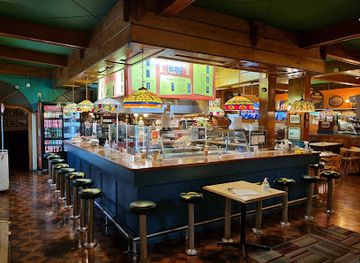
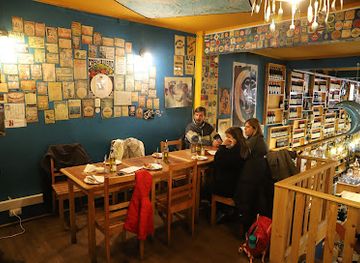
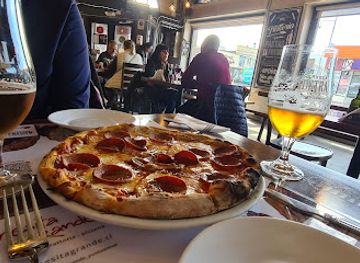
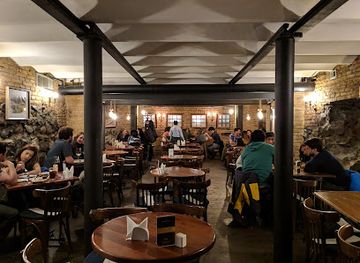
Regional cooking draws on Magallanes’s sheep-ranching heritage, cold southern seas and long supply lines. Roast or grilled Patagonian lamb is a defining speciality, while king crab, southern hake, mussels and other seafood feature prominently in Punta Arenas and Puerto Natales. Menus may also include hearty soups, empanadas, breads and desserts made with calafate berries, a blue-purple fruit associated with southern Patagonia. Urban restaurants range from straightforward seafood houses and traditional parrillas to contemporary kitchens using local ingredients, while cafés and bakeries are useful stops in cool, windy weather. Rural lodges and estancias often serve filling meals suited to trekking and outdoor work rather than elaborate cuisine. Craft beer is widely encountered in the main towns, and Chilean wine is available, although the regional identity is more strongly associated with lamb, seafood and berry products than with local vineyards. In remote parks and islands, food choices are limited and visitors on self-catering trips should plan supplies in advance.
-
Restaurant
Lomito's
Discover authentic Chilean flavors at Lomito's in Punta Arenas - where delicious cuisine meets warm hospitality.
-
Restaurant
La Luna
Experience authentic Chilean cuisine at La Luna, where local flavors meet modern dining in Punta Arenas.
-
Pizza
Mesita Grande
Experience authentic Italian cuisine at Mesita Grande - where every pizza tells a story of tradition and flavor.
-
Grill
Taberna Club de La Union
Experience authentic Chilean flavors at Taberna Club de La Union in Punta Arenas - where every meal tells a story.
Best bars in Magallanes and Chilean Antarctica Region
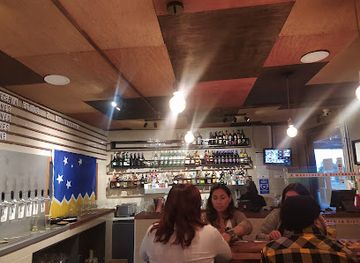
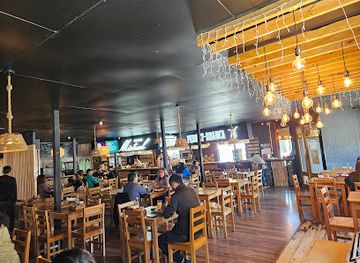
Evening life is concentrated in Punta Arenas and Puerto Natales, with smaller and quieter scenes in Puerto Williams and rural settlements. Traditional pubs, hotel bars, cafés, breweries and restaurants provide the main social settings, particularly after a day outdoors. Punta Arenas has the broadest choice of bars and occasional live-music venues, while Puerto Natales caters strongly to trekkers, guides and expedition travellers. Nightclubs exist but are not the defining feature of the region, and opening patterns can vary with the season and local demand. In estancias, lodges and remote communities, evenings are more likely to involve a meal, conversation, a wood-fired stove or an early night than late entertainment. Local beer and Chilean wine are common choices, but travellers should not assume that drinking is necessary to participate in regional culture. Arrange transport in advance outside the main centres, since distances, weather and limited late services can make spontaneous returns difficult.
-
Brewpub
Bar Bulnes Punta Arenas
Discover the vibrant flavors of Punta Arenas at Bar Bulnes, where gourmet burgers and craft beers await in a cozy brewpub setting.
-
Bar
Rústico Restobar
Experience the vibrant flavors of Chilean cuisine at Rústico Restobar, the heart of Punta Arenas nightlife and dining.
-
Grill
Taberna Club de La Union
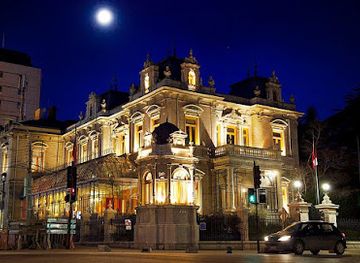
Discover the vibrant grill scene at Taberna Club de La Union in Punta Arenas, where local flavors meet a lively atmosphere.
-
Chilean
Sotito's Restaurant
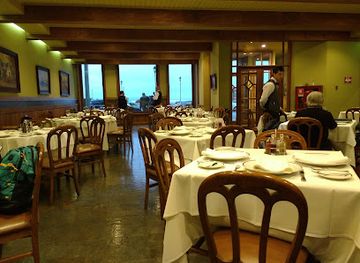
Discover authentic Chilean flavors at Sotito's Restaurant in Punta Arenas, where every dish tells a story of tradition and taste.
Best nightclubs in Magallanes and Chilean Antarctica Region
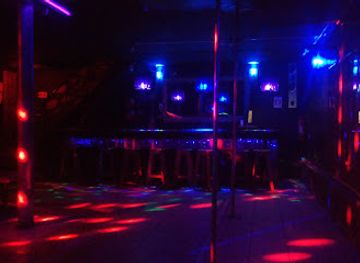
Evening life is concentrated in Punta Arenas and Puerto Natales, with smaller and quieter scenes in Puerto Williams and rural settlements. Traditional pubs, hotel bars, cafés, breweries and restaurants provide the main social settings, particularly after a day outdoors. Punta Arenas has the broadest choice of bars and occasional live-music venues, while Puerto Natales caters strongly to trekkers, guides and expedition travellers. Nightclubs exist but are not the defining feature of the region, and opening patterns can vary with the season and local demand. In estancias, lodges and remote communities, evenings are more likely to involve a meal, conversation, a wood-fired stove or an early night than late entertainment. Local beer and Chilean wine are common choices, but travellers should not assume that drinking is necessary to participate in regional culture. Arrange transport in advance outside the main centres, since distances, weather and limited late services can make spontaneous returns difficult.
-
Bar
Night Club Nanos
Discover the vibrant nightlife at Night Club Nanos in Punta Arenas, where unforgettable evenings of music, dance, and exquisite drinks await.
-
Night club
Club K
Discover Punta Arenas' dynamic nightlife at Club K, where music, dance, and vibrant energy come together for an unforgettable experience.
-
Disco club
Drive In Los Brujos
Experience the electrifying nightlife at Drive In Los Brujos, Punta Arenas' premier disco club, where music, dance, and fun come together in an unforgettable atmosphere.
-
Night club
Nuevo Ritmo
Discover the vibrant nightlife at Nuevo Ritmo, Punta Arenas' premier night club offering electrifying music and unforgettable experiences.


Best shops in Magallanes and Chilean Antarctica Region
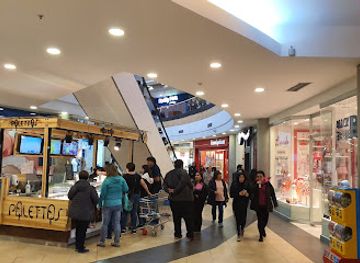
Shopping in Magallanes is practical and locally focused rather than centred on large luxury retail districts. Punta Arenas has the broadest selection of shops, supermarkets, outdoor-equipment suppliers, bookshops and independent retailers, while Puerto Natales combines trekking stores with small galleries, craft outlets and food shops. Visitors commonly look for woollen goods, knitwear, leatherwork, locally made crafts, books about Patagonia and packaged products featuring calafate berries. Regional foodstuffs such as preserves, chocolates, smoked products and spirits can make suitable gifts, subject to customs rules in the traveller’s destination. Markets and small artisan displays may appear in the main towns, but schedules and stallholders can change seasonally. Puerto Williams offers a more limited range of locally produced crafts and expedition supplies. Outdoor clothing and equipment are available in the principal centres, though specialist items can be expensive or in short supply, so serious trekkers should bring essential gear rather than rely entirely on last-minute purchases.
-
Shopping mall
Mall Espacio Urbano Pionero
Explore the Mall Espacio Urbano Pionero for a unique shopping and dining experience in Punta Arenas, Chile, blending modern style with local charm.
-
Camping store
Austral Mall Area
Discover the Australl Mall Area in Punta Arenas: your ultimate destination for outdoor gear, local shopping, and family-friendly adventures.
-
Tourist attraction
Costanera
Explore Costanera in Punta Arenas - a serene waterfront promenade offering stunning views of the Strait of Magellan and a glimpse into local culture.
-
Sculpture
La Mano
Discover La Mano in Puerto Natales, a stunning sculpture that symbolizes the connection between humanity and nature amidst the breathtaking landscapes of Patagonia.

Get your free copy of our complete guide to Magallanes and Chilean Antarctica Region, delivered straight to you.
Everything on this page, from attractions and restaurants to essentials and local phrases, in one PDF you can read offline, print or share.
Already have an account? Sign in
Your Magallanes and Chilean Antarctica Region guide is ready.
We'll send it to · Not you? Sign out

Getting your guide ready…
We are putting together a fresh copy of the Magallanes and Chilean Antarctica Region guide. This can take up to a minute.
This can take a few moments. If your browser asks, choose Allow so the download can start. You'll find the guide in your Downloads folder.
Nothing happened? Download it again
Sorry, the guide is taking longer than usual. Please try again in a minute, or get it by email instead.
Magallanes and Chilean Antarctica Region essentials
Currency and Payment
Safety
Emergency Situations
Do's and Don'ts
Local Tips
From Eve
Local phrases worth knowing
You don't need to get them perfect. A few words go a long way, and locals appreciate the effort.
Basics
| English | Local | Say it |
|---|---|---|
| Hello | Hola | [Ola] |
| Goodbye | Adiós | [A-dyos] |
| Yes | Sí | [See] |
| No | No | [No] |
| Please/You're welcome | Por favor | [Por fa-vor] |
| Thank you | Gracias | [Gra-sias] |
| Excuse me/Sorry | Disculpa | [Dis-cul-pa] |
| How are you? | ¿Cómo estás? | [Ko-mo es-tas] |
| Fine. And you? | Bien. ¿Y tú? | [Byen. Ee tu] |
| Do you speak English? | ¿Hablas inglés? | [A-blas in-gles] |
| I don't understand | No entiendo | [No en-tien-do] |
Eating & Drinking
| English | Local | Say it |
|---|---|---|
| I'd like to see the menu, please | Me gustaría ver el menú, por favor | [Me gus-ta-ria ver el me-nu, por fa-vor] |
| I don't eat meat | No como carne | [No co-mo car-ne] |
| Cheers! | ¡Salud! | [Sa-lud] |
| I would like to pay, please | Me gustaría pagar, por favor | [Me gus-ta-ria pa-gar, por fa-vor] |
Emergencies
| English | Local | Say it |
|---|---|---|
| Help! | ¡Ayuda! | [A-yu-da] |
| Go away! | ¡Vete! | [Ve-te] |
| Call the Police! | ¡Llama a la policía! | [Ya-ma a la po-li-cia] |
| Call a doctor! | ¡Llama a un doctor! | [Ya-ma a un doc-tor] |
| I'm lost | Estoy perdido | [Es-toy per-di-do] |
| I'm ill | Estoy enfermo | [Es-toy en-fer-mo] |
Shopping
| English | Local | Say it |
|---|---|---|
| I'd like to buy... | Me gustaría comprar... | [Me gus-ta-ria com-prar] |
| I'm just looking | Solo estoy mirando | [So-lo es-toy mi-ran-do] |
| How much is it? | ¿Cuánto cuesta? | [Kwan-to kwes-ta] |
| That's too expensive | Eso es muy caro | [E-so es muy ca-ro] |
| Can you lower the price? | ¿Puedes bajar el precio? | [Pwe-des ba-har el pre-cio] |
Time & Numbers
| English | Local | Say it |
|---|---|---|
| What time is it? | ¿Qué hora es? | [Ke o-ra es] |
| It's one o'clock | Es la una | [Es la u-na] |
| Half past (10) | Y diez | [Ee dies] |
| Morning | Mañana | [Ma-ña-na] |
| Afternoon | Tarde | [Tar-de] |
| Evening | Noche | [No-che] |
| Yesterday | Ayer | [A-yer] |
| Today | Hoy | [Hoy] |
| Tomorrow | Mañana | [Ma-ña-na] |
| 1 | Uno | [U-no] |
| 2 | Dos | [Dos] |
| 3 | Tres | [Tres] |
| 4 | Cuatro | [Kua-tro] |
| 5 | Cinco | [Sin-co] |
| 6 | Seis | [Se-is] |
| 7 | Siete | [Sye-te] |
| 8 | Ocho | [O-cho] |
| 9 | Nueve | [Nwe-ve] |
| 10 | Diez | [Dies] |
Transport & Directions
| English | Local | Say it |
|---|---|---|
| Where's a/the...? | ¿Dónde está...? | [Don-de es-ta] |
| What's the address? | ¿Cuál es la dirección? | [Kwal es la di-re-cción] |
| Can you show me (on the map)? | ¿Puedes mostrarme (en el mapa)? | [Pwe-des mos-trar-me en el ma-pa] |
| When's the next (bus)? | ¿Cuándo es el próximo (bus)? | [Kwan-do es el pro-xi-mo] |
| A ticket (to ....) | Un boleto (a ....) | [Un bo-le-to a] |
History of Magallanes and Chilean Antarctica Region
Indigenous Worlds before European Settlement
The channels, forests, steppes and coasts of Magallanes were inhabited long before European arrival. The Kawésqar travelled through the western fjords and channels, the Yagán lived around the waterways of the Beagle Channel and Cape Horn, and the Selk'nam inhabited much of Tierra del Fuego. Their societies developed detailed knowledge of navigation, seasonal movement, animals and plants in demanding climates. Archaeological sites and museum collections provide evidence of long human occupation, while contemporary Indigenous voices are increasingly important in interpreting the region’s history and challenging older accounts that marginalised or misrepresented these communities.
The Strait of Magellan and European Navigation
Ferdinand Magellan’s expedition passed through the strait in 1520, giving the waterway its European name and establishing a navigable route between the Atlantic and Pacific. For centuries the passage remained strategically important to maritime powers, despite difficult weather, strong currents and complex channels. European charts gradually improved, but permanent settlement was limited until the nineteenth century. Cape Horn, the southern archipelagos and the strait consequently became associated with exploration, naval navigation and the hazards of long-distance sailing.
Punta Arenas and Chilean Expansion
Chile established a settlement at Punta Arenas in 1848, strengthening its presence in the Strait of Magellan. The town grew from a remote outpost into a port, administrative centre and base for exploration and commerce. After the opening of the Panama Canal reduced the strait’s importance for many interoceanic voyages, Punta Arenas retained a significant regional role through shipping, government, trade and links with the southern territories. Its historic architecture reflects the wealth and ambitions accumulated during the port’s expansion.
Colonisation, Indigenous Dispossession and Memory
The nineteenth and early twentieth centuries brought intensified settlement, sheep ranching and commercial exploitation across Patagonia and Tierra del Fuego. Expansion caused catastrophic disruption to Selk'nam, Yagán and Kawésqar communities through land seizure, violence, introduced diseases and pressure from missionaries and settlers. The persecution of the Selk'nam is among the darkest chapters in the region’s history. Today, museums, memorials, cultural initiatives and Indigenous organisations contribute to a more accurate public understanding, although the effects of dispossession and demographic decline remain part of the region’s living history.
Sheep Ranching and the Wool Economy
From the late nineteenth century, large estancias transformed the eastern plains of Magallanes and Tierra del Fuego. Sheep farming, wool exports and associated trades connected remote ranches with Punta Arenas and international markets. The estancia system shaped land ownership, roads, employment and settlement patterns, while fences and stock routes altered the open steppe. Although wool is no longer the region’s sole economic foundation, ranching remains visible in working landscapes, historic farm buildings, rural museums and local food traditions, particularly the prominence of Patagonian lamb.
The Beagle Channel Dispute and Southern Borders
The channels and islands south of Tierra del Fuego were central to a long-running territorial dispute between Chile and Argentina. Tensions over the Beagle Channel intensified in the twentieth century, particularly around the Picton, Nueva and Lennox islands, before mediation by Pope John Paul II helped produce the 1984 Treaty of Peace and Friendship. The settlement confirmed much of the modern southern boundary and enabled closer cooperation. Puerto Williams and Ushuaia, on opposite sides of the channel, remain important reminders of the region’s strategic geography.
Conservation and the Modern Tourism Economy
The establishment and expansion of protected areas changed how the region’s landscapes were managed and visited. Torres del Paine became an internationally recognised trekking destination, while parks and reserves across the fjords, subantarctic forests and Cape Horn archipelago protect glaciers, wildlife and culturally significant environments. Tourism now complements shipping, public administration, ranching, fishing and energy-related activity. Its growth has also brought pressure on trails, water, waste systems and habitats, making responsible access and careful management central to Magallanes’s contemporary future.
Magallanes and Chilean Antarctica Region in Photos
Browse through our photo collection highlighting the charm and character of the destination.
Neighbouring regions of Magallanes and Chilean Antarctica Region
The closest regions to Magallanes and Chilean Antarctica Region, if you have time for more than one.
-
-

-

-

-


Swipe for more regions
Explore more

Explore more of Chile
Discover Chile: From the Atacama Desert to Patagonia's Glaciers, Experience Diverse Landscapes, Rich Culture, and World-Class Wine in This South American Gem.
Explore Chile