

Free Tierra del Fuego Travel Guide & Mobile App
Explore Tierra del Fuego with free travel guides. Discover regional history, expert tips, proposed trips, and audio guides on web or mobile app.


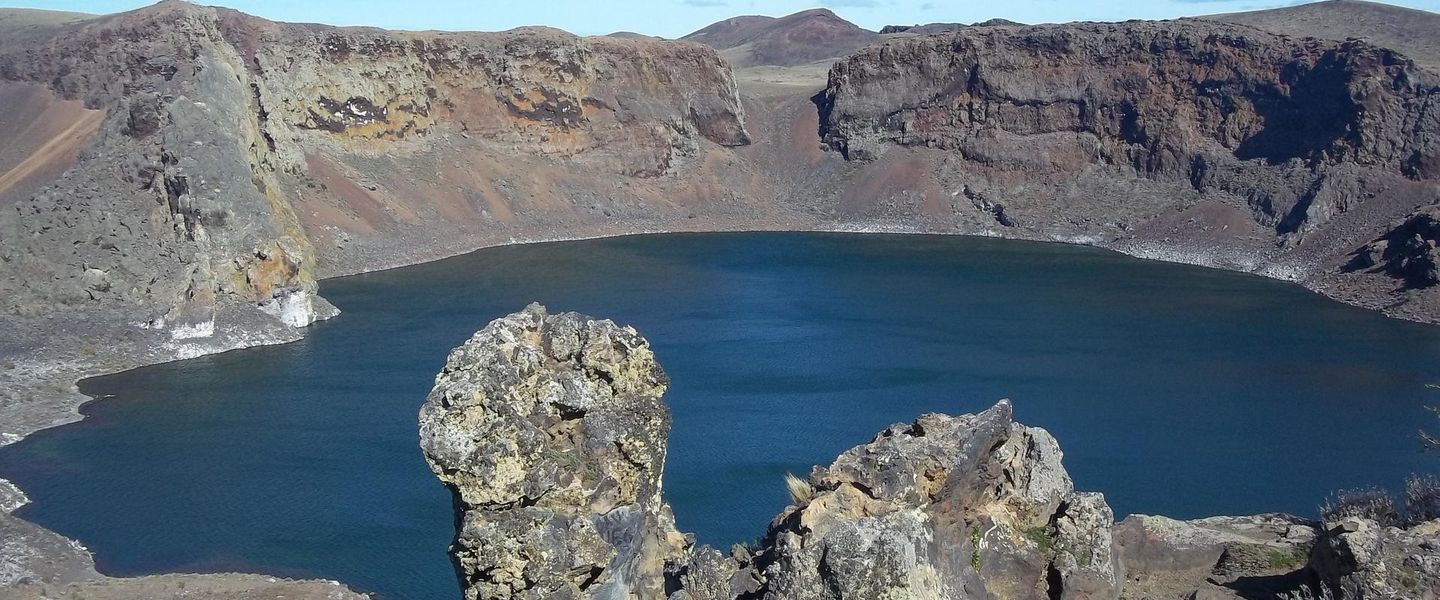


Explore Chilean Tierra del Fuego for king penguins, Patagonian steppe, remote forests, ranching history and wide island landscapes.
Read more about Tierra del Fuego
When is the best time to visit Tierra del Fuego?
Best: December–February · 13°C| Month | High (°C) | Rainfall (mm) |
|---|---|---|
| January (best) | 13 | 40 |
| February (best) | 13 | 35 |
| March | 11 | 45 |
| April | 9 | 50 |
| May | 8 | 55 |
| June | 6 | 60 |
| July | 6 | 65 |
| August | 7 | 60 |
| September | 9 | 55 |
| October | 12 | 50 |
| November | 12 | 45 |
| December (best) | 13 | 40 |
Getting to and around Tierra del Fuego
How to get there
Transportation
Top city travel guides in Tierra del Fuego
The cities of Tierra del Fuego, and the easiest places to base yourself.

Swipe for more cities
Best attractions in Tierra del Fuego
Tierra del Fuego's attractions are dispersed through a working island landscape rather than concentrated in one resort centre. Porvenir provides the principal cultural starting point, with museums and local collections explaining Selk'nam heritage, colonisation, gold prospecting and ranching. West and south of the town, open roads lead to lagoons, peatlands, beech woodland and the shores of Lago Blanco and Lago Fagnano. Bahía Inútil is home to the Parque Pingüino Rey, where a carefully managed viewing area protects a colony of king penguins. In the north, Cerro Sombrero offers insight into the island's twentieth-century oil industry and planned settlement. Farther south, Karukinka Natural Park protects extensive forests, wetlands and steppe, with opportunities for hiking, birdwatching and wildlife observation where access and conditions permit. Estancias, gravel routes and broad viewpoints add context to the scenery, while guanacos and abundant birdlife may appear beyond formal attractions. Distances, road conditions and limited facilities are part of the experience, so excursions need more preparation than a conventional sightseeing itinerary.
-
Sightseeing tour agency
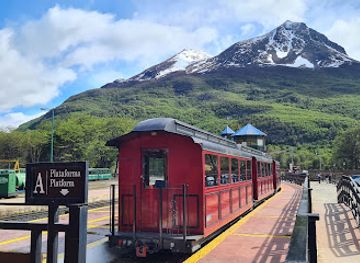
Southern Fuegian Railway
Experience the breathtaking beauty of Tierra del Fuego on the Southern Fuegian Railway, the ultimate sightseeing adventure for travelers.
-
Tourist attraction
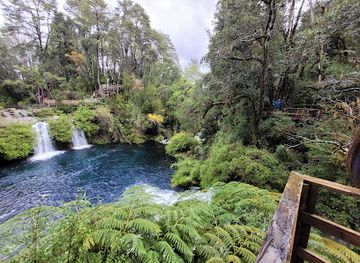
Parque Ojos del Caburgua
Discover the stunning beauty of Parque Ojos del Caburgua, a natural wonder with vibrant blue lagoons and lush landscapes in Pucón, Chile.
-
Observation deck
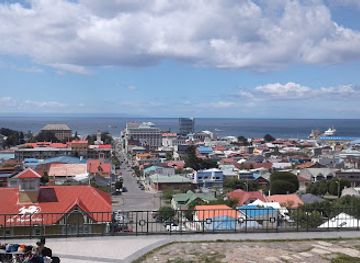
Cerro de la Cruz
Explore the breathtaking views of the Strait of Magellan from Cerro de la Cruz, a must-visit observation deck in Punta Arenas, Chile.
-
Park
Plaza Islands Malvinas
Discover the breathtaking landscapes and rich biodiversity of Plaza Islands Malvinas, a serene park in Ushuaia, Argentina, where nature and history intertwine.
Best landmarks in Tierra del Fuego
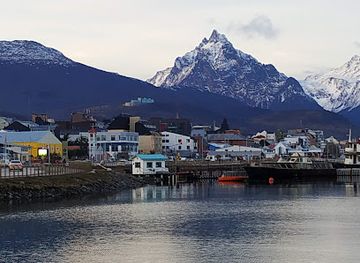
Porvenir's waterfront and low-rise historic centre form the clearest civic landmark group in Chilean Tierra del Fuego, expressing the town's role as the island's administrative and maritime gateway. The Bahía Chilota landing area is an important practical and geographical marker, linking the Chilean island to the mainland across the Strait of Magellan. At Bahía Inútil, the broad bay itself is a defining natural landmark, with the king penguin colony adding an internationally recognisable wildlife presence. Cerro Sombrero is notable for its planned modernist architecture, built around the twentieth-century oil industry rather than the colonial or ranching forms found elsewhere in Patagonia. Inland, Lago Blanco and Lago Fagnano provide striking examples of glacially shaped scenery, bordered by forests and open terrain. The old ranching landscape, marked by estancia buildings, fences and expansive steppe, is less monumental but central to the island's visual identity. In the south, the forests and wetlands of Karukinka Natural Park represent a protected natural heritage whose significance lies in scale, ecological continuity and relative remoteness.
-
Park
Paseo de la Costa
Experience Neuquén's vibrant riverside park with scenic paths, lush gardens, and cultural events along the Limay River.
-
Sightseeing tour agency
Southern Fuegian Railway
Journey through history and stunning landscapes aboard the world's southernmost railway, once used by Ushuaia's prison inmates.
-
National park
Parque Nacional Tierra del Fuego
Explore the breathtaking landscapes and rich biodiversity of Parque Nacional Tierra del Fuego, a must-visit national park at the southern tip of Argentina.
-
National park
Torres del Paine National Park
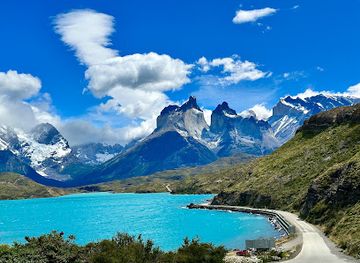
Explore Torres del Paine National Park, a stunning natural haven in Patagonia, Chile, featuring iconic mountains, vibrant lakes, and abundant wildlife.

Explore Tierra del Fuego on the map
Plan your trip on one map. See where the top cities, national parks and sights are, and book hotels and experiences in a few clicks.
Best hotels in Tierra del Fuego
Best restaurants in Tierra del Fuego
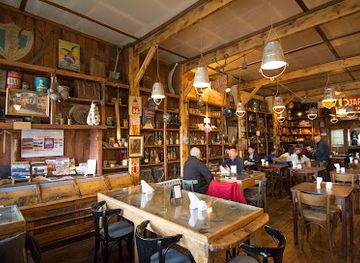
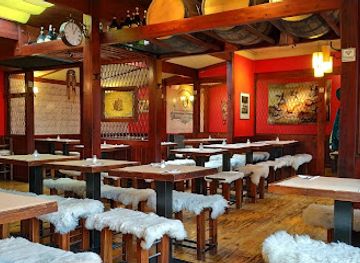
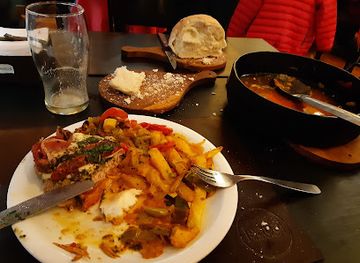
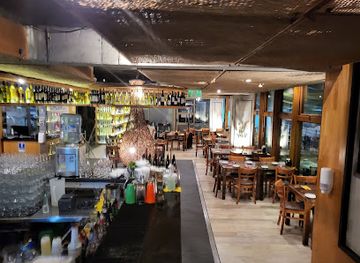
Dining in Tierra del Fuego is centred on Porvenir and on practical meals associated with a remote working region. Cafés, modest restaurants and accommodation dining rooms provide dependable places to eat, while rural stays may offer advance-arranged meals rather than a walk-in restaurant service. Chilean staples such as empanadas, soups, grilled meats and seafood appear alongside lamb and mutton connected with Magallanes ranching culture. Fish and shellfish are more closely associated with the wider southern Chilean region than with every inland district, but may feature in Porvenir when supplied locally or from the mainland. Bakery goods, preserves and packed provisions are useful for long drives, particularly towards Bahía Inútil or the southern parks. Supermarkets and small shops in Porvenir can supply basic food, although choice is limited and prices reflect transport distances. Visitors should organise picnic supplies, drinking water and any dietary essentials before leaving town, as remote attractions generally have few or no food outlets.
-
Restaurant
Ramos Generales El Almacén
Experience the best of Ushuaia at Ramos Generales El Almacén - where delicious food meets warm hospitality in a charming setting.
-
Argentinian
Bodegón Fueguino
Experience authentic Argentinian cuisine at Bodegón Fueguino in Ushuaia—where local flavors meet warm hospitality in a cozy setting.
-
Argentinian
Isabel, Cocina al disco
Discover the rich flavors of Argentinian cuisine at Isabel, Cocina al disco in Ushuaia - where tradition meets taste.
-
Chilean
Tierra de Fuego
Experience authentic Chilean cuisine at Tierra de Fuego in Viña del Mar – where tradition meets flavor amidst stunning coastal views.
Best bars in Tierra del Fuego
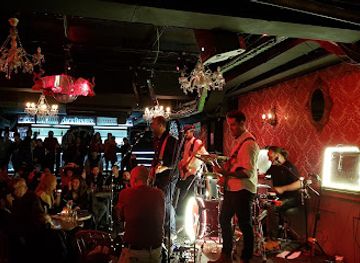
Tierra del Fuego does not have a major clubbing scene; evening life is concentrated in Porvenir and follows the rhythm of a small, remote regional town. Local pubs, cafés and simple bars are places for conversation, meals and drinks rather than late-night entertainment, while accommodation dining rooms may provide the most convenient option outside town. Chilean beer, wine and pisco-based drinks are available, but alcohol should not be treated as the principal way to experience the island. Some evenings may include community, cultural or live-music activity, though these are changeable and should be confirmed locally. In ranching districts and near the southern reserves, darkness, distance and early starts make a quiet night more typical than a night out. Drivers should plan transport before drinking, since taxis and alternative services are limited beyond Porvenir.
-
Bar
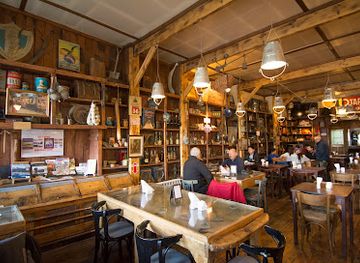
Ramos Generales El Almacén
Discover the unique flavors of Ushuaia at Ramos Generales El Almacén, a cozy bar and bakery offering delicious local cuisine in a picturesque setting.
-
Argentinian
Bodegón Fueguino
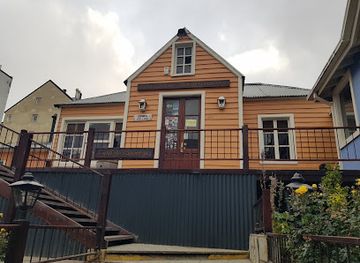
Discover the authentic flavors of Argentinian cuisine at Bodegón Fueguino, a cozy restaurant in Ushuaia, Tierra del Fuego.
-
Bar
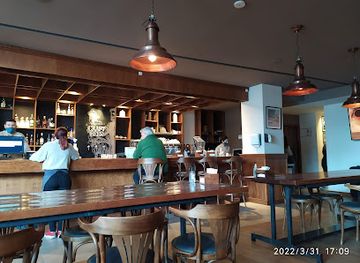
Tante Sara - Café & Bar
Experience the heart of Argentinian cuisine at Tante Sara - Café & Bar in Ushuaia, a perfect blend of local flavors and inviting ambiance.
-
Irish pub
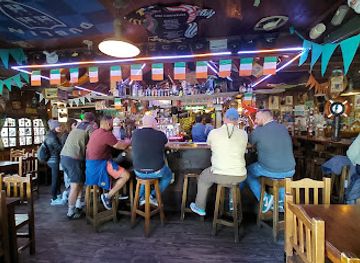
Dublin
Discover Dublin, Ushuaia’s vibrant Irish pub, where traditional culture meets lively entertainment amidst breathtaking landscapes.
Best nightclubs in Tierra del Fuego
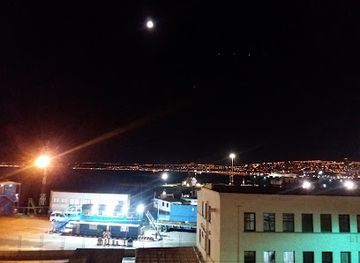
Tierra del Fuego does not have a major clubbing scene; evening life is concentrated in Porvenir and follows the rhythm of a small, remote regional town. Local pubs, cafés and simple bars are places for conversation, meals and drinks rather than late-night entertainment, while accommodation dining rooms may provide the most convenient option outside town. Chilean beer, wine and pisco-based drinks are available, but alcohol should not be treated as the principal way to experience the island. Some evenings may include community, cultural or live-music activity, though these are changeable and should be confirmed locally. In ranching districts and near the southern reserves, darkness, distance and early starts make a quiet night more typical than a night out. Drivers should plan transport before drinking, since taxis and alternative services are limited beyond Porvenir.
-
Night club
Club Ambar
Discover the electric atmosphere of Club Ambar, Santiago's premier night club, where vibrant music and unforgettable nights await you.
-
Bar
Candelaria Bar
Experience the vibrant nightlife of Santiago at Candelaria Bar, a must-visit destination for cocktails, music, and socializing.
-
Disco club
Mero Club
Experience the vibrant nightlife of Valparaíso at Mero Club, a lively disco club that offers a unique blend of music, dancing, and local culture.
-
Disco club
Terraza Bellavista
Unleash your inner dancer at Terraza Bellavista, the iconic disco club in Valparaíso, where vibrant nightlife meets breathtaking views.


Best shops in Tierra del Fuego
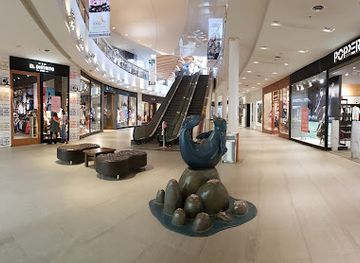
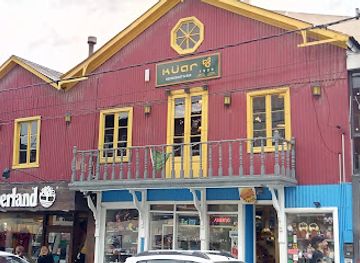
Shopping in Tierra del Fuego is practical and locally focused, with Porvenir offering the broadest selection of small shops, supermarkets, cafés and craft outlets. Visitors can look for woollen goods, handmade textiles, locally themed artwork, books and small souvenirs connected with Patagonian landscapes and wildlife, while food shops are useful for assembling provisions before a long drive. The island's ranching identity may be reflected in wool and leather products, but quality and provenance vary, so ask sellers about how goods were made rather than assuming every item is locally produced. Markets and community sales may appear around local events, although they are not a permanent daily feature and should be checked in town. Cerro Sombrero has a smaller service and retail offer associated with its settlement rather than a conventional shopping district. There is little justification for travelling to Tierra del Fuego for luxury retail; the most meaningful purchases are durable crafts, regional food supplies and well-made products that support local makers.
-
Shopping mall
Fire Walk Shopping Center
Discover the Fire Walk Shopping Center in Ushuaia - a vibrant hub for shopping, dining, and entertainment that captures the essence of Tierra del Fuego.
-
Duty free store
Atlantico Sur Duty Free Shop
Explore tax-free shopping at Atlántico Sur Duty Free Shop in Ushuaia, featuring luxury goods, local wines, and unique souvenirs.
-
Shopping mall
Shopping center paseo de compras
Explore the Shopping Center Paseo de Compras in Ushuaia for a unique shopping experience and taste the flavors of Tierra del Fuego.
-
Book store
Boutique del Libro
Experience the charm of Boutique del Libro in Ushuaia, a literary treasure trove offering a unique selection of books and local culture.
Get your free copy of our complete guide to Tierra del Fuego, delivered straight to you.
Everything on this page, from attractions and restaurants to essentials and local phrases, in one PDF you can read offline, print or share.
Already have an account? Sign in
Your Tierra del Fuego guide is ready.
We'll send it to · Not you? Sign out

Getting your guide ready…
We are putting together a fresh copy of the Tierra del Fuego guide. This can take up to a minute.
This can take a few moments. If your browser asks, choose Allow so the download can start. You'll find the guide in your Downloads folder.
Nothing happened? Download it again
Sorry, the guide is taking longer than usual. Please try again in a minute, or get it by email instead.
Tierra del Fuego essentials
Currency and Payment
Safety
Emergency Situations
Do's and Don'ts
Local Tips
From Eve
Local phrases worth knowing
You don't need to get them perfect. A few words go a long way, and locals appreciate the effort.
Basics
| English | Local | Say it |
|---|---|---|
| Hello | Hola | [oh-lah] |
| Goodbye | Adiós | [ah-dee-ohs] |
| Yes | Sí | [see] |
| No | No | [noh] |
| Please/You're welcome | Por favor | [por fah-vor] |
| Thank you | Gracias | [grah-syahs] |
| Excuse me/Sorry | Disculpa | [dees-kool-pah] |
| How are you? | ¿Cómo estás? | [koh-moh es-tahs] |
| Fine. And you? | Bien. ¿Y tú? | [byen. ee too] |
| Do you speak English? | ¿Hablas inglés? | [ah-blahs een-glehs] |
| I don't understand | No entiendo | [noh en-tee-en-doh] |
Eating & Drinking
| English | Local | Say it |
|---|---|---|
| I'd like to see the menu, please | Me gustaría ver el menú, por favor | [meh goos-tah-ree-ah vehr el meh-noo, por fah-vor] |
| I don't eat meat | No como carne | [noh koh-moh kar-neh] |
| Cheers! | ¡Salud! | [sah-lood] |
| I would like to pay, please | Quisiera pagar, por favor | [kee-syeh-rah pah-gar, por fah-vor] |
Emergencies
| English | Local | Say it |
|---|---|---|
| Help! | ¡Ayuda! | [ah-yoo-dah] |
| Go away! | ¡Ve lejos! | [veh leh-hos] |
| Call the Police! | ¡Llama a la policía! | [yah-mah ah lah poh-lee-syah] |
| Call a doctor! | ¡Llama a un doctor! | [yah-mah ah oon dok-tor] |
| I'm lost | Estoy perdido | [es-toy pair-dee-doh] |
| I'm ill | Estoy enfermo | [es-toy en-fer-mo] |
Shopping
| English | Local | Say it |
|---|---|---|
| I'd like to buy... | Quisiera comprar... | [kee-syeh-rah kom-prar] |
| I'm just looking | Solo estoy mirando | [so-lo es-toy mee-ran-doh] |
| How much is it? | ¿Cuánto cuesta? | [kwahn-toh kwes-tah] |
| That's too expensive | Es muy caro | [es mwee kah-roh] |
| Can you lower the price? | ¿Puedes bajar el precio? | [pweh-des bah-har el preh-syo] |
Time & Numbers
| English | Local | Say it |
|---|---|---|
| What time is it? | ¿Qué hora es? | [keh oh-rah es] |
| It's one o'clock | Es la una | [es lah oo-nah] |
| Half past (10) | Las diez y media | [las dyehs ee meh-dee-ah] |
| Morning | Mañana | [mah-nyah-nah] |
| Afternoon | Tarde | [tar-deh] |
| Evening | Noche | [noh-cheh] |
| Yesterday | Ayer | [ah-yehr] |
| Today | Hoy | [oy] |
| Tomorrow | Mañana | [mah-nyah-nah] |
| 1 | Uno | [oo-noh] |
| 2 | Dos | [dohs] |
| 3 | Tres | [tress] |
| 4 | Cuatro | [kwah-troh] |
| 5 | Cinco | [seen-koh] |
| 6 | Seis | [says] |
| 7 | Siete | [syeh-teh] |
| 8 | Ocho | [oh-choh] |
| 9 | Nueve | [nweh-veh] |
| 10 | Diez | [dyehs] |
Transport & Directions
| English | Local | Say it |
|---|---|---|
| Where's a/the...? | ¿Dónde está un/una...? | [dohn-deh es-tah oon/oo-nah] |
| What's the address? | ¿Cuál es la dirección? | [kwahl es lah dee-rek-syohn] |
| Can you show me (on the map)? | ¿Puedes mostrarme (en el mapa)? | [pweh-des mohs-trar-meh (en el mah-pah)] |
| When's the next (bus)? | ¿Cuándo es el próximo (bus)? | [kwahn-doh es el prohk-see-mo (boos)] |
| A ticket (to ....) | Un boleto (a ...) | [oon bo-leh-toh (ah ...)] |
History of Tierra del Fuego
Selk'nam and Haush Homelands
Tierra del Fuego was inhabited for thousands of years before European arrival. The Selk'nam lived across much of the island's interior and northern plains, developing highly mobile hunting practices centred on guanaco and other resources. The Haush occupied the south-eastern sector. Their knowledge of seasons, terrain and wildlife shaped the island's human geography, while archaeological sites record long occupation of coasts, forests and steppe. European intrusion, introduced diseases, land seizure and violence caused catastrophic population loss. Contemporary understanding of Tierra del Fuego increasingly places Indigenous history at the centre rather than treating it as a prelude to colonisation.
European Exploration and the Strait of Magellan
European ships entered the region after Ferdinand Magellan's expedition passed through the strait in 1520, giving the island its European name through the fires observed along its shores. For centuries, the channels and coastlines were visited intermittently by navigators, missionaries and scientific expeditions, but permanent settlement remained limited. The strait's strategic importance grew because it offered a navigable route between the Atlantic and Pacific before the Panama Canal. The geography of Tierra del Fuego was consequently linked to global maritime exploration long before roads or modern towns appeared.
The 1881 Chile–Argentina Boundary
The boundary treaty signed by Chile and Argentina in 1881 divided the island and surrounding territories between the two countries. Chile received the western part of Tierra del Fuego, while Argentina received the larger eastern section. The new international boundary shaped later transport, administration and settlement, although movement across the island continued to depend on geography rather than the straight lines shown on maps. For travellers today, the division explains why some practical journeys across Tierra del Fuego involve crossing an international border and why Chilean and Argentine histories coexist across the same island.
Ranching, Colonisation and Indigenous Dispossession
From the late nineteenth century, sheep ranching expanded across the open grasslands of Magallanes and Tierra del Fuego. Large estancias introduced fencing, imported livestock and new transport patterns, helping connect the island to the export economy centred on wool and meat. This transformation came at immense human cost. Selk'nam communities were displaced from their territories, and private violence and state failure accompanied the seizure of land. The remains of ranch buildings, fences and roads are visible reminders of an economic system that reshaped the landscape while contributing to the destruction of Indigenous societies.
Gold Prospecting and Porvenir
Gold discoveries in Tierra del Fuego during the late nineteenth century attracted prospectors and entrepreneurs to rivers and coastal districts. Although the rush did not produce a lasting mining metropolis, it encouraged settlement, trading activity and the development of Porvenir, founded in 1894. The town became an administrative and commercial centre for the Chilean portion of the island, serving ranches and remote communities. Its urban layout, waterfront setting and local museums preserve elements of this frontier period, while the wider story illustrates how mineral speculation, maritime access and state-building overlapped in southern Patagonia.
Oil Exploration and Cerro Sombrero
Petroleum exploration brought a new industrial phase to northern Tierra del Fuego in the twentieth century. State energy activity developed around fields such as Manantiales, and Cerro Sombrero emerged as a planned company settlement associated with the oil industry. Its modernist architecture and unusually coordinated civic layout contrast with the island's older ranching landscapes. Oil did not replace all other regional activities, but it created new employment, infrastructure and patterns of settlement. The industrial heritage of northern Tierra del Fuego remains an important counterpoint to the more familiar images of sheep stations and wilderness.
Conservation and a Changing Regional Economy
Late twentieth-century and contemporary Tierra del Fuego have seen greater emphasis on conservation, scientific research and carefully managed tourism. The establishment of protected areas, including Karukinka Natural Park, helped preserve large tracts of forest, wetland and steppe while increasing attention to the effects of introduced beavers, climate change and habitat fragmentation. Tourism now complements ranching, public-sector activity and energy interests, but infrastructure remains sparse. The region's current identity therefore reflects both a continuing working landscape and a growing effort to protect its ecological and historical inheritance.
Tierra del Fuego in Photos
Browse through our photo collection highlighting the charm and character of the destination.
Neighbouring regions of Tierra del Fuego
The closest regions to Tierra del Fuego, if you have time for more than one.
-

-

-

-

-


Swipe for more regions
Explore more

Explore more of Chile
Discover Chile: From the Atacama Desert to Patagonia's Glaciers, Experience Diverse Landscapes, Rich Culture, and World-Class Wine in This South American Gem.
Explore Chile