

Free Patagonia Travel Guide & Mobile App
Explore Patagonia with free travel guides. Discover regional history, expert tips, proposed trips, and audio guides on web or mobile app.


Explore Chilean Patagonia for glacier-carved landscapes, remote fjords, mountain treks, wildlife, historic ports and long-distance wilderness journeys.
Read more about Patagonia
When is the best time to visit Patagonia?
Best: December–February · 14°C| Month | High (°C) | Rainfall (mm) |
|---|---|---|
| January (best) | 14 | 50 |
| February (best) | 14 | 45 |
| March | 12 | 40 |
| April | 10 | 45 |
| May | 7 | 50 |
| June | 5 | 55 |
| July | 5 | 60 |
| August | 7 | 55 |
| September | 10 | 50 |
| October | 12 | 45 |
| November | 13 | 50 |
| December (best) | 14 | 55 |
Getting to and around Patagonia
How to get there
Transportation
Top city travel guides in Patagonia
The cities of Patagonia, and the easiest places to base yourself.
-

-


Swipe for more cities
Destinations in Patagonia
Resorts, valleys and scenic spots worth a trip of their own.

Swipe for more destinations
Best attractions in Patagonia
Chilean Patagonia's attractions are primarily landscapes experienced at walking pace, from day hikes to multi-day routes. Torres del Paine National Park offers granite mountains, glacial lakes, valleys and well-known trekking circuits, while Bernardo O'Higgins National Park and the Southern Patagonian Ice Field are explored mainly by boat or organised expedition. In Aysén, Queulat National Park combines temperate rainforest with the striking Ventisquero Colgante, and Cerro Castillo National Park provides demanding mountain trails near Villa Cerro Castillo. The Carretera Austral itself is a major journey through river valleys, forests and remote settlements. The Marble Caves on Lake General Carrera are reached by boat from the lake shore, subject to weather. Wildlife watching ranges from guanacos and condors on the steppe to sea lions, dolphins and penguins in coastal environments, with Magallanes offering access to colonies around the Strait of Magellan and Tierra del Fuego. Museums in Punta Arenas and Puerto Natales add context on Indigenous cultures, exploration and ranching, while rural estancias, kayaking, horse riding, fly-fishing and glacier excursions broaden the region's outdoor offer. Distances and weather mean that attractions should be grouped geographically rather than treated as quick stops.
-
Tourist attraction
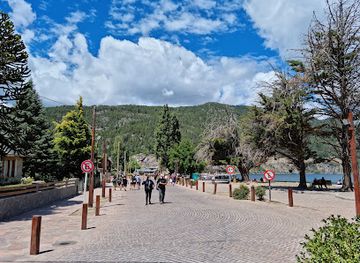
Lake Lacar Waterfront
Experience the natural beauty of Lake Lacar Waterfront in San Martín de los Andes, a breathtaking destination for outdoor adventures and serene relaxation.
-
Tourist attraction
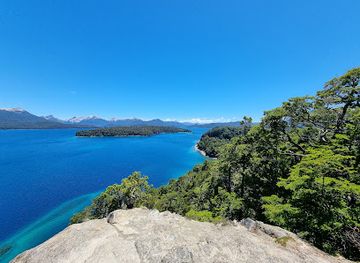
Parque Nacional Los Arrayanes
Explore the breathtaking beauty of Parque Nacional Los Arrayanes, Argentina's hidden gem with unique Arrayán trees and stunning landscapes.
-
Tourist attraction
Termas Geometricas
Experience the tranquility of Termas Geometricas, a stunning thermal bath oasis surrounded by breathtaking landscapes in Chile's Parque Nacional Villarrica.
-
Tourist attraction
Museo del Chocolate Havanna
Discover the rich history and delectable delights of chocolate at Museo del Chocolate Havanna in beautiful San Carlos de Bariloche.

Best landmarks in Patagonia
The granite Cuernos del Paine and the three characteristic towers of Torres del Paine are among Chilean Patagonia's most recognisable natural landmarks, rising above lakes, valleys and glacial terrain in Torres del Paine National Park. The Marble Caves on Lake General Carrera form another distinctive landmark: water has sculpted pale limestone walls and chambers along the lake shore, best viewed from a small boat in suitable conditions. In Aysén, the hanging glacier of Queulat National Park is suspended above a forested valley, while the jagged peaks of Cerro Castillo dominate the landscape near Villa Cerro Castillo. Punta Arenas's Monument to Ferdinand Magellan and the historic architecture around its central square recall the city's role on the Strait of Magellan, although the region's most powerful markers are often geological rather than built. Farther south, Cape Horn and the Beagle Channel represent the navigational geography of the continent's extreme edge and are reached through specialised excursions rather than ordinary road travel.
-
Shopping mall
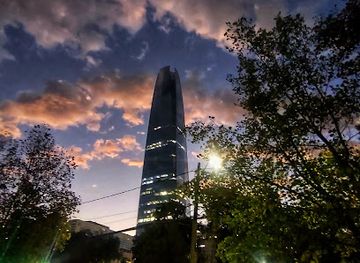
Mall Costanera Center
Experience the vibrant shopping scene, exquisite dining, and breathtaking views at Santiago's premier destination, Mall Costanera Center.
-
National park
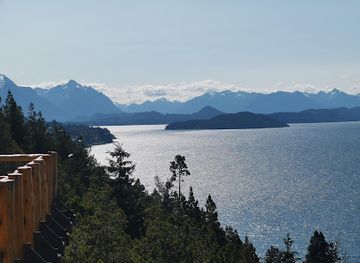
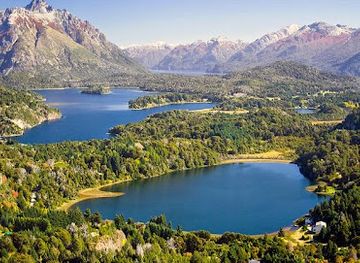
Parque Nacional Nahuel Huapi
Discover Argentina's oldest national park: stunning lakes, Andean peaks, forests, and outdoor adventures await in Nahuel Huapi.
-
Park
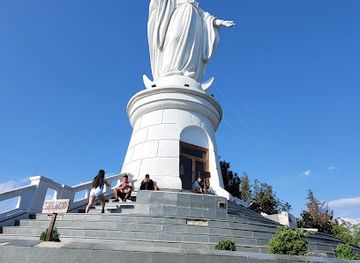
Parque Metropolitano de Santiago
Discover the breathtaking beauty of Parque Metropolitano de Santiago, an urban park that offers stunning views, diverse wildlife, and a tranquil escape in Chile's capital.
-
Tourist attraction
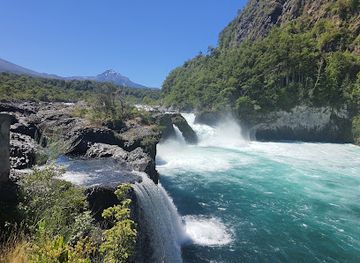
Petrohué Waterfalls
Discover the stunning Petrohué Waterfalls in Vicente Pérez Rosales National Park, a breathtaking natural attraction in Chile's Los Lagos region.
Explore Patagonia on the map
Plan your trip on one map. See where the top cities, national parks and sights are, and book hotels and experiences in a few clicks.
Best hotels in Patagonia
Best restaurants in Patagonia
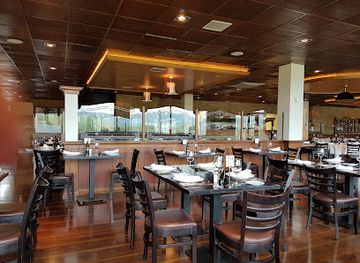
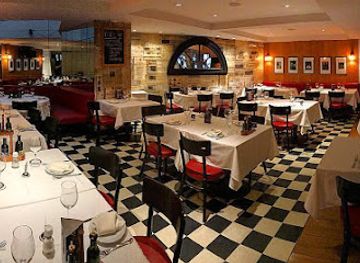
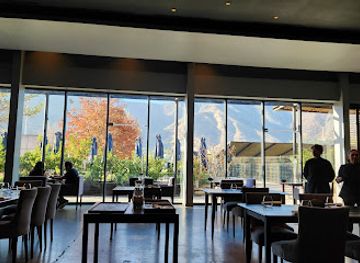
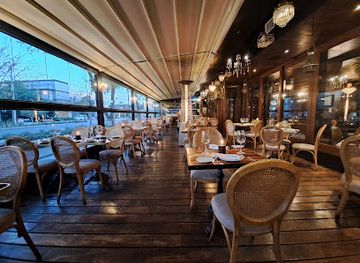
Dining in Chilean Patagonia reflects a meeting of maritime, pastoral and forest-edge traditions. Magallanes is associated with Patagonian lamb, often cooked slowly over an open fire, while king crab, mussels, fish and other seafood feature strongly in Punta Arenas, Puerto Natales and coastal settlements. Aysén offers trout, salmon, lamb, beef, mushrooms, berries and other cool-climate produce, though menus vary considerably between towns and remote lodges. Coyhaique, Puerto Natales and Punta Arenas have the widest choice of restaurants, cafés, bakeries and pubs; along the Carretera Austral, meals may be simpler and advance planning is sensible. Regional berries such as calafate appear in jams, desserts and drinks, and craft breweries have become a noticeable part of the urban food scene. Estancias and rural lodges may serve substantial home-style meals, while markets and small shops can be useful for provisions on long journeys. Chilean wines are widely available, alongside pisco-based drinks and locally brewed beer.
-
Restaurant
Hacienda Patagonia
Experience exquisite Patagonian cuisine at Hacienda Patagonia in San Pedro de la Paz - where flavor meets breathtaking views.
-
Restaurant
Don Carlos Carne y Vino
Discover exquisite Chilean cuisine at Don Carlos Carne y Vino, where premium meats meet exceptional local wines in a sophisticated setting.
-
Chilean
Boragó
Explore the innovative flavors of Chile at Boragó—where local ingredients meet creative culinary artistry for an unforgettable dining experience.
-
Italian
Piegari Chile
Discover the authentic flavors of Italy at Piegari Chile – where every meal is a culinary masterpiece in Vitacura.
Best bars in Patagonia
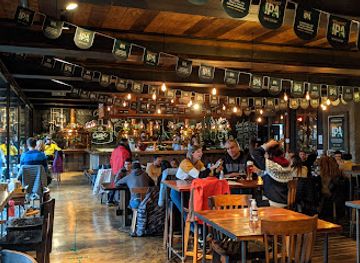
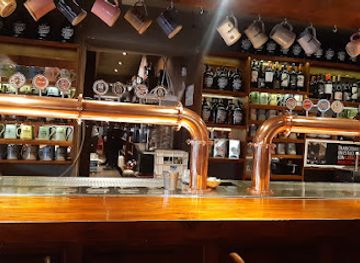
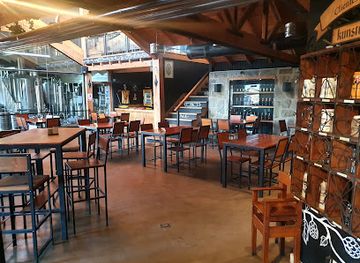
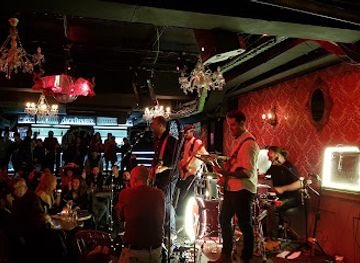
Evening life in Chilean Patagonia is concentrated in its larger towns rather than spread across the wilderness. Punta Arenas has historic-style pubs, restaurants, cafés and bars where maritime and ranching themes are often reflected in the setting, while Puerto Natales has a compact hospitality scene shaped by trekkers, guides and seasonal visitors. Coyhaique provides Aysén's broadest choice of bars, casual restaurants, craft beer venues and occasional live music. Smaller settlements generally close earlier and centre their social life on local restaurants, inns and community spaces rather than nightclubs. During the trekking season, conversation over dinner or a drink is more typical than late-night entertainment, and opening arrangements can vary with the season. Respect residential areas and remember that long-distance driving, weather and early outdoor departures make sensible timing important.
-
Brewpub
Cerveza Patagonia - Cerveceria Bariloche
Discover the essence of Bariloche at Cerveza Patagonia, where local craft beer and breathtaking views create an unforgettable experience.
-
Brewpub
Manush Centro
Discover the vibrant flavors of Manush Centro, where artisanal craft beer meets gourmet cuisine in the heart of Bariloche.
-
Brewpub
Kunstmann
Discover the essence of Argentine craft beer at Kunstmann Brewpub in San Carlos de Bariloche, where flavor meets stunning Patagonian views.
-
Bar
Yeti Ice Bar
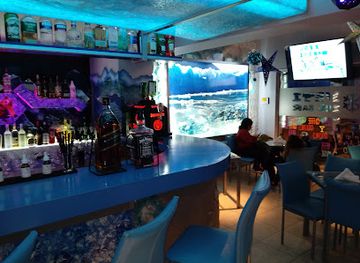
Discover the frosty delights of Yeti Ice Bar, an ice-themed cocktail haven in the heart of El Calafate, where fun meets flavor.
Best nightclubs in Patagonia
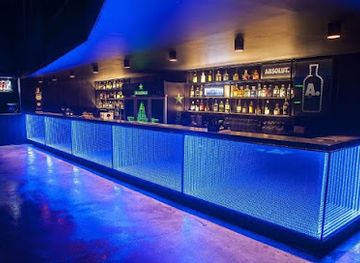
Evening life in Chilean Patagonia is concentrated in its larger towns rather than spread across the wilderness. Punta Arenas has historic-style pubs, restaurants, cafés and bars where maritime and ranching themes are often reflected in the setting, while Puerto Natales has a compact hospitality scene shaped by trekkers, guides and seasonal visitors. Coyhaique provides Aysén's broadest choice of bars, casual restaurants, craft beer venues and occasional live music. Smaller settlements generally close earlier and centre their social life on local restaurants, inns and community spaces rather than nightclubs. During the trekking season, conversation over dinner or a drink is more typical than late-night entertainment, and opening arrangements can vary with the season. Respect residential areas and remember that long-distance driving, weather and early outdoor departures make sensible timing important.
-
Disco club
Club Amanda
Discover the energy of Santiago's nightlife at Club Amanda, a premier disco club offering music, cocktails, and unforgettable experiences.
-
Night club
Club Ambar
Discover the pulse of Santiago's nightlife at Club Ambar, where music, dance, and unforgettable moments come together.
-
Disco club
Waitara Club
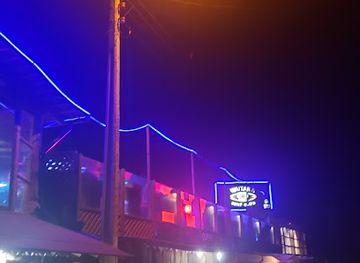
Discover the lively ambiance and delectable cuisine at Waitara Club, Pichilemu's premier disco club and gastropub.
-
Bar
Candelaria Bar
Discover the vibrant nightlife of Santiago at Candelaria Bar, a must-visit spot for cocktails, music, and dancing.

Best shops in Patagonia
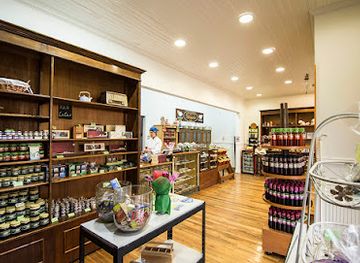
Shopping in Chilean Patagonia is practical, regional and strongly connected to outdoor travel. Punta Arenas has the broadest urban retail choice, including central shops, supermarkets, craft outlets and stores supplying trekking and cold-weather equipment. Puerto Natales and Coyhaique offer smaller selections of outdoor clothing, locally made goods, books, food products and souvenirs, while roadside settlements along the Carretera Austral have limited supplies rather than conventional shopping districts. Look for woollen goods, leatherwork, woodcraft, illustrations, handmade jewellery and products featuring Patagonian landscapes, while checking that materials are legally sourced and genuinely local. Regional foods such as calafate preserves, smoked products, chocolate and craft beer can travel well, subject to customs rules in the destination country. Markets and independent shops are useful places to meet makers, but stock and opening arrangements may be seasonal, particularly in remote communities.
-
Shopping mall
Fire Walk Shopping Center
Discover the vibrant Fire Walk Shopping Center in Ushuaia, where shopping meets stunning views and local flavors in the heart of Tierra del Fuego.
-
Shopping mall
Shopping Patagonia
Discover the vibrant Shopping Patagonia mall in Bariloche, where retail, dining, and entertainment come together in a stunning mountain backdrop.
-
Outlet mall
GALERIA PATAGONIA
Discover great deals and unique local products at GALERIA PATAGONIA, the premier outlet mall in Punta Arenas, Chile.
-
Chocolate factory
Secreto de la Patagonia
Explore the exquisite world of chocolate at Secreto de la Patagonia, where rich flavors and artisanal craftsmanship come together in a delicious experience.



Get your free copy of our complete guide to Patagonia, delivered straight to you.
Everything on this page, from attractions and restaurants to essentials and local phrases, in one PDF you can read offline, print or share.
Already have an account? Sign in
Your Patagonia guide is ready.
We'll send it to · Not you? Sign out

Getting your guide ready…
We are putting together a fresh copy of the Patagonia guide. This can take up to a minute.
This can take a few moments. If your browser asks, choose Allow so the download can start. You'll find the guide in your Downloads folder.
Nothing happened? Download it again
Sorry, the guide is taking longer than usual. Please try again in a minute, or get it by email instead.
Patagonia essentials
Currency and Payment
Safety
Emergency Situations
Do's and Don'ts
Local Tips
From Eve
Local phrases worth knowing
You don't need to get them perfect. A few words go a long way, and locals appreciate the effort.
Basics
| English | Local | Say it |
|---|---|---|
| Hello | Hola | [OH-lah] |
| Goodbye | Adiós | [ah-DYOS] |
| Yes | Sí | [SEE] |
| No | No | [NO] |
| Please/You're welcome | Por favor | [por fah-VOR] |
| Thank you | Gracias | [GRAH-syahs] |
| Excuse me/Sorry | Perdón | [per-DON] |
| How are you? | ¿Cómo estás? | [KOH-moh es-TAS] |
| Fine. And you? | Bien. ¿Y tú? | [BYEN. ee TOO] |
| Do you speak English? | ¿Hablas inglés? | [AH-blas een-GLES] |
| I don't understand | No entiendo | [NO en-TYEN-do] |
Eating & Drinking
| English | Local | Say it |
|---|---|---|
| I'd like to see the menu, please | Me gustaría ver el menú, por favor | [meh goos-TAH-ree-ah BEHR el meh-NOO, por fah-VOR] |
| I don't eat meat | No como carne | [NO KOH-mo KAR-neh] |
| Cheers! | ¡Salud! | [sah-LOOD] |
| I would like to pay, please | Me gustaría pagar, por favor | [meh goos-TAH-ree-ah pah-GAR, por fah-VOR] |
Emergencies
| English | Local | Say it |
|---|---|---|
| Help! | ¡Ayuda! | [ah-YOO-dah] |
| Go away! | ¡Vete! | [VEH-teh] |
| Call the Police! | ¡Llama a la policía! | [YAH-mah ah lah poh-lee-SIA] |
| Call a doctor! | ¡Llama a un doctor! | [YAH-mah ah oon dok-TOR] |
| I'm lost | Estoy perdido | [es-TOY per-DEE-do] |
| I'm ill | Estoy enfermo/enferma | [es-TOY en-FER-mo/en-FER-ma] |
Shopping
| English | Local | Say it |
|---|---|---|
| I'd like to buy... | Me gustaría comprar... | [meh goos-TAH-ree-ah kom-PRAR] |
| I'm just looking | Solo estoy mirando | [SO-lo es-TOY mee-RAN-do] |
| How much is it? | ¿Cuánto cuesta? | [KWAN-to KWEH-stah] |
| That's too expensive | Es demasiado caro | [es deh-ma-SYAH-do KAH-ro] |
| Can you lower the price? | ¿Puedes bajar el precio? | [PWEH-des bah-HAR el PREH-syo] |
Time & Numbers
| English | Local | Say it |
|---|---|---|
| What time is it? | ¿Qué hora es? | [KEH OH-rah es] |
| It's one o'clock | Es la una | [es lah OO-nah] |
| Half past (10) | Y diez y media | [ee DYAS ee MEH-dee-ah] |
| Morning | Mañana | [mah-NYAH-nah] |
| Afternoon | Tarde | [TAR-deh] |
| Evening | Noche | [NO-cheh] |
| Yesterday | Ayer | [ah-YER] |
| Today | Hoy | [OY] |
| Tomorrow | Mañana | [mah-NYAH-nah] |
| 1 | Uno | [OO-no] |
| 2 | Dos | [DOS] |
| 3 | Tres | [TRES] |
| 4 | Cuatro | [KWAT-ro] |
| 5 | Cinco | [SEEN-ko] |
| 6 | Seis | [SACE] |
| 7 | Siete | [SYET-teh] |
| 8 | Ocho | [OH-cho] |
| 9 | Nueve | [NWEH-veh] |
| 10 | Diez | [DYAS] |
Transport & Directions
| English | Local | Say it |
|---|---|---|
| Where's a/the...? | ¿Dónde está el...? | [DON-deh es-TA el] |
| What's the address? | ¿Cuál es la dirección? | [KWAL es lah dee-rek-SYON] |
| Can you show me (on the map)? | ¿Puedes mostrarme (en el mapa)? | [PWEH-des mos-TRAR-me (en el MAH-pah)] |
| When's the next (bus)? | ¿Cuándo es el próximo (bus)? | [KWAN-do es el PROK-si-mo (boos)] |
| A ticket (to ....) | Un boleto (a....) | [OON bo-LEH-to (ah....)] |
History of Patagonia
Indigenous Peoples and Ancient Landscapes
Patagonia has been inhabited for thousands of years by peoples whose lives were adapted to radically different environments. Tehuelche communities travelled across the eastern steppe, while Kawésqar canoe cultures navigated the channels and islands of western Patagonia. In the far south, Yaghan communities developed detailed knowledge of Tierra del Fuego's waterways and coasts. Archaeological sites, rock art and continuing cultural work provide evidence of these histories. Their societies were later disrupted by disease, land seizure, forced labour and violence following the expansion of Chilean and European settlement, a legacy that remains essential to understanding the region.
Exploration of the Strait of Magellan, Sixteenth Century
The passage connecting the Atlantic and Pacific became a major geographical objective for European powers. Ferdinand Magellan's expedition passed through the strait in 1520, giving the waterway its European name and establishing a route around the southern tip of the continent. Early attempts at permanent settlement, including the Spanish colony at Nombre de Jesús and the settlement later known as Puerto del Hambre, struggled in the harsh environment. The strait nevertheless became a lasting reference point for maps, navigation and the later development of Punta Arenas.
Nineteenth-Century Settlement and Navigation
After Chile consolidated authority in the south during the nineteenth century, the Strait of Magellan became increasingly important for shipping before the Panama Canal opened. Punta Arenas grew as a port, commercial centre and base for navigation through the southern channels. Explorers, missionaries, surveyors and traders travelled through an area still largely controlled by Indigenous communities. The establishment of new towns and transport links brought state power and international commerce deeper into Patagonia, while also intensifying the dispossession of Indigenous peoples.
Sheep Ranching and the Estancia Economy
From the late nineteenth century, sheep ranching transformed the grasslands of Magallanes and parts of Aysén. Large estancias supplied wool and meat to international markets, and the industry attracted capital, workers and migrants from Europe and other parts of Chile. Fences, wool sheds, stock routes and rural settlements altered both the economy and the appearance of the steppe. The boom also produced severe conflict with Indigenous communities, including massacres and forced displacement. Ranching remains visible in regional food, buildings, working landscapes and cultural memory.
National Parks and Conservation
Chile's southern conservation system developed through a mixture of scientific interest, public policy, private philanthropy and international environmental concern. Vicente Pérez Rosales National Park, in the broader northern gateway area, was established in the nineteenth century, while later protected areas extended across Aysén and Magallanes. Torres del Paine became internationally recognised for its mountains, lakes and glaciers, and other parks now protect forests, icefields, steppe and marine environments. Conservation has brought major benefits but also ongoing debates about access, infrastructure, tourism pressure and the rights of local and Indigenous communities.
The Carretera Austral and Modern Patagonia
Construction of the Carretera Austral began in the late twentieth century to connect remote communities in Aysén and strengthen national access to the far south. The route crosses rivers, forests, mountain passes and sparsely populated valleys, and remains a defining travel corridor rather than a simple high-speed road. Its arrival altered local economies by improving access to education, supplies and tourism, while also increasing pressure on fragile environments. Today, the road links a chain of distinctive communities and protected areas but still requires patience, preparation and respect for difficult conditions.
Patagonia in Photos
Browse through our photo collection highlighting the charm and character of the destination.
Neighbouring regions of Patagonia
The closest regions to Patagonia, if you have time for more than one.
-

-

-
-

-


Swipe for more regions
Explore more

Explore more of Chile
Discover Chile: From the Atacama Desert to Patagonia's Glaciers, Experience Diverse Landscapes, Rich Culture, and World-Class Wine in This South American Gem.
Explore Chile