

Free Bogotá Travel Guide & Mobile App
Plan your Bogotá trip with Evendo. Get free guides to top attractions, restaurants, hotels, and bars. Web access or download the mobile app.


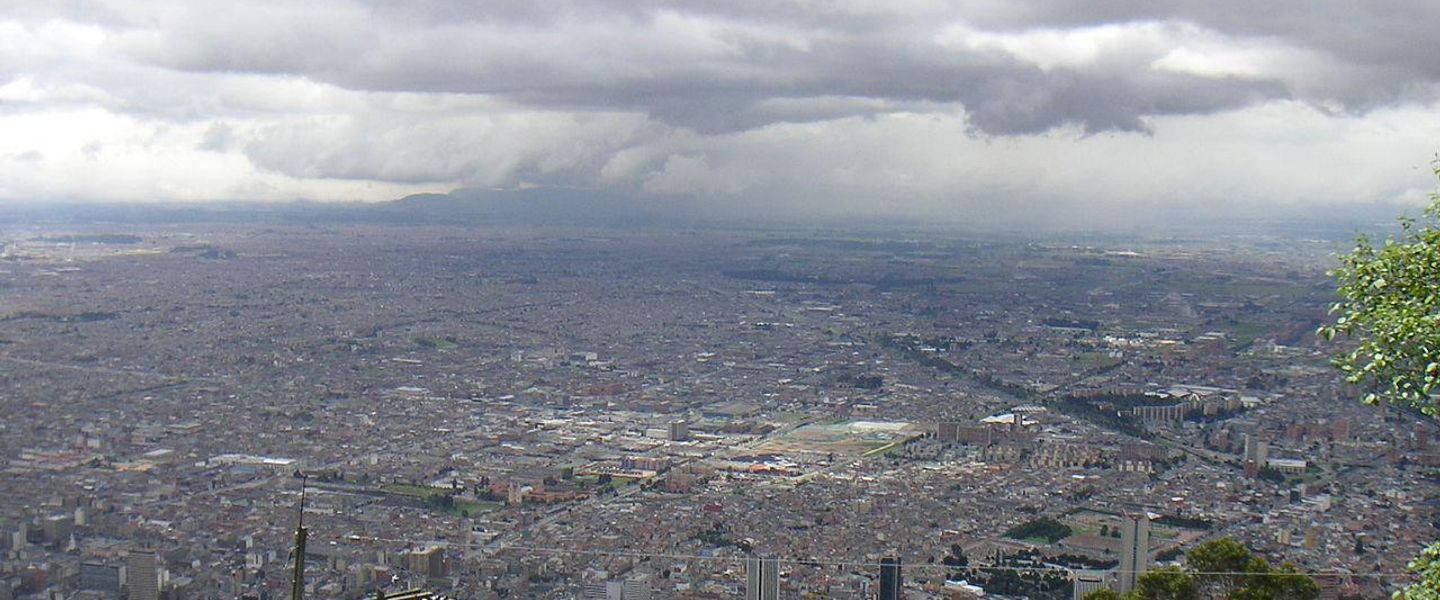


Bogotá blends colonial La Candelaria, world-class museums, Andean views, creative cuisine and lively culture in Colombia’s high-altitude capital.
High-Altitude Urban Character
At 2,640 metres above sea level, Bogotá spreads across a broad plateau beneath the eastern Andes, where cool temperatures, dramatic mountain light and a vast urban horizon shape the experience of exploring Colombia’s capital. The city is both national centre and cultural crossroads: government buildings, universities, galleries, independent bookshops, food halls and neighbourhood cafés occupy the same broad landscape. Its scale can feel imposing, yet many of its most rewarding districts are best understood on foot, particularly around the historic centre and the leafy northern neighbourhoods.Read more about Bogotá
Colonial Streets and National Museums
Green Space and Contemporary City Life
When is the best time to visit Bogotá?
Best: January, September–October · 19°C| Month | High (°C) | Rainfall (mm) |
|---|---|---|
| January (best) | 19 | 70 |
| February | 19 | 75 |
| March | 19 | 90 |
| April | 19 | 100 |
| May | 19 | 110 |
| June | 19 | 100 |
| July | 19 | 90 |
| August | 19 | 75 |
| September (best) | 19 | 70 |
| October (best) | 19 | 70 |
| November | 19 | 75 |
| December | 19 | 90 |
Getting to and around Bogotá
How to get there
Transportation
Best attractions in Bogotá
Bogotá’s principal sights range from the compact historic streets of La Candelaria to museums and viewpoints across the wider capital. The Museo del Oro displays finely worked pre-Hispanic metalwork and offers essential context for the cultures of the region, while the Museo Botero presents works by Fernando Botero alongside international art in a colonial setting. Plaza de Bolívar anchors the centre with the Cathedral Primada, Capitolio Nacional and historic civic buildings. Nearby, the Museo Santa Clara occupies a former church whose richly decorated interior reveals colonial religious art. For a broader urban perspective, the Museo Nacional traces Colombia’s history and culture, while Monserrate rises above the eastern hills with views across the plateau. The Botanic Garden José Celestino Mutis introduces Colombia’s extraordinary plant diversity, and the Sunday Ciclovía turns major avenues into a changing public landscape of cyclists, walkers and skaters.
-
State park
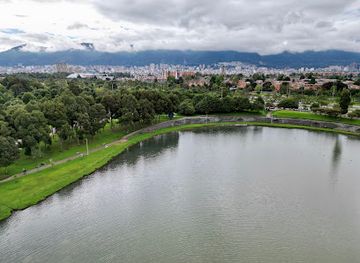
Simón Bolívar Park
Discover the lush beauty and vibrant culture of Simón Bolívar Park, Bogotá's most beloved urban oasis for relaxation and recreation.
19 min drive · 6.4 km from city centre
-
Plaza
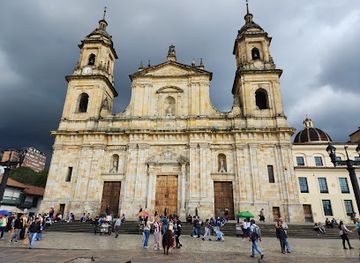
Plaza de Bolívar
Explore the vibrant Plaza de Bolívar, Bogotá's historic heart, surrounded by stunning architecture and rich cultural heritage.
33 min drive · 13 km from city centre
-
Botanical garden
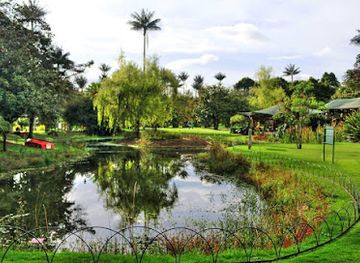
Jardín Botánico de Bogotá José Celestino Mutis
Experience the beauty and biodiversity of Colombia at the Jardín Botánico de Bogotá, a must-see destination for nature lovers and tourists alike.
16 min drive · 5.5 km from city centre
-
Heritage museum
Gold Museum
Explore Colombia's rich history through the stunning artifacts at Bogotá's Gold Museum, a premier destination for art and culture enthusiasts.
32 min drive · 12 km from city centre


Best landmarks in Bogotá
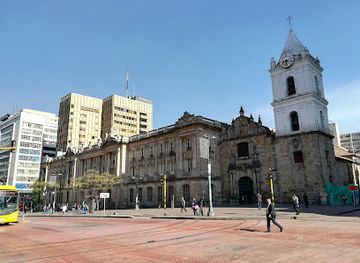
Bogotá’s landmarks express the overlapping histories of Muisca territory, Spanish colonial rule and the Colombian republic. Plaza de Bolívar is the civic centre, framed by the Cathedral Primada, the Palacio de Justicia, the Capitolio Nacional and the Alcaldía Mayor, whose differing façades reflect changing political eras. The Iglesia de San Francisco and Iglesia de la Veracruz are among the historic religious buildings along the centre’s oldest streets, while the former Iglesia de Santa Clara is now a museum noted for its richly ornamented interior. On the eastern hills, the sanctuary of Monserrate has been a destination of pilgrimage for centuries and remains the city’s most recognisable elevated landmark. The Torre Colpatria, a modern high-rise in the central district, represents Bogotá’s later vertical expansion and offers a contrasting marker on the urban skyline.
-
Park
Parque Metropolitano Simón Bolívar
Experience the beauty of nature and vibrant culture at Parque Metropolitano Simón Bolívar, Bogotá's largest urban park.
19 min drive · 6.3 km from city centre
-
Plaza
Plaza de Bolívar
Discover the historic charm of Plaza de Bolívar, a vibrant cultural hub in Bogotá, surrounded by stunning architecture and rich Colombian heritage.
33 min drive · 13 km from city centre
-
Botanical garden
Jardín Botánico de Bogotá José Celestino Mutis
Explore the lush beauty of the Jardín Botánico de Bogotá, a botanical paradise showcasing Colombia's diverse plant species in a serene urban setting.
16 min drive · 5.5 km from city centre
-
Heritage museum
Gold Museum
Explore the Gold Museum in Bogotá, a heritage treasure showcasing Colombia's rich pre-Columbian history and exquisite gold artifacts.
32 min drive · 12 km from city centre
Explore Bogotá on the map
Plan your Bogotá trip on one map. See where the top attractions, landmarks, restaurants, bars and hotels are, find what's near where you're staying, and book hotels and experiences in a few clicks.
Neighbourhoods in Bogotá
-

-

-

-

-


Swipe for more neighbourhoods
Best hotels in Bogotá
Best restaurants in Bogotá
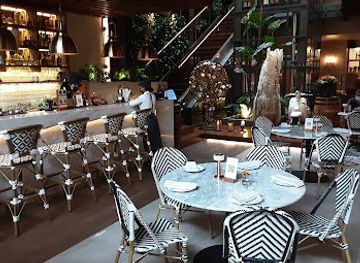
Bogotá’s food culture reflects the highland climate, Colombia’s regional diversity and a long history of migration and exchange. Traditional dishes include ajiaco santafereño, a hearty chicken and potato soup associated with the capital, as well as tamales, changua and calentado, while arepas, empanadas and fresh fruit appear in informal eateries and markets. La Candelaria has cafés and traditional restaurants among its historic buildings; La Macarena, Chapinero and Zona G are known for contemporary Colombian cooking, international influences and carefully sourced ingredients. Markets such as Paloquemao offer a vivid introduction to the country’s produce, with tropical fruits, vegetables, flowers and prepared foods. Coffee culture is prominent, ranging from specialist cafés to simple neighbourhood establishments, and Bogotá’s newer dining scene often explores ingredients from the Caribbean, Pacific, Amazonian and Andean regions.
-
Italian
Storia D'Amore zona T
Experience authentic Italian cuisine at Storia D'Amore in Bogotá's Chapinero district, where every meal tells a delicious story.
16 min drive · 5.2 km from city centre
-
Asian Fusion
Osaka Bogotá
Experience the exquisite blend of Japanese and Peruvian cuisine at Osaka Bogotá, where culinary artistry meets vibrant atmosphere.
15 min drive · 5.0 km from city centre
-
Restaurant
Seratta Gourmand Market 114
Discover the essence of fine dining at Seratta Gourmand Market in Bogotá—where Italian, Mediterranean, and Spanish cuisines come together.
7 min drive · 2.4 km from city centre
-
Fine Dining
Harry Sasson
Experience culinary artistry at Harry Sasson in Bogotá - where tradition meets innovation in fine dining.
18 min drive · 6.1 km from city centre

Best bars in Bogotá
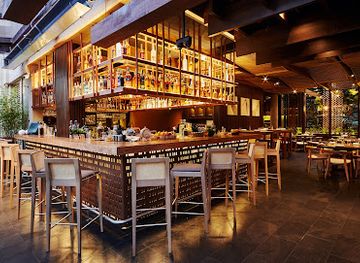
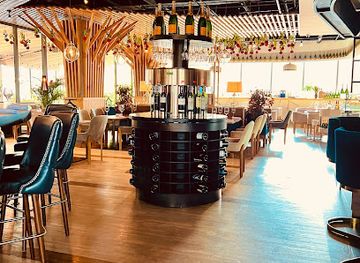
Bogotá’s evening life is distributed across several districts rather than concentrated in one quarter. La Candelaria has student-oriented bars, live music and cultural venues in historic surroundings, while La Macarena offers a more relaxed mix of wine bars, pubs and restaurants. Chapinero, Zona T and Parque de la 93 contain some of the city’s busiest evening scenes, with cocktail bars, clubs and venues playing Colombian and international music. Salsa, vallenato, cumbia and reggaeton are all part of the city’s musical landscape, and dance schools and live performances provide alternatives to late-night clubbing. Theatre, stand-up comedy, concerts and gallery events broaden the cultural programme after dark. Use booked transport between districts, remain aware of belongings in crowded venues and check local entry requirements and schedules before setting out.
-
Bar
Zona T
Experience the vibrant nightlife and exquisite dining options in Bogotá's Zona T, where every night promises excitement and indulgence.
16 min drive · 5.2 km from city centre
-
Bar
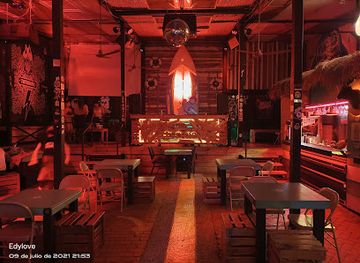
Vintrash Bogotá
Experience the vibrant nightlife of Bogotá at Vintrash - a lively bar and disco club offering cocktails and delicious grill options in Chapinero.
16 min drive · 5.3 km from city centre
-
Bar
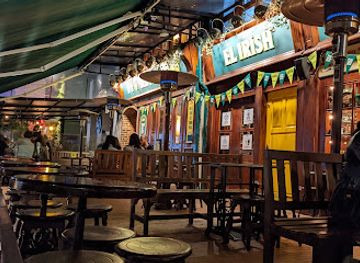
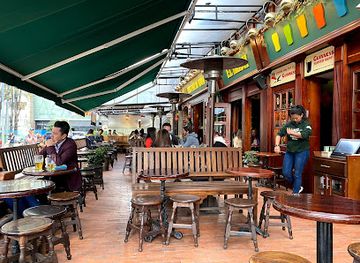
El Irish Pub
El Irish Pub in Bogotá offers an authentic Irish experience with delicious food, vibrant atmosphere, and live music in the heart of Chapinero.
16 min drive · 5.2 km from city centre
-
Bar
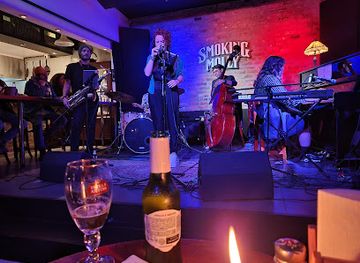
Smoking Molly -Blues & Jazz RestoBar
Discover the vibrant atmosphere of Smoking Molly, Bogotá's premier Blues and Jazz RestoBar, featuring live music and delectable cuisine.
31 min drive · 11 km from city centre
Best nightclubs in Bogotá
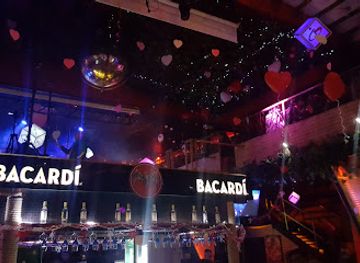
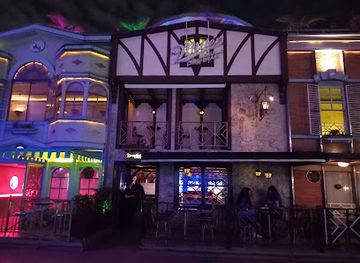
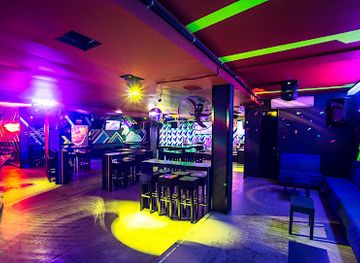
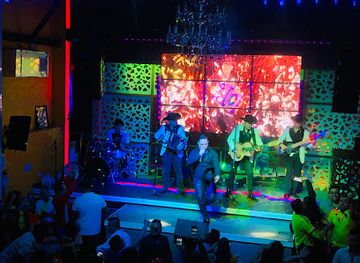
Bogotá’s evening life is distributed across several districts rather than concentrated in one quarter. La Candelaria has student-oriented bars, live music and cultural venues in historic surroundings, while La Macarena offers a more relaxed mix of wine bars, pubs and restaurants. Chapinero, Zona T and Parque de la 93 contain some of the city’s busiest evening scenes, with cocktail bars, clubs and venues playing Colombian and international music. Salsa, vallenato, cumbia and reggaeton are all part of the city’s musical landscape, and dance schools and live performances provide alternatives to late-night clubbing. Theatre, stand-up comedy, concerts and gallery events broaden the cultural programme after dark. Use booked transport between districts, remain aware of belongings in crowded venues and check local entry requirements and schedules before setting out.
-
Grill
Indigo Club 51
Experience the vibrant nightlife of Bogotá at Indigo Club 51, where exquisite grilling meets an electrifying disco atmosphere.
24 min drive · 8.2 km from city centre
-
Night club
THEATRON
Discover THEATRON: Bogotá's premier nightlife destination blending bar, disco, and restaurant experiences in an electrifying atmosphere.
22 min drive · 7.4 km from city centre
-
Disco club
Disco Jaguar
Dive into Bogotá's nightlife at Disco Jaguar, where vibrant dance beats and a lively atmosphere create an unforgettable party experience.
22 min drive · 7.5 km from city centre
-
Disco club
Bar La Santa Club
Unleash your inner party spirit at Bar La Santa Club in Bogotá, where vibrant nightlife meets electrifying music and unforgettable moments.
21 min drive · 7.1 km from city centre
Best shops in Bogotá
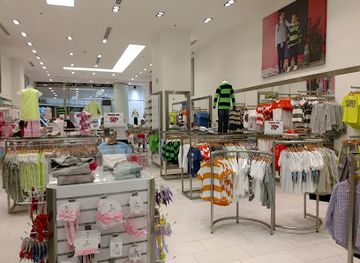
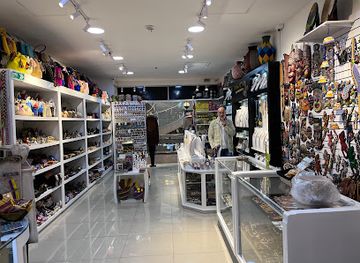
Shopping in Bogotá ranges from traditional food markets and craft stalls to design shops, department stores and modern retail centres. Paloquemao is particularly useful for encountering Colombia’s produce culture, with extensive displays of fruit, vegetables, flowers and prepared foods, while the Mercado de las Pulgas de Usaquén is associated with antiques, crafts and weekend browsing. La Candelaria has independent shops selling prints, books, jewellery and Colombian handicrafts, whereas the northern districts around Zona T, Calle 82 and Usaquén contain boutiques and contemporary Colombian design. Visitors may find woven goods, ceramics, leatherwork, coffee, chocolate and regional food products, but quality varies, so provenance and materials are worth checking. Bogotá’s retail landscape also includes large shopping centres, where local labels sit alongside international brands in a more conventional commercial setting.
-
Shopping mall
Titan Plaza Shopping Mall
Discover the ultimate shopping experience at Titan Plaza Shopping Mall in Bogotá, featuring 500+ stores, delicious dining, and fun entertainment options.
7 min drive · 2.4 km from city centre
-
Shopping mall
Andino
Discover luxury shopping and local treasures at Andino, Bogotá's premier shopping mall, complete with diverse dining and entertainment options.
16 min drive · 5.4 km from city centre
-
Shopping mall
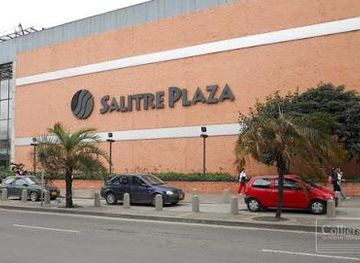
Salitre Plaza Centro Comercial
Explore Salitre Plaza Centro Comercial, Bogotá's premier shopping mall with diverse stores, delicious dining, and exciting entertainment options all in one place.
23 min drive · 7.7 km from city centre
-
Market
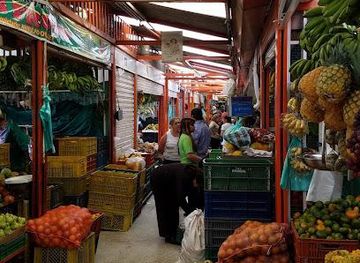
Paloquemao Fruit Market
Explore the bustling Paloquemao Fruit Market, a vibrant hub of fresh produce, flowers, and local Colombian delicacies in Bogotá.
31 min drive · 11 km from city centre
Get your free copy of our complete guide to Bogotá, delivered straight to you.
Everything on this page, from attractions and restaurants to essentials and local phrases, in one PDF you can read offline, print or share.
Already have an account? Sign in
Your Bogotá guide is ready.
We'll send it to · Not you? Sign out

Getting your guide ready…
We are putting together a fresh copy of the Bogotá guide. This can take up to a minute.
This can take a few moments. If your browser asks, choose Allow so the download can start. You'll find the guide in your Downloads folder.
Nothing happened? Download it again
Sorry, the guide is taking longer than usual. Please try again in a minute, or get it by email instead.
Bogotá essentials
Currency and Payment
Safety
Emergency Situations
Do's and Don'ts
Local Tips
From Eve
Local phrases worth knowing
You don't need to get them perfect. A few words go a long way, and locals appreciate the effort.
Basics
| English | Local | Say it |
|---|---|---|
| Hello | Hola | [oh-la] |
| Goodbye | Adiós | [ah-dee-ohs] |
| Yes | Sí | [see] |
| No | No | [no] |
| Please/You're welcome | Por favor/De nada | [por fah-vor/deh nah-dah] |
| Thank you | Gracias | [grah-see-ahs] |
| Excuse me/Sorry | Disculpe/Perdón | [dee-skool-peh/pehr-dohn] |
| How are you? | ¿Cómo estás? | [ko-moh ehs-tahs] |
| Fine. And you? | Bien. ¿Y tú? | [byen. ee too] |
| Do you speak English? | ¿Hablas inglés? | [ah-blahs een-glehs] |
| I don't understand | No entiendo | [no ehn-tee-ehn-doh] |
Eating & Drinking
| English | Local | Say it |
|---|---|---|
| I'd like to see the menu, please | Me gustaría ver el menú, por favor | [meh goos-tah-ree-ah behr ehl meh-noo, por fah-vor] |
| I don't eat meat | No como carne | [no koh-moh kahr-neh] |
| Cheers! | ¡Salud! | [sah-lood] |
| I would like to pay, please | Me gustaría pagar, por favor | [meh goos-tah-ree-ah pah-gahr, por fah-vor] |
Emergencies
| English | Local | Say it |
|---|---|---|
| Help! | ¡Ayuda! | [ah-yoo-dah] |
| Go away! | ¡Vete! | [veh-teh] |
| Call the Police! | ¡Llama a la policía! | [yah-mah ah lah poh-lee-see-ah] |
| Call a doctor! | ¡Llama a un médico! | [yah-mah ah oon meh-dee-koh] |
| I'm lost | Estoy perdido | [ehs-toy pehr-dee-doh] |
| I'm ill | Estoy enfermo | [ehs-toy ehn-fehr-moh] |
Shopping
| English | Local | Say it |
|---|---|---|
| I'd like to buy... | Me gustaría comprar... | [meh goos-tah-ree-ah kohm-prahr] |
| I'm just looking | Solo estoy mirando | [soh-loh ehs-toy mee-rahn-doh] |
| How much is it? | ¿Cuánto cuesta? | [kwan-toh kwehs-tah] |
| That's too expensive | Eso es muy caro | [eh-soh ehs moo-ee kah-roh] |
| Can you lower the price? | ¿Puedes bajar el precio? | [pweh-dehs bah-har ehl pree-syoh] |
Time & Numbers
| English | Local | Say it |
|---|---|---|
| What time is it? | ¿Qué hora es? | [keh oh-rah ehs] |
| It's one o'clock | Es la una | [ehs lah oo-nah] |
| Half past (10) | Las diez y media | [lahs dee-ehs ee meh-dee-ah] |
| Morning | Mañana | [mah-nyah-nah] |
| Afternoon | Tarde | [tahr-deh] |
| Evening | Noche | [noh-cheh] |
| Yesterday | Ayer | [ah-yehr] |
| Today | Hoy | [oy] |
| Tomorrow | Mañana | [mah-nyah-nah] |
| 1 | Uno | [oo-noh] |
| 2 | Dos | [dohs] |
| 3 | Tres | [trehs] |
| 4 | Cuatro | [kwah-troh] |
| 5 | Cinco | [seen-koh] |
| 6 | Seis | [sace] |
| 7 | Siete | [see-eh-teh] |
| 8 | Ocho | [oh-choh] |
| 9 | Nueve | [nweh-veh] |
| 10 | Diez | [dee-ehs] |
Transport & Directions
| English | Local | Say it |
|---|---|---|
| Where's a/the...? | ¿Dónde está un/el...? | [dohn-deh ehs-tah oon/ehl] |
| What's the address? | ¿Cuál es la dirección? | [kwal ehs lah dee-rehk-syohn] |
| Can you show me (on the map)? | ¿Puedes mostrarme (en el mapa)? | [pweh-dehs mohs-trar-meh (ehn ehl mah-pah)] |
| When's the next (bus)? | ¿Cuándo es el próximo (bus)? | [kwan-doh ehs ehl proh-ksih-moh (boos)] |
| A ticket (to ....) | Un boleto (para ....) | [oon boh-leh-toh (pah-rah)] |
History of Bogotá
Muisca Bacatá and the Bogotá Plateau
Long before the Spanish arrival, the Bogotá savanna was inhabited by Muisca-speaking communities whose political and ceremonial centres included Bacatá, generally associated with the area of present-day Bogotá. Muisca society was organised through regional chiefdoms and supported by fertile highland agriculture, while trade networks linked the plateau with neighbouring Andean regions. Goldwork, salt production and ritual objects played important cultural roles, although later European accounts often distorted indigenous institutions and beliefs. The landscape encountered by modern visitors—an elevated plain bordered by the eastern hills—was therefore already a settled and productive cultural region before colonial urban development began.
Spanish Foundation and Colonial Santa Fe
Gonzalo Jiménez de Quesada established the Spanish settlement of Santa Fe de Bogotá in 1538, following the conquest of the Muisca territories. The colonial town developed around a central square and a grid of streets, with churches, administrative buildings and religious institutions shaping its public life. It became the capital of the New Kingdom of Granada and an important centre of ecclesiastical and governmental power. Indigenous people, Africans and Europeans all contributed to the society that formed under colonial rule, though within a deeply unequal system. Several churches, courtyards and street patterns in La Candelaria preserve elements of this early urban structure.
Reform, Revolt and Independence
During the late colonial period, Bogotá became a centre of political debate as reforming ideas circulated through educated and commercial communities. The uprising commonly known as the Comunero Revolt began in 1781 elsewhere in the viceroyalty but exposed wider resistance to taxation and imperial control. On 20 July 1810, events in Santa Fe helped initiate the independence movement in New Granada, remembered in Colombia as Independence Day. The struggle continued through civil conflict and military campaigns before independence was consolidated under Simón Bolívar and the new republican order. Bogotá subsequently served as the capital of Gran Colombia and later of the Republic of New Granada.
Republican Institutions and Urban Growth
Nineteenth-century Bogotá expanded its role as Colombia’s administrative, educational and intellectual centre, despite repeated political conflicts between federalists and centralists and periods of civil war. Universities, newspapers, political societies and religious institutions shaped public debate, while new roads and commercial links connected the highland capital with other parts of the country. The city gradually extended beyond its colonial core, and republican buildings appeared alongside older churches and houses. The National Capitol, whose construction began in the nineteenth century, reflects the ambition to create a monumental seat for the republic’s institutions.
Modernisation and the Bogotazo
The twentieth century brought rapid population growth, migration from across Colombia and major changes to Bogotá’s built environment. Roads, public services and new districts expanded across the plateau, while modernist architecture increasingly stood beside colonial structures. On 9 April 1948, the assassination of Liberal leader Jorge Eliécer Gaitán triggered the Bogotazo, a violent urban uprising that caused extensive destruction in the centre and intensified the country’s political crisis. Reconstruction and redevelopment altered parts of central Bogotá, although La Candelaria retained many historic buildings. The event remains central to the city’s modern political memory.
A Capital Reimagined
From the late twentieth century onwards, Bogotá pursued ambitious urban and cultural initiatives as population growth and traffic placed heavy pressure on the city. The TransMilenio bus rapid transit system, introduced in 2000, reshaped movement along major corridors, while the Ciclovía developed into one of the city’s most recognisable civic traditions. Museums, libraries, public parks and cultural programmes broadened access to arts and education, and former industrial or overlooked districts gained new creative uses. Contemporary Bogotá remains marked by inequality and congestion, but its public institutions, distinctive cycling culture and expanding culinary and artistic scenes continue to influence the capital’s identity.
Bogotá in Photos
Browse through our photo collection highlighting the charm and character of the destination.
Cities near Bogotá
The closest cities to Bogotá, if you have time for more than one stop.
-

-

-

-

-


Swipe for more cities

