

Free Villavicencio Travel Guide & Mobile App
Plan your Villavicencio trip with Evendo. Get free guides to top attractions, restaurants, hotels, and bars. Web access or download the mobile app.




Villavicencio blends Colombian Llanos culture, llanero cuisine, wildlife parks and mountain foothills, with lively gateways to the eastern plains.
Where Mountains Meet the Plains
Villavicencio stands at the eastern foot of the Andes, where the road from Bogotá descends towards the immense grasslands of the Orinoco basin. Known locally as Villavo, the city is the capital of Meta and the principal urban gateway to the Llanos Orientales, a region shaped by cattle-ranching, horsemanship, open savannah and strong musical traditions. Its setting gives the city a distinctive geography: humid foothills rise to the west, while broad horizons and river landscapes extend eastwards.Read more about Villavicencio
Llanero Culture in the City
Parks, Wildlife and Viewpoints
When is the best time to visit Villavicencio?
Best: May–July · 32°C| Month | High (°C) | Rainfall (mm) |
|---|---|---|
| January | 32 | 200 |
| February | 32 | 200 |
| March | 32 | 200 |
| April | 32 | 200 |
| May (best) | 32 | 200 |
| June (best) | 32 | 200 |
| July (best) | 32 | 200 |
| August | 32 | 200 |
| September | 32 | 200 |
| October | 32 | 200 |
| November | 32 | 200 |
| December | 32 | 200 |
Getting to and around Villavicencio
How to get there
Transportation
Best attractions in Villavicencio
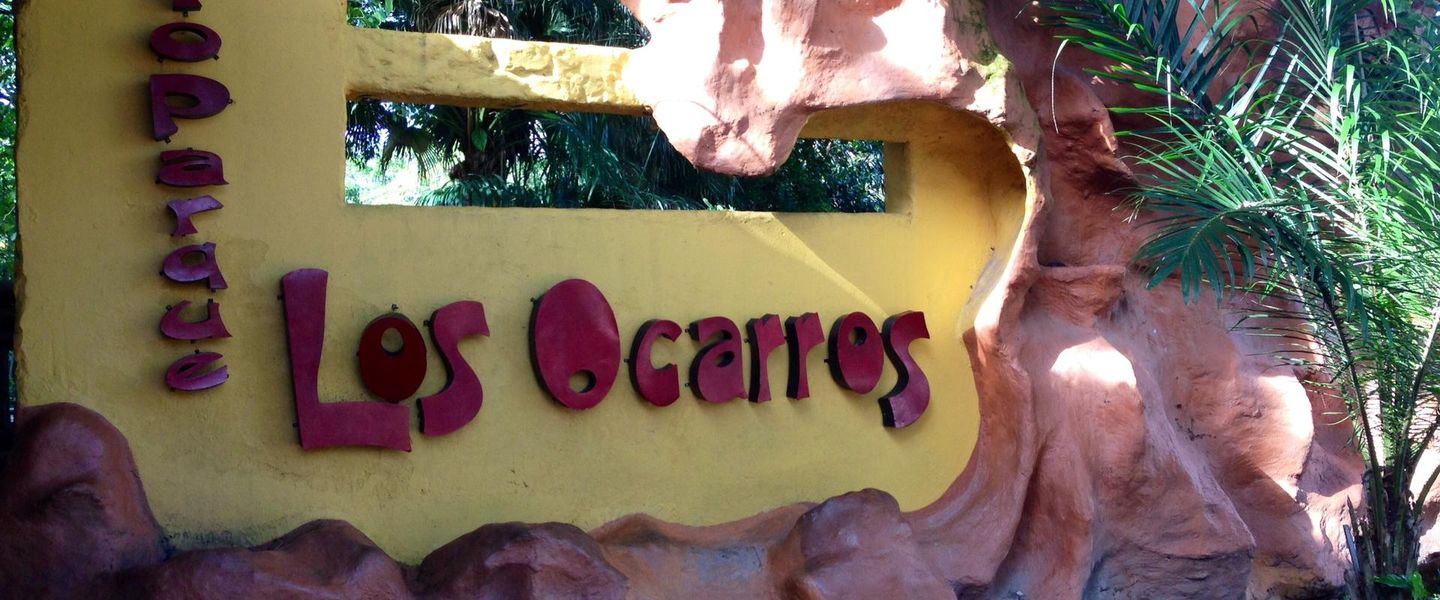
Villavicencio’s attractions introduce both urban life and the landscapes of the Llanos. Parque Las Malocas is the city’s principal cultural attraction, presenting llanero traditions through displays, ranching imagery, equestrian culture and spaces associated with regional celebrations. At the city’s edge, Bioparque Los Ocarros offers close encounters with native fauna from the plains and eastern foothills in a setting designed around local ecosystems. Parque Los Fundadores provides a broad civic space marked by sculptural references to the region, while Parque Infantil is a popular green area in the urban centre. For elevated views across the city and towards the plains, visitors can seek out the Piedra del Amor viewpoint, reached in the foothill zone. Villavicencio’s streets, food districts and public squares add a more everyday dimension, revealing a regional capital whose appeal comes from its connection with cattle country, joropo music and the open landscapes beyond the built-up area.
-
Tourist attraction
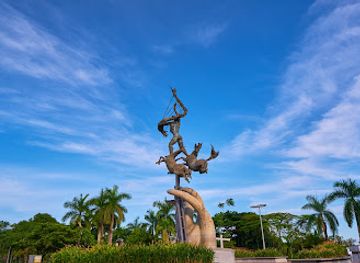
Fundadores Park
Experience nature and culture in Villavicencio's largest park, perfect for relaxation, recreation, and local cuisine.
9 min drive · 2.9 km from city centre
-
Tourist attraction
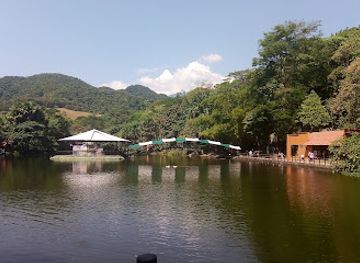
Bioparque Los Ocarros
Discover Colombia's native wildlife at Bioparque Los Ocarros in Villavicencio, a sanctuary dedicated to conservation and education in the Llanos Orientales.
16 min drive · 5.2 km from city centre
-
Tourist attraction
Plaza Los Libertadores
Experience the vibrant culture and history of Villavicencio at Plaza Los Libertadores, a central gathering place for locals and tourists.
5 min drive · 1.7 km from city centre
-
Tourist attraction
Bioparque Los Ocarros
Discover Colombia's native wildlife at Bioparque Los Ocarros, a unique conservation park in Villavicencio.
16 min drive · 5.2 km from city centre

Best landmarks in Villavicencio
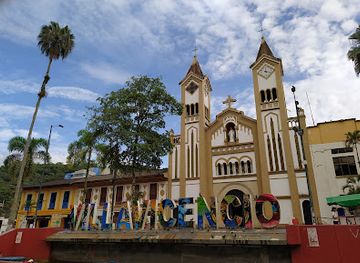
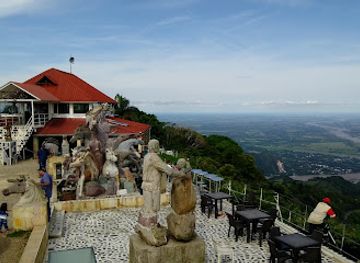
Villavicencio’s landmarks reflect its role as a modern regional capital and cultural gateway rather than a city dominated by a preserved colonial centre. The Catedral Nuestra Señora del Carmen is an important religious and urban reference point in the central area, while the monument and civic spaces of Parque Los Fundadores express the city’s connection with expansion towards the Llanos. Parque Las Malocas is a cultural landmark in its own right, using architecture, displays and public spaces to represent ranching, horsemanship and regional traditions. The Piedra del Amor viewpoint, in the foothill landscape, is associated with panoramic views towards Villavicencio and the plains. Sculptural works and public monuments around the city frequently draw on horses, cattle, joropo and llanero identity, giving the streets an expressive regional character. Together, these places reveal how Villavicencio’s identity has been built through movement between mountain, city and savannah.
-
Park
Fundadores Park
Explore the vibrant Fundadores Park in Villavicencio, Meta – a perfect blend of nature, culture, and outdoor activities for every traveler.
9 min drive · 2.9 km from city centre
-
Park
Plaza Los Libertadores
Experience the vibrant culture and beauty of Plaza Los Libertadores, the heart of Villavicencio, Colombia, where nature and community come together.
5 min drive · 1.7 km from city centre
-
Tourist attraction
Bioparque Los Ocarros
Explore the vibrant wildlife and stunning landscapes of Bioparque Los Ocarros, a premier animal park in the heart of Villavicencio, Colombia.
16 min drive · 5.2 km from city centre
-
Tourist attraction
Mirador La Piedra del Amor
Explore the breathtaking views and artistic sculptures at Mirador La Piedra del Amor, a must-see tourist attraction in Villavicencio, Colombia.
19 min drive · 6.4 km from city centre
Explore Villavicencio on the map
Plan your Villavicencio trip on one map. See where the top attractions, landmarks, restaurants, bars and hotels are, find what's near where you're staying, and book hotels and experiences in a few clicks.
Best hotels in Villavicencio
Best restaurants in Villavicencio
Villavicencio’s food culture is rooted in the cooking of the Llanos, where cattle ranching, open fires and rural hospitality have shaped the table. The defining speciality is mamona, also called ternera a la llanera: young beef slow-roasted over wood and traditionally served in generous portions. Restaurants also feature hayacas, tungos de arroz, pan de arroz and queso de hoja or queso siete cueros, while local menus may include freshwater fish and hearty soups. The most characteristic places are traditional parrillas and family-run eateries rather than formal haute-cuisine dining rooms, although contemporary restaurants increasingly reinterpret regional ingredients. Food is available in central commercial districts, neighbourhood restaurants and roadside establishments on routes towards the surrounding countryside. Joropo performances, open-air events and family gatherings often provide a cultural setting for eating, making cuisine one of the clearest ways to encounter the city’s links with llanero life.
-
Restaurant
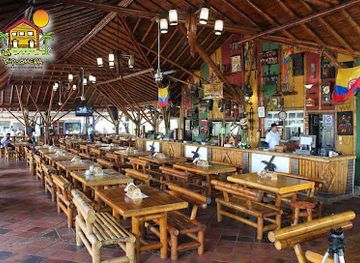
Restaurante El Cabrestero Gourmet
Discover the essence of Colombian cuisine at Restaurante El Cabrestero Gourmet in Villavicencio—where tradition meets flavor.
8 min drive · 2.7 km from city centre
-
Restaurant
Asadero La Topochera
Experience authentic Colombian cuisine at Asadero La Topochera in Villavicencio—delicious grilled meats and vibrant atmosphere await.
9 min drive · 3.0 km from city centre
-
Restaurant
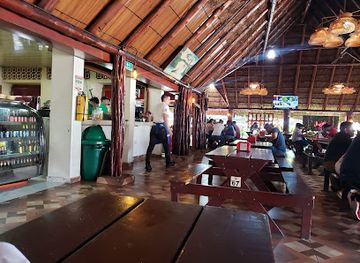
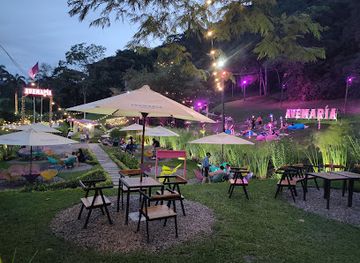
Avemaria Rest
Experience authentic Colombian flavors at Avemaria Rest in Villavicencio – where every meal is a celebration of taste.
12 min drive · 4.0 km from city centre
-
Restaurant
Restaurante Frutos Del Mar Campestre
Savor the finest seafood dishes in Villavicencio at Restaurante Frutos Del Mar Campestre—where flavor meets tradition.
7 min drive · 2.2 km from city centre

Best bars in Villavicencio
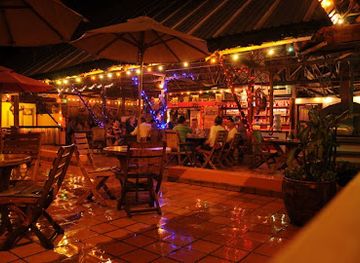
Evenings in Villavicencio range from relaxed drinks and music in central commercial areas to energetic nightlife in the city’s larger entertainment zones. Bars associated with llanero culture may feature joropo, the fast-paced musical tradition of the plains, alongside Colombian popular music and contemporary Latin sounds. Restaurants and cafés provide quieter settings early in the evening, while nightclubs and music venues attract a younger local crowd later on. The city’s nightlife is more regional and social than internationally club-oriented, with dancing, live performances and celebrations often taking precedence over elaborate cocktail culture. Visitors should use recognised transport after dark and ask locally about current entertainment areas, as venues and neighbourhood atmospheres can change. Cultural programmes, seasonal festivals and equestrian or folkloric events may also offer evening experiences beyond bars and clubs.
-
Bar
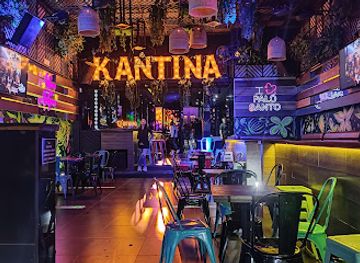
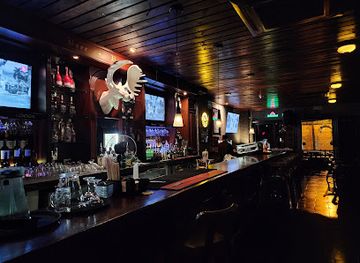
Palo Santo
Experience the vibrant nightlife of Villavicencio at Palo Santo, a trendy bar and club offering great music and delicious cocktails.
18 min walk · 1.5 km from city centre
-
Bar
EL BURGUES PUB BAR RESTAURANTE
Discover the lively El Burgues Pub Bar Restaurante in Villavicencio, where Cajun cuisine meets a vibrant nightlife experience.
14 min walk · 1.1 km from city centre
-
Pub
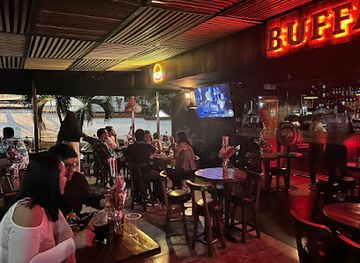
BUFFALOS BEER PUB
Discover the lively Buffalos Beer Pub in Villavicencio, where local brews and vibrant nightlife come together for an unforgettable experience.
18 min walk · 1.4 km from city centre
-
Bar
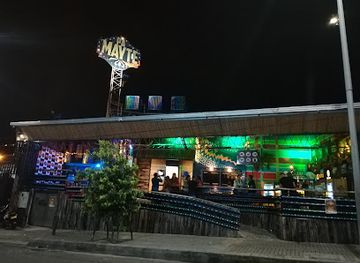
Pa Mayte
Discover the vibrant nightlife of Villavicencio at Pa Mayte, where refreshing drinks and live music create an unforgettable bar experience.
6 min drive · 2.1 km from city centre
Best nightclubs in Villavicencio
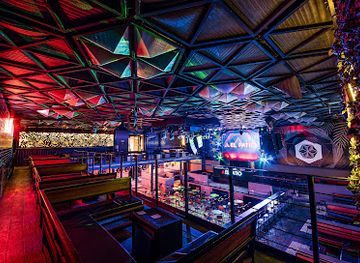
Evenings in Villavicencio range from relaxed drinks and music in central commercial areas to energetic nightlife in the city’s larger entertainment zones. Bars associated with llanero culture may feature joropo, the fast-paced musical tradition of the plains, alongside Colombian popular music and contemporary Latin sounds. Restaurants and cafés provide quieter settings early in the evening, while nightclubs and music venues attract a younger local crowd later on. The city’s nightlife is more regional and social than internationally club-oriented, with dancing, live performances and celebrations often taking precedence over elaborate cocktail culture. Visitors should use recognised transport after dark and ask locally about current entertainment areas, as venues and neighbourhood atmospheres can change. Cultural programmes, seasonal festivals and equestrian or folkloric events may also offer evening experiences beyond bars and clubs.
-
Disco club
Los Capachos
Discover the electric nightlife at Los Capachos, the ultimate disco club and bar in Villavicencio, where music and dance unite in a vibrant atmosphere.
14 min drive · 4.6 km from city centre
-
Night club
Ranchón del Maporal • la Cantina - el Garden.
Experience the electrifying nightlife of Villavicencio at Ranchón del Maporal, where music, dance, and local flavors come together.
10 min drive · 3.2 km from city centre
-
Disco club
Discoteca olé
Discover the vibrant nightlife of Villavicencio at Discoteca Olé, where music, dancing, and local culture come together in an unforgettable experience.
18 min walk · 1.5 km from city centre
-
Disco club
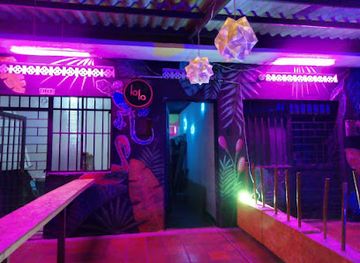
Lola lounge villavicencio
Discover the vibrant nightlife of Villavicencio at Lola Lounge, where music and dance create unforgettable memories in a lively disco club atmosphere.
6 min drive · 2.2 km from city centre

Best shops in Villavicencio
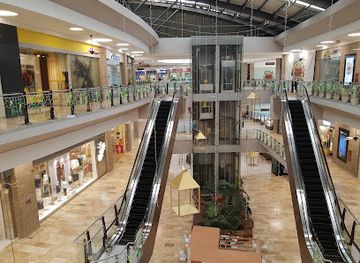
Shopping in Villavicencio combines practical urban retail with products associated with the Llanos. Larger commercial centres such as Unicentro and Primavera Urbana provide national chains, services and climate-controlled browsing, while central streets and neighbourhood businesses offer clothing, footwear, food and everyday goods. San Andresito is associated with discount-oriented shopping and a more informal commercial atmosphere, although visitors should compare quality and confirm prices before buying. For regional products, look for pan de arroz, packaged sweets, coffee from nearby areas, woven goods and items reflecting llanero horse and ranching culture. Specialist artisan stock can vary, so genuinely handmade products are best identified by asking about their origin and materials. Shopping is generally more useful for discovering local food and practical souvenirs than for finding a large market-based handicraft scene, with the city’s strongest cultural identity found in its regional cuisine and music.
-
Shopping mall
Urban Spring Shopping Mall
Explore Urban Spring Shopping Mall in Villavicencio for a unique blend of shopping, dining, and cultural experiences.
5 min drive · 1.8 km from city centre
-
Shopping mall
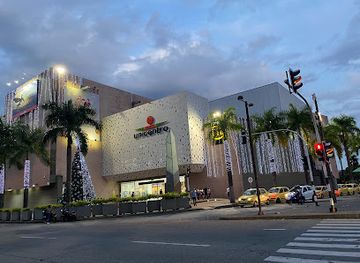
Centro Comercial Unicentro Villavicencio
Discover the vibrant shopping experience at Unicentro Villavicencio, where fashion, dining, and entertainment come together in one exciting location.
12 min walk · 0.9 km from city centre
-
Outlet mall
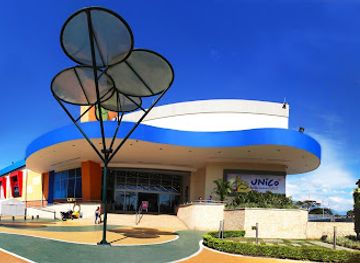
UNICO Villavicencio Outlet Mall
Discover unbeatable deals and a vibrant shopping experience at UNICO Villavicencio Outlet Mall, the ultimate destination for fashion lovers in Colombia.
19 min walk · 1.5 km from city centre
-
Clothing store
Mattelsa Villavicencio-Tienda de Ropa
Explore the vibrant fashion scene at Mattelsa Villavicencio, where quality meets style in a delightful shopping experience.
14 min walk · 1.1 km from city centre
Get your free copy of our complete guide to Villavicencio, delivered straight to you.
Everything on this page, from attractions and restaurants to essentials and local phrases, in one PDF you can read offline, print or share.
Already have an account? Sign in
Your Villavicencio guide is ready.
We'll send it to · Not you? Sign out

Getting your guide ready…
We are putting together a fresh copy of the Villavicencio guide. This can take up to a minute.
This can take a few moments. If your browser asks, choose Allow so the download can start. You'll find the guide in your Downloads folder.
Nothing happened? Download it again
Sorry, the guide is taking longer than usual. Please try again in a minute, or get it by email instead.
Villavicencio essentials
Currency and Payment
Safety
Emergency Situations
Do's and Don'ts
Local Tips
From Eve
Local phrases worth knowing
You don't need to get them perfect. A few words go a long way, and locals appreciate the effort.
Basics
| English | Local | Say it |
|---|---|---|
| Hello | Hola | [oh-lah] |
| Goodbye | Adiós | [ah-dyohs] |
| Yes | Sí | [see] |
| No | No | [noh] |
| Please/You're welcome | Por favor/De nada | [por fah-vohr/de nah-dah] |
| Thank you | Gracias | [grah-syahs] |
| Excuse me/Sorry | Perdón/Lo siento | [pehr-dohn/loh see-ehn-toh] |
| How are you? | ¿Cómo estás? | [koh-moh ehs-tahs] |
| Fine. And you? | Bien. ¿Y tú? | [byen. ee too] |
| Do you speak English? | ¿Hablas inglés? | [ah-blahs een-glehs] |
| I don't understand | No entiendo | [noh ehn-tyen-doh] |
Eating & Drinking
| English | Local | Say it |
|---|---|---|
| I'd like to see the menu, please | Me gustaría ver el menú, por favor | [meh goos-tah-ree-ah vehr ehl meh-noo, por fah-vohr] |
| I don't eat meat | No como carne | [noh koh-moh kahr-neh] |
| Cheers! | ¡Salud! | [sah-lood] |
| I would like to pay, please | Me gustaría pagar, por favor | [meh goos-tah-ree-ah pah-gahr, por fah-vohr] |
Emergencies
| English | Local | Say it |
|---|---|---|
| Help! | ¡Ayuda! | [ah-yoo-dah] |
| Go away! | ¡Vete! | [veh-teh] |
| Call the Police! | ¡Llama a la policía! | [yah-mah ah lah poh-lee-see-ah] |
| Call a doctor! | ¡Llama a un médico! | [yah-mah ah oon meh-dee-koh] |
| I'm lost | Estoy perdido | [ehs-toy pehr-dee-doh] |
| I'm ill | Estoy enfermo | [ehs-toy ehn-fehr-moh] |
Shopping
| English | Local | Say it |
|---|---|---|
| I'd like to buy... | Me gustaría comprar... | [meh goos-tah-ree-ah kohm-prahr...] |
| I'm just looking | Solo estoy mirando | [soh-loh ehs-toy mee-rahn-doh] |
| How much is it? | ¿Cuánto cuesta? | [kwan-toh kwehs-tah] |
| That's too expensive | Esto es demasiado caro | [ehs-toh ehs deh-mah-syah-doh kah-roh] |
| Can you lower the price? | ¿Puedes bajar el precio? | [pweh-dehs bah-hahr ehl pree-syoh] |
Time & Numbers
| English | Local | Say it |
|---|---|---|
| What time is it? | ¿Qué hora es? | [keh oh-rah ehs] |
| It's one o'clock | Es la una | [ehs lah oo-nah] |
| Half past (10) | Las diez y media | [lahs dyehs ee meh-dee-ah] |
| Morning | Mañana | [mah-nyah-nah] |
| Afternoon | Tarde | [tahr-deh] |
| Evening | Noche | [noh-cheh] |
| Yesterday | Ayer | [ah-yehr] |
| Today | Hoy | [oy] |
| Tomorrow | Mañana | [mah-nyah-nah] |
| 1 | Uno | [oo-noh] |
| 2 | Dos | [dohs] |
| 3 | Tres | [trehs] |
| 4 | Cuatro | [kwa-troh] |
| 5 | Cinco | [seen-koh] |
| 6 | Seis | [says] |
| 7 | Siete | [syeh-teh] |
| 8 | Ocho | [oh-choh] |
| 9 | Nueve | [nweh-veh] |
| 10 | Diez | [dyehs] |
Transport & Directions
| English | Local | Say it |
|---|---|---|
| Where's a/the...? | ¿Dónde está...? | [dohn-deh ehs-tah] |
| What's the address? | ¿Cuál es la dirección? | [kwal ehs lah dee-rehk-syon] |
| Can you show me (on the map)? | ¿Puedes mostrarme (en el mapa)? | [pweh-dehs mohs-trar-meh (ehn ehl mah-pah)] |
| When's the next (bus)? | ¿Cuándo es el próximo (bus)? | [kwan-doh ehs ehl proh-kshee-moh (boos)] |
| A ticket (to ....) | Un tiquete (para ....) | [oon tee-keh-teh (pah-rah)] |
History of Villavicencio
Indigenous Plains and Foothills
Long before the modern city emerged, the eastern foothills and plains around present-day Villavicencio were inhabited and used by Indigenous peoples, including communities associated with the Guayupe cultural world. Rivers, gallery forests and savannahs supported fishing, farming, hunting and regional exchange. Spanish colonial expansion altered these networks through missions, ranching and new patterns of landholding, but Indigenous knowledge of the terrain continued to shape movement through the difficult transition between the Andes and the Llanos. The area’s later importance came less from monumental colonial construction than from its position on routes connecting the highlands with the open country to the east.
The Settlement of Gramalote
The settlement that developed into Villavicencio began in the early nineteenth century as Gramalote, growing around routes used between the Andean highlands and the eastern plains. The community attracted farmers, traders and ranchers whose livelihoods depended on exchanging highland goods for livestock and products from the Llanos. In 1840, the settlement was formally established as a town, marking a stage in the consolidation of a frontier centre. Its location at the foot of the Cordillera Oriental made it a place of passage and commerce rather than an isolated agricultural village, linking Bogotá and the interior with the emerging economy of the plains.
A Name from Republican Colombia
In 1850, the town adopted the name Villavicencio in honour of Antonio Villavicencio, an important figure in the political upheavals surrounding Colombia’s independence. The change reflected the republican practice of commemorating national heroes and helped distinguish the settlement within the growing administrative geography of the country. Throughout the nineteenth century, Villavicencio remained closely tied to livestock, agricultural production and trade with the Llanos. Its social character was shaped by movement between regions: Andean merchants and settlers met plains ranchers, horsemen and rural communities, creating the cultural exchange that still informs the city’s food, music and regional identity.
Roads, Commerce and Urban Growth
Villavicencio expanded as transport links improved between the capital and Meta. Roads through the Cordillera Oriental strengthened the city’s role as the principal commercial and administrative centre for the eastern plains, although landslides, steep terrain and seasonal conditions have long affected travel. The growth of cattle ranching, agriculture and public administration brought new neighbourhoods and services, while markets and transport businesses connected rural producers with urban consumers. During the twentieth century, the city’s population increased considerably as people arrived from across the plains and other parts of Colombia. This expansion made Villavicencio a regional capital with a character distinct from the older Andean cities.
Modern Gateway to the Llanos
In contemporary Colombia, Villavicencio functions as Meta’s main urban hub and as the most familiar starting point for journeys into the Llanos Orientales. Improved highways, an airport and expanding commercial districts have strengthened its connections with Bogotá and the surrounding municipalities. At the same time, rapid growth has placed pressure on transport, housing and the riverside environment. Cultural institutions and attractions such as Parque Las Malocas present llanero traditions in a city increasingly shaped by modern services, universities and commerce. The result is a place where rural heritage remains visible not as a museum relic, but through cuisine, music, festivals, horsemanship and continuing links with the plains.
Villavicencio in Photos
Browse through our photo collection highlighting the charm and character of the destination.
Cities near Villavicencio
The closest cities to Villavicencio, if you have time for more than one stop.
-

-

-

-

-


Swipe for more cities
Explore more

Explore more of Colombia
Discover Colombia: A land of diverse beauty, rich heritage, and vibrant culture, offering everything from bustling cities to serene coffee plantations and stunning national parks.
Explore Colombia