

Catatumbo, Colombia Travel Guide
Discover the awe-inspiring Catatumbo Lightning in Colombia, where nature puts on its most electrifying show amidst lush landscapes and rich biodiversity.
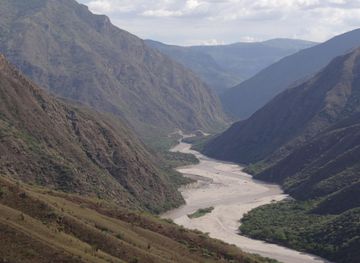
Nestled in the heart of Colombia, Catatumbo is a natural wonder known for its extraordinary lightning storms. This phenomenon, often referred to as the 'Catatumbo Lightning,' occurs over the Catatumbo River, creating a mesmerizing light show that can be seen for miles. The lightning is so frequent and intense that it has earned a place in the Guinness World Records as the place with the highest lightning activity on Earth. Beyond its breathtaking storms, Catatumbo offers a rich tapestry of biodiversity. The region is home to a variety of wildlife, including rare bird species and unique aquatic life. Visitors can explore the lush landscapes of the Catatumbo Barí National Park, where dense forests and winding rivers create an adventurer's paradise. For those interested in cultural experiences, the local indigenous communities provide a glimpse into traditional ways of life that have been preserved for centuries. Whether you're a nature enthusiast, a photographer, or simply someone looking for a unique travel experience, Catatumbo promises an unforgettable journey. The combination of natural beauty and the awe-inspiring lightning spectacle makes it a must-visit destination in Colombia.

Know before you go
Hi, I'm Eve. Here are a few practical things to know before exploring Catatumbo.
- Visit during the rainy season (April to November) for the best chance to witness the Catatumbo Lightning.
- Bring insect repellent and wear long sleeves to protect against mosquitoes.
- Hire a local guide to explore the area safely and gain deeper insights into the region.
- Respect the local indigenous communities and their customs.
- Ensure your camera is fully charged and has a good low-light capability to capture the lightning.
Top City Travel Guides in Catatumbo
The cities of Catatumbo, and the easiest places to base yourself.

Explore Catatumbo: Things to Do, Places to Eat, Hotels & More
Handpicked recommendations for top attractions, local dining, accommodations, and more

Top Attractions & Sightseeing in Catatumbo
Top-rated picks
Best Attractions

Los Estoraques Unique Natural Area
Explore the breathtaking Los Estoraques Unique Natural Area, where stunning rock formations and diverse trails await in the heart of Norte de Santander, Colombia.

Parque Nacional Natural Catatumbo Barí
Discover the enchanting landscapes and biodiversity of Parque Nacional Natural Catatumbo Barí, a hidden gem in North Santander, Colombia.

Ciénagas del Catatumbo National Park
Explore the stunning biodiversity and serene landscapes of Ciénegas del Catatumbo National Park in Venezuela, a haven for nature lovers and adventure seekers.

Relámpago dél Catatumbo
Discover the Relámpago dèl Catatumbo, a mesmerizing lightning phenomenon in Venezuela that showcases nature's breathtaking power and beauty.

Best landmarks in Catatumbo
Top-rated picks
Best Landmarks

Parque Nacional Natural Tayrona
Discover the breathtaking beauty and rich biodiversity of Parque Nacional Natural Tayrona, a must-visit destination in Colombia's Caribbean region.

Salt Cathedral
Explore the breathtaking Salt Cathedral of Zipaquirá, a unique blend of art, history, and spirituality nestled deep within an ancient salt mine.

Tequendama Falls
Experience the breathtaking beauty and cultural significance of Tequendama Falls, a mesmerizing waterfall in Cundinamarca, Colombia.

Nemocón Salt Mine
Discover the breathtaking beauty and rich history of Nemocón Salt Mine in Cundinamarca, Colombia – a must-visit destination for every traveler.

Best restaurants in Catatumbo
Top-rated picks
Best Restaurants

Tramonti
Experience authentic Italian cuisine at Tramonti in Bogotá's Chapinero district—where every meal is a celebration of flavor and tradition.

Restaurante Rancho Grande
Experience authentic Colombian cuisine at Restaurante Rancho Grande in Pailitas—where every meal tells a story.

Kathmandu
Discover Kathmandu's vibrant Asian culinary scene featuring diverse flavors and lively atmospheres perfect for any foodie.

Restaurante La Brasa
Discover authentic Colombian cuisine at Restaurante La Brasa in Aguachica - where every meal is a celebration of local flavors.

Best bars in Catatumbo
Top-rated picks
Best Bars

estadero la mona
Discover the vibrant nightlife at Estadero La Mona, Aguachica's favorite bar for refreshing drinks and local culture.

La Oficina Cafe-Bar
Experience the vibrant spirit of Tibú at La Oficina Cafe-Bar, where local flavors and lively atmosphere meet.
Licoreria Pa Que La Gorda
Discover the vibrant nightlife and delicious drinks at Licoreria Pa Que La Gorda in Casigua El Cubo, a must-visit bar for tourists seeking a lively experience.

Bar restaurante el chivo
Discover authentic Colombian grilled cuisine at Bar Restaurante El Chivo in Urbanizacion Vista, a must-visit for every food-loving traveler.

Best nightclubs in Catatumbo
Top-rated picks
Best Nightclubs

Makarena Club
Makarena Club: Cúcuta's premier disco club for unforgettable nights filled with music, dance, and vibrant energy.

Hangar
Dive into the electrifying nightlife at Hangar, Cúcuta's premier disco club, where music, dancing, and unforgettable memories await.

Burj Khalifa
Discover the vibrant nightlife at Burj Khalifa, an iconic disco club in Los Patios, where unforgettable experiences await every weekend.

Moka Club
Experience the vibrant nightlife of Cúcuta at Moka Club, where music and dance come alive in a stunning disco atmosphere.

Best shops in Catatumbo
Top-rated picks
Best Shops

Abastos Abril Lemus
Experience the vibrant flavors of North Santander at Abastos Abril Lemus, your go-to grocery store for authentic Colombian ingredients.

Coomulcon
Discover the vibrant local culture and flavors at Coomulcon, a must-visit supermarket in Convención, North Santander.

Raquel perez
Discover the authentic flavors of Tibú at Raquel Perez Bakery, renowned for its freshly baked goods and inviting atmosphere.

VIVERO LOS CACAOS
Discover the vibrant beauty of VIVERO LOS CACAOS, a garden center in El Tarra, North Santander, where nature flourishes and inspiration blooms.

Explore Catatumbo on the Map
A handpicked selection of must-see spots in Catatumbo, mapped for you.
Catatumbo Essentials
-
Catatumbo is located in the Norte de Santander Department of Colombia. The nearest major airport is Camilo Daza International Airport in Cúcuta, which is approximately 200 kilometers away. From Cúcuta, travelers can take a bus or hire a taxi to reach Catatumbo. The journey by road typically takes around 4 to 5 hours. Alternatively, there are smaller regional airports closer to Catatumbo, but flights may be less frequent.
-
Public transportation in Catatumbo consists mainly of buses and taxis. Buses are an economical option and connect most towns and villages within the region. Taxis are available and can be hired for short trips or full-day excursions. Renting a car is also an option for more flexibility in exploring the area, but be mindful of road conditions and local driving habits.
-
The official currency in Colombia is the Colombian Peso (COP). Credit and debit cards are accepted in major hotels, restaurants, and shops, but cash is preferred in smaller establishments and rural areas. ATMs are available in larger towns, but it's advisable to carry sufficient cash when traveling to more remote locations within Catatumbo.
-
While Catatumbo is generally safe for tourists, it is important to exercise caution due to occasional reports of crime. Avoid traveling alone at night and stay away from isolated areas. Be particularly cautious in areas with known high crime rates, such as certain parts of Ocaña and Tibú. Always keep an eye on your belongings and avoid displaying valuable items in public.
-
In case of emergency, dial 123 for immediate assistance. There are local police stations and medical facilities in larger towns such as Ocaña. It is highly recommended to have travel insurance that covers medical emergencies. For minor health issues, pharmacies are available where you can purchase over-the-counter medications.
-
Fashion: Do dress modestly, especially when visiting religious sites. Avoid wearing revealing clothing. Religion: Do respect local customs and traditions. Always cover your head when entering churches and other religious buildings. Public Transport: Do be respectful and give up your seat to elderly passengers. Don't eat or drink on public transport. Greetings: Do greet people with a handshake or a friendly nod. A warm smile goes a long way. Eating & Drinking: Do try local specialties and accept food offerings graciously. Don't refuse hospitality, as it is considered impolite.
-
To experience Catatumbo like a local, visit the local markets where you can buy fresh produce and traditional Colombian goods. Engage with locals, as they are often friendly and willing to share stories about the region's history and culture. Don't miss visiting the Los Estoraques Unique Natural Area, which offers stunning rock formations and scenic views. For an authentic experience, consider staying in a local guesthouse and participating in community-led tours.
When is the best time to visit Catatumbo?
Useful Local Phrases for Catatumbo
You don't need to speak the language perfectly. Even learning a few simple words can make conversations warmer—and locals usually appreciate the effort.
— Eve

Here are the phrases I use most often in Catatumbo. Try a few—you'll be surprised how far they go! 😊
❤️
-
- HelloHola
[oh-lah] - GoodbyeAdiós
[ah-dee-ohs] - YesSí
[see] - NoNo
[noh] - Please/You're welcomePor favor
[por fah-vor] - Thank youGracias
[grah-syahs] - Excuse me/SorryPerdón
[pehr-dohn] - How are you?¿Cómo estás?
[koh-moh ehs-tahs] - Fine. And you?Bien. ¿Y tú?
[byen. ee too] - Do you speak English?¿Hablas inglés?
[ah-blahs een-glehs] - I don't understandNo entiendo
[noh ehn-tyen-doh]
- HelloHola
-
- I'd like to see the menu, pleaseMe gustaría ver el menú, por favor
[meh goos-tah-ree-ah vehr el meh-noo, por fah-vor] - I don't eat meatNo como carne
[noh koh-moh kahr-neh] - Cheers!¡Salud!
[sah-lood] - I would like to pay, pleaseMe gustaría pagar, por favor
[meh goos-tah-ree-ah pah-gar, por fah-vor]
- I'd like to see the menu, pleaseMe gustaría ver el menú, por favor
-
- Help!¡Ayuda!
[ah-yoo-dah] - Go away!¡Lárgate!
[lahr-gah-teh] - Call the Police!¡Llama a la policía!
[yah-mah ah lah poh-lee-syah] - Call a doctor!¡Llama a un médico!
[yah-mah ah oon meh-dee-koh] - I'm lostEstoy perdido
[es-toy pehr-dee-doh] - I'm illEstoy enfermo
[es-toy en-fehr-moh]
- Help!¡Ayuda!
-
- I'd like to buy...Me gustaría comprar...
[meh goos-tah-ree-ah kohn-prar] - I'm just lookingSolo estoy mirando
[soh-lo es-toy mee-rahn-doh] - How much is it?¿Cuánto cuesta?
[kwahn-toh kwes-tah] - That's too expensiveEso es demasiado caro
[eh-so es deh-mah-see-ah-doh kah-roh] - Can you lower the price?¿Puedes bajar el precio?
[pweh-des bah-har el preh-syoh]
- I'd like to buy...Me gustaría comprar...
-
- What time is it?¿Qué hora es?
[keh oh-rah es] - It's one o'clockEs la una
[es lah oo-nah] - Half past (10)Y media (10)
[ee meh-dee-ah (diez)] - MorningMañana
[mah-nyah-nah] - AfternoonTarde
[tahr-deh] - EveningNoche
[noh-cheh] - YesterdayAyer
[ah-yehr] - TodayHoy
[oy] - TomorrowMañana
[mah-nyah-nah] - 1Uno
[oo-no] - 2Dos
[dohs] - 3Tres
[tres] - 4Cuatro
[kwah-troh] - 5Cinco
[seen-koh] - 6Seis
[says] - 7Siete
[syeh-teh] - 8Ocho
[oh-choh] - 9Nueve
[nweh-veh] - 10Diez
[dyehs]
- What time is it?¿Qué hora es?
-
- Where's a/the...?¿Dónde está un/una...?
[dohn-deh ehs-tah oon/oo-nah] - What's the address?¿Cuál es la dirección?
[kwahl es lah dee-rehk-syohn] - Can you show me (on the map)?¿Puedes mostrarme (en el mapa)?
[pweh-des mohs-trar-meh (en el mah-pah)] - When's the next (bus)?¿Cuándo es el próximo (autobús)?
[kwahn-doh es el prohk-see-moh (ow-toh-boos)] - A ticket (to ....)Un tiquete (a ....)
[oon tee-keh-teh (ah ....)]
- Where's a/the...?¿Dónde está un/una...?
History of Catatumbo
-
The Catatumbo region, located in the northeastern part of Colombia, is named after the Catatumbo River. The name 'Catatumbo' is derived from the indigenous Barí word 'Catatum,' meaning 'House of Thunder,' a fitting name given the region's frequent thunderstorms. The area has been inhabited by indigenous groups such as the Barí people for centuries, who have maintained a deep connection with the land and its natural resources.
-
During the colonial era, Spanish explorers and settlers ventured into the Catatumbo region in search of resources and to spread their influence. The arrival of the Spanish led to significant changes in the social and cultural landscape. The indigenous Barí people resisted colonial intrusion, leading to conflicts and efforts to maintain their autonomy. Despite these efforts, the Spanish influence left a lasting impact on the region's development.
-
The early 19th century was a period of upheaval and transformation as Colombia fought for independence from Spanish rule. The Catatumbo region was not immune to these changes. Local leaders and inhabitants joined the struggle for independence, contributing to the broader efforts that eventually led to Colombia's freedom. The period was marked by significant battles and the rise of local heroes who played crucial roles in the fight against Spanish forces.
-
In the late 19th and early 20th centuries, the Catatumbo region experienced a surge in economic activity due to the global demand for rubber. The rubber boom brought significant changes to the region, attracting settlers and entrepreneurs looking to capitalize on the lucrative industry. This period saw the exploitation of natural resources and labor, leading to both economic growth and social challenges. The legacy of the rubber boom is still evident in some of the region's infrastructure and settlements.
-
The Catatumbo region has been a focal point in Colombia's modern history of conflict and peacebuilding. The area has seen significant activity from various armed groups, including guerrillas and paramilitaries, due to its strategic location and resources. This has resulted in periods of violence and displacement for the local population. Efforts to bring peace and stability to the region have been ongoing, with various initiatives aimed at addressing the root causes of conflict and promoting development.
-
Despite the challenges, the Catatumbo region boasts a rich cultural heritage. The indigenous Barí people continue to play a vital role in preserving their traditions, language, and customs. Cultural festivals, traditional crafts, and ceremonies are integral to the community's identity. The region's diverse cultural landscape is a testament to the resilience and adaptability of its inhabitants, who have managed to maintain their heritage while navigating the complexities of modernity.
-
One of the most fascinating natural phenomena associated with the Catatumbo region is the Catatumbo Lightning. Known as the 'Lighthouse of Maracaibo,' this phenomenon occurs over the Catatumbo River, producing frequent and intense lightning storms. This natural spectacle has been a subject of scientific study and local folklore for centuries. It is a significant attraction for visitors and holds cultural and environmental importance for the region.
Neighbouring Regions of Catatumbo
The closest regions to Catatumbo, if you have time for more than one.




Your all‑in‑one travel companion app
Explore expert travel guides, compare and book tours, experiences, hotels, and more—all from the palm of your hand. Download now for seamless trip planning wherever your wanderlust takes you.


Explore More of Colombia

Looking beyond Catatumbo? Discover Colombia for broader travel guides, local hot-spots, and regional highlights.
Explore ColombiaCatatumbo in Photos
Browse through our photo collection highlighting the charm and character of the destination.



Catatumbo: The Land of Eternal Lightning
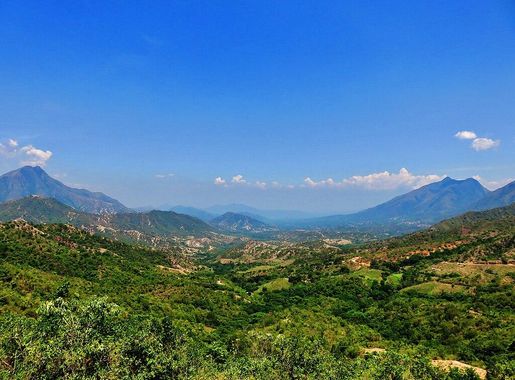
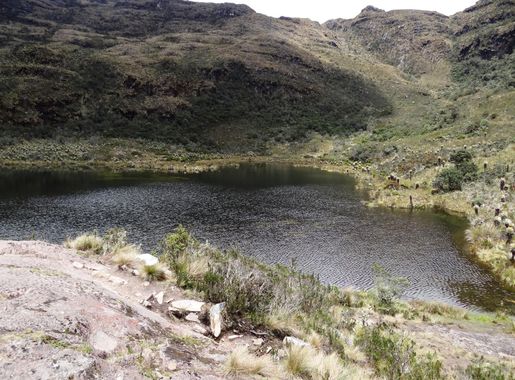
Nestled in the heart of Colombia, Catatumbo is a natural wonder known for its extraordinary lightning storms. This phenomenon, often referred to as the 'Catatumbo Lightning,' occurs over the Catatumbo River, creating a mesmerizing light show that can be seen for miles. The lightning is so frequent and intense that it has earned a place in the Guinness World Records as the place with the highest lightning activity on Earth. Beyond its breathtaking storms, Catatumbo offers a rich tapestry of biodiversity. The region is home to a variety of wildlife, including rare bird species and unique aquatic life. Visitors can explore the lush landscapes of the Catatumbo Barí National Park, where dense forests and winding rivers create an adventurer's paradise. For those interested in cultural experiences, the local indigenous communities provide a glimpse into traditional ways of life that have been preserved for centuries. Whether you're a nature enthusiast, a photographer, or simply someone looking for a unique travel experience, Catatumbo promises an unforgettable journey. The combination of natural beauty and the awe-inspiring lightning spectacle makes it a must-visit destination in Colombia.