

Sucre Department, Colombia Travel Guide
Discover the vibrant cultural heritage, breathtaking natural beauty, and coastal charm of Sucre Department, Colombia's hidden gem.
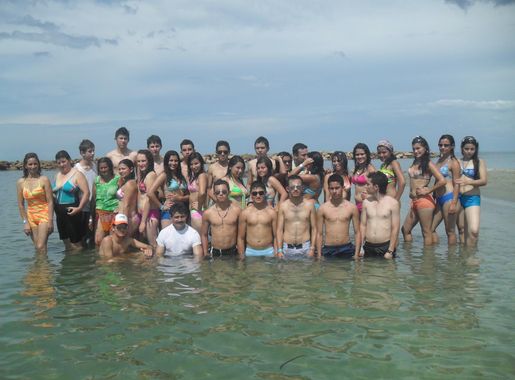
Nestled in the northern reaches of Colombia, the Sucre Department is a treasure trove of cultural richness, historical landmarks, and natural beauty. Known for its vibrant music scene, particularly the Vallenato and Cumbia genres, Sucre is a place where every street corner seems to hum with melodies and rhythms that echo Colombia's soul. The capital city, Sincelejo, offers a charming blend of colonial architecture and modern amenities. The city's bustling marketplaces are perfect for sampling local delicacies such as 'butifarra' and 'queso costeño.' Art lovers will revel in the myriad of local crafts and artworks that reflect the region's indigenous and Afro-Colombian heritage. For nature enthusiasts, the Ciénaga de la Caimanera is a must-visit. This vast wetland area is home to a diverse array of wildlife, including exotic birds and caimans. A boat tour through its serene waters provides a peaceful escape and a chance to witness the natural splendor up close. Sucre's coastline, particularly the beaches of Coveñas and Tolú, offers pristine sands and clear turquoise waters. These coastal towns are perfect for relaxation, water sports, and sampling fresh seafood. The local hospitality ensures that visitors feel welcomed and can fully immerse themselves in the laid-back coastal lifestyle.

Know before you go
Hi, I'm Eve. Here are a few practical things to know before exploring Sucre Department.
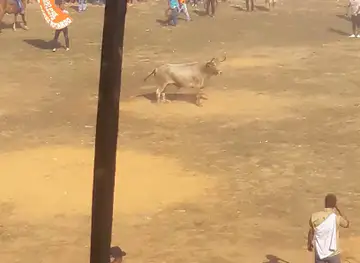
- Visit during the Fiesta de Corralejas in Sincelejo, a traditional festival featuring bullfighting and folkloric music.
- Bring insect repellent when visiting the Ciénaga de la Caimanera to protect against mosquitoes.
- Try to learn a few basic Spanish phrases; locals appreciate the effort and it enhances your travel experience.
- Local buses and 'mototaxis' are affordable and convenient ways to get around. Always agree on the fare beforehand.
- Don’t miss out on the fresh seafood in Tolú and Coveñas; local dishes like 'ceviche' are a culinary highlight.
Top City Travel Guides in Sucre Department
The cities of Sucre Department, and the easiest places to base yourself.

Explore Sucre Department: Things to Do, Places to Eat, Hotels & More
Handpicked recommendations for top attractions, local dining, accommodations, and more

Top Attractions & Sightseeing in Sucre Department
Top-rated picks
Best Attractions

San Felipe de Barajas Fort
Explore Cartagena's iconic Castillo San Felipe de Barajas, a UNESCO World Heritage site offering panoramic views and a glimpse into colonial history.

Salt Cathedral
Discover a unique architectural and religious landmark in Colombia, an underground cathedral carved from a salt mine, offering a spiritual and awe-inspiring experience.

Simon Bolivar Park
Discover Sucre's largest and most beautiful park, a tranquil retreat with French-inspired landmarks and a vibrant local atmosphere.

Plaza de Majagual
Experience the vibrant heart of Sincelejo at Plaza de Majagual, a cultural hub with colonial charm and lively events.

Best landmarks in Sucre Department
Top-rated picks
Best Landmarks

Plaza de Bolívar
Discover the rich history and vibrant culture at Plaza de Bolívar, Bogotá's iconic historical square, surrounded by stunning architecture and local life.

San Felipe de Barajas Fort
Discover the historical grandeur of San Felipe de Barajas Fort, Cartagena's iconic fortress and a UNESCO World Heritage site showcasing rich colonial history and stunning views.

Villa de Leyva Main Square
Explore the enchanting Villa de Leyva Main Square, a vibrant historical landmark surrounded by colonial architecture and rich cultural experiences.

Parque Nacional Natural Tayrona
Explore the stunning beauty and biodiversity of Parque Nacional Natural Tayrona, a tropical paradise in Colombia's Caribbean region.

Best restaurants in Sucre Department
Top-rated picks
Best Restaurants

Restaurante Pasteles De La Sabana
Experience authentic Creole flavors at Restaurante Pasteles De La Sabana in Sabanas de Cali - where tradition meets taste.

Cestino Picnic
Experience authentic Colombian flavors at Cestino Picnic - where traditional meets modern in a vibrant dining atmosphere.

Carbón y Brasas El Flaco
Discover affordable grilled delights at Carbón y Brasas El Flaco in Corozal - where local flavors meet inviting atmosphere.

Siracha
Experience the essence of Peru at Siracha in Sincelejo – where authentic flavors meet vibrant culture.

Best bars in Sucre Department
Top-rated picks
Best Bars

La Cruda rooftop
Experience the vibrant flavors and stunning views at La Cruda Rooftop, the perfect spot for a memorable evening in Sincelejo.

Discoteca QK-YO Disco BAR
Unleash your energy at Discoteca QK-YO Disco BAR in Caimito, Sucre - where the night comes alive with music and dancing.
Estadero Xy
Experience the vibrant local culture at Estadero Xy, a lively bar in Caimito offering delicious drinks and an inviting atmosphere.

Estadero Pa'onde Rupe
Discover the enchanting atmosphere of Estadero Pa'onde Rupe, a lively piano bar in Majagual, Sucre, offering unforgettable melodies and delightful drinks.

Best nightclubs in Sucre Department
Top-rated picks
Best Nightclubs

Discoteca Retro
Discover the heart of Sincelejo's nightlife at Discoteca Retro, where music, dancing, and vibrant energy await every night.

Pandora Club
Dive into the electrifying nightlife of Sincelejo at Pandora Club, a premier disco destination filled with vibrant music and unforgettable experiences.

Tembeleque disco bar
Discover the vibrant nightlife of Tembeleque Disco Bar in Sincelejo, where great music and local culture come alive for an unforgettable experience.

Azucar
Dive into the vibrant nightlife at Azucar Disco Club in Sincelejo, where music and dance unite for an unforgettable experience.

Best shops in Sucre Department
Top-rated picks
Best Shops

D1 Majagual Sucre
Discover the best local and international groceries at D1 Majagual Sucre, where quality meets convenience for travelers exploring Sucre.

Tienda El Progreso F/lia Castillo
Explore unique handcrafted home goods that reflect the culture of Sucre at Tienda El Progreso in Piza, Majagual - a true local treasure.

Sucre Comunicaciónes
Explore the vibrant Sucre Comunicaciónes shopping mall, where local culture meets international shopping and dining in the heart of Sucre, Colombia.

TIENDA DE MARCAS JOTAVENTAS
Discover the latest fashion trends at Tienda de Marcas Jotaventas in Majagual, Sucre - where style meets affordability.

Explore Sucre Department on the Map
A handpicked selection of must-see spots in Sucre Department, mapped for you.
Sucre Department Essentials
-
Sucre Department is located in northern Colombia. The easiest way to get there is by flying into the Los Garzones Airport (MTR) in Montería, which is the closest major airport. From Montería, it is approximately a 2-hour drive to Sincelejo, the capital of Sucre. You can also fly into Rafael Núñez International Airport (CTG) in Cartagena and take a bus or hire a car for the 3-hour drive to Sincelejo. Buses run frequently from major cities like Bogotá, Medellín, and Cartagena to Sincelejo.
-
Within Sucre Department, the primary modes of transportation are buses, taxis, and moto-taxis. Buses are the most economical option and connect major towns and cities. Taxis are widely available in urban areas like Sincelejo and are relatively inexpensive. Moto-taxis are common in smaller towns and rural areas, but always negotiate the fare before the ride. Car rental is available but driving can be challenging due to varying road conditions.
-
The official currency in Colombia is the Colombian Peso (COP). Credit and debit cards are accepted in most hotels, restaurants, and larger shops in urban areas. However, it is advisable to carry cash, especially when visiting smaller towns and rural areas. ATMs are available in major cities like Sincelejo, but it is wise to withdraw sufficient cash before traveling to remote areas. Note that smaller establishments may not accept cards.
-
Sucre Department is generally safe for tourists, but standard precautions should be taken. Avoid walking alone at night in unfamiliar areas and keep an eye on your belongings in crowded places. Areas with higher crime rates include some neighborhoods in Sincelejo, such as La Gallera and La Ford. It's advisable to stay in well-lit and populated areas, especially after dark. Always use registered taxis or ride-sharing services.
-
In case of an emergency, dial 123 for immediate assistance. Sincelejo has several hospitals and medical facilities where you can seek help. It is recommended to have travel insurance that covers medical emergencies. Pharmacies are available in major towns where you can purchase over-the-counter medications. For consular assistance, contact your embassy in Bogotá.
-
Fashion: Do dress modestly, especially when visiting religious sites or rural areas. Avoid wearing flashy jewelry. Religion: Do respect local customs and traditions. Always remove your hat when entering a church. Public Transport: Do be respectful and give up your seat to elderly passengers. Don’t eat or drink on public transport. Greetings: Do greet people with a handshake. Using 'Señor' or 'Señora' is a sign of respect. Eating & Drinking: Do try local dishes such as 'Sancocho' and 'Arepas.' Don’t refuse food or drink offered by locals, as it is considered impolite.
-
To experience Sucre Department like a local, visit the local markets in Sincelejo, such as Mercado de Las Flores, where you can buy fresh produce and handmade crafts. Engage with locals, they are often friendly and willing to share stories about their culture. Don’t miss visiting Tolú and Coveñas for beautiful beaches. For a unique experience, attend the Festival del Dulce Nombre de Jesús in January, which features traditional music, dance, and food.
When is the best time to visit Sucre Department?
Useful Local Phrases for Sucre Department
You don't need to speak the language perfectly. Even learning a few simple words can make conversations warmer—and locals usually appreciate the effort.
— Eve

Here are the phrases I use most often in Sucre Department. Try a few—you'll be surprised how far they go! 😊
❤️
-
- HelloHola
[Oh-lah] - GoodbyeAdiós
[Ah-dee-ohs] - YesSí
[See] - NoNo
[No] - Please/You're welcomePor favor
[Por fah-vor] - Thank youGracias
[Grah-see-as] - Excuse me/SorryDisculpe
[Dees-kool-peh] - How are you?¿Cómo está?
[Koh-moh es-tah] - Fine. And you?Bien. ¿Y tú?
[Byen. Ee too] - Do you speak English?¿Habla inglés?
[Ah-blah een-glehs] - I don't understandNo entiendo
[No en-tee-en-doh]
- HelloHola
-
- I'd like to see the menu, pleaseMe gustaría ver el menú, por favor
[Meh goos-tah-ree-ah behr el meh-noo, por fah-vor] - I don't eat meatNo como carne
[No koh-moh kar-neh] - Cheers!¡Salud!
[Sah-lood] - I would like to pay, pleaseQuisiera pagar, por favor
[Kee-syeh-rah pah-gar, por fah-vor]
- I'd like to see the menu, pleaseMe gustaría ver el menú, por favor
-
- Help!¡Ayuda!
[Ah-yoo-dah] - Go away!¡Vete!
[Veh-teh] - Call the Police!¡Llame a la policía!
[Yah-meh ah lah poh-lee-see-ah] - Call a doctor!¡Llame a un doctor!
[Yah-meh ah oon dok-tor] - I'm lostEstoy perdido
[Es-toy pair-dee-doh] - I'm illEstoy enfermo
[Es-toy en-fer-moh]
- Help!¡Ayuda!
-
- I'd like to buy...Me gustaría comprar...
[Meh goos-tah-ree-ah kom-prar] - I'm just lookingSolo estoy mirando
[Soh-lo es-toy mee-ran-doh] - How much is it?¿Cuánto cuesta?
[Kwan-toh kwes-tah] - That's too expensiveEso es muy caro
[Eh-so es moo-ee kah-roh] - Can you lower the price?¿Puedes bajar el precio?
[Pweh-des bah-har el preh-syo]
- I'd like to buy...Me gustaría comprar...
-
- What time is it?¿Qué hora es?
[Keh oh-rah es] - It's one o'clockEs la una
[Es lah oo-nah] - Half past (10)Y diez y media
[Ee dyez ee meh-dee-ah] - MorningMañana
[Mah-nyah-nah] - AfternoonTarde
[Tar-deh] - EveningNoche
[Noh-cheh] - YesterdayAyer
[Ah-yer] - TodayHoy
[Oy] - TomorrowMañana
[Mah-nyah-nah] - 1Uno
[Oo-noh] - 2Dos
[Dohs] - 3Tres
[Trehs] - 4Cuatro
[Kwah-troh] - 5Cinco
[Seen-koh] - 6Seis
[Says] - 7Siete
[Syet-eh] - 8Ocho
[Oh-choh] - 9Nueve
[Nweh-veh] - 10Diez
[Dyehs]
- What time is it?¿Qué hora es?
-
- Where's a/the...?¿Dónde está un/una...?
[Dohn-deh es-tah oon/oo-nah] - What's the address?¿Cuál es la dirección?
[Kwahl es lah dee-rek-syon] - Can you show me (on the map)?¿Puedes mostrarme (en el mapa)?
[Pweh-des mos-trar-meh (en el mah-pah)] - When's the next (bus)?¿Cuándo es el próximo (bus)?
[Kwan-doh es el prohk-see-mo (boos)] - A ticket (to ....)Un boleto (a ....)
[Oon bo-leh-toh (ah ....)]
- Where's a/the...?¿Dónde está un/una...?
History of Sucre Department
-
Before the arrival of the Spanish, the region now known as Sucre Department was inhabited by various indigenous groups, including the Zenú people. These indigenous populations developed complex societies with advanced agricultural techniques, such as the construction of an intricate network of canals for irrigation in the San Jorge River basin.
-
In the early 16th century, Spanish explorers arrived in the region. The conquest led to the establishment of colonial settlements and the imposition of Spanish rule. Indigenous populations were significantly affected by diseases, warfare, and forced labor. The town of Sincelejo, now the capital of Sucre Department, was founded in 1535. It became an important administrative and commercial center during the colonial period.
-
Sucre Department played a role in the struggle for Colombian independence from Spanish rule in the early 19th century. Local leaders and residents joined the revolutionary forces led by Simón Bolívar and other prominent figures. The region experienced battles and skirmishes as part of the larger campaign to secure independence for New Granada, the precursor to modern-day Colombia.
-
Sucre Department was officially established on August 18, 1966, named in honor of Antonio José de Sucre, a key leader in the Latin American fight for independence. The creation of the department was part of a broader administrative reorganization of Colombia, aimed at improving governance and regional development.
-
Sucre Department is known for its rich cultural traditions, including music, dance, and festivals. The region is a stronghold of Vallenato and Porro music, genres that are deeply rooted in the local culture. Festivals such as the Festival de la Corraleja in Sincelejo and the Festival del Porro in San Pelayo celebrate these musical traditions with vibrant performances, parades, and community gatherings.
-
Historically, the economy of Sucre Department has been based on agriculture, livestock, and fishing. The fertile lands of the region support the cultivation of crops such as corn, yucca, and tropical fruits. In recent decades, there has been a push towards diversifying the local economy, with efforts to promote tourism and improve infrastructure to attract visitors to the department's natural and cultural attractions.
Neighbouring Regions of Sucre Department
The closest regions to Sucre Department, if you have time for more than one.



Your all‑in‑one travel companion app
Explore expert travel guides, compare and book tours, experiences, hotels, and more—all from the palm of your hand. Download now for seamless trip planning wherever your wanderlust takes you.


Explore More of Colombia

Looking beyond Sucre Department? Discover Colombia for broader travel guides, local hot-spots, and regional highlights.
Explore ColombiaSucre Department in Photos
Browse through our photo collection highlighting the charm and character of the destination.



The Cultural Heartbeat of Colombia: Sucre Department
Nestled in the northern reaches of Colombia, the Sucre Department is a treasure trove of cultural richness, historical landmarks, and natural beauty. Known for its vibrant music scene, particularly the Vallenato and Cumbia genres, Sucre is a place where every street corner seems to hum with melodies and rhythms that echo Colombia's soul. The capital city, Sincelejo, offers a charming blend of colonial architecture and modern amenities. The city's bustling marketplaces are perfect for sampling local delicacies such as 'butifarra' and 'queso costeño.' Art lovers will revel in the myriad of local crafts and artworks that reflect the region's indigenous and Afro-Colombian heritage. For nature enthusiasts, the Ciénaga de la Caimanera is a must-visit. This vast wetland area is home to a diverse array of wildlife, including exotic birds and caimans. A boat tour through its serene waters provides a peaceful escape and a chance to witness the natural splendor up close. Sucre's coastline, particularly the beaches of Coveñas and Tolú, offers pristine sands and clear turquoise waters. These coastal towns are perfect for relaxation, water sports, and sampling fresh seafood. The local hospitality ensures that visitors feel welcomed and can fully immerse themselves in the laid-back coastal lifestyle.