

Free Guainía Department Travel Guide & Mobile App
Explore Guainía Department with free travel guides. Discover regional history, expert tips, proposed trips, and audio guides on web or mobile app.


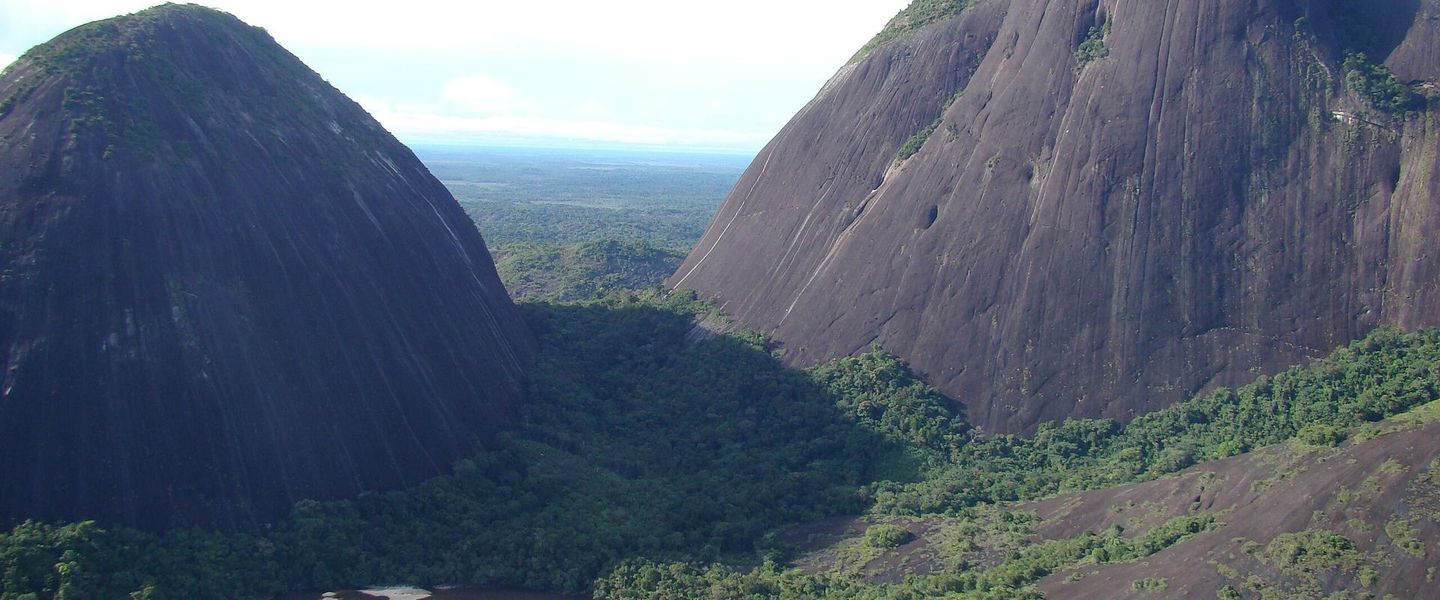


Explore Guainía in Colombia for Indigenous culture, river journeys, rainforest wetlands and the granite Cerros de Mavecure near Inírida.
Read more about Guainía Department
When is the best time to visit Guainía Department?
Best: January–March · 29–30°C| Month | High (°C) | Rainfall (mm) |
|---|---|---|
| January (best) | 29 | 100 |
| February (best) | 30 | 110 |
| March (best) | 30 | 120 |
| April | 30 | 130 |
| May | 29 | 140 |
| June | 29 | 150 |
| July | 29 | 160 |
| August | 29 | 170 |
| September | 29 | 180 |
| October | 29 | 190 |
| November | 29 | 200 |
| December | 29 | 210 |
Getting to and around Guainía Department
How to get there
Transportation
Best attractions in Guainía Department
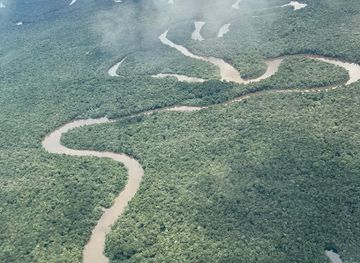
Guainía’s attractions are organised around rivers, wetlands, forests and Indigenous cultural landscapes rather than conventional urban sightseeing. Boat excursions from Inírida lead towards the Cerros de Mavecure, where guided walks and viewpoints reveal the contrast between granite hills, savanna and the Inírida River. The Estrella Fluvial del Inírida offers opportunities to observe flooded forests, aquatic environments and birdlife within a protected wetland landscape. Around the capital, guides may arrange visits to lagoons, caños, beaches and community-managed forest sites, subject to season and local permission. Farther south, the Puinawai National Natural Reserve represents a much more remote form of protected-area travel, requiring careful planning and authorised access. Birdwatching, nature photography, fishing where permitted, swimming at approved sites and learning about Indigenous plant and river knowledge are more appropriate here than highly structured adventure tourism. Inírida itself provides a useful base for understanding the department through local guides, small-scale cultural initiatives and the everyday river trade that connects the capital with surrounding communities.
-
Park
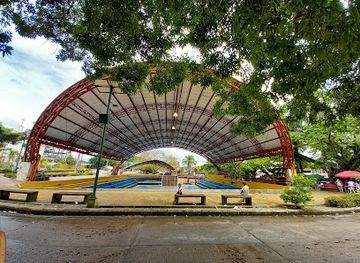
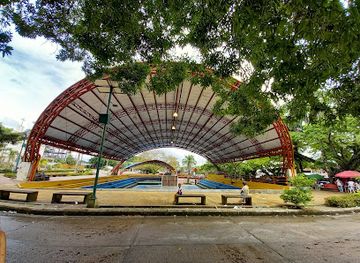
Flor de Inírida Park
Experience the lush beauty and rich biodiversity of Flor de Inírida Park in Guainía, Colombia, a serene escape for nature lovers and adventure seekers.
-
Tourist attraction
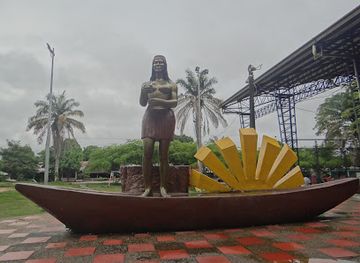
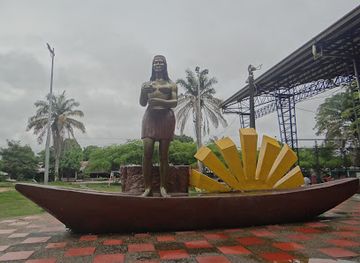
Monumento De La Princesa Inirida
Experience the rich cultural heritage of Colombia at Monumento De La Princesa Inirida, a stunning tribute to indigenous artistry and history.
-
River
Inírida River
Discover the tranquil beauty of the Inírida River in Colombia, where breathtaking landscapes meet vibrant local culture and adventure.
-
National park
Puinawai National Reserve
Explore the breathtaking landscapes and diverse ecosystems of Puinawai National Reserve, a hidden gem in Colombia's Guainia region.
Best landmarks in Guainía Department
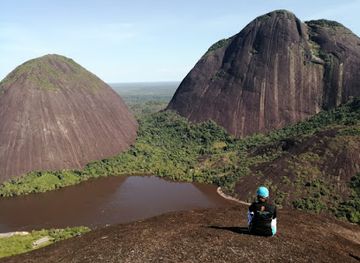
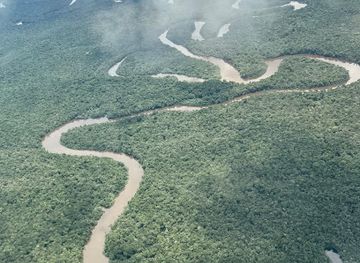
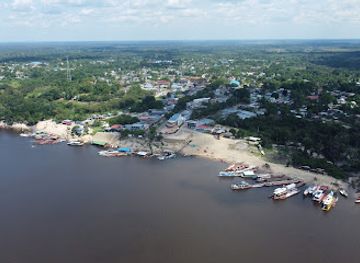
The Cerros de Mavecure are Guainía’s defining natural landmarks: Mavecure, Pajarito and Mono rise sharply from the lowlands beside the Inírida River, creating a striking geological and cultural reference point visible from river approaches. Their importance extends beyond appearance, as local Indigenous knowledge and community interpretation provide essential context for visiting them respectfully. The Estrella Fluvial del Inírida is another landmark at a larger landscape scale, where several river systems, flooded forests and wetlands form a notable meeting of waters recognised internationally for its ecological value. Inírida’s river confluences and waterfront are central to the department’s identity, linking the capital to surrounding settlements and trade routes. The broad savannas, forest margins and waterways around these sites should be understood as inhabited and managed landscapes, not empty wilderness. Access, landing points and walking routes can change with water levels, so the advice of local guides is important.
-
Park
Flor de Inírida Park
Explore Flor de Inírida Park - A Nature Lover's Paradise in Inírida, Guainia, Colombia, where tranquility meets vibrant local culture.
-
 Hotel
HotelLa Cabaña Guainiana
Discover the serene beauty of La Cabaña Guainiana, a tranquil hotel in Inírida, perfect for relaxation and exploration of Colombia's Amazon.
-
Hotel
Hotel Toninas
Experience the charm of Inírida at Hotel Toninas - your gateway to the breathtaking landscapes and vibrant culture of Guainía.
-
Tourist attraction
Monumento De La Princesa Inirida
Explore the Monumento De La Princesa Inirida, a stunning cultural landmark in Guainia, Colombia, celebrating indigenous heritage and natural beauty.
Explore Guainía Department on the map
Plan your trip on one map. See where the top cities, national parks and sights are, and book hotels and experiences in a few clicks.
Best hotels in Guainía Department
Best restaurants in Guainía Department
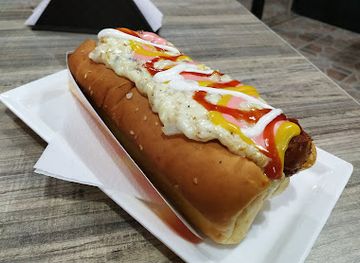
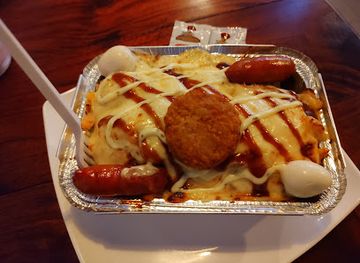
Dining in Guainía is modest, local and strongly influenced by river and forest environments. Inírida offers simple restaurants, cafés and home-style kitchens where fish, rice, plantain, cassava and soups are common foundations of a meal. Freshwater species may feature prominently, although availability changes with season, fishing conditions and local conservation rules. Visitors may also encounter preparations using fruits and ingredients associated with the Amazonian and Orinoco lowlands, including cassava-based foods and regional juices. Meals arranged through community tourism initiatives can provide a more direct introduction to local ingredients and cooking practices, but should be booked in advance rather than expected spontaneously. Colombian staples are readily available, while imported or specialised foods may be limited and more expensive. Ask about ingredients, portions and payment before eating in remote settlements, and avoid encouraging the sale of protected wildlife or illegally sourced products.
-
Restaurant
Comidas Rapidas Ricuras
Experience the rich flavors of Colombian fast food at Comidas Rapidas Ricuras in Inírida—where deliciousness meets local tradition.
-
Restaurant
Mr. Pizzeroti Gourmet
Experience gourmet pizza and local delicacies at Mr. Pizzeroti Gourmet in Inírida - a culinary delight for every traveler.
-
Restaurant
Bocaditos
Experience the rich flavors of Colombian cuisine at Bocaditos in Inírida - where every dish tells a story.
-
Restaurant
Restaurante La Cossina
Experience authentic Colombian cuisine at Restaurante La Cossina in Inírida - where every meal celebrates local flavors.

Best bars in Guainía Department
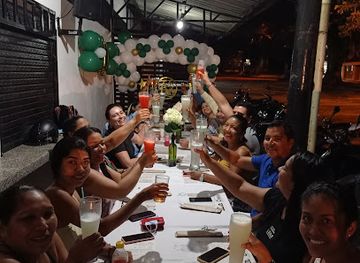
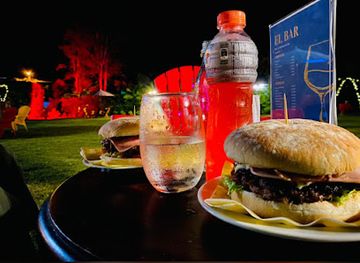
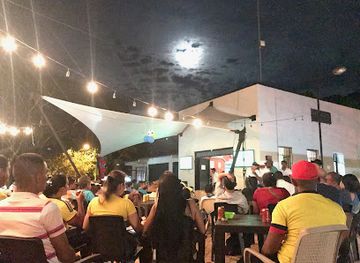
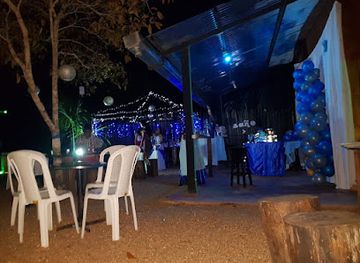
Nightlife in Guainía is concentrated in Inírida and is generally low-key, with local bars, casual restaurants and small venues providing music and socialising rather than a large club scene. Evening activity follows the rhythm of a small river capital, and options outside town are usually limited to the quiet atmosphere of a lodge, community accommodation or riverside settlement. Visitors may find regional beer, spirits and soft drinks, but should not assume that familiar brands or late-night services will be available. The most rewarding evenings often involve listening to local stories, watching the river at dusk or sharing a meal arranged by hosts, without treating Indigenous communities as entertainment venues. Because transport after dark is limited and river journeys can be hazardous, arrange your return in advance and avoid travelling on unfamiliar waterways at night.
-
Bar
El Bar
Discover El Bar in Inírida, where the spirit of Colombia comes alive with great drinks and a vibrant atmosphere.
-
Bar
Mirador Bar
Discover Mirador Bar in Inírida, Guainia – a lively destination for locals and tourists with delicious drinks and stunning views.
-
Bar
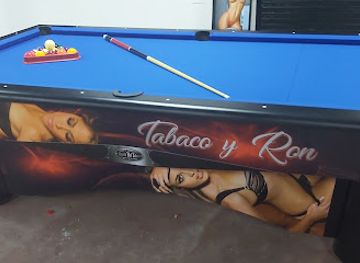
Bar Pool Tabaco&Ron
Experience the vibrant local culture at Bar Pool Tabaco&Ron in Inírida, where lively music and refreshing drinks await.
-
Bar
SOLO UNA pa' la sed
Experience the vibrant nightlife of Inírida at SOLO UNA pa' la sed, a local bar known for its lively atmosphere and diverse drink selection.
Best nightclubs in Guainía Department
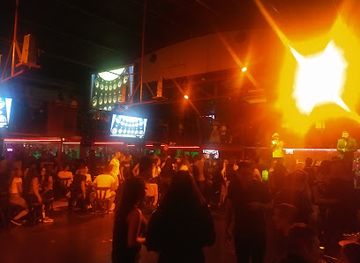
Nightlife in Guainía is concentrated in Inírida and is generally low-key, with local bars, casual restaurants and small venues providing music and socialising rather than a large club scene. Evening activity follows the rhythm of a small river capital, and options outside town are usually limited to the quiet atmosphere of a lodge, community accommodation or riverside settlement. Visitors may find regional beer, spirits and soft drinks, but should not assume that familiar brands or late-night services will be available. The most rewarding evenings often involve listening to local stories, watching the river at dusk or sharing a meal arranged by hosts, without treating Indigenous communities as entertainment venues. Because transport after dark is limited and river journeys can be hazardous, arrange your return in advance and avoid travelling on unfamiliar waterways at night.
-
Disco club
Paradaise Natural Party
Discover the lively ambiance and exhilarating rhythms at Paradaise Natural Party, Bogotá's premier disco club for an unforgettable night out.
-
Bar
El Bar
Discover the vibrant nightlife at El Bar in Inírida, where refreshing drinks and local culture come together in a warm and welcoming atmosphere.
-
Night club
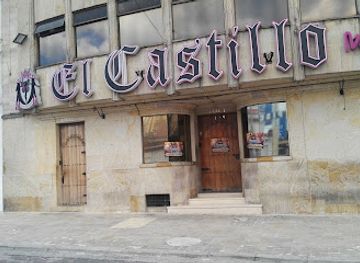
Castillo VIP Night Club
Discover the electrifying atmosphere and vibrant energy of Castillo VIP Night Club, Bogotá's ultimate nightlife destination.
-
Bar
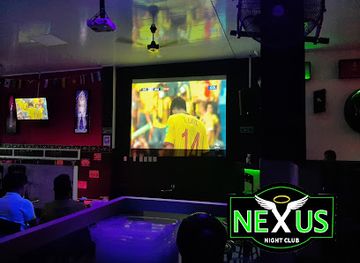
NEXUS NIGHT CLUB
Experience the vibrant nightlife at Nexus Night Club in Inírida, where music, dance, and culture collide for an unforgettable evening.

Best shops in Guainía Department
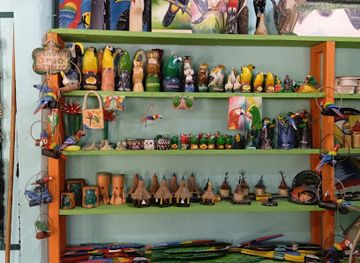
Shopping in Guainía is centred on practical goods in Inírida, small local shops and products obtained through community or cultural initiatives rather than large retail centres. Visitors may find woven items, beadwork, carvings, small works of art and other crafts made by Indigenous artisans, although availability and design vary between communities. Ask who made an item, how it may be used and whether its sale has been authorised; do not purchase archaeological objects, feathers, animal parts, protected plants or materials of uncertain origin. Local food products such as cassava-based goods, fruit preparations and regional ingredients may be available when transport and season allow, but they are not always suitable for carrying on flights. Keep Colombian pesos available, compare prices respectfully and favour direct, transparent purchases that benefit artisans and community projects rather than informal resellers.
-
Park
Flor de Inírida Park
Explore the stunning Flor de Inírida Park, a natural sanctuary in Guainia, Colombia, filled with lush landscapes and diverse wildlife.
-
Tourist attraction
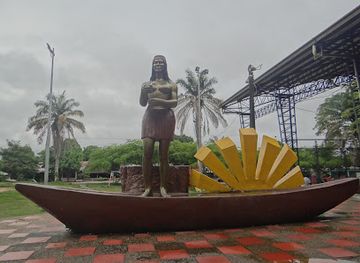
Monumento De La Princesa Inirida
Explore the rich cultural heritage at Monumento De La Princesa Inirida, a stunning landmark in Inírida, Guainia, surrounded by lush landscapes.
-
National park
Puinawai National Reserve
Explore the stunning biodiversity and serene landscapes of Puinawai National Reserve, a true natural wonder in Guainia, Colombia.
-
Tourist attraction
Artesanías Inirida
Explore the vibrant world of Colombian craftsmanship at Artesanías Inirida, showcasing the rich artistry and culture of Guainía.
Get your free copy of our complete guide to Guainía Department, delivered straight to you.
Everything on this page, from attractions and restaurants to essentials and local phrases, in one PDF you can read offline, print or share.
Already have an account? Sign in
Your Guainía Department guide is ready.
We'll send it to · Not you? Sign out

Getting your guide ready…
We are putting together a fresh copy of the Guainía Department guide. This can take up to a minute.
This can take a few moments. If your browser asks, choose Allow so the download can start. You'll find the guide in your Downloads folder.
Nothing happened? Download it again
Sorry, the guide is taking longer than usual. Please try again in a minute, or get it by email instead.
Guainía Department essentials
Currency and Payment
Safety
Emergency Situations
Do's and Don'ts
Local Tips
From Eve
Local phrases worth knowing
You don't need to get them perfect. A few words go a long way, and locals appreciate the effort.
Basics
| English | Local | Say it |
|---|---|---|
| Hello | Hola | [Ola] |
| Goodbye | Adiós | [Adios] |
| Yes | Sí | [Si] |
| No | No | [No] |
| Please/You're welcome | Por favor | [Por favor] |
| Thank you | Gracias | [Grasias] |
| Excuse me/Sorry | Disculpa | [Disculpa] |
| How are you? | ¿Cómo estás? | [Como estas] |
| Fine. And you? | Bien. ¿Y tú? | [Bien. I tu] |
| Do you speak English? | ¿Hablas inglés? | [Hablas ingles] |
| I don't understand | No entiendo | [No entiendo] |
Eating & Drinking
| English | Local | Say it |
|---|---|---|
| I'd like to see the menu, please | Me gustaría ver el menú, por favor | [Me gustaria ver el menu, por favor] |
| I don't eat meat | No como carne | [No como carne] |
| Cheers! | ¡Salud! | [Salud] |
| I would like to pay, please | Me gustaría pagar, por favor | [Me gustaria pagar, por favor] |
Emergencies
| English | Local | Say it |
|---|---|---|
| Help! | ¡Ayuda! | [Ayuda] |
| Go away! | ¡Vete! | [Vete] |
| Call the Police! | ¡Llama a la policía! | [Llama a la policia] |
| Call a doctor! | ¡Llama a un doctor! | [Llama a un doctor] |
| I'm lost | Estoy perdido | [Estoy perdido] |
| I'm ill | Estoy enfermo | [Estoy enfermo] |
Shopping
| English | Local | Say it |
|---|---|---|
| I'd like to buy... | Me gustaría comprar... | [Me gustaria comprar] |
| I'm just looking | Solo estoy mirando | [Solo estoy mirando] |
| How much is it? | ¿Cuánto cuesta? | [Cuanto cuesta] |
| That's too expensive | Eso es muy caro | [Eso es muy caro] |
| Can you lower the price? | ¿Puedes bajar el precio? | [Puedes bajar el precio] |
Time & Numbers
| English | Local | Say it |
|---|---|---|
| What time is it? | ¿Qué hora es? | [Que hora es] |
| It's one o'clock | Es la una | [Es la una] |
| Half past (10) | Y media (10) | [Y media 10] |
| Morning | Mañana | [Mañana] |
| Afternoon | Tarde | [Tarde] |
| Evening | Noche | [Noche] |
| Yesterday | Ayer | [Ayer] |
| Today | Hoy | [Hoy] |
| Tomorrow | Mañana | [Mañana] |
| 1 | Uno | [Uno] |
| 2 | Dos | [Dos] |
| 3 | Tres | [Tres] |
| 4 | Cuatro | [Cuatro] |
| 5 | Cinco | [Cinco] |
| 6 | Seis | [Seis] |
| 7 | Siete | [Siete] |
| 8 | Ocho | [Ocho] |
| 9 | Nueve | [Nueve] |
| 10 | Diez | [Diez] |
Transport & Directions
| English | Local | Say it |
|---|---|---|
| Where's a/the...? | ¿Dónde está un/una...? | [Donde esta un/una] |
| What's the address? | ¿Cuál es la dirección? | [Cual es la direccion] |
| Can you show me (on the map)? | ¿Puedes mostrarme (en el mapa)? | [Puedes mostrarme en el mapa] |
| When's the next (bus)? | ¿Cuándo es el próximo (autobús)? | [Cuando es el proximo autobus] |
| A ticket (to ....) | Un boleto (a....) | [Un boleto a] |
History of Guainía Department
Ancient Indigenous Landscapes
Long before the creation of Colombia’s modern borders, the rivers, forests and savannas of Guainía were inhabited and managed by Indigenous peoples. Communities including the Puinave and Curripaco developed detailed knowledge of fish, plants, soils, seasonal flooding and navigation. The Cerros de Mavecure and other granite formations also carry cultural meanings that cannot be reduced to scenery. Archaeological and ethnographic evidence across the wider Orinoco-Amazon transition demonstrates long-term human relationships with the landscape rather than an untouched wilderness.
The Orinoco-Amazon Frontier in the Colonial Era
Spanish colonial influence reached the wider Orinoco and Amazon regions through missions, river exploration and competing imperial claims, but it remained limited in much of present-day Guainía. Rivers were the principal routes of movement, while Indigenous societies retained substantial autonomy across difficult-to-access forests and savannas. The frontier later became an area of overlapping Colombian, Venezuelan and Brazilian interests, with maps and administrative claims often extending farther than effective state presence on the ground.
Rubber and River Commerce
During the late nineteenth and early twentieth centuries, the rubber economy drew merchants, labourers and extractive enterprises deeper into the Amazon and Orinoco basins. Guainía was connected to this wider regional trade through rivers, although the best-known rubber atrocities occurred elsewhere in the Colombian Amazon. The period brought coercion, disease, displacement and profound disruption for Indigenous communities, while also strengthening commercial routes and frontier settlements that influenced later state administration.
Administrative Formation of Guainía
Modern Guainía emerged gradually through Colombia’s efforts to administer its eastern frontier. It was separated from the former Vaupés territory as a national territory in the twentieth century and later became a department in 1991, when Colombia’s new Constitution also strengthened recognition of Indigenous rights and territorial authority. Inírida developed as the administrative capital, but the department’s vast distances and river-based geography continued to limit infrastructure and maintain strong distinctions between the town and dispersed communities.
Indigenous Rights and Territorial Recognition
The constitutional changes of 1991 marked an important shift in the legal recognition of Colombia’s Indigenous peoples, including those living in Guainía. Resguardos, or legally recognised Indigenous territories, became central to debates about land, governance, cultural survival and resource use. In practice, communities continue to negotiate between customary authority, state institutions, conservation bodies and outside economic interests. Travel in the department therefore takes place within living territories, where access and conduct may be governed locally.
Conservation and Contemporary Pressures
In recent decades, Guainía has gained attention for its wetlands, forests, distinctive geological formations and community-based tourism potential. The Estrella Fluvial del Inírida was designated a wetland of international importance under the Ramsar Convention, while the Puinawai National Natural Reserve protects a large area of Amazonian ecosystems. Conservation exists alongside pressures from illegal mining, timber extraction, transport limitations and changing livelihoods, making responsible tourism and local participation especially important.
Guainía Department in Photos
Browse through our photo collection highlighting the charm and character of the destination.
Neighbouring regions of Guainía Department
The closest regions to Guainía Department, if you have time for more than one.
-

-

-

-

-


Swipe for more regions
Explore more

Explore more of Colombia
Discover Colombia: A land of diverse beauty, rich heritage, and vibrant culture, offering everything from bustling cities to serene coffee plantations and stunning national parks.
Explore Colombia