

Free Los Llanos Travel Guide & Mobile App
Explore Los Llanos with free travel guides. Discover regional history, expert tips, proposed trips, and audio guides on web or mobile app.


Explore Los Llanos for open savannas, river wildlife, Llanero music, cattle-country traditions and distinctive food beyond Colombia’s Andean cities.
When is the best time to visit Los Llanos?
Best: December–February · 32°C| Month | High (°C) | Rainfall (mm) |
|---|---|---|
| January (best) | 32 | 51 |
| February (best) | 32 | 46 |
| March | 33 | 61 |
| April | 33 | 76 |
| May | 33 | 102 |
| June | 33 | 127 |
| July | 32 | 152 |
| August | 32 | 127 |
| September | 32 | 102 |
| October | 33 | 76 |
| November | 33 | 61 |
| December (best) | 32 | 51 |
Getting to and around Los Llanos
How to get there
Transportation
Top city travel guides in Los Llanos
The cities of Los Llanos, and the easiest places to base yourself.
-

-


Swipe for more cities
Best attractions in Los Llanos
Los Llanos offers a landscape-led range of attractions rather than a dense circuit of monumental sights. Around Villavicencio, visitors can explore cultural venues, food-focused rural estates, wildlife centres and foothill routes, including Bioparque Los Ocarros, which presents native Colombian fauna in a managed setting. The rural districts around Restrepo and Cumaral are associated with Llanero food, horse culture and open-country excursions. Near Puerto López, river landscapes and savanna viewpoints introduce the scale of the eastern plains. Yopal provides access to Casanare’s ranching country, birdwatching and guided wildlife experiences, while Arauca combines riverine scenery with frontier history. Farther east, El Tuparro National Natural Park in Vichada protects broad savannas, forests, waterways and distinctive rock landscapes, but reaching it requires careful planning, local transport and respect for conservation regulations. The region is also suited to birdwatching, photographic safaris, horse riding and low-impact boating, with the greatest variety of wildlife often found around lagoons, gallery forests and river margins. La Macarena, in southern Meta, represents a transitional landscape between the plains, forests and mountain systems and should be planned as a separate journey rather than treated as a quick excursion from Villavicencio.
-
Science museum
Parque Explora
Discover the wonders of science and marine life at Parque Explora, Medellín's top science museum and aquarium for curious minds and families.
-
Park
Parques del Río
Explore the lush landscapes and vibrant culture at Parques del Río, a must-visit urban oasis in Medellín, Colombia.
-
Park
Parque de El Poblado
Explore the lush landscapes and vibrant culture of Parque de El Poblado in Medellín, a perfect escape for relaxation and community engagement.
-
Fairground
Parque Norte Medellín
Experience the joy of adventure and nature at Parque Norte Medellín, a premier fairground and ecological park for all ages.
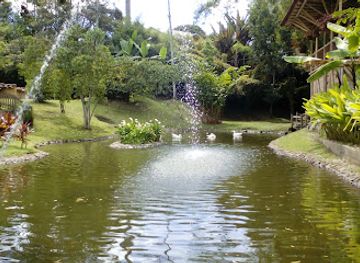
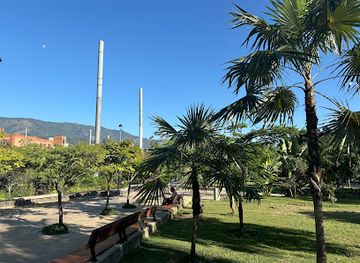
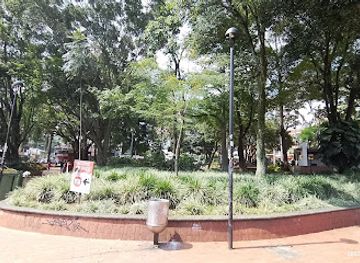
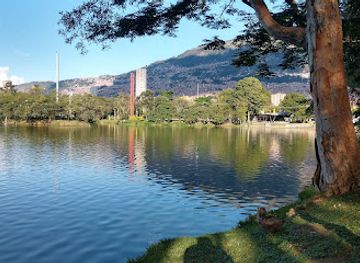
Best landmarks in Los Llanos
The most recognisable landmarks of Los Llanos express its ranching culture, rivers and frontier geography. In Villavicencio, the Monumento a los Fundadores and other public sculptures interpret the city’s connection with migration, road building and Llanero identity, while the Cristo Rey viewpoint looks towards the urban plain and surrounding foothills. Puerto López is associated with the Alto de Menegua viewpoint and the Obelisco de los Llanos, a symbolic marker overlooking the broad Meta landscape. In Yopal, the foothill setting gives the city a distinctive geographical frame, with viewpoints and civic spaces linking the urban centre to Casanare’s open country. The Arauca River is both a natural landmark and a historic organising feature of Arauca, shaping views, trade and the city’s relationship with the Venezuelan border. Farther east, the rocky formations, savannas and waterways of El Tuparro National Natural Park create a landmark landscape rather than a single monument. The Meta and Orinoco rivers, seasonal lagoons and gallery forests are equally important visual markers, revealing how water defines travel, settlement and wildlife across the region.
-
Botanical garden
Jardín Botánico de Medellín
Explore the breathtaking beauty of Jardín Botánico de Medellín, a botanical garden and science museum that highlights Colombia's rich biodiversity.
-
Tourist attraction
Comuna 13
Discover the vibrant murals, rich history, and transformative spirit of Comuna 13 in Medellín, where art meets community in a captivating journey.
-
National park
Timanfaya National Park
Explore Timanfaya National Park in Lanzarote, Spain, where volcanic landscapes and geothermal wonders create a breathtaking natural experience.
-
Park
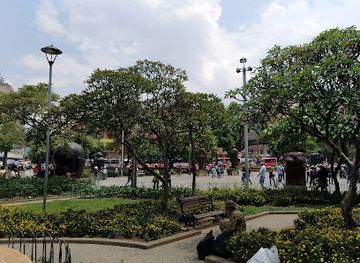
Plaza Botero - Medellín, Antioquia
Explore Plaza Botero in Medellín, a captivating park showcasing Fernando Botero's oversized sculptures and vibrant local culture.
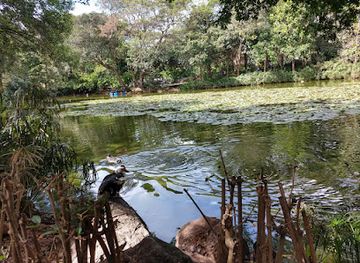
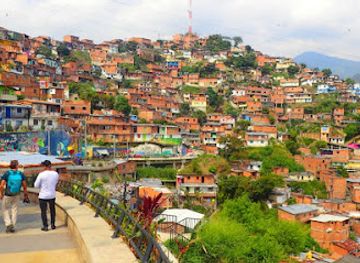

Explore Los Llanos on the map
Plan your trip on one map. See where the top cities, national parks and sights are, and book hotels and experiences in a few clicks.
Best hotels in Los Llanos
Best restaurants in Los Llanos
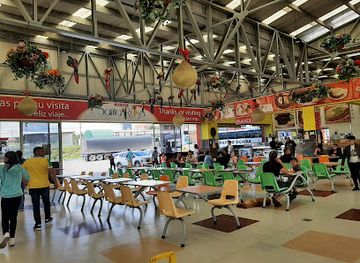
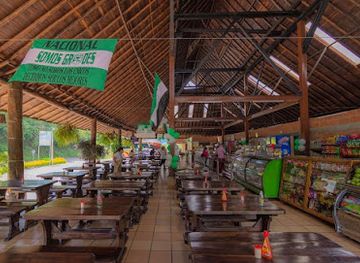
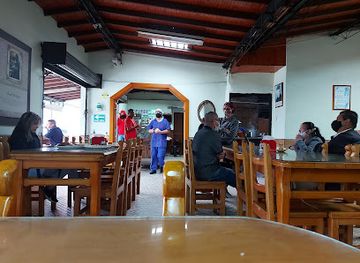
Dining in Los Llanos is closely linked to cattle country, river produce and communal cooking. The best-known speciality is ternera a la llanera, or mamona, in which young beef is seasoned and slowly roasted over an open fire; preparation and accompanying sauces vary between towns, ranches and restaurants. Hayacas, tungos, cachapas, arepas and fresh tropical fruit are common regional flavours, while river fish appears on menus in communities near major waterways. Roadside grills, family-run restaurants, rural fincas and city eateries provide different interpretations of Llanero food. Villavicencio and Yopal have the broadest choice, including contemporary Colombian cooking, cafés and restaurants serving dishes from across the country. In smaller settlements, menus may be more seasonal and dependent on local supply. Panela drinks, guarapo and fruit juices are widely encountered, while coffee is supplied through national rather than specifically Llanero traditions. Ask about portion sizes and preparation times when ordering food cooked over wood or charcoal, and favour establishments with good local turnover in hot rural areas.
-
Restaurant
Parador Santa Rosa
Discover the flavors of Colombia at Parador Santa Rosa in Antioquia - where traditional dishes meet modern dining experiences.
-
Restaurant
Rancho de Occidente
Discover authentic Colombian cuisine at Rancho de Occidente in Cañasgordas—where tradition meets taste amidst stunning Antioquian landscapes.
-
Restaurant
Restaurante Mina Vieja
Experience authentic Colombian cuisine at Restaurante Mina Vieja in Yarumal – where tradition meets flavor.
-
Restaurant
PALOS DE LEÑA QUINTA PAREDES (Leños & palos)
Experience authentic Colombian cuisine at Palos de Leña - home of delicious smoked meats in Bogotá.
Best bars in Los Llanos
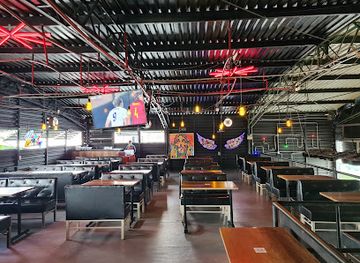
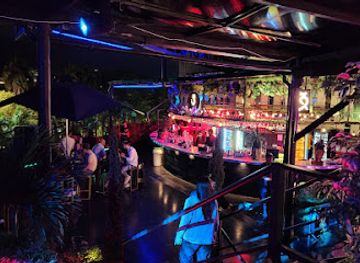
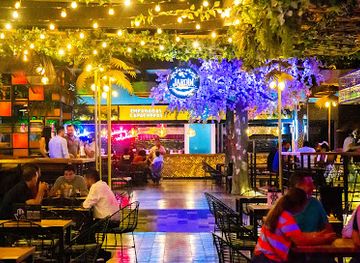
Evening life in Los Llanos is concentrated in Villavicencio, Yopal, Arauca and other departmental or municipal centres rather than spread evenly across the countryside. Traditional bars, cervezerías, cafés and restaurants provide much of the social scene, while larger towns also have modern cocktail venues, dance bars and clubs playing Colombian and international music. Joropo may be encountered at cultural events, festivals and dedicated performances, although it should not be assumed that every venue offers live Llanero music nightly. In rural areas, evenings generally centre on family gatherings, local restaurants, ranch accommodation or small-town plazas, with limited late-night transport. Villavicencio has the broadest choice and a more active weekend scene; Yopal combines urban nightlife with the regional identity of Casanare. Check current arrangements locally, travel back with a trusted taxi or pre-arranged driver, and remember that nightlife options can change considerably between festival periods and quieter seasons.
-
Bar
La Pérgola Clandestina
Experience the vibrant nightlife of Cali at La Pérgola Clandestina, where cocktails, salsa, and community come alive in a festive atmosphere.
-
Spanish
Kiosco 7
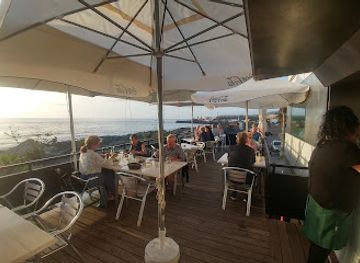
Experience authentic Spanish flavors at Kiosco 7, a must-visit restaurant in Los Llanos, Santa Cruz de Tenerife, for every food lover.
-
Bar
EL BURGUES PUB BAR RESTAURANTE
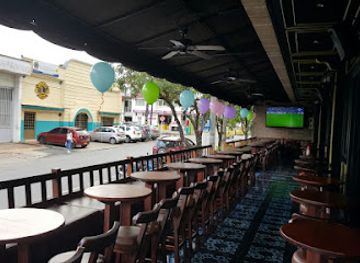
Discover the vibrant nightlife of Villavicencio at El Burgues Pub Bar Restaurante, where Cajun flavors meet a lively atmosphere.
-
Bar
La Fogata Rock-Bar
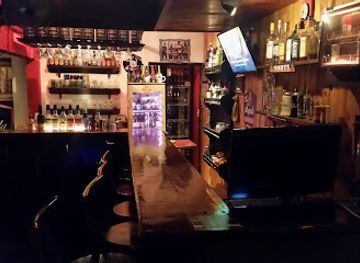
Experience the vibrant nightlife at La Fogata Rock-Bar, where delicious food and live music create a memorable atmosphere in Villavicencio.
Best nightclubs in Los Llanos
Evening life in Los Llanos is concentrated in Villavicencio, Yopal, Arauca and other departmental or municipal centres rather than spread evenly across the countryside. Traditional bars, cervezerías, cafés and restaurants provide much of the social scene, while larger towns also have modern cocktail venues, dance bars and clubs playing Colombian and international music. Joropo may be encountered at cultural events, festivals and dedicated performances, although it should not be assumed that every venue offers live Llanero music nightly. In rural areas, evenings generally centre on family gatherings, local restaurants, ranch accommodation or small-town plazas, with limited late-night transport. Villavicencio has the broadest choice and a more active weekend scene; Yopal combines urban nightlife with the regional identity of Casanare. Check current arrangements locally, travel back with a trusted taxi or pre-arranged driver, and remember that nightlife options can change considerably between festival periods and quieter seasons.
-
Disco club
La Topa Tolondra Nightclub
Discover the heart of Cali's nightlife at La Topa Tolondra, where salsa rhythms and vibrant energy await every visitor.
-
Disco club
La Pérgola Clandestina
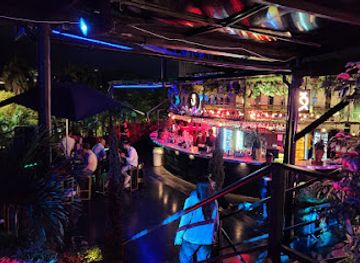
Discover the electrifying nightlife of La Pérgola Clandestina - where salsa, cocktails, and unforgettable memories await in the heart of Cali.
-
Disco club
Living Night Club
Dive into the vibrant nightlife of Cali at Living Night Club, where electrifying music and stylish ambiance create unforgettable experiences.
-
Disco club
Los Capachos
Immerse yourself in the electrifying nightlife of Los Capachos, a top disco club in Villavicencio with diverse music and an unforgettable atmosphere.


Best shops in Los Llanos
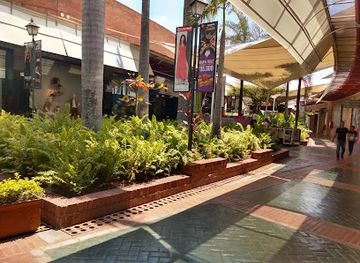
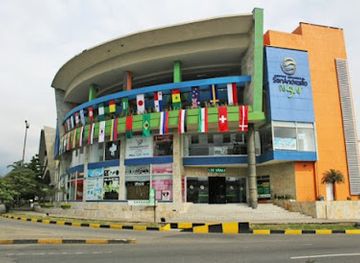
Shopping in Los Llanos is strongest in the market areas and high streets of Villavicencio, Yopal, Arauca and Puerto Carreño, where visitors can find everyday Colombian goods alongside regional food products. Look for sealed packages of coffee, panela, sweets, sauces and preserved fruit, taking care with agricultural and airline restrictions when carrying fresh produce. Craft and souvenir stalls may offer woven items, leather goods, hats, musical instruments or objects inspired by Llanero horse culture, but quality and provenance vary, so ask sellers about materials and production. Markets are useful places to see the region’s fruit, meats and river produce, although opening days and arrangements differ between municipalities. Villavicencio has the broadest modern retail provision, while smaller towns offer a more local, practical shopping experience. In rural areas, direct purchases from farms or community enterprises may be possible only through prior arrangements. Choose responsibly made products and avoid buying wildlife parts, archaeological objects or materials taken from protected environments.
-
Shopping mall
Jardín Plaza Shopping Mall
Experience the best of shopping, dining, and entertainment at Jardín Plaza Shopping Mall in Cali, a vibrant hub for locals and tourists alike.
-
Shopping mall
La Estación Centro Comercial
Discover the vibrant shopping scene at La Estación Centro Comercial in Cali, where fashion, food, and fun come together in one exciting destination.
-
Shopping mall
San Andresito - South Shopping Mall
Explore the vibrant San Andresito - South Shopping Mall in Cali, Colombia, where shopping meets local culture and culinary delights.
-
Shopping mall
Palmas Mall
Discover Palmas Mall in Cali, a premier shopping destination with diverse stores, delightful dining, and family-friendly entertainment, perfect for every traveler.
Get your free copy of our complete guide to Los Llanos, delivered straight to you.
Everything on this page, from attractions and restaurants to essentials and local phrases, in one PDF you can read offline, print or share.
Already have an account? Sign in
Your Los Llanos guide is ready.
We'll send it to · Not you? Sign out

Getting your guide ready…
We are putting together a fresh copy of the Los Llanos guide. This can take up to a minute.
This can take a few moments. If your browser asks, choose Allow so the download can start. You'll find the guide in your Downloads folder.
Nothing happened? Download it again
Sorry, the guide is taking longer than usual. Please try again in a minute, or get it by email instead.
Los Llanos essentials
Currency and Payment
Safety
Emergency Situations
Do's and Don'ts
Local Tips
From Eve
Local phrases worth knowing
You don't need to get them perfect. A few words go a long way, and locals appreciate the effort.
Basics
| English | Local | Say it |
|---|---|---|
| Hello | Hola | [O-la] |
| Goodbye | Adiós | [A-dee-os] |
| Yes | Sí | [See] |
| No | No | [No] |
| Please/You're welcome | Por favor | [Por fa-vor] |
| Thank you | Gracias | [Gra-see-as] |
| Excuse me/Sorry | Disculpe | [Dis-cool-pe] |
| How are you? | ¿Cómo estás? | [Co-mo es-tas] |
| Fine. And you? | Bien. ¿Y tú? | [Byen. Ee tu] |
| Do you speak English? | ¿Hablas inglés? | [A-blas in-gles] |
| I don't understand | No entiendo | [No en-tien-do] |
Eating & Drinking
| English | Local | Say it |
|---|---|---|
| I'd like to see the menu, please | Quisiera ver el menú, por favor | [Ki-sie-ra ver el me-nu, por fa-vor] |
| I don't eat meat | No como carne | [No co-mo car-ne] |
| Cheers! | ¡Salud! | [Sa-lud] |
| I would like to pay, please | Me gustaría pagar, por favor | [Me gus-ta-ria pa-gar, por fa-vor] |
Emergencies
| English | Local | Say it |
|---|---|---|
| Help! | ¡Ayuda! | [A-yu-da] |
| Go away! | ¡Vete! | [Ve-te] |
| Call the Police! | ¡Llama a la policía! | [Ya-ma a la po-li-cia] |
| Call a doctor! | ¡Llama a un doctor! | [Ya-ma a un doc-tor] |
| I'm lost | Estoy perdido | [Es-toy per-di-do] |
| I'm ill | Estoy enfermo | [Es-toy en-fer-mo] |
Shopping
| English | Local | Say it |
|---|---|---|
| I'd like to buy... | Quisiera comprar... | [Ki-sie-ra com-prar] |
| I'm just looking | Solo estoy mirando | [So-lo es-toy mi-ran-do] |
| How much is it? | ¿Cuánto cuesta? | [Cuan-to cues-ta] |
| That's too expensive | Eso es demasiado caro | [E-so es de-ma-si-a-do ca-ro] |
| Can you lower the price? | ¿Puedes bajar el precio? | [Pwe-des ba-har el pre-cio] |
Time & Numbers
| English | Local | Say it |
|---|---|---|
| What time is it? | ¿Qué hora es? | [Ke o-ra es] |
| It's one o'clock | Es la una | [Es la u-na] |
| Half past (10) | Y media (10) | [Ee me-dia] |
| Morning | Mañana | [Ma-nya-na] |
| Afternoon | Tarde | [Tar-de] |
| Evening | Noche | [No-che] |
| Yesterday | Ayer | [A-yer] |
| Today | Hoy | [Oi] |
| Tomorrow | Mañana | [Ma-nya-na] |
| 1 | Uno | [U-no] |
| 2 | Dos | [Dos] |
| 3 | Tres | [Tres] |
| 4 | Cuatro | [Cua-tro] |
| 5 | Cinco | [Cin-co] |
| 6 | Seis | [Seis] |
| 7 | Siete | [Sye-te] |
| 8 | Ocho | [O-cho] |
| 9 | Nueve | [Nwe-ve] |
| 10 | Diez | [Dyez] |
Transport & Directions
| English | Local | Say it |
|---|---|---|
| Where's a/the...? | ¿Dónde está un/ el...? | [Don-de es-ta un/ el] |
| What's the address? | ¿Cuál es la dirección? | [Cual es la di-rec-cion] |
| Can you show me (on the map)? | ¿Puedes mostrarme (en el mapa)? | [Pwe-des mos-trar-me (en el ma-pa)] |
| When's the next (bus)? | ¿Cuándo es el próximo (bus)? | [Cuan-do es el pro-xi-mo (bus)] |
| A ticket (to ....) | Un boleto (a ....) | [Un bo-le-to (a ....)] |
History of Los Llanos
Indigenous Orinoco and Llanos Cultures
Long before Spanish settlement, the plains and river corridors were occupied by diverse Indigenous peoples whose economies and movements were adapted to seasonal flooding, savanna and forest. Communities including the Sikuani, Piapoco, Sáliba and Amorúa have shaped the cultural history of the wider Orinoco basin, although their territories and contemporary circumstances differ. Rivers served as routes of communication, fishing and exchange, while knowledge of plants, animals and seasonal water levels was essential. Indigenous presence remains part of the region’s living identity and should not be treated only as a pre-Columbian subject.
Spanish Colonisation and Jesuit Missions
Spanish expansion into the eastern plains was slower and less concentrated than in the Andean highlands. Missionaries, settlers and colonial administrators followed rivers and established religious and agricultural outposts, especially in the Orinoco sphere. Jesuit missions played a significant role in parts of the wider plains during the colonial period, bringing new religious and economic structures while also disrupting Indigenous societies. Colonial control remained uneven because of distance, flooding and limited infrastructure. The region’s later ranching culture emerged from this frontier environment, where cattle multiplied across extensive grasslands.
The Formation of Llanero Cattle Culture
Cattle ranching became central to the economy and cultural identity of the plains from the colonial era onwards. Herds could graze over enormous savannas, and skilled horsemen developed methods for rounding up, branding and moving animals through open or seasonally flooded terrain. These practices helped form the figure of the Llanero, whose culture is expressed through work, music, oral traditions, food and horsemanship. The regional cattle economy was often connected more easily to Andean market towns and river routes than to the distant eastern frontier, reinforcing the importance of places such as Villavicencio and Yopal.
Independence and the Plains Campaigns
The eastern plains were important to the military history of Colombian independence. Llanero fighters and horsemen contributed to the patriot cause, operating across difficult terrain and supplying forces during campaigns against Spanish rule. Their mobility and knowledge of the landscape were particularly valuable in the approaches to the Andes. The wider independence struggle affected the plains through military recruitment, disrupted trade and changing political authority. Commemorations and regional historical narratives continue to associate Llanero courage and horsemanship with the creation of modern Colombia.
Roads, River Trade and Urban Growth
For much of the modern period, rivers, mule routes and seasonal tracks connected the plains with the Andes and the Venezuelan border more effectively than permanent roads. The gradual improvement of roads from Bogotá through the eastern foothills transformed Villavicencio into a major gateway, while expanding road links strengthened Yopal and other departmental capitals. Urban growth brought schools, public institutions, markets and new forms of commerce to settlements that had once depended heavily on ranching and river transport. The region remains marked by the contrast between growing cities and widely dispersed rural communities.
Oil Development in Arauca and Casanare
Petroleum exploration and production became a major force in the economies of Arauca and Casanare during the late twentieth century, particularly around fields near Arauca and Yopal. Oil revenue funded infrastructure and public services in some areas, while also creating dependence on a volatile resource and contributing to social, environmental and political tensions. The industry changed local labour markets and accelerated urbanisation, but it did not displace cattle ranching, agriculture or river-based livelihoods everywhere. Oil infrastructure is now part of the contemporary landscape of several western and northern Llanos departments.
Conflict, Conservation and Contemporary Change
Parts of the plains experienced armed conflict, insecurity and illicit economies during Colombia’s long internal war, affecting rural communities, transport and investment. Conditions have changed unevenly, and visitors should obtain current local advice rather than assume that every remote route has the same accessibility. At the same time, conservation and nature tourism have gained importance through protected areas, wildlife initiatives and community-led guiding. The contemporary Llanos therefore brings together ranching, oil, agriculture, Indigenous rights, urban expansion and environmental protection in a landscape undergoing continuing change.
Los Llanos in Photos
Browse through our photo collection highlighting the charm and character of the destination.
Neighbouring regions of Los Llanos
The closest regions to Los Llanos, if you have time for more than one.
-

-

-

-

-


Swipe for more regions
Explore more

Explore more of Colombia
Discover Colombia: A land of diverse beauty, rich heritage, and vibrant culture, offering everything from bustling cities to serene coffee plantations and stunning national parks.
Explore Colombia