

Free Orinoquía Travel Guide & Mobile App
Explore Orinoquía with free travel guides. Discover regional history, expert tips, proposed trips, and audio guides on web or mobile app.


Explore Colombia’s Orinoquía for open Llanos, wildlife-rich wetlands, joropo culture, ranch life and the rivers of its eastern frontier.
Read more about Orinoquía
When is the best time to visit Orinoquía?
Best: November–January · 31°C| Month | High (°C) | Rainfall (mm) |
|---|---|---|
| January (best) | 31 | 30 |
| February | 32 | 40 |
| March | 32 | 50 |
| April | 33 | 60 |
| May | 33 | 70 |
| June | 33 | 80 |
| July | 32 | 70 |
| August | 32 | 60 |
| September | 32 | 50 |
| October | 31 | 40 |
| November (best) | 31 | 30 |
| December (best) | 31 | 20 |
Getting to and around Orinoquía
How to get there
Transportation
Top city travel guides in Orinoquía
The cities of Orinoquía, and the easiest places to base yourself.
-

-

-

-

-

-


Swipe for more cities
Destinations in Orinoquía
Resorts, valleys and scenic spots worth a trip of their own.
-

-

-
-


Swipe for more destinations
Best attractions in Orinoquía
Orinoquía’s attractions are primarily landscape-based and spread across a very large territory. Around Villavicencio and the Meta foothills, visitors find viewpoints, cultural venues, rural estates and access towards the Sierra de la Macarena, where La Macarena provides the base for seasonal visits to Caño Cristales. Casanare is particularly suited to wildlife watching on private reserves and ranches, with flooded savannah, forest corridors and lagoons supporting capybaras, caimans, deer and abundant birdlife. Arauca offers plains culture, river landscapes and a borderland atmosphere, while Vichada leads to quieter waterways and the remote ecosystems of El Tuparro National Natural Park. Horseback excursions, birdwatching, fishing where permitted, canoe journeys and guided walks are more characteristic than conventional sightseeing. Local festivals, joropo performances and demonstrations of cattle-working traditions add a cultural dimension, but access and operating conditions vary by season. The region is best approached as a sequence of individual landscapes rather than a compact circuit of attractions.
-
Tourist attraction
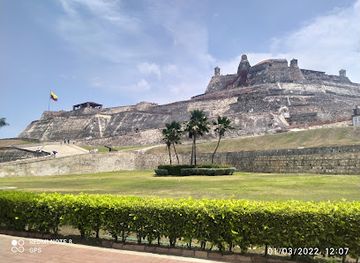
San Felipe de Barajas Fort
Explore Cartagena's iconic fortress, Castillo San Felipe de Barajas, a UNESCO World Heritage Site with panoramic views and rich colonial history.
-
Botanical garden
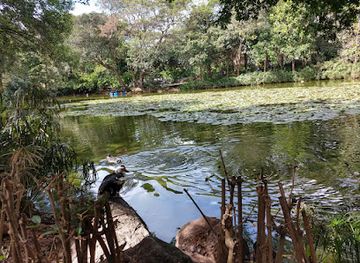
Jardín Botánico de Medellín
Discover Medellín's natural beauty at the Jardín Botánico, a vibrant oasis of diverse plant life, tranquil landscapes, and engaging cultural experiences.
-
Tourist attraction
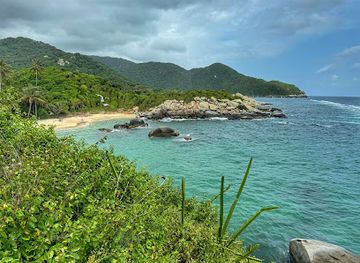
Parque Nacional Natural Tayrona
Discover Tayrona National Park: Colombia's Caribbean paradise where stunning beaches meet lush rainforest and ancient history.
-
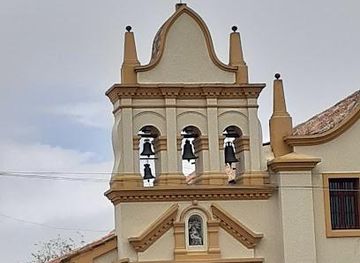
Catholic church
Shrine of Our Lady of Health of Bojacá
Discover the Shrine of Our Lady of Health of Bojacá, a spiritual haven in Colombia with a miraculous image and tranquil atmosphere.
Best landmarks in Orinoquía
The most recognisable landmarks of Orinoquía are often natural or cultural symbols rather than monumental urban buildings. Caño Cristales in Meta is notable for its clear channels and seasonal aquatic vegetation, whose colours depend on water levels and visiting conditions; it lies within the Sierra de la Macarena landscape and access is regulated. El Tuparro National Natural Park in Vichada is marked by broad savannah, gallery forest, rivers and the Orinoco escarpment, giving the eastern plains a distinctly geological presence. The Orinoco and its tributaries form powerful geographical landmarks around Puerto Carreño and other river settlements, where water, rock and forest define the frontier. Villavicencio’s Cristo Rey viewpoint is a prominent urban reference above the city, while Yopal’s foothill setting visually connects the plains with the Andes. In the cultural landscape, the llanero hat, horse, saddle and open cattle ranch are enduring symbols, though they represent working traditions rather than decorative attractions. Historic plazas and churches in regional towns provide a more modest architectural record of settlement and frontier administration.
-
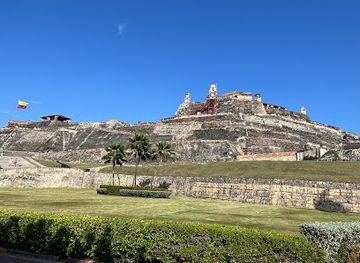
Historical landmark
San Felipe de Barajas Fort
Discover the rich history and stunning architecture of San Felipe de Barajas Fort, Cartagena's most iconic historical landmark and a must-see for every traveler.
-
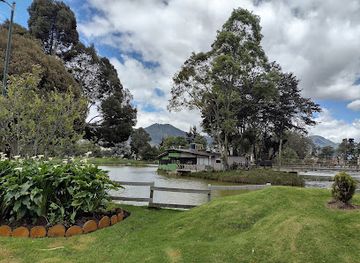
Park
Parque de los Novios
Explore the lush beauty and serene atmosphere of Parque de los Novios, a beloved urban park in Bogotá ideal for relaxation and cultural experiences.
-
National park
Cocora Valley
Explore the breathtaking landscapes of Cocora Valley, home to Colombia's iconic wax palms and diverse hiking trails in the heart of Quindío.
-
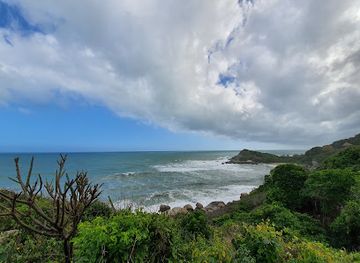
National park
Parque Nacional Natural Tayrona
Experience the stunning landscapes and vibrant ecosystems of Parque Nacional Natural Tayrona, a must-visit destination for nature lovers and adventure seekers in Colombia.

Explore Orinoquía on the map
Plan your trip on one map. See where the top cities, national parks and sights are, and book hotels and experiences in a few clicks.
Best hotels in Orinoquía
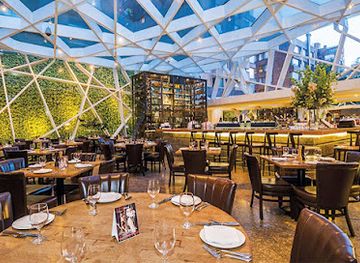
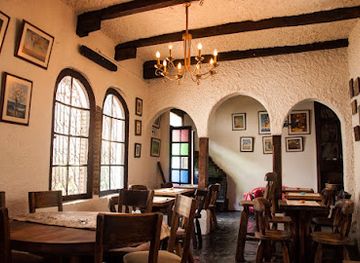
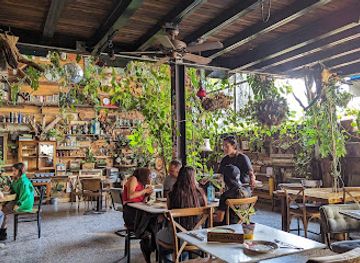
Best restaurants in Orinoquía
Food in Orinoquía reflects cattle country, river life and the practical cooking of long rural journeys. Mamona, also called ternera a la llanera, is the best-known regional preparation: young beef is slowly cooked over wood and commonly served with plantain, cassava, potatoes or rice. Grilled meats, soups, arepas, regional cheeses and freshwater fish appear widely, although menus vary between the foothills, the central plains and river settlements. Villavicencio and Yopal offer the broadest choice, from traditional restaurants and busy corrientazos to contemporary dining that uses local produce. In smaller towns, family-run eateries, bakeries and roadside stops are central to the food culture. Rural lodges and haciendas may serve set meals shaped by what is available locally. Visitors should distinguish genuine regional cooking from generic Colombian fare and expect meal times and menus to be more limited on remote excursions. Fresh juices, coffee and local soft drinks are common, while food markets provide a useful introduction to cassava, plantain, beef and seasonal fruit.
-
Restaurant
Andrés D.C. Bogotá
Discover the vibrant culinary scene at Andrés D.C. Bogotá - where delicious steak meets lively entertainment in the heart of Colombia.
-
Fine Dining
Harry Sasson
Experience culinary excellence at Harry Sasson - Bogotá's premier fine dining restaurant blending Colombian flavors with international flair.
-
Restaurant
El Gato Gris
Experience the flavors of Colombia at El Gato Gris - where tradition meets modernity in a vibrant setting.
-
Restaurant
Alambique
Discover authentic Colombian flavors at Alambique, where culinary artistry meets vibrant culture in Medellín's El Poblado district.

Best bars in Orinoquía
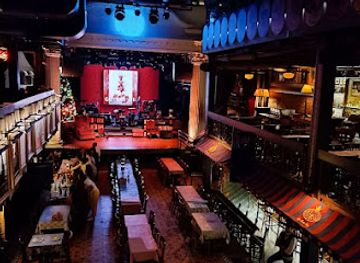
Evening life in Orinoquía is concentrated in Villavicencio, Yopal, Arauca and other departmental centres rather than dispersed across the countryside. Traditional bars, casual restaurants and music venues may feature vallenato, Colombian popular music or joropo, while larger towns also have modern cocktail bars, pubs and nightclubs. Villavicencio has the widest range because of its size and proximity to Bogotá; Yopal combines an expanding urban scene with venues associated with the energy and ranching economies. In rural areas, nightlife generally means a quiet meal, a local gathering or music at an accommodation property, not a late club circuit. Festival periods can bring more public performances and dancing, but programmes and venues are seasonal. Drink responsibly, use recognised transport after dark and remember that a joropo performance or community event is a cultural occasion rather than simply a nightlife product.
-
Live music bar
Gaira Café Cumbia House
Discover the heart of Bogotá at Gaira Café Cumbia House, where live music and Colombian cuisine create an unforgettable cultural experience.
-
Bar
Alquimico
Experience the vibrant nightlife of Cartagena at Alquimico, where innovative cocktails and a lively atmosphere await.
-
Bar
Zona T
Experience the pulsating nightlife and exquisite dining options of Zona T, Bogotá's upscale district for unforgettable evenings.
-
Bar
Café Havana
Experience the vibrant Caribbean culture at Café Havana, Cartagena's premier bar and restaurant, known for its lively atmosphere and delectable cuisine.
Best nightclubs in Orinoquía
Evening life in Orinoquía is concentrated in Villavicencio, Yopal, Arauca and other departmental centres rather than dispersed across the countryside. Traditional bars, casual restaurants and music venues may feature vallenato, Colombian popular music or joropo, while larger towns also have modern cocktail bars, pubs and nightclubs. Villavicencio has the widest range because of its size and proximity to Bogotá; Yopal combines an expanding urban scene with venues associated with the energy and ranching economies. In rural areas, nightlife generally means a quiet meal, a local gathering or music at an accommodation property, not a late club circuit. Festival periods can bring more public performances and dancing, but programmes and venues are seasonal. Drink responsibly, use recognised transport after dark and remember that a joropo performance or community event is a cultural occasion rather than simply a nightlife product.
-
Dance club
Sonora Social Club
Experience the vibrant nightlife of Bogotá at Sonora Social Club, where music and dance come alive in an unforgettable atmosphere.
-
Night club
THEATRON
Discover Theatron, Bogotá's vibrant nightlife hub, featuring eclectic music, themed rooms, and a diverse crowd for an unforgettable experience.
-
Disco club
Bar La Santa Club
Discover a dazzling nightlife experience at Bar La Santa Club in Bogotá, where vibrant music and a lively crowd create unforgettable moments.
-
Bar
Video Club
Dive into Bogotá's nightlife at Video Club, a vibrant bar in Chapinero known for its lively atmosphere and exceptional drink selection.


Best shops in Orinoquía
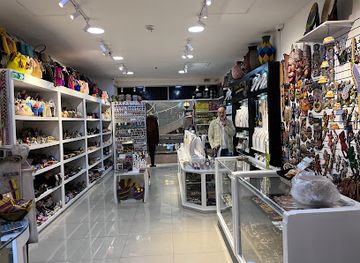
Shopping in Orinoquía is strongest in the principal towns, where market areas, supermarkets, craft stalls and conventional high streets serve both residents and travellers. Villavicencio offers the broadest retail choice, while Yopal, Arauca and Puerto Carreño are useful places to buy regional food products and practical supplies before travelling into rural districts. Look for llanero-inspired crafts, woven goods, leatherwork, hats and small objects connected with horse and ranch culture, but ask about materials and provenance rather than assuming every item is locally made. Markets and specialist food shops may carry regional cheeses, cassava products, sweets, coffee and preserved foods suitable for gifts. In smaller communities, shopping can be limited to modest stores and market days, and card facilities may be unreliable. Respect restrictions on purchasing wildlife products, archaeological objects, plants and goods made from protected species. The most meaningful purchases usually come from established cooperatives, local makers or food producers who can explain how and where an item was made.
-
Shopping mall
Andino
Discover Andino, Bogotá's premier shopping mall, where luxury meets local culture in a vibrant setting of fashion, food, and fun.
-
Shopping mall
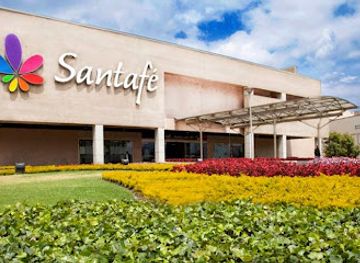
Santafé Mall
Discover the vibrant shopping, dining, and entertainment experience at Santafé Mall in Bogotá, Colombia - a must-visit destination for travelers.
-
Shopping mall
Centro Comercial Chipichape
Explore the vibrant shopping and entertainment offerings at Centro Comercial Chipichape, the heart of retail in Cali, Colombia.
-
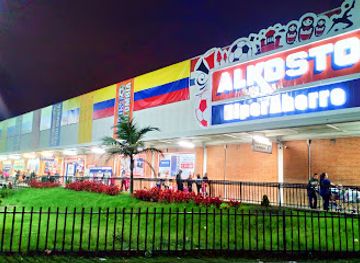
Hypermarket
Alkosto Venecia
Explore Alkosto Venecia, Bogotá's bustling hypermarket offering a diverse range of products at competitive prices, perfect for tourists and locals alike.
Get your free copy of our complete guide to Orinoquía, delivered straight to you.
Everything on this page, from attractions and restaurants to essentials and local phrases, in one PDF you can read offline, print or share.
Already have an account? Sign in
Your Orinoquía guide is ready.
We'll send it to · Not you? Sign out

Getting your guide ready…
We are putting together a fresh copy of the Orinoquía guide. This can take up to a minute.
This can take a few moments. If your browser asks, choose Allow so the download can start. You'll find the guide in your Downloads folder.
Nothing happened? Download it again
Sorry, the guide is taking longer than usual. Please try again in a minute, or get it by email instead.
Orinoquía essentials
Currency and Payment
Safety
Emergency Situations
Do's and Don'ts
Local Tips
From Eve
Local phrases worth knowing
You don't need to get them perfect. A few words go a long way, and locals appreciate the effort.
Basics
| English | Local | Say it |
|---|---|---|
| Hello | Hola | [Ola] |
| Goodbye | Adiós | [Adios] |
| Yes | Sí | [Si] |
| No | No | [No] |
| Please/You're welcome | Por favor | [Por favor] |
| Thank you | Gracias | [Grasias] |
| Excuse me/Sorry | Perdón | [Perdon] |
| How are you? | ¿Cómo estás? | [Como estas] |
| Fine. And you? | Bien. ¿Y tú? | [Bien. Y tu] |
| Do you speak English? | ¿Hablas inglés? | [Hablas ingles] |
| I don't understand | No entiendo | [No entiendo] |
Eating & Drinking
| English | Local | Say it |
|---|---|---|
| I'd like to see the menu, please | Me gustaría ver el menú, por favor | [Me gustaria ver el menu, por favor] |
| I don't eat meat | No como carne | [No como carne] |
| Cheers! | ¡Salud! | [Salud] |
| I would like to pay, please | Me gustaría pagar, por favor | [Me gustaria pagar, por favor] |
Emergencies
| English | Local | Say it |
|---|---|---|
| Help! | ¡Ayuda! | [Ayuda] |
| Go away! | ¡Vete! | [Vete] |
| Call the Police! | ¡Llama a la policía! | [Llama a la policia] |
| Call a doctor! | ¡Llama a un doctor! | [Llama a un doctor] |
| I'm lost | Estoy perdido | [Estoy perdido] |
| I'm ill | Estoy enfermo | [Estoy enfermo] |
Shopping
| English | Local | Say it |
|---|---|---|
| I'd like to buy... | Me gustaría comprar... | [Me gustaria comprar] |
| I'm just looking | Solo estoy mirando | [Solo estoy mirando] |
| How much is it? | ¿Cuánto cuesta? | [Cuanto cuesta] |
| That's too expensive | Eso es muy caro | [Eso es muy caro] |
| Can you lower the price? | ¿Puedes bajar el precio? | [Puedes bajar el precio] |
Time & Numbers
| English | Local | Say it |
|---|---|---|
| What time is it? | ¿Qué hora es? | [Que hora es] |
| It's one o'clock | Es la una | [Es la una] |
| Half past (10) | Y media (10) | [Y media] |
| Morning | Mañana | [Manana] |
| Afternoon | Tarde | [Tarde] |
| Evening | Noche | [Noche] |
| Yesterday | Ayer | [Ayer] |
| Today | Hoy | [Hoy] |
| Tomorrow | Mañana | [Manana] |
| 1 | Uno | [Uno] |
| 2 | Dos | [Dos] |
| 3 | Tres | [Tres] |
| 4 | Cuatro | [Cuatro] |
| 5 | Cinco | [Cinco] |
| 6 | Seis | [Seis] |
| 7 | Siete | [Siete] |
| 8 | Ocho | [Ocho] |
| 9 | Nueve | [Nueve] |
| 10 | Diez | [Diez] |
Transport & Directions
| English | Local | Say it |
|---|---|---|
| Where's a/the...? | ¿Dónde está un/una...? | [Donde esta un/una] |
| What's the address? | ¿Cuál es la dirección? | [Cual es la direccion] |
| Can you show me (on the map)? | ¿Puedes mostrarme (en el mapa)? | [Puedes mostrarme en el mapa] |
| When's the next (bus)? | ¿Cuándo es el próximo (bus)? | [Cuando es el proximo bus] |
| A ticket (to ....) | Un boleto (a....) | [Un boleto a] |
History of Orinoquía
Indigenous Plains and River Civilisations
Long before Spanish colonisation, the Orinoquía was occupied by Indigenous peoples whose lives were adapted to rivers, seasonal wetlands, savannah and forest. Groups including the Sikuani, Piapoco, Sáliba, Amorúa and Hitnü have maintained distinct languages, territories and cultural practices, although colonisation, displacement and economic pressure have severely affected many communities. Rivers served as routes of movement and exchange, while fishing, hunting, gathering and cultivation were adapted to seasonal flooding. The region should not be understood as an empty wilderness: its apparent openness reflects a long history of human use and knowledge.
Spanish Frontier and Mission Settlements
Spanish expansion into the eastern plains from the sixteenth century was limited by distance, difficult terrain and resistance from Indigenous communities. Catholic missions and small settlements were established along rivers and near the Andes, linking the plains to colonial centres in the interior. Livestock introduced by the Spanish gradually adapted to the grasslands and became central to the region’s economy and identity. Colonial control remained uneven, and the Orinoquía functioned for centuries as a frontier zone rather than as a densely settled extension of the highlands.
The Llaneros and Independence
Mounted plainsmen, known as llaneros, played an important military role during Colombia’s independence struggle in the early nineteenth century. Their horsemanship, knowledge of open terrain and ability to move across rivers and savannahs made them valuable to the Patriot forces. Llanero troops from the eastern plains participated in campaigns associated with Simón Bolívar and the wider liberation of northern South America. The memory of these mounted fighters remains visible in regional folklore, historical interpretation, music and the continuing cultural importance of horses and cattle work.
Cattle Ranching and the Formation of Llanero Culture
From the nineteenth century onwards, extensive cattle ranching became the defining economic activity across large parts of Meta, Casanare, Arauca and Vichada. Seasonal movement, branding, herding and long journeys on horseback shaped practical skills as well as social traditions. Music, verse and dance developed around ranch life, with joropo becoming the best-known cultural expression of the plains. The cattle economy also transformed landscapes, sometimes replacing natural vegetation and affecting wetlands, rivers and wildlife. Today, ranching coexists with conservation projects, agriculture, energy production and tourism.
Oil, Roads and Rapid Economic Change
The discovery and development of oil fields, particularly in Meta, Casanare and Arauca, brought major investment, road building, migration and urban growth during the late twentieth and early twenty-first centuries. Yopal and other regional towns expanded as services and employment followed the energy sector, while improved roads strengthened connections with Bogotá and the Andean interior. Oil also created environmental, social and economic tensions, including concern over water resources and dependence on commodity cycles. The contrast between industrial infrastructure and traditional ranch landscapes is now a defining feature of parts of Orinoquía.
Conflict, Displacement and the Search for Peace
The remoteness and strategic position of the eastern plains made Orinoquía an important setting in Colombia’s armed conflict. Guerrilla groups, paramilitary organisations, state forces and criminal networks affected rural communities, transport routes and land ownership, while Indigenous peoples and small farmers faced displacement and insecurity. Conditions have changed unevenly since the 2016 peace agreement, and some areas continue to require careful local advice. Tourism and conservation initiatives have expanded in several places, but visitors should recognise that the region’s contemporary identity also includes unresolved questions about land, restitution and rural development.
Conservation and Nature-Based Tourism
During the late twentieth century and into the present, the protection of Orinoquian ecosystems became increasingly important. National parks and private reserves now safeguard flooded savannahs, gallery forests, rivers and transitional habitats. El Tuparro National Natural Park and the Sierra de la Macarena are especially significant, while community and ranch-based projects support birdwatching and wildlife tourism elsewhere. These initiatives reflect a broader shift in how the plains are valued: not only for cattle and extractive resources, but also for biodiversity, Indigenous knowledge, landscape research and carefully managed low-impact travel.
Orinoquía in Photos
Browse through our photo collection highlighting the charm and character of the destination.
Neighbouring regions of Orinoquía
The closest regions to Orinoquía, if you have time for more than one.
-

-

-

-

-


Swipe for more regions
Explore more

Explore more of Colombia
Discover Colombia: A land of diverse beauty, rich heritage, and vibrant culture, offering everything from bustling cities to serene coffee plantations and stunning national parks.
Explore Colombia