

Free Vichada Department Travel Guide & Mobile App
Explore Vichada Department with free travel guides. Discover regional history, expert tips, proposed trips, and audio guides on web or mobile app.


Explore Vichada’s Orinoco frontier, Tuparro wilderness, Indigenous cultures, wildlife-rich wetlands and remote llanos from Puerto Carreño.
Read more about Vichada Department
When is the best time to visit Vichada Department?
Best: January–March · 31°C| Month | High (°C) | Rainfall (mm) |
|---|---|---|
| January (best) | 31 | 40 |
| February (best) | 31 | 45 |
| March (best) | 31 | 50 |
| April | 31 | 55 |
| May | 31 | 60 |
| June | 31 | 65 |
| July | 31 | 70 |
| August | 31 | 75 |
| September | 31 | 75 |
| October | 31 | 70 |
| November | 31 | 65 |
| December | 31 | 60 |
Getting to and around Vichada Department
How to get there
Transportation
Best attractions in Vichada Department
Vichada’s attractions are primarily landscapes and river experiences rather than built visitor complexes. El Tuparro National Natural Park is the department’s defining destination, combining open savannah, gallery forest, rocky terrain, wildlife and waterways, with the Maipures Rapids providing one of its most memorable natural features. Boat trips on the Orinoco, Meta, Vichada and Bita rivers, where locally available, reveal a changing environment of sandbanks, forested banks and seasonal wetlands. Puerto Carreño offers an accessible introduction through its waterfront, river views and cross-border setting. Birdwatching, wildlife observation, sport fishing where permitted, photography and guided walks are central activities, but each requires attention to season and local regulations. In Cumaribo, La Primavera and Santa Rosalía, visitors encounter the administrative and commercial life of a sparsely populated llanos department rather than a conventional sightseeing circuit. Community-led visits can provide insight into Indigenous knowledge, cassava processing and local livelihoods, provided that access is arranged respectfully and in advance.
-
Historical landmark
Cerro de la Bandera
Discover panoramic views and a rich history atop Cerro de la Bandera in Puerto Carreño, where three rivers meet.
-
National park
El Tuparro National Park
Discover the breathtaking landscapes and rich biodiversity of El Tuparro National Park in Vichada, Colombia—a hidden gem in the heart of the Amazon.
-
Park
PNN TUPARRO
Explore PNN Tuparro, Colombia's hidden gem: diverse ecosystems, abundant wildlife, and stunning landscapes await adventurous nature lovers.
-
Park
Plaza Turistica (El Picacho)
Discover Plaza Turistica (El Picacho) in Puerto Carreño: a serene park offering relaxation, cultural experiences, and a tranquil escape in Vichada, Colombia.


Best landmarks in Vichada Department
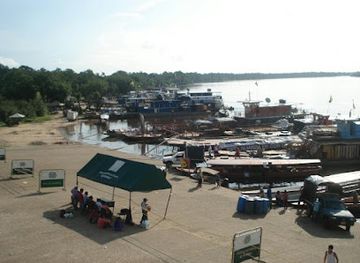
The most recognisable landmark in Vichada is the meeting of the Meta and Orinoco rivers beside Puerto Carreño, a broad water landscape that also expresses the department’s position on Colombia’s Venezuelan frontier. Within El Tuparro National Natural Park, the Maipures Rapids are the region’s outstanding natural monument: channels and rock formations constrict the river into a forceful, visually distinctive passage. The Orinoco itself is a landmark on a continental scale, shaping settlement, transport, wildlife and the department’s sense of place. The Vichada and Bita rivers add further geographical definition, winding through savannah and riverine forest. Puerto Carreño’s waterfront and civic core are modest rather than monumental, but they provide an important human landmark at the edge of a vast territory. Across the department, Indigenous communities and llanero settlements are also significant cultural reference points, although they should be visited as lived places rather than treated as displays.
-
Historical landmark
Cerro de la Bandera
Explore the stunning Cerro de la Bandera in Puerto Carreño, a must-visit historical landmark that showcases Colombia's rich cultural heritage and breathtaking nature.
-
National park
El Tuparro National Park
Experience the breathtaking beauty and rich biodiversity of El Tuparro National Park in Vichada, Colombia - a must-visit for nature lovers and adventure seekers.
-
Public bath
El Tiestero
Discover the serene relaxation of El Tiestero in Puerto Carreño, Vichada – a public bath oasis perfect for unwinding and connecting with nature.
-
Lodging
Reserva Bojonawi
Experience the serene beauty of Reserva Bojonawi in Vichada, Colombia—a natural retreat teeming with wildlife and breathtaking landscapes.



Explore Vichada Department on the map
Plan your trip on one map. See where the top cities, national parks and sights are, and book hotels and experiences in a few clicks.
Best hotels in Vichada Department
Best restaurants in Vichada Department
Dining in Vichada is practical, regional and closely tied to river and llanos produce. In Puerto Carreño, restaurants and modest eateries commonly draw on freshwater fish, beef, rice, plantain, cassava and soups, while the wider Colombian Llanos contributes dishes such as grilled beef and mamona. In Indigenous communities, mañoco, a toasted cassava flour, and casabe may be prepared or sold as important regional foods, although availability varies by community and season. Markets and small shops are useful for assembling provisions before travelling into remote areas, where dining arrangements may be basic or included with an organised excursion. Cold drinks, fruit and simple breakfasts are particularly practical in the heat. Visitors should not expect a broad fine-dining scene or consistent opening patterns outside Puerto Carreño; instead, ask locally about the day’s fresh catch and plan ahead for journeys away from the main towns.
-
Restaurant
Cayenas Club
Experience authentic Colombian flavors at Cayenas Club in Puerto Carreño - where culinary delights meet warm hospitality amidst stunning landscapes.
-
Restaurant
Comidas Rapidas Ricuras
Discover delicious fast food delights at Comidas Rapidas Ricuras in Inírida – where local flavors meet international tastes.
-
Restaurant
Mr. Pizzeroti Gourmet
Discover the best gourmet pizzas in Inírida at Mr. Pizzeroti Gourmet – where local flavors meet culinary creativity.
-
Restaurant
Restaurante Antojos
Experience authentic Vichada cuisine at Restaurante Antojos – where local flavors meet a warm atmosphere in Puerto Carreño.


Best bars in Vichada Department
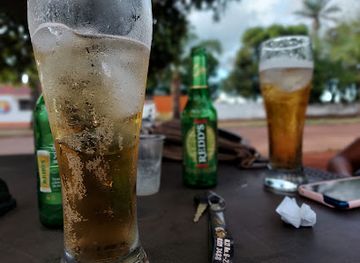
Vichada’s evening life is concentrated in Puerto Carreño and is modest compared with Colombia’s major cities. Local bars, small restaurants and social venues provide places for conversation, music and drinks, while the riverfront can be a pleasant setting before nightfall. In Cumaribo, La Primavera and Santa Rosalía, nightlife is more closely tied to local cafés, bars and community activity than to a dedicated club district. Rural evenings are generally quiet, with early starts for road, river and wildlife excursions. Visitors should not expect a dependable nightclub circuit, late public transport or extensive entertainment outside the larger settlements. In remote areas, follow hosts’ advice, avoid drinking before boat travel and retain a clear plan for returning to accommodation, as distances and communications can be considerable.
-
Bar
El Bar
Experience the vibrant nightlife of Inírida at El Bar, where refreshing drinks and local culture come together for an unforgettable evening.
-
Bar
Licorera Bar El Eden
Discover the lively Licorera Bar El Eden in Puerto Carreño, where vibrant nightlife meets friendly faces and refreshing drinks.
-
Bar
Licorera 9 18
Immerse yourself in the vibrant nightlife of Puerto Carreño at Licorera 9 18, a lively bar offering local drinks and a warm atmosphere.
-
Bar
Discoteca bar cafetería playa alta
Explore the vibrant nightlife of Cumaribo at Discoteca Bar Cafetería Playa Alta, where great music meets refreshing drinks in a lively atmosphere.


Best nightclubs in Vichada Department
Vichada’s evening life is concentrated in Puerto Carreño and is modest compared with Colombia’s major cities. Local bars, small restaurants and social venues provide places for conversation, music and drinks, while the riverfront can be a pleasant setting before nightfall. In Cumaribo, La Primavera and Santa Rosalía, nightlife is more closely tied to local cafés, bars and community activity than to a dedicated club district. Rural evenings are generally quiet, with early starts for road, river and wildlife excursions. Visitors should not expect a dependable nightclub circuit, late public transport or extensive entertainment outside the larger settlements. In remote areas, follow hosts’ advice, avoid drinking before boat travel and retain a clear plan for returning to accommodation, as distances and communications can be considerable.
-
Bar
Licorera 9 18
Experience the vibrant nightlife of Puerto Carreño at Licorera 9 18, where great drinks and friendly vibes await.
-
Bar
Discoteca bar cafetería playa alta
Experience the vibrant nightlife of Cumaribo at Discoteca Bar Cafetería Playa Alta, where lively music and refreshing drinks await.
-
Disco club
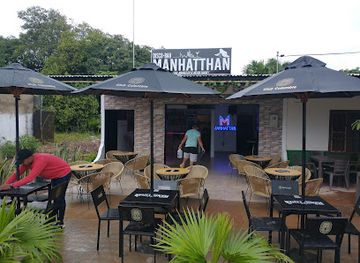
DISCOTECA MANHATTAN
Discover the heart of La Primavera's nightlife at Discoteca Manhattan - a premier disco club where music and dance unite.
-
Bar
Estaderia Disco - TK El Remanso
Discover the vibrant nightlife at Estaderia Disco - TK El Remanso in Vichada, Colombia, a perfect blend of local culture and modern fun.

Best shops in Vichada Department
Shopping in Vichada is centred on practical supplies, local food and small-scale craft rather than large retail centres. Puerto Carreño has the broadest choice of shops and markets, while Cumaribo, La Primavera and Santa Rosalía serve mainly local needs. Visitors may find Indigenous handicrafts, woven items, baskets or small objects made from locally available fibres, but products, makers and availability vary and should not be assumed to represent every community. Mañoco, casabe and other cassava-based foods can be interesting regional purchases where they are prepared and sold with permission. Ask about provenance, pay a fair price and avoid buying products made from protected wildlife, archaeological material or endangered plants. Carry essential equipment and toiletries from major Colombian cities before travelling into remote Vichada, where retail choice is limited and restocking can be difficult.
-
 Home goods store
Almacen Sonia
Explore the artistic charm of Almacen Sonia in Cumaribo, Vichada – a treasure trove of unique home goods and Colombian craftsmanship.
-
Grocery store
TIENDA JHOJAN GUAJO
Discover the local flavors of Inírida at Tienda Jhojan Guajo, your go-to grocery store for fresh produce and traditional Colombian snacks.
-
Supermarket
Supermercado la pesquera
Discover the vibrant local culture at Supermercado La Pesquera, where fresh produce and authentic Colombian flavors await every traveler.
-
Store
MUELLE FLUVIAL INTERNACIONAL
Experience the vibrant culture and breathtaking nature at Muelle Fluvial Internacional, the gateway to the Colombian Amazon in Inírida, Guainía.

Get your free copy of our complete guide to Vichada Department, delivered straight to you.
Everything on this page, from attractions and restaurants to essentials and local phrases, in one PDF you can read offline, print or share.
Already have an account? Sign in
Your Vichada Department guide is ready.
We'll send it to · Not you? Sign out

Getting your guide ready…
We are putting together a fresh copy of the Vichada Department guide. This can take up to a minute.
This can take a few moments. If your browser asks, choose Allow so the download can start. You'll find the guide in your Downloads folder.
Nothing happened? Download it again
Sorry, the guide is taking longer than usual. Please try again in a minute, or get it by email instead.
Vichada Department essentials
Currency and Payment
Safety
Emergency Situations
Do's and Don'ts
Local Tips
From Eve
Local phrases worth knowing
You don't need to get them perfect. A few words go a long way, and locals appreciate the effort.
Basics
| English | Local | Say it |
|---|---|---|
| Hello | Hola | [Ola] |
| Goodbye | Adiós | [Adios] |
| Yes | Sí | [See] |
| No | No | [No] |
| Please/You're welcome | Por favor/De nada | [Por favor/De nada] |
| Thank you | Gracias | [Grasya] |
| Excuse me/Sorry | Disculpe/Lo siento | [Disculpe/Lo siento] |
| How are you? | ¿Cómo estás? | [Como estas] |
| Fine. And you? | Bien. ¿Y tú? | [Bien. Y tu] |
| Do you speak English? | ¿Hablas inglés? | [Hablas ingles] |
| I don't understand | No entiendo | [No entiendo] |
Eating & Drinking
| English | Local | Say it |
|---|---|---|
| I'd like to see the menu, please | Me gustaría ver el menú, por favor | [Me gustaria ver el menu, por favor] |
| I don't eat meat | No como carne | [No como carne] |
| Cheers! | ¡Salud! | [Salud] |
| I would like to pay, please | Me gustaría pagar, por favor | [Me gustaria pagar, por favor] |
Emergencies
| English | Local | Say it |
|---|---|---|
| Help! | ¡Ayuda! | [Ayuda] |
| Go away! | ¡Vete! | [Vete] |
| Call the Police! | ¡Llama a la policía! | [Llama a la policia] |
| Call a doctor! | ¡Llama a un doctor! | [Llama a un doctor] |
| I'm lost | Estoy perdido | [Estoy perdido] |
| I'm ill | Estoy enfermo | [Estoy enfermo] |
Shopping
| English | Local | Say it |
|---|---|---|
| I'd like to buy... | Me gustaría comprar... | [Me gustaria comprar] |
| I'm just looking | Solo estoy mirando | [Solo estoy mirando] |
| How much is it? | ¿Cuánto cuesta? | [Cuanto cuesta] |
| That's too expensive | Eso es muy caro | [Eso es muy caro] |
| Can you lower the price? | ¿Puedes bajar el precio? | [Puedes bajar el precio] |
Time & Numbers
| English | Local | Say it |
|---|---|---|
| What time is it? | ¿Qué hora es? | [Que hora es] |
| It's one o'clock | Es la una | [Es la una] |
| Half past (10) | Y media (10) | [Y media] |
| Morning | Mañana | [Mañana] |
| Afternoon | Tarde | [Tarde] |
| Evening | Noche | [Noche] |
| Yesterday | Ayer | [Ayer] |
| Today | Hoy | [Hoy] |
| Tomorrow | Mañana | [Mañana] |
| 1 | Uno | [Uno] |
| 2 | Dos | [Dos] |
| 3 | Tres | [Tres] |
| 4 | Cuatro | [Cuatro] |
| 5 | Cinco | [Cinco] |
| 6 | Seis | [Seis] |
| 7 | Siete | [Siete] |
| 8 | Ocho | [Ocho] |
| 9 | Nueve | [Nueve] |
| 10 | Diez | [Diez] |
Transport & Directions
| English | Local | Say it |
|---|---|---|
| Where's a/the...? | ¿Dónde está un/la...? | [Donde esta un/la] |
| What's the address? | ¿Cuál es la dirección? | [Cual es la direccion] |
| Can you show me (on the map)? | ¿Puedes mostrarme (en el mapa)? | [Puedes mostrarme en el mapa] |
| When's the next (bus)? | ¿Cuándo es el próximo (bus)? | [Cuando es el proximo] |
| A ticket (to ....) | Un boleto (a ...) | [Un boleto a] |
History of Vichada Department
Indigenous Orinoco Cultures
Long before the creation of modern administrative borders, the Orinoco basin was inhabited and travelled by Indigenous peoples whose economies combined fishing, hunting, gathering, horticulture and river trade. Communities including Sikuani, Piaroa, Puinave and Curripaco continue to contribute to Vichada’s cultural life, although their territories and experiences are distinct. River routes, cassava processing, oral traditions and detailed knowledge of seasonal landscapes remain important parts of the region’s heritage.
Spanish Exploration and Mission Frontiers
Spanish expeditions entered the Orinoco basin from the sixteenth century onwards, but the region’s distance, difficult navigation and strong Indigenous societies limited permanent colonial control. Catholic missions later attempted to establish settlements and convert Indigenous communities along major rivers. These encounters brought new religious and commercial networks while also causing disruption, population loss and changes to Indigenous life. The frontier remained comparatively remote throughout the colonial period.
The Orinoco Trade and Nineteenth-Century Frontier
After independence, the Orinoco became an important route for movement and exchange linking the interior of Colombia with Venezuela and the wider river basin. Traders, cattle raisers, missionaries and government officials travelled through a landscape where national authority was intermittent. Commercial activity included livestock, forest products and river trade, while the expansion of extractive economies elsewhere in the Amazon and Orinoco influenced labour patterns and brought outsiders into Indigenous territories.
Puerto Carreño and Administrative Consolidation
Puerto Carreño developed as a Colombian settlement and trading point on the Orinoco frontier, opposite Venezuela and near the mouth of the Meta River. Its location gave it strategic and commercial importance as the state strengthened its presence in the eastern plains during the twentieth century. The town remains Vichada’s principal urban centre, river port and administrative gateway, even though much of the department is accessible only through small settlements, waterways and long overland journeys.
Ranching, Colonisation and Modern Vichada
Twentieth-century government programmes, migration and the spread of cattle ranching altered parts of the savannah, while Indigenous communities continued to defend territorial rights and cultural autonomy. Vichada was administered for much of its modern history as a national territory or intendency before becoming a department in 1991. The result is a region where state-building, ranching, Indigenous governance, conservation and remote rural livelihoods remain closely connected.
El Tuparro and the Conservation Era
The establishment of El Tuparro National Natural Park in 1970 marked a major shift towards protecting Vichada’s rivers, savannahs, forests and wildlife. The park preserves landscapes shaped by the Orinoco basin and includes the celebrated Maipures Rapids. Conservation has brought international attention to the department, but effective protection depends on cooperation with local communities, responsible tourism, continued research and recognition that people have long used and understood these environments.
Vichada Department in Photos
Browse through our photo collection highlighting the charm and character of the destination.
Neighbouring regions of Vichada Department
The closest regions to Vichada Department, if you have time for more than one.
-

-

-
-

-


Swipe for more regions
Explore more

Explore more of Colombia
Discover Colombia: A land of diverse beauty, rich heritage, and vibrant culture, offering everything from bustling cities to serene coffee plantations and stunning national parks.
Explore Colombia