

Free Guaviare Department Travel Guide & Mobile App
Explore Guaviare Department with free travel guides. Discover regional history, expert tips, proposed trips, and audio guides on web or mobile app.


Explore Guaviare's ancient rock art, sandstone landscapes, forest rivers, wildlife and community-led nature tourism from San José del Guaviare.
When is the best time to visit Guaviare Department?
Best: January–March · 30–31°C| Month | High (°C) | Rainfall (mm) |
|---|---|---|
| January (best) | 30 | 100 |
| February (best) | 30 | 110 |
| March (best) | 31 | 120 |
| April | 31 | 130 |
| May | 31 | 150 |
| June | 31 | 170 |
| July | 30 | 180 |
| August | 30 | 190 |
| September | 30 | 200 |
| October | 30 | 190 |
| November | 30 | 170 |
| December | 29 | 150 |
Getting to and around Guaviare Department
How to get there
Transportation
Destinations in Guaviare Department
Resorts, valleys and scenic spots worth a trip of their own.

Swipe for more destinations
Best attractions in Guaviare Department
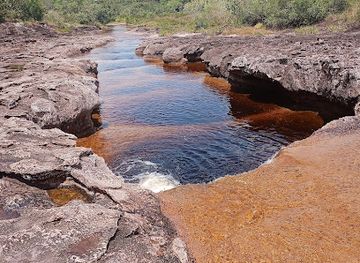
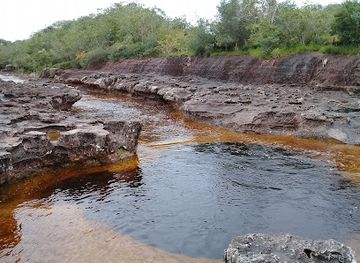
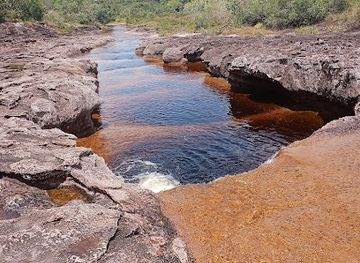
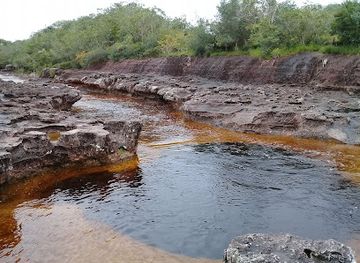
Guaviare's attractions are concentrated in landscapes rather than conventional urban institutions. The Serranía de la Lindosa, close to San José del Guaviare, combines forest walks with sandstone formations, natural pools and striking geological shapes at places such as Ciudad de Piedra and Puerta de Orión. Cerro Pinturas and Cerro Azul are important for ancient rock art, although access, conservation rules and guide requirements should be confirmed before travelling. River and wetland excursions offer opportunities to observe birds, forest habitats and, in suitable areas, pink river dolphins, notably around the Laguna Damas del Nare. Caño Sabana is known for seasonal aquatic vegetation and colourful waterways, while rural community projects provide insight into farming, restoration and life in a formerly conflict-affected frontier. The department also forms part of the wider ecological context of the Amazonian and Orinoquian transition, though access to remote protected areas is restricted and should never be assumed. Visitors should allow time for slow travel, changing trail conditions and interpretation by local guides.
-
Observation deck
Mirador turistico muelle fluvial San José del Guaviare.
Experience the breathtaking beauty of Guaviare at the Mirador Turistico Muelle Fluvial, a stunning observation deck in Colombia.
-
Tourist attraction
Puerta de Orión
Explore the breathtaking natural beauty and rich biodiversity of Puerta de Orión, a must-visit tourist attraction in San José del Guaviare, Colombia.
-
Tourist attraction
Natural wells
Experience the breathtaking beauty of the Natural Wells in San José Del Guaviare, a tranquil paradise for nature lovers and adventure seekers alike.
-
Tourist attraction
La Recebera
Explore La Recebera in San José del Guaviare, a tranquil tourist attraction surrounded by nature's beauty, ideal for relaxation and family bonding.


Best landmarks in Guaviare Department
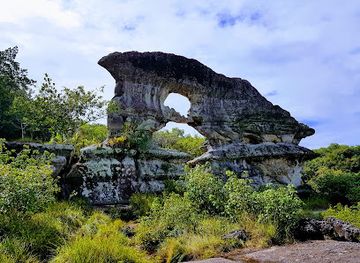
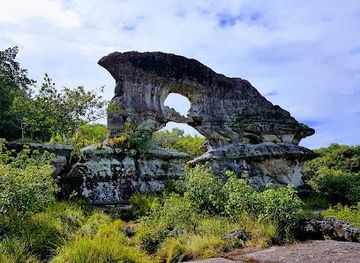
The sandstone formations of the Serranía de la Lindosa are Guaviare's most recognisable natural landmarks. Ciudad de Piedra is a field of weathered rock shapes and narrow passages formed by erosion, while Puerta de Orión is named for a large natural opening whose silhouette has become closely associated with the department. The rock-art sites at Cerro Azul and Cerro Pinturas are cultural landmarks as well as archaeological places, preserving images on sheltered rock surfaces amid forest and open escarpments. The Guaviare River is the department's defining geographical landmark, linking the capital to extensive rural territories and marking the transition between Orinoquian and Amazonian environments. Around San José del Guaviare, the contrast between broad river country, red-earth roads and isolated sandstone outcrops gives the landscape its visual identity. These places are significant precisely because geology, ecology and human history appear together; visitors should avoid treating formations as climbing props or archaeological panels as ordinary curiosities.
-
 Hotel
HotelHotel Puerta De Orion
Discover comfort and local charm at Hotel Puerta De Orion, your gateway to the stunning landscapes of San José del Guaviare.
-
Tourist attraction
Puerta de Orión
Experience the breathtaking beauty of Puerta de Orión, a stunning Colombian tourist attraction that offers an immersive nature adventure.
-
Tourist attraction
Natural wells
Explore the breathtaking Natural Wells in San José Del Guaviare, a hidden gem of Colombia's eco-tourism, perfect for hiking and nature enthusiasts.
-
Tourist attraction
La Recebera
Explore La Recebera, a breathtaking tourist attraction in San José del Guaviare, where nature and culture intertwine in Colombia's picturesque landscapes.
Explore Guaviare Department on the map
Plan your trip on one map. See where the top cities, national parks and sights are, and book hotels and experiences in a few clicks.
Best hotels in Guaviare Department
Best restaurants in Guaviare Department
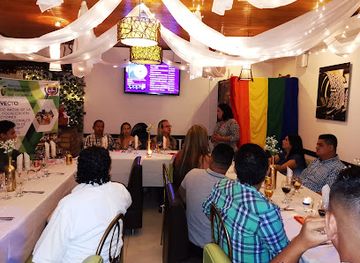
Dining in Guaviare is centred on San José del Guaviare, with a more limited and practical food scene in rural settlements. Menus commonly draw on Colombian plains and Amazonian ingredients, including river fish where legally and sustainably sourced, cassava, plantain, rice, tropical fruit and grilled meats. Fresh juices and fruit preparations are useful in the warm climate, while simple breakfasts and packed lunches are often important for full-day excursions. Local eateries, bakeries and family-run restaurants provide an everyday view of regional life rather than a highly formal dining culture. Visitors may encounter preparations influenced by Llanos cooking alongside foods associated with the wider Amazon basin. In the countryside, meals are usually arranged through accommodation, farms or community tourism groups and may require advance notice. Ask about provenance when ordering fish or wild products, and remember that remote sites rarely offer a choice of restaurants, so guides can advise on reliable provisions.
-
Hamburger
La Hamburguesería Gourmet
Discover gourmet burgers in San José Del Guaviare at La Hamburguesería Gourmet - where quality meets flavor!
-
Restaurant
Restaurante Artesanal Burger & Ribs
Experience gourmet burgers and mouthwatering ribs at Restaurante Artesanal Burger & Ribs in San José del Guaviare.
-
Restaurant
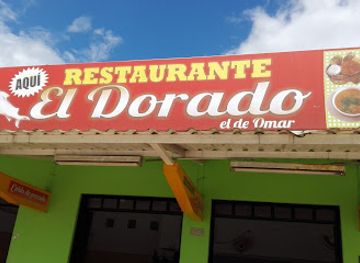
El Dorado De Omar
Discover El Dorado De Omar: A culinary haven in San José Del Guaviare offering local flavors and warm hospitality.
-
Restaurant
Nomada
Discover authentic Colombian flavors at Nomada in San José Del Guaviare - where every dish tells a story.


Best bars in Guaviare Department
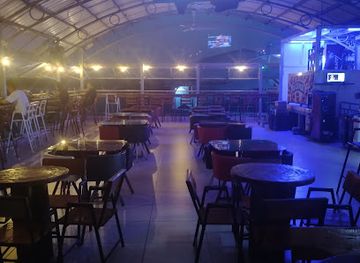
Evening life is concentrated in San José del Guaviare, where residents and visitors find casual bars, restaurants, cafés and venues with recorded or live music rather than a large, internationally oriented club scene. Local nightlife reflects the town's role as a departmental centre, with social activity often beginning around food and conversation. Colombian beer, spirits and non-alcoholic fruit drinks are widely available, but alcohol is not necessary for experiencing the region's evening culture. Outside the capital, rural accommodation and community lodges generally offer quiet nights shaped by early starts, insects, rain and the sounds of the forest. Some establishments and seasonal events may change, so ask locally about current options and use trusted transport after dark. The most distinctive evening experiences in Guaviare are often informal: watching the last light over the river, sharing a meal with a host community or discussing the day's walk with a local guide.
-
Bar
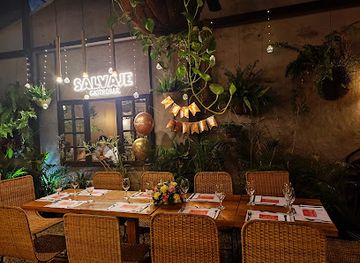
Salvaje Gastrobar
Discover the vibrant flavors of Colombia at Salvaje Gastrobar in San José Del Guaviare, where local cuisine meets a lively atmosphere.
-
Bar
Pilatoss Café Bar
Experience the vibrant nightlife at Pilatoss Café Bar in San José Del Guaviare, where great drinks and a lively atmosphere await.
-
Bar
Container bar
Experience the vibrant atmosphere of Container Bar in San José Del Guaviare, where affordable drinks meet unforgettable memories.
-
Bar
El Mirador Cafe-bar Guaviare
Experience breathtaking views and local flavors at El Mirador Cafe-bar, a must-visit gem in San José Del Guaviare.


Best nightclubs in Guaviare Department
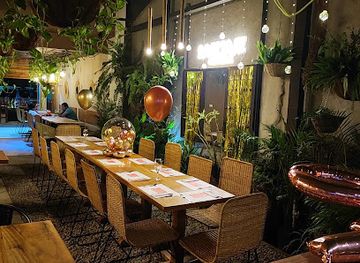
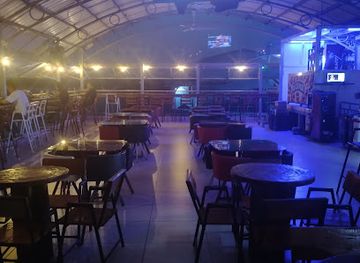
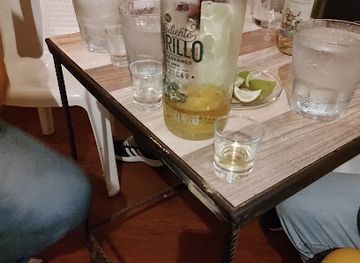
Evening life is concentrated in San José del Guaviare, where residents and visitors find casual bars, restaurants, cafés and venues with recorded or live music rather than a large, internationally oriented club scene. Local nightlife reflects the town's role as a departmental centre, with social activity often beginning around food and conversation. Colombian beer, spirits and non-alcoholic fruit drinks are widely available, but alcohol is not necessary for experiencing the region's evening culture. Outside the capital, rural accommodation and community lodges generally offer quiet nights shaped by early starts, insects, rain and the sounds of the forest. Some establishments and seasonal events may change, so ask locally about current options and use trusted transport after dark. The most distinctive evening experiences in Guaviare are often informal: watching the last light over the river, sharing a meal with a host community or discussing the day's walk with a local guide.
-
Bar
Salvaje Gastrobar
Experience the vibrant flavors of Colombia at Salvaje Gastrobar in San José Del Guaviare, a culinary hotspot for tourists and locals alike.
-
Bar
El Mirador Cafe-bar Guaviare
Discover El Mirador Cafe-bar Guaviare: a vibrant haven for travelers with local drinks, live music, and a warm atmosphere in the heart of San José Del Guaviare.
-
Bar
LICORERA BAR EL PALMAR
Experience the lively atmosphere and local flavors at Licorera Bar El Palmar, a must-visit bar in San José Del Guaviare.
-
Disco club
El Cielo
Experience the vibrant nightlife of San José Del Guaviare at El Cielo, a premier disco club renowned for its lively music and exciting atmosphere.

Best shops in Guaviare Department
Shopping is modest and practical in Guaviare, with the widest choice found in San José del Guaviare rather than in remote tourism areas. The town has everyday shops, markets and small food businesses where visitors can buy fruit, snacks, drinks and provisions for excursions. Regional products may include tropical fruit, cassava-based foods, coffee from nearby agricultural areas and handmade objects produced through local or community initiatives. Craft purchases should be made through reputable associations that can explain the maker, materials and cultural context, particularly when Indigenous designs or natural fibres are involved. Rural tourism projects may sell preserves, agricultural goods or small handicrafts, but availability is seasonal and not guaranteed. There is no need to expect a large luxury-retail district; the value of shopping here lies in supporting local producers and taking home responsibly made items rather than collecting rocks, plants, archaeological fragments or products made from protected wildlife.
-
Hotel
Hotel Puerta De Orion
Experience the charm of San José Del Guaviare at Hotel Puerta De Orion, where comfort meets local culture in a vibrant setting.
-
Tourist attraction
Puerta de Orión
Experience the breathtaking beauty and unique biodiversity of Puerta de Orión, a stunning tourist attraction in Colombia's Guaviare region.
-
Tourist attraction
Natural wells
Explore the stunning Natural Wells in San José Del Guaviare, a hidden gem featuring breathtaking views and vibrant natural pools ideal for adventure and relaxation.
-
Public bath
Balneario Tranquilandia
Experience the tranquility of Balneario Tranquilandia, a serene public bath nestled in the stunning landscapes of Guaviare, Colombia.

Get your free copy of our complete guide to Guaviare Department, delivered straight to you.
Everything on this page, from attractions and restaurants to essentials and local phrases, in one PDF you can read offline, print or share.
Already have an account? Sign in
Your Guaviare Department guide is ready.
We'll send it to · Not you? Sign out

Getting your guide ready…
We are putting together a fresh copy of the Guaviare Department guide. This can take up to a minute.
This can take a few moments. If your browser asks, choose Allow so the download can start. You'll find the guide in your Downloads folder.
Nothing happened? Download it again
Sorry, the guide is taking longer than usual. Please try again in a minute, or get it by email instead.
Guaviare Department essentials
Currency and Payment
Safety
Emergency Situations
Do's and Don'ts
Local Tips
From Eve
Local phrases worth knowing
You don't need to get them perfect. A few words go a long way, and locals appreciate the effort.
Basics
| English | Local | Say it |
|---|---|---|
| Hello | Hola | [Ola] |
| Goodbye | Adiós | [A-dios] |
| Yes | Sí | [See] |
| No | No | [No] |
| Please/You're welcome | Por favor | [Por fa-vor] |
| Thank you | Gracias | [Gra-sias] |
| Excuse me/Sorry | Perdón | [Per-don] |
| How are you? | ¿Cómo estás? | [Ko-mo es-tas] |
| Fine. And you? | Bien. ¿Y tú? | [Byen. E tu] |
| Do you speak English? | ¿Hablas inglés? | [A-blas in-gle-s] |
| I don't understand | No entiendo | [No en-tien-do] |
Eating & Drinking
| English | Local | Say it |
|---|---|---|
| I'd like to see the menu, please | Quisiera ver el menú, por favor | [Ki-sie-ra ver el me-nu, por fa-vor] |
| I don't eat meat | No como carne | [No ko-mo kar-ne] |
| Cheers! | ¡Salud! | [Sa-lud] |
| I would like to pay, please | Quisiera pagar, por favor | [Ki-sie-ra pa-gar, por fa-vor] |
Emergencies
| English | Local | Say it |
|---|---|---|
| Help! | ¡Ayuda! | [A-yu-da] |
| Go away! | ¡Vete! | [Ve-te] |
| Call the Police! | ¡Llama a la policía! | [Ya-ma a la po-li-cia] |
| Call a doctor! | ¡Llama a un médico! | [Ya-ma a un me-di-co] |
| I'm lost | Estoy perdido | [Es-toy per-di-do] |
| I'm ill | Estoy enfermo | [Es-toy en-fer-mo] |
Shopping
| English | Local | Say it |
|---|---|---|
| I'd like to buy... | Quisiera comprar... | [Ki-sie-ra kom-prar] |
| I'm just looking | Solo estoy mirando | [So-lo es-toy mi-ran-do] |
| How much is it? | ¿Cuánto cuesta? | [Kwan-to kwes-ta] |
| That's too expensive | Eso es muy caro | [E-so es muy ka-ro] |
| Can you lower the price? | ¿Puedes bajar el precio? | [Pwe-des ba-har el pre-cio] |
Time & Numbers
| English | Local | Say it |
|---|---|---|
| What time is it? | ¿Qué hora es? | [Ke o-ra es] |
| It's one o'clock | Es la una | [Es la u-na] |
| Half past (10) | Y media (10) | [Y me-dia] |
| Morning | Mañana | [Ma-nya-na] |
| Afternoon | Tarde | [Tar-de] |
| Evening | Noche | [No-che] |
| Yesterday | Ayer | [A-yer] |
| Today | Hoy | [Oi] |
| Tomorrow | Mañana | [Ma-nya-na] |
| 1 | Uno | [U-no] |
| 2 | Dos | [Dos] |
| 3 | Tres | [Tres] |
| 4 | Cuatro | [Cua-tro] |
| 5 | Cinco | [Cin-co] |
| 6 | Seis | [Seis] |
| 7 | Siete | [Sye-te] |
| 8 | Ocho | [O-cho] |
| 9 | Nueve | [Nwe-ve] |
| 10 | Diez | [Dyez] |
Transport & Directions
| English | Local | Say it |
|---|---|---|
| Where's a/the...? | ¿Dónde está un/una...? | [Don-de es-ta un/una] |
| What's the address? | ¿Cuál es la dirección? | [Kwal es la di-rec-cion] |
| Can you show me (on the map)? | ¿Puedes mostrarme (en el mapa)? | [Pwe-des mos-trar-me en el ma-pa] |
| When's the next (bus)? | ¿Cuándo sale el próximo (bus)? | [Kwan-do sa-le el pro-xi-mo] |
| A ticket (to ....) | Un boleto (a ...) | [Un bo-le-to a] |
History of Guaviare Department
Indigenous Landscapes and Ancient Rock Art
Long before the foundation of San José del Guaviare, Indigenous peoples occupied and travelled through the forests, rivers and savannahs of the region. The paintings at Cerro Azul, Cerro Pinturas and other sites in the Serranía de la Lindosa form one of Guaviare's most important archaeological legacies. Their exact dates and meanings are subjects of continuing research, but the imagery demonstrates sustained relationships between people, animals, plants and the landscape. Indigenous knowledge remains important to understanding the department's ecology and cultural history.
Exploration and the Colonial Frontier
European exploration of the interior was shaped by the search for routes, resources and imagined riches, but colonial control remained limited in the forests east of the Andes. Rivers became the main lines of movement, linking the interior with larger commercial and administrative centres. Missionary activity and frontier expeditions affected Indigenous communities, although the region did not develop the dense colonial towns found in the Andean heartlands. This long period established Guaviare as a zone of encounter rather than a fully integrated colonial settlement.
Rubber and Extractive Economies
During the late nineteenth and early twentieth centuries, the rubber economy drew traders and labourers into the wider Amazon and Orinoco frontier. Extraction brought commercial links and new routes but also severe exploitation, violence and demographic disruption for Indigenous peoples. Guaviare was connected to this broader extractive world through its rivers and frontier networks. The period left a lasting pattern in which outside commercial interests sought forest resources while local communities bore much of the social and environmental cost.
Foundation of San José del Guaviare and Frontier Colonisation
San José del Guaviare developed during the twentieth-century expansion of agricultural and road frontiers into the department. Migrants arrived from different parts of Colombia, clearing land and establishing farms, settlements and local trade networks. The town became an administrative and commercial centre between the eastern plains and the Amazonian interior. This colonisation transformed forests and river margins, while also producing a diverse rural society in which Indigenous territories, smallholdings, cattle production and conservation areas now coexist uneasily.
Armed Conflict and the Coca Economy
For decades, Guaviare was deeply affected by the armed conflict involving guerrilla organisations, paramilitary groups, state forces and local populations. Limited state presence, difficult terrain and international demand for cocaine contributed to the expansion of coca cultivation and illegal economies. Communities experienced displacement, coercion and insecurity, while some rural areas became inaccessible to ordinary visitors. The conflict also shaped the region's roads, institutions and public image, often obscuring its archaeological and ecological importance.
Peacebuilding, Conservation and Community Tourism
The 2016 peace agreement and the demobilisation of the Revolutionary Armed Forces of Colombia, known as the FARC, created new possibilities but did not remove every security or governance challenge. In Guaviare, former conflict-affected communities, farmers, guides and conservation organisations have developed tourism connected with rock art, rivers, forests and wildlife. These initiatives support alternative rural livelihoods and help local residents interpret their own history. Progress remains uneven, so visitors should use established local operators and follow current regional advice.
Guaviare Department in Photos
Browse through our photo collection highlighting the charm and character of the destination.
Neighbouring regions of Guaviare Department
The closest regions to Guaviare Department, if you have time for more than one.
-

-

-

-

-


Swipe for more regions
Explore more

Explore more of Colombia
Discover Colombia: A land of diverse beauty, rich heritage, and vibrant culture, offering everything from bustling cities to serene coffee plantations and stunning national parks.
Explore Colombia