

Free Guajira Peninsula Travel Guide & Mobile App
Explore Guajira Peninsula with free travel guides. Discover regional history, expert tips, proposed trips, and audio guides on web or mobile app.


Explore Colombia's Guajira Peninsula for Wayuu culture, desert coastlines, salt flats, flamingos and remote Caribbean landscapes.
Read more about Guajira Peninsula
When is the best time to visit Guajira Peninsula?
Best: November–January · 30°C| Month | High (°C) | Rainfall (mm) |
|---|---|---|
| January (best) | 30 | 10 |
| February | 31 | 10 |
| March | 31 | 20 |
| April | 32 | 30 |
| May | 32 | 40 |
| June | 33 | 50 |
| July | 32 | 40 |
| August | 32 | 30 |
| September | 31 | 20 |
| October | 31 | 20 |
| November (best) | 30 | 10 |
| December (best) | 30 | 10 |
Getting to and around Guajira Peninsula
How to get there
Transportation
Top city travel guides in Guajira Peninsula
The cities of Guajira Peninsula, and the easiest places to base yourself.

Swipe for more cities
Best attractions in Guajira Peninsula
Guajira's attractions are primarily landscapes and cultural encounters rather than conventional urban sights. Riohacha provides a coastal promenade, local food and access to Wayuu handicrafts, while the road towards Camarones leads to the Los Flamencos Fauna and Flora Sanctuary, where lagoons, dry forest and coastal habitat support flamingos and other birdlife. Manaure offers an insight into salt production and the relationship between work, water and the peninsula's arid environment. Around Cabo de la Vela, visitors travel between beaches, desert viewpoints and small settlements by 4x4, with Pilón de Azúcar among the best-known coastal stops. Punta Gallinas extends the journey into a more remote landscape of dunes, beaches and headlands. In the Alta Guajira, the Serranía de Macuira National Natural Park provides a striking ecological contrast, with mountains and humid forest rising from the surrounding desert. These places reward patient, locally guided travel; facilities are simple, distances are substantial and natural conditions remain central to the experience.
-
National park
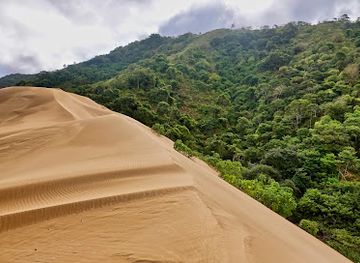
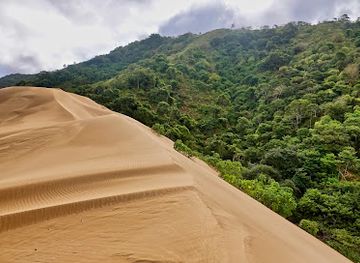
Parque Nacional Natural Macuira
Explore Parque Nacional Natural Macuira, a hidden gem in La Guajira, Colombia, offering breathtaking landscapes, rich biodiversity, and cultural experiences.
Best landmarks in Guajira Peninsula
-
Tourist attraction
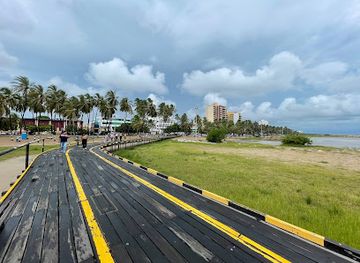
Malecón Playa
Explore Malecón Playa in Riohacha, a stunning coastal attraction with vibrant culture, breathtaking views, and a relaxing beach experience.
-
Park
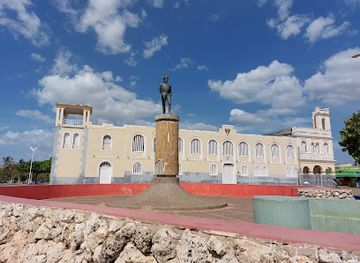
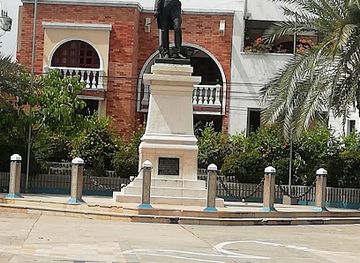
Plaza José Prudencio Padilla
Experience the vibrant atmosphere of Plaza José Prudencio Padilla, a cultural hub in Riohacha, perfect for relaxation, local flavors, and community spirit.
-
Tourist attraction
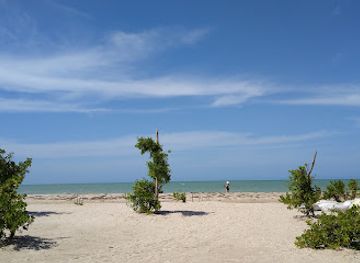
Mayapo beaches
Experience the breathtaking beauty and tranquility of Mayapo Beaches, a hidden gem in La Guajira, Colombia, perfect for relaxation and adventure.
-
Tourist attraction
Muelle Turístico
Experience the vibrant culture and stunning coastal views at Muelle Turístico, a must-visit attraction in Riohacha, Colombia.
Explore Guajira Peninsula on the map
Plan your trip on one map. See where the top cities, national parks and sights are, and book hotels and experiences in a few clicks.
Best hotels in Guajira Peninsula
Best restaurants in Guajira Peninsula
Dining in the Guajira Peninsula is shaped by Wayuu, Caribbean and coastal traditions, with menus that commonly draw on fish, shellfish, goat, rice, plantain, cassava and other ingredients suited to a dry environment. In Riohacha, restaurants and cafés offer the widest choice, from everyday Colombian dishes to seafood and regional cooking. Goat prepared in local styles is particularly associated with La Guajira, while fresh catches are important in coastal communities, although availability depends on season and supply. Around Cabo de la Vela and Punta Gallinas, meals are often prepared by guesthouses or small local kitchens and may be simple rather than restaurant-based; confirm arrangements when booking transport and accommodation. Wayuu products and regional snacks can be found in markets, but visitors should distinguish genuinely local produce from generic souvenirs. Clean drinking water can be difficult to obtain in remote areas, so ask hosts about safe supplies and avoid wasting water.
-
Family-friendly
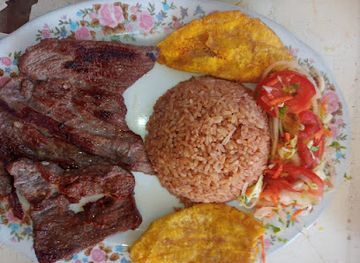
restaurante donde la negra fina
Discover authentic Colombian flavors at Restaurante Donde La Negra Fina in Nazareth—where family-friendly dining meets local culinary tradition.
Best bars in Guajira Peninsula
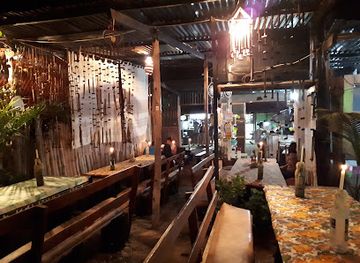
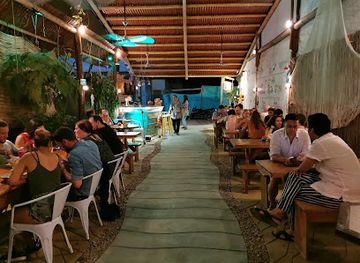
Nightlife in the Guajira Peninsula is concentrated in Riohacha, where restaurants, low-key bars and music venues provide the broadest evening choice along the Caribbean waterfront and central streets. Maicao also has an active commercial and social scene, reflecting its large, diverse population and cross-border connections. In smaller towns, evening life usually centres on family gatherings, restaurants, modest bars and local music rather than nightclubs. Cabo de la Vela and Punta Gallinas are places for quiet evenings, conversation and viewing the stars, with some accommodation offering simple communal areas but limited late-night facilities. Electricity, internet access and opening arrangements can be inconsistent in remote settlements. Visitors should drink responsibly, arrange transport in advance and avoid treating Indigenous communities or local music as entertainment without consent.
-
Bar
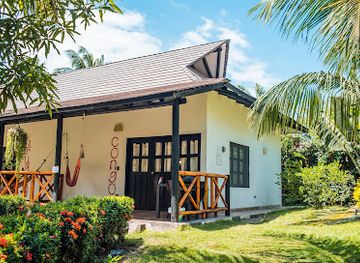
Dreamer Palomino
Discover the vibrant Dreamer Palomino, a beachside bar and hostel offering unforgettable experiences in the heart of La Guajira, Colombia.
-
Restaurant
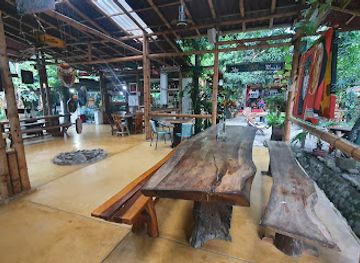
SUA Restaurant
Discover SUA Restaurant in Palomino, where local flavors meet innovative fusion cuisine in a vibrant coastal setting.
-
Bar
Restaurante Pizzería y Bar La Frontera
Discover the delicious blend of traditional and international cuisine at Restaurante Pizzería y Bar La Frontera in Palomino, La Guajira.
-
Gastropub
7 MARES
Discover the vibrant flavors of La Guajira with fresh seafood and innovative cocktails at 7 MARES in Palomino.
Best nightclubs in Guajira Peninsula
Nightlife in the Guajira Peninsula is concentrated in Riohacha, where restaurants, low-key bars and music venues provide the broadest evening choice along the Caribbean waterfront and central streets. Maicao also has an active commercial and social scene, reflecting its large, diverse population and cross-border connections. In smaller towns, evening life usually centres on family gatherings, restaurants, modest bars and local music rather than nightclubs. Cabo de la Vela and Punta Gallinas are places for quiet evenings, conversation and viewing the stars, with some accommodation offering simple communal areas but limited late-night facilities. Electricity, internet access and opening arrangements can be inconsistent in remote settlements. Visitors should drink responsibly, arrange transport in advance and avoid treating Indigenous communities or local music as entertainment without consent.
-
Night club
Cócteleria la cabaña del York
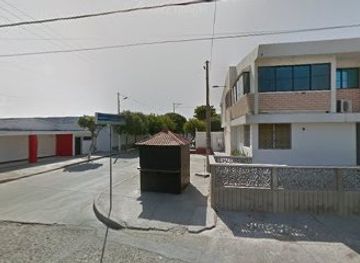
Discover the energetic nightlife at Cócteleria La Cabaña del York – where cocktails and community come together in Maicao, La Guajira.
Best shops in Guajira Peninsula
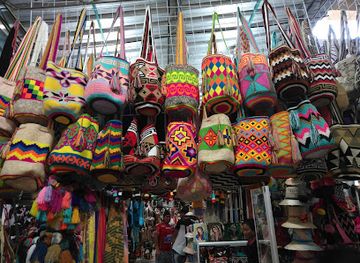
Shopping in Guajira is closely associated with Wayuu weaving, including colourful mochilas, chinchorros, belts and other textiles made with distinctive patterns and substantial practical skill. Riohacha offers the widest selection through artisan stalls, shops and markets, while products can also be purchased in smaller communities and during travel towards Cabo de la Vela and Uribia. Buying directly from makers or through transparent cooperatives can help visitors understand who produced an item and how its price was set; quality, size, materials and labour vary considerably. Maicao is the region's principal commercial centre, with a broader range of imported goods and everyday retail than the remote coastal settlements. Regional food products, woven crafts and small artworks make more meaningful souvenirs than items marketed as generic desert memorabilia. Carry cash for rural purchases, pack fragile textiles carefully and avoid bargaining so aggressively that the maker's labour is disregarded.
-
Tourist attraction
Malecón Playa
Experience the beauty and culture of Malecón Playa in Riohacha, where vibrant local life meets stunning coastal views.
-
Toy store
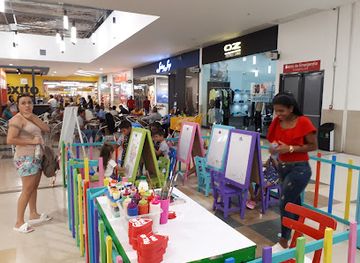
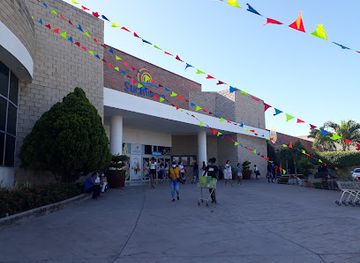
Centro Comercial VIVA WAJIIRA (EXITO)
Discover a vibrant toy paradise at Centro Comercial VIVA WAJIIRA in Riohacha, featuring a vast selection of toys for endless fun and creativity.
-
Shopping mall
Sushiimma Mall
Experience the best of shopping and dining at Sushiimma Mall in Riohacha, where local culture meets modern retail.
-
National park
Parque Nacional Natural Macuira
Explore the stunning landscapes and rich culture of Parque Nacional Natural Macuira, a true gem in Colombia's La Guajira region.
Get your free copy of our complete guide to Guajira Peninsula, delivered straight to you.
Everything on this page, from attractions and restaurants to essentials and local phrases, in one PDF you can read offline, print or share.
Already have an account? Sign in
Your Guajira Peninsula guide is ready.
We'll send it to · Not you? Sign out

Getting your guide ready…
We are putting together a fresh copy of the Guajira Peninsula guide. This can take up to a minute.
This can take a few moments. If your browser asks, choose Allow so the download can start. You'll find the guide in your Downloads folder.
Nothing happened? Download it again
Sorry, the guide is taking longer than usual. Please try again in a minute, or get it by email instead.
Guajira Peninsula essentials
Currency and Payment
Safety
Emergency Situations
Do's and Don'ts
Local Tips
From Eve
Local phrases worth knowing
You don't need to get them perfect. A few words go a long way, and locals appreciate the effort.
Basics
| English | Local | Say it |
|---|---|---|
| Hello | Hola | [ˈola] |
| Goodbye | Adiós | [aˈðjos] |
| Yes | Sí | [si] |
| No | No | [no] |
| Please/You're welcome | Por favor | [por faˈβor] |
| Thank you | Gracias | [ˈɡɾasjas] |
| Excuse me/Sorry | Perdón | [peɾˈðon] |
| How are you? | ¿Cómo estás? | [ˈkomo esˈtas] |
| Fine. And you? | Bien. ¿Y tú? | [bjen. i tu] |
| Do you speak English? | ¿Hablas inglés? | [ˈaβlas inˈɡles] |
| I don't understand | No entiendo | [no enˈtjendo] |
Eating & Drinking
| English | Local | Say it |
|---|---|---|
| I'd like to see the menu, please | Me gustaría ver el menú, por favor | [me ɡustaˈɾia βeɾ el meˈnu por faˈβor] |
| I don't eat meat | No como carne | [no ˈkomo ˈkaɾne] |
| Cheers! | ¡Salud! | [saˈluð] |
| I would like to pay, please | Me gustaría pagar, por favor | [me ɡustaˈɾia paˈɡaɾ por faˈβor] |
Emergencies
| English | Local | Say it |
|---|---|---|
| Help! | ¡Ayuda! | [aˈʝuða] |
| Go away! | ¡Vete! | [ˈβete] |
| Call the Police! | ¡Llama a la policía! | [ˈʝama a la poliˈθia] |
| Call a doctor! | ¡Llama a un médico! | [ˈʝama a un ˈmeðiko] |
| I'm lost | Estoy perdido | [esˈtoj peɾˈðido] |
| I'm ill | Estoy enfermo | [esˈtoj emˈfeɾmo] |
Shopping
| English | Local | Say it |
|---|---|---|
| I'd like to buy... | Me gustaría comprar... | [me ɡustaˈɾia komˈpɾaɾ] |
| I'm just looking | Solo estoy mirando | [ˈsolo esˈtoj miˈɾando] |
| How much is it? | ¿Cuánto cuesta? | [ˈkwanto ˈkwesta] |
| That's too expensive | Eso es muy caro | [ˈeso es mwi ˈkaɾo] |
| Can you lower the price? | ¿Puedes bajar el precio? | [ˈpweðes βaˈxaɾ el ˈpɾeθjo] |
Time & Numbers
| English | Local | Say it |
|---|---|---|
| What time is it? | ¿Qué hora es? | [ke ˈoɾa es] |
| It's one o'clock | Es la una | [es la ˈuna] |
| Half past (10) | Y media (10) | [i ˈmeðja (10)] |
| Morning | Mañana | [maˈɲana] |
| Afternoon | Tarde | [ˈtaɾðe] |
| Evening | Noche | [ˈnoʧe] |
| Yesterday | Ayer | [aˈʝeɾ] |
| Today | Hoy | [oj] |
| Tomorrow | Mañana | [maˈɲana] |
| 1 | Uno | [ˈuno] |
| 2 | Dos | [dos] |
| 3 | Tres | [tɾes] |
| 4 | Cuatro | [ˈkwatɾo] |
| 5 | Cinco | [ˈsiŋko] |
| 6 | Seis | [seis] |
| 7 | Siete | [ˈsjete] |
| 8 | Ocho | [ˈotʃo] |
| 9 | Nueve | [ˈnweβe] |
| 10 | Diez | [djez] |
Transport & Directions
| English | Local | Say it |
|---|---|---|
| Where's a/the...? | ¿Dónde está un/una...? | [ˈdonde esˈta un/ˈuna] |
| What's the address? | ¿Cuál es la dirección? | [kwal es la diɾekˈθjon] |
| Can you show me (on the map)? | ¿Puedes mostrarme (en el mapa)? | [ˈpweðes mosˈtɾaɾme (en el ˈmapa)] |
| When's the next (bus)? | ¿Cuándo es el próximo (bus)? | [ˈkwando es el ˈpɾoɾximo (bus)] |
| A ticket (to ....) | Un boleto (a....) | [un boˈleto (a....)] |
History of Guajira Peninsula
Wayuu Society Before and Beyond Spanish Rule
The Wayuu have inhabited the Guajira Peninsula for centuries, developing a society adapted to seasonal water scarcity, pastoralism, fishing, gathering and trade. Their language, Wayuunaiki, remains an important marker of identity, and customary law continues to influence conflict resolution and social relationships. The peninsula's difficult terrain and distance from colonial centres allowed Wayuu communities to retain considerable autonomy after Spanish settlement. Contemporary Guajira cannot be understood solely through colonial history: Indigenous institutions, family networks and artistic traditions remain fundamental to the region's cultural landscape.
Spanish Missions, Ports and Pearl Fisheries
Spanish expansion along the Caribbean coast brought missions, ranching settlements and trading posts, but control over the peninsula was uneven. The waters around La Guajira were long associated with pearl fishing, an industry that connected the region to wider colonial markets and relied on Indigenous and African labour under harsh conditions. Riohacha became an important coastal settlement and commercial centre, although its history also includes attacks and disruptions linked to the region's strategic position. The colonial legacy is visible in settlement patterns, Catholic institutions and the long history of contested external authority.
Independence and the Formation of La Guajira
The independence era transformed the political framework of northern Colombia, but it did not immediately bring consistent state control to the peninsula. The border between Colombia and Venezuela became increasingly important as the two republics developed, while Wayuu mobility and family connections frequently crossed it. La Guajira was established as a Colombian territory and later became a department in 1964. This administrative history helps explain why the peninsula combines a strong regional identity with cultural and commercial links extending beyond the modern international boundary.
Ranching, Trade and Cross-Border Exchange
Throughout the nineteenth and twentieth centuries, livestock raising, fishing, small-scale agriculture and coastal trade shaped the economy of Colombian Guajira. Maicao grew as a commercial centre near the Venezuelan border, and legal as well as informal exchange became part of everyday economic life. Wayuu families have maintained networks that connect settlements on both sides of the frontier, even as the practical ease of crossing has varied over time. The region's marketplaces, transport routes and urban mix reflect this long interaction between Indigenous society, Colombian institutions and Caribbean commerce.
Coal Mining and Modern Economic Change
Large-scale coal extraction at Cerrejón, in the interior of La Guajira Department, became one of the most consequential modern developments affecting the region. Mining brought roads, employment and public revenue, but also generated enduring debates about land, water, displacement, Indigenous rights and environmental impact. Cerrejón is not a tourist attraction of the peninsula's coastal route, yet its presence is essential to understanding contemporary La Guajira. Alongside mining, tourism, handicrafts, fishing, livestock and public services continue to shape the department's uneven economic geography.
Wayuu Cultural Recognition and Contemporary Tourism
In recent decades, Wayuu weaving, music, language and customary institutions have received greater national and international recognition, while tourism has expanded around Cabo de la Vela, Punta Gallinas and other coastal landscapes. This growth has created income for guides, drivers, hosts and artisans, but it also raises questions about water use, waste, cultural consent and the distribution of tourism revenue. Responsible travel in Guajira therefore involves more than reaching remote viewpoints: it means recognising the peninsula as a living Indigenous homeland rather than an empty desert backdrop.
Guajira Peninsula in Photos
Browse through our photo collection highlighting the charm and character of the destination.
Neighbouring regions of Guajira Peninsula
The closest regions to Guajira Peninsula, if you have time for more than one.
-

-

-

-

-


Swipe for more regions
Explore more

Explore more of Colombia
Discover Colombia: A land of diverse beauty, rich heritage, and vibrant culture, offering everything from bustling cities to serene coffee plantations and stunning national parks.
Explore Colombia