

Free Macarena Range Travel Guide & Mobile App
Explore Macarena Range with free travel guides. Discover regional history, expert tips, proposed trips, and audio guides on web or mobile app.


Explore Colombia’s Macarena Range for Caño Cristales, river journeys, ancient rock formations, rainforest trails and llanos landscapes.
When is the best time to visit Macarena Range?
Best: December–February · 27–28°C| Month | High (°C) | Rainfall (mm) |
|---|---|---|
| January (best) | 27 | 70 |
| February (best) | 28 | 80 |
| March | 28 | 100 |
| April | 28 | 120 |
| May | 28 | 140 |
| June | 28 | 160 |
| July | 28 | 150 |
| August | 28 | 140 |
| September | 28 | 130 |
| October | 27 | 120 |
| November | 27 | 100 |
| December (best) | 27 | 80 |
Getting to and around Macarena Range
How to get there
Transportation
Destinations in Macarena Range
Resorts, valleys and scenic spots worth a trip of their own.

Swipe for more destinations
Best attractions in Macarena Range
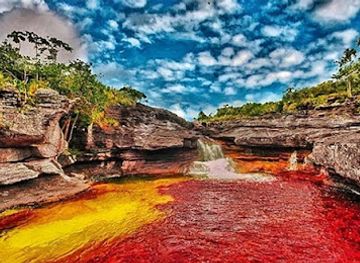
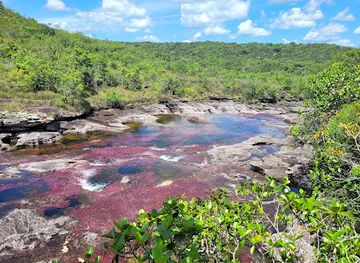
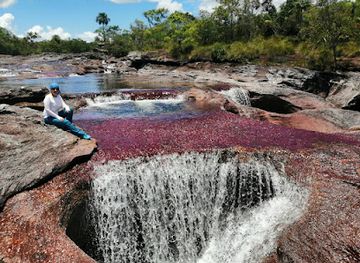
The Macarena Range is primarily a nature destination, with experiences organised around rivers, forest, sandstone formations and protected habitats rather than museums or dense urban attractions. Caño Cristales is the signature excursion, known for aquatic plants that create seasonal colour in the riverbed, while Caño Cristalitos provides a smaller-scale alternative in the same wider landscape. Boat journeys on the Guayabero River lead to rocky channels, forest edges and sites such as Raudal Angosturas I, while guided walks reveal streams, waterfalls, caves and viewpoints over the plains. Ciudad de Piedra is valued for its eroded rock forms and geological character. Birdwatching, wildlife observation, photography and moderate hiking are possible, but routes and water access are regulated and conditions vary with rainfall. La Macarena itself offers a useful introduction to local river life, conservation work and llanero-influenced food culture, although it is a service town rather than a conventional sightseeing centre. Visitors should expect simple infrastructure, locally arranged transport and excursions that combine boats, vehicles and walking. The attraction landscape is strongest when approached as a connected ecological system, not as a checklist of isolated viewpoints.
-
Tourist attraction
Parque Nacional Natural Serranía de La Macarena
Experience the vibrant colors and breathtaking landscapes of Parque Nacional Natural Serranía de La Macarena, Colombia's hidden natural treasure.
-
Tourist attraction
Caño Piedras
Explore the stunning natural beauty of Caño Piedras, a vibrant river in La Macarena, Colombia, celebrated for its breathtaking colors and rich biodiversity.
-
Tourist attraction
los fundadores Main Park
Explore the scenic beauty of Los Fundadores Main Park in La Macarena, Meta—a perfect blend of nature, relaxation, and local culture.
-
Tourist attraction
La Macarena Botanical Garden
Discover the breathtaking beauty and diverse ecosystems at La Macarena Botanical Garden, a serene escape in the heart of Colombia.
Best landmarks in Macarena Range
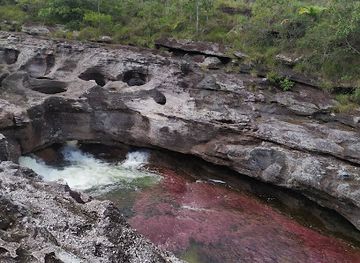
Caño Cristales is the Macarena Range’s most recognisable natural landmark, not because its colours are permanent but because seasonal aquatic plants transform sections of the riverbed under suitable conditions. The Guayabero River provides the region’s main geographic corridor and a defining visual presence, linking forest, rocky channels and lowland landscapes. At Raudal Angosturas I, the river passes through a narrower, rockier section that demonstrates the force of water cutting through the range. Ciudad de Piedra is a prominent geological landmark where weathered sandstone forms an irregular assemblage of towers, walls and boulders. The isolated mass of the Sierra de la Macarena itself is also significant: it rises distinctly above the surrounding Orinoco plains and helps create the ecological meeting point for which the region is known. These places are better appreciated with local interpretation, since their importance lies in the relationship between geology, hydrology, vegetation and human use. Access may be restricted or altered by weather, conservation rules and local security conditions.
-
Park
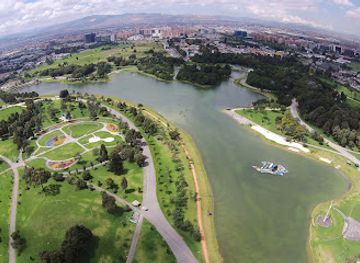
Parque Metropolitano Simón Bolívar
Discover the beauty and tranquility of Parque Metropolitano Simón Bolívar, Bogotá's premier urban park, perfect for relaxation and cultural experiences.
-
Historical landmark
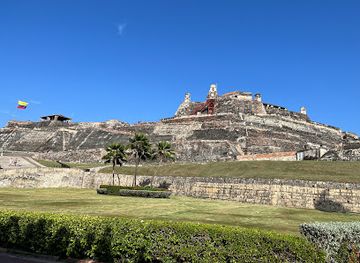
San Felipe de Barajas Fort
Explore the rich history and breathtaking views at San Felipe de Barajas Fort, Cartagena's iconic fortress and cultural landmark.
-
Heritage museum
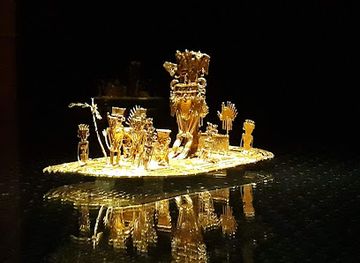
Gold Museum
Explore the Gold Museum in Bogotá, a captivating heritage museum showcasing Colombia's rich pre-Hispanic gold artifacts and cultural history.
-
Art museum
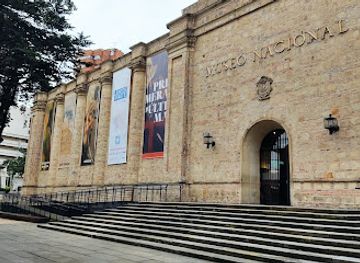
Museo Nacional de Colombia
Explore Colombia's rich history and vibrant art scene at the Museo Nacional de Colombia, the nation's premier cultural institution in Bogotá.
Explore Macarena Range on the map
Plan your trip on one map. See where the top cities, national parks and sights are, and book hotels and experiences in a few clicks.
Best hotels in Macarena Range
Best restaurants in Macarena Range
Dining in La Macarena is modest, practical and shaped by the town’s position beside the Guayabero River and the wider llanos. Small restaurants and family-run eateries commonly serve Colombian staples such as rice, beans, plantain, soups, grilled meats and arepas, alongside fish where local supply and regulations permit. Visitors may encounter preparations influenced by llanero cooking, including beef, pork, cassava and plantain, while fresh juices and simple breakfasts are useful before early excursions. The range of restaurants is limited compared with Colombia’s larger cities, and meals on river trips or rural routes are usually arranged in advance rather than selected from an extensive menu. Food markets and small shops provide provisions, snacks and drinks, but visitors should not assume that every dietary requirement can be accommodated outside town. Eating locally supports the small businesses that underpin tourism, provided visitors respect conservation rules and avoid requesting protected wildlife or illegally sourced products. Bogotá and Villavicencio offer broader culinary choices before or after a visit, but they are outside the Macarena Range.
-
Colombian
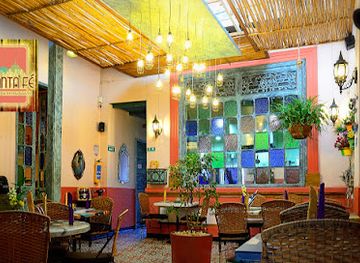
Santa Fe Restaurante
Discover authentic Colombian flavors at Santa Fe Restaurante in Bogotá's La Macarena neighborhood – a must-visit culinary destination.
-
Tapas Bar
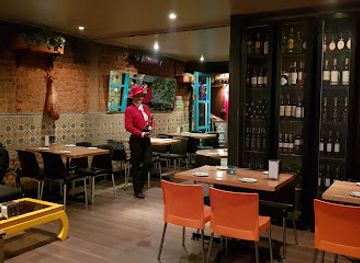
La Tapería
Experience the vibrant flavors of Spain at La Tapería - Bogotá's premier tapas bar offering authentic Spanish cuisine in a cozy setting.
-
Italian
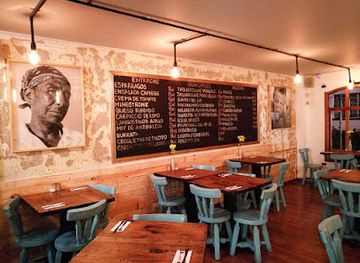
La Monferrina
Discover authentic Italian flavors at La Monferrina in Bogotá's charming La Macarena neighborhood.
-
National park
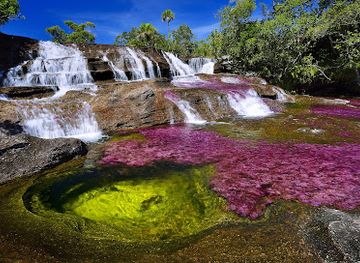
Parque Nacional Natural Serranía de La Macarena
Explore Parque Nacional Natural Serranía de La Macarena: A Colombian gem with vibrant ecosystems and breathtaking landscapes waiting to be discovered.
Best bars in Macarena Range
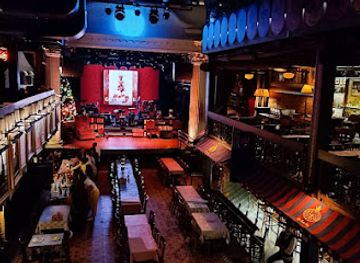
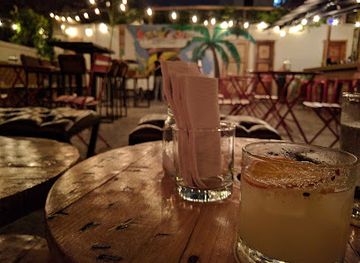
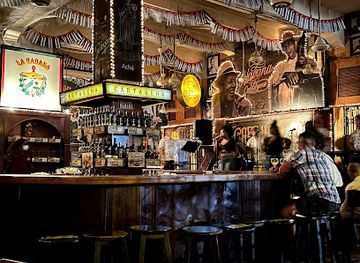
Evening life in the Macarena Range is centred on La Macarena and is relatively quiet. Small bars, cafés and local restaurants provide places to meet, listen to music and have a drink, while the riverfront and town streets may become more sociable after day trips return. This is not a destination for a large nightclub circuit: most visitors rise early for boats, trails and hot-weather excursions, and rural communities outside the town have few formal nightlife venues. Local evenings may include Colombian music and llanero influences, but entertainment varies with the season, visitor numbers and community events. Drink responsibly, avoid carrying alcohol into protected areas and do not treat nightlife as a reason to disregard early starts or boat-safety instructions. La Macarena’s evening culture is better understood as informal and community-based than as a developed tourism district.
-
Live music bar
Gaira Café Cumbia House
Discover the heart of Colombian culture at Gaira Café Cumbia House, where live music meets exquisite cuisine in Bogotá's vibrant Chapinero district.
-
Bar
Alquimico
Experience the vibrant nightlife of Cartagena with innovative cocktails at Alquimico, a must-visit bar in the heart of the city.
-
Bar
Zona T
Discover the vibrant nightlife of Zona T, Bogotá's premier destination for upscale bars, dining, and unforgettable entertainment experiences.
-
Bar
Café Havana
Experience the vibrant nightlife and delicious Caribbean cuisine at Café Havana in Getsemaní, Cartagena, where every night is a celebration.

Best nightclubs in Macarena Range
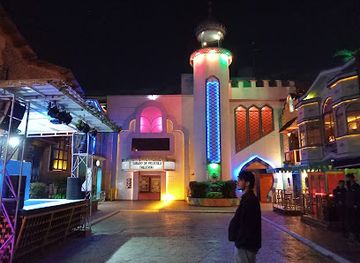
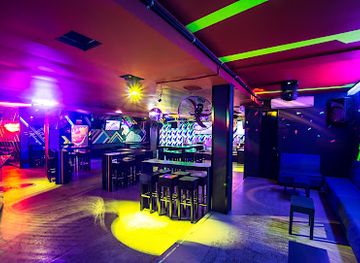
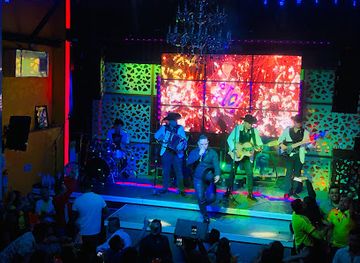
Evening life in the Macarena Range is centred on La Macarena and is relatively quiet. Small bars, cafés and local restaurants provide places to meet, listen to music and have a drink, while the riverfront and town streets may become more sociable after day trips return. This is not a destination for a large nightclub circuit: most visitors rise early for boats, trails and hot-weather excursions, and rural communities outside the town have few formal nightlife venues. Local evenings may include Colombian music and llanero influences, but entertainment varies with the season, visitor numbers and community events. Drink responsibly, avoid carrying alcohol into protected areas and do not treat nightlife as a reason to disregard early starts or boat-safety instructions. La Macarena’s evening culture is better understood as informal and community-based than as a developed tourism district.
-
Night club
THEATRON
Dive into Bogotá's vibrant nightlife at Theatron, a multi-level club with eclectic music and a diverse crowd, perfect for an unforgettable night out.
-
Disco club
Disco Jaguar
Disco Jaguar in Bogotá: A vibrant disco club offering unforgettable nights filled with music, dance, and local culture.
-
Disco club
Bar La Santa Club
Experience Bogotá's nightlife at Bar La Santa Club, a vibrant disco club with electrifying music and a lively atmosphere.
-
Disco club
Federal Rooftop | Discoteca abierta 365 días
Discover Bogotá's vibrant nightlife at Federal Rooftop, a top disco club with stunning views and an electrifying atmosphere, open 365 days a year.

Best shops in Macarena Range
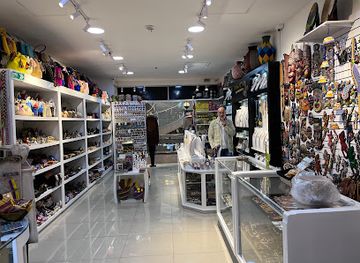
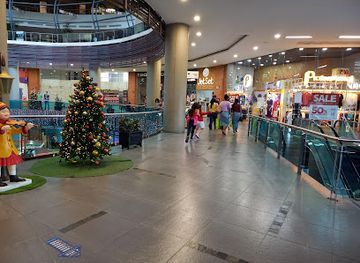
Shopping in the Macarena Range is concentrated in La Macarena, where small shops and market-style businesses supply food, drinks, clothing, practical travel items and locally made souvenirs. Visitors may find crafts, simple textiles, artwork and products reflecting the region’s river, forest and llanero associations, although selection is limited and inconsistent compared with Colombia’s major cities. Regional food products and small purchases from local producers can be more meaningful than generic souvenirs, provided they are legally sourced and do not contain protected plants, wildlife or geological material. There is little reason to expect a formal luxury-shopping scene, large shopping centres or a dense antiques district. Carry Colombian pesos for independent vendors and ask whether a purchase supports a local community or authorised tourism initiative. Bogotá and Villavicencio, both outside the range, offer wider choices for Colombian crafts and gifts before or after the trip.
-
Shopping mall
Andino
Discover Andino in Bogotá: A shopping paradise featuring luxury brands, local artisans, and diverse dining options in a vibrant atmosphere.
-
Shopping mall
Santafé Mall
Discover Bogotá's Santafé Mall, a vibrant shopping haven with top brands, diverse dining, and endless entertainment options in the heart of the city.
-
Shopping mall
Centro Comercial Chipichape
Explore Centro Comercial Chipichape, Cali's vibrant shopping mall, featuring local and international brands, dining, and entertainment for all ages.
-
Heritage museum
Gold Museum
Explore the Gold Museum in Bogotá, a treasure trove of pre-Hispanic art showcasing Colombia's rich heritage and history.

Get your free copy of our complete guide to Macarena Range, delivered straight to you.
Everything on this page, from attractions and restaurants to essentials and local phrases, in one PDF you can read offline, print or share.
Already have an account? Sign in
Your Macarena Range guide is ready.
We'll send it to · Not you? Sign out

Getting your guide ready…
We are putting together a fresh copy of the Macarena Range guide. This can take up to a minute.
This can take a few moments. If your browser asks, choose Allow so the download can start. You'll find the guide in your Downloads folder.
Nothing happened? Download it again
Sorry, the guide is taking longer than usual. Please try again in a minute, or get it by email instead.
Macarena Range essentials
Currency and Payment
Safety
Emergency Situations
Do's and Don'ts
Local Tips
From Eve
Local phrases worth knowing
You don't need to get them perfect. A few words go a long way, and locals appreciate the effort.
Basics
| English | Local | Say it |
|---|---|---|
| Hello | Hola | [OH-lah] |
| Goodbye | Adiós | [ah-DYOS] |
| Yes | Sí | [SEE] |
| No | No | [NO] |
| Please/You’re welcome | Por favor | [por fah-VOR] |
| Thank you | Gracias | [GRAH-syas] |
| Excuse me/Sorry | Disculpe | [dis-KOOL-peh] |
| How are you? | ¿Cómo estás? | [KOH-moh es-TAS] |
| Fine. And you? | Bien. ¿Y tú? | [byen. ee TOO] |
| Do you speak English? | ¿Hablas inglés? | [AH-blas een-GLES] |
| I don't understand | No entiendo | [no en-TYEN-doh] |
Eating & Drinking
| English | Local | Say it |
|---|---|---|
| I’d like to see the menu, please | Me gustaría ver el menú, por favor | [meh goos-tah-REE-ah ver el meh-NEW, por fah-VOR] |
| I don't eat meat | No como carne | [no KOH-mo KAR-neh] |
| Cheers! | ¡Salud! | [sah-LOOD] |
| I would like to pay, please | Me gustaría pagar, por favor | [meh goos-tah-REE-ah pah-GAR, por fah-VOR] |
Emergencies
| English | Local | Say it |
|---|---|---|
| Help! | ¡Ayuda! | [ah-YOO-dah] |
| Go away! | ¡Vete! | [VEH-teh] |
| Call the Police! | ¡Llama a la policía! | [YAH-ma ah lah poh-lee-SEE-ah] |
| Call a doctor! | ¡Llama a un doctor! | [YAH-ma ah oon dok-TOR] |
| I’m lost | Estoy perdido | [es-TOY per-DEE-do] |
| I’m ill | Estoy enfermo | [es-TOY en-FER-mo] |
Shopping
| English | Local | Say it |
|---|---|---|
| I’d like to buy... | Me gustaría comprar... | [meh goos-tah-REE-ah kom-PRAR] |
| I’m just looking | Solo estoy mirando | [SO-lo es-TOY mee-RAN-do] |
| How much is it? | ¿Cuánto cuesta? | [KWAN-toh KWES-tah] |
| That’s too expensive | Eso es muy caro | [EH-so es moo-ee KAH-ro] |
| Can you lower the price? | ¿Puedes bajar el precio? | [PWEH-des bah-HAR el PREH-syo] |
Time & Numbers
| English | Local | Say it |
|---|---|---|
| What time is it? | ¿Qué hora es? | [KEH OH-rah es] |
| It’s one o'clock | Es la una | [es lah OO-nah] |
| Half past (10) | Y diez y media | [ee DYESS ee MEH-diah] |
| Morning | Mañana | [ma-NYAH-nah] |
| Afternoon | Tarde | [TAR-deh] |
| Evening | Noche | [NOH-cheh] |
| Yesterday | Ayer | [ah-YER] |
| Today | Hoy | [OY] |
| Tomorrow | Mañana | [ma-NYAH-nah] |
| 1 | Uno | [OO-no] |
| 2 | Dos | [DOS] |
| 3 | Tres | [TRES] |
| 4 | Cuatro | [KWA-tro] |
| 5 | Cinco | [SEEN-ko] |
| 6 | Seis | [SAYS] |
| 7 | Siete | [SYEH-teh] |
| 8 | Ocho | [OH-cho] |
| 9 | Nueve | [NWEH-beh] |
| 10 | Diez | [DYESS] |
Transport & Directions
| English | Local | Say it |
|---|---|---|
| Where's a/the...? | ¿Dónde hay un/una...? | [DON-deh eye oon/OO-na] |
| What's the address? | ¿Cuál es la dirección? | [KWAL es lah dee-rek-SYON] |
| Can you show me (on the map)? | ¿Puedes mostrarme (en el mapa)? | [PWEH-des mos-TRAR-meh (en el MAH-pah)] |
| When's the next (bus)? | ¿Cuándo sale el próximo (bus)? | [KWAN-do SA-leh el PROK-see-mo] |
| A ticket (to ....) | Un billete (a ....) | [OON bee-YEH-teh (ah ....)] |
History of Macarena Range
Ancient Geological Foundations
The Macarena Range is an old and geologically distinctive formation set apart from the surrounding lowlands. Its sandstone ridges, escarpments and weathered rock landscapes reflect long geological processes rather than recent mountain building alone. This helps explain the range’s isolated appearance and the formation of places such as Ciudad de Piedra and the rocky channels of the Guayabero system. The underlying geology also contributes to unusual soils, drainage patterns and habitats, creating a setting where ecosystems associated with the Andes, Orinoco and Amazon regions meet.
Indigenous Territories Before Colonisation
Long before the arrival of Europeans, Indigenous communities occupied and travelled through the river valleys, forests and plains surrounding the range. The wider Meta and Guayabero region was associated with peoples including the Guayupe, while other communities maintained knowledge of forest resources, waterways and seasonal movement. Spanish colonisation disrupted these societies through disease, violence, forced labour and territorial expansion. Although the Macarena is often presented through its scenery, its landscapes also carry a much older human history that predates the modern town of La Macarena and contemporary tourism.
Colonial Frontier and River Corridors
Spanish colonial control was stronger in established Andean settlements than in the remote forests and plains east of the cordillera. Rivers became important routes for movement, commerce and missionary activity, but the Macarena remained a difficult frontier rather than a densely urbanised colonial centre. Over subsequent centuries, its distance from major roads and ports helped preserve extensive forest and limited large-scale development. The region’s modern travel routes still reflect this geography: waterways, air connections and rough overland approaches remain more important than a dense network of conventional highways.
Park Protection and Scientific Interest
Sierra de la Macarena National Natural Park was established in the mid-twentieth century to protect the range’s exceptional geological and biological character. Conservation has focused on forests, rivers, wildlife habitats and the meeting of distinct ecological regions. Scientific interest in the area grew because species and plant communities from neighbouring biogeographic zones occur together in a relatively compact landscape. Park protection has also created a framework for regulated visits to Caño Cristales and other sites, although conservation continues to face pressure from settlement, agriculture, cattle ranching and illicit economies.
Settlement, Ranching and the Frontier Economy
Twentieth-century settlement in the Macarena was shaped by migration from other parts of Colombia, land clearance, cattle keeping and small-scale farming. The region’s remoteness made state services and formal infrastructure difficult to provide, while the surrounding plains developed a strong llanero cultural influence. These economic changes transformed parts of the landscape and produced enduring debates about land use and conservation. La Macarena grew as a local service centre, connecting river communities, rural producers, park workers and visitors arriving to see the range’s natural attractions.
Armed Conflict and Tourism after the Peace Process
For decades, the wider Macarena area was affected by the Colombian armed conflict, particularly because its forests and remote corridors were difficult for the state to control. Conflict, coca cultivation, displacement and military operations affected rural communities and restricted outside travel. The peace process and gradual improvements in security helped open the area to more organised nature tourism, especially around Caño Cristales. This transition remains incomplete: tourism brings income and recognition, but conservation, land rights, public services and rural livelihoods continue to require careful management.
Macarena Range in Photos
Browse through our photo collection highlighting the charm and character of the destination.
Neighbouring regions of Macarena Range
The closest regions to Macarena Range, if you have time for more than one.
-

-

-

-

-


Swipe for more regions
Explore more

Explore more of Colombia
Discover Colombia: A land of diverse beauty, rich heritage, and vibrant culture, offering everything from bustling cities to serene coffee plantations and stunning national parks.
Explore Colombia