

Free Amazon Travel Guide & Mobile App
Explore Amazon with free travel guides. Discover regional history, expert tips, proposed trips, and audio guides on web or mobile app.


Explore Amazon Colombia from Leticia and Puerto Nariño through rainforest trails, river journeys, Indigenous culture and exceptional wildlife.
Read more about Amazon
When is the best time to visit Amazon?
Best: December–February · 31°C| Month | High (°C) | Rainfall (mm) |
|---|---|---|
| January (best) | 31 | 250 |
| February (best) | 31 | 230 |
| March | 32 | 270 |
| April | 32 | 310 |
| May | 32 | 330 |
| June | 32 | 310 |
| July | 32 | 310 |
| August | 32 | 310 |
| September | 32 | 320 |
| October | 32 | 330 |
| November | 31 | 270 |
| December (best) | 31 | 260 |
Getting to and around Amazon
How to get there
Transportation
Top city travel guides in Amazon
The cities of Amazon, and the easiest places to base yourself.
-
-

-

-

-

-


Swipe for more cities
Destinations in Amazon
Resorts, valleys and scenic spots worth a trip of their own.
-

-

-
-

-


Swipe for more destinations
Best attractions in Amazon
The Colombian Amazon’s attractions are organised around the river and forest rather than a dense collection of conventional visitor sites. Leticia provides an accessible introduction through its waterfront, markets, Parque Santander and nearby Yahuarcaca lakes, where guided trips can reveal flooded forest, birds and aquatic habitats. Boat journeys lead towards Puerto Nariño, a low-traffic settlement surrounded by forest, lakes and river channels associated with grey and pink dolphins. In the wider area, visitors can arrange canoeing, birdwatching, night walks, fishing experiences, rainforest hikes and stays in community-linked lodges. Amacayacu National Natural Park represents one of the principal protected landscapes near the tourism corridor, although access, accommodation and permitted activities should be checked before departure. Indigenous community visits can offer insight into local foodways, crafts, ecological knowledge and river life when organised respectfully and with appropriate consent. The attraction landscape changes with the season: high water opens flooded channels for canoe travel, while lower levels may reveal river beaches and different walking routes. Wildlife sightings are never guaranteed, and the most responsible excursions place observation, guide expertise, local benefit and habitat protection above close contact with animals.
-
Tourist attraction
Temático Hacienda Nápoles Park
Experience the thrill of nature and wildlife at Temático Hacienda Nápoles Park, a unique adventure destination in Antioquia, Colombia.
-
Tourist attraction
Metropolitano La Armenia Park
Escape the urban hustle and unwind in the serene beauty of Metropolitano La Armenia Park in Quito, Ecuador, perfect for relaxation and recreation.
-
Woods
Amazon Rainforest
Discover the wonders of the Amazon Rainforest, a mesmerizing ecosystem rich in biodiversity and cultural heritage, ideal for eco-tourism and adventure.
-
Theme park
Hacienda Napoles
Discover the thrilling Hacienda Napoles, a unique theme park blending wildlife, adventure, and Colombian culture in the heart of Antioquia.


Best landmarks in Amazon
The Amazon River is the region’s defining natural landmark, forming the transport corridor and visual horizon around Leticia and Puerto Nariño while linking Colombia to Peru and Brazil. In Leticia, Parque Santander is a central civic space and a useful point from which to observe the town’s everyday rhythm; the nearby Cathedral of Our Lady of Peace is one of its recognisable urban buildings. Puerto Nariño is notable for its pedestrian-oriented layout and river setting, which distinguish it from the busier border capital. The Yahuarcaca lakes form an important wetland landscape close to Leticia, changing visibly with seasonal water levels and providing habitat for aquatic and forest species. Amacayacu National Natural Park is a major protected-area landmark of the Colombian Amazon, representing the region’s commitment to preserving rainforest, rivers and wildlife. In the surrounding territory, Indigenous communities and river settlements are landmarks of living cultural geography as much as physical places. Their significance should be approached through consent, local guidance and respect for privacy rather than simply through sightseeing.
-
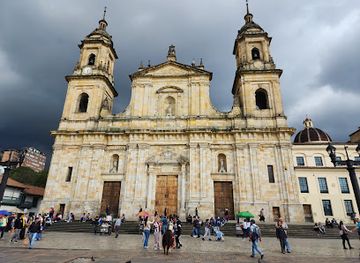
Plaza
Plaza de Bolívar
Discover the vibrant history and cultural heartbeat of Bogotá at Plaza de Bolívar, a must-visit landmark surrounded by stunning architecture.
-
Historical landmark
San Felipe de Barajas Fort
Discover the historical grandeur of San Felipe de Barajas Fort in Cartagena, Colombia, where colonial history and stunning vistas await every visitor.
-
Park
Parque de los Novios
Explore the tranquility of Parque de los Novios, a scenic park in Bogotá perfect for relaxation, picnics, and cultural events amidst nature's beauty.
-
National park
Parque Nacional Natural Tayrona
Explore the breathtaking natural beauty and rich cultural heritage of Parque Nacional Natural Tayrona in Colombia's Caribbean region.


Explore Amazon on the map
Plan your trip on one map. See where the top cities, national parks and sights are, and book hotels and experiences in a few clicks.
Best hotels in Amazon
Best restaurants in Amazon
Dining in Amazon Colombia is centred on Leticia, Puerto Nariño and the food prepared at lodges or community accommodation along the river. Amazonian fish is prominent, with preparations varying according to the catch and local availability; visitors may also encounter cassava, plantain, rice, fruits from the rainforest and ingredients such as copoazú or açaí. Tacacá and other dishes associated with the wider Amazon may appear in the tri-border area, but culinary traditions are shared across Colombia, Peru and Brazil and should not automatically be labelled exclusively Colombian. Leticia’s markets and small eateries offer the clearest sense of everyday food culture, while lodges commonly provide set meals suited to remote logistics. Puerto Nariño tends towards simple cafés and locally oriented dining rather than a large restaurant scene. Ask about sourcing, seasonality and Indigenous food traditions, and use bottled or treated water when advised by accommodation providers. Brazilian and Peruvian influences are especially visible near the border, giving the area a broader Amazonian dining character than its national label alone suggests.
-
Restaurant
El Gato Gris
Experience vibrant Colombian cuisine at El Gato Gris in La Candelaria - where tradition meets modernity in every bite.
-
Mexican
Cantina La 15 Bogotá - Bar y Restaurante Mexicano
Savor authentic Mexican cuisine at Cantina La 15 Bogotá - where flavor meets festivity in every dish.
-
Restaurant
Platillos Voladores
Experience exquisite Colombian cuisine at Platillos Voladores in Cali – where tradition meets modern gastronomy in a chic setting.
-
Colombian
Mini Mal
Savor the essence of Colombian cuisine at Mini Mal in Bogotá - where tradition meets innovation in every delicious bite.


Best bars in Amazon
Nightlife in the Colombian Amazon is modest and concentrated in Leticia, where residents and visitors gather in casual bars, restaurants and venues offering music rather than a large club circuit. The town’s tri-border setting brings Colombian, Brazilian and Peruvian influences to evening food, conversation and music, while nearby Tabatinga offers a different cross-border urban atmosphere. Puerto Nariño is considerably quieter, with evenings shaped by lodge dining, riverside conversation and the sounds of the forest rather than late-night entertainment. Some accommodation providers organise cultural presentations or informal social events, but these should be understood as arranged experiences rather than permanent nightlife attractions. Remote lodges generally encourage early starts for wildlife excursions, and electricity or internet access may be limited. Drink responsibly, arrange transport back to accommodation in advance and avoid wandering unfamiliar riverfront or forest areas after dark without local guidance.
-
Grill
Café del Mar Ltda.
Discover the vibrant atmosphere and stunning views at Café del Mar, Cartagena's premier grill and bar overlooking the Caribbean Sea.
-
Live music bar
Gaira Café Cumbia House
Experience the vibrant Colombian culture at Gaira Café Cumbia House with live music, authentic cuisine, and an unforgettable atmosphere.
-
Bar
Alquimico
Discover Cartagena's vibrant nightlife at Alquimico, where innovative cocktails and a lively atmosphere create an unforgettable experience.
-
Bar
Zona T
Discover the elegance and excitement of Zona T in Bogotá, a vibrant hub for nightlife, dining, and shopping experiences.


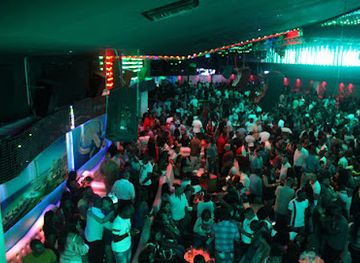
Best nightclubs in Amazon
Nightlife in the Colombian Amazon is modest and concentrated in Leticia, where residents and visitors gather in casual bars, restaurants and venues offering music rather than a large club circuit. The town’s tri-border setting brings Colombian, Brazilian and Peruvian influences to evening food, conversation and music, while nearby Tabatinga offers a different cross-border urban atmosphere. Puerto Nariño is considerably quieter, with evenings shaped by lodge dining, riverside conversation and the sounds of the forest rather than late-night entertainment. Some accommodation providers organise cultural presentations or informal social events, but these should be understood as arranged experiences rather than permanent nightlife attractions. Remote lodges generally encourage early starts for wildlife excursions, and electricity or internet access may be limited. Drink responsibly, arrange transport back to accommodation in advance and avoid wandering unfamiliar riverfront or forest areas after dark without local guidance.
-
Night club
THEATRON
Experience the vibrant nightlife of Bogotá at Theatron, where eclectic music and lively atmosphere meet for unforgettable nights.
-
Disco club
Bar La Santa Club
Discover the heart of Bogotá's nightlife at Bar La Santa Club, a vibrant disco club with electrifying beats and a lively atmosphere.
-
Disco club
Federal Rooftop | Discoteca abierta 365 días
Discover the electrifying nightlife at Federal Rooftop in Bogotá, a top disco club offering stunning views and an unforgettable party experience.
-
Disco club
DUBAI NIGHT CLUB
Dive into the heart of Cali's nightlife at Dubai Night Club, where electrifying beats meet vibrant crowds in an unforgettable disco experience.


Best shops in Amazon
Shopping in Amazon Colombia is most varied in Leticia, particularly around its markets, central streets and river-oriented commercial areas. Visitors can find fresh produce, tropical fruits, fish, woven goods, carved objects, jewellery and other crafts made from locally available materials, although quality, provenance and environmental legality vary. Ask sellers about the maker and avoid products made from protected wildlife, feathers, teeth, skins, seeds or plants whose collection or export may be restricted. Community-linked craft outlets and respected cultural organisations provide better opportunities to understand the work and ensure that payment reaches makers. Puerto Nariño offers a smaller selection of locally produced crafts and food items, while Tabatinga across the border adds Brazilian commercial influences but is not part of Colombia. Useful purchases include packaged regional foods, textiles, baskets and small artworks that can be transported responsibly. Bargaining may occur in informal markets, but it should remain courteous and proportionate; paying fairly is particularly important where crafts represent substantial cultural knowledge and labour.
-
Shopping mall
Andino
Discover the vibrant shopping experience at Andino, Bogotá's premier shopping mall with a blend of local and international offerings.
-
Shopping mall
Unicentro Bogota
Explore Unicentro Bogotá, a vibrant shopping mall with diverse brands, delightful dining, and exciting entertainment options for tourists and locals.
-
Hypermarket
Alkosto Venecia
Explore Alkosto Venecia, Bogotá's vibrant hypermarket, offering a diverse range of products and a taste of local Colombian shopping culture.
-
Electronics store
Unilago.
Explore the latest in technology at Unilago, Bogotá's vibrant electronics store offering everything from gadgets to accessories.


Get your free copy of our complete guide to Amazon, delivered straight to you.
Everything on this page, from attractions and restaurants to essentials and local phrases, in one PDF you can read offline, print or share.
Already have an account? Sign in
Your Amazon guide is ready.
We'll send it to · Not you? Sign out

Getting your guide ready…
We are putting together a fresh copy of the Amazon guide. This can take up to a minute.
This can take a few moments. If your browser asks, choose Allow so the download can start. You'll find the guide in your Downloads folder.
Nothing happened? Download it again
Sorry, the guide is taking longer than usual. Please try again in a minute, or get it by email instead.
Amazon essentials
Currency and Payment
Safety
Emergency Situations
Do's and Don'ts
Local Tips
From Eve
Local phrases worth knowing
You don't need to get them perfect. A few words go a long way, and locals appreciate the effort.
Basics
| English | Local | Say it |
|---|---|---|
| Hello | Hola | [Ola] |
| Goodbye | Adiós | [Adyos] |
| Yes | Sí | [Si] |
| No | No | [No] |
| Please/You're welcome | Por favor/De nada | [Por favor/De nada] |
| Thank you | Gracias | [Grasias] |
| Excuse me/Sorry | Disculpa/Lo siento | [Disculpa/Lo siento] |
| How are you? | ¿Cómo estás? | [Como estas] |
| Fine. And you? | Bien. ¿Y tú? | [Bien. Y tu] |
| Do you speak English? | ¿Hablas inglés? | [Hablas ingles] |
| I don't understand | No entiendo | [No entiendo] |
Eating & Drinking
| English | Local | Say it |
|---|---|---|
| I'd like to see the menu, please | Me gustaría ver el menú, por favor | [Me gustaria ver el menu, por favor] |
| I don't eat meat | No como carne | [No como carne] |
| Cheers! | ¡Salud! | [Salud] |
| I would like to pay, please | Me gustaría pagar, por favor | [Me gustaria pagar, por favor] |
Emergencies
| English | Local | Say it |
|---|---|---|
| Help! | ¡Ayuda! | [Ayuda] |
| Go away! | ¡Vete! | [Vete] |
| Call the Police! | ¡Llama a la policía! | [Llama a la policia] |
| Call a doctor! | ¡Llama a un doctor! | [Llama a un doctor] |
| I'm lost | Estoy perdido | [Estoy perdido] |
| I'm ill | Estoy enfermo | [Estoy enfermo] |
Shopping
| English | Local | Say it |
|---|---|---|
| I'd like to buy... | Me gustaría comprar... | [Me gustaria comprar] |
| I'm just looking | Solo estoy mirando | [Solo estoy mirando] |
| How much is it? | ¿Cuánto cuesta? | [Cuanto cuesta] |
| That's too expensive | Eso es muy caro | [Eso es muy caro] |
| Can you lower the price? | ¿Puedes bajar el precio? | [Puedes bajar el precio] |
Time & Numbers
| English | Local | Say it |
|---|---|---|
| What time is it? | ¿Qué hora es? | [Que hora es] |
| It's one o'clock | Es la una | [Es la una] |
| Half past (10) | Y media (10) | [Y media 10] |
| Morning | Mañana | [Mañana] |
| Afternoon | Tarde | [Tarde] |
| Evening | Noche | [Noche] |
| Yesterday | Ayer | [Ayer] |
| Today | Hoy | [Hoy] |
| Tomorrow | Mañana | [Mañana] |
| 1 | Uno | [Uno] |
| 2 | Dos | [Dos] |
| 3 | Tres | [Tres] |
| 4 | Cuatro | [Cuatro] |
| 5 | Cinco | [Cinco] |
| 6 | Seis | [Seis] |
| 7 | Siete | [Siete] |
| 8 | Ocho | [Ocho] |
| 9 | Nueve | [Nueve] |
| 10 | Diez | [Diez] |
Transport & Directions
| English | Local | Say it |
|---|---|---|
| Where's a/the...? | ¿Dónde está un/una...? | [Donde esta un/una] |
| What's the address? | ¿Cuál es la dirección? | [Cual es la direccion] |
| Can you show me (on the map)? | ¿Puedes mostrarme (en el mapa)? | [Puedes mostrarme en el mapa] |
| When's the next (bus)? | ¿Cuándo es el próximo (autobús)? | [Cuando es el proximo autobús] |
| A ticket (to ....) | Un boleto (a ....) | [Un boleto a] |
History of Amazon
Indigenous Amazonian societies before European rule
Long before Colombia’s modern borders, the Amazon was inhabited and shaped by diverse Indigenous peoples, including communities now identified with Ticuna, Cocama and Yagua traditions. River channels, floodplain gardens, fishing grounds and forest paths formed an interconnected cultural landscape rather than an empty wilderness. Knowledge of plants, animals, seasonal water levels and navigation remains important today. Archaeological evidence in the wider Amazon also indicates that human communities managed landscapes in sophisticated ways, challenging older assumptions that the forest was untouched or sparsely inhabited.
Colonial missions and contested frontiers
During the colonial period, Spanish and Portuguese powers competed for control of Amazonian rivers and attempted to extend religious and administrative influence through missions. The region remained difficult for European authorities to govern, and Indigenous communities retained substantial independence despite disease, forced labour and missionary pressure. Later diplomatic agreements between Spain and Portugal helped establish the broad international framework that would eventually shape the borders between Colombia, Peru and Brazil, although the frontier remained distant from effective state administration.
Rubber extraction and the late nineteenth-century boom
The global demand for rubber transformed parts of the upper Amazon during the late nineteenth and early twentieth centuries. Commercial networks, traders and extraction companies moved through river ports and forest territories, while Indigenous people were frequently subjected to violence, debt, coercion and forced labour. Leticia and the surrounding river corridor were connected to this wider extractive economy. The rubber boom generated wealth for distant commercial interests but left a severe human legacy and helped establish patterns of transport, trade and territorial competition that continued after prices collapsed.
The Leticia conflict and the 1932–1934 settlement
A dispute over the Colombia–Peru border reached a crisis when Peruvian civilians and soldiers occupied Leticia in 1932. Colombia organised a military response, and the conflict was eventually resolved through international mediation and the League of Nations. The 1934 protocol confirmed Colombian sovereignty over Leticia, reinforcing the town’s position as Colombia’s principal Amazonian gateway. The episode remains important to the region’s political history because the modern tri-border landscape is closely tied to decisions made during this period.
State presence, missions and regional administration
During the twentieth century, Colombia gradually expanded administrative, military, educational and health institutions in the Amazon. Leticia became the principal centre for services and river transport, while smaller settlements remained more dependent on boats, air links and local networks. Missionary activity, national schooling and government programmes affected Indigenous societies in different ways, sometimes weakening languages and customary authority while also providing access to education or healthcare. The region’s contemporary identity reflects the continuing negotiation between national institutions, local communities and Indigenous territorial rights.
Indigenous recognition and environmental protection
Colombia’s constitutional reforms of the late twentieth century strengthened recognition of Indigenous authority and collective territorial rights, although implementation has remained complex. At the same time, conservation policy led to the creation and management of protected areas, including Amacayacu National Natural Park. These developments changed the way the rainforest was represented: not simply as a resource frontier, but as a living environment with cultural, ecological and legal significance. Tourism now operates within this framework, making community consent, conservation rules and local benefit important considerations.
The contemporary tri-border region
Modern Amazon Colombia is shaped by its proximity to Peru and Brazil, with Leticia, Tabatinga and Santa Rosa forming a closely connected cross-border urban and river environment. Spanish, Portuguese and Indigenous languages can be heard across the area, and commerce, family ties and transport frequently cross national boundaries. Tourism, public administration, conservation, fishing and small-scale agriculture all contribute to the regional economy. Access remains limited compared with Colombia’s mainland cities, preserving the importance of river knowledge and local logistical networks.
Amazon in Photos
Browse through our photo collection highlighting the charm and character of the destination.
Neighbouring regions of Amazon
The closest regions to Amazon, if you have time for more than one.
-

-

-

-

-


Swipe for more regions
Explore more

Explore more of Colombia
Discover Colombia: A land of diverse beauty, rich heritage, and vibrant culture, offering everything from bustling cities to serene coffee plantations and stunning national parks.
Explore Colombia