

Free Quindío Department Travel Guide & Mobile App
Explore Quindío Department with free travel guides. Discover regional history, expert tips, proposed trips, and audio guides on web or mobile app.


Explore Quindío’s coffee farms, Andean villages, Cocora Valley wax palms, craft traditions and mountain scenery in central Colombia.
Read more about Quindío Department
When is the best time to visit Quindío Department?
Best: December–February · 26–27°C| Month | High (°C) | Rainfall (mm) |
|---|---|---|
| January (best) | 26 | 100 |
| February (best) | 26 | 90 |
| March | 26 | 110 |
| April | 26 | 130 |
| May | 26 | 150 |
| June | 26 | 170 |
| July | 26 | 160 |
| August | 26 | 140 |
| September | 26 | 120 |
| October | 26 | 110 |
| November | 27 | 100 |
| December (best) | 27 | 90 |
Getting to and around Quindío Department
How to get there
Transportation
Top city travel guides in Quindío Department
The cities of Quindío Department, and the easiest places to base yourself.
-

-


Swipe for more cities
Destinations in Quindío Department
Resorts, valleys and scenic spots worth a trip of their own.

Swipe for more destinations
Best attractions in Quindío Department
Quindío’s attractions range from working coffee farms and heritage towns to family-oriented parks and highland landscapes. Valle de Cocora, reached from Salento, is the department’s best-known natural setting, with wax palms, cloud-forest vegetation and walking routes that vary in length and difficulty. Coffee fincas around Armenia, Calarcá, Montenegro and Quimbaya explain cultivation, harvesting, drying and brewing, often with a closer connection to rural life than a conventional museum. Parque del Café near Montenegro combines rides, gardens, cultural performances and displays about coffee, while Panaca near Quimbaya focuses on agriculture and farm animals. The Quindío Botanical Garden near Calarcá offers a more tranquil introduction to regional plant life and bird habitats. Filandia, Salento, Pijao and other mountain towns add colourful streets, viewpoints, churches, cafés and craft workshops. Visitors interested in walking can explore rural roads and guided trails, but highland conditions, private land boundaries and seasonal weather make local advice important.
-
Amusement park
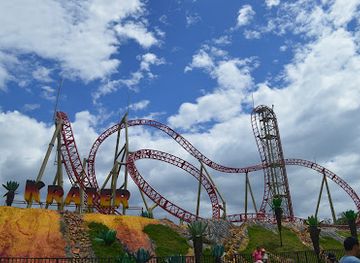
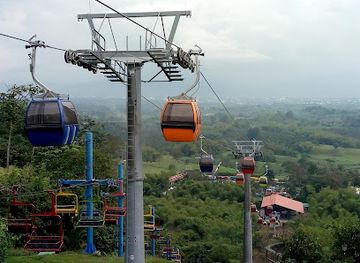
Parque del Café
Experience the magic of coffee and adventure at Parque del Café, a unique amusement park in Colombia's picturesque Quindío region.
-
Observation deck
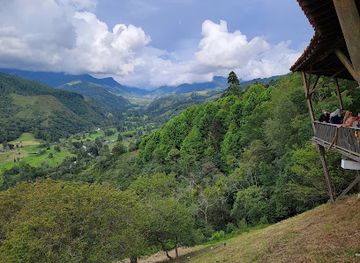
Salento viewpoint
Experience breathtaking panoramic views of Salento and the Quindio River valley from this easily accessible viewpoint.
-
Park
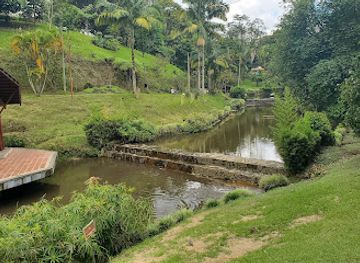
Vida Park
Experience the tranquility and beauty of Vida Park, a lush oasis in Armenia where nature thrives and families create lasting memories.
-
Theme park
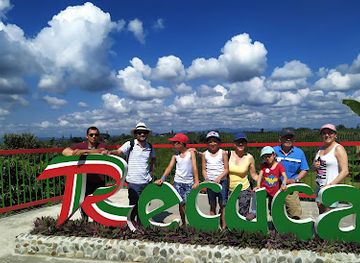
Recuca
Experience Colombian coffee culture firsthand at Recuca: an immersive theme park in Quindío's coffee region. Harvest, learn, and taste!
Best landmarks in Quindío Department
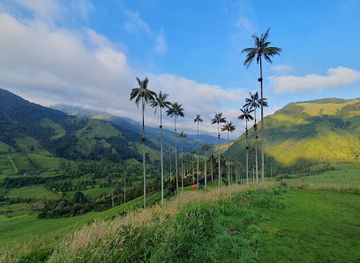
The wax palms of Valle de Cocora are Quindío’s defining natural landmark, rising above the valley floor and making the relationship between mountain ecology and cultural identity immediately visible. In Salento, the traditional central streets and brightly painted façades represent the architecture of the coffee-growing settlements developed during Antioquian colonisation, while the town’s viewpoint opens towards the surrounding Andes. Filandia’s church and preserved streetscape form another recognisable example of regional town architecture, complemented by its elevated outlook over the western cordillera. Armenia’s Parque de los Fundadores and other civic spaces reflect the capital’s modern identity, particularly important after the rebuilding that followed the 1999 earthquake. Rural coffee fincas, guadua bridges and steep cultivated slopes are less monumental but equally significant landmarks of the Coffee Cultural Landscape. Around Calarcá, the Quindío Botanical Garden provides a notable setting for native vegetation and conservation. These places matter not only as scenic stops but also as evidence of how settlement, agriculture, construction and Andean ecology have shaped the department.
-
Amusement park
Parque del Café
Explore the thrilling rides and lush coffee landscapes at Parque del Café, a must-visit amusement park in Colombia's stunning Quindío region.
-
National park
Cocora Valley
Experience the breathtaking beauty of Cocora Valley, Colombia's national park renowned for its iconic wax palms and stunning hiking trails.
-
Theme park
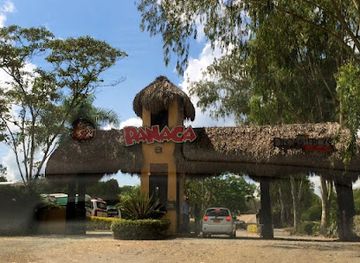
Panaca
Experience the wonders of Colombian nature and culture at Panaca, a premier theme park offering adventure, education, and unforgettable family fun.
-
Park
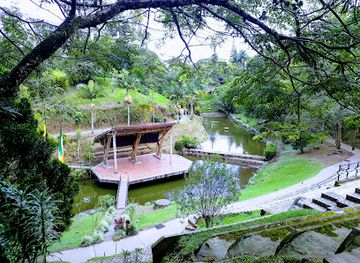
Vida Park
Explore the lush landscapes and tranquil ambiance of Vida Park, a must-visit nature retreat in Armenia, Quindío, Colombia.
Explore Quindío Department on the map
Plan your trip on one map. See where the top cities, national parks and sights are, and book hotels and experiences in a few clicks.
Best hotels in Quindío Department
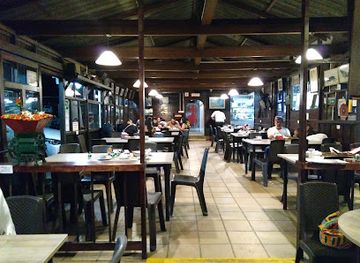
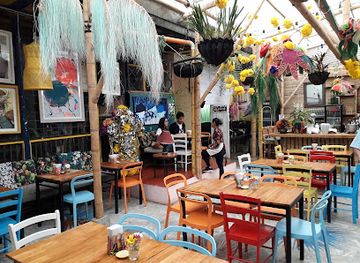
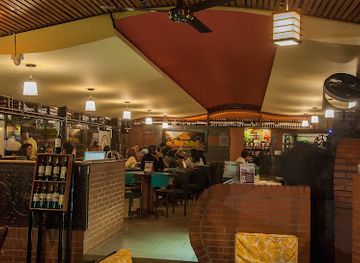
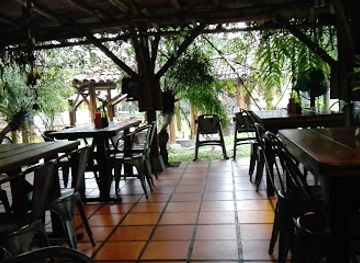
Best restaurants in Quindío Department
Dining in Quindío reflects a coffee-growing agricultural region rather than a single, narrowly defined cuisine. Arepas, tamales, sancocho, plantain, rice, beans, grilled meats and fresh tropical fruit are widely available, while trout is especially associated with the waterways and restaurants around the Salento area. Traditional bakeries and cafés provide a natural setting for trying local coffee, regional sweets and simple breakfasts, and many coffee farms include tastings or meals using produce from nearby smallholdings. Armenia has the department’s broadest choice of Colombian and international restaurants, from casual eateries to contemporary dining rooms; Salento and Filandia concentrate more on cafés, trout restaurants, vegetarian options, bakeries and tourist-oriented menus. Rural inns and fincas may offer advance-arranged lunches featuring home-style cooking. Ask about preparation and portion sizes, and remember that coffee served after a meal may be lighter or differently prepared than the brewed coffee expected by visitors.
-
Colombian
El Roble
Discover authentic Colombian flavors at El Roble in Quindío - where every meal is a celebration of local culture and tradition.
-
Restaurant
Helena Adentro "La Casa Rosada"
Discover Helena Adentro 'La Casa Rosada' in Filandia – where South American flavors meet innovative culinary artistry.
-
Grill
La Fogata
Discover La Fogata in Armenia - where savory grilled delights meet vibrant Colombian culture for an unforgettable dining experience.
-
Restaurant
Restaurante Rancho Eden
Discover exquisite Colombian cuisine blended with international flavors at Restaurante Rancho Eden in beautiful Quindío.
Best bars in Quindío Department
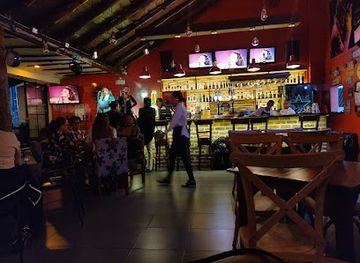
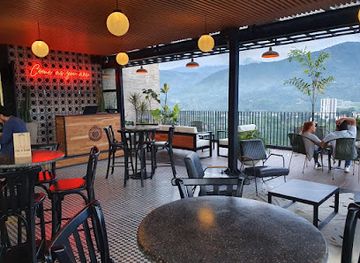
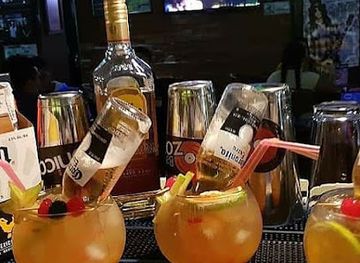
Evening life in Quindío is centred on Armenia, where restaurants, cafés, bars and music venues provide the department’s broadest range of nightlife. The atmosphere is generally social and local rather than built around a large club scene, with salsa, vallenato, reggaeton and other Colombian music appearing in different venues. Salento and Filandia have a more compact evening offering, including casual bars, small venues, cafés and restaurants popular with visitors, while smaller towns such as Pijao tend to become quiet earlier. Traditional tiendas and neighbourhood bars remain part of everyday social life, but travellers should choose established premises and arrange transport back to rural accommodation before drinking. Coffee-focused venues, craft-beer outlets and occasional live music add variety without replacing the region’s predominant culture of dining, conversation and early starts for countryside excursions.
-
Bar
Mariajuana Ale House Coffee
Explore Armenia's vibrant culture at Mariajuana Ale House Coffee, where delicious food, refreshing drinks, and a lively atmosphere await.
-
Bar
Icónico Terraza
Discover the vibrant nightlife and delicious tapas at Icónico Terraza, a must-visit bar in Armenia, Quindío for every traveler.
-
Bar
Finisterra
Discover the lively atmosphere and local spirits at Finisterra, Armenia's favorite bar for an unforgettable nightlife experience.
-
Bar
Bar Zonica
Experience the vibrant nightlife of Armenia at Bar Zonica, where cocktails meet local culture in a lively ambiance.
Best nightclubs in Quindío Department
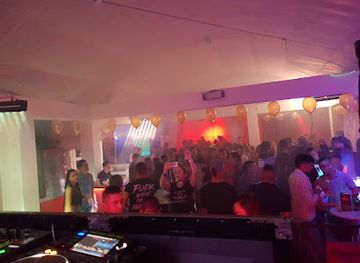
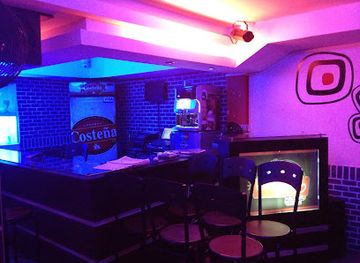
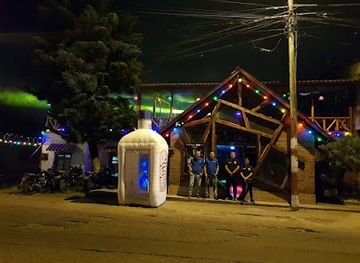
Evening life in Quindío is centred on Armenia, where restaurants, cafés, bars and music venues provide the department’s broadest range of nightlife. The atmosphere is generally social and local rather than built around a large club scene, with salsa, vallenato, reggaeton and other Colombian music appearing in different venues. Salento and Filandia have a more compact evening offering, including casual bars, small venues, cafés and restaurants popular with visitors, while smaller towns such as Pijao tend to become quiet earlier. Traditional tiendas and neighbourhood bars remain part of everyday social life, but travellers should choose established premises and arrange transport back to rural accommodation before drinking. Coffee-focused venues, craft-beer outlets and occasional live music add variety without replacing the region’s predominant culture of dining, conversation and early starts for countryside excursions.
-
Club
Motel Club
Experience the vibrant nightlife of Salento at Motel Club, where music, dance, and unforgettable moments await you.
-
Night club
Shango Night Club
Dive into the electrifying nightlife of Armenia at Shango Night Club, where music, dance, and vibrant energy come together.
-
Disco club
Where Alejo Disco Bar
Experience the vibrant nightlife of Quimbaya at Where Alejo Disco Bar, where music and cocktails create unforgettable moments.
-
Disco club
Fonda la Talanquera Calarcá
Experience the lively nightlife at Fonda la Talanquera Calarcá, a vibrant disco club and bar in Quindío, Colombia, perfect for dancing and enjoying local drinks.
Best shops in Quindío Department
Shopping in Quindío is strongest in its market towns and craft-oriented tourist centres rather than in luxury retail districts. Armenia offers the department’s widest selection of supermarkets, department stores, cafés and everyday shops, while Salento and Filandia are known for small retailers selling woven goods, guadua-bamboo crafts, leatherwork, jewellery, clothing, artwork and souvenirs. Filandia has a particularly visible craft tradition, and visitors can often find decorative baskets and household objects influenced by local materials and techniques. Coffee is the most practical regional purchase: buy sealed, labelled beans or ground coffee from reputable farms, cooperatives and specialist shops, and check baggage restrictions before travelling with large quantities. Local markets and rural stalls may also sell panela, preserves, fruit and other produce, though packaging and availability vary. Bargain courteously where negotiation is customary, but do not treat handmade goods or farm products as interchangeable commodities.
-
Shopping mall
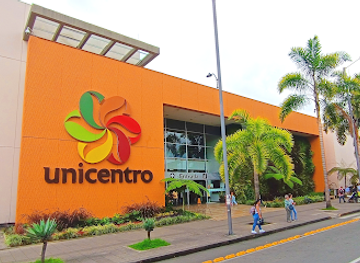
Unicentro
Experience the best of shopping, dining, and entertainment at Unicentro in Armenia, Colombia, a vibrant mall that caters to all tastes and ages.
-
Shopping mall
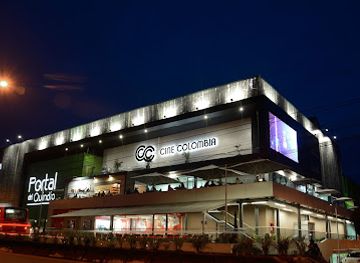
Portal del Quindío
Experience the blend of shopping, dining, and Colombian culture at Portal del Quindío in Armenia, Quindío.
-
Gift shop
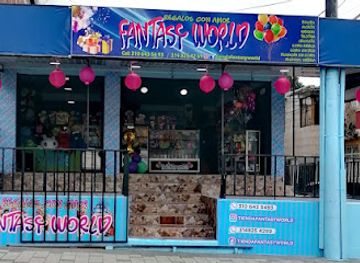
Fantasy World Tienda de Regalos
Explore Fantasy World Tienda de Regalos in Armenia for unique gifts, local crafts, and memorable souvenirs that capture the essence of Colombia.
-
Women's clothing store
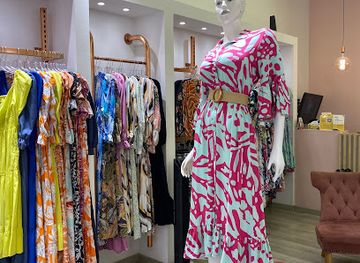
Kmelas
Discover Kmelas in Armenia for trendy women's clothing and an exceptional shopping experience in Plaza Flora.
Get your free copy of our complete guide to Quindío Department, delivered straight to you.
Everything on this page, from attractions and restaurants to essentials and local phrases, in one PDF you can read offline, print or share.
Already have an account? Sign in
Your Quindío Department guide is ready.
We'll send it to · Not you? Sign out

Getting your guide ready…
We are putting together a fresh copy of the Quindío Department guide. This can take up to a minute.
This can take a few moments. If your browser asks, choose Allow so the download can start. You'll find the guide in your Downloads folder.
Nothing happened? Download it again
Sorry, the guide is taking longer than usual. Please try again in a minute, or get it by email instead.
Quindío Department essentials
Currency and Payment
Safety
Emergency Situations
Do's and Don'ts
Local Tips
From Eve
Local phrases worth knowing
You don't need to get them perfect. A few words go a long way, and locals appreciate the effort.
Basics
| English | Local | Say it |
|---|---|---|
| Hello | Hola | [OH-lah] |
| Goodbye | Adiós | [ah-DYOS] |
| Yes | Sí | [SEE] |
| No | No | [NO] |
| Please/You're welcome | Por favor / De nada | [por fah-VOR / de NAH-dah] |
| Thank you | Gracias | [GRAH-syahs] |
| Excuse me/Sorry | Disculpe / Lo siento | [dis-KOOL-peh / lo SYEN-toh] |
| How are you? | ¿Cómo estás? | [KOH-moh eh-STAS] |
| Fine. And you? | Bien. ¿Y tú? | [BYEN. ee TOO] |
| Do you speak English? | ¿Hablas inglés? | [AH-blas een-GLAYS] |
| I don't understand | No entiendo | [NO en-TYEN-doh] |
Eating & Drinking
| English | Local | Say it |
|---|---|---|
| I'd like to see the menu, please | Me gustaría ver el menú, por favor | [meh goos-tah-REE-ah BEAR el meh-NOO, por fah-VOR] |
| I don't eat meat | No como carne | [NO KOH-moh KAR-neh] |
| Cheers! | ¡Salud! | [sah-LOOD] |
| I would like to pay, please | Me gustaría pagar, por favor | [meh goos-tah-REE-ah pah-GAR, por fah-VOR] |
Emergencies
| English | Local | Say it |
|---|---|---|
| Help! | ¡Ayuda! | [ah-YOO-dah] |
| Go away! | ¡Vete! | [VEH-teh] |
| Call the Police! | ¡Llama a la policía! | [YAH-mah ah lah poh-lee-SEE-ah] |
| Call a doctor! | ¡Llama a un doctor! | [YAH-mah ah oon dok-TOR] |
| I'm lost | Estoy perdido | [es-TOY per-DID-oh] |
| I'm ill | Estoy enfermo | [es-TOY en-FER-mo] |
Shopping
| English | Local | Say it |
|---|---|---|
| I'd like to buy... | Me gustaría comprar... | [meh goos-tah-REE-ah kom-PRAR] |
| I'm just looking | Solo estoy mirando | [SO-lo es-TOY mee-RAN-do] |
| How much is it? | ¿Cuánto cuesta? | [KWAN-toh KWES-tah] |
| That's too expensive | Eso es muy caro | [EH-so es MOO-ee KAH-ro] |
| Can you lower the price? | ¿Puedes bajar el precio? | [PWEH-des bah-HAR el PREH-syo] |
Time & Numbers
| English | Local | Say it |
|---|---|---|
| What time is it? | ¿Qué hora es? | [KEH OH-rah es] |
| It's one o'clock | Es la una | [es lah OO-nah] |
| Half past (10) | Y media (10) | [ee MEH-dee-ah (10)] |
| Morning | Mañana | [mah-NYAH-nah] |
| Afternoon | Tarde | [TAR-deh] |
| Evening | Noche | [NO-cheh] |
| Yesterday | Ayer | [ah-YER] |
| Today | Hoy | [OY] |
| Tomorrow | Mañana | [mah-NYAH-nah] |
| 1 | Uno | [OO-no] |
| 2 | Dos | [DOS] |
| 3 | Tres | [TRES] |
| 4 | Cuatro | [KWA-tro] |
| 5 | Cinco | [SEEN-koh] |
| 6 | Seis | [SAYS] |
| 7 | Siete | [SYEH-teh] |
| 8 | Ocho | [OH-cho] |
| 9 | Nueve | [NWEH-beh] |
| 10 | Diez | [DYEZ] |
Transport & Directions
| English | Local | Say it |
|---|---|---|
| Where's a/the...? | ¿Dónde hay un/una...? | [DON-deh eye oon/OO-nah] |
| What's the address? | ¿Cuál es la dirección? | [KWAL es lah dee-rek-SYON] |
| Can you show me (on the map)? | ¿Puedes mostrarme (en el mapa)? | [PWEH-des mos-TRAR-meh (en el MAH-pah)] |
| When's the next (bus)? | ¿Cuándo es el próximo (bus)? | [KWAN-doh es el PROK-si-mo (boos)] |
| A ticket (to ....) | Un tiquete (a ...) | [OON tee-KEH-teh (ah ...)] |
History of Quindío Department
The Quimbaya and Pre-Hispanic Quindío
Before Spanish colonisation, the region was occupied by Indigenous communities, most famously the Quimbaya, whose territory included parts of the central Colombian Andes. Quimbaya societies cultivated crops, traded across mountain routes and produced highly accomplished gold and ceramic work. Their legacy is especially visible through archaeological collections and the broader cultural memory of the region, although colonial violence, disease and forced labour profoundly disrupted Indigenous life. The famous Quimbaya Treasure is associated with this cultural tradition but is held outside the department, so visitors should distinguish the historical society from the modern administrative territory of Quindío.
Spanish Conquest and Colonial Frontier
Spanish expeditions reached the central Andes during the sixteenth century, bringing military conquest, Catholic institutions and new systems of land control. The mountainous terrain and distance from major colonial centres meant that much of present-day Quindío remained a frontier zone for an extended period, with Indigenous populations suffering severe demographic decline. Colonial roads and settlements linked the area to larger centres in the Cauca and Magdalena regions, but the dense forests and steep valleys limited intensive settlement. The department’s later towns largely reflect nineteenth-century expansion rather than a dense colonial urban inheritance.
Antioquian Colonisation in the Nineteenth Century
During the nineteenth century, settlers associated with the Antioquian colonisation moved south and west into the central Andes, clearing forests, establishing farms and founding towns. Salento, Filandia, Armenia, Calarcá and other settlements developed during this period or expanded rapidly as agricultural communities. Their architecture, street plans and smallholdings helped create the cultural landscape now associated with Quindío. Guadua construction, bright façades, roadside chapels and farm paths are among the visible legacies of this movement, which transformed forested mountain terrain into a densely settled mosaic of farms and villages.
The Rise of Coffee Agriculture
Coffee became the defining agricultural and economic force in Quindío during the late nineteenth and twentieth centuries. Small and medium-sized farms grew coffee under favourable conditions of altitude, rainfall and volcanic soils, with production connected to roads, railways and trading networks. The crop shaped household economies, settlement patterns and regional identity, while seasonal harvesting created rhythms of work that continue today. Coffee remains central, but farms commonly combine it with plantain, banana, citrus and food crops. This living agricultural landscape forms part of the Coffee Cultural Landscape of Colombia recognised by UNESCO.
The Creation of Quindío Department, 1966
Quindío became a separate department of Colombia in 1966, with Armenia as its capital. The change gave the compact coffee-growing territory a distinct administrative identity after it had previously been governed within larger regional structures. Departmental institutions, improved roads and expanding urban services strengthened Armenia’s role as a commercial and transport centre. At the same time, towns such as Calarcá, Montenegro, Quimbaya, Salento and Filandia retained strong links with surrounding agricultural districts. Modern Quindío therefore combines a relatively recent political identity with older Indigenous, rural and coffee-growing histories.
The 1999 Armenia Earthquake and Reconstruction
On 25 January 1999, a major earthquake struck the central coffee region, causing severe damage and loss of life in Armenia and surrounding municipalities. Homes, public buildings, businesses and infrastructure were affected across Quindío, and the disaster exposed the vulnerability of mountain communities to seismic activity. Reconstruction reshaped parts of Armenia and other towns, while new building standards and emergency planning became important features of regional development. The earthquake remains part of local memory and helps explain contrasts between surviving historic structures and later construction in the department’s urban areas.
Coffee Tourism and the Contemporary Department
From the late twentieth century onwards, Quindío increasingly developed tourism alongside agriculture. Coffee-farm visits, rural accommodation, theme parks, botanical gardens, walking routes and heritage-town excursions diversified an economy once identified primarily with coffee production. The growth of tourism has brought investment and new markets for producers, but it also creates pressures on water, roads, waste management and fragile highland environments. Contemporary Quindío is best understood as a working agricultural region rather than a museum of coffee: farms, town life, conservation and visitor services continue to evolve together.
Quindío Department in Photos
Browse through our photo collection highlighting the charm and character of the destination.
Neighbouring regions of Quindío Department
The closest regions to Quindío Department, if you have time for more than one.
-

-

-

-

-


Swipe for more regions
Explore more

Explore more of Colombia
Discover Colombia: A land of diverse beauty, rich heritage, and vibrant culture, offering everything from bustling cities to serene coffee plantations and stunning national parks.
Explore Colombia