

Free Tolima Department Travel Guide & Mobile App
Explore Tolima Department with free travel guides. Discover regional history, expert tips, proposed trips, and audio guides on web or mobile app.


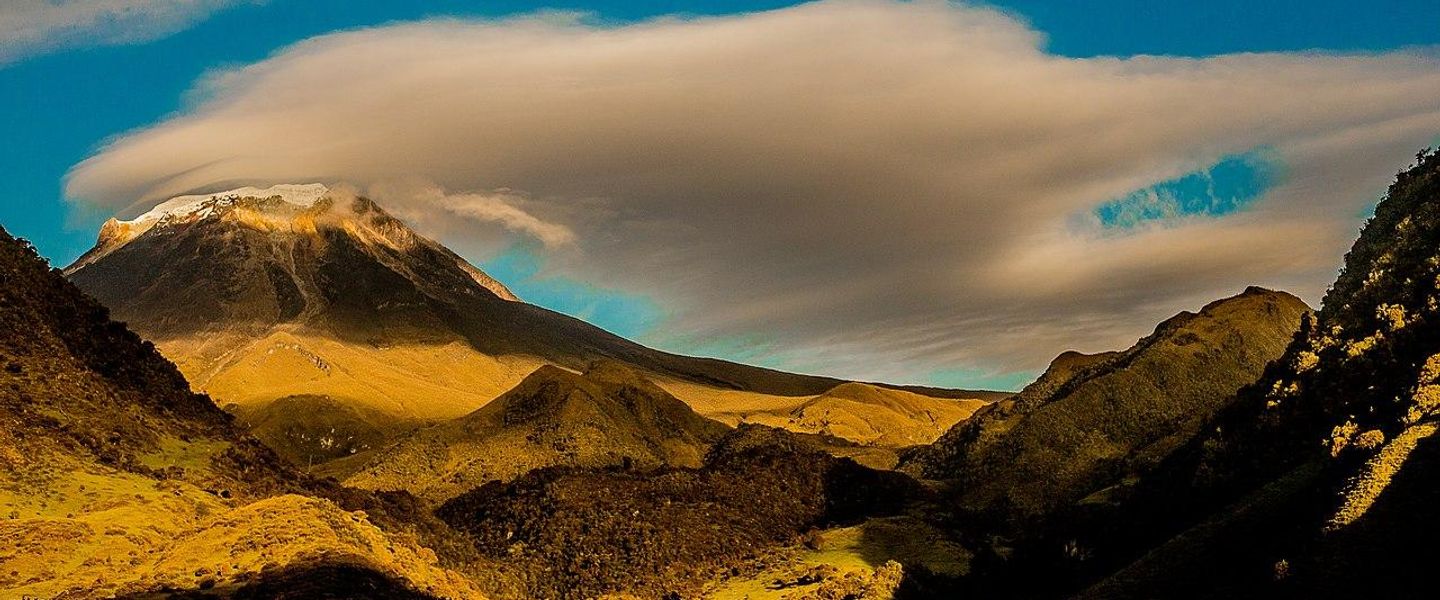


Explore Tolima for Ibagué’s music, colonial Honda, coffee highlands, Magdalena landscapes and Andean routes towards Los Nevados.
Read more about Tolima Department
When is the best time to visit Tolima Department?
Best: January–March · 29°C| Month | High (°C) | Rainfall (mm) |
|---|---|---|
| January (best) | 29 | 70 |
| February (best) | 29 | 60 |
| March (best) | 29 | 80 |
| April | 30 | 110 |
| May | 30 | 120 |
| June | 30 | 140 |
| July | 30 | 120 |
| August | 30 | 120 |
| September | 30 | 130 |
| October | 29 | 140 |
| November | 29 | 110 |
| December | 29 | 90 |
Getting to and around Tolima Department
How to get there
Transportation
Top city travel guides in Tolima Department
The cities of Tolima Department, and the easiest places to base yourself.
-
-

-

-

-

-


Swipe for more cities
Destinations in Tolima Department
Resorts, valleys and scenic spots worth a trip of their own.
-

-


Swipe for more destinations
Best attractions in Tolima Department
Tolima’s attractions range from urban culture to high Andean wilderness. Ibagué combines music venues, cultural institutions, parks and the road into the Cañón del Combeima, where farms, streams and steep mountain scenery begin close to the city. In the north, Honda and Mariquita offer colonial streets, museums, churches and historical sites linked to river commerce, scientific exploration and the Magdalena corridor. Coffee-growing districts around Líbano and Fresno provide opportunities to understand hillside agriculture and rural life, usually through locally arranged visits rather than large-scale visitor complexes. Prado Reservoir offers warm-climate lakeside recreation and boating, while the department’s Magdalena basin has fishing and river landscapes. The approaches to Los Nevados National Natural Park lead into páramo vegetation, volcanic terrain and demanding walking routes, with access dependent on weather, conservation rules and official conditions. Armero is an important site of remembrance connected to the 1985 disaster. Across the department, the most rewarding experiences often combine a town, a local meal and a landscape journey; distances and road conditions mean that a broad itinerary should be divided between several bases.
-
Art museum
Museo Nacional de Colombia
Explore Colombia's rich history and culture through art and artifacts at the Museo Nacional in Bogotá.
-
Tourist attraction
Tequendama Falls
Experience the breathtaking Tequendama Falls near Bogotá, a site of natural beauty, indigenous legend, and a haunting past.
-
Park
Vida Park
Escape to Vida Park in Armenia, Quindio: a serene urban oasis with lush gardens, playful wildlife, and cultural charm.
-
Park
Parque Sucre
Discover Parque Sucre in Armenia: a vibrant urban oasis offering tranquility, culture, and a taste of local life in the heart of Quindio.


Best landmarks in Tolima Department
The most recognisable landmarks of Tolima express its connections with mountains, rivers, science and memory. Honda’s historic centre, with its cobbled streets, colonial and republican buildings and bridges over the Gualí River, reflects the town’s former role as a Magdalena port. The Puente Navarro, an iron bridge associated with the late nineteenth-century expansion of transport infrastructure, is one of the department’s best-known engineering landmarks. In Mariquita, the Ermita de la Ermita and other historic structures evoke the colonial town’s religious and administrative importance, while the Casa de los Pintores is associated with the botanical work of José Celestino Mutis. Ibagué’s Conservatorio del Tolima represents the capital’s long musical tradition. Farther south and west, the volcanic skyline and páramo landscapes associated with Nevado del Tolima are geographical landmarks rather than conventional monuments, visible from selected highland areas when weather permits. At Armero, memorial spaces and the remains of the destroyed town form a solemn historical landmark connected to the 1985 lahar disaster.
-
National park
Cocora Valley
Discover the breathtaking beauty of Cocora Valley, Colombia, where towering wax palms and lush trails create a hiker's paradise in the heart of nature.
-
Tourist attraction
Salt Cathedral
Discover the breathtaking Salt Cathedral of Zipaquirá, an extraordinary underground church showcasing stunning salt sculptures and rich cultural heritage.
-
Tourist attraction
Tequendama Falls
Experience the breathtaking beauty of Tequendama Falls, a stunning natural wonder in Cundinamarca, Colombia, perfect for nature lovers and adventure seekers.
-
Park
Parque de la Independencia
Experience the tranquility and cultural richness of Parque de la Independencia, a must-visit park in the heart of Bogotá, Colombia.


Explore Tolima Department on the map
Plan your trip on one map. See where the top cities, national parks and sights are, and book hotels and experiences in a few clicks.
Best hotels in Tolima Department
Best restaurants in Tolima Department
Tolima has one of Colombia’s most recognisable regional food traditions. Tamal tolimense, generally associated with a substantial maize-based preparation wrapped in a plantain leaf, is commonly eaten at breakfast or on special occasions, while lechona is a festive dish of stuffed roast pork served in portions from specialist eateries and markets. Achiras, made from starch associated with the achira plant, are a characteristic baked snack, and are often enjoyed with coffee or other hot drinks. In warm Magdalena communities, freshwater fish appears in dishes such as viudo de pescado, while rice, plantain, cassava and local produce reflect the valley climate. Ibagué offers the broadest selection of cafés, traditional restaurants and contemporary dining, whereas Honda, Mariquita and smaller towns are well suited to regional cooking in modest restaurants, bakeries and inns. Coffee from Tolima’s mountain districts is increasingly visible in cafés, although the department’s food identity is broader than coffee alone. At markets, ask about preparation times, since some traditional dishes are made in limited batches.
-
Paisa restaurant
Restaurant The Paisa Portal
Discover authentic Paisa cuisine at The Paisa Portal in Ibagué – where tradition meets flavor in every dish.
-
Grill
Restaurante Don Pedro Típico - Calle 60
Experience authentic Colombian flavors at Restaurante Don Pedro Típico in Ibagué - a grill paradise for every food lover.
-
Restaurant
Carnaval del Pollo
Experience the best grilled chicken in Ibagué at Carnaval del Pollo - a culinary gem serving authentic Colombian flavors.
-
Restaurant
El Gran Camarón Killero - Jordán
Experience authentic Colombian seafood at El Gran Camarón Killero - Jordán in Ibagué; fresh flavors and vibrant atmosphere await you.


Best bars in Tolima Department
Evening life in Tolima is concentrated in Ibagué, where bars, cafés, restaurants and live-music venues provide the widest choice. Music has a particularly prominent place in the city’s cultural life, with Colombian folk styles, popular music and occasional formal performances complementing ordinary nightlife. Traditional bars and neighbourhood establishments are generally more important than a large club circuit, although late-night venues can be found in the capital and in larger towns. Honda and Mariquita offer a quieter evening atmosphere centred on historic streets, restaurants, hotel patios and traditional bars, while smaller rural communities tend to close earlier and rely on local gatherings rather than dedicated nightlife districts. Breweries, cafés and places serving regional or Colombian drinks are increasingly part of urban leisure, but availability changes. In warm towns near the Magdalena and Prado Reservoir, weekends may bring a more sociable outdoor atmosphere. Check local opening arrangements and return transport before going out, especially when staying in rural areas.
-
Bar
Estancomodos Bar
Experience the vibrant nightlife of Ibagué at Estancomodos Bar, where lively music and a great selection of drinks await.
-
Bar
Augurio By La Comarca
Discover the vibrant nightlife and culinary delights at Augurio By La Comarca, Ibagué's premier restaurant and bar experience.
-
Bar
D Leyenda Bar
Experience the vibrant nightlife of Ibagué at D Leyenda Bar, where affordable drinks and great music create unforgettable memories.
-
Cocktail bar
London House Pub Bar
Discover the vibrant nightlife of Ibagué at London House Pub Bar, where expertly crafted cocktails and a welcoming atmosphere await.


Best nightclubs in Tolima Department
Evening life in Tolima is concentrated in Ibagué, where bars, cafés, restaurants and live-music venues provide the widest choice. Music has a particularly prominent place in the city’s cultural life, with Colombian folk styles, popular music and occasional formal performances complementing ordinary nightlife. Traditional bars and neighbourhood establishments are generally more important than a large club circuit, although late-night venues can be found in the capital and in larger towns. Honda and Mariquita offer a quieter evening atmosphere centred on historic streets, restaurants, hotel patios and traditional bars, while smaller rural communities tend to close earlier and rely on local gatherings rather than dedicated nightlife districts. Breweries, cafés and places serving regional or Colombian drinks are increasingly part of urban leisure, but availability changes. In warm towns near the Magdalena and Prado Reservoir, weekends may bring a more sociable outdoor atmosphere. Check local opening arrangements and return transport before going out, especially when staying in rural areas.
-
Bar
Estancomodos Bar
Immerse yourself in the lively ambiance and local flavors at Estancomodos Bar, the go-to nightlife spot in Ibagué, Tolima.
-
Dance club
L äntro
Immerse yourself in Ibagué's vibrant nightlife at L äntro, the ultimate dance club experience in Tolima, Colombia.
-
Bar
Tereque Bar
Discover the vibrant nightlife at Tereque Bar in Ibagué, where great music, delicious drinks, and a lively atmosphere await every visitor.
-
Disco club
La Gallera
Discover the heart of Ibagué's nightlife at La Gallera, where music, dance, and vibrant energy unite for an unforgettable experience.


Best shops in Tolima Department
Shopping in Tolima is strongest in its market towns and urban centres rather than in a single destination retail district. Ibagué has the department’s broadest choice of shopping centres, high-street retailers, supermarkets, bookshops and independent cafés, while its markets are useful for fruit, plantains, coffee and everyday regional produce. Honda and Mariquita are better suited to browsing small shops, food businesses, crafts and locally made souvenirs alongside a heritage visit. Look for packaged achiras, coffee from Tolima’s mountain municipalities, panela and other shelf-stable foods that can travel more easily than fresh produce. Markets and bakeries are often the most reliable places to encounter regional products, although trading days and stock vary. Rural communities may offer handmade items or farm products through direct sale rather than formal craft shops. When buying textiles, pottery or woodwork, ask about materials and production methods, and avoid purchasing archaeological objects, protected natural materials or undocumented antiquities.
-
Shopping mall
Titan Plaza Shopping Mall
Discover Titan Plaza Shopping Mall: Bogotá's vibrant shopping hub with diverse stores, dining, and entertainment for every visitor.
-
Shopping mall
Andino
Experience luxury shopping and exquisite dining at Andino, Bogotá's premier shopping mall, offering a blend of style and Colombian culture.
-
Shopping mall
Santafé Mall
Explore Santafé Mall in Bogotá, a vibrant shopping destination with diverse stores, dining options, and entertainment for all ages.
-
Shopping mall
Unicentro Bogota
Explore Unicentro Bogota, a vibrant shopping mall with a vast selection of stores, diverse dining options, and entertainment for the entire family.



Get your free copy of our complete guide to Tolima Department, delivered straight to you.
Everything on this page, from attractions and restaurants to essentials and local phrases, in one PDF you can read offline, print or share.
Already have an account? Sign in
Your Tolima Department guide is ready.
We'll send it to · Not you? Sign out

Getting your guide ready…
We are putting together a fresh copy of the Tolima Department guide. This can take up to a minute.
This can take a few moments. If your browser asks, choose Allow so the download can start. You'll find the guide in your Downloads folder.
Nothing happened? Download it again
Sorry, the guide is taking longer than usual. Please try again in a minute, or get it by email instead.
Tolima Department essentials
Currency and Payment
Safety
Emergency Situations
Do's and Don'ts
Local Tips
From Eve
Local phrases worth knowing
You don't need to get them perfect. A few words go a long way, and locals appreciate the effort.
Basics
| English | Local | Say it |
|---|---|---|
| Hello | Hola | [oh-lah] |
| Goodbye | Adiós | [ah-dee-os] |
| Yes | Sí | [see] |
| No | No | [noh] |
| Please/You're welcome | Por favor/De nada | [por fah-vor/deh nah-dah] |
| Thank you | Gracias | [grah-see-as] |
| Excuse me/Sorry | Perdón | [pehr-dohn] |
| How are you? | ¿Cómo estás? | [koh-moh ehs-tahs] |
| Fine. And you? | Bien. ¿Y tú? | [byen. ee too] |
| Do you speak English? | ¿Hablas inglés? | [ah-blahs een-glehs] |
| I don't understand | No entiendo | [noh en-tee-en-doh] |
Eating & Drinking
| English | Local | Say it |
|---|---|---|
| I'd like to see the menu, please | Me gustaría ver el menú, por favor | [meh goos-tah-ree-ah vehr el meh-noo, por fah-vor] |
| I don't eat meat | No como carne | [noh koh-moh kahr-neh] |
| Cheers! | ¡Salud! | [sah-lood] |
| I would like to pay, please | Quisiera pagar, por favor | [kee-syeh-rah pah-gar, por fah-vor] |
Emergencies
| English | Local | Say it |
|---|---|---|
| Help! | ¡Ayuda! | [ah-yoo-dah] |
| Go away! | ¡Vete! | [beh-teh] |
| Call the Police! | ¡Llama a la policía! | [yah-mah ah lah poh-lee-see-ah] |
| Call a doctor! | ¡Llama a un doctor! | [yah-mah ah oon dok-tor] |
| I'm lost | Estoy perdido | [es-toy pehr-dee-doh] |
| I'm ill | Estoy enfermo/a | [es-toy en-fehr-mo/a] |
Shopping
| English | Local | Say it |
|---|---|---|
| I'd like to buy... | Quisiera comprar... | [kee-syeh-rah kom-prar] |
| I'm just looking | Solo estoy mirando | [soh-lo es-toy mee-ran-doh] |
| How much is it? | ¿Cuánto cuesta? | [kwan-toh kwes-tah] |
| That's too expensive | Eso es muy caro | [eh-so es moy kah-roh] |
| Can you lower the price? | ¿Puedes bajar el precio? | [pweh-des bah-har el preh-syo] |
Time & Numbers
| English | Local | Say it |
|---|---|---|
| What time is it? | ¿Qué hora es? | [keh oh-rah es] |
| It's one o'clock | Es la una | [es lah oo-nah] |
| Half past (10) | Y media (10) | [ee meh-dyah (10)] |
| Morning | Mañana | [ma-nyah-nah] |
| Afternoon | Tarde | [tar-deh] |
| Evening | Noche | [noh-cheh] |
| Yesterday | Ayer | [ah-yehr] |
| Today | Hoy | [oy] |
| Tomorrow | Mañana | [ma-nyah-nah] |
| 1 | Uno | [oo-no] |
| 2 | Dos | [dohs] |
| 3 | Tres | [trehs] |
| 4 | Cuatro | [kwah-troh] |
| 5 | Cinco | [seen-koh] |
| 6 | Seis | [say-ees] |
| 7 | Siete | [syeh-teh] |
| 8 | Ocho | [oh-cho] |
| 9 | Nueve | [nweh-beh] |
| 10 | Diez | [dyehs] |
Transport & Directions
| English | Local | Say it |
|---|---|---|
| Where's a/the...? | ¿Dónde hay un/una...? | [dohn-deh ai oon/una] |
| What's the address? | ¿Cuál es la dirección? | [kwahl es lah dee-rehk-syon] |
| Can you show me (on the map)? | ¿Puedes mostrarme (en el mapa)? | [pweh-des mos-trar-me (en el mah-pah)] |
| When's the next (bus)? | ¿Cuándo es el próximo (bus)? | [kwan-doh es el prohk-see-mo (boos)] |
| A ticket (to ....) | Un tiquete (a ....) | [oon tee-keh-teh (ah ....)] |
History of Tolima Department
Pijao Communities and Indigenous Resistance
Before Spanish colonisation, the region was inhabited by Indigenous communities including the Pijao, whose territories extended across parts of the upper Magdalena basin and the Central Cordillera. Spanish settlement during the sixteenth century encountered sustained resistance, particularly in the area later known as the Province of Mariquita. This conflict shaped colonial expansion and delayed secure Spanish control. Indigenous place names, archaeological traces and the continuing importance of regional landscapes remain reminders that Tolima’s history began long before its colonial towns.
Spanish Settlement and the Magdalena Port
Spanish towns were established in the sixteenth century as colonists sought routes through the Andes and access to the Magdalena River. Mariquita became an administrative and mining centre, while Honda developed as a river port where goods and travellers were transferred between river transport and overland routes. The Magdalena connected the interior with Caribbean commerce, making Honda particularly important to the movement of merchandise, officials and news. Colonial churches, street plans and riverfront structures still reveal the importance of this network.
Mariquita and the Royal Botanical Expedition
From 1783, José Celestino Mutis directed the Royal Botanical Expedition from Mariquita for several years before its work moved to the capital. The expedition documented plants, landscapes and natural resources across the Spanish American territories, using detailed botanical illustrations and scientific observation. Mariquita’s warm climate and diverse surrounding vegetation made it a valuable base. The legacy survives in local museums, historical references to Mutis and the town’s place in the history of science in Colombia.
Independence and the Creation of Tolima
The Magdalena corridor and Andean towns were drawn into the political and military upheavals of Colombia’s independence from Spain in the early nineteenth century. After independence, the territory passed through changing administrative arrangements before the Sovereign State of Tolima was created in 1861. Ibagué became the capital of the state and later of the department. This period strengthened the political importance of the upper Magdalena region and helped define the administrative identity that Tolima retains within modern Colombia.
River Commerce, Roads and Agricultural Expansion
During the nineteenth and early twentieth centuries, Honda prospered as a gateway between the Magdalena River and the interior. Steam navigation, bridges and improved roads gradually changed the scale and direction of regional trade. Agriculture expanded across the valleys and mountain slopes, with coffee becoming particularly important in highland districts such as Líbano and Fresno. The growth of roads and later motor transport reduced Honda’s traditional river dominance, but it also linked Tolima’s towns more closely to Bogotá and other Andean markets.
Ibagué’s Musical Identity
Ibagué developed a strong reputation for music through conservatory education, bands, festivals and the preservation of Colombian folk traditions. The city’s Festival Folclórico Colombiano, established in the twentieth century, became a prominent expression of Tolimense dance, costume and music. This cultural development contributed to Ibagué’s designation as a UNESCO Creative City of Music in 2012. The distinction reflects an established institutional and community commitment to musical activity rather than a single annual event.
The Armero Disaster, 1985
On 13 November 1985, an eruption of Nevado del Ruiz melted snow and ice on the volcano, sending lahars down river valleys. The flows devastated Armero in northern Tolima and caused one of the worst natural disasters in Colombia’s history, killing more than 20,000 people in the town and surrounding area. The ruins and memorial spaces at Armero are places of remembrance, while the disaster remains central to discussions of volcanic monitoring, emergency planning and the human consequences of environmental risk.
Tolima Department in Photos
Browse through our photo collection highlighting the charm and character of the destination.
Neighbouring regions of Tolima Department
The closest regions to Tolima Department, if you have time for more than one.
-

-

-

-

-


Swipe for more regions
Explore more

Explore more of Colombia
Discover Colombia: A land of diverse beauty, rich heritage, and vibrant culture, offering everything from bustling cities to serene coffee plantations and stunning national parks.
Explore Colombia