

Free Putumayo Travel Guide & Mobile App
Explore Putumayo with free travel guides. Discover regional history, expert tips, proposed trips, and audio guides on web or mobile app.


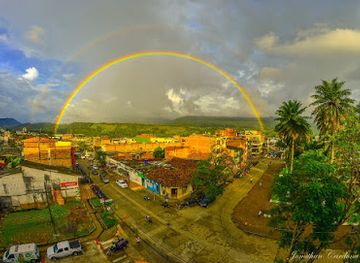
Explore Putumayo’s waterfalls, Indigenous cultures, Andean foothills and Amazonian rivers from Mocoa to the remote borderlands.
Read more about Putumayo
When is the best time to visit Putumayo?
Best: February, November–December · 28°C| Month | High (°C) | Rainfall (mm) |
|---|---|---|
| January | 28 | 250 |
| February (best) | 28 | 230 |
| March | 28 | 270 |
| April | 29 | 290 |
| May | 29 | 310 |
| June | 29 | 330 |
| July | 29 | 320 |
| August | 29 | 300 |
| September | 29 | 280 |
| October | 28 | 260 |
| November (best) | 28 | 240 |
| December (best) | 28 | 230 |
Getting to and around Putumayo
How to get there
Transportation
Top city travel guides in Putumayo
The cities of Putumayo, and the easiest places to base yourself.

Swipe for more cities
Best attractions in Putumayo
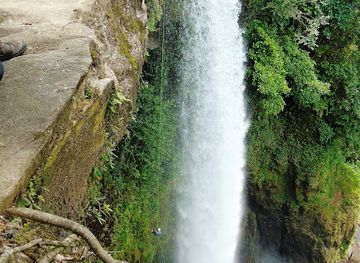
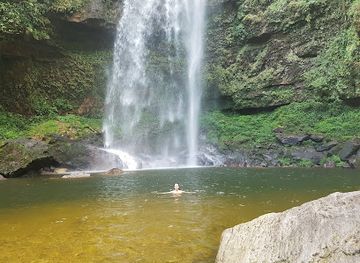
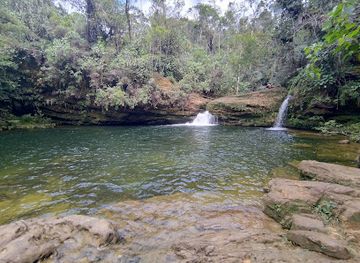
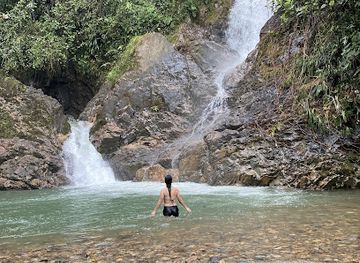
Putumayo’s attractions are shaped by the transition from the Andes to the Amazon rather than by a single concentration of monuments. Around Mocoa and Villagarzón, forest paths lead to waterfalls, swimming holes, viewpoints and narrow river valleys; Fin del Mundo is the best-known example, while other cascades such as Hornoyaco are visited through local guiding networks. Conditions are humid and trails can be slippery, so these outings are as much about responsible access as scenery. The Sibundoy Valley offers a cooler alternative, with Indigenous cultural initiatives, craft traditions, agricultural landscapes and small towns including Sibundoy, Santiago, Colón and San Francisco. Farther east, the Putumayo River and its tributaries define a more remote form of travel based on boats, forest observation and community knowledge. Puerto Leguízamo can serve as a carefully organised base for exploring riverine environments associated with La Paya National Natural Park, although access is not comparable with a conventional urban park visit. The Putumayo sector of Serranía de los Churumbelos Auka-Wasi National Natural Park also reflects the department’s importance as a corridor between mountain and rainforest, but visits require reliable local information and proper arrangements. Birdwatching, wildlife observation, walking and cultural tourism are generally more appropriate here than hurried sightseeing itineraries.
-
National park
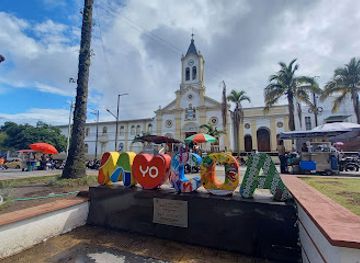
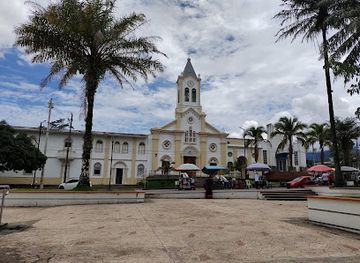
Parque General Santander
Experience the heart of Mocoa at Parque General Santander, a historic plaza surrounded by key landmarks and vibrant local life.
-
Tourist attraction
Monumento Al olvido
Reflect and remember at Mocoa's Monumento Al Olvido, a serene tribute to the region's past and a symbol of resilience.
-
Tourist attraction
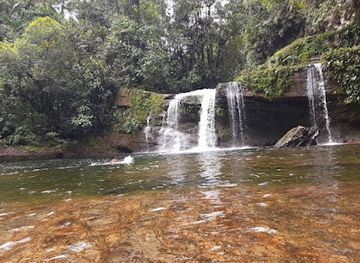
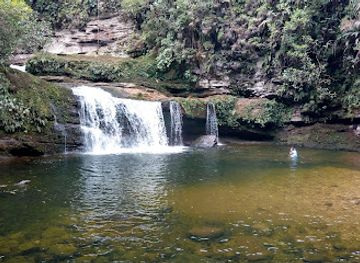
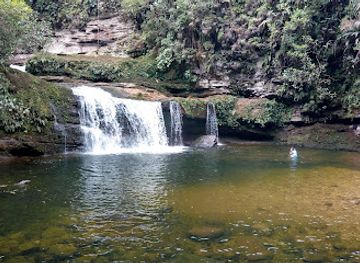
Fin del Mundo Extremo Mocoa Putumayo Colombia
Discover cascading waterfalls and hidden swimming holes in the lush Amazonian foothills near Mocoa, Putumayo.
-
Nature preserve
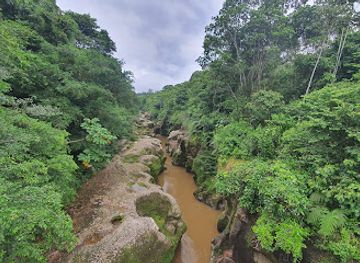
Cañon del Mandiyaco
Explore the sculpted volcanic rock formations of Cañon del Mandiyaco near Mocoa, Colombia, a natural wonder offering hiking and canoe trips.
Best landmarks in Putumayo
Putumayo’s most recognisable landmarks are often natural or cultural rather than monumental. Fin del Mundo near Mocoa is identified by its forest setting, waterfall and high viewpoint above the surrounding foothills, making it a visual emblem of the department’s Andean-Amazonian transition. The Putumayo River is an even larger geographical landmark: it structures settlement, commerce and travel across the lowlands and becomes part of the international boundary with Peru farther east. The Sibundoy Valley provides a contrasting cultural landscape, where the towns of Sibundoy, Santiago, Colón and San Francisco sit amid cultivated highland terrain associated with Inga and Kamëntsá communities. In Mocoa, the cathedral and civic centre reflect the town’s role as departmental capital, although the city’s significance lies more in its position and surrounding landscape than in a single grand architectural complex. Puerto Leguízamo is a notable river port and frontier settlement whose importance is tied to waterways and access to remote forest territories. The forested mountain corridor of Serranía de los Churumbelos Auka-Wasi, including its Putumayo side, represents the ecological connection between the Andes and Amazonia. These landmarks reward interpretation through local guides, who can explain their environmental, historical and cultural meanings.
-
National park
Parque General Santander
Explore the breathtaking beauty and rich biodiversity of Parque General Santander, a national park that captures the essence of Colombia's natural wonders.
-
Tourist attraction
Monumento Al olvido
Discover Monumento Al Olvido in Mocoa, a serene memorial that honors the past amidst the breathtaking beauty of Colombia's Putumayo region.
-
Tourist attraction
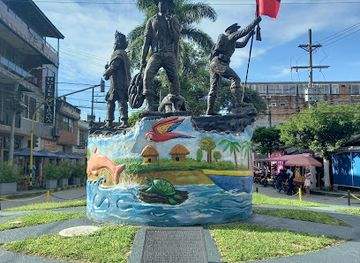
Puerto asis monumento a los fundadores
Explore the Monumento a los Fundadores in Puerto Asís, a stunning tribute to history and culture amidst the scenic beauty of Putumayo.
-
Tourist attraction
Fin del Mundo Extremo Mocoa Putumayo Colombia
Explore the stunning waterfalls and lush landscapes of Fin del Mundo, a captivating natural attraction in Mocoa, Putumayo, Colombia.
Explore Putumayo on the map
Plan your trip on one map. See where the top cities, national parks and sights are, and book hotels and experiences in a few clicks.
Best hotels in Putumayo
Best restaurants in Putumayo
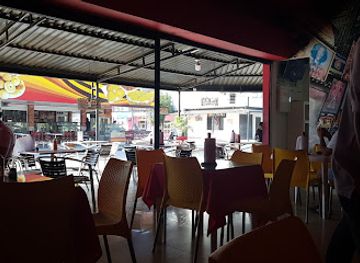
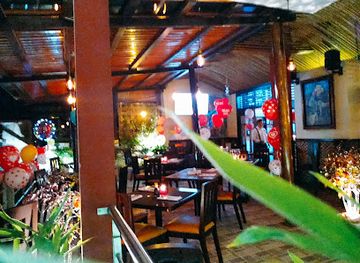
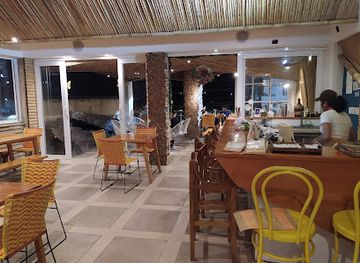
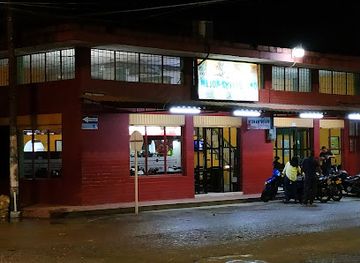
Putumayo’s food reflects its position between the Andean highlands and the Amazonian lowlands. In Mocoa and the larger towns, visitors will find Colombian staples alongside preparations based on cassava, plantain, maize, rice, freshwater fish and tropical fruit. Chontaduro, lulo, copoazú and other regional fruits may appear in juices, snacks or market stalls, while Amazonian ingredients such as yuca and plantain are common in home-style cooking. In the Sibundoy Valley, local food traditions are connected to the agricultural life and Indigenous cultures of the highland communities; visitors should experience them through respectful, community-approved settings rather than treating ceremonial foods as curiosities. Puerto Asís and other lowland towns have a practical, frontier dining culture with simple restaurants, bakeries, cafés and market food. Rural inns and family-run eateries may offer the clearest sense of place, but opening arrangements can be informal. Food hygiene, drinking water and refrigeration standards vary outside urban centres, so follow local advice and choose busy, well-regarded establishments. Colombian coffee and fresh fruit drinks are widely available, while regional produce is best explored in markets where its seasonality is apparent.
-
Restaurant
Mazorca Desgranada
Experience authentic Colombian cuisine at Mazorca Desgranada in Puerto Asís, where local flavors meet warm hospitality.
-
Restaurant
Kilote Restaurante Bar
Experience the flavors of Colombia at Kilote Restaurante Bar in Mocoa - where local cuisine meets vibrant atmosphere.
-
Restaurant
Al Humo
Discover delicious local and international cuisine at Al Humo in Mocoa – where every meal tells a story.
-
Restaurant
Restaurante Mesón Antioqueño
Discover authentic Colombian cuisine at Restaurante Mesón Antioqueño in Puerto Asís—where local flavors meet warm hospitality.
Best bars in Putumayo
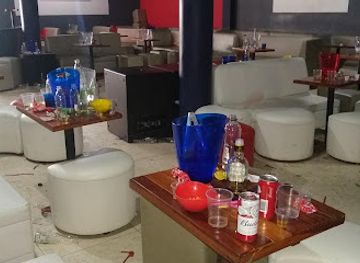
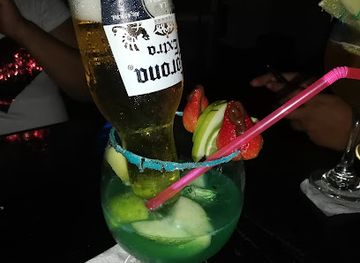
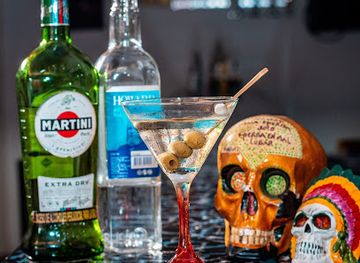
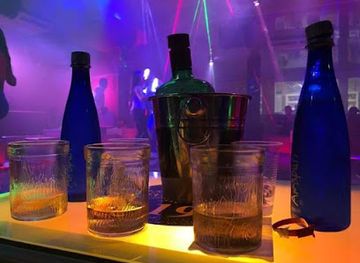
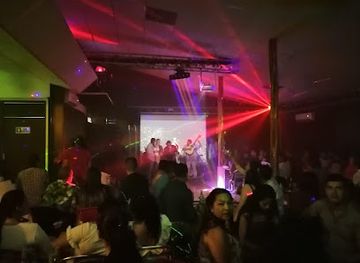
Nightlife in Putumayo is concentrated in Mocoa, Puerto Asís, Orito and other sizeable towns rather than spread across the rural department. Evenings commonly centre on bars, cafés, casual restaurants, billiard halls and venues playing Colombian popular music, with busier periods at weekends and around local celebrations. Mocoa offers the broadest choice for visitors, including informal drinking spots and occasional live music, while Puerto Asís has an atmosphere influenced by its role as a commercial town and river-region centre. Smaller settlements generally quieten earlier, and rural accommodation is better suited to conversation, stargazing and rest than late-night entertainment. Visitors should use licensed taxis or locally recommended transport after dark, keep belongings secure and avoid wandering unfamiliar peripheral areas. Alcohol is not necessary to engage with local culture; food, music and community events provide other ways to experience the evening. Because venues and schedules can change, ask current accommodation staff or trusted local contacts rather than relying on old online listings.
-
Bar
Chente (Rumba- Ranchera y Vallenato
Experience the vibrant rhythms of Rumba, Ranchera, and Vallenato at Chente, Puerto Asís' premier music bar.
-
Bar
Cava Licores
Discover the vibrant nightlife of Puerto Asís at Cava Licores, where delicious drinks and a lively atmosphere await you.
-
Bar
IBIZA DISCO BAR
Dive into the lively atmosphere of Ibiza Disco Bar, Puerto Asís – a perfect spot for nightlife, music, and delicious cocktails.
-
Bar
Euforia Rock Bar
Experience the vibrant nightlife of Puerto Asís at Euforia Rock Bar, where live music and delicious drinks await.

Best nightclubs in Putumayo
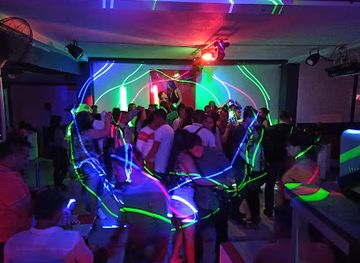
Nightlife in Putumayo is concentrated in Mocoa, Puerto Asís, Orito and other sizeable towns rather than spread across the rural department. Evenings commonly centre on bars, cafés, casual restaurants, billiard halls and venues playing Colombian popular music, with busier periods at weekends and around local celebrations. Mocoa offers the broadest choice for visitors, including informal drinking spots and occasional live music, while Puerto Asís has an atmosphere influenced by its role as a commercial town and river-region centre. Smaller settlements generally quieten earlier, and rural accommodation is better suited to conversation, stargazing and rest than late-night entertainment. Visitors should use licensed taxis or locally recommended transport after dark, keep belongings secure and avoid wandering unfamiliar peripheral areas. Alcohol is not necessary to engage with local culture; food, music and community events provide other ways to experience the evening. Because venues and schedules can change, ask current accommodation staff or trusted local contacts rather than relying on old online listings.
-
Disco club
Discoteca COCO LOCO
Discover the vibrant nightlife at Discoteca COCO LOCO, a top disco club in Villagarzón, Putumayo, where the rhythm of Colombia comes alive.
-
Disco club
Ficus Plaza Puerto Asís
Experience the vibrant nightlife at Ficus Plaza Puerto Asís, where music, dance, and local culture come alive in a dynamic disco atmosphere.
-
Night club
WelcomeParadise
Discover the lively nightlife of WelcomeParadise, a premier night club in Orito, Putumayo, where fun, music, and culture collide.
-
Disco club
Regal Disco Bar
Discover the vibrant nightlife at Regal Disco Bar in Mocoa, where music, dancing, and fun come together for an unforgettable experience.

Best shops in Putumayo
Shopping in Putumayo is primarily local and practical, with the greatest choice in Mocoa, Puerto Asís, Orito and the towns of the Sibundoy Valley. Markets and small food shops are useful places to find tropical fruit, cassava products, plantains, coffee and other regional produce, although availability changes with season and transport. In the Sibundoy Valley, visitors may encounter textiles, woven goods, woodwork, beadwork and other crafts associated with Inga and Kamëntsá makers. Buy directly from recognised artisans or community organisations where possible, ask about the meaning and materials of an item, and avoid purchasing objects made from protected wildlife or plants. Mocoa has everyday high-street shopping, pharmacies, supermarkets and small independent stores rather than a large luxury-retail scene. Puerto Asís serves a wider commercial area and can be useful for practical supplies before river travel. Local food products, responsibly made crafts and books or artwork connected with Amazonian culture make more appropriate souvenirs than generic merchandise, but remote communities may have limited stock and card facilities.
-
Tourist attraction
Fin del Mundo Extremo Mocoa Putumayo Colombia
Discover the breathtaking beauty and adventure of Fin del Mundo Extremo in Mocoa, Putumayo, Colombia – a paradise for nature lovers and thrill-seekers.
-
Tourist attraction
Hornoyaco
Explore Hornoyaco: A Natural Paradise in Mocoa, Putumayo with Stunning Waterfalls and Rich Biodiversity.
-
National park
The End Of The World Waterfall / Cascada Fin Del Mundo
Discover the breathtaking Cascada Fin Del Mundo, a stunning waterfall in Putumayo, Colombia, surrounded by lush landscapes and pristine nature.
-
Nature preserve
Salto Del Indio
Experience the breathtaking beauty of Salto Del Indio, a stunning nature preserve in Mocoa, Putumayo, known for its majestic waterfall and rich biodiversity.
Get your free copy of our complete guide to Putumayo, delivered straight to you.
Everything on this page, from attractions and restaurants to essentials and local phrases, in one PDF you can read offline, print or share.
Already have an account? Sign in
Your Putumayo guide is ready.
We'll send it to · Not you? Sign out

Getting your guide ready…
We are putting together a fresh copy of the Putumayo guide. This can take up to a minute.
This can take a few moments. If your browser asks, choose Allow so the download can start. You'll find the guide in your Downloads folder.
Nothing happened? Download it again
Sorry, the guide is taking longer than usual. Please try again in a minute, or get it by email instead.
Putumayo essentials
Currency and Payment
Safety
Emergency Situations
Do's and Don'ts
Local Tips
From Eve
Local phrases worth knowing
You don't need to get them perfect. A few words go a long way, and locals appreciate the effort.
Basics
| English | Local | Say it |
|---|---|---|
| Hello | Hola | [Ola] |
| Goodbye | Adiós | [A-dios] |
| Yes | Sí | [See] |
| No | No | [No] |
| Please/You're welcome | Por favor/De nada | [Por fa-vor/De na-da] |
| Thank you | Gracias | [Gra-sias] |
| Excuse me/Sorry | Perdón | [Per-don] |
| How are you? | ¿Cómo estás? | [Ko-mo es-tas] |
| Fine. And you? | Bien. ¿Y tú? | [Byen. Ee tu] |
| Do you speak English? | ¿Hablas inglés? | [A-blas in-gles] |
| I don't understand | No entiendo | [No en-tien-do] |
Eating & Drinking
| English | Local | Say it |
|---|---|---|
| I'd like to see the menu, please | Me gustaría ver el menú, por favor | [Me gus-ta-ria ver el me-nu, por fa-vor] |
| I don't eat meat | No como carne | [No ko-mo car-ne] |
| Cheers! | ¡Salud! | [Sa-lud] |
| I would like to pay, please | Me gustaría pagar, por favor | [Me gus-ta-ria pa-gar, por fa-vor] |
Emergencies
| English | Local | Say it |
|---|---|---|
| Help! | ¡Ayuda! | [A-yu-da] |
| Go away! | ¡Vete! | [Ve-te] |
| Call the Police! | ¡Llame a la policía! | [Ya-me a la po-li-cia] |
| Call a doctor! | ¡Llame a un doctor! | [Ya-me a un doc-tor] |
| I'm lost | Estoy perdido | [Es-toy per-di-do] |
| I'm ill | Estoy enfermo | [Es-toy en-fer-mo] |
Shopping
| English | Local | Say it |
|---|---|---|
| I'd like to buy... | Me gustaría comprar... | [Me gus-ta-ria com-prar] |
| I'm just looking | Solo estoy mirando | [So-lo es-toy mi-ran-do] |
| How much is it? | ¿Cuánto cuesta? | [Kwan-to kwes-ta] |
| That's too expensive | Eso es muy caro | [E-so es muy ca-ro] |
| Can you lower the price? | ¿Puedes bajar el precio? | [Pwe-des ba-har el pre-cio] |
Time & Numbers
| English | Local | Say it |
|---|---|---|
| What time is it? | ¿Qué hora es? | [Ke o-ra es] |
| It's one o'clock | Es la una | [Es la u-na] |
| Half past (10) | Y media (10) | [Ee me-dia] |
| Morning | Mañana | [Ma-nya-na] |
| Afternoon | Tarde | [Tar-de] |
| Evening | Noche | [No-che] |
| Yesterday | Ayer | [A-yer] |
| Today | Hoy | [Oi] |
| Tomorrow | Mañana | [Ma-nya-na] |
| 1 | Uno | [U-no] |
| 2 | Dos | [Dos] |
| 3 | Tres | [Tres] |
| 4 | Cuatro | [Cua-tro] |
| 5 | Cinco | [Cin-co] |
| 6 | Seis | [Seis] |
| 7 | Siete | [Sye-te] |
| 8 | Ocho | [O-cho] |
| 9 | Nueve | [Nwe-ve] |
| 10 | Diez | [Dyez] |
Transport & Directions
| English | Local | Say it |
|---|---|---|
| Where's a/the...? | ¿Dónde está un/una...? | [Don-de es-ta un/una] |
| What's the address? | ¿Cuál es la dirección? | [Kwal es la di-re-cción] |
| Can you show me (on the map)? | ¿Puedes mostrarme (en el mapa)? | [Pwe-des mos-trar-me (en el ma-pa)] |
| When's the next (bus)? | ¿Cuándo es el próximo (bus)? | [Kwan-do es el pro-xi-mo] |
| A ticket (to ....) | Un boleto (a ...) | [Un bo-le-to (a ...)] |
History of Putumayo
Indigenous societies and the Sibundoy Valley
Long before Spanish colonisation, the region was inhabited by diverse Indigenous peoples whose territories connected the Andean valleys with the Amazonian lowlands. The Sibundoy Valley remains particularly associated with Inga and Kamëntsá communities, whose languages, agricultural practices, crafts and ceremonial knowledge are important parts of Putumayo’s cultural life. Farther east, peoples including the Cofán, Siona and Murui have maintained relationships with rivers and forest territories despite major pressures from colonisation, extractive industries and armed conflict. The department’s cultural geography cannot be reduced to one tradition: it reflects several peoples and distinct ecological zones.
Spanish missions and the foundation of Mocoa
Spanish expeditions and Catholic missions entered the upper Amazon from the Andean side during the colonial period. Mocoa developed as a colonial settlement associated with the difficult frontier between the Andes and the lowlands; the town commonly traces its foundation to San Miguel de Agreda de Mocoa in 1557. Missionaries sought to reorganise Indigenous communities and extend Spanish influence, but geography, resistance and the region’s distance from colonial centres limited lasting control. This period established some of the routes and settlement patterns that later connected the Sibundoy Valley, Mocoa and the river country.
Quinine, rubber and the Amazon frontier
During the nineteenth and early twentieth centuries, demand for quinine and natural rubber intensified commercial interest in the southern Colombian Amazon. Extraction relied on river routes and involved coercion, debt and severe abuses against Indigenous workers, forming part of the wider history of the Amazon rubber economy. Putumayo’s rivers became conduits for merchants, labourers, missionaries and state officials, while settlements grew as frontier trading points. The legacy is visible not only in historical accounts but also in continuing debates over land, Indigenous rights, extractive development and the unequal relationship between distant markets and local communities.
Administrative consolidation and transport links
Putumayo was administered for long periods as a remote frontier territory rather than as a fully integrated department. Roads, river routes, air links and government institutions gradually strengthened connections with the rest of Colombia, although many lowland communities remain more accessible by river than by road. Mocoa became the departmental capital and an administrative centre, while Puerto Asís, Orito and Puerto Leguízamo developed different roles in commerce, extraction, transport and regional services. The department achieved its current status as a Colombian department in 1991, reflecting broader constitutional and administrative changes.
Oil development and changing local economies
Petroleum exploration and production became significant in parts of Putumayo during the twentieth century, particularly around Orito and the middle Putumayo. Oil brought roads, employment and public revenue but also environmental concerns, social tensions and disputes over territory and consultation. Alongside petroleum, agriculture, livestock, forestry, river commerce and informal economies have shaped local livelihoods. These overlapping economies help explain why the department’s towns differ considerably: some function as oil and service centres, others as border or river ports, and others as gateways to Indigenous and forest landscapes.
Armed conflict, coca cultivation and peacebuilding
Putumayo was heavily affected by Colombia’s armed conflict, including guerrilla presence, paramilitary violence, coca cultivation, aerial eradication and displacement. Rural communities experienced insecurity and disruption, while Indigenous and campesino organisations often defended territorial rights and alternative livelihoods under difficult conditions. The 2016 peace agreement altered the national context but did not remove all security and governance challenges. In recent years, local initiatives have increasingly linked conservation, community tourism, cultural education and more sustainable rural economies, although visitors should recognise that conditions can vary substantially between municipalities.
Contemporary nature and cultural tourism
Putumayo’s tourism has expanded around its waterfalls, rivers, forest reserves, Indigenous cultures and Andean-Amazonian landscapes. Mocoa and Villagarzón are the most accessible bases for nature travel, while the Sibundoy Valley offers highland cultural and craft experiences and Puerto Leguízamo provides access to remote river environments. This development is best understood as a locally shaped and still evolving sector rather than mass tourism. Responsible operators can help visitors support conservation and community enterprises, but sensitive territories and culturally important practices should never be treated as ordinary commercial attractions.
Putumayo in Photos
Browse through our photo collection highlighting the charm and character of the destination.
Neighbouring regions of Putumayo
The closest regions to Putumayo, if you have time for more than one.
-

-

-

-

-


Swipe for more regions
Explore more

Explore more of Colombia
Discover Colombia: A land of diverse beauty, rich heritage, and vibrant culture, offering everything from bustling cities to serene coffee plantations and stunning national parks.
Explore Colombia