

Free Nariño Travel Guide & Mobile App
Explore Nariño with free travel guides. Discover regional history, expert tips, proposed trips, and audio guides on web or mobile app.


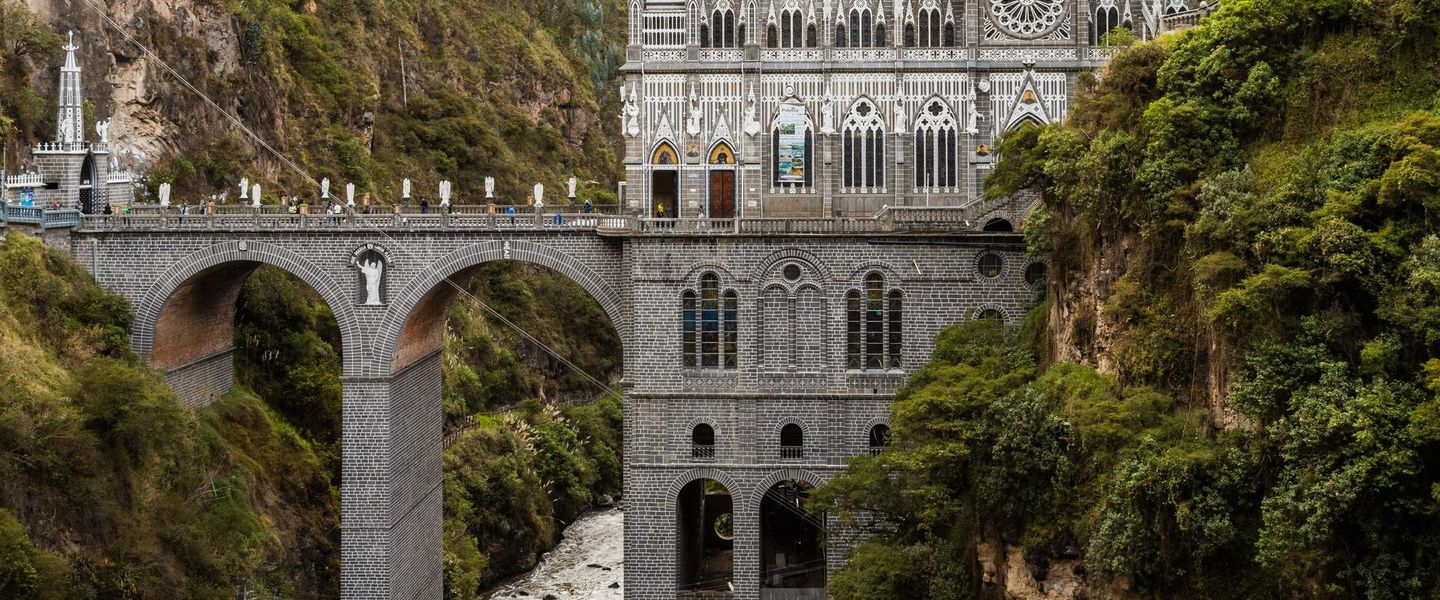


Explore Nariño in Colombia for volcanic landscapes, Las Lajas, Laguna de la Cocha, Andean food, Pacific culture and adventurous journeys.
Read more about Nariño
When is the best time to visit Nariño?
Best: January, October–November · 18°C| Month | High (°C) | Rainfall (mm) |
|---|---|---|
| January (best) | 18 | 100 |
| February | 18 | 110 |
| March | 18 | 120 |
| April | 18 | 130 |
| May | 18 | 140 |
| June | 18 | 150 |
| July | 18 | 140 |
| August | 18 | 130 |
| September | 18 | 120 |
| October (best) | 18 | 110 |
| November (best) | 18 | 100 |
| December | 18 | 110 |
Getting to and around Nariño
How to get there
Transportation
Top city travel guides in Nariño
The cities of Nariño, and the easiest places to base yourself.
-

-


Swipe for more cities
Best attractions in Nariño
Nariño’s attractions are divided between a cool Andean zone and a tropical Pacific coast. In and around Pasto, visitors find museums, churches, artisan workshops and access to the countryside of Laguna de la Cocha, where lake landscapes, forest and rural settlements encourage slower exploration. The volcanic highlands around Galeras, Cumbal, Túquerres and Azufral offer páramo scenery, crater lakes and challenging walks, but routes and access should be checked locally because weather and conservation conditions change. Ipiales provides the gateway to the Sanctuary of Las Lajas and the dramatic Guáitara gorge. In the west, Tumaco introduces a maritime culture of beaches, estuaries, seafood and Afro-Colombian traditions, while Sanquianga National Natural Park protects mangroves, islands and coastal wetlands. The region is better suited to a varied itinerary of cultural visits, landscape excursions and community-led experiences than to a concentrated list of conventional tourist attractions.
-
Plaza
Plaza de Bolívar
Discover Bogotá's main square: a historical, political, and cultural hub surrounded by iconic landmarks and vibrant city life.
-
Heritage museum
Gold Museum
Discover Colombia's rich pre-Columbian heritage at the Gold Museum in Bogotá, home to a dazzling collection of ancient gold artifacts.
-
Historical landmark
Plazoleta Chorro de Quevedo
Discover Bogotá's birthplace at Plazoleta Chorro de Quevedo, a vibrant square brimming with history, art, and Colombian culture.
-
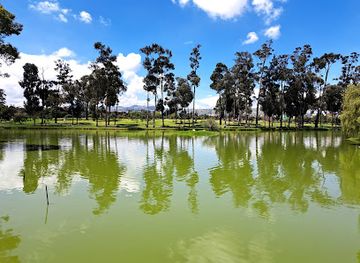
Park
Parque Timiza
Discover Parque Timiza, a sprawling green oasis in Bogotá's Kennedy, perfect for recreation, sports, and cultural events.
Best landmarks in Nariño
The Sanctuary of Las Lajas near Ipiales is Nariño’s most recognisable architectural landmark: its neo-Gothic structure spans a narrow gorge above the Guáitara River and functions both as a pilgrimage church and a dramatic symbol of the southern Andes. In Pasto, historic religious buildings and civic architecture reflect the city’s colonial and republican development, while its artisan traditions give the urban centre a distinctive visual character. Laguna de la Cocha is the department’s defining natural landmark, a high-altitude lake surrounded by steep green hills and rural settlements near El Encano. The volcanic skyline of Galeras, visible from the Pasto area, is another powerful regional presence, although access to volcanic terrain is controlled according to current conditions. Azufral and its coloured high-altitude lagoon, together with the páramo landscapes around Cumbal and Túquerres, demonstrate the geological forces that shape Nariño. Along the Pacific, mangroves, estuaries and forested coastlines in the Sanquianga area form a contrasting natural landmark system.
-
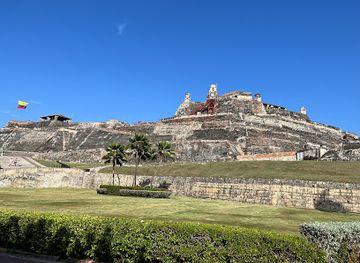
Historical landmark
San Felipe de Barajas Fort
Discover the rich history and breathtaking views at San Felipe de Barajas Fort, Cartagena's iconic colonial fortress and a must-see tourist attraction.
-
Park
Parque de los Novios
Discover the tranquility of Parque de los Novios, Bogotá's beautiful urban park, perfect for relaxation, picnics, and cultural experiences.
-
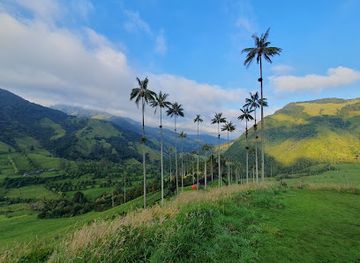
National park
Cocora Valley
Explore the breathtaking beauty of Cocora Valley, home to Colombia's iconic wax palms, stunning hiking trails, and vibrant biodiversity.
-
National park
Parque Nacional Natural Tayrona
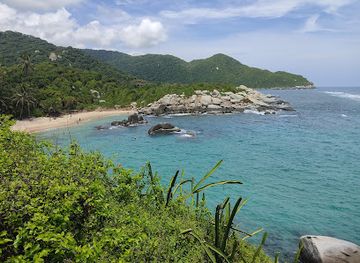
Explore the breathtaking beauty and rich biodiversity of Parque Nacional Natural Tayrona, a stunning national park on Colombia's Caribbean coast.
Explore Nariño on the map
Plan your trip on one map. See where the top cities, national parks and sights are, and book hotels and experiences in a few clicks.
Best hotels in Nariño
Best restaurants in Nariño
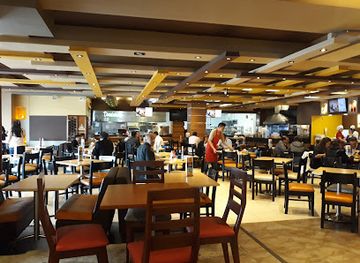
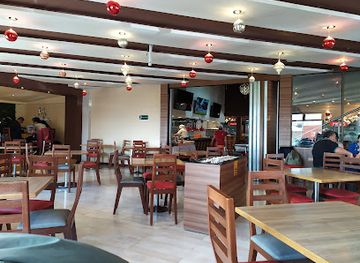
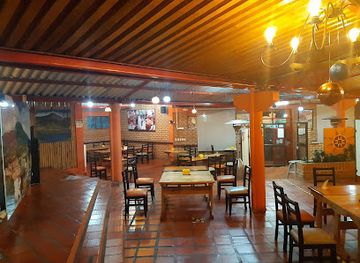
Highland Nariño cooking draws on potatoes, maize, beans, pork, dairy products and the crops of cool Andean valleys. Pasto and surrounding towns are known for preparations of cuy, or guinea pig, as well as filling soups, empanadas, breads and sweets influenced by regional and colonial food traditions. Local markets are useful places to encounter seasonal produce, fruit, cheese and panela, the unrefined cane sugar used widely in Colombia. Around Tumaco and the Pacific lowlands, menus shift towards fish, prawns, crab, coconut, plantain and rice, often with flavours and techniques rooted in Afro-Colombian coastal life. Coffee and other agricultural products vary with altitude, and casual eateries, bakeries, market stalls, rural restaurants and family-run establishments are often more representative of Nariño’s food culture than formal dining rooms. Ask about ingredients and preparation when ordering unfamiliar dishes, particularly in smaller communities.
-
Restaurant
Restaurante La Merced Aurora
Experience authentic Colombian cuisine at Restaurante La Merced Aurora in Pasto – where local flavors meet a warm dining atmosphere.
-
Restaurant
Restaurante La Merced
Discover exquisite Colombian flavors at Restaurante La Merced in Ipiales—an unforgettable dining experience awaits.
-
Restaurant
CUYQUER RANCHO
Experience the authentic flavors of Nariño at Cuyquer Rancho in Pasto - where tradition meets culinary excellence.
-
Restaurant
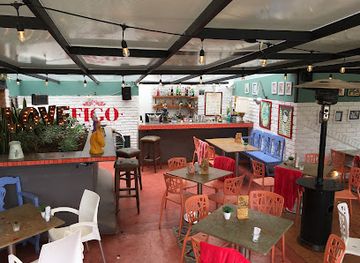
Figo
Experience the vibrant flavors of Pasto at Figo - where local cuisine meets contemporary dining in an inviting atmosphere.
Best bars in Nariño
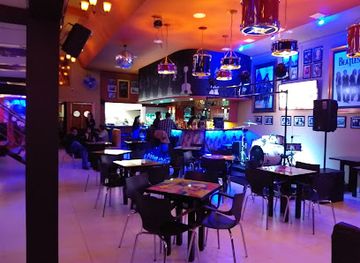
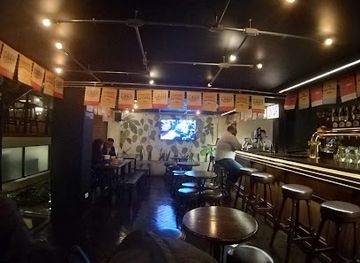
Pasto has the department’s broadest evening scene, with traditional bars, cafés, restaurants, music venues and areas where students and local residents gather. The atmosphere is generally more centred on conversation, music and social drinking than on a large international club circuit, although late-night venues are present in the city. Ipiales has a smaller urban nightlife focused on restaurants, bars and cafés, while Tumaco’s evenings are influenced by Pacific music, coastal food and local social life. In villages around Laguna de la Cocha and in rural Nariño, nightlife is limited and usually consists of modest restaurants, inns or community gatherings rather than dedicated clubs. During Carnaval de Negros y Blancos, public performances, concerts and celebrations transform Pasto’s evenings, but programmes and access arrangements vary each year. Enjoy local drinks responsibly and arrange reliable transport after dark.
-
Grill
Capitán Nirvana
Experience the vibrant flavors of Nariño at Capitán Nirvana, Pasto's premier grill restaurant, where every meal is a celebration of local culinary traditions.
-
Pub
BLACK SHEEP PUB
Discover the lively ambiance and diverse drink offerings at Black Sheep Pub, a must-visit destination in Pasto for fun and relaxation.
-
Bar
BBC- PUB PASTO
Experience the vibrant nightlife of Pasto at BBC - PUB PASTO, where delicious food and drinks come together in a lively atmosphere.
-
Bar
Rey Lagarto Café Bar
Discover the vibrant atmosphere of Rey Lagarto Café Bar in Pasto, where local spirits and live music create unforgettable nights.
Best nightclubs in Nariño
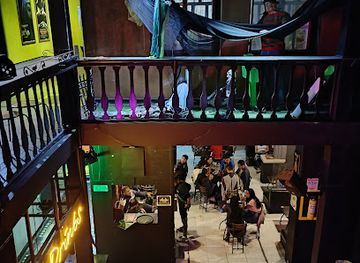
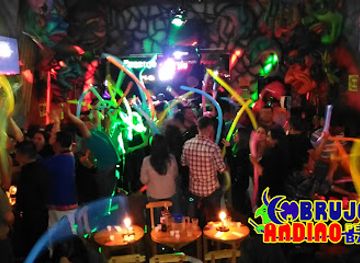
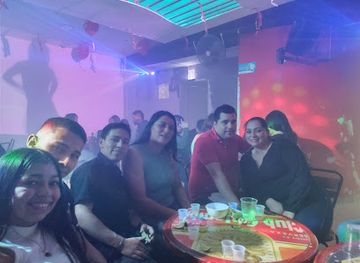
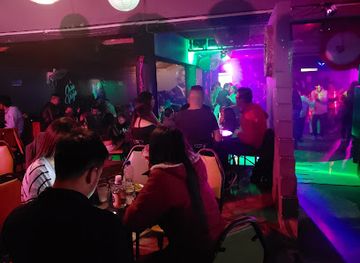
Pasto has the department’s broadest evening scene, with traditional bars, cafés, restaurants, music venues and areas where students and local residents gather. The atmosphere is generally more centred on conversation, music and social drinking than on a large international club circuit, although late-night venues are present in the city. Ipiales has a smaller urban nightlife focused on restaurants, bars and cafés, while Tumaco’s evenings are influenced by Pacific music, coastal food and local social life. In villages around Laguna de la Cocha and in rural Nariño, nightlife is limited and usually consists of modest restaurants, inns or community gatherings rather than dedicated clubs. During Carnaval de Negros y Blancos, public performances, concerts and celebrations transform Pasto’s evenings, but programmes and access arrangements vary each year. Enjoy local drinks responsibly and arrange reliable transport after dark.
-
Night club
La Santa Restrepo
Experience the vibrant nightlife of Bogotá at La Santa Restrepo, where music, dance, and fun come together in an unforgettable atmosphere.
-
Disco club
Embrujo Andino Peña Bar
Experience the vibrant nightlife of Pasto at Embrujo Andino Peña Bar, where music, culture, and fun come together in a lively disco atmosphere.
-
Disco club
Rylax Club
Immerse yourself in the vibrant nightlife of Pasto at Rylax Club, where music, dancing, and unforgettable experiences await.
-
Karaoke bar
Casa Vieja club
Experience the vibrant nightlife of Pasto at Casa Vieja Club, the ultimate karaoke destination where every night is a celebration of music and fun.

Best shops in Nariño
Pasto is Nariño’s main shopping centre and the best place to look for regional craftwork, including carved and painted wooden objects, decorative pieces, textiles, pottery and other products made by local artisans. The city’s markets and independent shops also sell Colombian coffee, panela, sweets, cheeses, dried produce and highland ingredients suitable for gifts, provided food can be transported safely. Ipiales has a practical commercial character shaped by border trade, with shops and markets serving both local residents and travellers, while smaller Andean towns offer weekly market culture rather than specialist retail. In Tumaco, look for Pacific food products, handmade items and locally expressed artistic traditions, buying through reputable vendors and avoiding products made from protected wildlife or unsustainable materials. Market opening days, stock and payment options vary, so carry cash and ask locally rather than relying on fixed assumptions about rural shopping.
-
Park
Plaza de Nariño
Discover the cultural heart of Pasto at Plaza de Nariño, where history, nature, and community converge in a vibrant park setting.
-
Shopping mall
Pasto Unicentro Mall
Discover Pasto Unicentro Mall, where shopping meets entertainment in a vibrant atmosphere, perfect for tourists exploring the beauty of Pasto, Colombia.
-
Outlet mall
Unico Outlet Mall
Discover unbeatable deals and unique experiences at Unico Outlet Mall in Pasto, Colombia - your ultimate shopping getaway!
-
Hypermarket
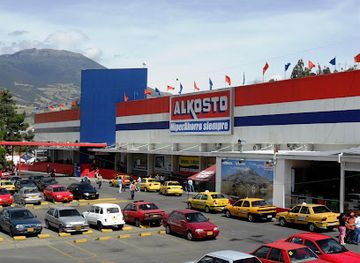
Alkosto Pasto Bolívar
Explore the vibrant shopping experience at Alkosto Pasto Bolívar, where local culture meets a diverse range of products in a welcoming atmosphere.


Get your free copy of our complete guide to Nariño, delivered straight to you.
Everything on this page, from attractions and restaurants to essentials and local phrases, in one PDF you can read offline, print or share.
Already have an account? Sign in
Your Nariño guide is ready.
We'll send it to · Not you? Sign out

Getting your guide ready…
We are putting together a fresh copy of the Nariño guide. This can take up to a minute.
This can take a few moments. If your browser asks, choose Allow so the download can start. You'll find the guide in your Downloads folder.
Nothing happened? Download it again
Sorry, the guide is taking longer than usual. Please try again in a minute, or get it by email instead.
Nariño essentials
Currency and Payment
Safety
Emergency Situations
Do's and Don'ts
Local Tips
From Eve
Local phrases worth knowing
You don't need to get them perfect. A few words go a long way, and locals appreciate the effort.
Basics
| English | Local | Say it |
|---|---|---|
| Hello | Hola | [OH-lah] |
| Goodbye | Adiós | [ah-DYOS] |
| Yes | Sí | [SEE] |
| No | No | [NO] |
| Please/You're welcome | Por favor/De nada | [por fah-VOR/deh NAH-dah] |
| Thank you | Gracias | [GRAH-syahs] |
| Excuse me/Sorry | Disculpe/Lo siento | [dis-KOOL-peh/loh SYEN-toh] |
| How are you? | ¿Cómo está? | [KOH-moh eh-STAH] |
| Fine. And you? | Bien. ¿Y usted? | [BYEN. ee oos-TED] |
| Do you speak English? | ¿Habla inglés? | [AH-blah een-GLES] |
| I don't understand | No entiendo | [NO en-TYEN-doh] |
Eating & Drinking
| English | Local | Say it |
|---|---|---|
| I'd like to see the menu, please | Me gustaría ver el menú, por favor | [meh goos-tah-REE-ah BEHR el meh-NOO, por fah-VOR] |
| I don't eat meat | No como carne | [NO KOH-moh KAR-neh] |
| Cheers! | ¡Salud! | [sah-LOOD] |
| I would like to pay, please | Me gustaría pagar, por favor | [meh goos-tah-REE-ah pah-GAR, por fah-VOR] |
Emergencies
| English | Local | Say it |
|---|---|---|
| Help! | ¡Ayuda! | [ah-YOO-dah] |
| Go away! | ¡Vete! | [BEH-teh] |
| Call the Police! | ¡Llama a la policía! | [YAH-mah ah lah poh-lee-SYAH] |
| Call a doctor! | ¡Llame a un doctor! | [YAH-meh ah oon dok-TOR] |
| I'm lost | Estoy perdido | [es-TOY per-DI-doh] |
| I'm ill | Estoy enfermo/a | [es-TOY en-FER-mo/a] |
Shopping
| English | Local | Say it |
|---|---|---|
| I'd like to buy... | Me gustaría comprar... | [meh goos-tah-REE-ah kom-PRAHR] |
| I'm just looking | Solo estoy mirando | [SO-lo es-TOY mee-RAN-do] |
| How much is it? | ¿Cuánto cuesta? | [KWAN-toh KWES-tah] |
| That's too expensive | Eso es muy caro | [EH-so es MOO-ee KAH-roh] |
| Can you lower the price? | ¿Puede bajar el precio? | [PWEH-deh bah-HAR el PREH-syo] |
Time & Numbers
| English | Local | Say it |
|---|---|---|
| What time is it? | ¿Qué hora es? | [KEH OH-rah es] |
| It's one o'clock | Es la una | [es lah OO-nah] |
| Half past (10) | Y media (10) | [ee MEH-diah (10)] |
| Morning | Mañana | [mah-NYAH-nah] |
| Afternoon | Tarde | [TAR-deh] |
| Evening | Noche | [NO-cheh] |
| Yesterday | Ayer | [ah-YER] |
| Today | Hoy | [OY] |
| Tomorrow | Mañana | [mah-NYAH-nah] |
| 1 | Uno | [OO-noh] |
| 2 | Dos | [DOS] |
| 3 | Tres | [TRES] |
| 4 | Cuatro | [KWAT-roh] |
| 5 | Cinco | [SEEN-koh] |
| 6 | Seis | [SAYS] |
| 7 | Siete | [SYEH-teh] |
| 8 | Ocho | [OH-choh] |
| 9 | Nueve | [NWEH-beh] |
| 10 | Diez | [DYESS] |
Transport & Directions
| English | Local | Say it |
|---|---|---|
| Where's a/the...? | ¿Dónde está un/una...? | [DON-deh es-TAH oon/OO-nah] |
| What's the address? | ¿Cuál es la dirección? | [KWAL es lah dee-rek-SYON] |
| Can you show me (on the map)? | ¿Me puede mostrar (en el mapa)? | [meh PWEH-deh mos-TRAR (en el MAH-pah)] |
| When's the next (bus)? | ¿Cuándo es el próximo (bus)? | [KWAN-doh es el PROK-si-mo (boos)] |
| A ticket (to ....) | Un tiquete (a ...) | [oon tee-KEH-teh (ah ...)] |
History of Nariño
Pastos, Quillacingas and Earlier Andean Cultures
Long before Spanish arrival, southern Nariño was inhabited by Indigenous societies including the Pastos in the highlands around the present-day border area and the Quillacingas around the Pasto basin. Their economies combined farming, exchange and the use of the varied ecological zones created by altitude. Archaeological ceramics, agricultural landscapes and surviving Indigenous communities preserve elements of this earlier history. The mountainous terrain also made the area a cultural frontier between the northern Andes and the societies of present-day Ecuador.
Spanish Conquest and Colonial Pasto
Spanish forces entered the southern Andes during the sixteenth century, incorporating Indigenous territories into the colonial system and establishing Pasto as a regional centre. Churches, religious institutions, estates and administrative structures reshaped settlement and landholding. The area’s difficult terrain and distance from the main centres of New Granada helped give Pasto a distinctive identity. Colonial religious art, baroque craftsmanship and the street pattern of parts of Pasto remain important elements of the department’s cultural inheritance.
Pasto and the Wars of Independence
During the struggle for independence from Spain, Pasto and its surrounding communities became known for strong resistance to the republican armies. Local political, religious and social interests were tied to the royalist cause for much of the conflict, and the mountainous geography made military campaigns particularly difficult. The Battle of Bomboná, fought in 1822 in the wider southern Andean theatre near the present-day department, formed part of the independence campaigns led by Simón Bolívar. The period left a complex regional memory rather than a simple narrative of liberation.
Republican Consolidation and the Southern Border
After independence, Nariño remained a strategically important southern frontier within the new republics of northern South America. Pasto and Ipiales developed administrative, commercial and religious importance, while the border with Ecuador shaped trade and political relationships. Roads across the Andes were slow and difficult, encouraging strong local markets and regional networks. The eventual creation of the Department of Nariño in 1904 formalised the area’s administrative identity within Colombia and placed its Andean and Pacific territories under one regional government.
Agriculture, Roads and Regional Markets
Nariño’s economy developed through a mixture of highland agriculture, livestock, trade and Pacific commerce. Potatoes, maize, wheat, dairy products, fique and other crops prospered in different altitude zones, while coffee and tropical produce became important in warmer districts. Improvements to roads and transport strengthened links between Pasto, Ipiales, the interior of Colombia and the Ecuadorian border. These developments also connected previously isolated communities more closely to national markets, although difficult geography continued to influence the cost and movement of goods.
Afro-Colombian Pacific Communities
The Pacific municipalities of Nariño have been shaped by Afro-Colombian communities whose histories are linked to colonial labour systems, river settlement, fishing, maritime trade and forest economies. Tumaco became a major coastal centre, while smaller communities developed along rivers, estuaries and mangrove environments. Music, oral traditions, foodways and collective relationships with the coastal landscape remain central to regional identity. Contemporary cultural life in the Pacific should be understood on its own terms rather than treated as an extension of the Andean traditions around Pasto.
Carnaval de Negros y Blancos
Pasto’s Carnaval de Negros y Blancos grew from local festive traditions and became one of Colombia’s best-known cultural celebrations. Its central days use black and white cosmetics, large hand-made figures, music, performances and parades to create a public celebration associated with participation and playful social equality. The festival was inscribed on UNESCO’s Representative List of the Intangible Cultural Heritage of Humanity in 2009. Its scale today reflects both long-standing local practice and the importance of creative arts, artisanship and civic identity in modern Nariño.
Nariño in Photos
Browse through our photo collection highlighting the charm and character of the destination.
Neighbouring regions of Nariño
The closest regions to Nariño, if you have time for more than one.
-

-

-

-

-


Swipe for more regions
Explore more

Explore more of Colombia
Discover Colombia: A land of diverse beauty, rich heritage, and vibrant culture, offering everything from bustling cities to serene coffee plantations and stunning national parks.
Explore Colombia