

Free Chocó Biogeographic Region Travel Guide & Mobile App
Explore Chocó Biogeographic Region with free travel guides. Discover regional history, expert tips, proposed trips, and audio guides on web or mobile app.


Explore Colombia’s Chocó Biogeographic Region for rainforest, Pacific beaches, whale watching, river communities and deeply rooted Afro-Pacific culture.
Read more about Chocó Biogeographic Region
When is the best time to visit Chocó Biogeographic Region?
Best: January–February, September · 30°C| Month | High (°C) | Rainfall (mm) |
|---|---|---|
| January (best) | 30 | 300 |
| February (best) | 30 | 300 |
| March | 30 | 350 |
| April | 30 | 350 |
| May | 30 | 400 |
| June | 30 | 400 |
| July | 30 | 350 |
| August | 30 | 350 |
| September (best) | 30 | 300 |
| October | 30 | 300 |
| November | 30 | 300 |
| December | 30 | 300 |
Getting to and around Chocó Biogeographic Region
How to get there
Transportation
Top city travel guides in Chocó Biogeographic Region
The cities of Chocó Biogeographic Region, and the easiest places to base yourself.
-

-

-

-

-

-


Swipe for more cities
Destinations in Chocó Biogeographic Region
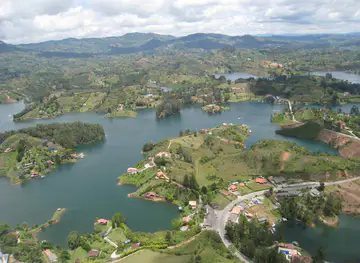
Resorts, valleys and scenic spots worth a trip of their own.
-

-

-


Swipe for more destinations
Best attractions in Chocó Biogeographic Region
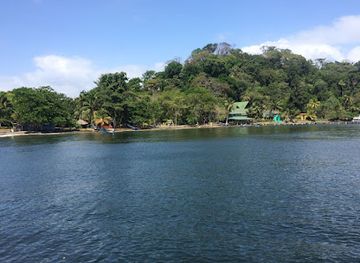
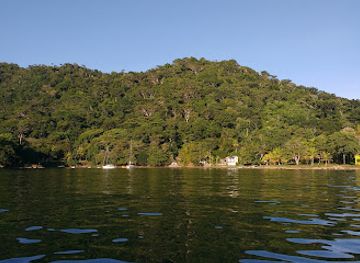
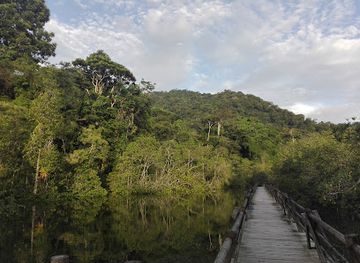
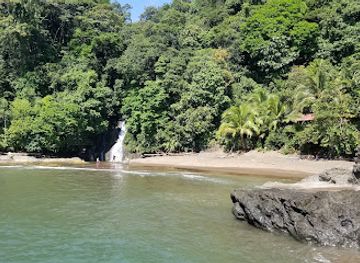
The attractions of Colombia’s Chocó Biogeographic Region are primarily ecological and community-based rather than concentrated in large purpose-built sites. Utría National Natural Park protects a deeply indented marine inlet, rainforest, mangroves and coastal habitats, and is a principal setting for whale watching, guided walks and marine excursions. Nuquí, Bahía Solano and El Valle provide access to beaches, rivers, waterfalls, hot springs and forest trails, while seasonal humpback whale trips are among the Pacific’s most important visitor experiences. Inland, Quibdó offers riverine urban life, markets and cultural activities connected with the Atrato basin. Around Buenaventura, boat excursions reach mangroves, estuaries and coastal communities, although arrangements should be made with reputable local operators. In the south, Guapi and Tumaco serve as gateways to Pacific waterways, fishing landscapes and community tourism initiatives; Sanquianga National Natural Park is particularly associated with mangrove ecosystems and tidal channels. Activities are weather-dependent, and the value of the region lies as much in careful observation and local interpretation as in a checklist of sights.
-
Nature preserve
La coquerita
Explore La Coquerita, a stunning nature preserve in Capurganá, offering breathtaking landscapes, diverse wildlife, and eco-friendly adventures in Colombia.
-
Tourist attraction
Bahía el Aguacate
Explore the tranquil beauty of Bahía el Aguacate, a hidden gem in Acandí, Chocó, where lush landscapes meet pristine beaches for the perfect getaway.
-
National park
Utria National Park
Explore Utria National Park, a breathtaking eco-tourism destination in Colombia showcasing diverse wildlife, lush rainforests, and pristine beaches.
-
Tourist attraction
Playa El Almejal
Experience the tranquility and natural beauty of Playa El Almejal, a hidden paradise in Bahia Solano, Choco, Colombia, perfect for relaxation and adventure.
Best landmarks in Chocó Biogeographic Region
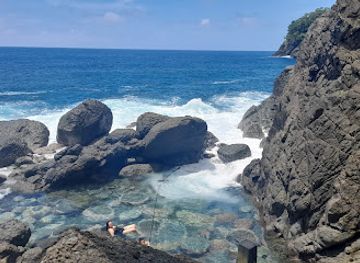
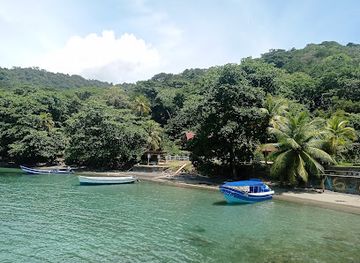
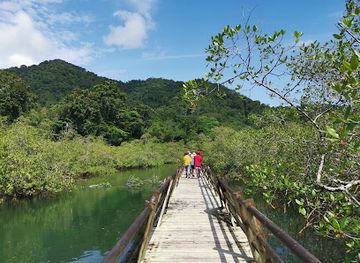
The region’s most significant landmarks are often landscapes and waterways rather than monumental buildings. The sheltered marine inlet of Utría is a defining geographical feature, where steep forested slopes meet Pacific waters and seasonal whales pass offshore. The Atrato River, one of Colombia’s major waterways, gives Quibdó its physical setting and has shaped commerce, settlement and cultural life across Chocó. The San Juan River and its tributaries similarly express the region’s long history of mining, transport and river communities. On the coast, the beaches and rainforest-fringed headlands around Nuquí, Bahía Solano and El Valle form a distinctive natural cultural landscape, while the mangrove channels of Sanquianga in the southern Pacific demonstrate how tides structure both ecosystems and livelihoods. Buenaventura’s port is a landmark of national economic importance, though it should be understood as a working maritime city rather than a scenic waterfront resort. In urban centres, churches, markets and riverside streets are valuable markers of local history, but the region’s strongest visual identity remains its meeting of rainforest, fresh water and ocean.
-
Nature preserve
La coquerita
Discover the breathtaking beauty of La Coquerita, a nature preserve in Capurganá, where adventure meets tranquility in Colombia's stunning landscapes.
-
Tourist attraction
Bahía el Aguacate
Explore Bahía el Aguacate, a stunning Colombian paradise offering pristine beaches, adventure, and vibrant local culture in Acandí, Chocó.
-
National park
Utria National Park
Explore the breathtaking landscapes, diverse wildlife, and adventure opportunities at Utría National Park in Colombia's Chocó region.
-
Tourist attraction
Playa El Almejal
Experience the unspoiled beauty and tranquility of Playa El Almejal, a hidden gem in Colombia's Chocó region, perfect for relaxation and adventure.
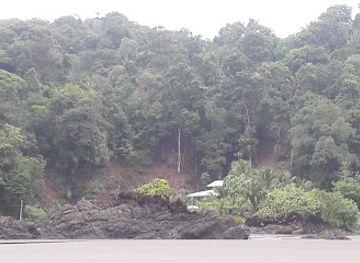
Explore Chocó Biogeographic Region on the map
Plan your trip on one map. See where the top cities, national parks and sights are, and book hotels and experiences in a few clicks.
Best hotels in Chocó Biogeographic Region
Best restaurants in Chocó Biogeographic Region
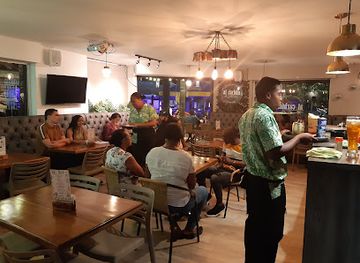
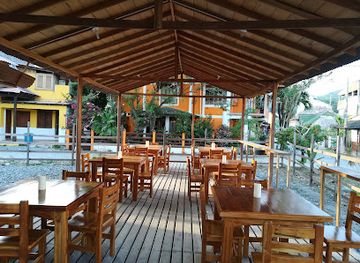
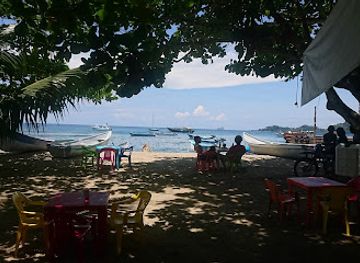
Food in the Colombian Pacific is closely tied to rivers, estuaries, rainforest gardens and the sea. Coconut rice, fried or grilled fish, prawns, crab, shellfish, plantain, yuca and hearty seafood soups appear widely, with recipes varying between Chocó and the southern Pacific. In Quibdó, Buenaventura, Tumaco and other larger towns, modest restaurants and market stalls provide the broadest choice, while coastal lodges often serve meals built around the day’s catch and locally available produce. Encocado, a preparation using coconut and aromatic ingredients, is strongly associated with Colombia’s Pacific culinary tradition, although versions differ from cook to cook. Fruit drinks, panela-based refreshments and locally prepared snacks complement meals, while Pacific cooking also reflects Indigenous and Afro-Colombian knowledge of plants, fishing and preservation. Dining can be less formal and less predictable in remote communities, so visitors should tell hosts about dietary requirements in advance and avoid assuming that every ingredient is available year-round.
-
Restaurant
Al Carbón Parrilla Bar
Experience authentic Colombian flavors at Al Carbón Parrilla Bar in Quibdó, where delicious grilled meats meet vibrant local culture.
-
Grill
KUKAMBA Bar & Grill
Experience the vibrant culinary scene at KUKAMBA Bar & Grill in Capurganá – where delicious grilled dishes meet breathtaking coastal views.
-
Restaurant
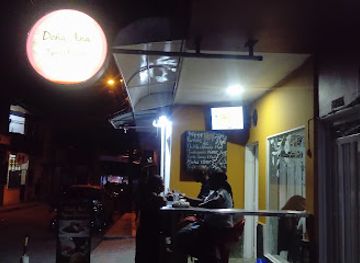
Doña Ana Típico Chocoano
Experience authentic Chocó cuisine at Doña Ana Típico Chocoano - a culinary delight in Quibdó's heart.
-
Restaurant
Restaurante Josefina's
Experience exquisite local cuisine with breathtaking views at Restaurante Josefina's in Capurganá, Chocó.
Best bars in Chocó Biogeographic Region
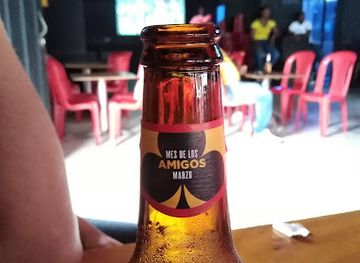
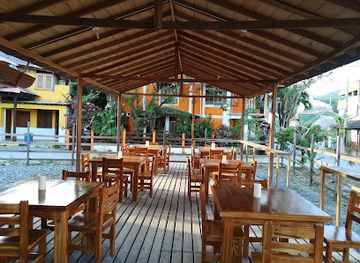
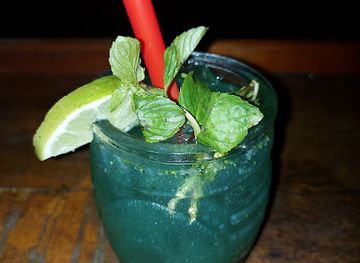
Evening life in the Chocó Biogeographic Region is generally local and communal rather than centred on large nightclub districts. Quibdó has the broadest urban choice, with bars, dance venues and spaces where Pacific music and dance are heard, while Buenaventura and Tumaco offer nightlife connected with their larger port-city populations. In Nuquí, Bahía Solano, Guapi and smaller coastal settlements, evenings usually revolve around guesthouse dining, modest bars, music, community gatherings and occasional dancing rather than late-night venues with fixed schedules. Currulao and other Pacific musical forms are important cultural expressions, but visitors should engage respectfully rather than treating them as entertainment staged solely for tourists. Alcohol is not necessary for enjoying local nightlife, and remote areas require particular care with transport, lighting, weather and personal security after dark.
-
Bar
Pachoso Bar
Discover the vibrant atmosphere and local flavors at Pachoso Bar in Quibdó, a perfect stop for tourists seeking relaxation and culture.
-
Grill
KUKAMBA Bar & Grill
Experience the best of Capurganá with exquisite seafood and grilled delights at KUKAMBA Bar & Grill, a culinary treasure on the Colombian coast.
-
Bar
Rotsen el lugar de los amigos
Experience the vibrant nightlife at Rotsen el lugar de los amigos in Quibdó, where friendly faces and local flavors await you.
-
Restaurant
ASADERO DE POLLOS Y TIENDA DE ARTESANÍAS EL MANGLAR
Discover the best grilled chicken and vibrant handicrafts of Chocó at Asadero de Pollos y Tienda de Artesanías El Manglar.
Best nightclubs in Chocó Biogeographic Region
Evening life in the Chocó Biogeographic Region is generally local and communal rather than centred on large nightclub districts. Quibdó has the broadest urban choice, with bars, dance venues and spaces where Pacific music and dance are heard, while Buenaventura and Tumaco offer nightlife connected with their larger port-city populations. In Nuquí, Bahía Solano, Guapi and smaller coastal settlements, evenings usually revolve around guesthouse dining, modest bars, music, community gatherings and occasional dancing rather than late-night venues with fixed schedules. Currulao and other Pacific musical forms are important cultural expressions, but visitors should engage respectfully rather than treating them as entertainment staged solely for tourists. Alcohol is not necessary for enjoying local nightlife, and remote areas require particular care with transport, lighting, weather and personal security after dark.
-
Night club
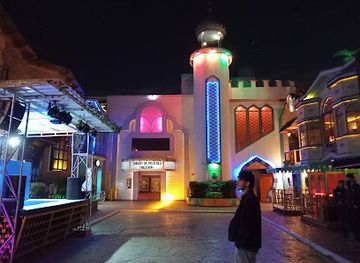
THEATRON
Experience the vibrant nightlife of Bogotá at Theatron, a massive nightclub offering diverse music, entertainment, and unforgettable memories.
-
Night club
Octava
Immerse yourself in Bogotá's nightlife at Octava, the ultimate club for electronic music lovers and unforgettable experiences.
-
Disco club
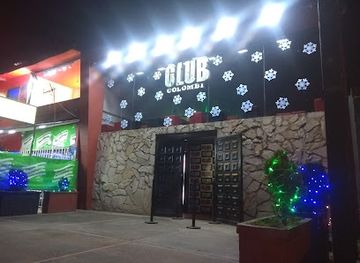
The Club Colombia
Experience the pulse of Chía's nightlife at The Club Colombia, a premier disco club with vibrant music and electrifying atmosphere.
-
Night club
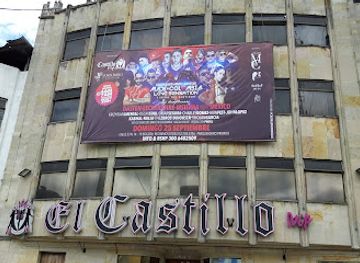
Castillo VIP Night Club
Discover the vibrant nightlife of Bogotá at Castillo VIP Night Club, where music, style, and unforgettable experiences await!
Best shops in Chocó Biogeographic Region
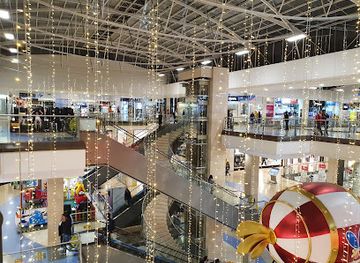
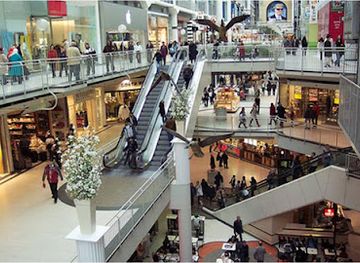
Shopping is modest and locally focused, with the best choices found in markets, small high streets and community-run initiatives in Quibdó, Buenaventura, Tumaco, Guapi, Nuquí and Bahía Solano. Visitors can look for fresh tropical produce, coconut-based foods, cacao and other regional ingredients, as well as prepared snacks and fish products where local regulations and hygiene standards permit. Handicrafts may include woven items, carved objects, jewellery and designs associated with Afro-Colombian or Indigenous traditions, but buyers should ask who made a product and avoid purchasing anything made from wildlife, rare timber or archaeological material. In remote areas, shopping is not a major tourism industry, and supplies may be limited or expensive because they arrive by boat or plane. Carrying purchases in waterproof packaging is practical, and fair payment directly through recognised community or artisan channels is preferable to bargaining aggressively with individual makers.
-
 Shopping mall
Andino
Explore Andino Mall in Bogotá for a perfect mix of shopping, dining, and cultural experiences, all in one vibrant location.
-
Shopping mall
Santafé Mall
Explore the vibrant Santafé Mall in Bogotá, a shopping paradise with diverse stores, delicious dining, and exciting entertainment for everyone.
-
Shopping mall
Centro Comercial Chipichape
Discover the vibrant shopping and dining experience at Centro Comercial Chipichape in Cali, Colombia, where every visit is a delightful adventure.
-
Store
Oviedo
Discover Oviedo in Medellín: a dynamic shopping mall blending retail, dining, and entertainment for an unforgettable experience.
Get your free copy of our complete guide to Chocó Biogeographic Region, delivered straight to you.
Everything on this page, from attractions and restaurants to essentials and local phrases, in one PDF you can read offline, print or share.
Already have an account? Sign in
Your Chocó Biogeographic Region guide is ready.
We'll send it to · Not you? Sign out

Getting your guide ready…
We are putting together a fresh copy of the Chocó Biogeographic Region guide. This can take up to a minute.
This can take a few moments. If your browser asks, choose Allow so the download can start. You'll find the guide in your Downloads folder.
Nothing happened? Download it again
Sorry, the guide is taking longer than usual. Please try again in a minute, or get it by email instead.
Chocó Biogeographic Region essentials
Currency and Payment
Safety
Emergency Situations
Do's and Don'ts
Local Tips
From Eve
Local phrases worth knowing
You don't need to get them perfect. A few words go a long way, and locals appreciate the effort.
Basics
| English | Local | Say it |
|---|---|---|
| Hello | Hola | [Ola] |
| Goodbye | Adiós | [Adyos] |
| Yes | Sí | [Si] |
| No | No | [No] |
| Please/You're welcome | Por favor/De nada | [Por favor/De nada] |
| Thank you | Gracias | [Grasias] |
| Excuse me/Sorry | Disculpe/Lo siento | [Disculpe/Lo siento] |
| How are you? | ¿Cómo estás? | [Como estas] |
| Fine. And you? | Bien. ¿Y tú? | [Bien. Y tu] |
| Do you speak English? | ¿Hablas inglés? | [Hablas ingles] |
| I don't understand | No entiendo | [No entiendo] |
Eating & Drinking
| English | Local | Say it |
|---|---|---|
| I'd like to see the menu, please | Me gustaría ver el menú, por favor | [Me gustaria ver el menu, por favor] |
| I don't eat meat | No como carne | [No como carne] |
| Cheers! | ¡Salud! | [Salud] |
| I would like to pay, please | Me gustaría pagar, por favor | [Me gustaria pagar, por favor] |
Emergencies
| English | Local | Say it |
|---|---|---|
| Help! | ¡Ayuda! | [Ayuda] |
| Go away! | ¡Vete! | [Vete] |
| Call the Police! | ¡Llama a la policía! | [Llama a la policia] |
| Call a doctor! | ¡Llama a un médico! | [Llama a un medico] |
| I'm lost | Estoy perdido | [Estoy perdido] |
| I'm ill | Estoy enfermo | [Estoy enfermo] |
Shopping
| English | Local | Say it |
|---|---|---|
| I'd like to buy... | Me gustaría comprar... | [Me gustaria comprar] |
| I'm just looking | Solo estoy mirando | [Solo estoy mirando] |
| How much is it? | ¿Cuánto cuesta? | [Cuanto cuesta] |
| That's too expensive | Eso es demasiado caro | [Eso es demasiado caro] |
| Can you lower the price? | ¿Puedes bajar el precio? | [Puedes bajar el precio] |
Time & Numbers
| English | Local | Say it |
|---|---|---|
| What time is it? | ¿Qué hora es? | [Que hora es] |
| It's one o'clock | Es la una | [Es la una] |
| Half past (10) | Y media (10) | [Y media] |
| Morning | Mañana | [Mañana] |
| Afternoon | Tarde | [Tarde] |
| Evening | Noche | [Noche] |
| Yesterday | Ayer | [Ayer] |
| Today | Hoy | [Hoy] |
| Tomorrow | Mañana | [Mañana] |
| 1 | Uno | [Uno] |
| 2 | Dos | [Dos] |
| 3 | Tres | [Tres] |
| 4 | Cuatro | [Cuatro] |
| 5 | Cinco | [Cinco] |
| 6 | Seis | [Seis] |
| 7 | Siete | [Siete] |
| 8 | Ocho | [Ocho] |
| 9 | Nueve | [Nueve] |
| 10 | Diez | [Diez] |
Transport & Directions
| English | Local | Say it |
|---|---|---|
| Where's a/the...? | ¿Dónde está un/una...? | [Donde esta un/una] |
| What's the address? | ¿Cuál es la dirección? | [Cual es la direccion] |
| Can you show me (on the map)? | ¿Puedes mostrarme (en el mapa)? | [Puedes mostrarme en el mapa] |
| When's the next (bus)? | ¿Cuándo es el siguiente (autobús)? | [Cuando es el siguiente autobus] |
| A ticket (to ....) | Un boleto (a....) | [Un boleto a] |
History of Chocó Biogeographic Region
Indigenous societies before European colonisation
The Pacific lowlands were inhabited long before Spanish arrival by peoples including the Emberá, Wounaan and other Indigenous communities whose ancestors developed detailed knowledge of rivers, forests and coastal environments. Mobility by canoe, small-scale cultivation, fishing, hunting and gathering were adapted to intense rainfall and difficult overland travel. Archaeological evidence from the wider Pacific region, including ancient goldworking traditions, shows that these landscapes were connected to wider cultural networks. Indigenous territories and knowledge remain important to the region today, although communities have faced major pressure from mining, armed conflict, land encroachment and environmental change.
Spanish conquest and colonial gold mining
Spanish colonial expansion into the Pacific lowlands was driven less by large agricultural settlements than by the search for gold. Rivers such as the Atrato and San Juan became routes for exploration, extraction and trade, while the region’s forests and waterways made colonial control uneven. Gold mining relied heavily on enslaved Africans brought to New Granada, creating demographic and cultural foundations for the Afro-Colombian Pacific. Colonial settlements remained relatively small and exposed to disease, flooding and logistical isolation, but mining permanently altered river systems, labour relations and connections between the Pacific coast and the Andean interior.
Afro-Colombian Pacific communities after abolition
The abolition of slavery in Colombia in 1851 did not end dependence on gold mining, timber, fishing or river trade, but it changed the legal status and social organisation of many Pacific communities. Freed families established settlements along rivers and coasts, combining subsistence activities with wage labour and local commerce. Music, oral traditions, religious practices, foodways and boat-building developed through the interaction of African, Indigenous and European influences. Much of the contemporary cultural identity associated with Chocó and Colombia’s Pacific coast has its roots in these post-abolition communities and their long relationship with the rainforest.
Ports, rivers and the modern Pacific economy
During the nineteenth and twentieth centuries, Pacific trade developed around river transport and ports including Buenaventura, Tumaco and smaller coastal settlements. Buenaventura became Colombia’s principal Pacific port, linking the coast with Cali and the national economy, while Quibdó grew as a commercial centre on the Atrato. Timber extraction, mining, fishing and plantation agriculture expanded at different times, often bringing infrastructure and outside investment without resolving the region’s isolation or inequality. The contrast between major port activity and remote riverine communities remains a defining feature of the Colombian Pacific.
Territorial rights and environmental protection
The Colombian Constitution of 1991 and subsequent legislation strengthened recognition of collective territorial rights for Afro-Colombian communities, while Indigenous reservations also received legal protection. These developments were particularly significant in the Pacific lowlands, where land is often managed through communal institutions rather than individual ownership. National natural parks and other protected areas, including Utría, Los Katíos, Sanquianga and Farallones de Cali in the wider Pacific-facing zone, reflect the ecological importance of the region. Conservation, however, continues to intersect with mining, infrastructure, security concerns and the rights of resident communities.
Conflict, displacement and community resilience
From the late twentieth century into the twenty-first, parts of the Colombian Pacific experienced severe impact from armed groups, coca cultivation, illegal mining, displacement and violence. These pressures affected river transport, land security, local economies and access to public services. Conditions vary significantly between places and change over time, so current local advice is essential. At the same time, community organisations, cultural groups, Indigenous authorities and Afro-Colombian councils have maintained strong traditions of collective action. Ecotourism and cultural tourism are increasingly presented as possible complements to, rather than replacements for, established livelihoods.
Chocó Biogeographic Region in Photos
Browse through our photo collection highlighting the charm and character of the destination.
Neighbouring regions of Chocó Biogeographic Region
The closest regions to Chocó Biogeographic Region, if you have time for more than one.
-

-

-

-

-


Swipe for more regions
Explore more

Explore more of Colombia
Discover Colombia: A land of diverse beauty, rich heritage, and vibrant culture, offering everything from bustling cities to serene coffee plantations and stunning national parks.
Explore Colombia