

Free Pacific Region Travel Guide & Mobile App
Explore Pacific Region with free travel guides. Discover regional history, expert tips, proposed trips, and audio guides on web or mobile app.


Explore Colombia’s Pacific Region for rainforest coastlines, whale watching, Afro-Colombian culture, river journeys and distinctive seafood.
Read more about Pacific Region
When is the best time to visit Pacific Region?
Best: July–September · 27°C| Month | High (°C) | Rainfall (mm) |
|---|---|---|
| January | 25 | 150 |
| February | 25 | 140 |
| March | 26 | 130 |
| April | 26 | 120 |
| May | 27 | 110 |
| June | 27 | 100 |
| July (best) | 27 | 90 |
| August (best) | 27 | 80 |
| September (best) | 27 | 90 |
| October | 27 | 100 |
| November | 26 | 110 |
| December | 26 | 130 |
Getting to and around Pacific Region
How to get there
Transportation
Top city travel guides in Pacific Region
The cities of Pacific Region, and the easiest places to base yourself.
-

-

-

-

-

-


Swipe for more cities
Destinations in Pacific Region
Resorts, valleys and scenic spots worth a trip of their own.
-

-


Swipe for more destinations
Best attractions in Pacific Region
The Pacific Region’s attractions are defined by ecosystems and community-based experiences rather than by a dense chain of conventional sightseeing sites. Utría National Natural Park in Chocó protects rainforest, mangroves, beaches and a deeply indented marine bay, with opportunities for guided walks and seasonal whale watching. Around Nuquí and Bahía Solano, visitors can combine coastal bathing with forest trails, waterfalls, hot springs and boat excursions. Farther south, Gorgona Island in Cauca offers rainforest, marine habitats and a layered history as a former penal colony, while Sanquianga National Natural Park in Nariño is known for extensive mangroves, estuaries and tidal waterways. The marine and island environments of Bahía Málaga, within Valle del Cauca, provide further opportunities for wildlife observation and community-led visits. Buenaventura and Tumaco offer markets, port life, food and music that place the natural landscape in an urban context. Activities require local guides, advance arrangements and flexibility, particularly where access is by small boat or where heavy rain affects trails and rivers.
-
Tourist attraction
Salt Cathedral
Discover a unique architectural and religious marvel deep within a Colombian salt mine, a testament to human ingenuity and faith.
-
Catholic church
Sanctuary of Our Lady of the Holy Rosary of Las Lajas
Discover the breathtaking Sanctuary of Our Lady of Las Lajas, a neo-Gothic masterpiece nestled in the stunning Guáitara River canyon near Ipiales, Colombia.
-
Farmers' market
La Perseverancia Distrital Marketplace
Experience Bogotá's vibrant culture at La Perseverancia Marketplace: a culinary haven offering fresh produce, local dishes, and a taste of tradition.
-
Catholic church
Shrine of Our Lady of Health of Bojacá
Discover the spiritual haven of Bojacá, Colombia, where faith, history, and architectural beauty converge at the Shrine of Our Lady of Health.


Best landmarks in Pacific Region
The Pacific Region’s most recognisable landmarks are often natural or maritime. Utría Bay, enclosed by the forested coast of Chocó, is a defining geographical feature and a protected marine nursery associated with seasonal humpback whale movements. Gorgona Island rises from the Pacific off Cauca as a heavily forested protected island whose natural setting contrasts with the remains of its former prison complex. The mangrove waterways of Sanquianga National Natural Park form an extensive, shifting landscape of channels, mudflats and coastal forest in Nariño. Bahía Málaga, near Buenaventura, is marked by island-studded waters, rocky shores, mangroves and dense vegetation, while the port facilities and waterfront of Buenaventura represent the region’s continuing commercial connection with the wider country. In the south, Tumaco’s coastal setting and island-linked urban landscape reflect the importance of estuaries and maritime trade. These places are significant not simply for their appearance, but for the way they express the Pacific’s relationship between ocean, rainforest, transport and community life.
-
Plaza
Plaza de Bolívar
Discover the historical richness and vibrant culture of Bogotá at Plaza de Bolívar, the city's iconic heart and soul.
-
Historical landmark
San Felipe de Barajas Fort
Discover the historic San Felipe de Barajas Fort in Cartagena, a majestic fortress showcasing rich colonial history and breathtaking views of the Caribbean.
-
Shopping mall
Centro Comercial Chipichape
Discover a vibrant shopping and dining experience at Centro Comercial Chipichape, the heart of retail in Cali, Colombia, perfect for tourists and locals alike.
-
Park
Parque de los Novios
Explore the beauty and tranquility of Parque de los Novios, a serene park in Bogotá perfect for relaxation and cultural experiences.


Explore Pacific Region on the map
Plan your trip on one map. See where the top cities, national parks and sights are, and book hotels and experiences in a few clicks.
Best hotels in Pacific Region
Best restaurants in Pacific Region
Pacific cooking centres on fish, shellfish, coconut, plantain, cassava, rice and aromatic herbs, with recipes varying between river communities, port towns and the southern coast. Encocados combine seafood or fish with coconut-based sauce, while tapao uses fish, plantain and other ingredients in a hearty preparation suited to the humid coastal environment. Piangua, crab, prawns and other estuarine foods are important in many communities, although availability is seasonal and responsible sourcing matters. Buenaventura and Tumaco provide the broadest choice of market stalls, family restaurants, cafés and contemporary interpretations of regional food; in smaller destinations, meals are often arranged through guesthouses or community kitchens. Look for borojó, chontaduro, cocadas and other tropical produce, as well as beverages associated with Pacific traditions. Viche, a sugar-cane spirit with deep cultural significance, should be purchased from lawful, reputable producers rather than informal sources of uncertain quality.
-
Restaurant
Andrés D.C. Bogotá
Experience the vibrant flavors and lively atmosphere at Andrés D.C., Bogotá's premier destination for steak lovers and cultural enthusiasts.
-
Asian Fusion
Osaka Bogotá
Discover the exquisite fusion of Asian and Peruvian flavors at Osaka Bogotá - a top-tier culinary experience in Colombia.
-
Restaurant
El Gato Gris
Experience the vibrant flavors and lively atmosphere at El Gato Gris in La Candelaria—where culinary excellence meets artistic expression.
-
Restaurant
La Puerta Falsa Restaurant
Discover authentic Colombian cuisine at La Puerta Falsa Restaurant in Bogotá – where tradition meets flavor.


Best bars in Pacific Region
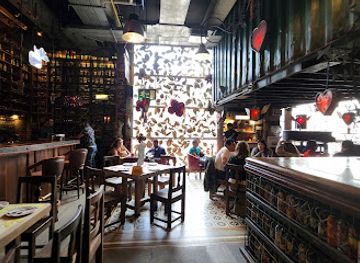
Evening life in the Pacific Region is generally local, musical and community-oriented rather than centred on large nightclub districts. Buenaventura and Tumaco have the widest selection of bars, restaurants and venues where salsa, Pacific rhythms and recorded music continue into the evening, while smaller coastal settlements tend to revolve around modest bars, food stalls, guesthouse terraces and social gatherings. Currulao and marimba de chonta are important expressions of Pacific culture, and live performances may be connected to festivals, religious celebrations or community events rather than a fixed nightlife programme. In Nuquí, Bahía Solano and other nature-focused destinations, evenings are usually quiet after boat trips and forest excursions, with visitors dining, talking and listening to local music. Opening arrangements and performance schedules change frequently, so ask locally and respect community norms instead of expecting a standard late-night scene.
-
Live music bar
Gaira Café Cumbia House
Discover the heart of Colombia at Gaira Café Cumbia House, where live music, delicious food, and vibrant culture converge in Bogotá.
-
Bar
Alquimico
Discover Alquimico, Cartagena's premier bar known for innovative cocktails, a lively atmosphere, and a touch of Caribbean charm.
-
Bar
Ozzy Company
Experience the heart of Bogotá's rock scene at Ozzy Company, a vibrant live music bar and restaurant serving up great food and electrifying performances.
-
Bar
Vintrash Bogotá
Discover the electrifying nightlife at Vintrash Bogotá, a vibrant bar and disco club in Chapinero, perfect for cocktails and dancing.


Best nightclubs in Pacific Region
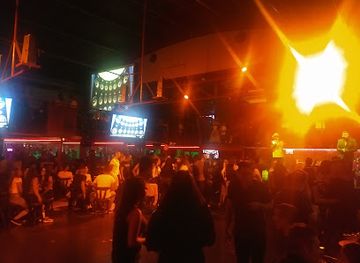
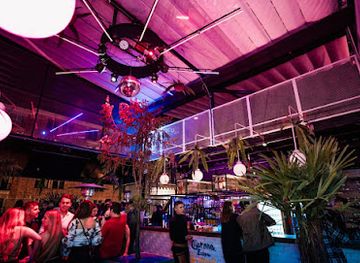
Evening life in the Pacific Region is generally local, musical and community-oriented rather than centred on large nightclub districts. Buenaventura and Tumaco have the widest selection of bars, restaurants and venues where salsa, Pacific rhythms and recorded music continue into the evening, while smaller coastal settlements tend to revolve around modest bars, food stalls, guesthouse terraces and social gatherings. Currulao and marimba de chonta are important expressions of Pacific culture, and live performances may be connected to festivals, religious celebrations or community events rather than a fixed nightlife programme. In Nuquí, Bahía Solano and other nature-focused destinations, evenings are usually quiet after boat trips and forest excursions, with visitors dining, talking and listening to local music. Opening arrangements and performance schedules change frequently, so ask locally and respect community norms instead of expecting a standard late-night scene.
-
Night club
THEATRON
Discover Bogotá's nightlife at Theatron, a vibrant club blending music, dining, and entertainment in a captivating atmosphere.
-
Disco club
Bar La Santa Club
Dive into Bogotá's nightlife at Bar La Santa Club, where music, dance, and vibrant energy create unforgettable memories.
-
Disco club
Paradaise Natural Party
Dive into Bogotá's nightlife at Paradaise Natural Party, where music meets energy in a disco club like no other.
-
Disco club
Federal Rooftop | Discoteca abierta 365 días
Discover the energetic nightlife of Bogotá at Federal Rooftop, a premier disco club offering stunning city views and a vibrant dance atmosphere.


Best shops in Pacific Region
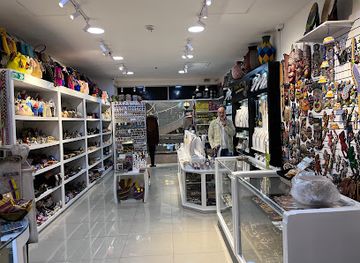
Shopping in the Pacific Region is strongest in market towns and port cities rather than in large specialist retail districts. Buenaventura and Tumaco have markets and everyday commercial streets where visitors can find fresh produce, dried or prepared foods, clothing and household goods, although market conditions are practical rather than designed for tourism. Community enterprises and cultural organisations may offer woven items, carved objects, jewellery, music recordings and other crafts connected to Afro-Colombian or Indigenous traditions; ask about makers and permissions before buying. Regional food products such as cocadas, tropical fruit preparations, coffee from Colombia’s wider Pacific-facing hinterland and legally produced viche can make useful gifts when securely packaged for travel. Avoid coral, shells, feathers, animal parts, archaeological objects and timber of uncertain origin. In remote destinations, retail choices are limited, so bring essential toiletries, medicines and specialist equipment from larger Colombian cities before travelling onward.
-
Shopping mall
Titan Plaza Shopping Mall
Experience the vibrant shopping culture at Titan Plaza, Bogotá's ultimate shopping mall destination for fashion, dining, and entertainment.
-
Shopping mall
Andino
Discover luxury shopping, diverse dining, and vibrant entertainment at Andino, Bogotá's premier shopping mall, perfect for every tourist's itinerary.
-
Shopping mall
Santafé Mall
Explore Santafé Mall in Bogotá, Colombia – a bustling shopping destination with diverse stores, dining, and entertainment options for every traveler.
-
Shopping mall
Unicentro Bogota
Discover Unicentro Bogota, where shopping meets culture in a vibrant atmosphere filled with dining and entertainment options.



Get your free copy of our complete guide to Pacific Region, delivered straight to you.
Everything on this page, from attractions and restaurants to essentials and local phrases, in one PDF you can read offline, print or share.
Already have an account? Sign in
Your Pacific Region guide is ready.
We'll send it to · Not you? Sign out

Getting your guide ready…
We are putting together a fresh copy of the Pacific Region guide. This can take up to a minute.
This can take a few moments. If your browser asks, choose Allow so the download can start. You'll find the guide in your Downloads folder.
Nothing happened? Download it again
Sorry, the guide is taking longer than usual. Please try again in a minute, or get it by email instead.
Pacific Region essentials
Currency and Payment
Safety
Emergency Situations
Do's and Don'ts
Local Tips
From Eve
Local phrases worth knowing
You don't need to get them perfect. A few words go a long way, and locals appreciate the effort.
Basics
| English | Local | Say it |
|---|---|---|
| Hello | Hola | [OH-lah] |
| Goodbye | Adiós | [ah-DYOS] |
| Yes | Sí | [SEE] |
| No | No | [NO] |
| Please/You're welcome | Por favor | [por fah-VOR] |
| Thank you | Gracias | [GRAH-syas] |
| Excuse me/Sorry | Perdón | [per-DON] |
| How are you? | ¿Cómo estás? | [KOH-moh es-TAS] |
| Fine. And you? | Bien. ¿Y tú? | [byen. ee TOO] |
| Do you speak English? | ¿Hablas inglés? | [AH-blas een-GLES] |
| I don't understand | No entiendo | [NO en-TYEN-do] |
Eating & Drinking
| English | Local | Say it |
|---|---|---|
| I'd like to see the menu, please | Me gustaría ver el menú, por favor | [meh goos-TAR-ee-ah ver el meh-NOO, por fah-VOR] |
| I don't eat meat | No como carne | [NO KOH-mo KAR-neh] |
| Cheers! | ¡Salud! | [sah-LOOD] |
| I would like to pay, please | Me gustaría pagar, por favor | [meh goos-TAR-ee-ah pah-GAR, por fah-VOR] |
Emergencies
| English | Local | Say it |
|---|---|---|
| Help! | ¡Ayuda! | [ah-YOO-dah] |
| Go away! | ¡Vete! | [VEH-te] |
| Call the Police! | ¡Llama a la policía! | [YAH-ma ah la poh-lee-SEE-ah] |
| Call a doctor! | ¡Llama a un doctor! | [YAH-ma ah oon dok-TOR] |
| I'm lost | Estoy perdido | [es-TOY per-DID-o] |
| I'm ill | Estoy enfermo | [es-TOY en-FER-mo] |
Shopping
| English | Local | Say it |
|---|---|---|
| I'd like to buy... | Me gustaría comprar... | [meh goos-TAR-ee-ah kom-PRAR] |
| I'm just looking | Solo estoy mirando | [SO-lo es-TOY mee-RAN-do] |
| How much is it? | ¿Cuánto cuesta? | [KWAN-to KWE-sta] |
| That's too expensive | Es muy caro | [es MOO-ee KAR-o] |
| Can you lower the price? | ¿Puedes bajar el precio? | [PWE-des bah-HAR el PREH-syo] |
Time & Numbers
| English | Local | Say it |
|---|---|---|
| What time is it? | ¿Qué hora es? | [KEH OH-rah es] |
| It's one o'clock | Es la una | [es la OO-nah] |
| Half past (10) | Y diez y media | [ee DYESS ee MEH-dee-ah] |
| Morning | Mañana | [ma-NYAH-nah] |
| Afternoon | Tarde | [TAR-deh] |
| Evening | Noche | [NO-cheh] |
| Yesterday | Ayer | [ah-YER] |
| Today | Hoy | [OY] |
| Tomorrow | Mañana | [ma-NYAH-nah] |
| 1 | Uno | [OO-no] |
| 2 | Dos | [DOS] |
| 3 | Tres | [TRES] |
| 4 | Cuatro | [KWA-tro] |
| 5 | Cinco | [SEEN-ko] |
| 6 | Seis | [SAYS] |
| 7 | Siete | [SYE-teh] |
| 8 | Ocho | [OH-cho] |
| 9 | Nueve | [NWEH-veh] |
| 10 | Diez | [DYESS] |
Transport & Directions
| English | Local | Say it |
|---|---|---|
| Where's a/the...? | ¿Dónde está...? | [DON-deh es-TA] |
| What's the address? | ¿Cuál es la dirección? | [KWAL es la dee-rek-SYON] |
| Can you show me (on the map)? | ¿Puedes mostrarme (en el mapa)? | [PWE-des mos-TRAR-me (en el MAH-pah)] |
| When's the next (bus)? | ¿Cuándo es el siguiente (autobús)? | [KWAN-do es el see-GYEN-teh (au-toh-BOOS)] |
| A ticket (to ....) | Un boleto (a ....) | [oon boh-LEH-toh (ah ....)] |
History of Pacific Region
Indigenous Pacific societies before European rule
Long before Spanish colonisation, the Pacific lowlands were inhabited by Indigenous peoples who developed detailed knowledge of rivers, forests, tides and coastal resources. Communities adapted their settlement patterns and livelihoods to an exceptionally wet environment, using waterways as routes of communication and exchange. Archaeological evidence from the wider Colombian Pacific includes early metalworking traditions associated with the Tumaco-La Tolita cultural sphere, especially around the southern coast and adjacent areas of Ecuador. Although later colonial and national boundaries divided these territories, the region’s Indigenous histories remain visible in contemporary languages, land rights, artistic traditions and community governance.
Spanish conquest and colonial frontier
Spanish authority reached the Pacific lowlands during the sixteenth century, but the dense rainforest, difficult rivers and limited overland access made sustained control complicated. Colonial activity focused on ports, river corridors, mining zones and settlements linked to the wider economy of New Granada. The coast became connected to inland centres through waterways and mountain passes rather than through a continuous road network. Catholic missions and colonial administration influenced local communities, while Indigenous resistance, geographical isolation and the region’s ecological conditions limited the depth of Spanish settlement compared with the Andean highlands.
Gold mining and the history of African-descended communities
From the colonial period onward, gold mining became one of the most important forces shaping the Pacific lowlands. Enslaved Africans were brought to work in mines and river systems, especially in Chocó and the southern Pacific, and their descendants became central to the region’s demographic, cultural and economic life. After abolition in Colombia in 1851, many communities maintained livelihoods based on small-scale mining, fishing, agriculture and river transport. Gold remains economically significant in some areas, but mining has also brought environmental damage, mercury pollution, land disputes and tensions over the control of natural resources.
Independence and the long era of regional isolation
The wars of independence transformed Colombia’s political structure but did not quickly overcome the Pacific coast’s physical separation from the interior. River travel and small ports remained more important than roads, and many communities developed strong local institutions and trading networks. The region’s Afro-Colombian and Indigenous populations frequently faced limited public services and political marginalisation, even as Pacific ports contributed to national commerce. Buenaventura gradually became the principal maritime outlet for Colombia’s west, linking the coast to Cali and the Andean economy through difficult mountain routes.
Ports, railways and twentieth-century development
During the twentieth century, improvements to port infrastructure, roads, aviation and communications strengthened links between the Pacific and Colombia’s interior. Buenaventura became the country’s dominant Pacific commercial port, handling imports and exports for the national economy. Elsewhere, transport remained more fragmented, with coastal settlements often relying on small aircraft, launches and rivers. This uneven development created a sharp contrast between the strategic importance of the coast and the limited infrastructure available to many rural communities, a pattern that still shapes travel and public services today.
Afro-Colombian and Indigenous territorial recognition
The 1991 Colombian Constitution and subsequent legislation gave greater legal recognition to ethnic diversity and collective territorial rights. Afro-Colombian communities in the Pacific organised collectively to secure land titles and defend local decision-making, while Indigenous peoples strengthened recognised reserves and territorial authorities. These developments influenced conservation, community tourism and debates about mining, logging, ports and plantations. They also mean that some journeys, photographs, research activities and commercial projects require consultation with community authorities rather than relying only on national tourism structures.
Conservation and contemporary Pacific identity
The late twentieth and early twenty-first centuries brought growing recognition of the Pacific’s global ecological importance. Protected areas including Utría, Sanquianga, Gorgona and Bahía Málaga safeguard mangroves, rainforest, marine habitats and migratory routes. At the same time, Pacific music, cuisine, festivals and Afro-Colombian political movements have gained wider national visibility. Tourism now forms part of a complex contemporary economy alongside fishing, agriculture, port activity, mining and community enterprises. Responsible travel is most valuable when it supports local livelihoods without treating culture or nature as a resource separate from the people who protect them.
Pacific Region in Photos
Browse through our photo collection highlighting the charm and character of the destination.
Neighbouring regions of Pacific Region
The closest regions to Pacific Region, if you have time for more than one.
-

-

-

-

-


Swipe for more regions
Explore more

Explore more of Colombia
Discover Colombia: A land of diverse beauty, rich heritage, and vibrant culture, offering everything from bustling cities to serene coffee plantations and stunning national parks.
Explore Colombia