

Free Cauca Valley Travel Guide & Mobile App
Explore Cauca Valley with free travel guides. Discover regional history, expert tips, proposed trips, and audio guides on web or mobile app.


Explore Cauca Valley for Cali salsa, colonial Buga, sugarcane landscapes, Andean foothills, Calima Lake and Colombia’s Pacific gateway.
Read more about Cauca Valley
When is the best time to visit Cauca Valley?
Best: January–March · 30–31°C| Month | High (°C) | Rainfall (mm) |
|---|---|---|
| January (best) | 30 | 70 |
| February (best) | 30 | 80 |
| March (best) | 31 | 90 |
| April | 31 | 100 |
| May | 31 | 110 |
| June | 31 | 120 |
| July | 31 | 130 |
| August | 30 | 140 |
| September | 30 | 150 |
| October | 30 | 160 |
| November | 30 | 150 |
| December | 30 | 140 |
Getting to and around Cauca Valley
How to get there
Transportation
Top city travel guides in Cauca Valley
The cities of Cauca Valley, and the easiest places to base yourself.
-

-

-

-


Swipe for more cities
Best attractions in Cauca Valley
Cauca Valley’s attractions range from Cali’s museums, galleries, churches, dance schools and cultural venues to rural landscapes shaped by sugarcane and historic haciendas. In the city, the Museo La Tertulia is important for modern and contemporary art, while the San Antonio area combines architecture, viewpoints and local social life. Buga offers religious heritage around the Basilica of the Lord of Miracles, and the route towards El Cerrito leads to Hacienda El Paraíso, associated with the nineteenth-century romantic novel María. Calima Lake provides opportunities for wind sports and waterside recreation, with the surrounding hills offering a cooler change from the valley floor. Nature-oriented visitors can explore Andean forest, birdlife and hiking areas in the western mountains, subject to local access and conservation rules. Buenaventura introduces a different environment altogether, with humid forest, rivers and Pacific communities; San Cipriano is known for river bathing and its unusual rail-cart transport from Córdoba. The region’s appeal lies in this contrast between a major salsa city, agricultural plain, pilgrimage town, mountain ecosystems and Pacific lowlands.
-
Tourist attraction
Parque del Perro
Experience Cali's vibrant culture at Parque del Perro, a lively park surrounded by restaurants, bars, and the spirit of Cali.
-
Park
Plazoleta Jairo Varela o de La Caleñidad
Experience the vibrant salsa culture at Plazoleta Jairo Varela, a lively park in Cali, Colombia, perfect for dance and culinary delights.
-
Park
Parque Artesanal Loma de La Cruz
Explore the artistic heart of Cali at Parque Artesanal Loma de La Cruz, a vibrant park filled with crafts, music, and delicious Colombian cuisine.
-
Tourist attraction
El Gato del Río
Discover El Gato del Río, a stunning sculpture in Cali that blends art and nature, offering a unique experience for every traveler.
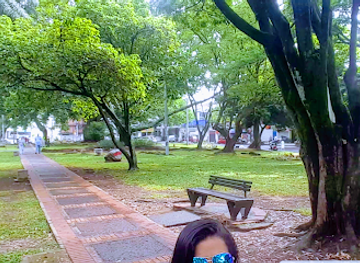

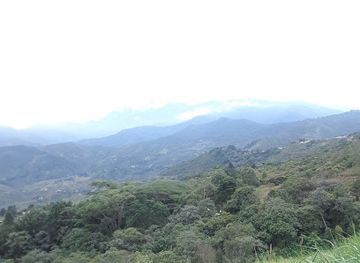
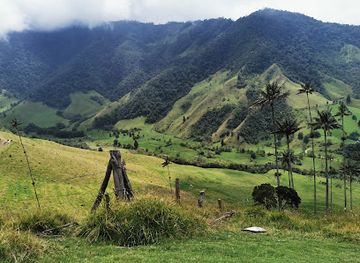
Best landmarks in Cauca Valley
Cali’s historic centre contains important colonial churches and civic buildings, including the Iglesia de San Francisco and the Iglesia de La Merced, while the hilltop Iglesia de San Antonio is a recognisable city landmark with broad views over the urban plain. The Basilica del Señor de los Milagros in Buga is one of the department’s most significant religious landmarks and draws pilgrims from across Colombia. Hacienda El Paraíso near El Cerrito represents the architecture and agricultural history of the nineteenth-century valley haciendas and is closely linked with the literary legacy of Jorge Isaacs’s María. In the countryside, the broad Cauca River valley itself is a defining geographical landmark, framed by the western and central cordilleras and marked by extensive sugarcane fields. Calima Lake is the best-known inland natural landmark, while Buenaventura’s Pacific setting, mangrove waterways and forested coast express the department’s less familiar maritime face. These places reveal the region through architecture, faith, literature, agriculture and changing ecosystems rather than through a single monument.
-
National park
Cocora Valley
Explore Cocora Valley, Colombia's breathtaking national park, home to towering wax palms and stunning hiking trails in the heart of nature.
-
Park
Plazoleta Jairo Varela o de La Caleñidad
Experience the vibrant culture of Cali at Plazoleta Jairo Varela, a lively park filled with music, dance, and delicious Colombian cuisine.
-
Park
Parque Artesanal Loma de La Cruz
Explore the heart of Cali at Parque Artesanal Loma de La Cruz, where vibrant artisan culture and lush landscapes come together for an unforgettable experience.
-
Observation deck
Mirador Colina Iluminada
Discover breathtaking views and local charm at Mirador Colina Iluminada, a must-visit observation deck in Filandia's stunning landscape.
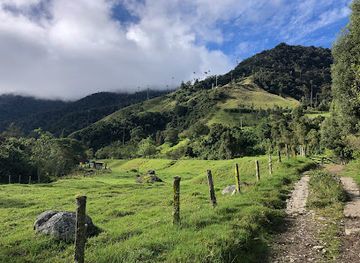
Explore Cauca Valley on the map
Plan your trip on one map. See where the top cities, national parks and sights are, and book hotels and experiences in a few clicks.
Best hotels in Cauca Valley
Best restaurants in Cauca Valley
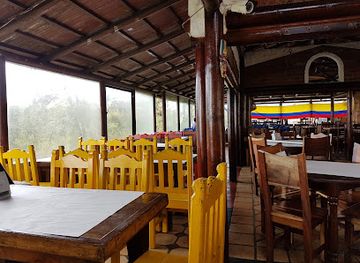
Cauca Valley’s food reflects the meeting of Andean, Afro-Colombian and Pacific traditions. In Cali and the valley towns, look for sancocho de gallina, often served in rural restaurants, as well as aborrajados made with ripe plantain and cheese, pandebono, empanadas and the sweet milk-based manjar blanco. Champús, a chilled drink made with maize, fruit and spices, and lulada, prepared with lulo, are strongly associated with the region’s everyday food culture. Markets and bakeries are good places to encounter these specialities without formal ceremony. Pacific cooking around Buenaventura uses coconut, plantain, cassava, fish, prawns and other seafood, with flavours and techniques that differ from those of the inland valley. Restaurants range from casual city eateries and traditional cafés to rural establishments near haciendas, lakes and roads between the towns. Menus can be seasonal in the Pacific zone, so asking about the day’s catch is often more useful than looking for a fixed regional menu.
-
Colombian
Neblinas Restaurante
Discover the heart of Colombian cuisine at Neblinas Restaurante in Cali - where every dish is a celebration of tradition.
-
Italian
Storia D'Amore Granada
Experience authentic Italian cuisine at Storia D'Amore Granada – where every dish tells a story of flavor and tradition.
-
Restaurant
Racamandapa
Discover the vibrant flavors of Colombia at Racamandapa in Yumbo – where every dish is a celebration of local cuisine.
-
Restaurant
Platillos Voladores
Discover the flavors of Colombia at Platillos Voladores - where exquisite cuisine meets warm hospitality in the heart of Cali.
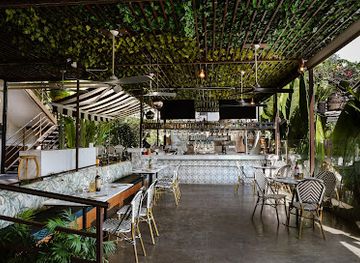
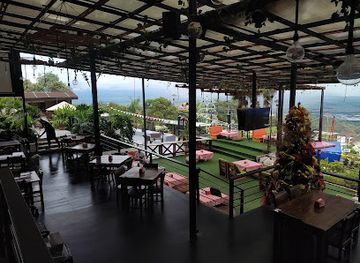
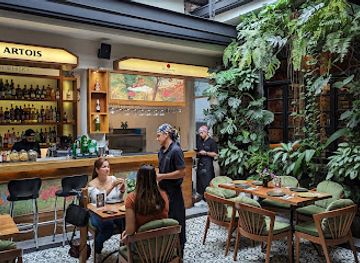
Best bars in Cauca Valley
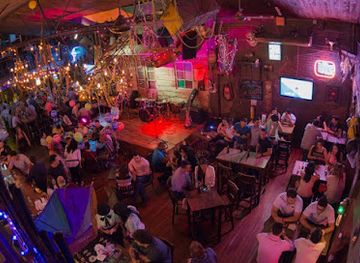
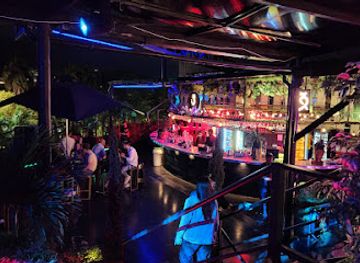
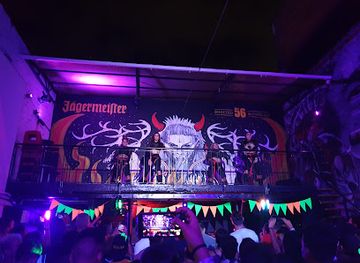
Nightlife is most developed in Cali, whose salsa culture supports dance schools, social clubs, live-music venues and bars where beginners and experienced dancers share the floor. The city’s evening life also includes cocktail bars, restaurants and cultural venues, with the character changing between central districts and neighbourhoods outside the historic core. Juanchito, in the municipality of Candelaria, is a long-established salsa and nightlife area east of Cali, but visitors should arrange reliable transport and check current venue conditions. In Buga, Palmira, Tuluá and Cartago, evenings are more likely to centre on cafés, restaurants, traditional bars and occasional live music than on a large club circuit. Buenaventura has local bars and music venues shaped by Pacific culture, though the scene is smaller and more locally oriented. In rural areas, the evening usually belongs to conversation, food and modest community venues rather than late-night entertainment, and opening arrangements can change outside busy periods.
-
Bar
La Topa Tolondra Nightclub
Discover the heart of Cali's nightlife at La Topa Tolondra Nightclub, where salsa rhythms and vibrant ambiance create an unforgettable experience.
-
Bar
Bourbon St. Pub
Bourbon St. Pub: A vibrant bar and restaurant in Cali offering delicious food, creative cocktails, and unforgettable nightlife experiences.
-
Bar
La Pérgola Clandestina
Discover the vibrant salsa nightlife at La Pérgola Clandestina, a cocktail bar in Cali that promises unforgettable experiences and exceptional drinks.
-
Bar
La Purga dos
Experience the vibrant nightlife of Cali at La Purga dos, a premier bar and dance club where music and culture come alive.
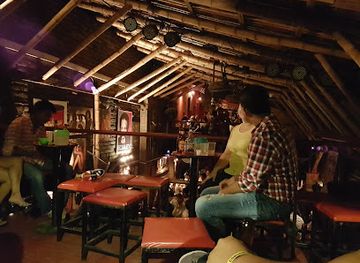
Best nightclubs in Cauca Valley
Nightlife is most developed in Cali, whose salsa culture supports dance schools, social clubs, live-music venues and bars where beginners and experienced dancers share the floor. The city’s evening life also includes cocktail bars, restaurants and cultural venues, with the character changing between central districts and neighbourhoods outside the historic core. Juanchito, in the municipality of Candelaria, is a long-established salsa and nightlife area east of Cali, but visitors should arrange reliable transport and check current venue conditions. In Buga, Palmira, Tuluá and Cartago, evenings are more likely to centre on cafés, restaurants, traditional bars and occasional live music than on a large club circuit. Buenaventura has local bars and music venues shaped by Pacific culture, though the scene is smaller and more locally oriented. In rural areas, the evening usually belongs to conversation, food and modest community venues rather than late-night entertainment, and opening arrangements can change outside busy periods.
-
Disco club
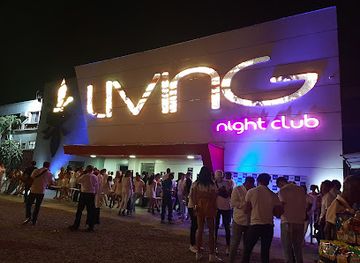
Living Night Club
Experience the pulsating nightlife of Cali at Living Night Club, where electrifying beats and vibrant energy create unforgettable nights out.
-
Disco club
Lolas Club Colombia
Experience the vibrant nightlife of Yumbo at Lolas Club, where electrifying beats and a lively atmosphere await every party-goer.
-
Disco club
El Escondite
Discover the electrifying nightlife of El Escondite, a premier disco club in Cali, Colombia, where music and joy meet.
-
Disco club
Jala Jala Club Discoteca
Discover the vibrant nightlife of Cali at Jala Jala Club Discoteca, where dance, music, and culture come together for an unforgettable experience.


Best shops in Cauca Valley
Shopping in Cauca Valley is strongest in Cali, where established commercial districts, department stores, independent boutiques, bookshops, galleries and craft businesses serve both residents and visitors. The San Antonio area is useful for locally made gifts and small-scale creative work, although stock and shop hours vary. Cali’s markets provide fruit, herbs, snacks and everyday produce, while regional food shops are good places to look for packaged pandebono ingredients, sweets, coffee and manjar blanco. Buga has numerous religious goods shops around the pilgrimage centre, alongside ordinary town shops and food vendors. Cartago is associated with embroidery and other textile crafts, making it a worthwhile stop for visitors interested in regional handiwork. In Buenaventura, locally prepared foods and Pacific products are more relevant than conventional souvenir shopping, and purchases should be made through established sellers with attention to sustainability. Across the department, ask about the origin of plant products, wildlife materials and archaeological-looking objects before buying them.
-
Shopping mall
Centro Comercial Chipichape
Discover the vibrant shopping experience at Centro Comercial Chipichape in Cali, where local flair meets international brands and delicious dining.
-
Shopping mall
Jardín Plaza Shopping Mall
Explore the bustling Jardín Plaza Shopping Mall in Cali, where shopping, dining, and entertainment come together in a vibrant atmosphere.
-
Outlet mall
Centro Comercal Unico Outlet
Discover unbeatable deals and an exciting shopping experience at Centro Comercial Unico Outlet, Cali's premier outlet destination.
-
Shopping mall
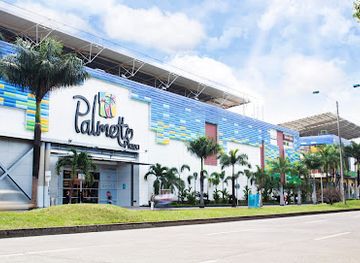
Palmetto Plaza Shopping Mall
Discover Palmetto Plaza Shopping Mall in Cali – a vibrant shopping center with diverse stores, delicious dining options, and family-friendly entertainment.



Get your free copy of our complete guide to Cauca Valley, delivered straight to you.
Everything on this page, from attractions and restaurants to essentials and local phrases, in one PDF you can read offline, print or share.
Already have an account? Sign in
Your Cauca Valley guide is ready.
We'll send it to · Not you? Sign out

Getting your guide ready…
We are putting together a fresh copy of the Cauca Valley guide. This can take up to a minute.
This can take a few moments. If your browser asks, choose Allow so the download can start. You'll find the guide in your Downloads folder.
Nothing happened? Download it again
Sorry, the guide is taking longer than usual. Please try again in a minute, or get it by email instead.
Cauca Valley essentials
Currency and Payment
Safety
Emergency Situations
Do's and Don'ts
Local Tips
From Eve
Local phrases worth knowing
You don't need to get them perfect. A few words go a long way, and locals appreciate the effort.
Basics
| English | Local | Say it |
|---|---|---|
| Hello | Hola | [oh-lah] |
| Goodbye | Adiós | [ah-dee-ohs] |
| Yes | Sí | [see] |
| No | No | [noh] |
| Please/You're welcome | Por favor | [por fah-vor] |
| Thank you | Gracias | [grah-syahs] |
| Excuse me/Sorry | Perdón | [pehr-dohn] |
| How are you? | ¿Cómo estás? | [koh-moh ehs-tahs] |
| Fine. And you? | Bien. ¿Y tú? | [byen. ee too] |
| Do you speak English? | ¿Hablas inglés? | [ah-blahs een-gles] |
| I don't understand | No entiendo | [noh ehn-tyen-doh] |
Eating & Drinking
| English | Local | Say it |
|---|---|---|
| I'd like to see the menu, please | Quisiera ver el menú, por favor | [kee-syeh-rah vehr el meh-noo, por fah-vor] |
| I don't eat meat | No como carne | [noh koh-moh kar-neh] |
| Cheers! | ¡Salud! | [sah-lood] |
| I would like to pay, please | Me gustaría pagar, por favor | [meh goo-stah-ree-ah pah-gar, por fah-vor] |
Emergencies
| English | Local | Say it |
|---|---|---|
| Help! | ¡Ayuda! | [ah-yoo-dah] |
| Go away! | ¡Vete! | [veh-teh] |
| Call the Police! | ¡Llama a la policía! | [yah-mah ah lah poh-lee-see-ah] |
| Call a doctor! | ¡Llama a un doctor! | [yah-mah ah oon dok-tor] |
| I'm lost | Estoy perdido | [eh-stoy pehr-dee-doh] |
| I'm ill | Estoy enfermo | [eh-stoy ehn-fehr-moh] |
Shopping
| English | Local | Say it |
|---|---|---|
| I'd like to buy... | Quisiera comprar... | [kee-syeh-rah kohm-prar] |
| I'm just looking | Solo estoy mirando | [soh-loh ehs-toy mee-rahn-doh] |
| How much is it? | ¿Cuánto cuesta? | [kwahn-toh kwes-tah] |
| That's too expensive | Eso es muy caro | [eh-soh ehs mooy kah-roh] |
| Can you lower the price? | ¿Puedes bajar el precio? | [pweh-des bah-har el preh-syo] |
Time & Numbers
| English | Local | Say it |
|---|---|---|
| What time is it? | ¿Qué hora es? | [keh oh-rah es] |
| It's one o'clock | Es la una | [es lah oo-nah] |
| Half past (10) | Y media (10) | [ee meh-dyah (diez)] |
| Morning | Mañana | [mah-nyah-nah] |
| Afternoon | Tarde | [tar-deh] |
| Evening | Noche | [noh-cheh] |
| Yesterday | Ayer | [ah-yehr] |
| Today | Hoy | [oy] |
| Tomorrow | Mañana | [mah-nyah-nah] |
| 1 | Uno | [oo-noh] |
| 2 | Dos | [dohs] |
| 3 | Tres | [tres] |
| 4 | Cuatro | [kwah-troh] |
| 5 | Cinco | [seen-koh] |
| 6 | Seis | [says] |
| 7 | Siete | [syay-teh] |
| 8 | Ocho | [oh-choh] |
| 9 | Nueve | [nweh-beh] |
| 10 | Diez | [dyehs] |
Transport & Directions
| English | Local | Say it |
|---|---|---|
| Where's a/the...? | ¿Dónde hay un/una...? | [dohn-deh ai oon/oo-nah] |
| What's the address? | ¿Cuál es la dirección? | [kwahl es lah dee-rek-syon] |
| Can you show me (on the map)? | ¿Puedes mostrarme (en el mapa)? | [pweh-des mos-trar-meh (en el mah-pah)] |
| When's the next (bus)? | ¿Cuándo llega el próximo (bus)? | [kwahn-doh yeh-gah el prohk-see-mo (boos)] |
| A ticket (to ....) | Un billete (a ...) | [oon bee-yeh-teh (ah ...)] |
History of Cauca Valley
Calima and Other Pre-Columbian Societies
Before Spanish conquest, the western Andean region was occupied by several Indigenous societies, including communities associated with the Calima archaeological tradition in the department’s western and northern highlands. Their goldwork, ceramics and burial practices are represented in Colombian museums and archaeological collections, while the name Calima remains attached to the lake and surrounding municipality. These societies were not a single uniform kingdom, but part of a complex cultural landscape connected through exchange, agriculture and regional craft production.
Spanish Conquest and the Foundation of Cali
Spanish forces entered the Cauca region during the sixteenth century, encountering Indigenous communities and establishing settlements that supported colonial administration, farming and long-distance movement through the Andes. Sebastián de Belalcázar founded Santiago de Cali in 1536, and the city became an important point between the interior highlands and the Pacific-facing routes. Spanish settlement brought new religious institutions, landholding patterns, livestock and crops, while Indigenous dispossession and forced labour reshaped the region’s population and economy.
Colonial Estates, Enslavement and the Sugar Economy
The fertile valley developed around large rural estates, livestock and agricultural production. Enslaved Africans were brought to the region to work on haciendas and in domestic and rural labour, contributing decisively to the cultural formation of Valle del Cauca and its Pacific connections. Sugarcane gradually became especially important, although colonial production was smaller and less industrialised than the modern mills that later transformed the plain. Historic hacienda landscapes and enduring Afro-Colombian traditions reflect this difficult and formative period.
Independence and the Battle of San Juanito
The valley was involved in the political and military upheavals of the early nineteenth-century independence era. In 1819, the Battle of San Juanito near Buga formed part of the campaigns that weakened Spanish control in the region. Independence did not immediately remove social inequality or alter established landholding structures, but it changed the political framework under which Cali, Buga and neighbouring settlements developed. Churches, civic buildings and later memorials preserve elements of this transition.
Cali, Buenaventura and Regional Trade
During the nineteenth and twentieth centuries, transport improvements strengthened links between the interior valley, Cali and the Pacific port of Buenaventura. The port became Colombia’s principal maritime outlet on the Pacific, while Cali expanded as a commercial and administrative centre. Roads, railways and later highways helped move agricultural goods, imported products and people across difficult terrain. Buenaventura’s strategic importance also brought rapid growth and persistent social and infrastructure challenges, particularly in its predominantly Afro-Colombian communities.
Industrial Sugarcane and the Modern Valley
From the late nineteenth century and especially during the twentieth century, sugarcane cultivation and milling became central to the economy of the valley floor. Mechanisation, irrigation, processing plants and research institutions changed both the landscape and patterns of employment. The industry generated wealth and urban growth but also concentrated land and affected water use, labour relations and rural communities. Palmira’s agricultural research profile and the broad fields between Cali and the northern towns are closely connected with this modern transformation.
Cali’s Salsa Culture and Contemporary Identity
Salsa became a defining part of Cali’s public culture during the twentieth century, shaped by Caribbean records, migration, local musicians, dance schools and neighbourhood social life. The city developed a distinctive dance style and an international reputation for performance and teaching, while the wider department continued to reflect strong Pacific, Afro-Colombian, Indigenous and Andean influences. Contemporary Valle del Cauca is therefore marked by both major urban cultural production and longstanding rural, agricultural and coastal traditions.
Cauca Valley in Photos
Browse through our photo collection highlighting the charm and character of the destination.
Neighbouring regions of Cauca Valley
The closest regions to Cauca Valley, if you have time for more than one.
-

-

-

-

-


Swipe for more regions
Explore more

Explore more of Colombia
Discover Colombia: A land of diverse beauty, rich heritage, and vibrant culture, offering everything from bustling cities to serene coffee plantations and stunning national parks.
Explore Colombia