

Highland (Denver) Travel Guide - Free
Explore Highland in Denver with Evendo's free guide. Find the best shops, historic streets, restaurants, and gems on web or mobile.


Highland Denver blends Victorian homes, 32nd Avenue cafés, independent restaurants, mountain views, lively LoHi evenings and easy access to downtown culture.
Historic Character and Setting
Highland occupies the rise immediately northwest of central Denver, where older residential streets climb gently away from the South Platte River and the downtown skyline appears between blocks of mature trees. The name refers to the historic Highlands area rather than one sharply defined administrative district; local usage commonly includes the Victorian streets around Highland Square, the restaurant-led Lower Highland area, or LoHi, and parts of Potter Highlands. The neighbourhood's built character comes from Denver's late nineteenth-century expansion: brick cottages, Italianate houses, Queen Anne details, narrow lots and corner commercial buildings sit alongside newer apartments and carefully adapted warehouses.Read more about Highland
Streets, Food and Everyday Life
Views and Connections
Best attractions in Highland
Highland's attractions are found as much in its streetscape as in formal institutions. Highland Square, centred on West 32nd Avenue, provides a natural starting point for browsing cafés, independent businesses and the surrounding blocks of Victorian and early twentieth-century houses. The walk downhill towards LoHi introduces a more contemporary landscape of converted buildings, public art, rooftop terraces and restaurant architecture, with Little Man Ice Cream on 16th Street among the area's recognisable stops. The Highland Bridge offers a striking approach towards downtown and the river corridor, while nearby paths connect with wider walks along the South Platte. Visitors interested in architecture can trace surviving churches, brick commercial buildings, narrow residential lots and ornate house fronts around Potter Highlands, taking care not to treat private homes as attractions. The district's changing skyline views are particularly noticeable from its higher streets and terraces.
-
Tourist attraction
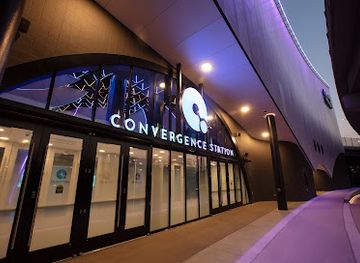
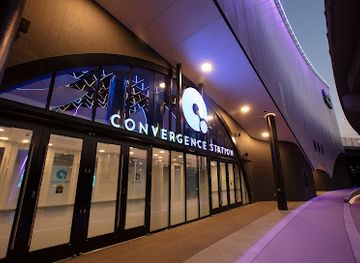
Meow Wolf Denver | Convergence Station
Explore a mind-bending multiverse of art, story, and immersive experiences at Meow Wolf Denver's Convergence Station. A Denver must-see!
7 min drive · 2.2 km from neighbourhood centre
-
Park
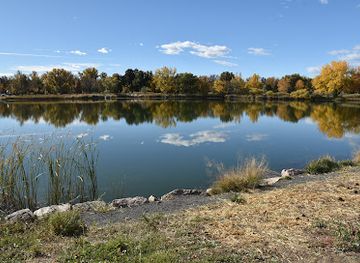
Rocky Mountain Lake Park
Escape to nature in the city at Rocky Mountain Lake Park, offering beautiful views, recreation, and a peaceful atmosphere in Denver.
9 min drive · 2.8 km from neighbourhood centre
-
Park
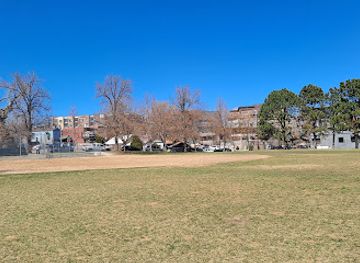
Hirshorn Park
Enjoy skyline views and green space at this neighborhood park in Denver's vibrant Highland, a local favorite near iconic Little Man Ice Cream.
1 min walk · 0.1 km from neighbourhood centre
-
Transportation service
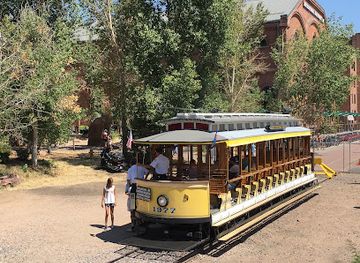
Denver Trolley
Relive Denver's electric transit history with a scenic trolley ride along the South Platte River. Open-air 'breezer' experience!
8 min walk · 0.6 km from neighbourhood centre
Best landmarks in Highland
Highland's landmarks reveal the transition from independent nineteenth-century town to inner-city Denver neighbourhood. The Highland Bridge is both a practical crossing and a strong visual link between the elevated streets, downtown and the South Platte corridor. Around West 32nd Avenue and Potter Highlands, Victorian and Italianate houses, brick corner buildings and historic churches preserve the scale of the former Town of Highlands, even where individual buildings have been adapted for newer uses. Highland Square is significant less as a single monument than as the neighbourhood's long-standing commercial and social centre. In LoHi, converted industrial structures and newer apartment and restaurant buildings mark the district's recent redevelopment, while the long views from higher streets explain why the area was historically attractive for settlement. The nearby Millennium Bridge is an important city connection, but it lies outside Highland itself.
-
Tourist attraction
Meow Wolf Denver | Convergence Station
Discover a surreal world of art and imagination at Meow Wolf Denver: Convergence Station, where creativity knows no bounds.
7 min drive · 2.2 km from neighbourhood centre
-
Park
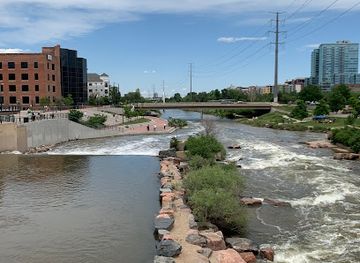
Confluence Park
Experience the blend of nature and urban life at Confluence Park, Denver's premier outdoor destination for relaxation and recreation.
8 min walk · 0.6 km from neighbourhood centre
-
State government office
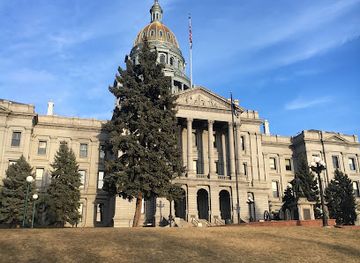
Colorado State Capitol
Explore the Colorado State Capitol, a historical landmark with stunning architecture and rich cultural insights in the heart of Denver.
9 min drive · 3.2 km from neighbourhood centre
-
 Bed & breakfast
The Lumber Baron Inn & Gardens
Experience the elegance of The Lumber Baron Inn & Gardens in Denver, a perfect blend of Victorian charm and modern luxury for all travelers.
15 min walk · 1.2 km from neighbourhood centre
Explore Highland on the map
A handpicked selection of must-see spots in Highland, mapped for you.
Best hotels in Highland
Best restaurants in Highland
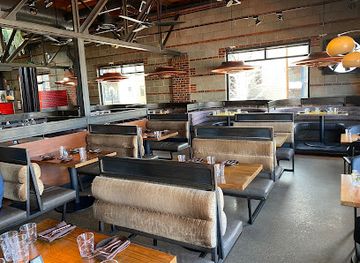
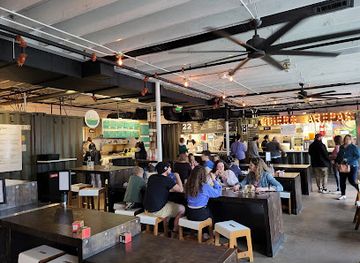
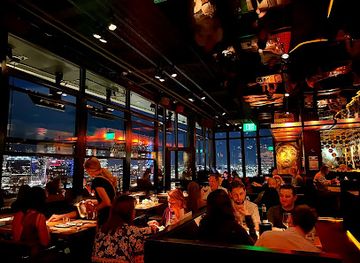
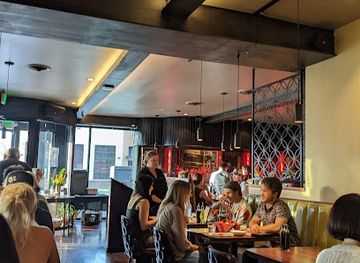
Highland has one of Denver's most concentrated dining landscapes, although its character changes from north to south. Around Highland Square and West 32nd Avenue, independent restaurants, cafés, bakeries and neighbourhood bars occupy older shopfronts, while LoHi and the streets around West 30th Avenue, Tejon and Navajo offer more destination-focused dining. Established names such as Root Down, Linger, Z Cuisine, Gaetano's and El Five reflect the area's broad range, from contemporary small plates and international influences to long-running Italian-American cooking and rooftop dining. Little Man Ice Cream adds a well-known dessert stop on 16th Street. The setting matters: meals often unfold in restored houses, former commercial buildings or terraces with views towards downtown. Demand can be strong at popular venues, so visitors should check current arrangements rather than relying on walk-in availability, and should remember that restaurant clusters thin out quickly on the quieter residential blocks.
-
Restaurant
Linger
Experience the vibrant flavors of global street food at Linger, Denver's unique restaurant nestled in a historic location with stunning skyline views.
2 min walk · 0.1 km from neighbourhood centre
-
Restaurant
Avanti Food & Beverage
Discover Denver's culinary diversity at Avanti Food & Beverage - where multiple cuisines meet in a lively atmosphere.
5 min walk · 0.4 km from neighbourhood centre
-
Tapas
El Five
Discover Mediterranean-inspired tapas at El Five in Denver, where stunning skyline views meet exquisite culinary artistry.
2 min walk · 0.2 km from neighbourhood centre
-
Italian
Gaetano's
Discover the authentic flavors of Italy at Gaetano's in Denver’s Highland neighborhood - where tradition meets modern culinary artistry.
13 min walk · 1.0 km from neighbourhood centre
Best bars in Highland
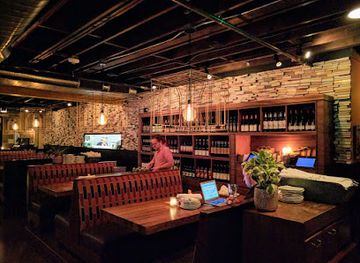
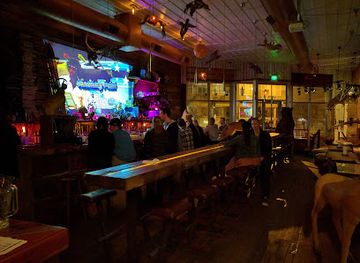
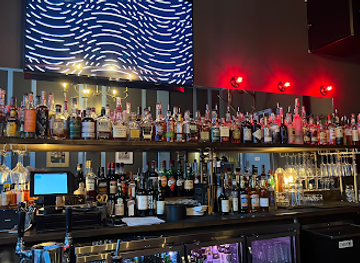
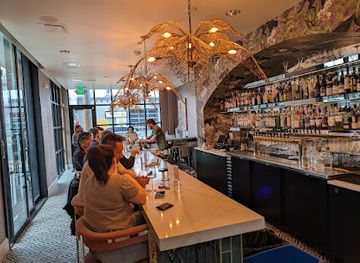
Highland's nightlife is centred on bars, restaurants and cocktail-led evening venues rather than a large nightclub strip. Around Highland Square, neighbourhood pubs and bars provide a relatively local atmosphere, while LoHi becomes more animated around Tejon Street, Navajo Street and West 30th Avenue, where rooftops, lounges and late dining draw visitors from across Denver. Williams & Graham is associated with the area's craft-cocktail culture, while Avanti Food & Beverage combines communal dining with an evening social setting. Highland Tavern offers a more straightforward bar experience near the northern part of the district. Nightlife density varies from block to block, and residential streets remain quiet; visitors should leave venues considerately and use a well-lit route or arranged transport when returning after dark. Current hours, entry policies and event schedules should be checked directly.
-
Bar
Williams & Graham
Discover Williams & Graham, a vibrant cocktail bar in Denver's Highland neighborhood, offering innovative drinks and a lively atmosphere.
3 min walk · 0.2 km from neighbourhood centre
-
Restaurant
Postino LoHi
Discover Postino LoHi in Denver: A lively brunch spot and wine bar known for its delectable dishes, vibrant atmosphere, and local ingredients.
2 min walk · 0.2 km from neighbourhood centre
-
Bar
Highland Tavern
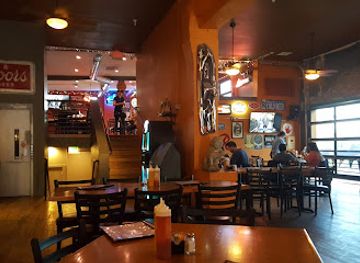
Discover the vibrant Highland Tavern in Denver, offering delicious American cuisine, craft beers, and a lively sports atmosphere.
9 min walk · 0.7 km from neighbourhood centre
-
Beer Garden
Recess Beer Garden
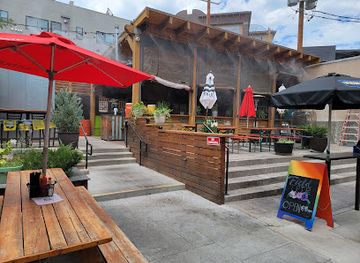
Discover Denver's vibrant beer culture at Recess Beer Garden, featuring a diverse selection of craft brews in a welcoming outdoor setting.
2 min walk · 0.2 km from neighbourhood centre
Best nightclubs in Highland
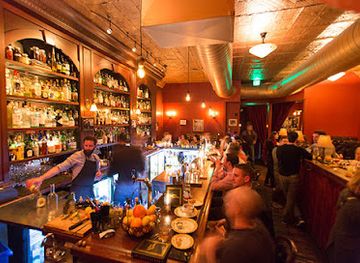
Highland's nightlife is centred on bars, restaurants and cocktail-led evening venues rather than a large nightclub strip. Around Highland Square, neighbourhood pubs and bars provide a relatively local atmosphere, while LoHi becomes more animated around Tejon Street, Navajo Street and West 30th Avenue, where rooftops, lounges and late dining draw visitors from across Denver. Williams & Graham is associated with the area's craft-cocktail culture, while Avanti Food & Beverage combines communal dining with an evening social setting. Highland Tavern offers a more straightforward bar experience near the northern part of the district. Nightlife density varies from block to block, and residential streets remain quiet; visitors should leave venues considerately and use a well-lit route or arranged transport when returning after dark. Current hours, entry policies and event schedules should be checked directly.
-
Bar
Williams & Graham
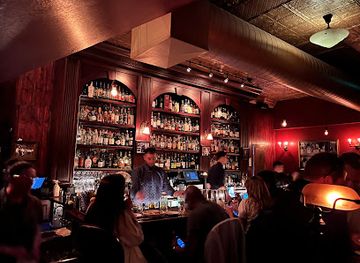
Discover the exquisite cocktails and cozy ambiance of Williams & Graham, a speakeasy-style bar in Denver's Highland neighborhood.
3 min walk · 0.2 km from neighbourhood centre
-
Lounge
Forest Room 5
Experience the artistic allure and vibrant nightlife of Forest Room 5, a unique lounge and cocktail bar in Denver's Highland neighborhood.
3 min walk · 0.3 km from neighbourhood centre
-
Bar
The Nearby Bar
Experience the vibrant nightlife of Denver at The Nearby Bar, where unique cocktails and a lively atmosphere await.
4 min walk · 0.4 km from neighbourhood centre
-
Wine bar
Golden Hour Wine Bar & Social Club
Discover the perfect blend of fine wines and vibrant social experiences at Golden Hour Wine Bar & Social Club in Denver's Highland neighborhood.
4 min walk · 0.4 km from neighbourhood centre
Best shops in Highland
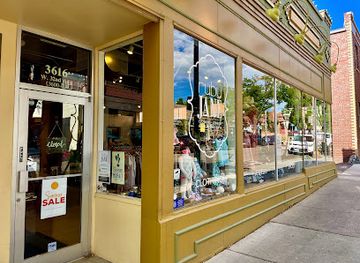
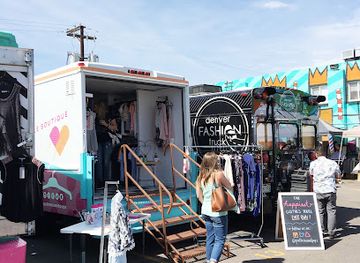
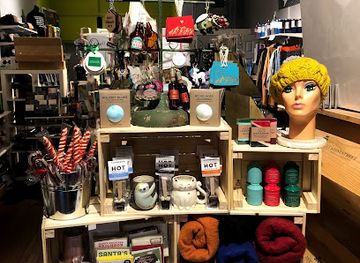
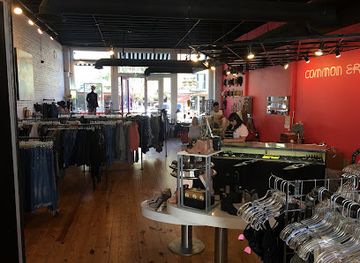
Shopping in Highland is concentrated rather than extensive, with the strongest local selection along West 32nd Avenue and around Highland Square. Independent clothing and gift shops, salons, cafés, speciality food businesses and small lifestyle retailers occupy a mixture of historic storefronts and newer premises, making the corridor suited to browsing rather than department-store shopping. LoHi adds design-oriented businesses and convenience retail around Tejon, Navajo and West 30th Avenue, while the district's restaurants and dessert shops contribute to its visitor appeal. The experience is shaped by the neighbourhood's walkable commercial pockets: a few blocks of shops give way quickly to residential streets, so Highland should not be approached as a continuous retail district. Stock, ownership and opening arrangements change, and visitors seeking particular goods should check businesses directly before making a dedicated trip.
-
Boutique
Ruby Jane Boutique - Denver Highlands
Explore Ruby Jane Boutique in Denver Highlands for unique women's fashion, stylish accessories, and charming home goods that reflect local flair.
6 min drive · 2.2 km from neighbourhood centre
-
Women's clothing store
Patterns & Pops
Discover unique women's fashion at Patterns & Pops in Denver's trendy Highland neighborhood, blending contemporary style with local charm.
4 min walk · 0.3 km from neighbourhood centre
-
Gift shop
Jolly Goods
Explore Jolly Goods in Denver for unique gifts, local craftsmanship, and a vibrant shopping experience in the heart of the Berkeley neighborhood.
10 min drive · 3.2 km from neighbourhood centre
-
Women's clothing store
Common Era
Discover the latest trends in women's fashion at Common Era, a boutique in Denver's Highland neighborhood that celebrates individuality and style.
4 min walk · 0.3 km from neighbourhood centre
Highland essentials
Getting There
Getting Around
Safety
Emergency Situations
Do's and Don'ts
Local Tips

From Eve
Local phrases worth knowing
You don't need to get them perfect. A few words go a long way, and locals appreciate the effort.
Basics
| English | Local | Say it |
|---|---|---|
| Hello | Howdy | [haʊ-di] |
| Goodbye | See ya | [siː jə] |
| Yes | Yup | [jʌp] |
| No | Nah | [nɑː] |
| Please/You're welcome | Please/You're welcome | [pliːz/jʊr ˈwɛlkəm] |
| Thank you | Thanks | [θæŋks] |
| Excuse me/Sorry | Pardon/Sorry | [pɑːrdn/ˈsɔri] |
| How are you? | Howdy | [haʊ-di] |
| Fine. And you? | Doing well. And you? | [ˈduɪŋ wɛl. And jʌ] |
| Do you speak English? | Ya speak English? | [jə spiːk ˈɪŋɡlɪʃ] |
| I don't understand | I don't get it | [aɪ doʊnt ˌʌndərˈstænd] |
Eating & Drinking
| English | Local | Say it |
|---|---|---|
| I'd like to see the menu, please | I'd like to see the menu, please | [aɪd ˈlaɪk tʊ siː ðə ˈmɛnjuː pliːz] |
| I don't eat meat | I don't eat meat | [aɪ doʊnt iːt mit] |
| Cheers! | Cheers! | [ʧɪrz] |
| I would like to pay, please | I would like to pay, please | [aɪ wʊd ˈlaɪk tʊ peɪ pliːz] |
Emergencies
| English | Local | Say it |
|---|---|---|
| Help! | Help! | [hɛlp] |
| Go away! | Go away! | [ɡoʊ əˈweɪ] |
| Call the Police! | Call the Police! | [kɔl ðə pəˈlis] |
| Call a doctor! | Call a doctor! | [kɔl ə ˈdɑktər] |
| I'm lost | I'm lost | [aɪm lɔst] |
| I'm ill | I'm ill | [aɪm ɪl] |
Shopping
| English | Local | Say it |
|---|---|---|
| I'd like to buy... | I'd like to buy... | [aɪd ˈlaɪk tʊ baɪ] |
| I'm just looking | I'm just looking | [aɪm ˈdʒʌst ˈlʊkɪŋ] |
| How much is it? | How much is it? | [haʊ mʌʧ ɪz ɪt] |
| That's too expensive | That's too expensive | [ðæts tuː ɪkˈspɛnsɪv] |
| Can you lower the price? | Can you lower the price? | [kæn jʊ ˈloʊər ðə praɪs] |
Time & Numbers
| English | Local | Say it |
|---|---|---|
| What time is it? | What time is it? | [wʌt taɪm ɪz ɪt] |
| It's one o'clock | It's one o'clock | [ɪts wʌn əˈklɑːk] |
| Half past (10) | Half past (10) | [hæf pæst (10)] |
| Morning | Morning | [ˈmɔrnɪŋ] |
| Afternoon | Afternoon | [ˌæftərˈnun] |
| Evening | Evening | [ˈivnɪŋ] |
| Yesterday | Yesterday | [ˈjɛstərˌdeɪ] |
| Today | Today | [təˈdeɪ] |
| Tomorrow | Tomorrow | [təˈmɑroʊ] |
| 1 | 1 | [wʌn] |
| 2 | 2 | [tuː] |
| 3 | 3 | [θriː] |
| 4 | 4 | [fɔr] |
| 5 | 5 | [faɪv] |
| 6 | 6 | [sɪks] |
| 7 | 7 | [sɛvən] |
| 8 | 8 | [eɪt] |
| 9 | 9 | [naɪn] |
| 10 | 10 | [tɛn] |
Transport & Directions
| English | Local | Say it |
|---|---|---|
| Where's a/the...? | Where's a/the...? | [wɛrz ə/ðə] |
| What's the address? | What's the address? | [wʌts ðə əˈdrɛs] |
| Can you show me (on the map)? | Can you show me (on the map)? | [kæn jʊ ʃoʊ miː (ɒn ðə mæp)] |
| When's the next (bus)? | When's the next (bus)? | [wɛnz ðə nɛkst (bʌs)] |
| A ticket (to ....) | A ticket (to ....) | [ə ˈtɪkɪt (tu ....)] |
History of Highland
The Town of Highlands
The area developed on higher ground west of the South Platte after Denver's early growth, attracting residents who valued its distance from the flood-prone river bottom and its views across the young city. In 1875, the settlement incorporated as the Town of Highlands, a separate municipality with its own civic ambitions. Its street pattern and surviving houses reflect that period of suburban expansion, when Denver's edges were being divided into residential lots and linked to the central city by roads and street railways. Expansion brought churches, schools, small businesses and substantial homes, establishing the social and architectural framework still visible around Highland Square and Potter Highlands.
Annexation and Streetcar Growth
Denver annexed the Town of Highlands in 1890, folding the independent community into the rapidly growing city while preserving much of its distinctive residential fabric. Streetcar connections made the western heights more practical for commuters and encouraged continued construction along and near commercial corridors such as West 32nd Avenue. Builders used locally familiar Victorian and Italianate forms, often combining houses with small corner shops and neighbourhood institutions. The result was a district that was neither an isolated suburb nor a downtown extension, but a closely settled urban neighbourhood whose daily life depended on short trips to shops, schools, churches and tram routes.
Industry, Infrastructure and Separation
During the twentieth century, Highland remained predominantly residential but was shaped by the industrial and transport landscape along the South Platte and by changing patterns of urban mobility. The construction and expansion of major roads, including the Valley Highway and later Interstate 25, altered connections between the neighbourhood, the river corridor and central Denver. Some older commercial and industrial buildings lost their original uses, while the rise of car travel weakened traditional street-based commerce. Nevertheless, the historic housing stock and long-established local institutions survived, giving the area a visible continuity when other inner-city districts were substantially rebuilt.
Reinvestment and a Changing Identity
From the late twentieth century onwards, reinvestment in older homes, commercial buildings and underused industrial structures brought new cafés, restaurants, creative businesses and apartments to Highland and LoHi. The change restored activity to streets close to downtown and prompted public improvements, but it also raised familiar questions about rising property values, displacement and the balance between visitor-oriented development and established residential life. Today, Highland is best understood as a group of related historic and contemporary areas: the older houses and local businesses around Highland Square and Potter Highlands coexist with the denser, nightlife-oriented Lower Highland district, while the neighbourhood's earlier street pattern remains a defining feature.
Highland in Photos
Browse through our photo collection highlighting the charm and character of the destination.
Neighbourhoods near Highland
The closest neighbourhoods to Highland, if you have time for more than one stop.
-

-

-

-

-


Swipe for more neighbourhoods
Explore more

Explore more of Denver
Denver pairs Rocky Mountain views with a walkable downtown, celebrated museums, historic districts, craft breweries and easy access to Colorado's outdoors.
Explore Denver