

Downtown Denver (Denver) Travel Guide - Free
Explore Downtown Denver in Denver with Evendo's free guide. Find the best shops, historic streets, restaurants, and gems on web or mobile.


Downtown Denver blends Union Station, Larimer Square, museums, mountain views, craft breweries, restaurants and walkable city culture in Colorado's capital.
A Compact Urban Centre
Downtown Denver occupies the central grid of Colorado's capital, where the South Platte River valley rises towards the Rocky Mountains and the city's commercial, civic and cultural life comes together. Its commonly understood core includes the Central Business District, the historic Lower Downtown area known as LoDo, the 16th Street corridor, and adjoining civic spaces; nearby districts such as the Golden Triangle and Capitol Hill have distinct identities, even when visitors move between them on foot. The result is a varied urban landscape rather than a single uniform quarter.Read more about Downtown Denver
Historic Streets and Public Spaces
Food, Culture and the Mountain Horizon
Best attractions in Downtown Denver
Downtown Denver's most distinctive sightseeing begins at Denver Union Station, where a restored nineteenth-century railway terminal now opens onto restaurants, public spaces and the active streets of LoDo. Larimer Square offers a compact concentration of preserved commercial façades, while the blocks around it reveal warehouses, adaptive-reuse buildings and modern developments such as Dairy Block and McGregor Square. The 16th Street corridor remains a key way to understand the centre, although its pedestrian and transport arrangements are changing as improvements continue. Civic Center Park and the Colorado State Capitol are just beyond the traditional downtown core and can be reached on foot from the central grid. Sports fans may also find Coors Field nearby in LoDo, while the Museum of Contemporary Art Denver lies close to the station and provides a more contemporary cultural counterpoint. Clear westward views bring the Front Range into the urban scene.
-
Aquarium
Downtown Aquarium
Explore underwater worlds at Denver's Downtown Aquarium, a unique destination for marine life, dining, and family fun!
6 min drive · 2.0 km from neighbourhood centre
-
Historical landmark
Larimer Square
Explore Denver's oldest block: Victorian charm, unique boutiques, chef-driven restaurants, and vibrant entertainment in historic Larimer Square.
8 min walk · 0.6 km from neighbourhood centre
-
Historical place museum
Molly Brown House Museum
Step back in time at the Denver home of Titanic survivor and activist, Margaret "Molly" Brown. A captivating journey into Victorian Denver.
17 min walk · 1.4 km from neighbourhood centre
-
State government office
Colorado State Capitol
Visit Colorado's State Capitol in Denver: A historic building with free tours, stunning architecture, and a golden dome.
12 min walk · 1.0 km from neighbourhood centre


Best landmarks in Downtown Denver
Denver Union Station is downtown's defining architectural landmark, its grand façade and central hall recalling the importance of rail travel to the city's regional development. Larimer Square preserves a group of nineteenth-century commercial buildings along Denver's oldest surviving street grid and represents the city's early trading identity as well as its later preservation movement. The Brown Palace Hotel, on the edge of the central business district, is another prominent historic building, known for its late-nineteenth-century atrium and long association with Denver's civic and hotel history. Nearby Civic Center Park and the Colorado State Capitol form a monumental governmental ensemble just south of the traditional downtown core. In LoDo, surviving brick warehouses and the historic Oxford Hotel help explain how railway commerce, wholesale trade, preservation and adaptive reuse shaped the modern centre, while contemporary structures at Dairy Block and McGregor Square signal its continuing redevelopment.
-
Historical place museum
Molly Brown House Museum
Explore the captivating history of the Unsinkable Molly Brown at her beautifully preserved house museum in the heart of Denver.
17 min walk · 1.4 km from neighbourhood centre
-
Tourist attraction
Big Blue Bear
Experience the charm of Denver at the Big Blue Bear, a whimsical sculpture that embodies the city's vibrant art scene and welcoming spirit.
5 min walk · 0.4 km from neighbourhood centre
-
State government office
Colorado State Capitol
Discover the rich history and stunning architecture of the Colorado State Capitol, a landmark showcasing the heart of Colorado's government and heritage.
12 min walk · 1.0 km from neighbourhood centre
-
Historical landmark
Daniels & Fisher
Explore the storied past of Denver at Daniels & Fisher Tower, a stunning historical landmark and event venue in the heart of the city.
5 min walk · 0.4 km from neighbourhood centre


Explore Downtown Denver on the map
A handpicked selection of must-see spots in Downtown Denver, mapped for you.
Best hotels in Downtown Denver
Best restaurants in Downtown Denver
Downtown Denver's dining scene ranges from polished restaurants and hotel dining rooms to food halls, breweries, cafés and fast-casual counters. Union Station has become a major dining address, with several establishments gathered within and around the terminal, while Dairy Block brings a market-hall format to a restored mixed-use block. Larimer Square remains associated with destination restaurants, including long-established names such as Rioja, and the surrounding streets add independent options with Colorado produce, contemporary American cooking and international influences. In LoDo, restaurants serve office workers, residents, sports crowds and travellers, so the atmosphere changes sharply between weekday lunches and event evenings. Denver Milk Market is another recognised food destination in the downtown area, offering multiple vendors rather than a single culinary tradition. Craft beer is woven into the restaurant landscape, but the central district also supports coffee shops, bakeries, cocktail-led dining and more formal tasting experiences.
-
American
Steuben's Uptown
Discover delicious American comfort food in the heart of Denver at Steuben's Uptown - where every bite feels like home.
13 min walk · 1.0 km from neighbourhood centre
-
New American
Yard House
Discover Yard House in Denver: A vibrant gastropub offering diverse New American cuisine and an extensive selection of craft beers in a lively atmosphere.
5 min walk · 0.4 km from neighbourhood centre
-
Steak
Buckhorn Exchange
Discover Buckhorn Exchange in Denver - where history meets exquisite cuisine at Colorado's oldest steakhouse.
6 min drive · 1.9 km from neighbourhood centre
-
Steak
Guard and Grace - Denver
Discover Guard and Grace: Denver's upscale steakhouse offering exquisite cuts of meat, fresh seafood, and an elegant dining experience.
3 min walk · 0.3 km from neighbourhood centre


Best bars in Downtown Denver
After dark, Downtown Denver divides into several distinct scenes. LoDo has the densest concentration of bars, sports pubs, breweries and late-evening venues, particularly around Union Station and the blocks leading towards Coors Field. Wynkoop Brewing Company is a long-established downtown brewery, while The Cruise Room at the Oxford Hotel provides a more traditional cocktail setting near the station. Larimer Square and the surrounding avenues favour restaurants and cocktail bars, and Dairy Block and McGregor Square add contemporary social spaces. Major concerts and sporting events can transform the streets, bringing lively crowds without making every part of downtown a club district. Nightlife is generally more concentrated in the historic and entertainment areas than in the office core, where streets may become noticeably quieter after business hours. Venue policies, performances and opening arrangements change, so visitors should check current information before making specific plans.
-
Cocktail bar
Union Lodge No.1
Discover the sophisticated charm of Union Lodge No.1, Denver's premier cocktail bar offering expertly crafted drinks in a stylish setting.
3 min walk · 0.2 km from neighbourhood centre
-
Lounge
Peaks Lounge
Discover Peaks Lounge: A premier spot in Denver for stunning views, fine dining, and exquisite cocktails high above the city.
4 min walk · 0.3 km from neighbourhood centre
-
Bar
Dierks Bentley's Whiskey Row Denver
Discover Dierks Bentley's Whiskey Row in Denver for a lively blend of dining, live music, and nightlife fun in the heart of the city.
10 min walk · 0.8 km from neighbourhood centre
-
Bar
Roosevelt
Discover Roosevelt Bar in Denver: A cocktail haven with unique drinks and an inviting atmosphere in the heart of the city.
7 min walk · 0.6 km from neighbourhood centre


Best nightclubs in Downtown Denver
After dark, Downtown Denver divides into several distinct scenes. LoDo has the densest concentration of bars, sports pubs, breweries and late-evening venues, particularly around Union Station and the blocks leading towards Coors Field. Wynkoop Brewing Company is a long-established downtown brewery, while The Cruise Room at the Oxford Hotel provides a more traditional cocktail setting near the station. Larimer Square and the surrounding avenues favour restaurants and cocktail bars, and Dairy Block and McGregor Square add contemporary social spaces. Major concerts and sporting events can transform the streets, bringing lively crowds without making every part of downtown a club district. Nightlife is generally more concentrated in the historic and entertainment areas than in the office core, where streets may become noticeably quieter after business hours. Venue policies, performances and opening arrangements change, so visitors should check current information before making specific plans.
-
Night club
The Church Nightclub
Experience the unique nightlife at The Church Nightclub in Denver, where sacred meets sensational with live music and a vibrant bar scene.
16 min walk · 1.3 km from neighbourhood centre
-
Night club
Temple Nightclub Denver
Discover the ultimate nightlife experience at Temple Nightclub in Denver, where electrifying music, vibrant atmosphere, and craft cocktails await.
17 min walk · 1.4 km from neighbourhood centre
-
Night club
Club Vinyl
Discover the vibrant nightlife of Denver at Club Vinyl, where music, dancing, and unforgettable experiences come together for an incredible night out.
18 min walk · 1.4 km from neighbourhood centre
-
Night club
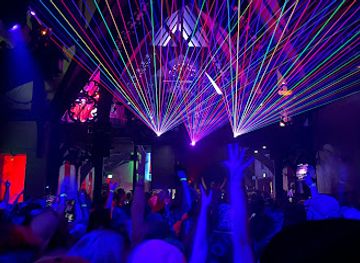
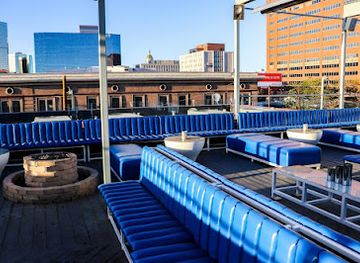
Herb's Hideout
Herb's Hideout: Dive into Denver's electrifying nightlife with live music, great drinks, and an unforgettable atmosphere.
11 min walk · 0.9 km from neighbourhood centre

Best shops in Downtown Denver
Shopping downtown is concentrated in mixed-use developments, specialist retailers and the historic streets of LoDo rather than a single enclosed retail district. Larimer Square combines restaurants with boutiques and lifestyle shops in preserved nineteenth-century buildings, while Dairy Block offers design-led retail alongside food and hospitality. Around Union Station, visitors will find travel-oriented shops, independent businesses and Colorado-themed goods, including the long-established Western clothing specialist Rockmount Ranch Wear on the edge of LoDo. The central business district has department-store and everyday retail remnants but is more notable for cafés, galleries, sports merchandise and small specialist outlets than for a continuous shopping street. The 16th Street corridor has historically linked many of these uses, although its redevelopment may affect access and the mix of businesses. Visitors seeking a broad independent or vintage selection may need to continue into adjacent neighbourhoods rather than expect all of Denver's retail culture downtown.
-
Shopping mall
16th Street Mall
Discover the 16th Street Mall: Denver’s premier shopping and entertainment destination, bustling with local charm, unique shops, and vibrant street performances.
4 min walk · 0.3 km from neighbourhood centre
-
Gift shop
I Heart Denver
Discover unique souvenirs and locally crafted gifts at I Heart Denver, the perfect stop for tourists seeking a taste of the Mile High City.
3 min walk · 0.3 km from neighbourhood centre
-
Gift shop
Simply Colorado
Discover the essence of Colorado at Simply Colorado, a charming gift shop offering unique, locally made treasures that capture the spirit of the state.
4 min walk · 0.3 km from neighbourhood centre
-
Clothing store
Where the Buffalo Roam Denver
Explore Colorado's culture at Where the Buffalo Roam, Denver's top destination for unique clothing and souvenirs.
3 min walk · 0.2 km from neighbourhood centre


Downtown Denver essentials
Getting There
Getting Around
Safety
Emergency Situations
Do's and Don'ts
Local Tips

From Eve
Local phrases worth knowing
You don't need to get them perfect. A few words go a long way, and locals appreciate the effort.
Basics
| English | Local | Say it |
|---|---|---|
| Hello | Howdy | [haw-dee] |
| Goodbye | Catch ya later | [ketch yuh lay-tur] |
| Yes | Yup | [yuhp] |
| No | Nah | [nah] |
| Please/You're welcome | Please/No worries | [pleez/no wuhr-eez] |
| Thank you | Thanks a bunch | [thangs uh bunch] |
| Excuse me/Sorry | Pardon me/My bad | [pahr-dun mee/my bad] |
| How are you? | How's it going? | [hows it go-in] |
| Fine. And you? | Doing good. You? | [doo-in good. yuh?] |
| Do you speak English? | You speak English? | [yuh speak in-glish?] |
| I don't understand | I'm lost | [ahm lost] |
Eating & Drinking
| English | Local | Say it |
|---|---|---|
| I'd like to see the menu, please | Can I check out the menu? | [kan eye chek out the menu?] |
| I don't eat meat | I'm a veggie | [ahm uh vej-ee] |
| Cheers! | Cheers! | [cheers!] |
| I would like to pay, please | I'll settle up now, please | [ahll set-ul up now, please] |
Emergencies
| English | Local | Say it |
|---|---|---|
| Help! | SOS! | [ess-oh-ess!] |
| Go away! | Get lost! | [get lost!] |
| Call the Police! | Call the cops! | [call the cops!] |
| Call a doctor! | Get a doc! | [get uh doc!] |
| I'm lost | I'm turned around | [ahm turned around] |
| I'm ill | I'm under the weather | [ahm un-der the weh-ther] |
Shopping
| English | Local | Say it |
|---|---|---|
| I'd like to buy... | I'm interested in... | [ahm in-trest-ed in...] |
| I'm just looking | Just browsing | [just brows-ing] |
| How much is it? | What's the damage? | [whats the dam-ij] |
| That's too expensive | That's steep | [thats steep] |
| Can you lower the price? | Any chance of a discount? | [an-ee chance of uh dis-count?] |
Time & Numbers
| English | Local | Say it |
|---|---|---|
| What time is it? | What's the time? | [whats the time?] |
| It's one o'clock | It's one | [its one] |
| Half past (10) | Ten thirty | [ten thur-tee] |
| Morning | AM | [ay-em] |
| Afternoon | PM | [pee-em] |
| Evening | Evening | [ee-ven-ing] |
| Yesterday | Yesterday | [yes-ter-day] |
| Today | Today | [to-day] |
| Tomorrow | Tomorrow | [to-mor-row] |
| 1 | One | [wun] |
| 2 | Two | [too] |
| 3 | Three | [three] |
| 4 | Four | [four] |
| 5 | Five | [five] |
| 6 | Six | [six] |
| 7 | Seven | [sev-en] |
| 8 | Eight | [ate] |
| 9 | Nine | [nine] |
| 10 | Ten | [ten] |
Transport & Directions
| English | Local | Say it |
|---|---|---|
| Where's a/the...? | Where's the... | [wheres the...] |
| What's the address? | What's the addy? | [whats the add-ee] |
| Can you show me (on the map)? | Can you point me the way? | [can you point me the way?] |
| When's the next (bus)? | When's the next (bus)? | [whens the next bus?] |
| A ticket (to ....) | A ticket (to ....) | [uh ticket (to ....)] |
History of Downtown Denver
The South Platte Origins
Downtown Denver developed within the broader settlement formed in 1858 during the Colorado gold rush, when prospectors and merchants established communities near the confluence of Cherry Creek and the South Platte River. General William Larimer selected a town site on the east bank of the South Platte and named it Denver City, helping create the commercial nucleus from which the modern centre grew. The early settlement was part of a larger Indigenous landscape, and its rapid expansion displaced Native peoples while transforming the river corridor into an urban and trading environment. The original town grid remains legible in the blocks around Larimer Street and Larimer Square.
Commerce Along Larimer Street
During the later nineteenth century, Larimer Street and nearby blocks became a busy commercial district serving miners, traders, transport workers and residents. Brick commercial buildings, warehouses, hotels and saloons reflected Denver's growth as a regional supply centre after Colorado's admission to the Union in 1876. As newer business streets developed, parts of the original district declined and older buildings faced demolition. The survival of several nineteenth-century structures around Larimer Square later became important to Denver's preservation movement, allowing visitors to read the city's early commercial history in the street frontages rather than only in museums.
Railways and Union Station
Rail transport reshaped downtown's western edge. Denver Union Station opened in 1881 and was rebuilt after a 1894 fire, becoming a major gateway for passengers arriving in the regional railway hub. The station connected Denver with national and mountain routes and encouraged hotels, restaurants, warehouses and other businesses around Lower Downtown, now widely called LoDo. Although rail travel declined in the twentieth century, the station remained a powerful civic landmark. Its twenty-first-century restoration and integration with commuter, light-rail and intercity services helped return the area to an important role in everyday urban movement.
Renewal of Lower Downtown
The mid-twentieth century brought suburban expansion, changing retail patterns and the decline of some central commercial blocks. From the late 1960s, preservation campaigns concentrated on Larimer Square and other historic buildings, while later investment revived Lower Downtown through adaptive reuse, housing, restaurants and entertainment. The arrival of Coors Field nearby in 1995 strengthened the area's association with sport and event-led redevelopment. This transformation preserved much of LoDo's historic fabric but also increased property values and changed the balance between longstanding commercial uses, nightlife, offices and new residential development.
A Changing Contemporary Centre
Downtown Denver expanded its cultural and hospitality offer in the early twenty-first century through projects such as Dairy Block, McGregor Square and the renewed Union Station district. The 16th Street Mall, opened in 1982 as a major pedestrian and transit corridor, became the subject of extensive redesign as the city sought to improve its public realm and transport performance. The central area now combines offices, housing, museums, food halls, breweries, theatres and sports-related activity. Its continuing redevelopment reflects wider debates about downtown access, public space, preservation, housing and the role of the city centre after traditional office patterns changed.
Downtown Denver in Photos
Browse through our photo collection highlighting the charm and character of the destination.
Neighbourhoods near Downtown Denver
The closest neighbourhoods to Downtown Denver, if you have time for more than one stop.
-

-

-

-

-


Swipe for more neighbourhoods
Explore more

Explore more of Denver
Denver pairs Rocky Mountain views with a walkable downtown, celebrated museums, historic districts, craft breweries and easy access to Colorado's outdoors.
Explore Denver