

Free Montrose Travel Guide & Mobile App
Plan your Montrose trip with Evendo. Get free guides to top attractions, restaurants, hotels, and bars. Web access or download the mobile app.


Discover Montrose, Colorado: The ultimate gateway to the Black Canyon of the Gunnison National Park and a haven for outdoor enthusiasts all year round.
Read more about Montrose
When is the best time to visit Montrose?
Best: May–June, September · 24–29°C| Month | High (°C) | Rainfall (mm) |
|---|---|---|
| January | 8 | 28 |
| February | 10 | 23 |
| March | 14 | 25 |
| April | 19 | 27 |
| May (best) | 24 | 30 |
| June (best) | 29 | 18 |
| July | 33 | 30 |
| August | 33 | 30 |
| September (best) | 27 | 25 |
| October | 20 | 28 |
| November | 12 | 20 |
| December | 7 | 23 |
Getting to and around Montrose
How to get there
Transportation
Best attractions in Montrose
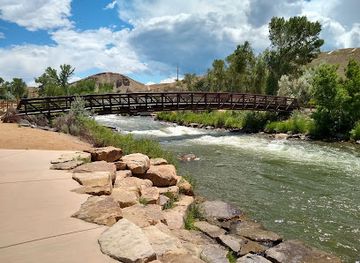
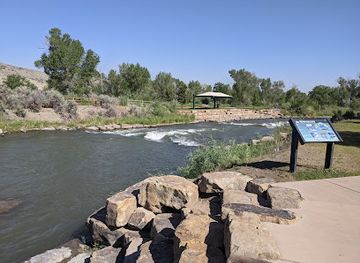
Montrose, Colorado offers a diverse range of attractions for visitors to explore, including the stunning Black Canyon of the Gunnison National Park with its dramatic cliffs and breathtaking views, the historic Ute Indian Museum showcasing the rich cultural heritage of the region, and the unique Montrose Water Sports Park for outdoor enthusiasts looking to kayak or paddleboard. Visitors can also enjoy outdoor activities such as hiking, mountain biking, and fishing in the surrounding area, as well as the charming downtown area with its local shops, restaurants, and art galleries.
-
Tourist attraction
Ute Indian Museum
Explore the rich history and culture of the Ute people at the Ute Indian Museum in Montrose, Colorado.
12 min drive · 3.9 km from city centre
-
Tourist attraction
Riverbottom Park
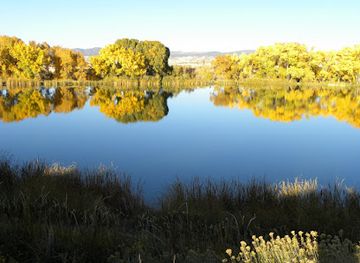
Experience outdoor adventure and scenic beauty at Riverbottom Park, Montrose's premier destination for recreation and relaxation by the Uncompahgre River.
5 min drive · 1.8 km from city centre
-
Historical place museum
Museum of the Mountain West
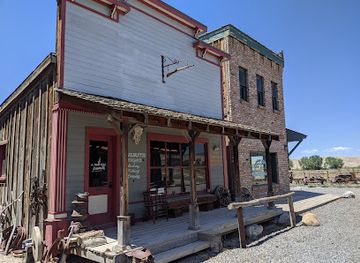
Explore life in the Old West with 500,000+ artifacts & historical buildings. Guided tours bring the past to life at this Montrose, Colorado museum.
13 min drive · 4.5 km from city centre
-
Tourist attraction
Cerise Park
Discover outdoor adventures and scenic beauty at Cerise Park, Montrose's premier destination for recreation and community events.
6 min drive · 2.0 km from city centre
Best landmarks in Montrose
Montrose offers visitors a rich tapestry of historical landmarks, from the iconic Ute Indian Museum showcasing the heritage of the region's indigenous people to the historic Montrose County Courthouse with its stunning architecture. Explore the Black Canyon National Park for breathtaking views and outdoor adventures, or visit the Museum of the Mountain West for a glimpse into the area's pioneer past. Don't miss the chance to wander through the picturesque downtown area, with its charming shops and eateries, or take a drive along the stunning San Juan Skyway for unforgettable scenic vistas.
-
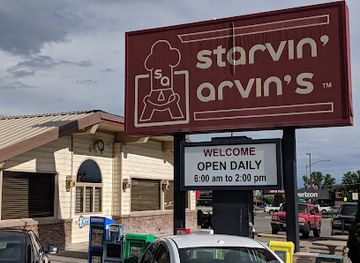
Breakfast
Starvin' Arvin's
Discover hearty breakfasts and a warm atmosphere at Starvin' Arvin's, your perfect start in Montrose, Colorado.
9 min walk · 0.7 km from city centre
-
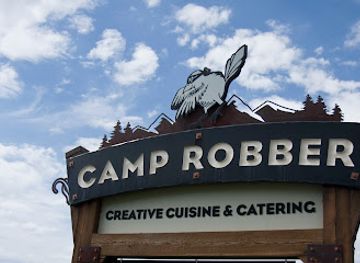
Southwestern American
Camp Robber
Discover the authentic taste of Southwestern American cuisine at Camp Robber, a culinary gem nestled in Montrose, Colorado.
6 min drive · 2.0 km from city centre
-
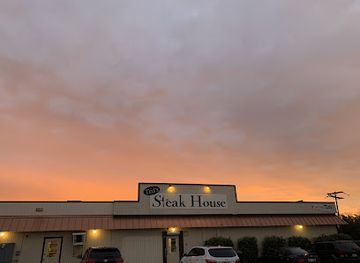
Steak
Ted Nelson's Steakhouse
Experience mouthwatering steaks and a warm ambiance at Ted Nelson's Steakhouse, Montrose's top destination for steak lovers seeking culinary delight.
6 min drive · 2.1 km from city centre
-
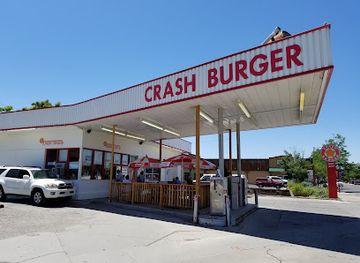
Fast Food
Crash Burger
Experience the ultimate burger adventure at Crash Burger in Montrose, where fresh ingredients and flavorful combinations await.
6 min drive · 1.9 km from city centre
Explore Montrose on the map
Plan your Montrose trip on one map. See where the top attractions, landmarks, restaurants, bars and hotels are, find what's near where you're staying, and book hotels and experiences in a few clicks.
Best hotels in Montrose
Best restaurants in Montrose
Montrose offers a diverse dining scene that caters to every taste and preference. From cozy cafes serving up artisanal coffee and pastries to upscale restaurants offering gourmet cuisine, visitors can indulge in a variety of culinary delights. Local favorites include farm-to-table eateries showcasing the freshest ingredients from nearby farms, as well as BBQ joints dishing out mouthwatering ribs and brisket. Whether you're craving authentic Mexican fare, hearty American classics, or innovative fusion dishes, Montrose has something for everyone to savor and enjoy.
-
Breakfast
Starvin' Arvin's
Experience the heartwarming flavors of breakfast at Starvin' Arvin's in Montrose, Colorado - where every meal feels like home.
9 min walk · 0.7 km from city centre
-
Breakfast
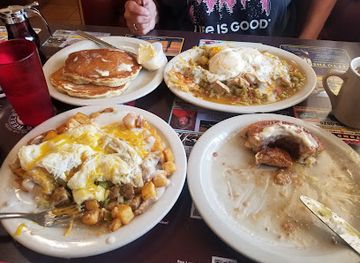
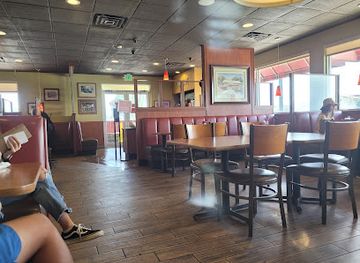
Denny's
Discover Denny's in Montrose: A 24/7 American diner offering delicious breakfasts like pancakes and omelets in a friendly atmosphere.
5 min drive · 1.5 km from city centre
-
Steak
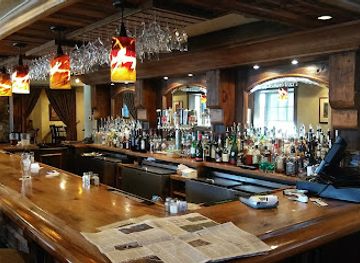
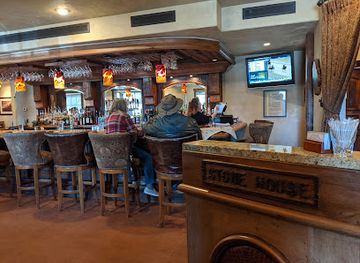
The Stone House
Experience culinary excellence at The Stone House in Montrose – where steak meets seafood in a cozy atmosphere.
7 min drive · 2.3 km from city centre
-
Mexican
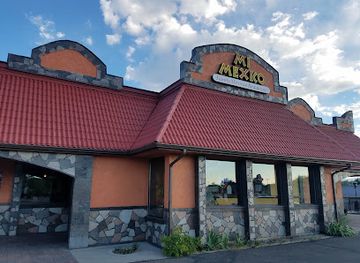
Mi Mexico
Experience authentic Mexican cuisine at Mi Mexico in Montrose - where every dish tells a story.
6 min drive · 2.1 km from city centre
Best bars in Montrose
Montrose may be a small town, but its nightlife scene packs a big punch. With a variety of bars, lounges, and nightclubs to choose from, visitors can expect a lively atmosphere and plenty of entertainment options. From cozy pubs serving up craft beers to dance clubs with live music and DJs, there is something for everyone to enjoy. Don't miss out on the local watering holes where you can mingle with friendly locals and experience the true Montrose vibe. Whether you're looking for a casual night out or a more upscale experience, Montrose has it all when the sun goes down.
-
Steak
The Stone House
Discover the flavors of America at The Stone House, Montrose's premier steak and seafood restaurant, where every meal is a celebration of taste.
7 min drive · 2.3 km from city centre
-
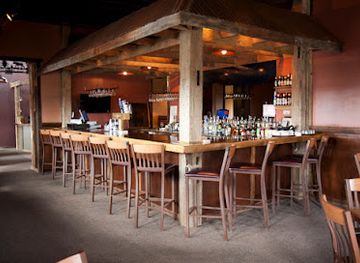
Southwestern American
Camp Robber
Experience the rich flavors of Southwestern American cuisine at Camp Robber in Montrose, Colorado, where local ingredients shine.
6 min drive · 2.0 km from city centre
-
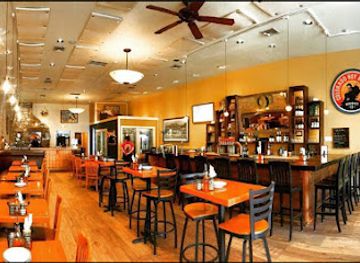
Pizza
Colorado Boy Pizzeria & Brewery
Experience the best of Montrose with delicious pizza and craft beer at Colorado Boy Pizzeria & Brewery, where flavor meets local culture.
6 min drive · 1.9 km from city centre
-
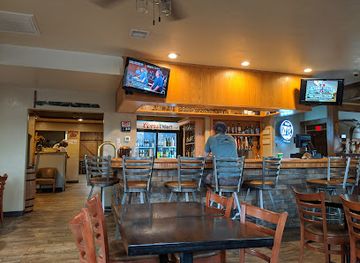
Barbecue
Jimmers BBQ, Burgers, & Beers
Experience the best of American barbecue at Jimmers BBQ, Burgers, & Beers in Montrose, where delicious flavors and a welcoming atmosphere await.
6 min drive · 2.1 km from city centre
Best nightclubs in Montrose
Montrose may be a small town, but its nightlife scene packs a big punch. With a variety of bars, lounges, and nightclubs to choose from, visitors can expect a lively atmosphere and plenty of entertainment options. From cozy pubs serving up craft beers to dance clubs with live music and DJs, there is something for everyone to enjoy. Don't miss out on the local watering holes where you can mingle with friendly locals and experience the true Montrose vibe. Whether you're looking for a casual night out or a more upscale experience, Montrose has it all when the sun goes down.
-
Restaurant
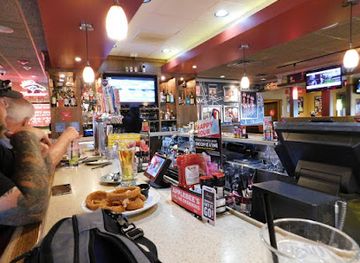
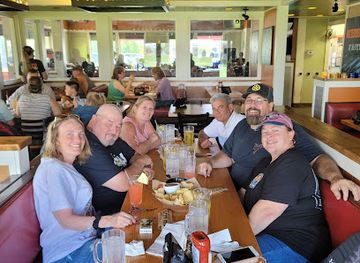
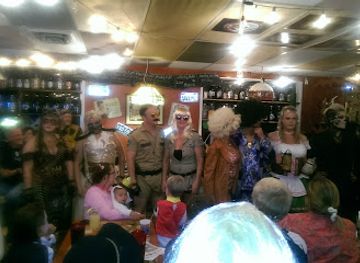
Applebee's Grill + Bar
Experience the best of American comfort food at Applebee's Grill + Bar in Montrose, where every meal feels like home.
8 min drive · 2.6 km from city centre
-
Bar
Chili's Grill & Bar
Discover the vibrant flavors at Chili's Grill & Bar in Montrose, where American classics meet Tex-Mex favorites in a lively setting.
6 min drive · 2.1 km from city centre
-
Brewery
Horsefly Brewing Company
Experience the best of Montrose at Horsefly Brewing Company, where craft beer meets delicious American cuisine in a vibrant brewpub atmosphere.
6 min drive · 1.9 km from city centre
-
Bar
Rose Bowl
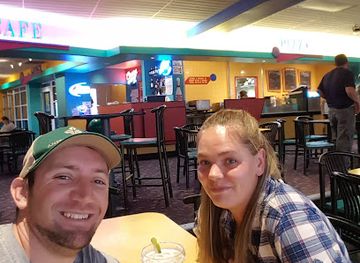
Discover the Rose Bowl in Montrose, CO—where bowling, arcade fun, and a lively bar atmosphere await for a perfect outing.
6 min drive · 2.1 km from city centre
Best shops in Montrose
Montrose offers a unique shopping experience for visitors, with a variety of quaint boutiques, antique stores, and local art galleries scattered throughout the city. You can explore the charming Main Street lined with shops selling handmade crafts, jewelry, and specialty foods, or venture to the bustling farmers market for fresh produce and handmade goods. Don't miss the chance to browse through the historic downtown area for one-of-a-kind treasures and souvenirs to take home.
-
Department store
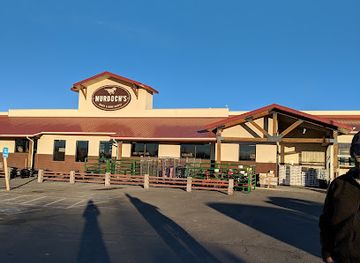
Murdoch's Ranch & Home Supply
Explore Murdoch's Ranch & Home Supply in Montrose for an extraordinary shopping experience featuring clothing, hardware, and sporting goods for all ages.
10 min walk · 0.8 km from city centre
-
Clothing store
Ross Dress for Less
Shop the latest trends at Ross Dress for Less in Montrose, where quality meets unbeatable prices on clothing and accessories.
8 min drive · 2.6 km from city centre
-
Department store
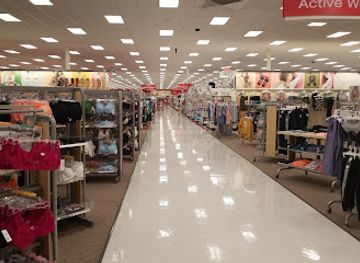
Target
Explore Target in Montrose, your one-stop destination for clothing, electronics, baby products, and home essentials in a welcoming shopping environment.
9 min drive · 3.0 km from city centre
-
Outdoor sports store
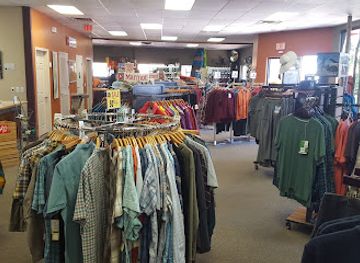
The Great Outdoors Company
Unleash your adventurous spirit at The Great Outdoors Company, your go-to store for outdoor sports and camping essentials in Montrose, Colorado.
6 min drive · 2.0 km from city centre
Get your free copy of our complete guide to Montrose, delivered straight to you.
Everything on this page, from attractions and restaurants to essentials and local phrases, in one PDF you can read offline, print or share.
Already have an account? Sign in
Your Montrose guide is ready.
We'll send it to · Not you? Sign out

Getting your guide ready…
We are putting together a fresh copy of the Montrose guide. This can take up to a minute.
This can take a few moments. If your browser asks, choose Allow so the download can start. You'll find the guide in your Downloads folder.
Nothing happened? Download it again
Sorry, the guide is taking longer than usual. Please try again in a minute, or get it by email instead.
Montrose essentials
Currency and Payment
Safety
Emergency Situations
Do's and Don'ts
Local Tips
From Eve
Local phrases worth knowing
You don't need to get them perfect. A few words go a long way, and locals appreciate the effort.
Basics
| English | Local | Say it |
|---|---|---|
| Hello | Howdy | [haw-dee] |
| Goodbye | See ya | [see yah] |
| Yes | Yep | [yep] |
| No | Nope | [nope] |
| Please/You're welcome | Please/You're welcome | [pleez/yur welcome] |
| Thank you | Thanks | [thanks] |
| Excuse me/Sorry | Pardon me | [par-dun me] |
| How are you? | Howdy | [haw-dee] |
| Fine. And you? | Fine. And you? | [fine. and yoo?] |
| Do you speak English? | Ya speak English? | [yah speak ing-lish?] |
| I don't understand | I ain't gettin' ya | [I aint get-tin yah] |
Eating & Drinking
| English | Local | Say it |
|---|---|---|
| I'd like to see the menu, please | Can I see the menu, please | [can eye see the men-yoo, pleez] |
| I don't eat meat | I don't eat meat | [I don't eat meet] |
| Cheers! | Cheers! | [cheers] |
| I would like to pay, please | I'd like to settle up, please | [eye'd like to set-tul up, pleez] |
Emergencies
| English | Local | Say it |
|---|---|---|
| Help! | Help! | [help] |
| Go away! | Git! | [git] |
| Call the Police! | Get the law! | [get the law] |
| Call a doctor! | Get a doc! | [get a doc] |
| I'm lost | I'm turned around | [I'm turned around] |
| I'm ill | I'm sickly | [I'm sick-lee] |
Shopping
| English | Local | Say it |
|---|---|---|
| I'd like to buy... | I'm lookin' to purchase... | [I'm lookin to per-chase] |
| I'm just looking | Just browsin' | [just brow-zin] |
| How much is it? | How much does it run? | [how much duz it run?] |
| That's too expensive | That's a mite pricey | [that's a mite pry-see] |
| Can you lower the price? | Can ya knock it down some? | [can yah nock it down sum?] |
Time & Numbers
| English | Local | Say it |
|---|---|---|
| What time is it? | What's the time? | [whats the time] |
| It's one o'clock | It's one | [its one] |
| Half past (10) | Half past ten | [half past ten] |
| Morning | Mornin' | [morn-in] |
| Afternoon | Afternoon | [afternoon] |
| Evening | Evenin' | [even-in] |
| Yesterday | Yest'day | [yes-t-day] |
| Today | Today | [today] |
| Tomorrow | Tomorrah | [tom-or-rah] |
| 1 | One | [wun] |
| 2 | Two | [too] |
| 3 | Three | [three] |
| 4 | Four | [four] |
| 5 | Five | [five] |
| 6 | Six | [six] |
| 7 | Seven | [seven] |
| 8 | Eight | [eight] |
| 9 | Nine | [nine] |
| 10 | Ten | [ten] |
Transport & Directions
| English | Local | Say it |
|---|---|---|
| Where's a/the...? | Where's the...? | [wheres the] |
| What's the address? | What's the addy? | [whats the addy] |
| Can you show me (on the map)? | Can ya show me (on the map)? | [can yah show me (on the map)] |
| When's the next (bus)? | When's the next (bus)? | [whens the next (bus)] |
| A ticket (to ....) | A ticket (to ....) | [a ticket (to)] |
History of Montrose
Founding of Montrose
Montrose, Colorado was founded in 1882 as a hub for mining and agriculture. The Denver & Rio Grande Railroad played a crucial role in its establishment, as it provided a transportation route for goods and people, facilitating economic growth.
The Ute Indian Influence
Before European settlers arrived, the area around Montrose was inhabited by the Ute Indians. The Utes were known for their rich cultural heritage and their skills in hunting and gathering. The history of Montrose is intertwined with the legacy of these indigenous people, who were eventually relocated to reservations in the late 19th century.
The Gunnison Tunnel
Completed in 1909, the Gunnison Tunnel was a significant engineering feat that brought water from the Gunnison River to the Uncompahgre Valley. This project transformed the agricultural potential of the region, turning it into a fertile farming area. The tunnel is a National Historic Civil Engineering Landmark.
The Black Canyon of the Gunnison National Park
Designated as a national park in 1999, the Black Canyon of the Gunnison is one of the most stunning natural features near Montrose. The park showcases some of the oldest rock formations in North America and provides a glimpse into the geological history of the area. It is a testament to the natural beauty that has shaped Montrose's identity.
The Role of Agriculture
Agriculture has always been a cornerstone of Montrose's economy. The region's irrigation systems, including the Gunnison Tunnel, have supported a variety of crops such as corn, beans, and sugar beets. The agricultural heritage is celebrated annually at the Montrose County Fair and Rodeo, reflecting the importance of farming to the local culture.
Montrose and the Railroad
The arrival of the Denver & Rio Grande Railroad in the late 19th century was pivotal for Montrose. It connected the town to larger markets and facilitated the movement of goods, including agricultural produce and minerals. The railroad spurred economic development and population growth, helping Montrose evolve into a vibrant community.
Western Colorado's Oil Boom
In the early 20th century, Western Colorado, including the Montrose area, experienced an oil boom. The discovery of oil brought a wave of economic activity and population growth. Although the boom was short-lived, it left a lasting impact on the region's economic landscape.
The Cultural Scene
Montrose boasts a rich cultural scene with a variety of festivals, art galleries, and historical landmarks. The Montrose Historical Museum offers a deep dive into the town's past, while the many local festivals celebrate everything from music to the region's agricultural bounty. The community's commitment to preserving its history and culture is evident in these vibrant cultural expressions.
Montrose in Photos
Browse through our photo collection highlighting the charm and character of the destination.
Cities near Montrose
The closest cities to Montrose, if you have time for more than one stop.
-

-

-

-

-


Swipe for more cities
Explore more

Explore more of Colorado
Discover Colorado: A stunning blend of rugged mountains, vibrant cities, and rich history, offering endless adventures and unforgettable experiences.
Explore Colorado