

Free Gunnison Travel Guide & Mobile App
Plan your Gunnison trip with Evendo. Get free guides to top attractions, restaurants, hotels, and bars. Web access or download the mobile app.


Gunnison, Colorado, pairs Western heritage and mountain scenery with fly-fishing, cycling, skiing, museums and year-round access to the Gunnison Valley.
A High-Desert Mountain Setting
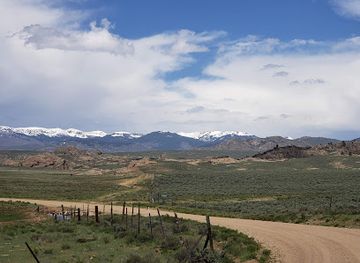
Gunnison lies at about 7,700 feet in Colorado’s broad Gunnison Valley, surrounded by sagebrush plains, working ranches and ranges of the Rocky Mountains. The town is the commercial and cultural centre of the valley, yet its scale remains modest: a main street of independent businesses, dependable local services and an easy transition from pavement to open country. Clear, dry air and wide horizons are central to its character, while cold winters give the area a distinctly high-elevation climate.Read more about Gunnison
Western Roots and Outdoor Culture
A Practical Valley Town
When is the best time to visit Gunnison?
Best: June–August · 21–24°C| Month | High (°C) | Rainfall (mm) |
|---|---|---|
| January | -4 | 25 |
| February | -1 | 25 |
| March | 6 | 25 |
| April | 11 | 25 |
| May | 16 | 25 |
| June (best) | 21 | 25 |
| July (best) | 24 | 36 |
| August (best) | 24 | 36 |
| September | 19 | 25 |
| October | 12 | 25 |
| November | 3 | 25 |
| December | -1 | 25 |
Getting to and around Gunnison
How to get there
Transportation
Best attractions in Gunnison
Gunnison’s principal attractions combine local history with access to a broad mountain landscape. The Gunnison Pioneer Museum presents buildings, vehicles, tools and stories associated with ranching, mining, domestic life and settlement in the valley, making it a useful introduction to the town’s past. Western Colorado University contributes galleries, performances and campus architecture to the local cultural scene, while Main Street offers an easy walk through the city’s commercial centre. Beyond town, the Gunnison National Forest opens into hiking, fishing, wildlife watching and scenic drives, and the broad waters of Blue Mesa Reservoir provide opportunities for boating and angling. Curecanti National Recreation Area, west of Gunnison, adds reservoirs, canyons and shoreline viewpoints rather than conventional urban sightseeing. In winter, Nordic trails and snow activities extend the outdoor season, with Crested Butte and its mountain resort accessible to the north.
-
Tourist attraction
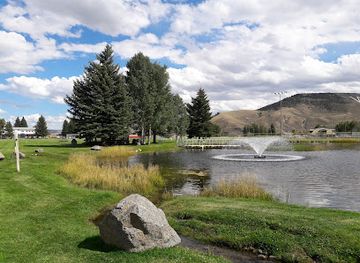
Jorgensen Park
Gunnison's year-round recreational paradise: sports, relaxation, and community fun for everyone in a scenic park setting.
9 min walk · 0.7 km from city centre
-
Tourist attraction
Gunnison Pioneer Museum
Discover the captivating stories of Gunnison Country's pioneers at this immersive outdoor museum. Explore historic buildings and fascinating artifacts.
9 min walk · 0.8 km from city centre
-
Tourist attraction
I.O.O.F. Park
A peaceful downtown park in Gunnison, Colorado, featuring green spaces, a charming bridge, and a vibrant community atmosphere.
4 min walk · 0.3 km from city centre
-
Tourist attraction
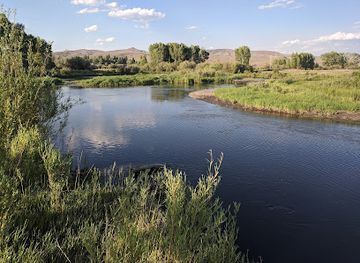
Tomichi Creek State Wildlife Area
Explore Gunnison's Tomichi Creek State Wildlife Area for fishing, hunting, camping, and stunning Colorado scenery.
6 min drive · 1.9 km from city centre
Best landmarks in Gunnison
Gunnison’s landmarks are primarily civic, educational and historical rather than monumental. The Gunnison Pioneer Museum is significant for its collection of relocated and preserved buildings, equipment and artefacts that document everyday life in the valley’s ranching and mining communities. Western Colorado University forms another important landmark group, representing the educational institution founded in 1901 as Colorado State Normal School and its continuing influence on the town. The Gunnison County Courthouse and the historic commercial buildings around Main Street express the civic and mercantile development of the community, while the town’s street grid reflects its emergence as a railway and regional service centre. The Gunnison River, though a natural feature rather than a constructed monument, is central to the city’s identity and to the valley’s history of settlement, irrigation and recreation. Nearby Blue Mesa Reservoir and Curecanti National Recreation Area are landscape landmarks outside the city boundary.
-
Steak
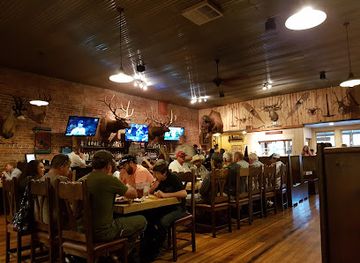
Ol' Miner Steakhouse
Experience the rich flavors of Ol' Miner Steakhouse in Gunnison, where hearty steaks and family-friendly dining create unforgettable culinary memories.
5 min walk · 0.4 km from city centre
-
Pizza
Mario's Pizza & Pasta
Experience authentic Italian flavors at Mario's Pizza & Pasta in Gunnison, Colorado, where every bite takes you on a delicious journey.
7 min walk · 0.5 km from city centre
-
Hamburger
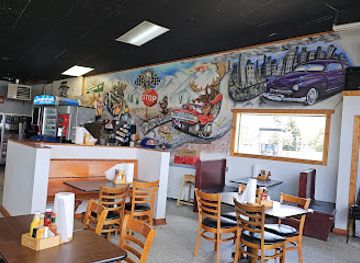
Powerstop
Discover the best burgers in Gunnison, Colorado, at Powerstop – where flavor meets fun in a cozy atmosphere.
9 min walk · 0.7 km from city centre
-
Mexican
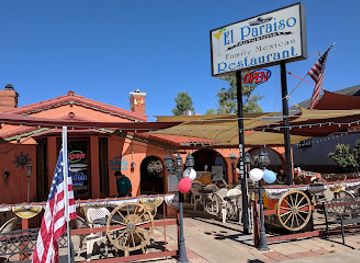
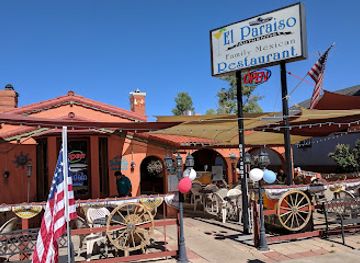
El Paraiso Family Mexican Restaurant
Experience authentic Mexican cuisine at El Paraiso Family Mexican Restaurant in Gunnison, where vibrant flavors and a welcoming atmosphere await.
6 min walk · 0.5 km from city centre
Explore Gunnison on the map
Plan your Gunnison trip on one map. See where the top attractions, landmarks, restaurants, bars and hotels are, find what's near where you're staying, and book hotels and experiences in a few clicks.
Best hotels in Gunnison
Best restaurants in Gunnison
Gunnison’s dining scene reflects its role as a university town, ranching service centre and base for outdoor recreation. Main Street and the surrounding commercial area offer cafés, bakeries, casual restaurants and bars where breakfast, burgers, pizza and practical post-adventure meals sit alongside more contemporary cooking. Colorado’s broader food culture appears in craft beer, locally minded menus and hearty dishes suited to cold weather and high-country activity, while Mexican-American favourites and familiar American comfort food are well represented. Independent businesses are especially important, and the university brings a younger, more varied demand than the town’s size might suggest. Dining can be quieter and more limited outside peak travel periods, so visitors should check current opening arrangements rather than assume every establishment operates daily. Nearby Crested Butte has a separate restaurant scene and should not be confused with Gunnison’s own compact offering.
-
Steak
Ol' Miner Steakhouse
Experience hearty meals at Ol' Miner Steakhouse in Gunnison - where steak lovers unite for delicious dining in a cozy family-friendly setting.
5 min walk · 0.4 km from city centre
-
Pizza
Mario's Pizza & Pasta
Discover authentic Italian flavors at Mario's Pizza & Pasta in Gunnison – your go-to spot for delicious pizza and pasta dishes.
7 min walk · 0.5 km from city centre
-
Hamburger
Powerstop
Savor mouthwatering burgers at Powerstop in Gunnison—your ultimate fast-food destination for delicious flavors and friendly service.
9 min walk · 0.7 km from city centre
-
Mexican
El Paraiso Family Mexican Restaurant
Experience authentic Mexican flavors at El Paraiso Family Mexican Restaurant in Gunnison, where every dish tells a story.
6 min walk · 0.5 km from city centre
Best bars in Gunnison
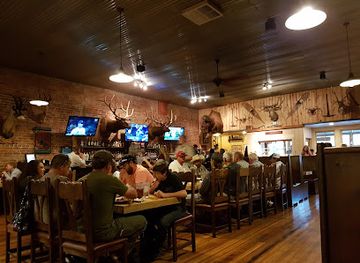
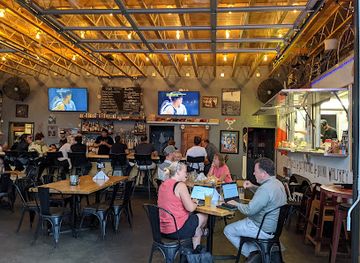
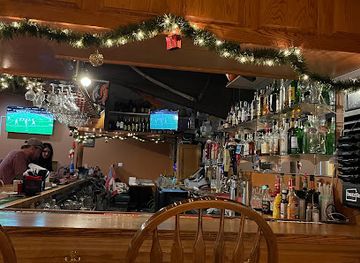
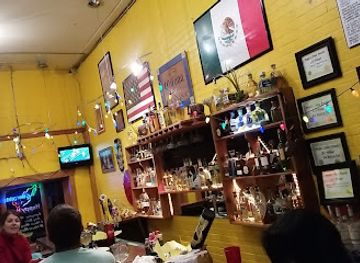
Gunnison’s evening life is modest and community-oriented rather than built around large clubs. Main Street and the central commercial area provide places for local beer, cocktails, casual drinks and conversation, with the university contributing live events and a younger social atmosphere during the academic year. Entertainment may include small-scale music, seasonal community programmes, performances connected with Western Colorado University and gatherings shaped by the outdoor calendar. Winter evenings tend to favour relaxed bars and social venues, while summer brings earlier starts and post-activity stops after time on the river or trails. The town’s high-altitude setting and relatively small population mean that late-night choices are more limited than in Denver or larger Colorado resort centres; organised events and current local listings are more reliable than assuming a fixed club district.
-
Steak
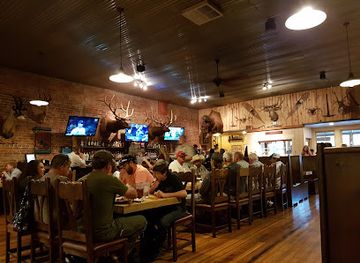
Ol' Miner Steakhouse
Discover the flavors of the Old West at Ol' Miner Steakhouse in Gunnison, where hearty meals and family-friendly service await.
5 min walk · 0.4 km from city centre
-
Hamburger
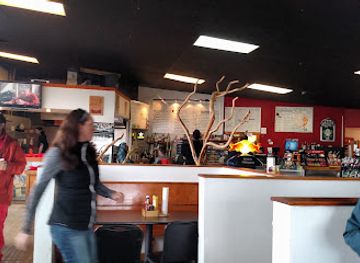
Powerstop
Discover Powerstop in Gunnison, Colorado – the ultimate destination for gourmet hamburgers and fast-food delights, perfect for every traveler.
9 min walk · 0.7 km from city centre
-
Mexican
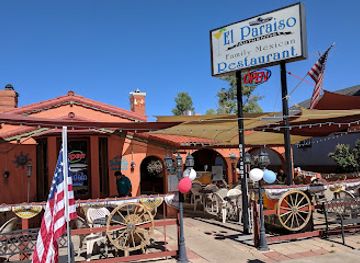
El Paraiso Family Mexican Restaurant
Experience the vibrant flavors and warm hospitality of El Paraiso Family Mexican Restaurant, a top destination for authentic Mexican cuisine in Gunnison, Colorado.
6 min walk · 0.5 km from city centre
-
American
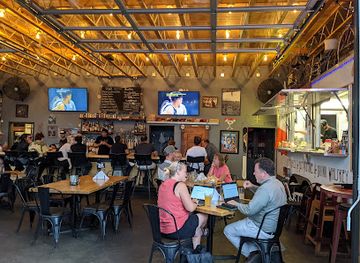
The Dive Gunnison
Discover the lively atmosphere and delicious American cuisine at The Dive Gunnison, a must-visit dining destination in Colorado.
7 min walk · 0.6 km from city centre
Best nightclubs in Gunnison
Gunnison’s evening life is modest and community-oriented rather than built around large clubs. Main Street and the central commercial area provide places for local beer, cocktails, casual drinks and conversation, with the university contributing live events and a younger social atmosphere during the academic year. Entertainment may include small-scale music, seasonal community programmes, performances connected with Western Colorado University and gatherings shaped by the outdoor calendar. Winter evenings tend to favour relaxed bars and social venues, while summer brings earlier starts and post-activity stops after time on the river or trails. The town’s high-altitude setting and relatively small population mean that late-night choices are more limited than in Denver or larger Colorado resort centres; organised events and current local listings are more reliable than assuming a fixed club district.
-
Steak
Ol' Miner Steakhouse
Experience the best of American cuisine at Ol' Miner Steakhouse in Gunnison, Colorado, where every meal is a celebration of flavors and family.
5 min walk · 0.4 km from city centre
-
American
The Dive Gunnison
Experience the heart of American comfort food at The Dive Gunnison, where local flavors meet a welcoming atmosphere for every traveler.
7 min walk · 0.6 km from city centre
-
American
Palisades Restaurant
Experience the best of American cuisine at Palisades Restaurant, a cozy dining spot in Gunnison, Colorado, perfect for tourists and locals alike.
7 min walk · 0.5 km from city centre
-
Mexican
Anejo Bistro & Bar
Savor authentic Mexican cuisine and vibrant flavors at Anejo Bistro & Bar, a top dining destination in Gunnison, Colorado.
6 min walk · 0.5 km from city centre
Best shops in Gunnison
Shopping in Gunnison centres on Main Street and nearby commercial blocks, where independent retailers serve both residents and visitors. Outdoor shops stock equipment and clothing suited to fishing, cycling, hiking, skiing and changing mountain weather, while local boutiques and galleries offer clothing, gifts, artwork and practical goods. The Gunnison Pioneer Museum provides historical context for the area’s ranching and mining traditions, though shopping itself is more contemporary than a frontier re-creation. Visitors may find Colorado-made food products, craft beverages, Western-influenced décor and locally produced art, but the range is that of a small valley town rather than a major retail destination. Larger supermarkets and service shops meet everyday needs, while specialist resort shopping is more associated with Crested Butte. Hours and seasonal stock can vary, particularly outside the summer and winter visitor periods.
-
Department store
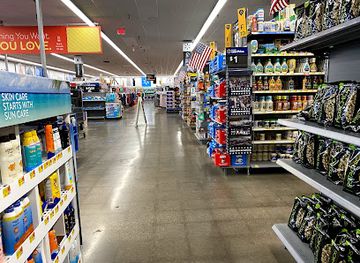
Walmart
Discover everything you need at Walmart in Gunnison, Colorado - groceries, clothing, electronics, and more all in one convenient location.
9 min walk · 0.7 km from city centre
-
Cafe
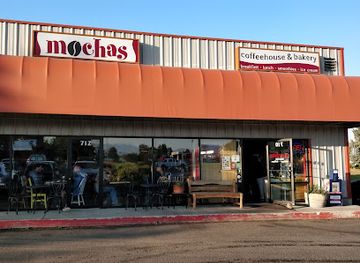
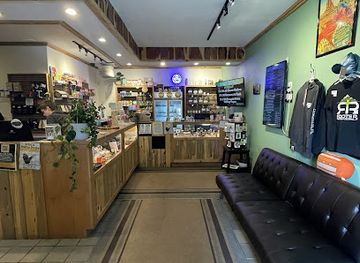
Mochas Coffeehouse & Bakery
Experience the best of Gunnison at Mochas Coffeehouse & Bakery, where delicious coffee, fresh pastries, and a cozy atmosphere await.
6 min walk · 0.5 km from city centre
-
Cannabis store
Roots Rx Gunnison Dispensary
Discover the best of Colorado's cannabis culture at Roots Rx Gunnison Dispensary, where quality meets knowledge in a welcoming atmosphere.
13 min walk · 1.1 km from city centre
-
Sporting goods store
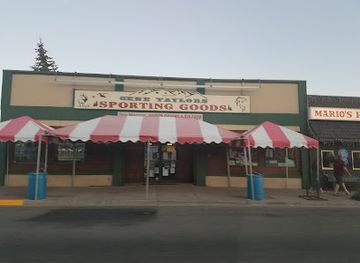
Gene Taylor's Sporting Goods Gunnison
Discover top-quality outdoor gear and expert advice at Gene Taylor's Sporting Goods in Gunnison, Colorado, your gateway to unforgettable adventures.
7 min walk · 0.5 km from city centre
Get your free copy of our complete guide to Gunnison, delivered straight to you.
Everything on this page, from attractions and restaurants to essentials and local phrases, in one PDF you can read offline, print or share.
Already have an account? Sign in
Your Gunnison guide is ready.
We'll send it to · Not you? Sign out

Getting your guide ready…
We are putting together a fresh copy of the Gunnison guide. This can take up to a minute.
This can take a few moments. If your browser asks, choose Allow so the download can start. You'll find the guide in your Downloads folder.
Nothing happened? Download it again
Sorry, the guide is taking longer than usual. Please try again in a minute, or get it by email instead.
Gunnison essentials
Currency and Payment
Safety
Emergency Situations
Do's and Don'ts
Local Tips
From Eve
Local phrases worth knowing
You don't need to get them perfect. A few words go a long way, and locals appreciate the effort.
Basics
| English | Local | Say it |
|---|---|---|
| Hello | Howdy | [haʊ-di] |
| Goodbye | See ya | [siː jə] |
| Yes | Yup | [jʌp] |
| No | Nah | [nɑː] |
| Please/You're welcome | Please and thank ya | [pliːz ænd θæŋk jə] |
| Thank you | Much obliged | [mʌtʃ əˈblaɪdʒd] |
| Excuse me/Sorry | Pardon me | [ˈpɑːrdn miː] |
| How are you? | How you doin'? | [haʊ juː ˈduɪn] |
| Fine. And you? | Fine. An' you? | [faɪn æn juː] |
| Do you speak English? | Ya speak English? | [jə spiːk ˈɪŋɡlɪʃ] |
| I don't understand | I ain't catchin' on | [aɪ eɪnt ˈkætʃɪn ɒn] |
Eating & Drinking
| English | Local | Say it |
|---|---|---|
| I'd like to see the menu, please | Can I see the bill, please | [kæn aɪ siː ðə bɪl pliːz] |
| I don't eat meat | I don't do meat | [aɪ doʊnt duː mit] |
| Cheers! | Bottoms up! | [ˈbɑtəmz ʌp] |
| I would like to pay, please | I'll settle up, please | [aɪl ˈsɛtəl ʌp pliːz] |
Emergencies
| English | Local | Say it |
|---|---|---|
| Help! | SOS! | [ɛs oʊ ɛs] |
| Go away! | Get lost! | [ɡɛt lɔst] |
| Call the Police! | Get the Sheriff! | [ɡɛt ðə ˈʃɛrɪf] |
| Call a doctor! | Get the doc! | [ɡɛt ðə dɑk] |
| I'm lost | I'm turned around | [aɪm tɜrnd əˈraʊnd] |
| I'm ill | I'm feelin' under the weather | [aɪm ˈfiːlɪn ˈʌndər ðə ˈwɛðər] |
Shopping
| English | Local | Say it |
|---|---|---|
| I'd like to buy... | I reckon I'll take... | [aɪ ˈrɛkən aɪl teɪk] |
| I'm just looking | Just browsin' | [dʒʌst ˈbraʊzɪn] |
| How much is it? | What's the damage? | [wɑːts ðə ˈdæmɪdʒ] |
| That's too expensive | That's a bit steep | [ðæts ə bɪt stiːp] |
| Can you lower the price? | Can ya knock a bit off? | [kæn jə nɑːk ə bɪt ɔf] |
Time & Numbers
| English | Local | Say it |
|---|---|---|
| What time is it? | What's the hour? | [wɑːts ðə ˈaʊər] |
| It's one o'clock | It's one in the mornin' | [ɪts wʌn ɪn ðə ˈmɔrnɪn] |
| Half past (10) | Half ten | [hæf tɛn] |
| Morning | Mornin' | [ˈmɔrnɪn] |
| Afternoon | Afternoon | [ˌæftərˈnun] |
| Evening | Evenin' | [ˈivnɪn] |
| Yesterday | Yest'day | [ˈjɛstˌdeɪ] |
| Today | Today | [təˈdeɪ] |
| Tomorrow | Tomorra | [təˈmɔrə] |
| 1 | One | [wʌn] |
| 2 | Two | [tuː] |
| 3 | Three | [θriː] |
| 4 | Four | [fɔːr] |
| 5 | Five | [faɪv] |
| 6 | Six | [sɪks] |
| 7 | Seven | [ˈsɛvən] |
| 8 | Eight | [eɪt] |
| 9 | Nine | [naɪn] |
| 10 | Ten | [tɛn] |
Transport & Directions
| English | Local | Say it |
|---|---|---|
| Where's a/the...? | Where's the... at? | [wɛərz ðə ˈæt] |
| What's the address? | What's the addy? | [wɑːts ðə ˈædi] |
| Can you show me (on the map)? | Can ya point it out (on the map)? | [kæn jə pɔɪnt ɪt aʊt ɒn ðə mæp] |
| When's the next (bus)? | When's the next bus comin'? | [wɛnz ðə nɛkst bʌs ˈkʌmɪn] |
| A ticket (to ....) | A pass (to ....) | [ə pæs tuː] |
History of Gunnison
Ute Homelands and Mountain Routes
Before Euro-American settlement, the Gunnison Valley formed part of the homeland and seasonal travel territory of the Ute people, whose communities used the region’s valleys, waterways and mountain passes. The area’s geography connected the interior basins of western Colorado with routes across the Rockies, although high elevations and severe winters limited year-round movement. Later accounts often reduced this complex history to the language of exploration and settlement, but the valley’s Indigenous past remains an essential part of understanding the region. The Gunnison River and surrounding landscape also preserve place names and physical routes that reflect the area’s long human history before the town was established.
Exploration and the Town’s Foundation
The Gunnison Valley entered American national attention through nineteenth-century exploration and federal surveying. The town of Gunnison was established in 1874 and named for Captain John W. Gunnison, a United States Army officer associated with an earlier surveying expedition in the West. Settlers, prospectors and traders were drawn by the valley’s agricultural possibilities and by mineral prospects in the surrounding mountains. The emerging community became a service centre in a remote region, where transport, food supplies and commercial services were as important to development as the mines themselves.
Railways, Mining and Expansion
Rail connection strengthened Gunnison’s position during the late nineteenth century. The Denver and Rio Grande Railway reached the town in the early 1880s, linking the valley with wider markets and making the movement of people, livestock and goods more practical. Mining activity in the surrounding mountains generated periods of optimism, while merchants and transport businesses in Gunnison served mining camps, ranches and farms. The railway also helped establish the town as a regional centre rather than a temporary settlement. Changes in mineral production and transport patterns later brought fluctuations, but the commercial grid created during this period remains visible in the town’s historic core.
Ranching and an Educational Centre
Agriculture and ranching gave Gunnison a durable economic foundation after the most speculative phases of mining receded. The valley’s open floor supported livestock operations and hay production, although its high altitude and short growing season demanded careful adaptation. Education added another lasting institution: Colorado State Normal School opened in Gunnison in 1901 to train teachers, later developing into Western State College and then Western Colorado University. The university continues to influence the town’s cultural life and identity, while ranching, public lands and outdoor recreation remain closely woven into the surrounding economy.
The Modern Gunnison Valley
During the twentieth century, roads, public-land management and recreational development gradually broadened Gunnison’s role. Blue Mesa Reservoir was created in the 1960s as part of the Curecanti Project, transforming the nearby Gunnison River landscape and supporting boating, fishing and tourism. The Gunnison National Forest and adjacent protected lands became increasingly important for outdoor recreation and conservation. Today the town combines its functions as a university community, ranching service centre and gateway to mountain landscapes. Its historical identity survives through local museums, surviving commercial buildings and the continuing relationship between the town and the surrounding high valley.
Gunnison in Photos
Browse through our photo collection highlighting the charm and character of the destination.
Cities near Gunnison
The closest cities to Gunnison, if you have time for more than one stop.
-

-
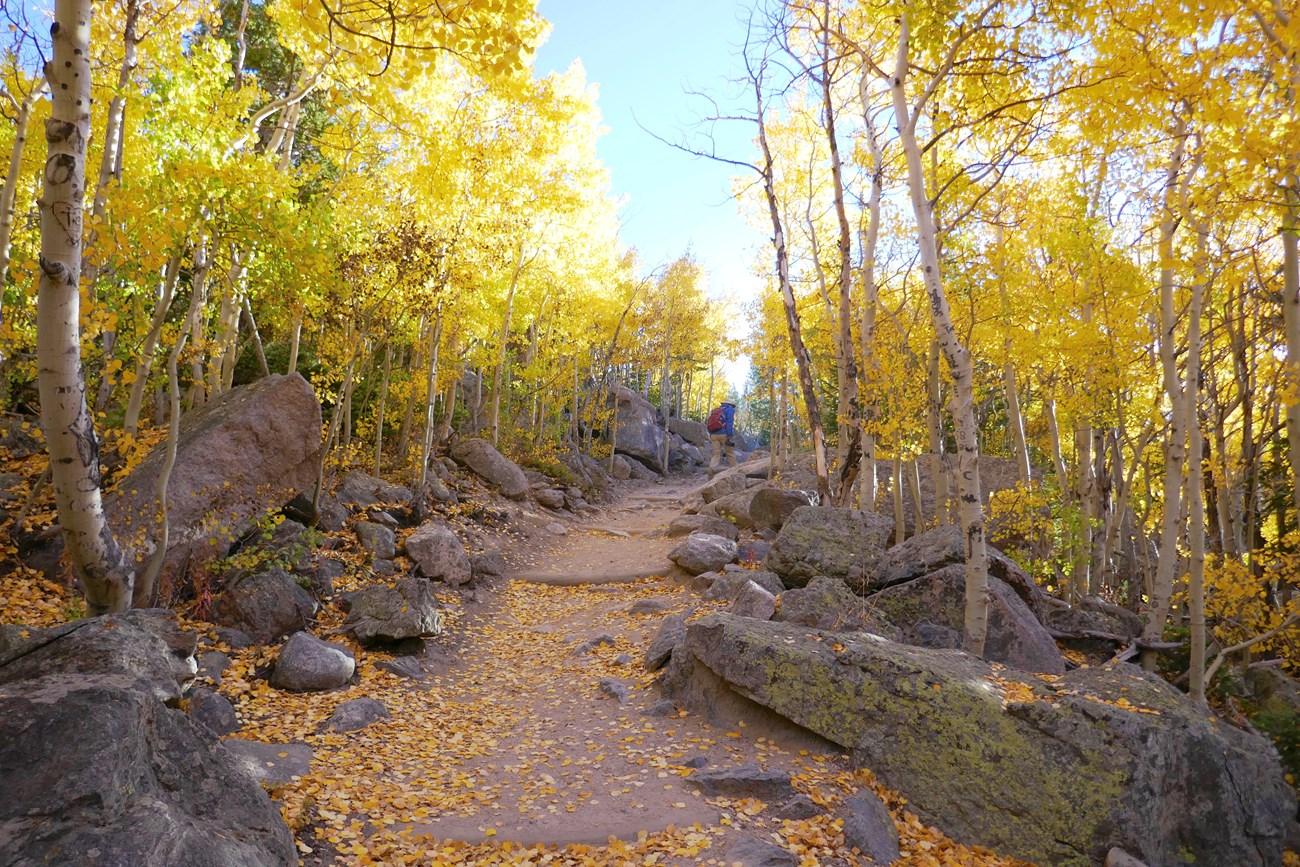 Aspen
Aspen, Colorado blends silver-mining history, Rocky Mountain scenery, world-class skiing, arts, dining and year-round outdoor adventures in every season.
1 h 32 min drive · 72 km from city centre
Aspen
Aspen, Colorado blends silver-mining history, Rocky Mountain scenery, world-class skiing, arts, dining and year-round outdoor adventures in every season.
1 h 32 min drive · 72 km from city centre
-

-

-


Swipe for more cities
Explore more

Explore more of Colorado
Discover Colorado: A stunning blend of rugged mountains, vibrant cities, and rich history, offering endless adventures and unforgettable experiences.
Explore Colorado