

Free Grand Junction Travel Guide & Mobile App
Plan your Grand Junction trip with Evendo. Get free guides to top attractions, restaurants, hotels, and bars. Web access or download the mobile app.


Grand Junction blends Colorado National Monument, river trails, Western heritage, downtown art, orchards and nearby wine country in a high-desert setting.
Red Rock and River Country
Grand Junction lies in western Colorado, where the Colorado and Gunnison rivers meet beneath a broad horizon of mesas, orchards and sandstone cliffs. The city is the largest urban centre on Colorado's Western Slope, yet its character remains closely tied to open landscapes and agricultural communities. Its streets provide a practical base for exploring Colorado National Monument, while the surrounding Grand Valley brings vineyards, peach orchards and distinctive high-desert scenery within easy reach.Read more about Grand Junction
Downtown Culture and Outdoor Life
A Base for the Western Slope
When is the best time to visit Grand Junction?
Best: May, September–October · 21–28°C| Month | High (°C) | Rainfall (mm) |
|---|---|---|
| January | 6 | 18 |
| February | 8 | 15 |
| March | 14 | 20 |
| April | 19 | 20 |
| May (best) | 24 | 25 |
| June | 30 | 18 |
| July | 34 | 25 |
| August | 33 | 25 |
| September (best) | 28 | 20 |
| October (best) | 21 | 18 |
| November | 12 | 15 |
| December | 5 | 15 |
Getting to and around Grand Junction
How to get there
Transportation
Best attractions in Grand Junction
Grand Junction's principal attractions combine urban culture with the dramatic landscapes of the Grand Valley. Downtown's Main Street is an open-air gallery through the Art on the Corner programme, whose sculptures enliven the historic commercial centre. The Museum of the West explores Indigenous history, frontier settlement, mining and everyday life across western Colorado, while the Western Colorado Botanical Gardens offers a gentler setting of themed plantings and river-valley greenery. At the Riverfront at Las Colonias, paths, open space and recreational facilities connect the city with the Colorado River corridor. The major natural draw is Colorado National Monument, immediately west of Grand Junction, where Rim Rock Drive passes towering sandstone formations, deep canyons and broad overlooks. Nearby Fruita adds dinosaur and paleontology interests, while Palisade, east of the city, brings orchards, vineyards and farm-country scenery. These places show how Grand Junction's appeal extends from walkable downtown streets into a distinctly high-desert region.
-
Tourist attraction
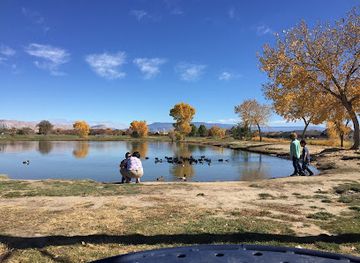
Canyon View Park
Grand Junction's premier park with sports fields, playgrounds, trails, and stunning views of the Colorado landscape.
21 min drive · 7.1 km from city centre
-
Tourist attraction
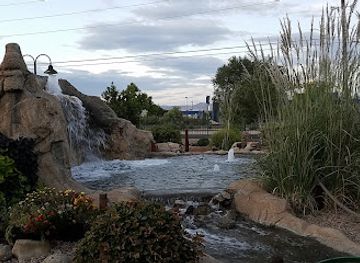
Bananas Fun Park
Grand Junction's ultimate family fun destination with mini-golf, arcade games, laser tag, bumper boats, and more for all ages!
14 min drive · 4.5 km from city centre
-
Park
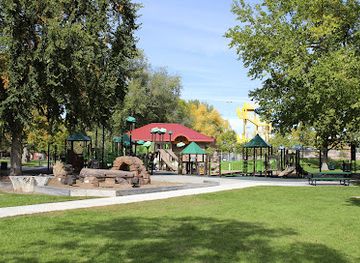
Lincoln Park
Grand Junction's vibrant Lincoln Park: recreation, nature, sports, and community events in a historic green space.
17 min walk · 1.3 km from city centre
-
Tourist attraction
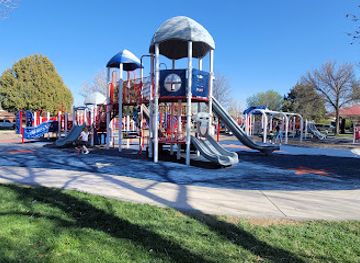
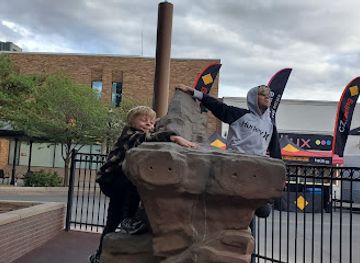
Rocket Park
Explore a unique playground featuring a towering rocket sculpture, blending recreation and Cold War history in Grand Junction.
8 min drive · 2.6 km from city centre
Best landmarks in Grand Junction
Grand Junction's landmarks express its roles as a railway town, regional centre and gateway to the desert landscapes of western Colorado. The historic commercial buildings along Main Street form the architectural spine of downtown, where the Art on the Corner collection gives the public realm a distinctly contemporary identity. The Avalon Theatre is a notable historic entertainment venue and a continuing focus for performance in the city. The Mesa County Courthouse represents the civic development of the county seat, while the Colorado National Monument's sandstone monoliths and canyon walls serve as the region's most powerful natural landmarks just beyond the urban area. The confluence of the Colorado and Gunnison rivers, reflected in the city's name, is another defining geographical reference. Together, these places connect Grand Junction's civic history with its surrounding geology and the agricultural valley that supports the city.
-
Shopping mall
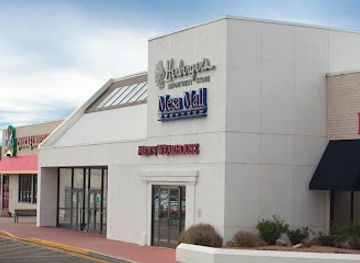
Mesa Mall
Discover Mesa Mall in Grand Junction, Colorado: Your ultimate shopping destination with diverse stores, eateries, and entertainment options for all ages.
17 min drive · 5.5 km from city centre
-
Restaurant
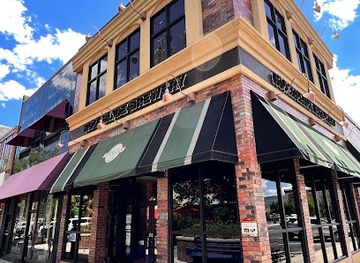
The Rockslide Brew Pub
Experience the best of Grand Junction's culinary scene at The Rockslide Brew Pub, featuring local brews and farm-to-table cuisine in a vibrant atmosphere.
17 min walk · 1.4 km from city centre
-
Park
Canyon View Park
Discover the beauty of nature at Canyon View Park in Grand Junction, Colorado – perfect for outdoor adventures, family fun, and breathtaking views.
21 min drive · 7.1 km from city centre
-
Grill
The Goat and Clover Tavern
Experience the lively ambiance and delicious menu of The Goat and Clover Tavern, a top grill and Irish pub in Grand Junction, Colorado.
18 min walk · 1.5 km from city centre
Explore Grand Junction on the map
Plan your Grand Junction trip on one map. See where the top attractions, landmarks, restaurants, bars and hotels are, find what's near where you're staying, and book hotels and experiences in a few clicks.
Best hotels in Grand Junction
Best restaurants in Grand Junction
Grand Junction's dining reflects the Grand Valley's agricultural base and the wider culinary traditions of the American West. Restaurants and cafés in the downtown area draw on locally grown fruit, vegetables and herbs, while seasonal peaches and other orchard produce are especially associated with nearby Palisade. Menus range from contemporary American cooking and steakhouse fare to Mexican food, pizza, sandwiches, coffee and craft-brewery kitchens. Local wineries and cider producers add a regional drinks culture, although many vineyards are outside Grand Junction in the surrounding valley. Farmers' markets and seasonal fruit stands provide a more direct connection with growers, and the city's independent eateries tend to cluster around Main Street and adjacent downtown blocks. The culinary scene is substantial for a regional centre but remains relaxed rather than formal, with ingredients, outdoor patios and valley-grown produce often more prominent than elaborate dining rituals.
-
Steak
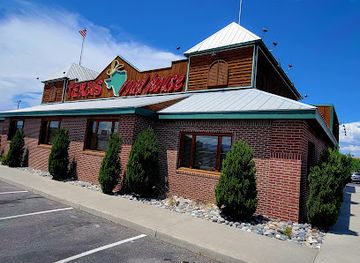
Texas Roadhouse
Experience mouthwatering steaks and vibrant ambiance at Texas Roadhouse in Grand Junction - a top choice for meat lovers.
9 min drive · 3.0 km from city centre
-
Fast Food
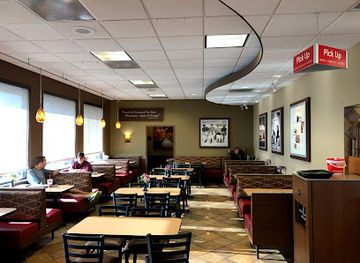
Chick-fil-A
Experience Southern hospitality at Chick-fil-A in Grand Junction – home of delicious chicken sandwiches and family-friendly dining.
10 min drive · 3.4 km from city centre
-
Restaurant
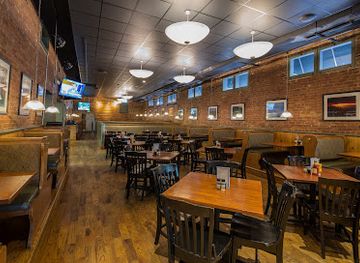
The Rockslide Brew Pub
Experience unique craft beers and delicious meals at The Rockslide Brew Pub in Grand Junction – where flavor meets community spirit.
17 min walk · 1.4 km from city centre
-
Grill
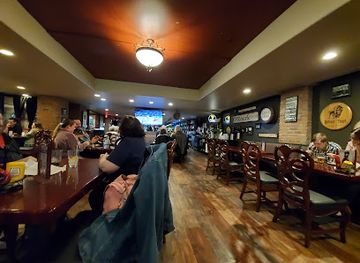
The Goat and Clover Tavern
Experience the charm of an Irish pub combined with delicious grilled cuisine at The Goat and Clover Tavern in Grand Junction.
18 min walk · 1.5 km from city centre
Best bars in Grand Junction
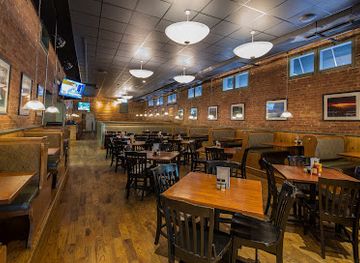
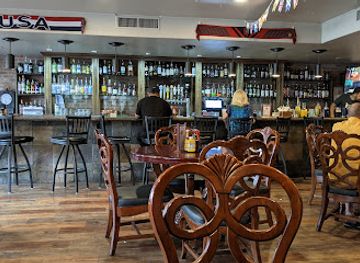
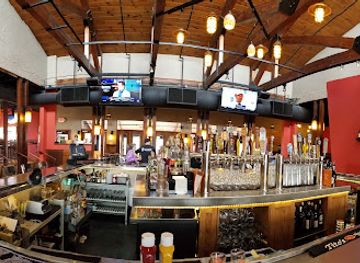
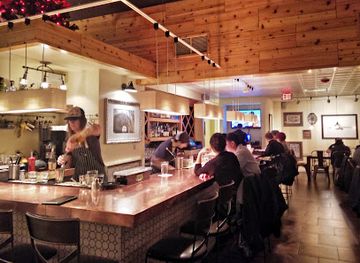
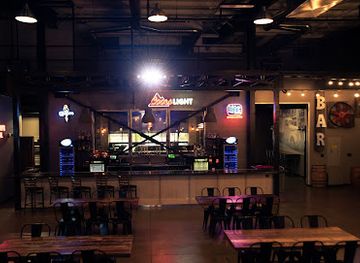
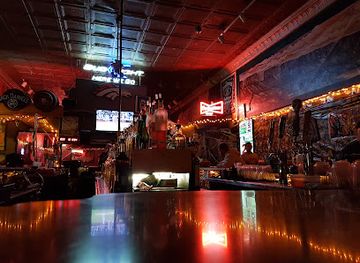
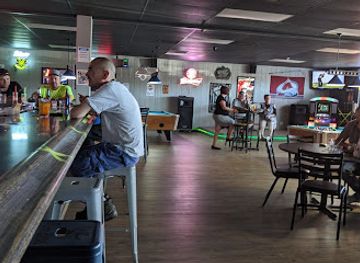
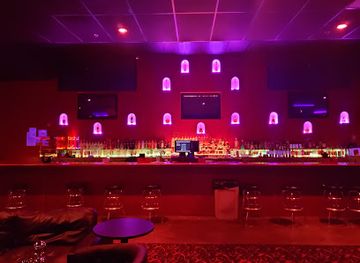
Grand Junction's evening life is concentrated around downtown Main Street and nearby commercial blocks, where breweries, taprooms, wine-focused venues, cocktail bars and informal pubs provide the main social settings. The city's proximity to Colorado's wine country gives local drinking culture a regional emphasis, with tasting rooms and events also found in the wider Grand Valley rather than exclusively in the centre. Live entertainment is an important alternative to bar-hopping: the Avalon Theatre hosts concerts, comedy and community performances, while the Mesa Theater presents music and other events. Grand Junction is not a major clubbing destination, and late-night options are generally more modest than in Denver or larger resort towns. Evening arts programming, seasonal outdoor events and restaurant patios often shape the after-dark experience, with activity varying according to the performance calendar and time of year.
-
Restaurant
The Rockslide Brew Pub
Discover The Rockslide Brew Pub in Grand Junction, where craft beers and culinary delights come together in a warm, inviting atmosphere.
17 min walk · 1.4 km from city centre
-
Grill
The Goat and Clover Tavern
Experience the best of Irish cuisine and grill delights at The Goat and Clover Tavern in Grand Junction, where every meal is a celebration of flavors.
18 min walk · 1.5 km from city centre
-
Grill
Ale House
Experience the best of Grand Junction at Ale House, a lively grill and sports bar offering delicious food and a vibrant atmosphere perfect for all occasions.
9 min drive · 3.0 km from city centre
-
Bar
Bin 707 Foodbar is now Jojo’s Dinette.
Experience the culinary artistry of Jojo’s Dinette in Grand Junction, where gourmet New American cuisine meets a stylish bar atmosphere.
17 min walk · 1.3 km from city centre
Best nightclubs in Grand Junction
Grand Junction's evening life is concentrated around downtown Main Street and nearby commercial blocks, where breweries, taprooms, wine-focused venues, cocktail bars and informal pubs provide the main social settings. The city's proximity to Colorado's wine country gives local drinking culture a regional emphasis, with tasting rooms and events also found in the wider Grand Valley rather than exclusively in the centre. Live entertainment is an important alternative to bar-hopping: the Avalon Theatre hosts concerts, comedy and community performances, while the Mesa Theater presents music and other events. Grand Junction is not a major clubbing destination, and late-night options are generally more modest than in Denver or larger resort towns. Evening arts programming, seasonal outdoor events and restaurant patios often shape the after-dark experience, with activity varying according to the performance calendar and time of year.
-
American
Warehouse25sixty-five Kitchen + Bar
Experience the best of American cuisine at Warehouse25sixty-five Kitchen + Bar in Grand Junction – where flavor meets fun!
8 min drive · 2.6 km from city centre
-
Bar
Quincy Bar
Discover the lively Quincy Bar in Grand Junction, Colorado, where vibrant nightlife meets affordable drinks in a friendly atmosphere.
13 min walk · 1.1 km from city centre
-
Bar
Orchard Mesa Cruisers
Discover the lively Orchard Mesa Cruisers in Grand Junction, where great drinks meet vibrant nightlife for an unforgettable experience.
7 min drive · 2.2 km from city centre
-
Night club
Fantasy Grand Junction
Discover the vibrant nightlife of Fantasy Grand Junction, where exhilarating adult entertainment meets an electrifying atmosphere for unforgettable evenings.
26 min drive · 8.6 km from city centre
Best shops in Grand Junction
Shopping in Grand Junction is centred on downtown Main Street, where independent clothing shops, galleries, gift stores, cafés and locally oriented businesses occupy a walkable grid of commercial buildings. Art and craft shopping often reflects the Western Slope setting, with regional artwork, photography, jewellery and practical outdoor goods more characteristic than large-scale luxury retail. Farmers' markets and seasonal stands around the Grand Valley bring fruit, preserves, baked goods and other products from nearby agricultural communities, particularly during the growing season. Palisade and Fruita, while separate from Grand Junction, provide additional opportunities to buy orchard produce, wine and farm-made goods on regional excursions. Larger everyday retail is concentrated along the city's commercial corridors and shopping centres, but the downtown area offers the strongest sense of place through its public sculptures, galleries and small businesses. Visitors should distinguish locally produced goods from generic Western-themed souvenirs when browsing.
-
Shopping mall
Mesa Mall
Discover Mesa Mall, Grand Junction's premier shopping destination with diverse stores, dining, and family-friendly entertainment in Colorado.
17 min drive · 5.5 km from city centre
-
Business center
Rimrock Marketplace
Explore Rimrock Marketplace in Grand Junction, a vibrant shopping center filled with unique stores, delicious eateries, and community events for the perfect local experience.
10 min drive · 3.3 km from city centre
-
Clothing store
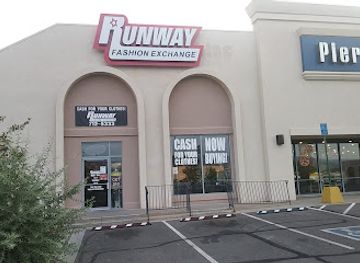
Runway Fashion Exchange
Explore sustainable fashion at Runway Fashion Exchange, Grand Junction's premier thrift store for affordable, stylish clothing for everyone.
14 min drive · 4.8 km from city centre
-
Department store
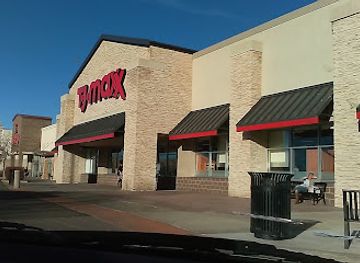
T.J. Maxx
Discover unbeatable deals on designer fashion and unique home goods at T.J. Maxx in Grand Junction, where style meets savings.
13 min drive · 4.3 km from city centre
Get your free copy of our complete guide to Grand Junction, delivered straight to you.
Everything on this page, from attractions and restaurants to essentials and local phrases, in one PDF you can read offline, print or share.
Already have an account? Sign in
Your Grand Junction guide is ready.
We'll send it to · Not you? Sign out

Getting your guide ready…
We are putting together a fresh copy of the Grand Junction guide. This can take up to a minute.
This can take a few moments. If your browser asks, choose Allow so the download can start. You'll find the guide in your Downloads folder.
Nothing happened? Download it again
Sorry, the guide is taking longer than usual. Please try again in a minute, or get it by email instead.
Grand Junction essentials
Currency and Payment
Safety
Emergency Situations
Do's and Don'ts
Local Tips
From Eve
Local phrases worth knowing
You don't need to get them perfect. A few words go a long way, and locals appreciate the effort.
Basics
| English | Local | Say it |
|---|---|---|
| Hello | Howdy | [haʊdi] |
| Goodbye | See ya | [siː jə] |
| Yes | Yep | [jɛp] |
| No | Nope | [noʊp] |
| Please/You're welcome | Please | [pliːz] |
| Thank you | Thanks | [θæŋks] |
| Excuse me/Sorry | Sorry | [ˈsɔri] |
| How are you? | How's it going? | [haʊz ɪt ˈɡoʊɪŋ] |
| Fine. And you? | Good. You? | [ɡʊd jʊ] |
| Do you speak English? | You speak English? | [ju spik ˈɪŋɡlɪʃ] |
| I don't understand | I'm lost | [aɪm lɔst] |
Eating & Drinking
| English | Local | Say it |
|---|---|---|
| I'd like to see the menu, please | Can I see the menu? | [kæn aɪ siː ðə ˈmɛnju] |
| I don't eat meat | No meat for me | [noʊ mit fɔr mi] |
| Cheers! | Cheers! | [ʧɪrz] |
| I would like to pay, please | I'll pay now | [aɪl peɪ naʊ] |
Emergencies
| English | Local | Say it |
|---|---|---|
| Help! | Help! | [hɛlp] |
| Go away! | Get lost! | [ɡɛt lɔst] |
| Call the Police! | Call the cops! | [kɔl ðə kɑps] |
| Call a doctor! | Call a doc! | [kɔl ə dɑk] |
| I'm lost | I'm lost | [aɪm lɔst] |
| I'm ill | I'm sick | [aɪm sɪk] |
Shopping
| English | Local | Say it |
|---|---|---|
| I'd like to buy... | I wanna buy... | [aɪ ˈwɑnə baɪ] |
| I'm just looking | Just browsing | [ʤʌst ˈbraʊzɪŋ] |
| How much is it? | How much? | [haʊ mʌʧ] |
| That's too expensive | Too pricey | [tuː ˈpraɪsi] |
| Can you lower the price? | Can you do better? | [kæn ju du ˈbɛtər] |
Time & Numbers
| English | Local | Say it |
|---|---|---|
| What time is it? | What's the time? | [wɑts ðə taɪm] |
| It's one o'clock | It's one | [ɪts wʌn] |
| Half past (10) | Half past ten | [hæf pæst tɛn] |
| Morning | Morning | [ˈmɔrnɪŋ] |
| Afternoon | Afternoon | [ˌæftərˈnun] |
| Evening | Evening | [ˈivnɪŋ] |
| Yesterday | Yesterday | [ˈjɛstərˌdeɪ] |
| Today | Today | [təˈdeɪ] |
| Tomorrow | Tomorrow | [təˈmɑroʊ] |
| 1 | One | [wʌn] |
| 2 | Two | [tuː] |
| 3 | Three | [θriː] |
| 4 | Four | [fɔr] |
| 5 | Five | [faɪv] |
| 6 | Six | [sɪks] |
| 7 | Seven | [ˈsɛvən] |
| 8 | Eight | [eɪt] |
| 9 | Nine | [naɪn] |
| 10 | Ten | [tɛn] |
Transport & Directions
| English | Local | Say it |
|---|---|---|
| Where's a/the...? | Where's the...? | [wɛərz ðə] |
| What's the address? | What's the address? | [wɑts ðə əˈdrɛs] |
| Can you show me (on the map)? | Show me (on the map)? | [ʃoʊ mi (ɒn ðə mæp)] |
| When's the next (bus)? | When's the next (bus)? | [wɛnz ðə nɛkst (bʌs)] |
| A ticket (to ....) | A ticket (to ....) | [ə ˈtɪkɪt (tu ....)] |
History of Grand Junction
Ute Homelands and River Valleys
Before the establishment of Grand Junction, the Grand Valley formed part of the homeland and seasonal world of the Ute peoples, including bands associated with the Uncompahgre Valley. The rivers, mesas and sheltered valleys supported movement, hunting and wider cultural connections across western Colorado. Spanish and American exploration later brought new mapping and commercial ambitions, but Indigenous presence did not end with settlement. The forced removal of Ute communities from Colorado in the late nineteenth century profoundly altered the region's political and social landscape. Any understanding of Grand Junction's beginnings therefore extends beyond its town charter to the much older human history of the Colorado River basin.
Settlement of the Grand Valley
Grand Junction was founded in 1881 during a period of intensified American settlement on Colorado's Western Slope. Its name refers to the junction of the Gunnison and Colorado rivers, although the city developed on the surrounding valley floor rather than directly at the confluence. Irrigation transformed a dry environment into productive farmland, encouraging homes, businesses and transport links. The town's location made it a commercial centre for ranching, agriculture and nearby mining districts. Early streets and civic buildings established the framework for the downtown area that remains the city's principal historic and cultural centre.
Railways and Regional Commerce
The arrival of the Denver and Rio Grande Western Railway in the 1880s connected Grand Junction with the wider Colorado network and strengthened its role as a regional distribution centre. Rail transport carried agricultural produce, livestock and minerals while bringing manufactured goods and new migrants into the valley. Grand Junction's position between the Rocky Mountain interior and Utah gave it importance beyond its population size. Warehouses, commercial premises and service businesses followed the railway economy, and the city became an administrative and retail hub for communities across western Colorado. The railway era helped establish the durable relationship between local agriculture and regional trade.
Orchards, Irrigation and the Grand Valley
During the late nineteenth and early twentieth centuries, irrigation schemes expanded the Grand Valley's agricultural capacity. Fruit growing became especially important, with peaches, apples and other crops flourishing in the warm days and cool nights of the valley. Packing, shipping and seasonal labour shaped both the economy and the cultural life of surrounding communities, including Palisade and Fruita. Grand Junction prospered as the area's commercial and professional centre. The orchards and vineyards visible around the city today are not decorative additions to the landscape but descendants of an irrigation-led transformation that made intensive agriculture possible in a semiarid environment.
Mining, Oil Shale and Uranium
Mining has repeatedly influenced western Colorado's fortunes. Coal, vanadium and other minerals supported nearby communities, while oil-shale development brought periods of investment and speculation, particularly in the twentieth century. Grand Junction also became associated with uranium during the Cold War, when the federal government supported exploration and processing across the region. These industries created employment but were vulnerable to changing markets and national policy. The Museum of the West and other regional institutions preserve evidence of this industrial history, which sits alongside ranching, agriculture and tourism rather than replacing them as the valley's defining economic traditions.
A Contemporary Western Slope City
Grand Junction developed in the late twentieth and early twenty-first centuries as a centre for healthcare, education, government, retail and outdoor tourism, while agriculture remained central to the Grand Valley identity. Public investment in riverfront land, trails, arts programming and downtown revitalisation added new cultural dimensions to the historic commercial core. The city now serves as a gateway to Colorado National Monument and a base for exploring the wider Western Slope. Its contemporary character reflects several overlapping legacies: Indigenous history, irrigation, railway commerce, extractive industries, fruit growing and the growing value placed on the region's scenery and recreational landscapes.
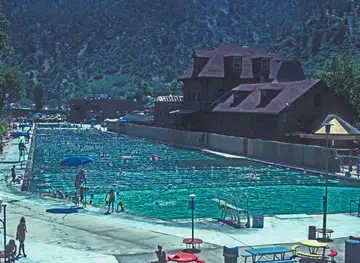
Grand Junction in Photos
Browse through our photo collection highlighting the charm and character of the destination.
Cities near Grand Junction
The closest cities to Grand Junction, if you have time for more than one stop.
-

-

-
-

-


Swipe for more cities
Explore more

Explore more of Colorado
Discover Colorado: A stunning blend of rugged mountains, vibrant cities, and rich history, offering endless adventures and unforgettable experiences.
Explore Colorado