

Free Delta Travel Guide & Mobile App
Plan your Delta trip with Evendo. Get free guides to top attractions, restaurants, hotels, and bars. Web access or download the mobile app.


Delta, Colorado, pairs Western Slope history with riverfront walks, orchards, local museums and easy access to Grand Mesa and Black Canyon country nearby.
A River Town on Colorado’s Western Slope
Delta lies in western Colorado, where the Gunnison and Uncompahgre rivers meet amid broad agricultural valleys, mesa country and distant mountain horizons. The city serves as a practical base for exploring Delta County, yet it has a character of its own: a compact centre, irrigated orchards, shady residential streets and a slower rhythm shaped by farming and outdoor life. The surrounding landscape changes quickly, from river flats and fruit-growing country to the high forests of Grand Mesa and the dramatic canyon country along the Gunnison River.Read more about Delta
History in the Landscape
Small-City Exploration
When is the best time to visit Delta?
Best: April–May, October · 22–27°C| Month | High (°C) | Rainfall (mm) |
|---|---|---|
| January | 9 | 9 |
| February | 13 | 9 |
| March | 17 | 18 |
| April (best) | 22 | 22 |
| May (best) | 27 | 23 |
| June | 33 | 13 |
| July | 36 | 26 |
| August | 34 | 24 |
| September | 28 | 21 |
| October (best) | 22 | 16 |
| November | 13 | 11 |
| December | 7 | 9 |
Getting to and around Delta
How to get there
Transportation
Best attractions in Delta
Delta's attractions are modest in scale but closely connected to the landscape and the area's working history. Fort Uncompahgre Living History Museum recreates Antoine Robidoux's nineteenth-century trading post and uses buildings, objects and interpretation to explore early commerce in the Uncompahgre Valley. The Delta County Historical Society Museum offers further local context through artefacts and changing displays. At Confluence Park, paths and riverside open space provide a relaxed way to understand the meeting of the Gunnison and Uncompahgre rivers, while nearby Sweitzer Lake State Park offers swimming, boating, fishing and picnicking when conditions and facilities permit. Downtown Delta rewards an unhurried walk through its commercial streets and older buildings. Beyond the city, Grand Mesa brings forests, lakes and high-elevation viewpoints, while Black Canyon of the Gunnison country provides a more dramatic regional excursion rather than an in-town attraction.
-
Tourist attraction
Confluence Park
Explore nature and history at Confluence Park in Delta, Colorado, where rivers meet and recreation abounds year-round.
19 min walk · 1.5 km from city centre
-
Tourist attraction
Cleland Park
Delta's oldest park, Cleland Park, offers recreation, events, and a touch of local history for a delightful community experience.
8 min walk · 0.6 km from city centre
-
Tourist attraction
Sweitzer Lake State Park
Enjoy boating, fishing, and scenic views at this Western Slope oasis near Delta, Colorado. A perfect day-use park for water recreation and nature lovers.
13 min drive · 4.2 km from city centre
-
Tourist attraction
Fort Uncompahgre Interpretive Center + Public Lands Information Center
Discover the rugged history of Colorado's Western Slope at Fort Uncompahgre, a living replica of an 1820s fur trading post on the Old Spanish Trail.
12 min walk · 1.0 km from city centre


Best landmarks in Delta
Delta's landmarks express the city's relationship with trade, water and agriculture. Fort Uncompahgre Living History Museum is the most distinctive historical site, presenting a reconstructed trading post linked with Antoine Robidoux and the early nineteenth-century fur trade. The Delta County Courthouse and the historic commercial buildings around Main Street represent the civic and business growth that followed settlement and irrigation, while older residential streets show the town's quieter domestic architecture. Confluence Park is an important landscape landmark because it occupies the meeting area of the Gunnison and Uncompahgre rivers, the geographical feature that gave Delta its name and position. Sweitzer Lake, created within the irrigated valley south of town, illustrates the later recreational use of a landscape shaped by water management. Together these places reveal a community formed less by monumental architecture than by rivers, public institutions and a long agricultural history.
-
Mexican
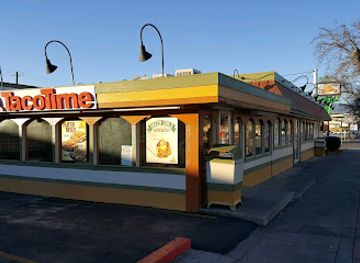
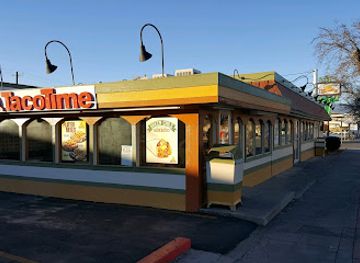
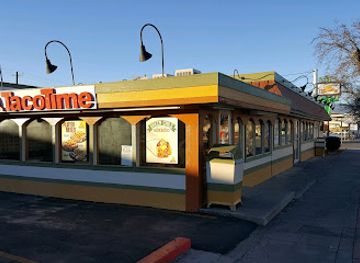
TacoTime
Discover the vibrant flavors of Mexico at TacoTime in Delta, Colorado, where every bite is a delicious adventure.
7 min walk · 0.6 km from city centre
-
Italian
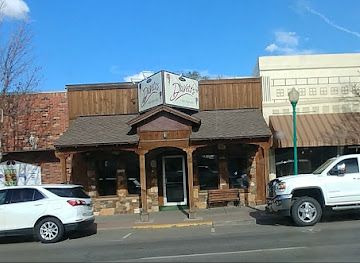
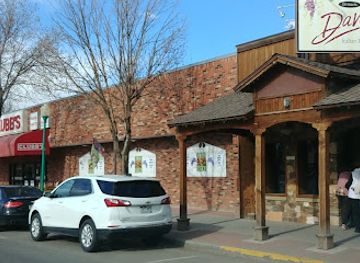
Daveto's | Italian Restaurant
Savor the flavors of Italy at Daveto's Italian Restaurant in Delta, where authentic cuisine meets a warm, inviting atmosphere.
4 min walk · 0.3 km from city centre
-
Park
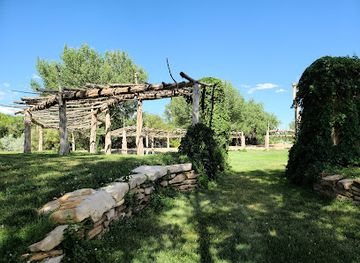
Confluence Park
Discover the natural beauty of Confluence Park in Delta, Colorado, a serene spot for outdoor recreation and relaxation by the Gunnison River.
19 min walk · 1.5 km from city centre
-
Restaurant
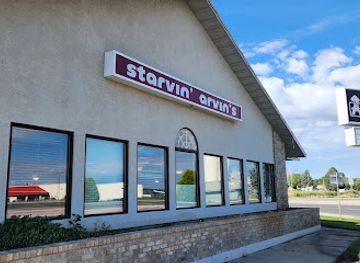
Starvin Arvin's
Discover the heart of Delta, Colorado at Starvin Arvin's, where hearty meals and friendly service come together in a cozy dining experience.
7 min walk · 0.5 km from city centre
Explore Delta on the map
Plan your Delta trip on one map. See where the top attractions, landmarks, restaurants, bars and hotels are, find what's near where you're staying, and book hotels and experiences in a few clicks.
Best hotels in Delta
Best restaurants in Delta
Delta's dining scene reflects its role as a small agricultural service centre on Colorado's Western Slope. Independent cafés, family-run restaurants and casual eateries form the core of the offer, with familiar American cooking, Mexican-influenced dishes, burgers, sandwiches and breakfast plates commonly found in town. The surrounding farms and orchards shape the seasonal character of local food, particularly when fruit, vegetables and other produce reach roadside stands, farmers' markets or community events. Visitors may also encounter regional products associated with western Colorado, including Palisade-area fruit and Olathe sweet corn, although these are products of the wider region rather than dishes exclusive to Delta. Dining is generally relaxed and informal, with the most local atmosphere often found in long-established family businesses and cafés serving residents as well as travellers on US 50.
-
Mexican
TacoTime
Experience authentic Mexican flavors at TacoTime in Delta; a vibrant eatery serving fresh tacos and burritos that delight every palate.
7 min walk · 0.6 km from city centre
-
Italian
Daveto's | Italian Restaurant
Experience authentic Italian cuisine at Daveto's in Delta; where each dish tells a story of flavor and tradition.
4 min walk · 0.3 km from city centre
-
Restaurant
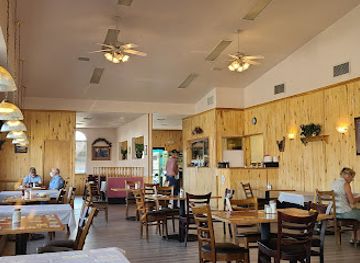
Starvin Arvin's
Experience the heart of Delta at Starvin Arvin's – where comfort food meets warm hospitality.
7 min walk · 0.5 km from city centre
-
Mexican
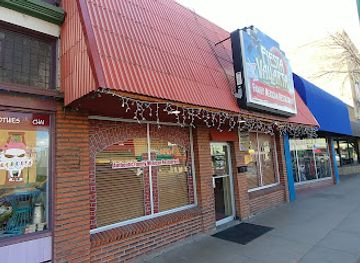
Fiesta Vallarta
Experience authentic Mexican cuisine at Fiesta Vallarta in Delta, Colorado - where every dish tells a flavorful story.
3 min walk · 0.2 km from city centre
Best bars in Delta
Delta's evening scene is low-key rather than club-focused. Local bars, grills and casual restaurants provide places for conversation, drinks and televised sport, while community events and seasonal gatherings bring a broader social dimension at particular times of year. Nightlife is concentrated around the central commercial area rather than spread across a large entertainment district, and visitors should expect earlier closing patterns and fewer dedicated late-night venues than in Grand Junction or Denver. Live music and cultural programming may appear through local events, civic organisations or performance spaces, but schedules vary. The most characteristic evening experience is often a relaxed meal, a drink with residents or a quiet walk near the riverfront, with the surrounding dark skies and rural setting becoming part of the atmosphere after sunset.
-
Mexican
TacoTime
Discover the authentic taste of Mexico at TacoTime, where fresh ingredients meet friendly service in Delta, Colorado's vibrant dining scene.
7 min walk · 0.6 km from city centre
-
Fast Food
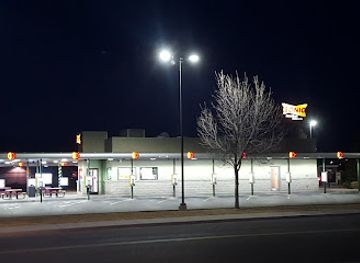
Sonic Drive-In
Experience classic American fast food at Sonic Drive-In in Delta, Colorado, where nostalgia meets deliciousness in every bite.
5 min drive · 1.7 km from city centre
-
Mexican
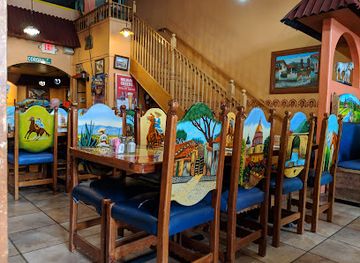
El Tapatio | Mexican Restaurant
Experience the vibrant flavors of Mexico at El Tapatio, a must-visit restaurant in Delta, Colorado, known for its authentic dishes and warm ambiance.
2 min walk · 0.2 km from city centre
-
Restaurant
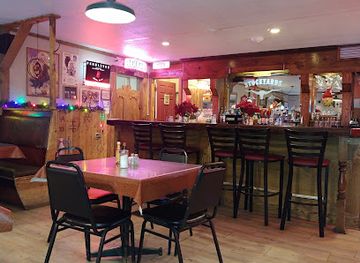
The Stockyards
Discover the rich flavors of American cuisine at The Stockyards, Delta's premier steakhouse, where every meal is a celebration of taste and tradition.
16 min walk · 1.2 km from city centre
Best nightclubs in Delta
Delta's evening scene is low-key rather than club-focused. Local bars, grills and casual restaurants provide places for conversation, drinks and televised sport, while community events and seasonal gatherings bring a broader social dimension at particular times of year. Nightlife is concentrated around the central commercial area rather than spread across a large entertainment district, and visitors should expect earlier closing patterns and fewer dedicated late-night venues than in Grand Junction or Denver. Live music and cultural programming may appear through local events, civic organisations or performance spaces, but schedules vary. The most characteristic evening experience is often a relaxed meal, a drink with residents or a quiet walk near the riverfront, with the surrounding dark skies and rural setting becoming part of the atmosphere after sunset.
-
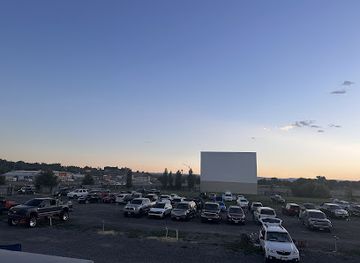
Drive-in movie theater
Tru Vu Drive In Theatre
Enjoy classic and contemporary films under the stars at Tru Vu Drive-In Theatre, a nostalgic gem in Delta, Colorado.
18 min walk · 1.4 km from city centre
-
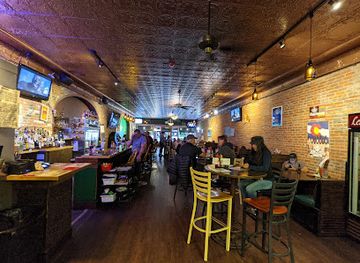
Grill
CB's Tavern
Discover the heart of Delta at CB's Tavern, where delicious American grill cuisine meets a cozy, welcoming atmosphere.
2 min walk · 0.1 km from city centre
-
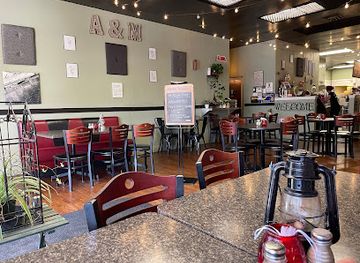
Restaurant
Creations on Main Delta
Experience a culinary journey at Creations on Main Delta, where local ingredients meet global flavors in a welcoming atmosphere.
2 min walk · 0.2 km from city centre
-
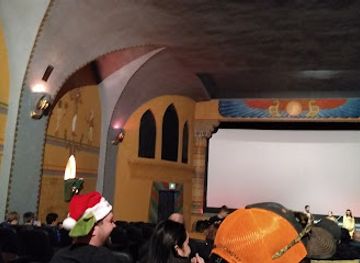
Movie theater
Delta Egyptian Theatre
Discover the charm of Delta Egyptian Theatre, a historic movie theater in Colorado offering diverse films in a captivating atmosphere.
3 min walk · 0.2 km from city centre
Best shops in Delta
Shopping in Delta centres on the compact downtown and the practical retail needs of a rural county. Main Street has independent businesses and local services rather than the concentration of national brands associated with a major city, making it the natural place to browse small shops and explore the town's historic commercial setting. Seasonal farm stands, growers' stalls and community markets provide opportunities to find fruit, vegetables and other products from the Western Slope when supplies are available. Visitors may also encounter locally made crafts, artwork and regional food items through galleries, fairs or community events, although the selection changes with the season. Delta is better suited to unhurried browsing and useful local purchases than to intensive retail tourism; larger-scale shopping is available in Grand Junction for travellers continuing west.
-
Department store
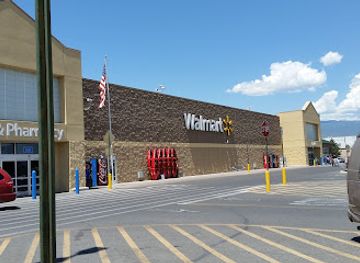
Walmart Supercenter
Discover the ultimate shopping convenience at Walmart Supercenter in Delta, CO, where budget-friendly prices meet a diverse selection of goods.
5 min drive · 1.6 km from city centre
-
Grocery store
Safeway
Explore Delta, Colorado's Safeway for fresh groceries, local specialties, and a variety of organic options in a welcoming atmosphere.
5 min drive · 1.8 km from city centre
-
Grocery store
City Market
Explore Delta's City Market for fresh produce, artisan bakery items, and local specialties in a vibrant shopping atmosphere.
8 min walk · 0.7 km from city centre
-
Coffee shop
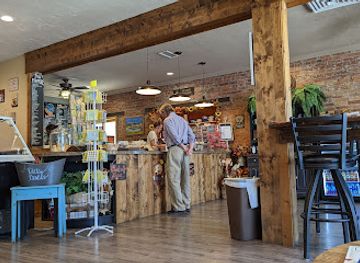
Moca Joe's
Discover Moca Joe's, a cozy coffee shop in Delta, CO, perfect for coffee lovers seeking quality brews and a welcoming atmosphere.
2 min walk · 0.1 km from city centre
Get your free copy of our complete guide to Delta, delivered straight to you.
Everything on this page, from attractions and restaurants to essentials and local phrases, in one PDF you can read offline, print or share.
Already have an account? Sign in
Your Delta guide is ready.
We'll send it to · Not you? Sign out

Getting your guide ready…
We are putting together a fresh copy of the Delta guide. This can take up to a minute.
This can take a few moments. If your browser asks, choose Allow so the download can start. You'll find the guide in your Downloads folder.
Nothing happened? Download it again
Sorry, the guide is taking longer than usual. Please try again in a minute, or get it by email instead.
Delta essentials
Currency and Payment
Safety
Emergency Situations
Do's and Don'ts
Local Tips
From Eve
Local phrases worth knowing
You don't need to get them perfect. A few words go a long way, and locals appreciate the effort.
Basics
| English | Local | Say it |
|---|---|---|
| Hello | Howdy | [haʊdi] |
| Goodbye | See ya | [siː jə] |
| Yes | Yup | [jʌp] |
| No | Nope | [noʊp] |
| Please/You're welcome | Please/You're welcome | [pliːz/jʊər ˈwɛlkəm] |
| Thank you | Thanks | [θæŋks] |
| Excuse me/Sorry | Pardon me | [ˈpɑrdn mi] |
| How are you? | Howdy partner? | [haʊdi ˈpɑːrtnər] |
| Fine. And you? | Fine. And you? | [faɪn. ænd jʊ] |
| Do you speak English? | Ya speak English? | [jə spiːk ˈɪŋɡlɪʃ] |
| I don't understand | I don't get it | [aɪ doʊnt ˈʌndərˌstænd] |
Eating & Drinking
| English | Local | Say it |
|---|---|---|
| I'd like to see the menu, please | I'd like to see the menu, please | [aɪd laɪk tuː siː ðə ˈmɛnjuː pliːz] |
| I don't eat meat | I don't eat meat | [aɪ doʊnt it mit] |
| Cheers! | Cheers! | [tʃɪrz] |
| I would like to pay, please | I would like to pay, please | [aɪ wʊd laɪk tuː peɪ pliːz] |
Emergencies
| English | Local | Say it |
|---|---|---|
| Help! | Help! | [hɛlp] |
| Go away! | Get lost! | [ɡɛt lɔst] |
| Call the Police! | Call the Sheriff! | [kɔl ðə ˈʃɛrɪf] |
| Call a doctor! | Call a doc! | [kɔl ə ˈdɑk] |
| I'm lost | I'm lost | [aɪm lɔst] |
| I'm ill | I'm sick | [aɪm sɪk] |
Shopping
| English | Local | Say it |
|---|---|---|
| I'd like to buy... | I'd like to buy... | [aɪd laɪk tuː baɪ] |
| I'm just looking | I'm just looking | [aɪm dʒʌst ˈlʊkɪŋ] |
| How much is it? | How much does it cost? | [haʊ mʌt ˈdʌz ɪt kɔst] |
| That's too expensive | That's too pricey | [ðæts tuː ˈpraɪsi] |
| Can you lower the price? | Can you lower the price? | [kæn jʊ ˈloʊər ðə praɪs] |
Time & Numbers
| English | Local | Say it |
|---|---|---|
| What time is it? | What's the time? | [wɑts ðə taɪm] |
| It's one o'clock | It's one o'clock | [ɪts wʌn əˈklɑk] |
| Half past (10) | Half past (10) | [hæf pæst (tɛn)] |
| Morning | Morning | [ˈmɔrnɪŋ] |
| Afternoon | Afternoon | [ˌæftərˈnun] |
| Evening | Evening | [ˈivnɪŋ] |
| Yesterday | Yesterday | [ˈjɛstərˌdeɪ] |
| Today | Today | [təˈdeɪ] |
| Tomorrow | Tomorrow | [təˈmɑroʊ] |
| 1 | One | [wʌn] |
| 2 | Two | [tu] |
| 3 | Three | [θri] |
| 4 | Four | [fɔr] |
| 5 | Five | [faɪv] |
| 6 | Six | [sɪks] |
| 7 | Seven | [ˈsɛvən] |
| 8 | Eight | [eɪt] |
| 9 | Nine | [naɪn] |
| 10 | Ten | [tɛn] |
Transport & Directions
| English | Local | Say it |
|---|---|---|
| Where's a/the...? | Where's the...? | [wɛərz ðə] |
| What's the address? | What's the address? | [wɑts ðə əˈdrɛs] |
| Can you show me (on the map)? | Can you show me (on the map)? | [kæn jʊ ʃoʊ miː (ɒn ðə mæp)] |
| When's the next (bus)? | When's the next (bus)? | [wɛnz ðə nɛkst (bʌs)] |
| A ticket (to ....) | A ticket (to ....) | [ə ˈtɪkɪt (tu ....)] |
History of Delta
Ute Lands and River Valleys
Before the arrival of Euro-American settlers, the Gunnison and Uncompahgre valleys formed part of the homeland and travelling territory of the Ute people. The rivers, wetlands and surrounding mesas supported seasonal movement, hunting and exchange. The area later became entangled in treaties and federal policies that confined Ute communities to reservations and opened much of western Colorado to settlement. Any account of Delta's origins therefore belongs within the broader history of Indigenous dispossession in the region, rather than presenting the town's development as an empty-land story.
The Trading Post Era
In the early nineteenth century, trading routes crossed the Uncompahgre Valley and connected Indigenous communities with fur traders and other commercial travellers. Antoine Robidoux established Fort Uncompahgre in 1828, a trading post associated with the exchange of furs, tools, manufactured goods and provisions. The original structure no longer survives, but Fort Uncompahgre Living History Museum in Delta presents a reconstruction and interprets the complex relationships that shaped the trade. The post represents an early commercial phase in a valley that would later be transformed by settlement and irrigation.
Settlement at the Confluence
Delta emerged in the late nineteenth century near the meeting of the Gunnison and Uncompahgre rivers. Its location offered access to water, transport routes and fertile valley land, while the expansion of the Denver & Rio Grande railway through western Colorado helped connect local communities with wider markets. The town was incorporated in the 1880s and became a service centre for farms, ranches and developing settlements across Delta County. Its name refers to the triangular area of land formed by the meeting and branching of waterways.
Irrigation and Agricultural Growth
Reliable agriculture depended on diverting and managing the rivers. Irrigation canals altered the valley, turning dry terrain into fields, orchards and pasture and giving the surrounding communities an economic foundation. Fruit growing became particularly important on the Western Slope, alongside livestock, hay and other crops. Delta's streets, commercial buildings and civic institutions developed as the town supplied equipment, services and markets for this rural economy. The agricultural pattern remains visible in the orchards, shelterbelts and open farmland around the city.
A Regional Service Centre
During the twentieth century, Delta consolidated its role as a commercial and administrative centre for the county. Main Street businesses, schools, public buildings and community organisations reflected the town's importance to the surrounding agricultural districts. Improvements in roads and motor transport gradually reduced the railway's former dominance, while local commerce adapted to changing patterns of travel and retail. The historic core and older residential areas preserve elements of this period, even as contemporary Delta continues to serve a dispersed rural population.
Contemporary Delta
Modern Delta remains closely connected to its rivers, farms and mesas while participating in the wider economy of western Colorado. Irrigation, fruit production, outdoor recreation and regional services continue to shape local identity. Conservation and recreation have also increased the significance of nearby public landscapes, including Grand Mesa and the Gunnison River corridor. Museums, parks and community events provide ways to interpret the past, but the city's history is equally legible in its working agricultural surroundings and in the practical, small-scale character of its downtown.
Delta in Photos
Browse through our photo collection highlighting the charm and character of the destination.
Cities near Delta
The closest cities to Delta, if you have time for more than one stop.
-

-

-

-

-


Swipe for more cities
Explore more

Explore more of Colorado
Discover Colorado: A stunning blend of rugged mountains, vibrant cities, and rich history, offering endless adventures and unforgettable experiences.
Explore Colorado