

Free Pikes Peak Region Travel Guide & Mobile App
Explore Pikes Peak Region with free travel guides. Discover regional history, expert tips, proposed trips, and audio guides on web or mobile app.


Explore the Pikes Peak Region for Colorado Springs culture, red-rock landscapes, historic mountain towns and high-altitude outdoor adventures.
Read more about Pikes Peak Region
When is the best time to visit Pikes Peak Region?
Best: June–August · 22–25°C| Month | High (°C) | Rainfall (mm) |
|---|---|---|
| January | 1 | 15 |
| February | 3 | 15 |
| March | 7 | 25 |
| April | 12 | 40 |
| May | 17 | 50 |
| June (best) | 22 | 60 |
| July (best) | 25 | 70 |
| August (best) | 24 | 70 |
| September | 20 | 50 |
| October | 15 | 40 |
| November | 7 | 25 |
| December | 2 | 15 |
Getting to and around Pikes Peak Region
How to get there
Transportation
Top city travel guides in Pikes Peak Region
The cities of Pikes Peak Region, and the easiest places to base yourself.
-

-

-

-

-

-


Swipe for more cities
Destinations in Pikes Peak Region
Resorts, valleys and scenic spots worth a trip of their own.
-

-

-


Swipe for more destinations
Best attractions in Pikes Peak Region
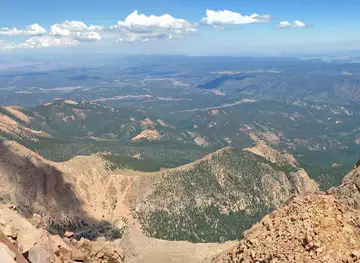
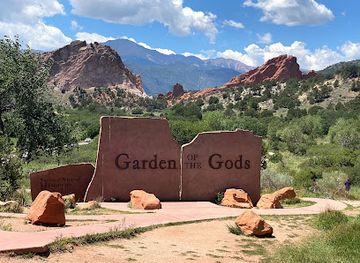
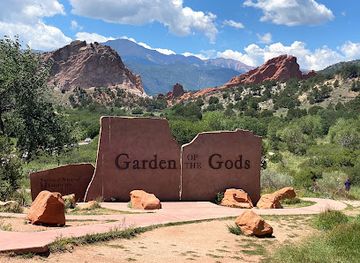
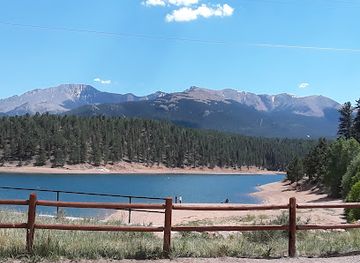
The Pikes Peak Region combines major natural attractions with museums, heritage sites and outdoor recreation. Garden of the Gods in Colorado Springs is the best-known landscape, where towering red sandstone formations create walking, cycling and scenic-driving opportunities beneath the Front Range. Pikes Peak itself can be experienced by the Pikes Peak Highway, the Broadmoor Manitou and Pikes Peak Cog Railway or strenuous hiking routes; access arrangements, reservations and weather restrictions vary. Manitou Springs adds mineral springs, galleries and the Manitou Incline, while Colorado Springs offers the National Museum of World War II Aviation, the Colorado Springs Pioneers Museum and the United States Olympic and Paralympic Museum. North of the city, the United States Air Force Academy is notable for its campus and Cadet Chapel, subject to access requirements. Farther west, the Cripple Creek and Victor area interprets gold-mining history through historic streets, museums and mine landscapes. Woodland Park and Florissant provide gateways to forests, reservoirs and fossil-rich landscapes, including Florissant Fossil Beds National Monument. The attraction pattern changes with altitude: urban institutions and red-rock parks are relatively accessible, while high-country walks and scenic drives require more preparation.
-
Park
Garden of the Gods
Discover the stunning rock formations and breathtaking landscapes of Garden of the Gods in Colorado Springs, a must-visit natural wonder for every traveler.
-
Zoo
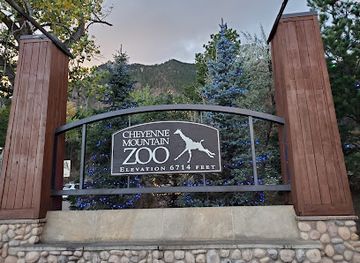
Cheyenne Mountain Zoo
Discover wildlife at 6,714 feet! Experience unforgettable animal encounters and breathtaking views at America's highest zoo in Colorado Springs.
-
Amusement park
Cave of the Winds Mountain Park
Discover underground caves & thrilling rides at Cave of the Winds Mountain Park in Manitou Springs, Colorado. A historic adventure for the whole family!
-
Theme park
Royal Gorge Bridge & Park
Experience breathtaking views and thrilling adventures at Royal Gorge Bridge & Park, home to America's highest suspension bridge.

Best landmarks in Pikes Peak Region
Pikes Peak is the region's defining natural landmark, a broad, high summit visible across the plains and closely tied to Colorado's exploration, tourism and cultural history. In its foothills, Garden of the Gods is distinguished by vertical red sandstone formations, including the well-known Balanced Rock area, set within a protected landscape beside Colorado Springs. Manitou Springs' mineral springs and Victorian commercial streets represent the town's resort origins, while the Manitou Incline has become a conspicuous modern symbol of athletic access to the mountain. The Broadmoor Manitou and Pikes Peak Cog Railway follows the historic approach from Manitou Springs towards the summit, although the railway itself is an operating visitor attraction rather than simply a monument. Colorado Springs' Pioneers Museum occupies the former El Paso County Courthouse and reflects the city's civic development. In the western part of the region, Cripple Creek's historic commercial buildings and Victor's preserved mining-town character recall the gold boom of the 1890s. The United States Air Force Academy's Cadet Chapel is a notable example of mid-twentieth-century modern architecture, subject to current visitor-access arrangements.
-
Park
Garden of the Gods
Discover the breathtaking red rock formations and scenic trails of the Garden of the Gods, a must-visit natural wonder in Colorado Springs.
-
Tourist attraction
Pikes Peak - America's Mountain
Discover the breathtaking views and thrilling adventures awaiting at Pikes Peak, one of Colorado's most iconic destinations, perfect for all nature lovers.
-
Archaeological museum
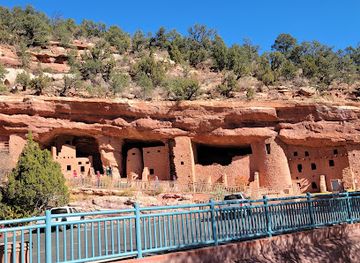
Manitou Cliff Dwellings
Explore the Manitou Cliff Dwellings, a captivating archaeological museum revealing the history and architecture of the Ancestral Puebloans in scenic Manitou Springs.
-
Hiking area
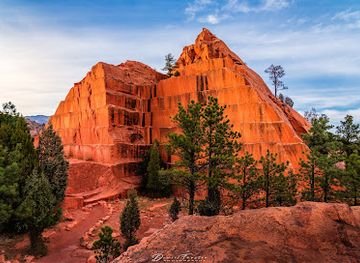
Red Rock Canyon Open Space
Explore Red Rock Canyon Open Space in Colorado Springs: a breathtaking park with stunning trails, scenic views, and diverse wildlife perfect for outdoor adventures.
Explore Pikes Peak Region on the map
Plan your trip on one map. See where the top cities, national parks and sights are, and book hotels and experiences in a few clicks.
Best hotels in Pikes Peak Region
Best restaurants in Pikes Peak Region
Dining in the Pikes Peak Region ranges from Colorado Springs restaurants and craft breweries to cafés in Manitou Springs, mountain-town eateries and traditional American dining in the western communities. Green chile appears widely on menus, reflecting the culinary influence of the wider Rocky Mountain and Southwestern region, while burgers, steaks, barbecue, trout and other hearty dishes suit the outdoor setting. Colorado craft beer is a prominent accompaniment, and many establishments focus on seasonal produce, locally raised meat or contemporary interpretations of regional cooking. Manitou Springs has a concentration of independent cafés, bakeries and casual restaurants within its walkable centre; Colorado Springs provides the broadest choice, including international food and more formal dining. Woodland Park, Cripple Creek and Victor are useful places to look for unpretentious mountain meals, though opening patterns can be seasonal. Farmers' markets and specialist food shops offer opportunities to buy Colorado produce, baked goods and prepared foods rather than relying solely on restaurant dining.
-
Gift shop
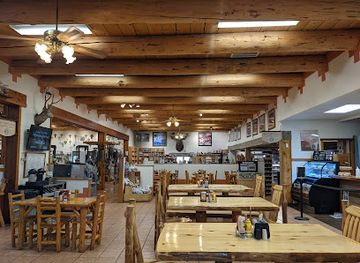
Garden of the Gods Trading Post
Explore unique gifts and local art at Garden of the Gods Trading Post near stunning natural landscapes.
-
German
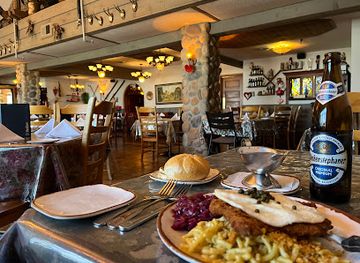
Edelweiss German Restaurant
Experience authentic German cuisine at Edelweiss German Restaurant in Colorado Springs—where every dish tells a story.
-
Grill
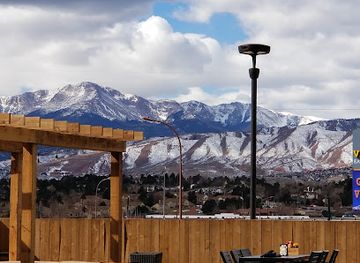
ViewHouse
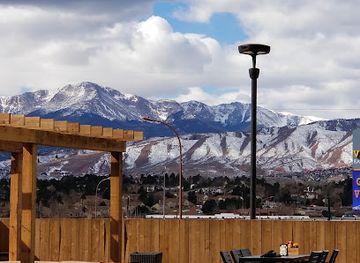
Experience exceptional American cuisine with stunning views at ViewHouse in Colorado Springs - where every meal is a celebration.
-
American
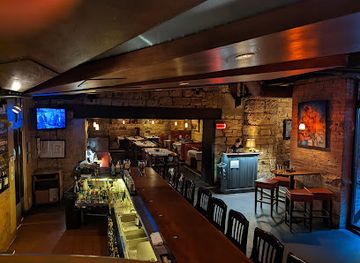
The Rabbit Hole
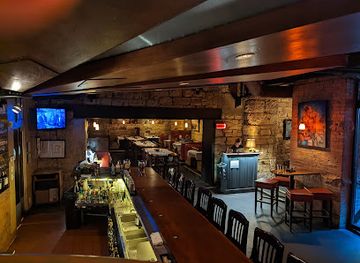
Discover the whimsical charm of The Rabbit Hole in Colorado Springs – where fine dining meets creativity in every dish.
Best bars in Pikes Peak Region
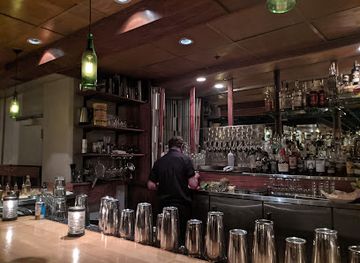
Evening life is concentrated in Colorado Springs and Manitou Springs rather than spread evenly across the whole region. Colorado Springs has the widest selection of breweries, cocktail bars, wine bars, live-music rooms and late-opening restaurants, with activity particularly evident in established central districts and around downtown. Manitou Springs is known for relaxed pubs, bars, cafés and small venues suited to an evening after exploring the foothills, while its historic atmosphere is more important than a large nightclub scene. In Woodland Park, Cripple Creek and Victor, nightlife generally centres on local bars, restaurants, casinos in Cripple Creek and occasional live entertainment rather than extensive clubbing. Brewery visits and taprooms are part of the region's contemporary social culture, but travellers should plan transport carefully, especially in mountain areas where distances, darkness and winter conditions can make late driving difficult.
-
Grill
ViewHouse
Discover the vibrant dining experience at ViewHouse in Colorado Springs, featuring grilled delights and a lively atmosphere for every occasion.
-
Sports bar
Bubba's 33
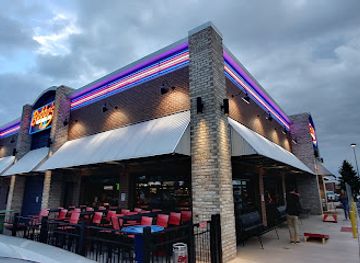
Experience the ultimate sports bar and American dining at Bubba's 33 in Colorado Springs, where great food meets exciting game day action.
-
American
The Rabbit Hole
Discover a whimsical dining experience at The Rabbit Hole in Downtown Colorado Springs, where American cuisine meets creative cocktails.
-
Barbecue
Front Range Barbeque
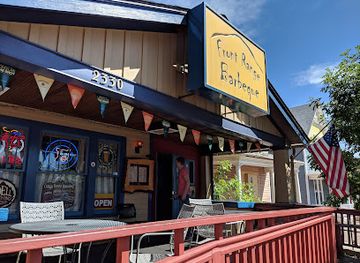
Discover the rich flavors of Southern barbecue at Front Range Barbeque, a top spot in Colorado Springs for delicious food and live music.
Best nightclubs in Pikes Peak Region
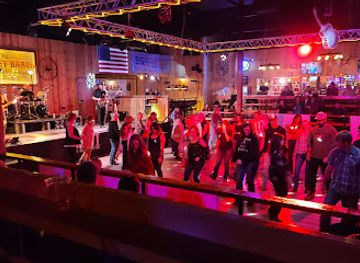
Evening life is concentrated in Colorado Springs and Manitou Springs rather than spread evenly across the whole region. Colorado Springs has the widest selection of breweries, cocktail bars, wine bars, live-music rooms and late-opening restaurants, with activity particularly evident in established central districts and around downtown. Manitou Springs is known for relaxed pubs, bars, cafés and small venues suited to an evening after exploring the foothills, while its historic atmosphere is more important than a large nightclub scene. In Woodland Park, Cripple Creek and Victor, nightlife generally centres on local bars, restaurants, casinos in Cripple Creek and occasional live entertainment rather than extensive clubbing. Brewery visits and taprooms are part of the region's contemporary social culture, but travellers should plan transport carefully, especially in mountain areas where distances, darkness and winter conditions can make late driving difficult.
-
Night club
The Whiskey Baron Dance Hall & Saloon
Discover the lively ambiance of The Whiskey Baron Dance Hall & Saloon, where dance, drinks, and unforgettable nights await you in Colorado Springs.
-
Cocktail bar
The Archives Underground Libations
Experience the vibrant cocktail culture at The Archives Underground Libations in Colorado Springs, where creative drinks meet lively ambiance.
-
Night club
Copperhead Road Bar & Nightclub
Discover an exhilarating nightlife experience at Copperhead Road Bar & Nightclub in Colorado Springs, where music, dancing, and great company come together.
-
Bar
The Lounge In the Village
Experience the vibrant atmosphere and diverse entertainment at The Lounge In the Village, the ultimate bar for cocktails, karaoke, and sports in Colorado Springs.


Best shops in Pikes Peak Region
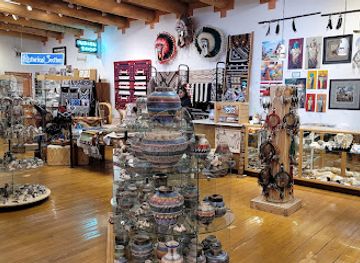
Shopping in the Pikes Peak Region is strongest in Colorado Springs, where central districts, independent retailers, galleries, bookshops and larger commercial areas provide the broadest choice. Manitou Springs offers a compact mix of art galleries, craft shops, jewellery, clothing, crystals, books and locally themed gifts, with much of the browsing concentrated along its historic main streets. Visitors seeking regional products can look for Colorado-made beer, spirits, coffee, chocolate, preserves, pottery and outdoor equipment, while farmers' markets provide seasonal produce and prepared foods when operating. Woodland Park and the western mountain towns have smaller selections focused on practical outdoor goods, antiques, local art and souvenirs connected with mining and mountain history. Cripple Creek and Victor retain a heritage-shopping character, with historic streets and shops oriented towards the gold-town setting rather than designer retail. For substantial general shopping, Colorado Springs is the practical centre; the mountain communities are better suited to distinctive crafts, local food products and place-specific mementoes.
-
Tourist attraction
Pikes Peak - America's Mountain
Discover the breathtaking beauty of Pikes Peak, America's Mountain, with stunning views, hiking trails, and outdoor adventures.
-
Gift shop
Garden of the Gods Trading Post
Explore the Garden of the Gods Trading Post, a treasure trove of unique gifts, art, and delicious food in the heart of Colorado’s stunning landscapes.
-
Shopping mall
University Village Colorado shopping center
Discover unique shops and delightful dining at University Village Colorado, where shopping meets community in a scenic setting.
-
Shopping mall
The Citadel Mall
Discover a shopping haven in Colorado Springs at The Citadel Mall, featuring diverse stores, delicious dining, and exciting events.
Get your free copy of our complete guide to Pikes Peak Region, delivered straight to you.
Everything on this page, from attractions and restaurants to essentials and local phrases, in one PDF you can read offline, print or share.
Already have an account? Sign in
Your Pikes Peak Region guide is ready.
We'll send it to · Not you? Sign out

Getting your guide ready…
We are putting together a fresh copy of the Pikes Peak Region guide. This can take up to a minute.
This can take a few moments. If your browser asks, choose Allow so the download can start. You'll find the guide in your Downloads folder.
Nothing happened? Download it again
Sorry, the guide is taking longer than usual. Please try again in a minute, or get it by email instead.
Pikes Peak Region essentials
Currency and Payment
Safety
Emergency Situations
Do's and Don'ts
Local Tips
From Eve
Local phrases worth knowing
You don't need to get them perfect. A few words go a long way, and locals appreciate the effort.
Basics
| English | Local | Say it |
|---|---|---|
| Hello | Howdy | [Haudi] |
| Goodbye | See ya | [See yah] |
| Yes | Yep | [Yep] |
| No | Nope | [Nope] |
| Please/You're welcome | Sure thing | [Shur thing] |
| Thank you | Thanks a lot | [Thangs a lot] |
| Excuse me/Sorry | Excuse me | [Ex-kyoos me] |
| How are you? | How's it going? | [How's it goin?] |
| Fine. And you? | Good. You? | [Good. You?] |
| Do you speak English? | You speakin' English? | [Yoo speekin' English?] |
| I don't understand | I don't get it | [I don't get it] |
Eating & Drinking
| English | Local | Say it |
|---|---|---|
| I'd like to see the menu, please | Can I see the menu? | [Can I see the menu?] |
| I don't eat meat | I'm vegetarian | [I'm vege-tair-ian] |
| Cheers! | Cheers! | [Cheers!] |
| I would like to pay, please | Can I get the check? | [Can I get the check?] |
Emergencies
| English | Local | Say it |
|---|---|---|
| Help! | Help! | [Help!] |
| Go away! | Leave me alone! | [Leev me alone!] |
| Call the Police! | Call the cops! | [Call the cops!] |
| Call a doctor! | Get a doctor! | [Get a doctor!] |
| I'm lost | I'm kinda lost | [I'm kinda lost] |
| I'm ill | I'm not feelin' well | [I'm not feelin' well] |
Shopping
| English | Local | Say it |
|---|---|---|
| I'd like to buy... | I wanna buy... | [I wanna buy...] |
| I'm just looking | Just browsing | [Just browsin'] |
| How much is it? | What's the price? | [What's the price?] |
| That's too expensive | That's way too pricey | [That's way too pry-see] |
| Can you lower the price? | Can you cut the price? | [Can you cut the price?] |
Time & Numbers
| English | Local | Say it |
|---|---|---|
| What time is it? | What time ya got? | [What time ya got?] |
| It's one o'clock | It's one | [It's one] |
| Half past (10) | Half past ten | [Half past ten] |
| Morning | Morning | [Mornin'] |
| Afternoon | Afternoon | [Afternooon] |
| Evening | Evening | [Evenin'] |
| Yesterday | Yesterday | [Yesterday] |
| Today | Today | [Today] |
| Tomorrow | Tomorrow | [Tuh-morrow] |
| 1 | One | [One] |
| 2 | Two | [Two] |
| 3 | Three | [Three] |
| 4 | Four | [Four] |
| 5 | Five | [Five] |
| 6 | Six | [Six] |
| 7 | Seven | [Seven] |
| 8 | Eight | [Eight] |
| 9 | Nine | [Nine] |
| 10 | Ten | [Ten] |
Transport & Directions
| English | Local | Say it |
|---|---|---|
| Where's a/the...? | Where's the...? | [Where's the...?] |
| What's the address? | What's the address? | [What's the address?] |
| Can you show me (on the map)? | Can you point it out? | [Can you point it out?] |
| When's the next (bus)? | When's the next bus? | [When's the next bus?] |
| A ticket (to ....) | A ticket to... | [A ticket to...] |
History of Pikes Peak Region
Indigenous Homelands and Early Routes
The Pikes Peak Region lies within the wider homelands and ancestral landscapes of Indigenous peoples including the Ute, Cheyenne and Arapaho. Pikes Peak itself was known by Indigenous communities before European-American exploration, and the mountain formed a prominent landmark along routes across the southern Front Range. Later trails and roads followed corridors already shaped by movement through the plains and foothills. Visitors should understand that the region's history did not begin with the establishment of Colorado Springs or the arrival of mining prospectors.
Exploration and the Naming of Pikes Peak
In 1806, the United States expedition led by Zebulon Montgomery Pike travelled through the wider southern Front Range while attempting to investigate the prominent mountain later associated with his name. Pike did not reach the summit, but reports of the peak contributed to its recognition on American maps. The mountain subsequently became an important landmark for explorers, migrants and surveyors moving through the central Rocky Mountain region. Its name reflects the history of American expansion, though Indigenous relationships with the mountain considerably predate that episode.
Colorado City and the Founding of Colorado Springs
Colorado City was established in 1859 during the Colorado Gold Rush and became an early settlement and supply point west of present-day Colorado Springs. General William Jackson Palmer founded Colorado Springs in 1871 as a planned community linked to the Denver and Rio Grande Railway. Palmer promoted the town as a refined resort and health destination, and broad streets, parks and surviving historic buildings still reflect parts of that original vision. The two settlements developed distinct identities but helped establish the urban base of the modern region.
Manitou Springs and the Resort Era
Manitou Springs developed in the late nineteenth century around mineral springs believed by visitors of the period to have therapeutic value. Hotels, bathhouses, railway connections and entertainment venues turned the settlement into a resort for travellers seeking mountain air and spring water. Although the health claims associated with the springs belong to the medical thinking of their time, the town's Victorian streetscape and public spring tradition remain important to its identity. Manitou also became a gateway for climbing, sightseeing and travel towards Pikes Peak.
Mining and the Gold Camps of Cripple Creek
The discovery of gold in the Cripple Creek district in the early 1890s transformed the western part of the region. Cripple Creek, Victor and surrounding camps expanded rapidly, connected by railways and supported by mines, mills, hotels and commercial streets. Labour disputes, including the Colorado Labor Wars of the early twentieth century, revealed the difficult relationship between mining companies and workers. Production later declined, but surviving buildings, mine structures and museums preserve the architectural and industrial legacy of one of Colorado's most important gold districts.
Pikes Peak as a Symbol of the American West
During the nineteenth and early twentieth centuries, Pikes Peak became a powerful symbol in American migration and western promotion. The phrase associated with the 1859 gold rush, expressing the hope that a journey to the peak would lead to fortune, helped spread the mountain's reputation far beyond Colorado. The arrival of rail access and later automobile routes made summit travel increasingly practical. Tourism, scenic travel and the mountain's visual presence in advertising contributed to Colorado Springs and Manitou Springs becoming nationally recognised destinations.
Military and Aerospace Development
The region's modern character has been strongly influenced by military and aerospace institutions. The United States Air Force Academy was established north of Colorado Springs in 1954, bringing a major campus, cadet population and distinctive mid-century architecture to the area. Peterson Space Force Base, Schriever Space Force Base and other installations have reinforced the region's role in national defence and space operations. This presence has contributed to population growth, technical employment and a cosmopolitan dimension alongside the area's tourism and outdoor economy.
Pikes Peak Region in Photos
Browse through our photo collection highlighting the charm and character of the destination.
Neighbouring regions of Pikes Peak Region
The closest regions to Pikes Peak Region, if you have time for more than one.
-

-

-

-

-


Swipe for more regions
Explore more

Explore more of Colorado
Discover Colorado: A stunning blend of rugged mountains, vibrant cities, and rich history, offering endless adventures and unforgettable experiences.
Explore Colorado