

Pikes Peak Travel Guide - Free Web & App
Your ultimate guide to Pikes Peak. Discover top landmarks, proposed trips, and local tips. Free on the web or via the Evendo companion app.


Pikes Peak, Colorado, rises above Colorado Springs with a cog railway, summit road, alpine trails, sweeping views and gold-rush history, in the Rockies.
A Mountain of Contrasts
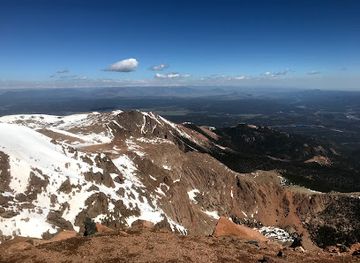
Pikes Peak rises to 14,115 feet above sea level on the western edge of Colorado Springs, a solitary granite massif whose broad profile has shaped the identity of the southern Front Range. From the plains, it appears as a single commanding summit; on its upper slopes, the landscape changes rapidly from ponderosa-pine forest and aspen groves to exposed rock, alpine tundra and thin, weather-sensitive air. The mountain lies within the Pike National Forest, although the summit, access roads and developed facilities are administered through different arrangements, so visitors should check current access information before travelling.Read more about Pikes Peak
Ways Up the Mountain
Gateway Communities and Mountain Culture
When is the best time to visit Pikes Peak?
Best: June–August · 17–20°C| Month | High (°C) | Rainfall (mm) |
|---|---|---|
| January | -2 | 23 |
| February | -1 | 22 |
| March | 4 | 30 |
| April | 8 | 39 |
| May | 12 | 51 |
| June (best) | 17 | 58 |
| July (best) | 20 | 75 |
| August (best) | 20 | 70 |
| September | 15 | 40 |
| October | 10 | 28 |
| November | 3 | 22 |
| December | -1 | 24 |
Getting to and around Pikes Peak
How to get there
Transportation
Best attractions in Pikes Peak
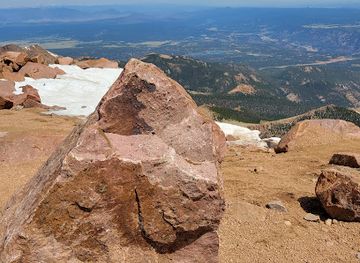
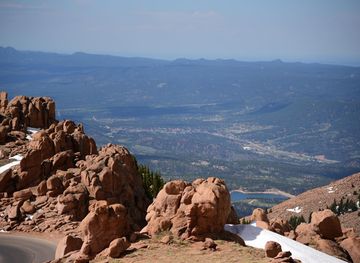
The principal attraction is the mountain itself, experienced through three very different approaches. The Broadmoor Manitou and Pikes Peak Cog Railway climbs from historic Manitou Springs through foothills and conifer forest to the high summit, while the Pikes Peak Highway provides a scenic road journey with pull-outs including Devil’s Playground. Barr Trail offers a demanding alternative for experienced hikers, beginning in Manitou Springs and rising through several ecological zones. At the summit, the developed complex and viewing areas look across Colorado Springs, the Front Range and the Great Plains when visibility allows. Crystal Reservoir, below the summit on the mountain’s eastern side, adds a lower-elevation setting for recreation and scenery. Nearby Manitou Springs contributes historic streets and mineral-spring culture, while Colorado Springs provides access to museums and the Garden of the Gods; these are gateway attractions rather than features of Pikes Peak itself.
-
Tourist attraction
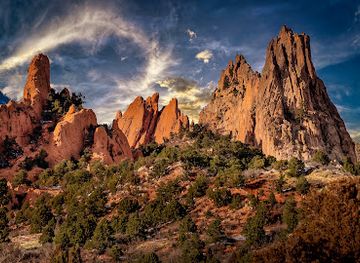
Garden of the Gods
Explore the stunning red rock formations and breathtaking landscapes of Garden of the Gods, a must-see natural wonder in Colorado Springs, Colorado.
-
Tourist attraction
Cave of the Winds Mountain Park
Discover underground wonders and above-ground thrills at Cave of the Winds Mountain Park near Colorado Springs!
-
Tourist attraction
Pikes Peak - America's Mountain
Experience the majesty of Pikes Peak, America's Mountain: Drive, hike, or ride to the 14,115-foot summit for breathtaking views and unforgettable memories.
-
Tourist attraction
Manitou Cliff Dwellings
Explore ancient Ancestral Puebloan cliff dwellings in Manitou Springs, Colorado. A unique cultural and historical experience for all ages.
Best landmarks in Pikes Peak
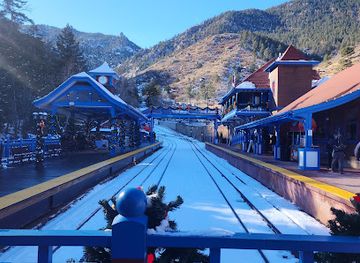
Pikes Peak is the defining natural landmark: an ancient granite mountain rising conspicuously above the eastern Colorado plains and reaching 14,115 feet. Its summit belongs to the celebrated group of Colorado fourteeners, although its broad, accessible profile distinguishes it from more sharply ridged peaks. The Pikes Peak Highway, Broadmoor Manitou and Pikes Peak Cog Railway and Barr Trail are important access landmarks in their own right, representing successive eras of motoring, railway travel and mountain recreation. Devil’s Playground is a recognised high-elevation stop along the highway, while Crystal Reservoir marks a lower mountain landscape of forest and water. In Manitou Springs, the railway depot and historic resort setting connect the mountain to the architectural and tourism history of the foothills rather than forming part of the summit environment.
-
Visitor center
Pikes Peak Summit House
Discover Pikes Peak Summit House, a breathtaking visitor center with stunning views and delicious donuts in the heart of Colorado's Rocky Mountains.
-
Historical landmark
Pike's Peak, Colorado
Experience the breathtaking beauty and rich history of Pike's Peak, a majestic landmark in Colorado that captivates adventurers and nature lovers alike.
Explore Pikes Peak on the map
Plan your trip on one map. See where the top attractions, landmarks, restaurants and hotels are, and book hotels and experiences in a few clicks.
Best hotels in Pikes Peak
Best restaurants in Pikes Peak
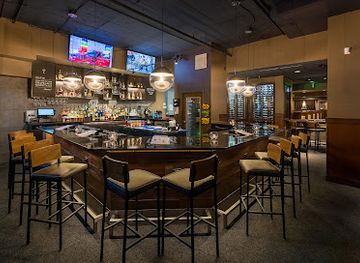
Pikes Peak has limited dining at high elevation, where facilities are primarily associated with summit visitors rather than a broad restaurant scene. Most meals are found in the gateway communities of Colorado Springs, Manitou Springs and Cascade. Manitou Springs has independent cafés, casual restaurants, bakeries and traditional hospitality venues within walking distance of the railway and Barr Trail area, while Colorado Springs offers the widest choice, from everyday dining to more developed regional and contemporary cooking. Menus across the region commonly draw on Colorado beef, trout, game, craft brewing and produce from the Rocky Mountain West, although availability varies by season and establishment. Visitors driving the highway should not assume that food and water can be bought at every stop, and hikers should carry suitable provisions rather than relying on summit facilities.
-
American
The Rabbit Hole
Experience fine American dining at The Rabbit Hole in Colorado Springs—where culinary creativity meets whimsical charm.
-
Fondue
The Melting Pot
Discover the exquisite flavors of fondue dining at The Melting Pot in Colorado Springs – where every meal is a celebration.
-
Hotel
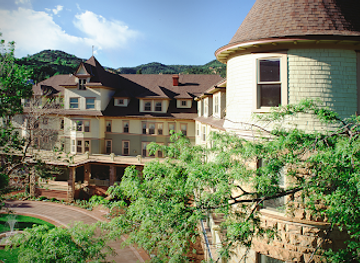
The Cliff House at Pikes Peak
Discover unparalleled luxury and breathtaking views at The Cliff House at Pikes Peak - your perfect getaway in Colorado.
-
Southwestern American
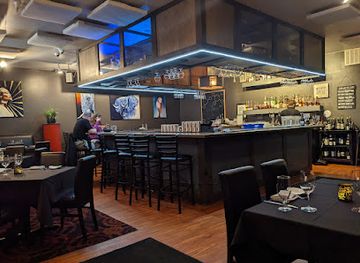
Four by Brother Luck
Experience the essence of Southwestern American cuisine at Four by Brother Luck in Colorado Springs—where tradition meets innovation.
Best bars in Pikes Peak
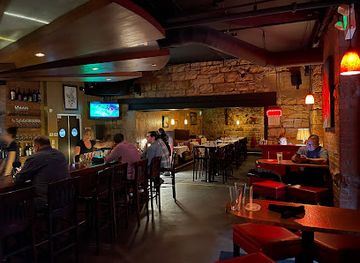
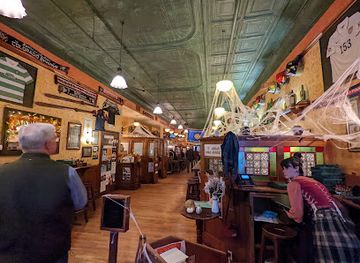
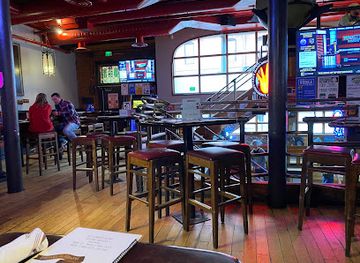
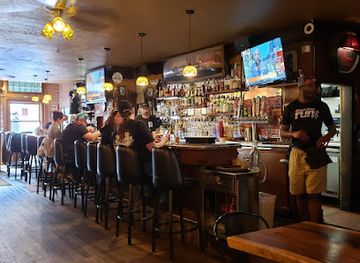
Pikes Peak itself has no nightlife district, and evenings on the upper mountain are governed by weather, access arrangements and the need for caution at altitude. The most characteristic evening settings are the pubs, breweries, bars and relaxed restaurants of Manitou Springs, where the atmosphere reflects its historic resort and arts community. Colorado Springs provides a larger selection of breweries, cocktail bars, live entertainment and late-opening venues, particularly in its central districts, but those areas are outside the mountain destination. Cascade is quieter and accommodation-led, with evening options much more limited. Visitors staying near the foothills generally treat the mountain as a daytime excursion, returning to settled areas for dinner and drinks rather than expecting summit entertainment.
-
American
The Rabbit Hole
Discover the whimsical charm of The Rabbit Hole, where exquisite American cuisine meets creative cocktails in the heart of Colorado Springs.
-
Bar
Jack Quinn's Irish Pub and Restaurant
Discover the heart of Ireland at Jack Quinn's Irish Pub and Restaurant, where authentic cuisine and vibrant atmosphere come together in Colorado Springs.
-
Gastropub
Mother Muffs
Experience the best of Colorado Springs dining at Mother Muffs, where gourmet cuisine meets a lively pub atmosphere.
-
Grill
The Keg Lounge
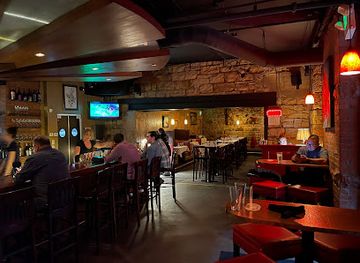
Experience the best of American cuisine at The Keg Lounge in Manitou Springs, where great food meets a warm, inviting atmosphere.
Best nightclubs in Pikes Peak
Pikes Peak itself has no nightlife district, and evenings on the upper mountain are governed by weather, access arrangements and the need for caution at altitude. The most characteristic evening settings are the pubs, breweries, bars and relaxed restaurants of Manitou Springs, where the atmosphere reflects its historic resort and arts community. Colorado Springs provides a larger selection of breweries, cocktail bars, live entertainment and late-opening venues, particularly in its central districts, but those areas are outside the mountain destination. Cascade is quieter and accommodation-led, with evening options much more limited. Visitors staying near the foothills generally treat the mountain as a daytime excursion, returning to settled areas for dinner and drinks rather than expecting summit entertainment.
-
Bar
Blondie's
Discover the lively nightlife at Blondie's, a popular bar and nightclub in downtown Colorado Springs known for its vibrant atmosphere and exciting events.
-
Night club
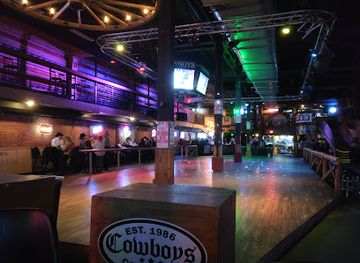
Cowboys
Experience the vibrant nightlife at Cowboys, a premier night club in downtown Colorado Springs with three floors of music, drinks, and fun.
-
Night club
Mansion
Discover the electrifying nightlife at Mansion in downtown Colorado Springs, where music and fun blend for an unforgettable experience.
-
Night club
Speakeasy Vape Lounge & Cannabis Club Dab Bar #SEVL
Discover the ultimate chill spot in Colorado Springs at Speakeasy Vape Lounge & Cannabis Club, where relaxation meets entertainment.



Best shops in Pikes Peak
Shopping on Pikes Peak is concentrated in its gateway communities rather than on the mountain. Manitou Springs has independent shops and galleries selling regional art, jewellery, gifts and locally themed goods, alongside practical supplies for visitors using the railway or Barr Trail. Colorado Springs provides a much broader retail range, including outdoor equipment, clothing, books, food producers and craft beverages. Mountain-oriented visitors may find useful gear in the larger city, but availability and specialist stock vary. Food and drink associated with Colorado, including locally made beer and regional produce, are common souvenirs, while craft and artwork reflect the wider Front Range rather than a single Pikes Peak tradition. The summit is not an extensive retail destination, so visitors should obtain hiking essentials, water and weather-appropriate clothing before ascending.
-
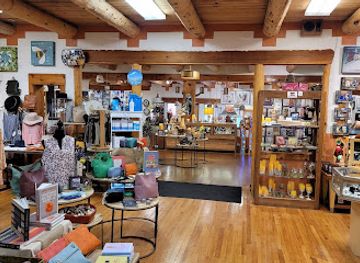
Gift shop
Garden of the Gods Trading Post
Discover unique gifts and local art at the Garden of the Gods Trading Post, a charming destination near the iconic Garden of the Gods Park.
-
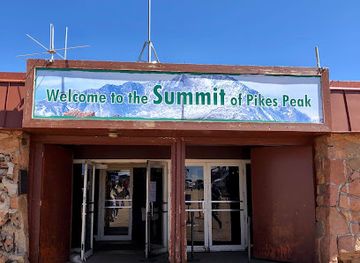
Visitor center
Pikes Peak Summit House
Discover the breathtaking heights of Pikes Peak Summit House, where stunning views, delicious food, and unique souvenirs await every visitor.
-
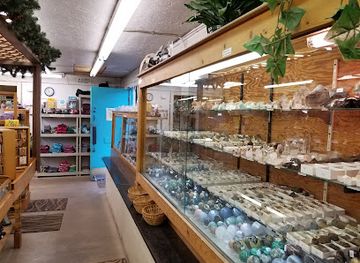
Rock shop
Pike's Peak Rock Shop
Explore the enchanting Pike's Peak Rock Shop in Cascade, CO, a unique destination for rock lovers with stunning minerals, fossils, and geological wonders.
-
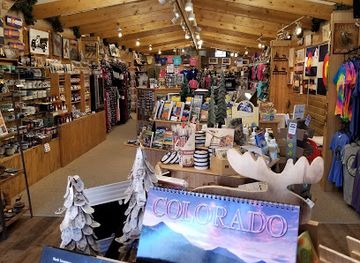
Souvenir store
All About Colorado
Discover authentic Colorado souvenirs and local literature at All About Colorado, a charming shop in Old Colorado City.
Get your free copy of our complete guide to Pikes Peak, delivered straight to you.
Everything on this page, from attractions and restaurants to essentials and local phrases, in one PDF you can read offline, print or share.
Already have an account? Sign in
Your Pikes Peak guide is ready.
We'll send it to · Not you? Sign out

Getting your guide ready…
We are putting together a fresh copy of the Pikes Peak guide. This can take up to a minute.
This can take a few moments. If your browser asks, choose Allow so the download can start. You'll find the guide in your Downloads folder.
Nothing happened? Download it again
Sorry, the guide is taking longer than usual. Please try again in a minute, or get it by email instead.
Pikes Peak essentials
Currency and Payment
Safety
Emergency Situations
Do's and Don'ts
Local Tips
From Eve
Local phrases worth knowing
You don't need to get them perfect. A few words go a long way, and locals appreciate the effort.
Basics
| English | Local | Say it |
|---|---|---|
| Hello | Howdy | [haʊ-di] |
| Goodbye | See ya later | [siː jə ˈleɪtər] |
| Yes | Yep | [jɛp] |
| No | Nah | [nɑː] |
| Please/You're welcome | Please/No worries | [pliːz/nəʊ ˈwʌriz] |
| Thank you | Thanks a bunch | [θæŋks ə bʌntʃ] |
| Excuse me/Sorry | Pardon me/My bad | [ˈpɑrdn miː/maɪ bæd] |
| How are you? | How y'all doin'? | [haʊ jɔːl ˈduɪn] |
| Fine. And you? | Jus' fine. You? | [dʒʌs faɪn juː] |
| Do you speak English? | Ya speak English? | [jə spiːk ˈɪŋɡlɪʃ] |
| I don't understand | I ain't catchin' on | [aɪ eɪnt ˈkætʃɪn ɒn] |
Eating & Drinking
| English | Local | Say it |
|---|---|---|
| I'd like to see the menu, please | Can I check out the grub list? | [kæn aɪ tʃɛk aʊt ðə ɡrʌb lɪst] |
| I don't eat meat | I'm veggie | [aɪm ˈvɛdʒi] |
| Cheers! | Bottoms up! | [ˈbɒtəmz ʌp] |
| I would like to pay, please | I'll settle up now, thanks | [aɪl ˈsɛtəl ʌp naʊ θæŋks] |
Emergencies
| English | Local | Say it |
|---|---|---|
| Help! | SOS! | [ɛs oʊ ɛs] |
| Go away! | Git! | [ɡɪt] |
| Call the Police! | Ring the cops! | [rɪŋ ðə kɒps] |
| Call a doctor! | Get the doc! | [ɡɛt ðə dɒk] |
| I'm lost | I'm all turned around | [aɪm ɔːl tɜrnd əˈraʊnd] |
| I'm ill | I ain't feelin' right | [aɪ eɪnt ˈfiːlɪn raɪt] |
Shopping
| English | Local | Say it |
|---|---|---|
| I'd like to buy... | I'm fixin' to purchase... | [aɪm ˈfɪksɪn tuː ˈpɜːrtʃɪs] |
| I'm just looking | I'm browsin' | [aɪm ˈbraʊzɪn] |
| How much is it? | What's the damage? | [wɒts ðə ˈdæmɪdʒ] |
| That's too expensive | That's a bit steep | [ðæts ə bɪt stiːp] |
| Can you lower the price? | Can ya cut me a deal? | [kæn jə kʌt miː ə diːl] |
Time & Numbers
| English | Local | Say it |
|---|---|---|
| What time is it? | What's the time? | [wɒts ðə taɪm] |
| It's one o'clock | It's one | [ɪts wʌn] |
| Half past (10) | Half ten | [hɑːf tɛn] |
| Morning | Mornin' | [ˈmɔrnɪn] |
| Afternoon | Arvo | [ˈɑːvəʊ] |
| Evening | Night | [naɪt] |
| Yesterday | Yest'day | [ˈjɛstˌdeɪ] |
| Today | 2day | [ˈtəˌdeɪ] |
| Tomorrow | 2moro | [ˈtəˌmɒrəʊ] |
| 1 | One | [wʌn] |
| 2 | Two | [tuː] |
| 3 | Three | [θriː] |
| 4 | Four | [fɔːr] |
| 5 | Five | [faɪv] |
| 6 | Six | [sɪks] |
| 7 | Seven | [ˈsɛvən] |
| 8 | Eight | [eɪt] |
| 9 | Nine | [naɪn] |
| 10 | Ten | [tɛn] |
Transport & Directions
| English | Local | Say it |
|---|---|---|
| Where's a/the...? | Where's the... at? | [wɛəz ðə æt] |
| What's the address? | What's the addy? | [wɒts ðə ˈædi] |
| Can you show me (on the map)? | Can ya point it out (on the map)? | [kæn jə pɔɪnt ɪt aʊt ɒn ðə mæp] |
| When's the next (bus)? | When's the next (bus) comin'? | [wɛnz ðə nɛkst ˈbʌs ˈkʌmɪn] |
| A ticket (to ....) | A pass (to ....) | [ə pæs tuː] |
History of Pikes Peak
Granite Foundations and Alpine Uplift
Pikes Peak is formed largely of Pikes Peak granite, an ancient Precambrian rock emplaced roughly 1.08 billion years ago. Later geological uplift and erosion exposed the resistant granite and helped create the mountain’s distinctive isolated profile above the eastern plains. Glacial and periglacial processes shaped parts of the upper landscape during the Ice Age, although the peak itself does not resemble a heavily glaciated alpine range. The contrast between exposed summit rock, alpine tundra, subalpine forest and lower montane woodland records changes in elevation, temperature and moisture over a relatively short horizontal distance.
Ute Country and Indigenous Presence
Long before roads, railways and prospectors reached Pikes Peak, the region formed part of the wider homelands and travel landscape of Indigenous peoples, including the Ute. The mountain’s modern name and tourism history can obscure these earlier relationships with the Front Range, where seasonal movement, hunting and knowledge of mountain routes were fundamental to life. Other Indigenous peoples also travelled through the broader Colorado region. Visitors should understand Pikes Peak within this deeper history rather than treating the nineteenth-century opening of the mountain to tourism as its beginning.
Pike’s Expedition and a Changing Name
In 1806, United States Army officer Zebulon Montgomery Pike led an expedition through the southern Front Range while attempting to investigate the region’s geography. Pike did not reach the summit, but reports of the prominent peak helped attach his name to it in American maps and public discussion. The familiar possessive form “Pike’s Peak” became widespread during the nineteenth century, while the official modern spelling is “Pikes Peak”. The expedition occurred within a region that was already known and used by Indigenous communities, and it formed part of the expanding geographical and political interest of the United States in the central Rocky Mountains.
Gold Rush and the Rise of Tourism
The 1859 Colorado Gold Rush brought prospectors, merchants and settlers into the Front Range, giving rise to the slogan “Pikes Peak or Bust”. Although much of the mining activity centred on nearby districts rather than the summit itself, Pikes Peak became a powerful symbol for newcomers and a landmark for the developing settlement of Colorado City and later Colorado Springs. As roads and railways improved, the mountain’s value shifted from a navigational and promotional emblem to a destination for scenic travel, scientific observation and recreation.
Railways, Roads and Scenic Access
The Manitou and Pikes Peak Railway began carrying visitors towards the summit in the nineteenth century, developing the railway tradition that continues through the modern Broadmoor Manitou and Pikes Peak Cog Railway. The Pikes Peak Highway opened to automobiles in 1915, extending road access from the foothills to the summit and changing how visitors experienced the mountain. Scenic travel, motoring and organised tourism became increasingly important to the local economy, while the mountain’s high-elevation environment demanded more careful management as visitor numbers grew.
Conservation and Modern Management
Pikes Peak now sits within a landscape managed for recreation, forest health, wildlife habitat and the protection of fragile high-altitude environments. The summit road and railway have undergone substantial modern improvements, including the reconstruction of summit facilities, while trail users continue to share the mountain with transport infrastructure and maintenance operations. Environmental conditions remain central to its management: alpine plants grow slowly, weather changes quickly and heavy use can damage exposed ground. Contemporary visits therefore take place within an ongoing balance between public access, regional tourism and conservation.
Pikes Peak in Photos
Browse through our photo collection highlighting the charm and character of the destination.
Cities in Pikes Peak
The towns and cities of Pikes Peak, and the easiest places to base yourself.

Swipe for more cities
Neighbouring destination travel guides
The closest destinations to Pikes Peak, if you have time for more than one.
-

-

-

-

-


Swipe for more destinations
Explore more
Explore more of Pikes Peak Region
Explore the Pikes Peak Region for Colorado Springs culture, red-rock landscapes, historic mountain towns and high-altitude outdoor adventures.
Explore Pikes Peak Region
Explore more of Colorado
Discover Colorado: A stunning blend of rugged mountains, vibrant cities, and rich history, offering endless adventures and unforgettable experiences.
Explore Colorado