

Free Pueblo Travel Guide & Mobile App
Plan your Pueblo trip with Evendo. Get free guides to top attractions, restaurants, hotels, and bars. Web access or download the mobile app.


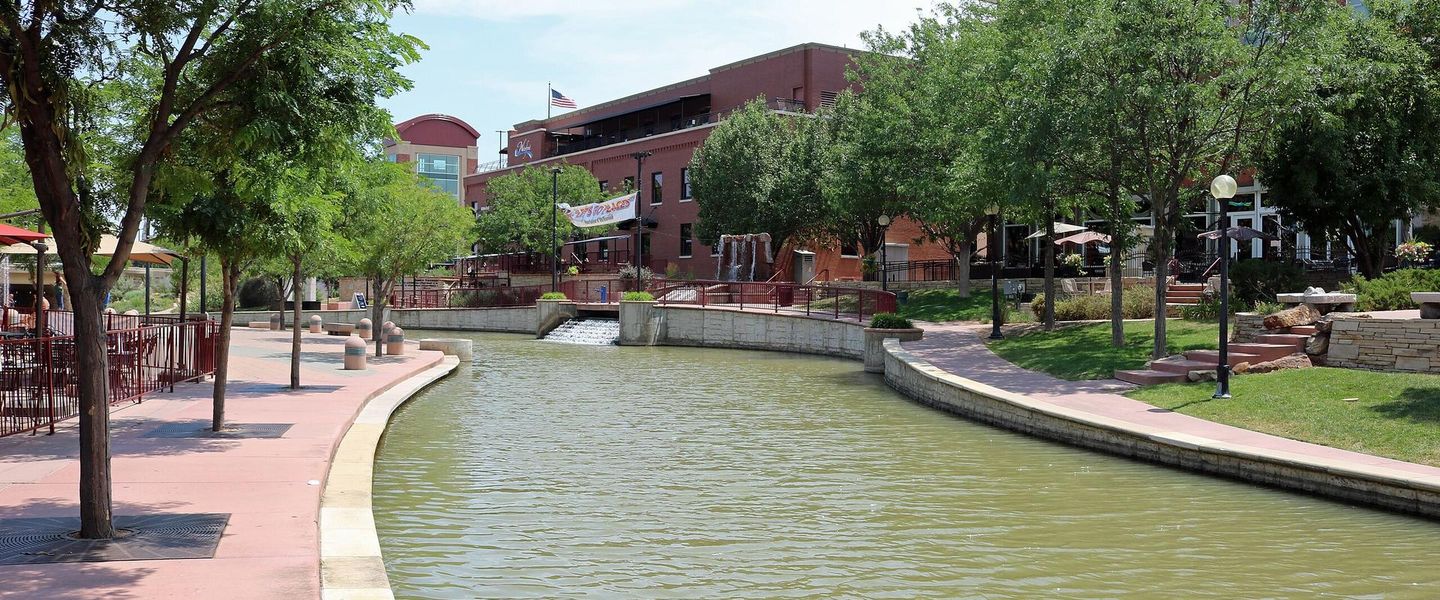


Pueblo, Colorado pairs steelmaking history, Pueblo chile, riverfront walks and Western heritage with museums, murals and easy access to southern Colorado.
Steel, River and High Desert
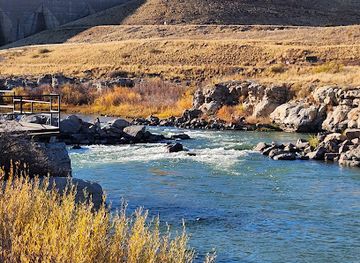
Pueblo lies in southern Colorado where the Arkansas River leaves the Rocky Mountain foothills and broadens across the high plains. Its identity was shaped by water, railways, agriculture and iron, producing a city with a more industrial character than the resort towns farther west. The Arkansas River now threads through the centre in the Historic Arkansas Riverwalk of Pueblo, a landscaped waterway lined with trails, public art, restaurants and cultural venues.Read more about Pueblo
A Multicultural Southern Colorado City
Museums, Murals and Open Country
When is the best time to visit Pueblo?
Best: May, September–October · 19–27°C| Month | High (°C) | Rainfall (mm) |
|---|---|---|
| January | 4 | 9 |
| February | 7 | 8 |
| March | 12 | 15 |
| April | 18 | 22 |
| May (best) | 23 | 37 |
| June | 30 | 31 |
| July | 33 | 36 |
| August | 31 | 38 |
| September (best) | 27 | 25 |
| October (best) | 19 | 15 |
| November | 11 | 11 |
| December | 6 | 8 |
Getting to and around Pueblo
How to get there
Transportation
Best attractions in Pueblo
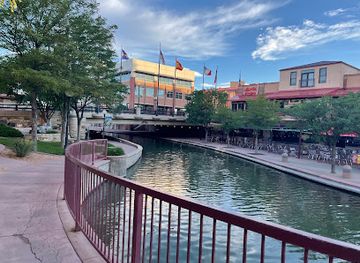
Pueblo's principal attractions combine industrial history, regional culture and outdoor recreation. The Historic Arkansas Riverwalk of Pueblo follows a restored urban waterway through downtown, with paths, bridges, public art and places to pause beside the river. El Pueblo History Museum introduces the area's early trading-post era and the communities that followed, while the Steelworks Museum examines the Colorado Fuel and Iron complex and the lives of the workers who made Pueblo a major steel centre. Rosemount Museum offers a more intimate view of an early twentieth-century mansion and domestic life. Families often add Pueblo Zoo, and the Pueblo Railway Museum appeals to visitors interested in the rail connections that supported local industry. The Pueblo Creative Corridor and central murals bring contemporary artistic expression into the city streets. Outside the urban core, Lake Pueblo State Park provides boating, fishing, trails and broad reservoir views, though it is a separate park destination rather than a downtown attraction.
-
Tourist attraction
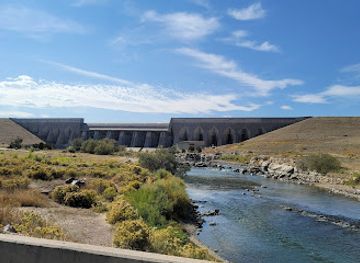
Lake Pueblo State Park
Discover Colorado's playground: boating, hiking, and scenic beauty at Lake Pueblo State Park, a vibrant outdoor escape.
32 min drive · 12 km from city centre
-
Tourist attraction
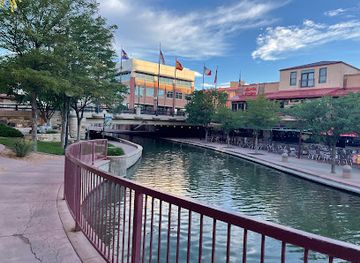
Historic Arkansas Riverwalk
Explore Pueblo's heart at the Historic Arkansas Riverwalk: a scenic blend of history, art, and waterfront charm in downtown Colorado.
3 min walk · 0.3 km from city centre
-
 Zoo
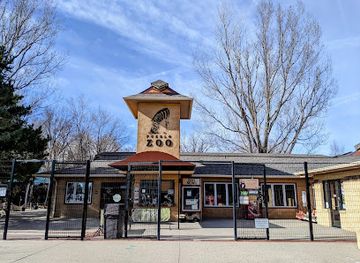
ZooPueblo Zoo
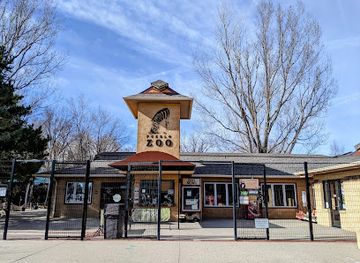
Explore wildlife from around the globe at the Pueblo Zoo, a conservation and education hub in Pueblo City Park.
11 min drive · 3.7 km from city centre
-
Zoo
Pueblo Zoo
Discover wildlife from around the globe at the historic Pueblo Zoo, a conservation and education hub in Pueblo City Park.
11 min drive · 3.7 km from city centre
Best landmarks in Pueblo
Pueblo's landmarks express the city's development as a river settlement, industrial centre and multicultural Colorado community. The Union Avenue Historic District preserves the historic commercial spine, with nineteenth- and early twentieth-century buildings that recall the period when rail travel, shops and workers' services drove downtown life. The Pueblo County Courthouse is a prominent civic building, while the Pueblo County Courthouse Plaza and surrounding streets form part of the city's historic public core. The Colorado Fuel and Iron steelworks and associated industrial structures, interpreted through the Steelworks Museum, represent the labour and manufacturing history that shaped modern Pueblo. El Pueblo History Museum marks the city's connection with the earlier trading post of the same name. The Arkansas River, its flood-control works and the Historic Arkansas Riverwalk are also significant civic landmarks: together they reflect both the destructive 1921 flood and the later decision to make the river a publicly accessible part of urban life.
-
State park
Lake Pueblo State Park
Experience the breathtaking beauty and outdoor adventures at Lake Pueblo State Park, a top tourist attraction in Colorado's stunning landscape.
32 min drive · 12 km from city centre
-
Park
Historic Arkansas Riverwalk
Discover the Historic Arkansas Riverwalk in Pueblo, Colorado - a scenic riverside park offering culture, recreation, and breathtaking views.
3 min walk · 0.3 km from city centre
-
Brewpub
Brues Alehouse Brewing Co.
Experience the vibrant atmosphere and craft brews at Brues Alehouse Brewing Co. in Pueblo, where local flavors meet culinary excellence.
5 min walk · 0.4 km from city centre
-
Zoo
Pueblo Zoo
Explore the diverse wildlife and engaging exhibits at Pueblo Zoo in Colorado, a perfect family-friendly destination for animal lovers.
11 min drive · 3.7 km from city centre
Explore Pueblo on the map
Plan your Pueblo trip on one map. See where the top attractions, landmarks, restaurants, bars and hotels are, find what's near where you're staying, and book hotels and experiences in a few clicks.
Best hotels in Pueblo
Best restaurants in Pueblo
Pueblo's food culture is most closely associated with the Pueblo chile, a locally grown pepper traditionally served roasted, stuffed, in sauces or folded into dishes such as green-chile stews and burritos. Late summer brings the strongest connection between farms, markets and restaurant kitchens, while local menus often reflect Mexican-American traditions alongside broader southern Colorado cooking. Downtown, Union Avenue and nearby commercial districts contain Mexican restaurants, casual cafés, bakeries, bars serving food and long-established family businesses, with Italian and other immigrant influences also present in the city's culinary history. The Pueblo Farmers Market and seasonal community events provide opportunities to encounter regional produce and prepared foods, although schedules vary. Dining in Pueblo is generally informal and neighbourhood-based, with the character of the city revealed as much through a bowl of green chile or a local bakery as through more elaborate dining rooms.
-
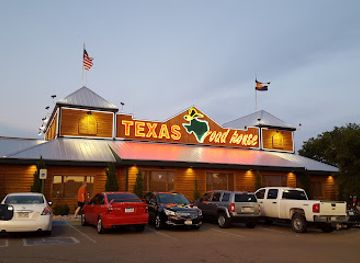
Steak
Texas Roadhouse
Experience the ultimate steakhouse adventure at Texas Roadhouse in Pueblo, Colorado - where every meal is a celebration of hearty American flavors.
19 min drive · 6.4 km from city centre
-
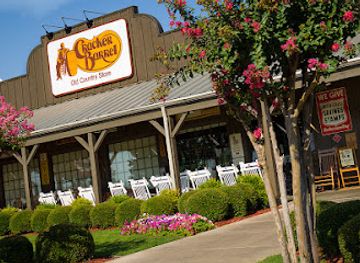
American
Cracker Barrel Old Country Store
Experience Southern comfort food at Cracker Barrel Old Country Store in Pueblo, Colorado—where hearty meals meet charming decor.
20 min drive · 6.7 km from city centre
-
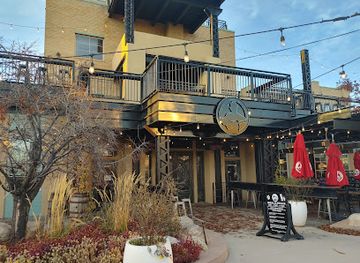
Brewpub
Brues Alehouse Brewing Co.
Experience handcrafted brews and delicious pub fare at Brues Alehouse Brewing Co., a vibrant riverside brewpub in Pueblo, Colorado.
5 min walk · 0.4 km from city centre
-
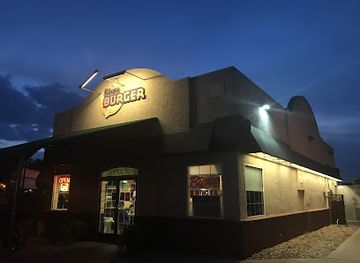
Hamburger
Bingo Burger - Pueblo
Savor gourmet burgers and vegan delights at Bingo Burger in Pueblo - where every bite is a celebration of flavor.
8 min walk · 0.6 km from city centre
Best bars in Pueblo
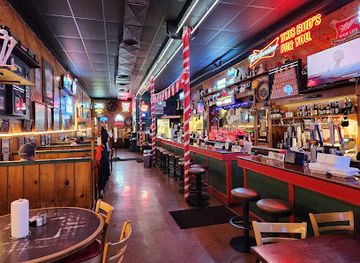
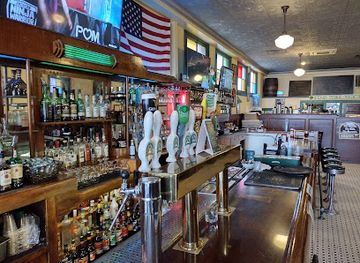
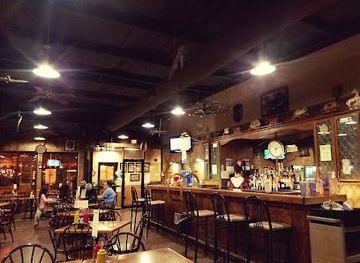
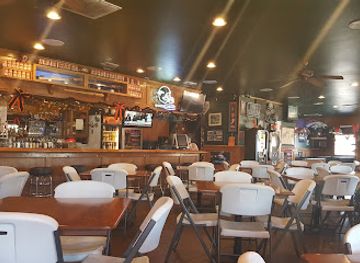
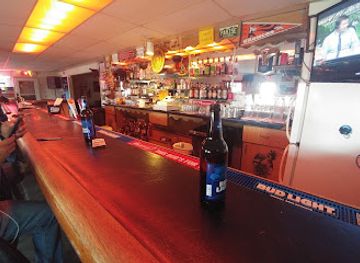
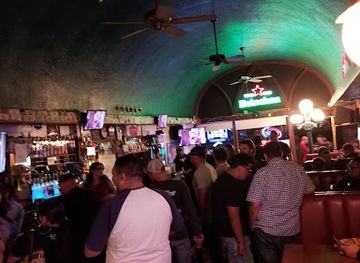
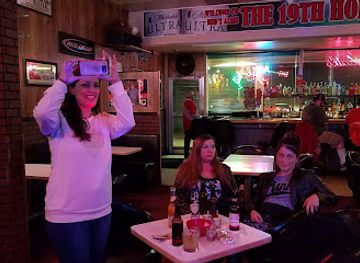
Pueblo's evening scene is concentrated rather than sprawling, with downtown and the Union Avenue area providing the clearest choices for a drink, live music or a late meal. Bars range from relaxed neighbourhood establishments and taprooms to venues with cocktails, dancing or occasional bands, while the Pueblo Creative Corridor and central arts organisations contribute gallery events, performances and cultural programming after dark. The Historic Arkansas Riverwalk can be appealing for an evening stroll when public events are taking place, but it is not a continuous nightclub district. The city also has a tradition of community festivals, theatre and live entertainment that broadens nightlife beyond drinking. Opening days, performances and venue availability can change, so evening plans benefit from checking current local listings rather than assuming every venue operates nightly.
-
Bar
Gray's Coors Tavern
Experience the heart of Pueblo at Gray's Coors Tavern, a local bar offering delicious drinks and a warm atmosphere for everyone.
11 min walk · 0.9 km from city centre
-
Restaurant
Shamrock Brewing Co
Discover the vibrant flavors of Shamrock Brewing Co, a family-friendly brewery and restaurant in Pueblo, offering hearty meals and a wide selection of craft beers.
11 min walk · 0.9 km from city centre
-
Grill
Gold Dust Saloon Craft Beer and Grill
Discover the taste of Pueblo at Gold Dust Saloon Craft Beer and Grill, where American cuisine meets an extensive selection of craft beers.
2 min walk · 0.2 km from city centre
-
Grill
The Sunset Inn Bar and Grill
Experience flavorful comfort food and refreshing drinks at The Sunset Inn Bar and Grill, the perfect dining destination in Pueblo, Colorado.
8 min drive · 2.8 km from city centre
Best nightclubs in Pueblo
Pueblo's evening scene is concentrated rather than sprawling, with downtown and the Union Avenue area providing the clearest choices for a drink, live music or a late meal. Bars range from relaxed neighbourhood establishments and taprooms to venues with cocktails, dancing or occasional bands, while the Pueblo Creative Corridor and central arts organisations contribute gallery events, performances and cultural programming after dark. The Historic Arkansas Riverwalk can be appealing for an evening stroll when public events are taking place, but it is not a continuous nightclub district. The city also has a tradition of community festivals, theatre and live entertainment that broadens nightlife beyond drinking. Opening days, performances and venue availability can change, so evening plans benefit from checking current local listings rather than assuming every venue operates nightly.
-
Bar
The Downtown Bar
Experience the vibrant nightlife of Pueblo at The Downtown Bar, where great drinks and good times await every evening.
8 min walk · 0.6 km from city centre
-
Bar
Parise's Lounge
Experience the vibrant nightlife at Parise's Lounge, a beloved bar in Pueblo, Colorado, offering karaoke and a fantastic drink selection.
12 min drive · 4.0 km from city centre
-
Bar
7th Street Station
Discover the lively nightlife of Pueblo at 7th Street Station, a vibrant bar offering an extensive drink menu and a welcoming atmosphere.
15 min walk · 1.2 km from city centre
-
Bar
Reds Alibi
Discover the lively Reds Alibi in Pueblo, Colorado, where great drinks, karaoke nights, and a friendly atmosphere await.
10 min drive · 3.3 km from city centre

Best shops in Pueblo
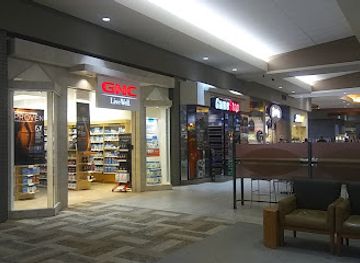
Shopping in Pueblo is divided between the historic centre, ordinary suburban retail and seasonal agricultural markets. Union Avenue and adjoining downtown streets contain independent businesses, antique and vintage shops, galleries, cafés and retailers in older commercial buildings, while the Pueblo Mall and surrounding North Side commercial area provide mainstream shops and services. The Pueblo Farmers Market, when operating, is a useful place to look for local produce, baked goods, preserves and seasonal Pueblo chile products. Specialist food shops and markets may offer dried or roasted peppers, sauces and other southern Colorado flavours, while local galleries and craft retailers provide alternatives to generic souvenirs. The city's industrial and multicultural history is reflected more in food products, murals, locally made art and heritage-related goods than in a single traditional craft district. Opening schedules for smaller retailers and markets vary by season.
-
Shopping mall
Pueblo Mall
Explore Pueblo Mall, a vibrant shopping center in Pueblo, Colorado, offering a unique blend of retail, dining, and entertainment experiences.
13 min drive · 4.4 km from city centre
-
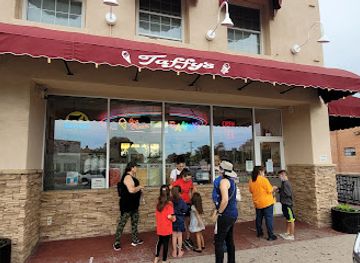
Candy store
Taffy's
Explore Taffy's in Pueblo, CO, where candy dreams come true with a variety of sweets and delicious ice creams in a charming setting.
11 min walk · 0.9 km from city centre
-
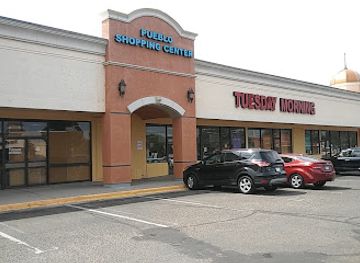
Shopping mall
Pueblo Shopping center
Explore Pueblo Shopping Center: a dynamic destination in Colorado with diverse shopping, dining, and entertainment options for all ages.
12 min drive · 3.9 km from city centre
-
Shopping mall
Regency Square
Explore Regency Square, Pueblo's premier shopping mall, featuring diverse retail stores, delicious dining options, and a vibrant community atmosphere.
16 min drive · 5.3 km from city centre
Get your free copy of our complete guide to Pueblo, delivered straight to you.
Everything on this page, from attractions and restaurants to essentials and local phrases, in one PDF you can read offline, print or share.
Already have an account? Sign in
Your Pueblo guide is ready.
We'll send it to · Not you? Sign out

Getting your guide ready…
We are putting together a fresh copy of the Pueblo guide. This can take up to a minute.
This can take a few moments. If your browser asks, choose Allow so the download can start. You'll find the guide in your Downloads folder.
Nothing happened? Download it again
Sorry, the guide is taking longer than usual. Please try again in a minute, or get it by email instead.
Pueblo essentials
Currency and Payment
Safety
Emergency Situations
Do's and Don'ts
Local Tips
From Eve
Local phrases worth knowing
You don't need to get them perfect. A few words go a long way, and locals appreciate the effort.
Basics
| English | Local | Say it |
|---|---|---|
| Hello | Yá'át'ééh | [YAH-ah-TAY] |
| Goodbye | Hágoónee' | [HAH-goo-NAY] |
| Yes | Ahe' | [AH-hay] |
| No | Doo' | [DOH] |
| Please/You're welcome | T'áá hwó' ají t'éego | [TAH-WAH ah-JEE TAY-go] |
| Thank you | Ahé'hee' | [AH-hay-hay] |
| Excuse me/Sorry | K'é | [KAY] |
| How are you? | Yá'át'ééh? | [YAH-ah-TAY?] |
| Fine. And you? | Da'áaní. Áádóó níní | [DAH-ah-NEE. AH-doh NEE-nee] |
| Do you speak English? | Bísh dóó Haz'á? | [BISH doo HAH-zah?] |
| I don't understand | Ádííłhił | [AH-dee-lee-HILL] |
Eating & Drinking
| English | Local | Say it |
|---|---|---|
| I'd like to see the menu, please | Bíistah yá'át'ééh dine'é | [BEE-stah YAH-ah-TAY dee-NAY] |
| I don't eat meat | Nááhozdiin bich'ahii | [NAH-ho-zdee-een BEE-chah-hee] |
| Cheers! | T'áá hwó' ají t'éego | [TAH-WAH ah-JEE TAY-go] |
| I would like to pay, please | Bíistah bee níníł, doo haz' | [BEE-stah BEE NEE-NEEL, DOH HAHZ] |
Emergencies
| English | Local | Say it |
|---|---|---|
| Help! | Tó | [TOH] |
| Go away! | Yá'át'ééh | [YAH-ah-TAY] |
| Call the Police! | Shí Hóóyóó | [SHEE HOH-yoh-yoh] |
| Call a doctor! | Shí nát'áhó | [SHEE naht-AH-hoh] |
| I'm lost | Níłch'i | [NEEL-chee] |
| I'm ill | Nahat'á | [NAH-haht-AH] |
Shopping
| English | Local | Say it |
|---|---|---|
| I'd like to buy... | Bíistah díí 'éí ... baa | [BEE-stah DEE-EE ay ... bah] |
| I'm just looking | Níyolííł | [NEE-yo-LEE] |
| How much is it? | Hádéé nitsaa? | [HAH-day NIT-sah?] |
| That's too expensive | Háíshaa hadáádíín | [HAY-shah HAH-dah-deen] |
| Can you lower the price? | Nízhónígo bidiił? | [NEEZ-hoh-NEE-go bee-deel] |
Time & Numbers
| English | Local | Say it |
|---|---|---|
| What time is it? | Ké éí baa hólǫ́ǫgo áyiilaa? | [KAY ay BAH hohl-HO-go ah-yee-LAH] |
| It's one o'clock | Táá łigai | [TAH-ah LEE-guy] |
| Half past (10) | Daaztsąą | [DAH-ztsah] |
| Morning | Tábąąh | [TAH-bah] |
| Afternoon | Alk'idaa | [ALK-ee-DAH] |
| Evening | Yííhí | [YEE-hee] |
| Yesterday | Nt'éé' | [N-TAY] |
| Today | Dííjí | [DEE-jee] |
| Tomorrow | Shíí | [SHEE] |
| 1 | Táá | [TAH-ah] |
| 2 | Naaki | [NAH-kee] |
| 3 | Tááh | [TAH-hah] |
| 4 | Dį́į́s | [DEE-eez] |
| 5 | Ashdla' | [AHSH-tlah] |
| 6 | Hastą́ą́ | [HAHS-tahn] |
| 7 | Tseebíí | [TSAY-bee] |
| 8 | Dį́į́ | [DEE-ee] |
| 9 | Ndaa | [NDAH] |
| 10 | Hashké | [HAH-shkay] |
Transport & Directions
| English | Local | Say it |
|---|---|---|
| Where's a/the...? | Háíshaa ... baa? | [HAY-shah ... bah?] |
| What's the address? | Háíshaa keehaa bił? | [HAY-shah KAY-hah beel?] |
| Can you show me (on the map)? | T'áá hwó' doo ní'yéé' | [TAH-WAH DOH NEE-yay] |
| When's the next (bus)? | Háadis díné bił? | [HAH-dees DEE-nay beel?] |
| A ticket (to ....) | Bii' níidii baa ... | [BEE nee-DEE bah ...] |
History of Pueblo
Indigenous Landscapes and Early Trade
The Arkansas River valley around present-day Pueblo was used by Indigenous peoples, including Ute, Cheyenne and Arapaho communities, long before the arrival of Euro-American settlers. The river supplied a natural corridor through the dry plains, linking upland routes with the wider Southwest. In 1842, trader John Gantt established El Pueblo, a small adobe settlement and trading post near the river. Its residents traded with regional communities and travellers, but the settlement was attacked and abandoned in 1854. The name survived, and the site became an important reference point as later communities developed around transport routes, agriculture and commerce.
From Trading Post to Town
Settlement expanded again in the 1860s as migration into Colorado increased and the Arkansas River corridor became more closely connected to territorial trade. Pueblo was incorporated as a town in 1870, shortly before Colorado achieved statehood in 1876. Its position at the meeting point of river, road and rail routes encouraged commerce with agricultural districts and mining areas. Early Pueblo grew through a combination of farming, stock raising, mercantile activity and transport services, while the surrounding plains supplied food and raw materials for a rapidly developing regional economy.
The Rise of the Steel City
Industrial growth transformed Pueblo in the late nineteenth century. The Colorado Coal and Iron Company began developing major works along the Arkansas River in the 1880s, and the Colorado Fuel and Iron Company was formed in 1892 through consolidation. The steelworks attracted workers from Mexico, southern and eastern Europe and other parts of the United States, creating a culturally diverse industrial population. Company housing, schools, churches, shops and labour organisations developed around the works. The industry connected Pueblo to the national railway and construction economies, while its demanding conditions also generated long-running debates over wages, safety, immigration and workers' rights.
Labour, Migration and Civic Growth
Pueblo's industrial society was marked by both opportunity and conflict. The Colorado Fuel and Iron system influenced employment, housing and social life, while immigrant communities established religious, cultural and mutual-aid institutions. The wider Colorado coalfield conflict of 1913–14, including the Ludlow Massacre north of Trinidad, exposed tensions between the company, miners and organised labour; Pueblo's steel and fuel interests formed part of the same industrial world, although Ludlow itself was not in the city. Civic buildings, commercial streets and neighbourhood institutions expanded during this period, leaving the architectural and multicultural legacy visible in central Pueblo today.
Flood, Recovery and Renewal
In June 1921, the Arkansas River flooded Pueblo after intense rainfall, causing extensive destruction and loss of life. The disaster reshaped the city's relationship with the river and prompted major flood-control works, including levees and channel improvements. Pueblo continued as a steel and manufacturing centre through the twentieth century, though changes in American industry later reduced employment at the works. The former industrial landscape is now interpreted through museums and preserved structures, while the river corridor has been redesigned for recreation and public life. These layers of disaster, industry and renewal remain central to Pueblo's modern identity.
Pueblo in Photos
Browse through our photo collection highlighting the charm and character of the destination.
Cities near Pueblo
The closest cities to Pueblo, if you have time for more than one stop.
-

-

-

-

-


Swipe for more cities
Explore more

Explore more of Colorado
Discover Colorado: A stunning blend of rugged mountains, vibrant cities, and rich history, offering endless adventures and unforgettable experiences.
Explore Colorado