

Free Central Colorado Travel Guide & Mobile App
Explore Central Colorado with free travel guides. Discover regional history, expert tips, proposed trips, and audio guides on web or mobile app.


Central Colorado combines alpine resorts, historic mining towns, high-altitude trails, river adventures and scenic mountain roads across the Rockies.
Read more about Central Colorado
Getting to and around Central Colorado
How to get there
Transportation
Top city travel guides in Central Colorado
The cities of Central Colorado, and the easiest places to base yourself.
-

-

-

-

-

-


Swipe for more cities
Destinations in Central Colorado
Resorts, valleys and scenic spots worth a trip of their own.
-

-

-
-

-
-


Swipe for more destinations
Best attractions in Central Colorado
Central Colorado's attractions range from major ski resorts and summer lift networks to historic mining towns, mountain museums and broad public lands. Breckenridge's preserved nineteenth-century streets, Leadville's mining heritage and the South Park district's open landscapes reveal different aspects of the region's past. The Arkansas River corridor around Buena Vista and Salida is a centre for rafting, kayaking, fly-fishing and riverside recreation, while the Collegiate Peaks and Mosquito Range provide demanding hiking and mountaineering. Scenic drives cross or approach high passes such as Independence Pass, although seasonal opening and weather conditions must be checked. Winter visitors can choose from established resorts at Breckenridge, Copper Mountain, Vail and Aspen, with terrain and village character varying considerably. Families may prefer railway excursions, accessible nature trails, interpretive museums and guided rafting rather than high-altitude summits. National forests, wilderness areas and alpine basins offer wildlife watching and walking, but they are working natural landscapes rather than theme-park attractions: roads can be rough, services sparse and conditions change quickly.
-
Ski resort
Keystone Resort
Discover Keystone Resort: A premier Colorado ski destination with year-round activities, stunning scenery, and a family-friendly atmosphere.
-
Tourist attraction
Georgetown Loop Railroad
Experience a historic narrow-gauge railway adventure through the Rocky Mountains on the Georgetown Loop Railroad.
-
Park
Echo Lake Park
Discover Echo Lake Park: A picturesque mountain escape near Evergreen, Colorado, with stunning views, hiking, and a historic lodge.
-
History museum
History Colorado Center
Experience Colorado's past through interactive exhibits at Denver's History Colorado Center. Explore the stories that shaped the Centennial State.


Best landmarks in Central Colorado
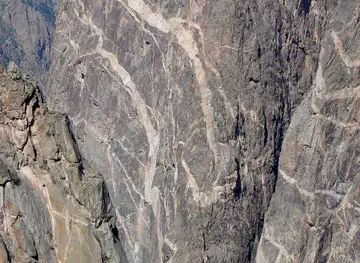
The Continental Divide is Central Colorado's defining geographical landmark, forming a high watershed whose passes and ridgelines shape travel, climate and views across the region. Independence Pass, on the route between the Arkansas Valley and Aspen, is a celebrated high-altitude road landmark but is subject to seasonal closure and difficult conditions. Leadville's National Historic Landmark District preserves a concentrated group of nineteenth-century commercial and residential buildings associated with the mining boom. Breckenridge's historic core similarly retains timber and masonry structures from its gold-rush past, now interwoven with a modern resort town. The Collegiate Peaks, including Mount Princeton and Mount Yale, form one of the most recognisable mountain profiles in the Arkansas Valley, while the Sawatch and Mosquito ranges dominate other horizons. St Elmo, a preserved former mining settlement near Chalk Creek, conveys the isolation and architecture of a high-country camp. Farther south, the Royal Gorge near Cañon City is a major geological and engineering landmark in the broader central-southern area, distinguished by the Arkansas River cutting through a dramatic granite canyon.
-
Park
Red Rocks Park and Amphitheatre
Discover the stunning beauty and vibrant music scene at Red Rocks Park and Amphitheatre, a unique blend of nature and culture in Colorado.
-
Park
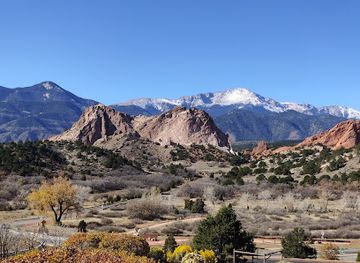
Garden of the Gods
Explore the breathtaking Garden of the Gods, a stunning park in Colorado Springs with red rock formations, hiking trails, and magnificent views.
-
Stadium
Coors Field
Experience the thrill of Major League Baseball at Coors Field, the iconic home of the Colorado Rockies, with stunning mountain views and vibrant local culture.
-
National park
Rocky Mountain National Park
Explore the stunning landscapes and diverse wildlife of Rocky Mountain National Park, a must-visit destination for nature lovers and outdoor enthusiasts.



Explore Central Colorado on the map
Plan your trip on one map. See where the top cities, national parks and sights are, and book hotels and experiences in a few clicks.
Best hotels in Central Colorado
Best restaurants in Central Colorado
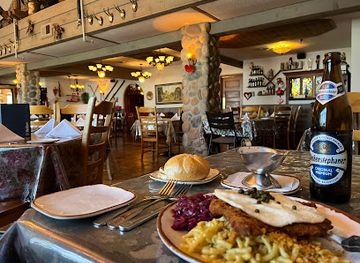
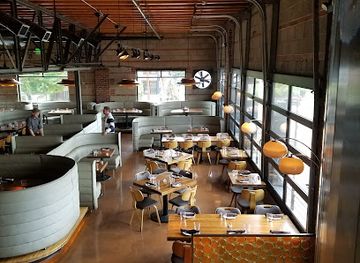
Dining in Central Colorado combines contemporary mountain cooking with the practical food traditions of ranching, mining and outdoor recreation. Resort towns support a wide range of restaurants, from polished dining rooms and wine-led menus to bakeries, cafés, brewpubs and casual places suited to skiers and hikers. Trout from Colorado waters, beef, lamb, game where legally and responsibly sourced, local vegetables and hearty soups appear frequently, while green chile reflects a broader Colorado and south-western influence rather than an exclusively central mountain tradition. Salida, Buena Vista, Breckenridge, Leadville, Aspen and Vail each have distinct concentrations of independent eateries, though opening patterns can be seasonal. Farmers' markets provide fruit, vegetables, preserves and baked goods during the warmer months, and historic inns or rural restaurants offer a slower alternative to resort dining. In remote valleys, provisions and restaurant choices become limited, so plan meals and carry snacks before setting out for a trailhead.
-
German
Edelweiss German Restaurant
Experience authentic German cuisine at Edelweiss German Restaurant in Colorado Springs – where tradition meets flavor in every dish.
-
Grill
ViewHouse
Experience delicious grilled cuisine with stunning mountain views at ViewHouse in Colorado Springs.
-
American
The Rabbit Hole
Experience innovative American cuisine at The Rabbit Hole in Colorado Springs - where culinary artistry meets enchanting ambiance.
-
Restaurant
Linger
Discover Linger: A unique dining destination in Denver with globally inspired cuisine and stunning rooftop views.


Best bars in Central Colorado
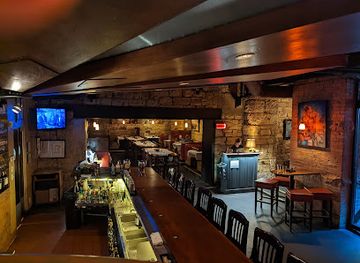
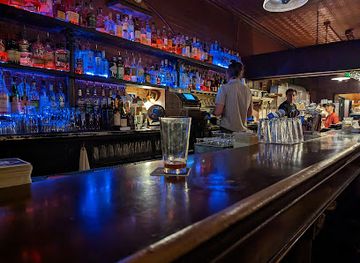
Evening life varies sharply across Central Colorado. Breckenridge, Vail and Aspen have the largest selection of cocktail bars, breweries, wine-focused venues, live music and late-night establishments, particularly during ski season and summer holidays. Salida and Buena Vista favour independent bars, brewpubs, restaurants and occasional live performances, with a more local and relaxed rhythm. Leadville's historic setting and outdoor-oriented population support traditional bars and casual evening venues rather than a large club scene. In smaller settlements and resort outskirts, nightlife often centres on pubs, hotel lounges and dining rooms, and closing times can be seasonal. Après-ski culture is prominent in resort areas, but visitors should not drive after drinking; shuttle, taxi and designated-driver options vary by location. Check current arrangements before relying on a particular venue or event.
-
American
The Rabbit Hole
Experience a whimsical dining escape at The Rabbit Hole in Colorado Springs, featuring innovative American cuisine and exquisite cocktails.
-
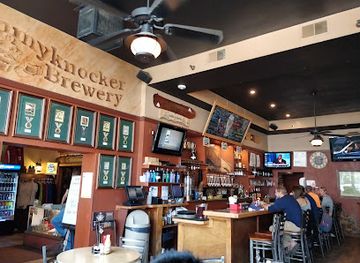
Brewpub
Tommyknocker Brewery & Pub
Discover the essence of craft brewing at Tommyknocker Brewery & Pub, where local flavors meet a vibrant atmosphere in Idaho Springs.
-
Bar
My Brother's Bar
Discover the heart of Denver's bar scene at My Brother's Bar, where rich history meets delicious traditional American cuisine.
-
Brewpub
Mountain Sun Pub & Brewery
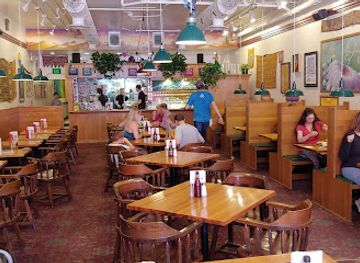
Discover the lively atmosphere and exceptional craft beers at Mountain Sun Pub & Brewery in Boulder, where great food meets local culture.
Best nightclubs in Central Colorado
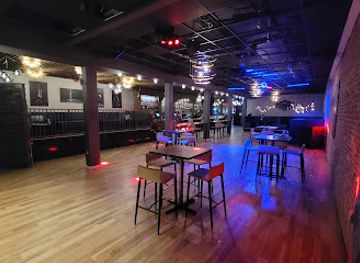
Evening life varies sharply across Central Colorado. Breckenridge, Vail and Aspen have the largest selection of cocktail bars, breweries, wine-focused venues, live music and late-night establishments, particularly during ski season and summer holidays. Salida and Buena Vista favour independent bars, brewpubs, restaurants and occasional live performances, with a more local and relaxed rhythm. Leadville's historic setting and outdoor-oriented population support traditional bars and casual evening venues rather than a large club scene. In smaller settlements and resort outskirts, nightlife often centres on pubs, hotel lounges and dining rooms, and closing times can be seasonal. Après-ski culture is prominent in resort areas, but visitors should not drive after drinking; shuttle, taxi and designated-driver options vary by location. Check current arrangements before relying on a particular venue or event.
-
Live music bar
Stampede
Discover the heart of Aurora's nightlife at Stampede, where live music and a vibrant atmosphere create unforgettable nights out.
-
Bar
Blue Ice
Discover the vibrant nightlife of Denver at Blue Ice, where great music and excellent service create an unforgettable experience.
-
Night club
The Church Nightclub
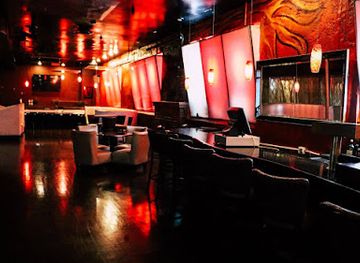
Discover The Church Nightclub in Denver, a unique nightlife experience blending music, architecture, and vibrant energy in a historic venue.
-
Night club
Milk Bar
Dive into the electrifying nightlife of Denver at Milk Bar, where great drinks and vibrant music create unforgettable moments.

Best shops in Central Colorado
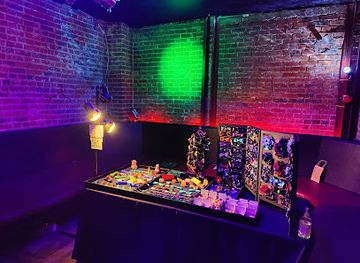
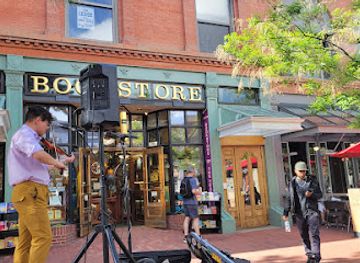
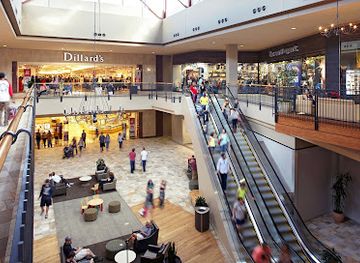
Shopping in Central Colorado is concentrated in historic downtowns and resort villages rather than in one continuous retail district. Breckenridge, Vail and Aspen offer galleries, outdoor equipment, independent clothing shops, jewellery, books and higher-end goods, with a strong emphasis on mountain lifestyle and contemporary art. Leadville, Buena Vista and Salida have more modest high streets where visitors can find antiques, crafts, used books, local artwork, practical outdoor supplies and independent cafés. Seasonal farmers' markets and farm shops are useful for preserves, honey, baked goods and other regional produce, although availability changes through the year. Locally made pottery, photography, woodwork, textiles and landscape art make more meaningful purchases than generic mountain souvenirs. In resort communities, compare prices and look beyond the central pedestrian streets; in smaller towns, business hours may be limited outside the main visitor season. Packaged food and drink must comply with United States customs rules when taken home internationally.
-
Shopping mall
Pearl Street Mall
Experience the charm of Pearl Street Mall in Boulder, Colorado, where shopping, dining, and entertainment come together in a picturesque outdoor setting.
-
Outlet mall
Colorado Mills
Discover a world of shopping at Colorado Mills, Lakewood's ultimate outlet mall with unbeatable deals and diverse dining options.
-
Shopping mall
FlatIron Crossing
Experience shopping, dining, and entertainment at FlatIron Crossing, a vibrant outdoor mall in Broomfield, Colorado, with stunning views of the Flatirons.
-
Shopping mall
Denver Pavilions
Explore the vibrant Denver Pavilions, a shopping and entertainment destination in the heart of downtown Colorado.
Get your free copy of our complete guide to Central Colorado, delivered straight to you.
Everything on this page, from attractions and restaurants to essentials and local phrases, in one PDF you can read offline, print or share.
Already have an account? Sign in
Your Central Colorado guide is ready.
We'll send it to · Not you? Sign out

Getting your guide ready…
We are putting together a fresh copy of the Central Colorado guide. This can take up to a minute.
This can take a few moments. If your browser asks, choose Allow so the download can start. You'll find the guide in your Downloads folder.
Nothing happened? Download it again
Sorry, the guide is taking longer than usual. Please try again in a minute, or get it by email instead.
Central Colorado essentials
Currency and Payment
Safety
Emergency Situations
Do's and Don'ts
Local Tips
From Eve
Local phrases worth knowing
You don't need to get them perfect. A few words go a long way, and locals appreciate the effort.
Basics
| English | Local | Say it |
|---|---|---|
| Hello | Howdy | [haʊdi] |
| Goodbye | See ya | [si jə] |
| Yes | Yep | [jɛp] |
| No | Nah | [nɑ] |
| Please/You're welcome | Please | [pliz] |
| Thank you | Thanks | [θæŋks] |
| Excuse me/Sorry | Sorry | [ˈsɔri] |
| How are you? | How's it going? | [haʊz ɪt ˈgoʊɪŋ] |
| Fine. And you? | Good. You? | [ɡʊd. ju?] |
| Do you speak English? | Do ya speak English? | [du jə spiːk ˈɪŋɡlɪʃ] |
| I don't understand | I don't get it | [aɪ doʊnt ɡɛt ɪt] |
Eating & Drinking
| English | Local | Say it |
|---|---|---|
| I'd like to see the menu, please | Can I see the menu? | [kæn aɪ si ðə ˈmɛnju] |
| I don't eat meat | I'm not a meat eater | [aɪm nɑt ə miːt ˈiːtər] |
| Cheers! | Cheers! | [tʃɪrz] |
| I would like to pay, please | Can I get the check, please? | [kæn aɪ ɡɛt ðə tʃɛk pliz] |
Emergencies
| English | Local | Say it |
|---|---|---|
| Help! | Help! | [hɛlp] |
| Go away! | Leave me alone! | [liv mi əˈloʊn] |
| Call the Police! | Call the cops! | [kɔl ðə kɑps] |
| Call a doctor! | Get a doctor! | [ɡɛt ə ˈdɑktər] |
| I'm lost | I'm turned around | [aɪm tɜrnd əˈraʊnd] |
| I'm ill | I'm feeling sick | [aɪm ˈfiːlɪŋ sɪk] |
Shopping
| English | Local | Say it |
|---|---|---|
| I'd like to buy... | I wanna buy... | [aɪ ˈwɑnə baɪ] |
| I'm just looking | Just browsing | [dʒʌst ˈbraʊzɪŋ] |
| How much is it? | What's the price? | [wɑts ðə praɪs] |
| That's too expensive | That's a bit pricey | [ðæts ə bɪt ˈpraɪsi] |
| Can you lower the price? | Can ya give me a deal? | [kæn jə ɡɪv mi ə dil] |
Time & Numbers
| English | Local | Say it |
|---|---|---|
| What time is it? | What's the time? | [wɑts ðə taɪm] |
| It's one o'clock | It's one | [ɪts wʌn] |
| Half past (10) | Half past ten | [hæf pæst tɛn] |
| Morning | Morning | [ˈmɔrnɪŋ] |
| Afternoon | Afternoon | [ˌæftərˈnun] |
| Evening | Evening | [ˈivnɪŋ] |
| Yesterday | Yesterday | [ˈjɛstərdeɪ] |
| Today | Today | [təˈdeɪ] |
| Tomorrow | Tomorrow | [təˈmɔroʊ] |
| 1 | One | [wʌn] |
| 2 | Two | [tu] |
| 3 | Three | [θri] |
| 4 | Four | [fɔr] |
| 5 | Five | [faɪv] |
| 6 | Six | [sɪks] |
| 7 | Seven | [ˈsɛvən] |
| 8 | Eight | [eɪt] |
| 9 | Nine | [naɪn] |
| 10 | Ten | [tɛn] |
Transport & Directions
| English | Local | Say it |
|---|---|---|
| Where's a/the...? | Where's the...? | [wɛrz ðə] |
| What's the address? | What's the address? | [wɑts ði əˈdrɛs] |
| Can you show me (on the map)? | Can ya point it out? | [kæn jə pɔɪnt ɪt aʊt] |
| When's the next (bus)? | When's the next bus? | [wɛn z ðə nɛkst bʌs] |
| A ticket (to ....) | A ticket to ... | [ə ˈtɪkɪt tə] |
History of Central Colorado
Ute Homelands and Earlier Indigenous Presence
The mountains and valleys of Central Colorado have long been inhabited and used by Indigenous peoples. The Ute peoples, including the Ute Mountain Ute, Southern Ute and Ute Indian Tribe communities whose reservations lie elsewhere in Colorado and Utah, have enduring connections to the central Rockies. Arapaho and Cheyenne peoples also travelled through and used parts of the wider Front Range and plains. Hunting, seasonal movement and knowledge of mountain passes shaped human use of the landscape long before United States settlement. Later removal, treaty-making and the disruption of Indigenous lifeways accompanied American expansion, a history that remains essential context when visiting former mining and transport routes.
The Pike's Peak Gold Rush, 1858–1860s
The discovery of gold in the central Rocky Mountain region brought prospectors, merchants and government surveyors westward during the Pike's Peak Gold Rush. Mining camps developed along streams and in mountain valleys, including areas around Breckenridge and South Park. The rush accelerated the creation of roads, trading posts and territorial institutions, while also intensifying conflict and dispossession involving Indigenous nations. Many early camps were temporary, but the settlement pattern established during this period laid the foundations for later towns and transport corridors.
Silver, Leadville and the Mining Economy
Leadville became one of the most important mining centres in the American West after rich silver deposits were developed in the late nineteenth century. Its mines, smelters, merchants and workers connected Central Colorado to national financial markets and railway networks. The city also illustrates the instability of mineral economies: the silver crash following the federal repeal of the Sherman Silver Purchase Act in 1893 caused severe disruption. Gold, lead, zinc and other minerals later sustained parts of the district, leaving mine workings, industrial structures and distinctive commercial architecture across the high country.
Railways, Roads and Mountain Commerce
Railways transformed Central Colorado in the late nineteenth century, making it easier to move ore, coal, timber, machinery and passengers through difficult terrain. Lines reached mining towns such as Leadville and linked mountain districts with Denver and the plains, although many routes later closed or were converted to heritage or recreational use. Roads eventually replaced rail as the principal means of access. Modern highways through the Rockies follow, and sometimes compete with, historic passes and river corridors, explaining both the region's accessibility and its continuing vulnerability to winter closures and engineering challenges.
Water, Conservation and the Shaping of the High Country
Central Colorado's snowfields and watersheds have long been economically important beyond the mountains themselves. Reservoirs, diversion tunnels and transmountain water projects developed during the twentieth century to supply growing communities on the Front Range. At the same time, national forests, wilderness areas and other protected lands limited development and preserved large landscapes for recreation and wildlife. The resulting balance between water demand, conservation, grazing, mining legacies and tourism remains a defining political and environmental issue in the region.
From Mining Camps to Ski Resorts
After the decline of large-scale mining, many mountain communities sought new economic foundations. Winter recreation expanded during the twentieth century, with ski areas developing at Breckenridge, Vail, Copper Mountain and other locations. Aspen evolved from a former mining town into a major resort and arts centre, while smaller historic settlements diversified through summer tourism, rafting and heritage interpretation. This transition brought investment, employment and improved services, but also high housing costs, seasonal work and pressure on roads, water supplies and local communities.
Central Colorado in Photos
Browse through our photo collection highlighting the charm and character of the destination.
Neighbouring regions of Central Colorado
The closest regions to Central Colorado, if you have time for more than one.
-

-

-

-

-
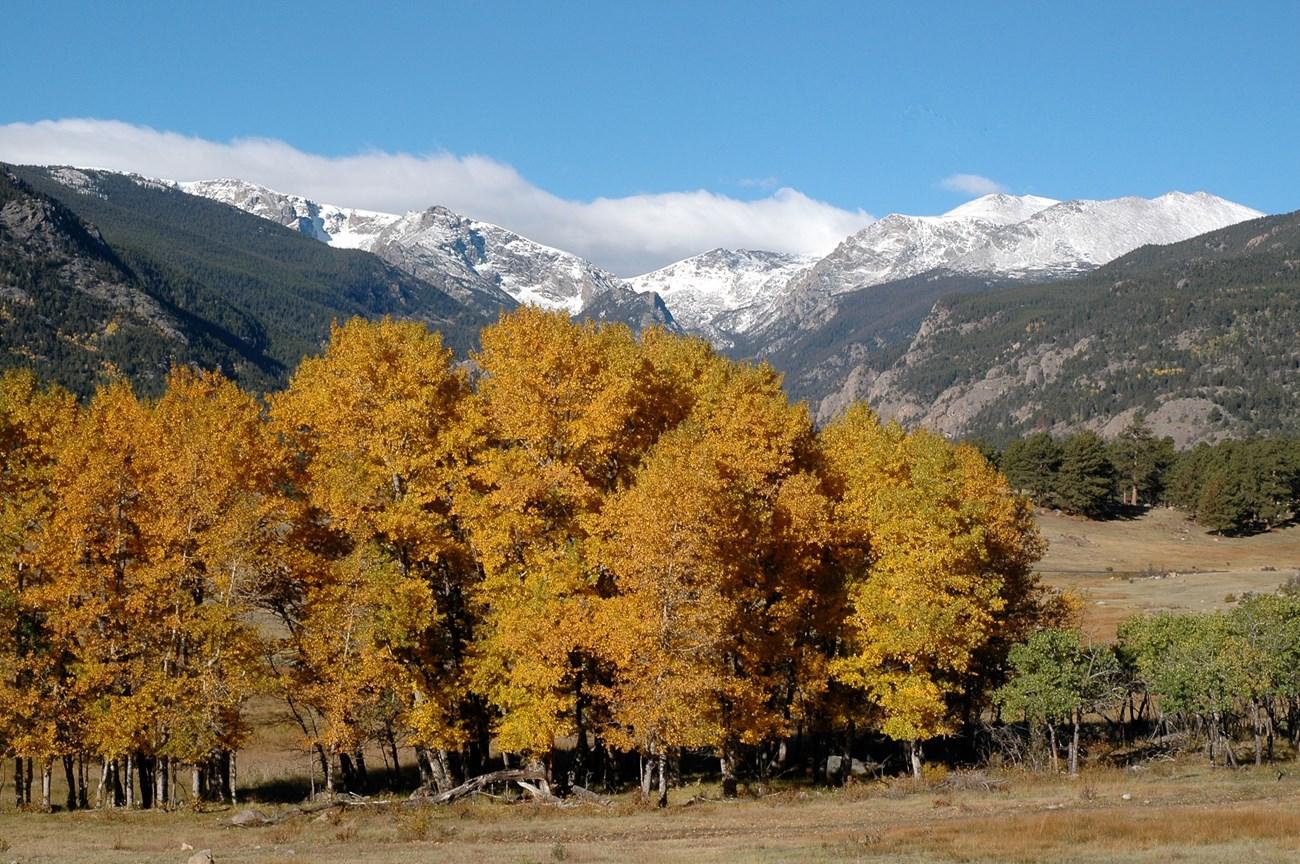 Rocky Mountains
Explore Colorado’s Rocky Mountains for alpine hiking, ski towns, historic mining communities, wildlife and dramatic high-country scenery.


Swipe for more regions
Explore more

Explore more of Colorado
Discover Colorado: A stunning blend of rugged mountains, vibrant cities, and rich history, offering endless adventures and unforgettable experiences.
Explore Colorado