Mount Elbert, Rocky Mountains Travel Guide
Conquer Colorado's highest peak! Hike Mount Elbert for breathtaking views and a rewarding high-altitude adventure in the Rocky Mountains.
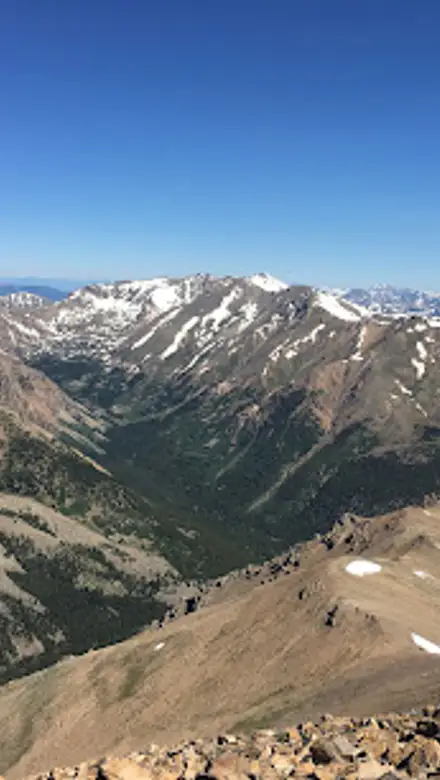
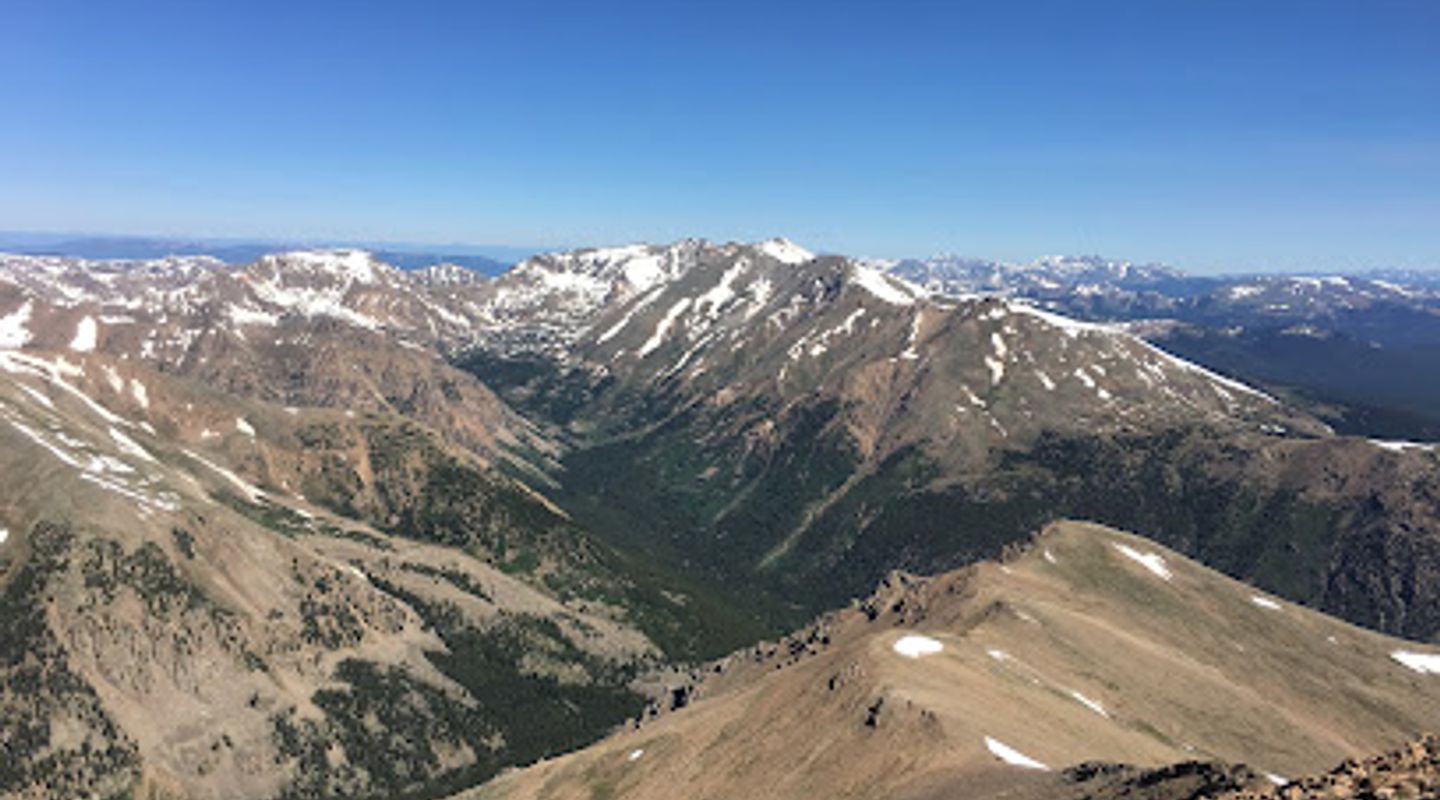
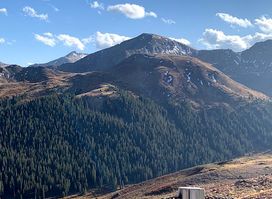
Mount Elbert, the highest peak in Colorado and the second-highest in the contiguous United States, offers a challenging yet accessible climb for hikers of all levels. Known as the 'Gentle Giant,' its non-technical routes provide stunning views of the surrounding Sawatch Range and the vast San Isabel National Forest.
A brief summary to Mount Elbert
- Colorado, US

Know before you go
Hi, I'm Eve. Here are a few practical things to know before exploring Mount Elbert.
- Start your hike early (before sunrise) to avoid afternoon thunderstorms, which are common in the summer.
- Acclimatize to the altitude before attempting the climb. Spend a few days at a higher elevation to reduce the risk of altitude sickness.
- Bring plenty of water and snacks. There is very little water available along the trails.
- Wear appropriate clothing and gear. The weather can change quickly, so be prepared for all conditions, including wind, rain, and snow.
- Check the weather forecast before you go. Be aware of potential hazards, such as snow and ice, even in the summer.
Do you manage this location?
Take control to get all the benefits, like improved information, better appearance, and stronger visibility across AI-powered discovery. Learn more about listing your business on Evendo
Activate your presenceOther nearby places you may find interesting
The closest places of the same kind, if this one is not quite what you had in mind.
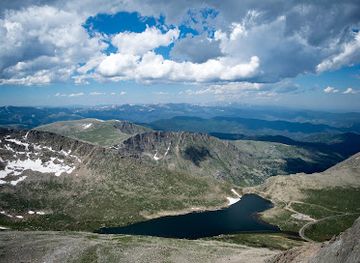
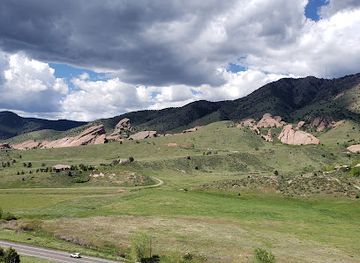
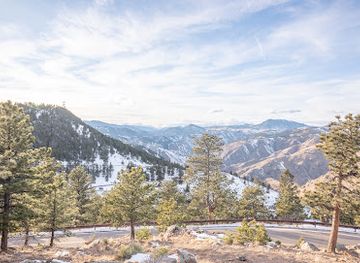
Explore Mount Elbert on the Map
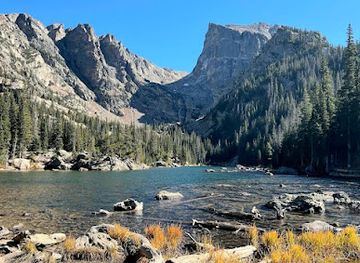
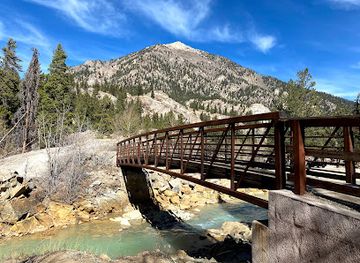
A handpicked selection of must-see spots near Mount Elbert, mapped for you.
Getting There
-
Driving
Most visitors drive to Mount Elbert from Leadville, CO. From Leadville, head west/south on US-24. About 3 miles from Leadville, turn onto CO-300 West. After 0.8 miles, turn left onto Halfmoon Road. Continue for 5 miles on Halfmoon Road to reach the North Mount Elbert Trailhead, located across from the Elbert Creek Campground. Parking is free but fills up quickly, especially on weekends. Consider arriving early or carpooling. Note: Halfmoon Road is a dirt road that can be rough in places. Check road conditions before you go, especially during the spring and early summer.
-
Walking
From the North Mount Elbert Trailhead, the route heads south down the well-marked Main Range/Colorado Trail. The North Mount Elbert trail forks right off the Main Range/Colorado Trail. Follow the trail all the way to the summit. The trail is well-maintained and easy to follow, but it is steep in places. Be sure to wear appropriate footwear and bring plenty of water.
Discover more about Mount Elbert













Your all‑in‑one travel companion app
Explore expert travel guides, compare and book tours, experiences, hotels, and more—all from the palm of your hand. Download now for seamless trip planning wherever your wanderlust takes you.


Explore More of Rocky Mountains
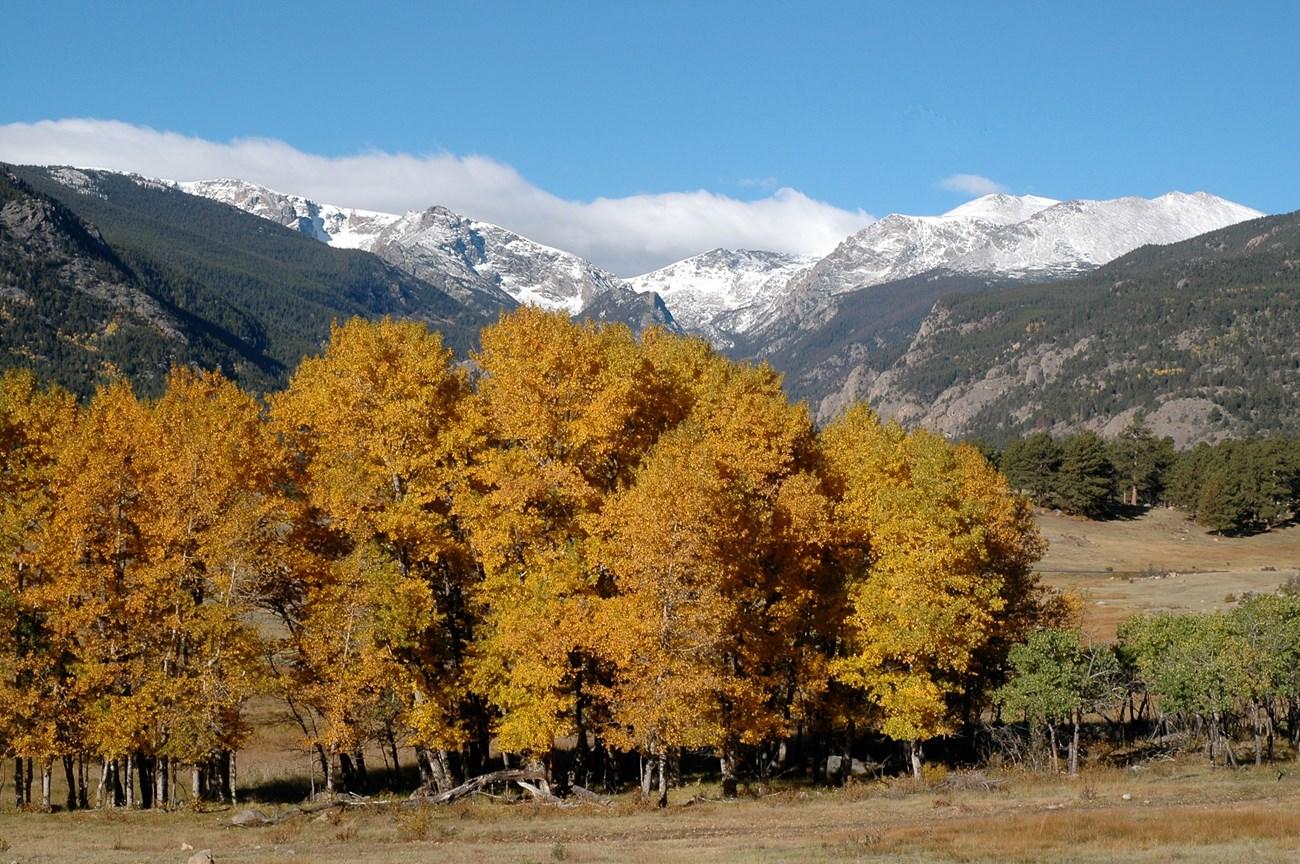
Looking beyond Mount Elbert? Discover Rocky Mountains for broader travel guides, local hot-spots, and regional highlights.
Explore Rocky Mountains
Explore Aspen's silver mining history with a guided tour of the Smuggler Mine, home to one of the largest silver nuggets ever discovered!
Explore Colorado's stunning alpine scenery from Willis Gulch Trailhead near Twin Lakes. Hiking, wildflowers, and mountain vistas await!